Today's Biohacking Pulse

Gut microbes may dictate cellular aging, new review suggests
A Frontiers in Aging review introduces the microbiome‑gerogene axis, proposing that gut microbes act as upstream regulators of cellular aging networks. Age‑related dysbiosis reduces key metabolites, leading to leaky gut, chronic inflammation and epigenetic drift that accelerate organ decline. The authors highlight precision interventions such as ellagitannin‑derived urolithin A and fermentable fibers to restore microbial balance.
What’s Your Chronotype? How Brain Science Can Boost Performance
A joint study by the Wharton Neuroscience Initiative and Slalom examined how individual chronotypes—natural sleep‑wake rhythms—affect creative performance. Using the Morningness‑Eveningness Questionnaire and a divergent‑thinking task, researchers found that employees generated more ideas and higher‑quality concepts when work aligned with their biological peak. Early data show significant gains in fluency, originality, and flexibility for both morning‑type and evening‑type participants. The report outlines practical steps, including AI‑driven scheduling, for organizations to embed chronotype awareness into daily workflows.

Post‑Workout Sauna Supercharges Endurance and Strength Gains
Using the sauna after aerobic exercise improves VO₂ max more than training alone. People who performed 30 minutes of cycling and then sat in a sauna for ~15 minutes afterward saw greater gains in their VO₂ max after 8 weeks of...
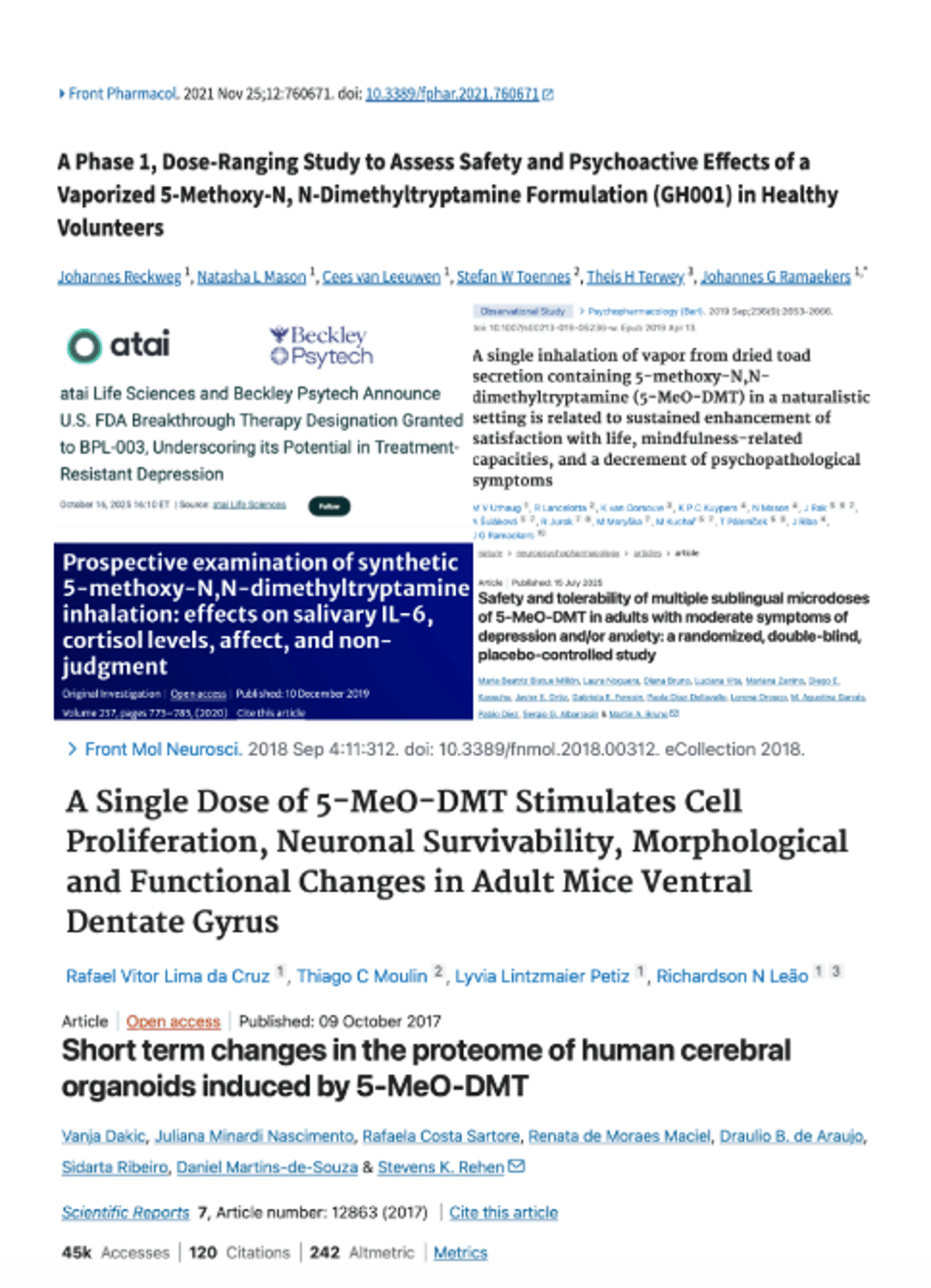
5-MeO-DMT: Potential Longevity Molecule Revitalizing Brain
I'm experimenting with 5-MeO-DMT because it may be most underrated longevity molecule no one is talking about. + Accelerated neurogenesis: a single dose more than doubled brain cell proliferation and neuronal regeneration in the hippocampus within 12 hours, alongside measurable...

Johns Hopkins Leads $24M Multinational Consortium to Find Hepatitis B Cure
Johns Hopkins Medicine is heading a five‑year, $24 million NIH‑funded Hepatitis B and HIV Cure Consortium that brings together research teams from the United States, Brazil, India, Senegal and Uganda. The first year will enroll 450 participants co‑infected with HIV and chronic...
Weight‑loss Meds Cut Alcohol Use in Half of Users
Study shows nearly half of weight loss participants reduced alcohol use after starting anti-obesity medication (GLP-1 agonists, metformin, naltrexone). https://jamanetwork.com/journals/jamanetworkopen/fullarticle/2827069 https://www.gatlan.com/ @GatlanHealth
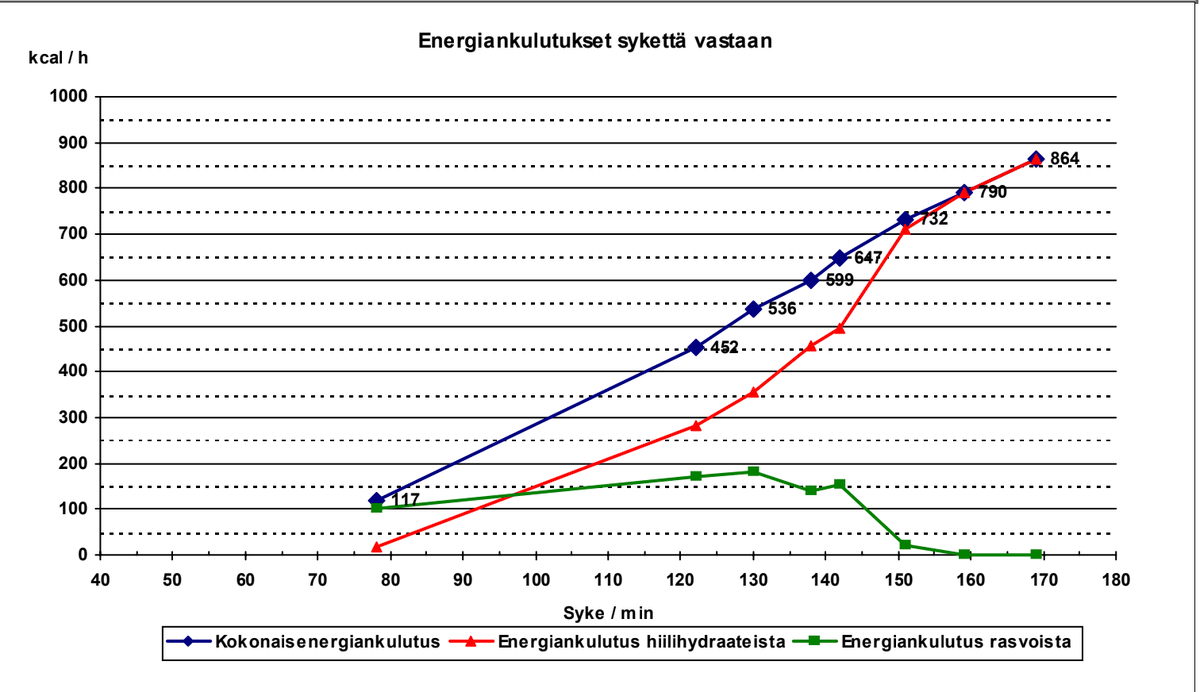
Slight Effort Rise Shifts Fuel, Boosts Appetite
Energy and Exercise I've been writing about this a lot since the start of the year. Here's a snapshot from Bek's recent bike test from Elias' lab in Helsinki Don't get wrapped up in the exact numbers - it's the concept I...
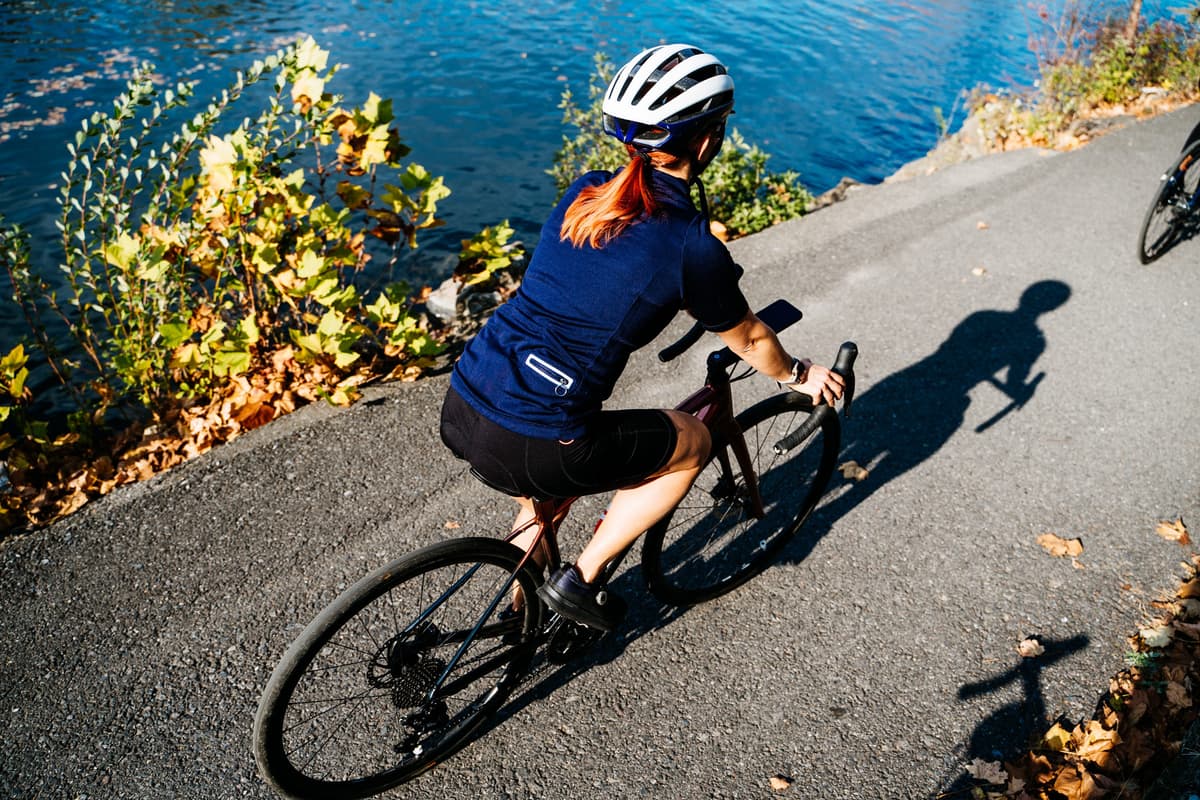
The Best High-Intensity Training Workouts for Cyclists
High‑intensity interval training (HIIT) is gaining traction among cyclists as a time‑efficient way to boost aerobic power, mitochondrial function, and race‑day performance. Recent studies show that two weekly HIIT sessions can raise VO₂ max and peak power by 2‑4 % in well‑trained...
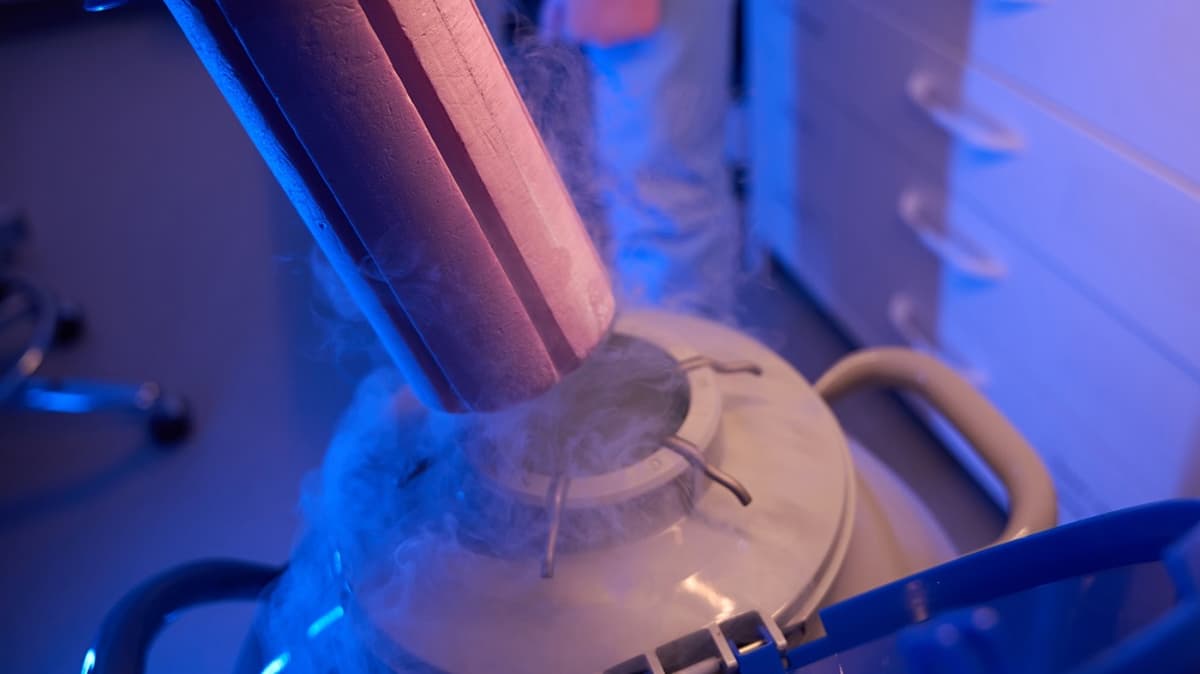
Scientists Successfully Freeze and Rewarm Mouse Brain Slices
Researchers at Friedrich‑Alexander‑Universität Erlangen‑Nürnberg successfully vitrified mouse brain slices and, in a limited trial, an entire mouse brain, preserving neuronal structure and function after rewarming. By using a high‑concentration cryoprotective agent cocktail, they avoided ice crystal formation, maintained synaptic architecture,...
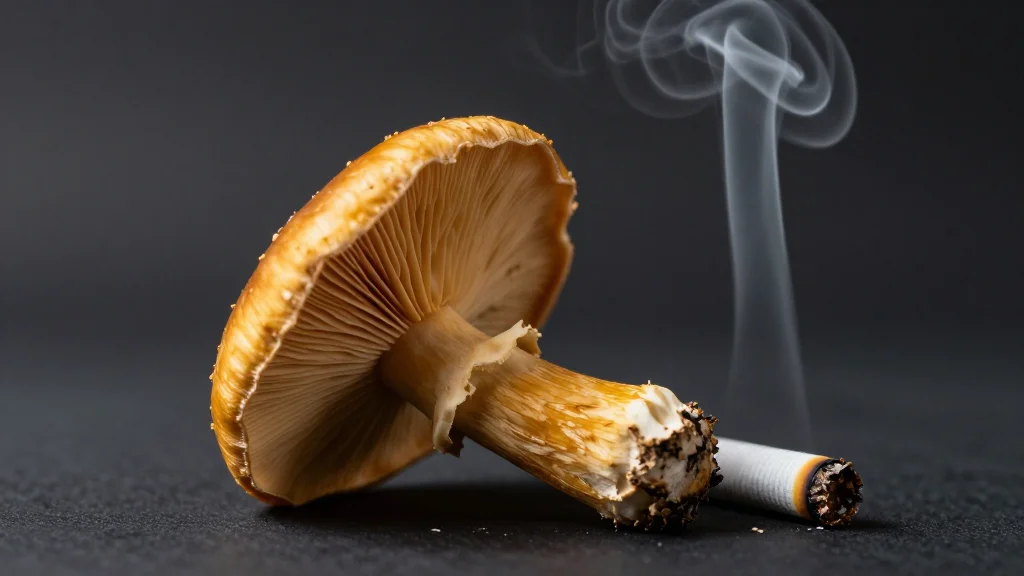
A Dose of Psilocybin Helps Smokers Quit in New Study
Researchers at Johns Hopkins found a single dose of psilocybin dramatically increased smoking cessation rates compared with nicotine patches. In a randomized trial of 82 smokers, 17 of 41 participants who received psilocybin remained abstinent after six months versus four...
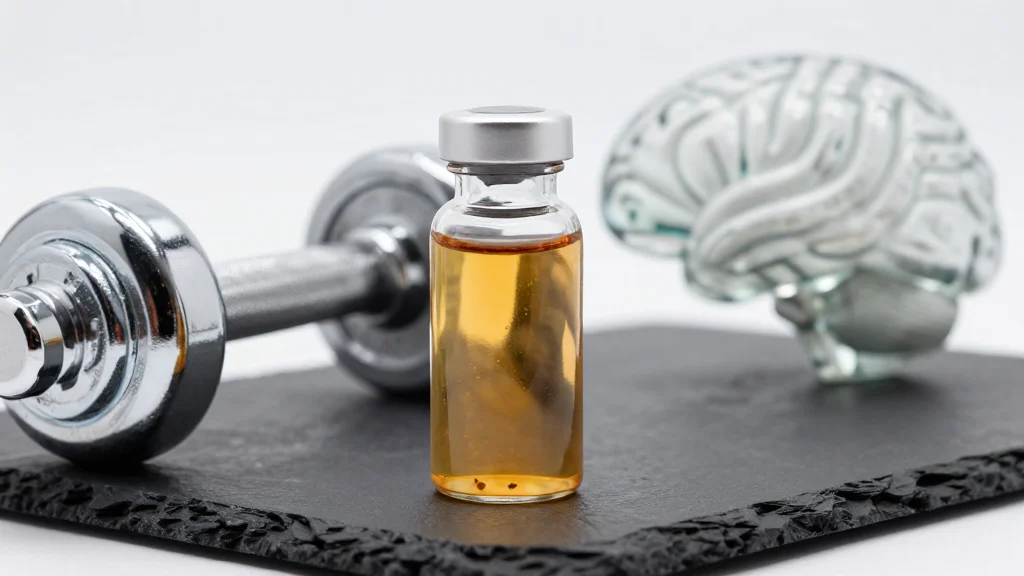
Magtein Joins Schwarzenegger Platform for Brain Health Push
Magtein, a patented magnesium L‑threonate, announced a partnership with Arnold Schwarzenegger’s Pump Club at Natural Products Expo West 2026 to promote brain‑health content through newsletters and podcasts. The collaboration seeks to translate robust clinical research—including recent findings on cognition, sleep,...

The Mouth-Body Connection: Why Oral Health Matters for Longevity
The Longevity.Technology UNLOCKED episode highlights the mouth as a pivotal gateway to overall health, linking nasal breathing, oral microbiome, and dental habits to inflammation, sleep quality, and metabolic function. Clinicians Dr. Aoife Stack and Dr. James Goolnik argue that chronic...
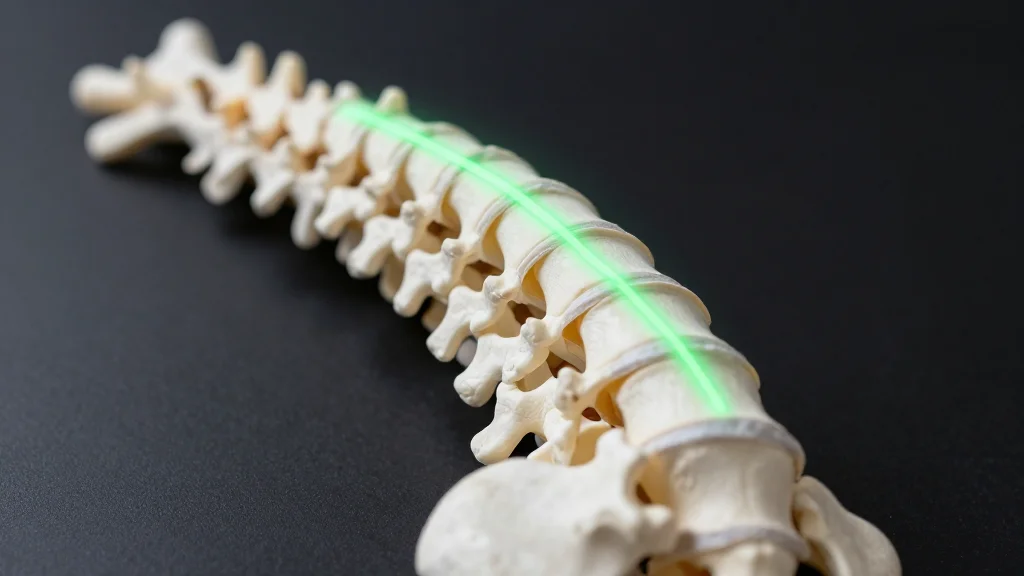
Eight Hours Sitting Increases Mortality—Stand Now
Sitting for over 8 hours daily raises mortality risk. Stand up. Now. (And get a standing desk)
Estradiol Decline Weakens Workout Adaptation
Estradiol is not just a reproductive hormone. It is an anabolic signal. It drives muscle protein synthesis. It activates satellite cells after training. It controls how your body responds to the stress of a hard workout. When it declines, the same...
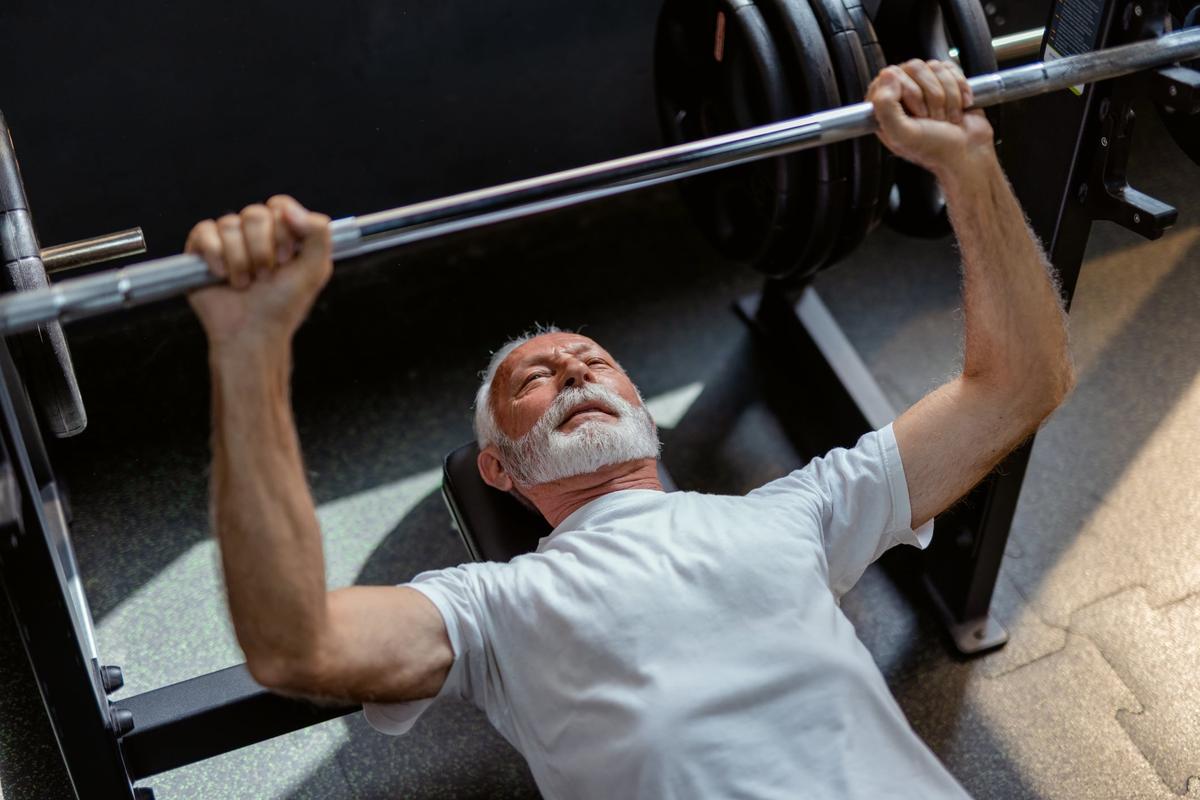
Arginine Plus Fish Oil May Help Manage Sarcopenia: Study
A twelve‑week randomized, double‑blind trial found that daily supplementation with 14 g arginine and 6 g fish oil improved gait speed, hand‑grip strength, and functional activity scores in older adults with sarcopenia. The intervention also lowered inflammatory markers (TNF‑α, IL‑6) and triglyceride...
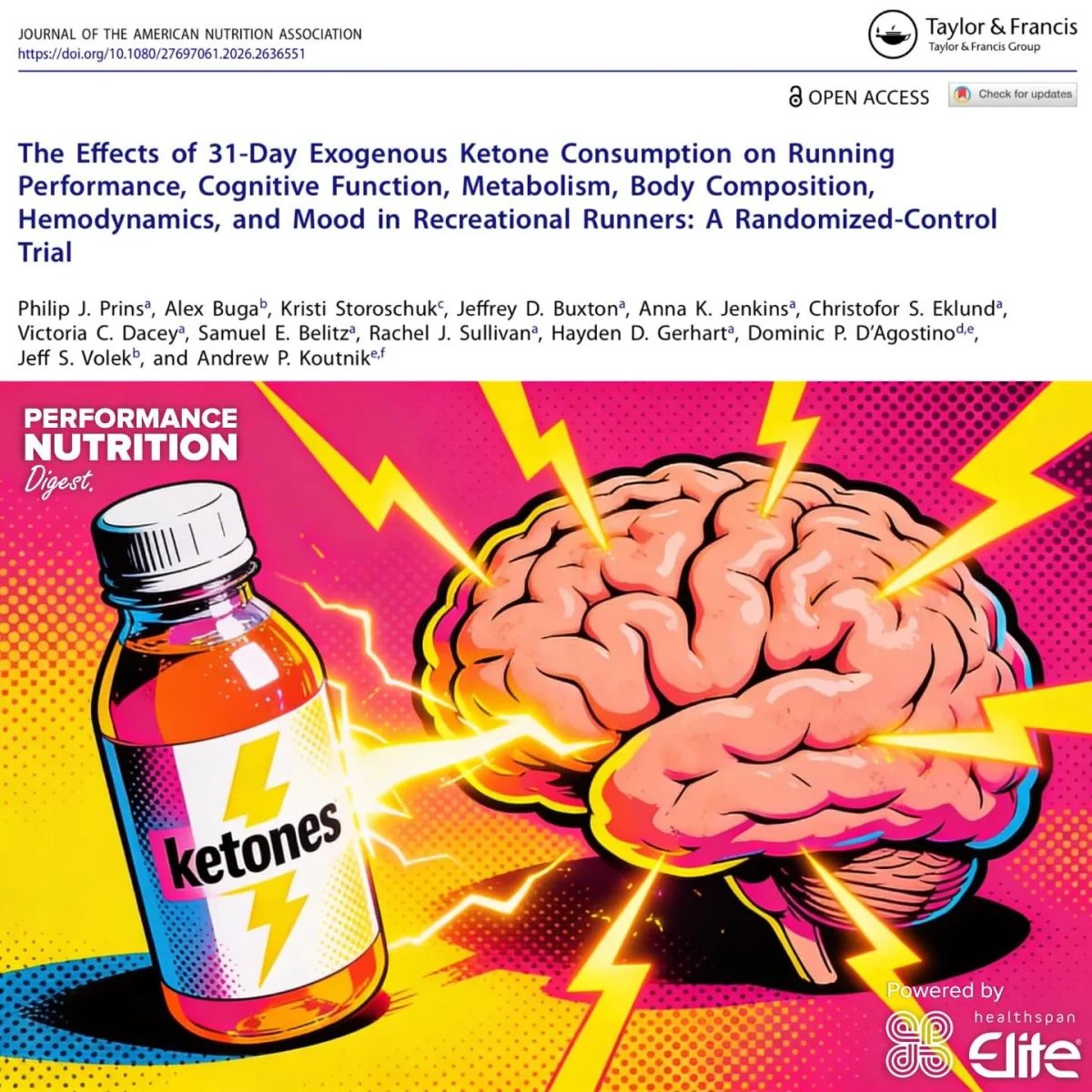
Daily Ketone Supplements Boost Brain Power, Lower Glucose
Daily exogenous ketone consumption enhances cognitive function 🧠📈 This new study investigated the effects of 90 g/day (3 x 30g) ketone monoester supplementation in recreational runners Analysed outcomes included… 🏃 Running performance 🧠 Cognitive function 🔥 Metabolism 🩻 Body composition 🩸 Hemodynamics 🎭 Mood Results 📊 Ingesting ketones led to...
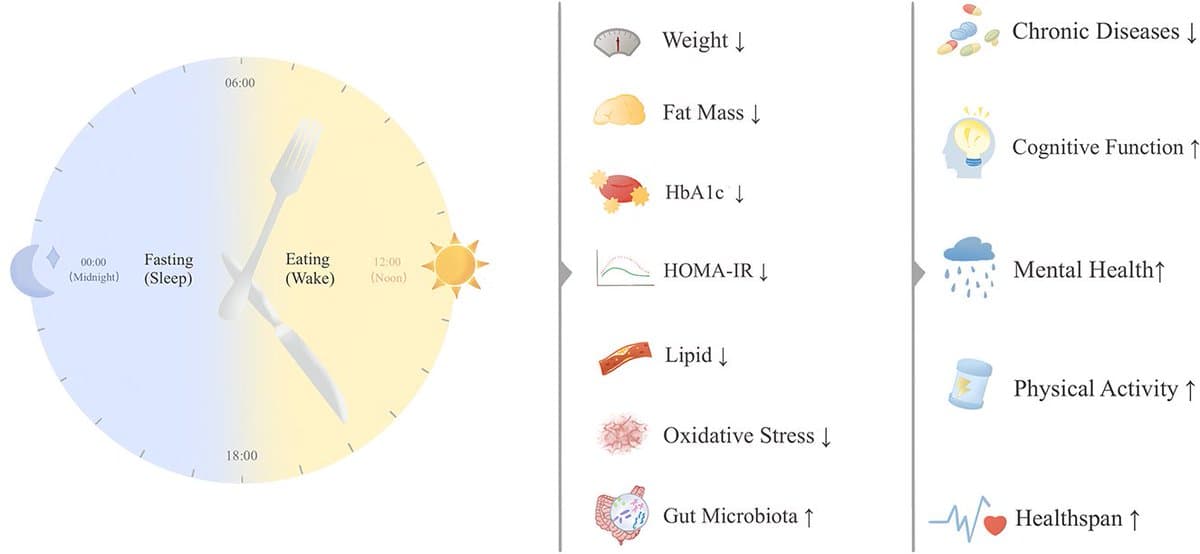
Time-Restricted Eating May Extend Healthy Lifespan
Time-restricted eating as a potential strategy for healthy lifespan: an evaluation of current evidence https://t.co/wuXCFoZi1f https://t.co/mgFWzcFmSZ

This Hormonal Health Concern May Impact Cognition At Midlife
A 30‑year longitudinal study of more than 1,000 women found that those with polycystic ovary syndrome (PCOS) performed worse on cognitive tests and showed reduced white‑matter integrity at midlife. The researchers controlled for BMI, smoking, alcohol use, income, diabetes and...
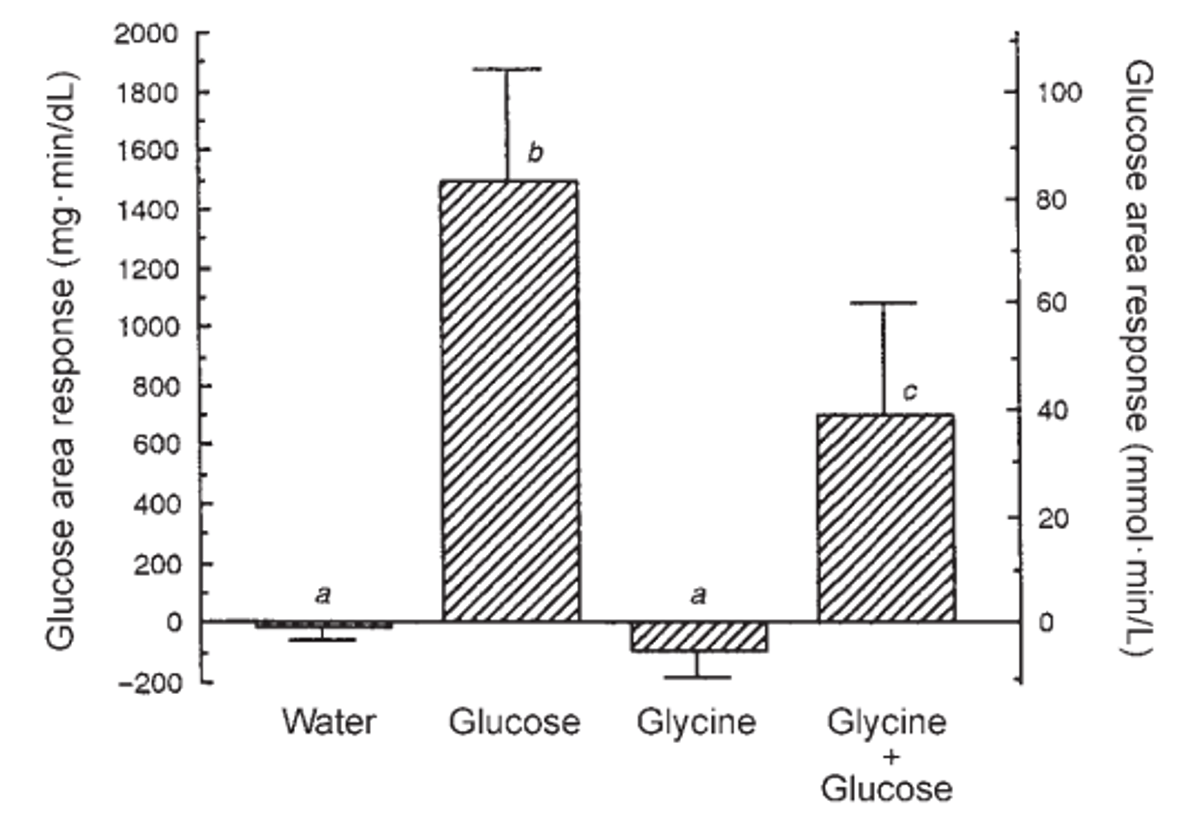
Glycine Halves Glucose Spike without Extra Insulin
Adding 5 g of glycine to 25 g of glucose lowered the glucose response by >50% compared with glucose alone, without increasing total insulin secretion. PMID: 12450897 Why glycine is a blood sugar and glycation powerhouse: https://t.co/fEVjzefmyI https://t.co/dPaspTRBHF

CRISPR's Natural Blueprint Powers Gene‑Therapy Breakthroughs
How CRISPR works (in nature) and how it’s being leveraged as a tool for gene editing to cure and prevent diseases. Dr Alex Marson MD PhD of UCSF on the Huberman Lab podcast out now. https://t.co/fiL48JHxSL
The Hypoxia Response as an Example of the Way in Which Mild Stressors Slow Aging
Researchers have shown that mild, repeated stressors such as hypoxia can trigger cellular maintenance programs, notably autophagy, which delays senescence and extends organismal lifespan. Under low‑oxygen conditions, oxygen‑dependent histone demethylases are inhibited, leading to increased histone methylation and stabilized chromatin...
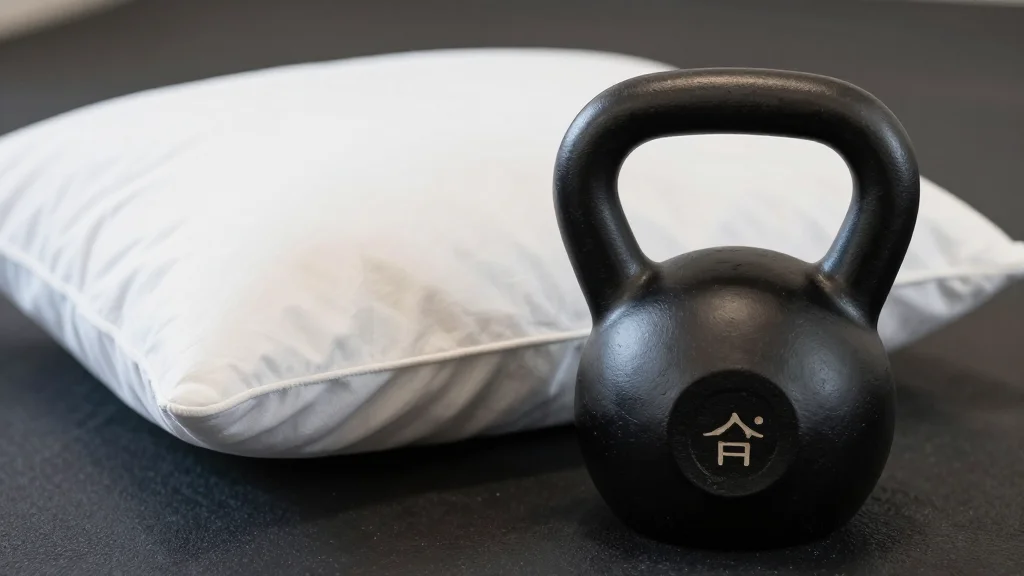
Recovery, Not Stress, Drives Fitness Gains
This is common sense. You don't get healthier/fitter from the exercise stressor. You get healthier/fitter from the supercompensation effect of the body during *recovery*. No recovery. No fitness. You need both.
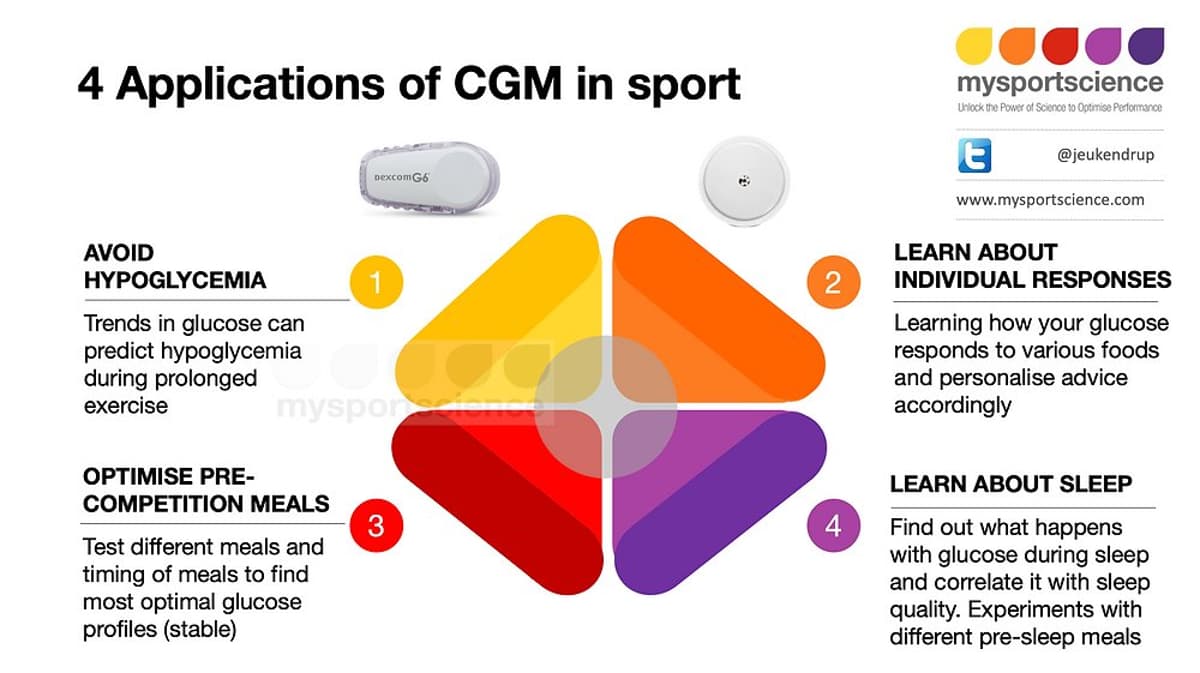
Four Ways Glucose Monitoring Boosts Athletic Performance
In our blog we discuss four potential applications: https://t.co/i88WCldGot • Preventing hypoglycaemia during exercise • Improving pre competition fuelling strategies • Learning how different foods influence glucose levels • Understanding glucose regulation during sleep and stress
A View of the Present State of the Comparative Biology of Aging
The article reviews the emerging field of comparative biogerontology, emphasizing that while the hallmarks of aging have been mapped in laboratory models, their relevance across the vast diversity of animal species remains unclear. It argues that integrating molecular insights from...
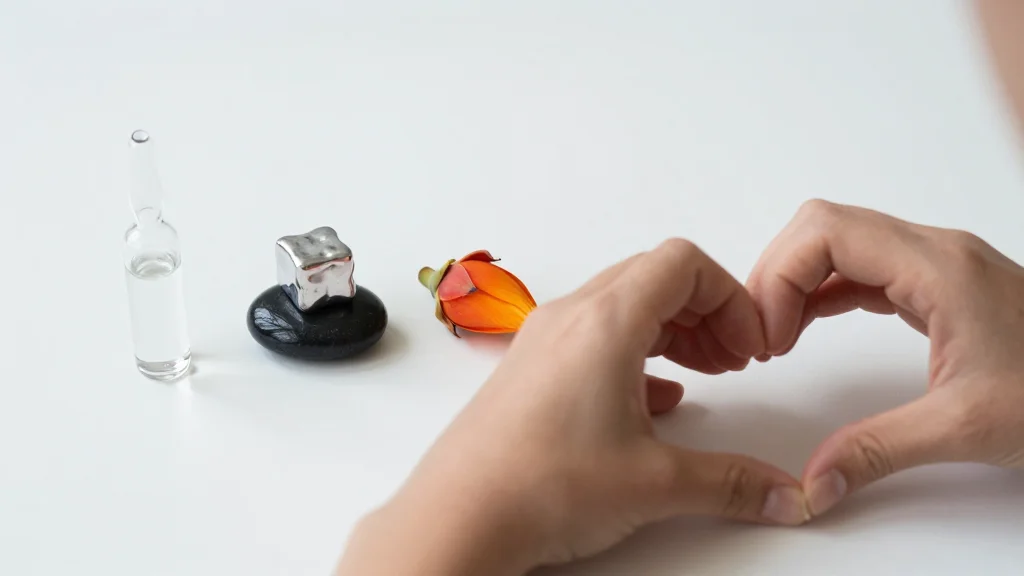
4 Surprising Science-Backed Ways to Slow Ageing
The article outlines four science‑backed habits—seeking novelty, practicing kindness, brief cold exposure, and regular skin moisturisation—that can slow biological ageing. Novel experiences enrich memory encoding, making time feel slower and supporting cognitive health. Kind acts reduce inflammatory gene activity, counteracting...

The Sugar Addiction Lie | Christine Trimpe
In this episode, Christine Trimpe shares her decade‑long transformation from morbid obesity, pre‑diabetes, and chronic fatigue to a sugar‑free, metabolically healthy life. She recounts a pivotal mountain‑hike moment that sparked her resolve, the step‑by‑step quitting‑sugar plan, and how Dr. Jason...
Is Everything We Know About Fat Wrong? Experts Debunk 4 Myths
Recent research and expert commentary overturn the long‑standing low‑fat dogma, emphasizing that total fat intake of 20‑35% of calories is acceptable and that the type of fat matters more than the amount. Saturated fats can remain in the diet for...
Health Roadmap Adds Evidence Tags, Unit Switching, Bug Fixes
Health Roadmap Updates: 1. Clinical evidence for every suggestion — guideline tags + DOI references 2. Per-field unit switching (SI / conventional) 3. Fixed LDL suppression bug and HDL threshold rounding 4. Cleaner inputs https://t.co/wwMaIyXtzB
How Voluntary Exercise Reshapes Tryptophan Metabolism Through the Gut Microbiota
A study in *Brain Medicine* shows that eight weeks of voluntary wheel running in adult male rats reshapes the gut microbiota, notably decreasing the tryptophan‑metabolizing genera Alistipes and Clostridium. The microbial shift coincides with altered serum metabolites, including a rise...
Mouse Brain Study Reveals Why Blockbuster Weight-Loss Drugs May Work Differently in Females and Males
Researchers at Icahn School of Medicine created the first sex‑specific atlas of GLP‑1 expression in the mouse brain using RNAscope, mapping the peptide across 25 nuclei. The atlas shows pronounced differences between females and males, especially in hindbrain nuclei of...
#597: Behavioral Psychology in Diet & Health Counselling – David Creel, PhD, RD
David Creel, PhD, RD, a clinical psychologist and dietitian at the Cleveland Clinic, emphasizes that lasting weight‑loss hinges on behavioral psychology rather than isolated diet or exercise prescriptions. He outlines a framework that blends collaborative communication, self‑monitoring, skill‑building, and relapse‑prevention...

Should You Exercise When You Have Cancer?
Exercise is generally safe for most cancer patients and can be a powerful adjunct to treatment. Medical oncologists emphasize that even modest activity—walking, yoga, or light strength work—helps lower inflammation, fatigue, and improves sleep and mood. The American Cancer Society...
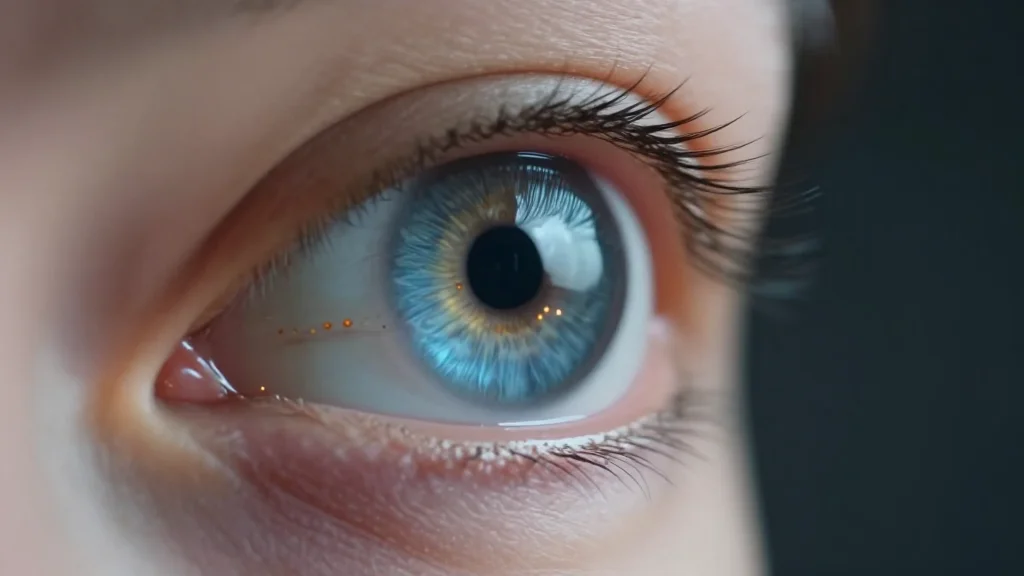
Resident Macrophages Play a Role in Maintaining Murine Intraocular Pressure
Duke University researchers discovered that resident tissue macrophages (RTMs) are essential for maintaining intraocular pressure (IOP) in mice. Fluorescent tagging showed that selective removal of RTMs clogged the eye's outflow pathway, causing fluid buildup and elevated IOP, while depletion of...
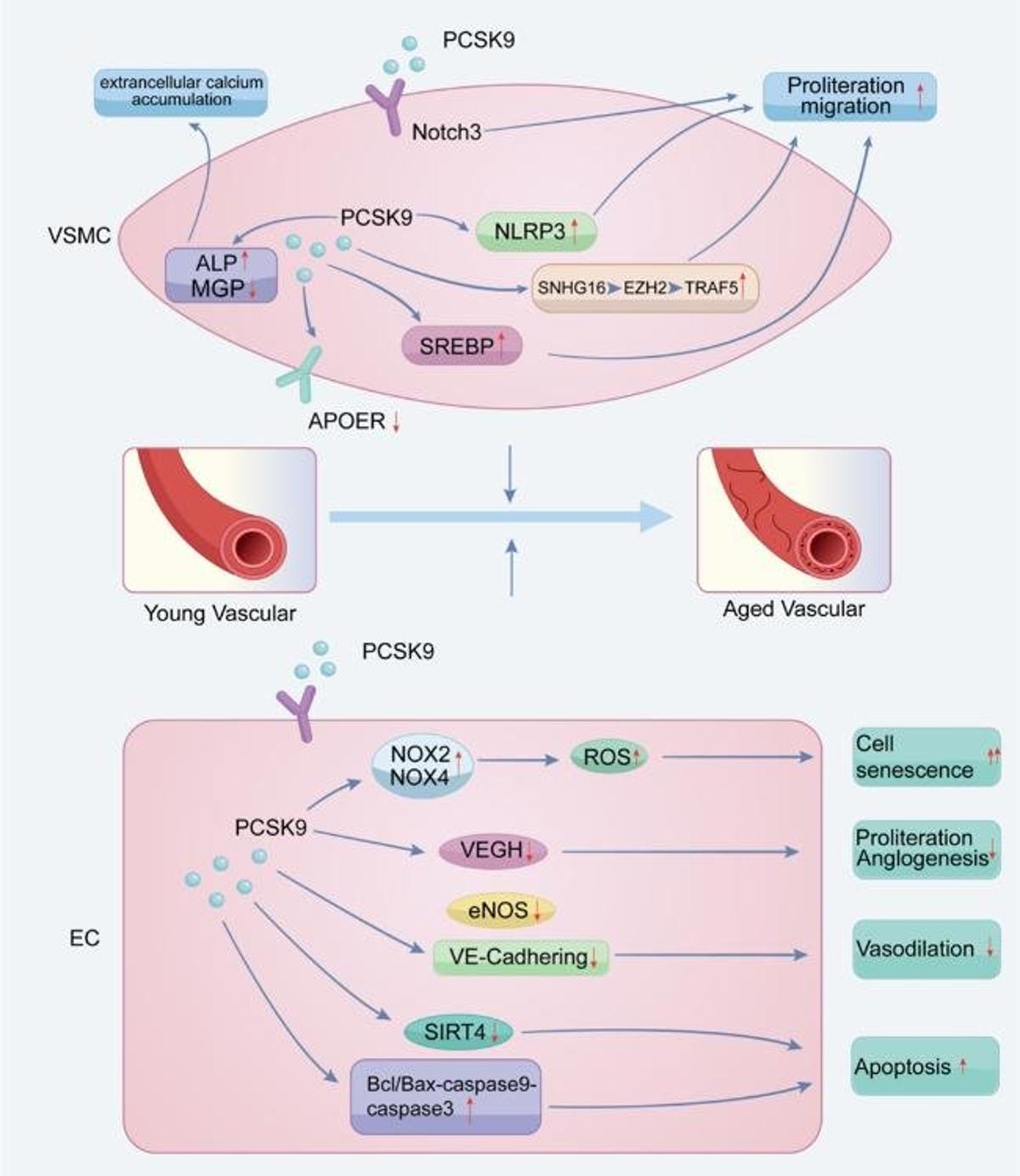
PCSK9 Drives Vascular Aging, Offers New Therapeutic Targets
PCSK9 in Vascular Aging and Age-Related Diseases Comprehensive summary of PCSK9's regulatory functions in vascular aging, highlighting potential therapeutic targets for combating age-related cardiovascular diseases. https://t.co/uo3PaSJLCb https://t.co/w8UZgIduPV
Increased Fitness May Amplify Brain Boost Following Exercise
A UCL‑led study shows that a 12‑week cycling program improves aerobic fitness and amplifies the post‑exercise surge of brain‑derived neurotrophic factor (BDNF) in previously inactive adults. Participants underwent VO₂ max testing and cognitive assessments; after training, the BDNF spike following a...
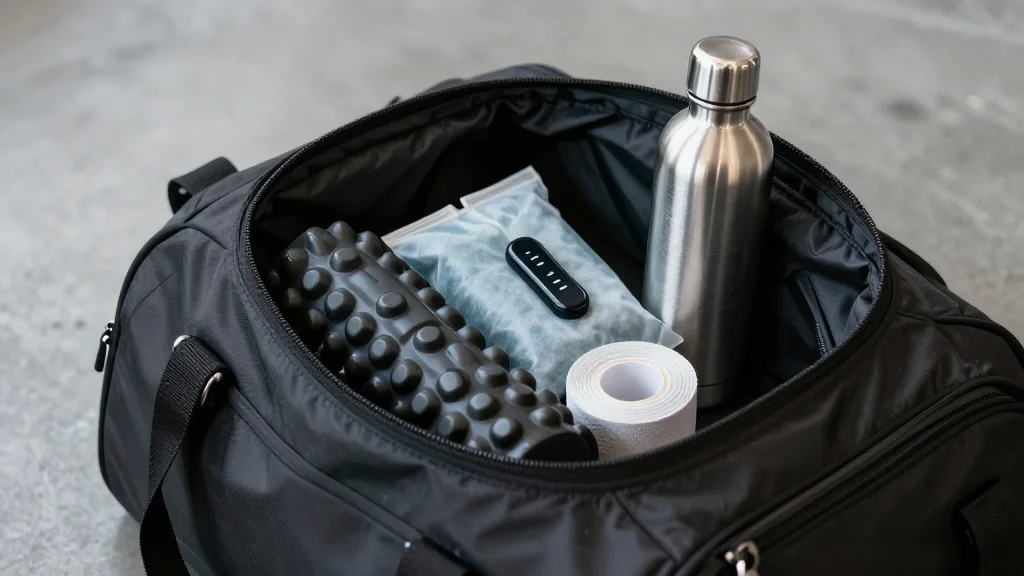
4 Ways To Soothe Your Sore Muscles
Delayed‑onset muscle soreness (DOMS) is a normal response to new or intensified workouts, appearing within hours and peaking 12‑36 hours later. The article outlines four evidence‑based strategies to lessen the discomfort: staying properly hydrated, performing dynamic warm‑ups, incorporating post‑exercise stretching and...
Gene Edit Makes Probiotic Safer for Immunocompromised Patients
An international team genetically deleted the ENA1 gene from Saccharomyces boulardii, a common probiotic yeast. In immunosuppressed mice, the ENA1‑deficient strain showed no mortality, raising survival from 30‑40% to 100% compared with wild‑type isolates. The edit also reduced osmotic stress...
Scientists Found a Surprising Way to Make Exercise Work Better
Researchers at Virginia Tech discovered that a high‑fat ketogenic diet rapidly normalizes blood glucose in diabetic mice and enhances their response to aerobic exercise. Within a week, the mice’s hyperglycemia resolved, and prolonged feeding remodeled muscle fibers toward a more...
Stay or Stray? Why some Gut Microbes Persist After Fecal Transplants
Researchers at King's College London identified genetic markers that determine whether donor microbes persist after fecal microbiota transplantation (FMT). By tracking biosynthetic gene clusters in 86 healthy adults over a year, they distinguished stable clusters that remain long‑term from transient...
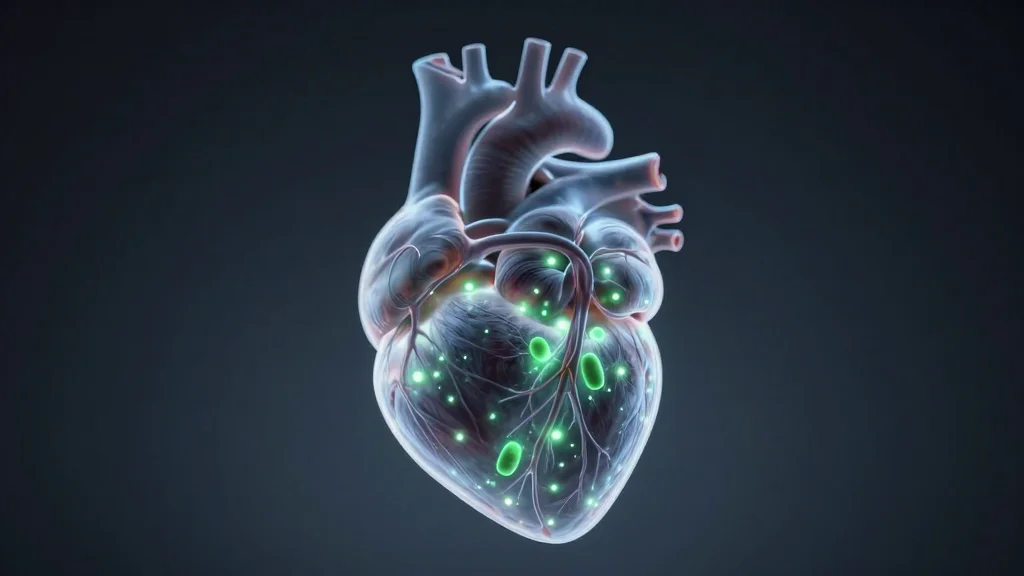
CRISPR-Based Technique Unlocks Healing Power of Mitochondria for Heart Failure Therapy
Researchers at Rice University and Baylor College of Medicine used a non‑editing CRISPR system to activate the PPARGC1A gene, boosting mitochondrial production in human cardiomyocytes. The technique safely increased cellular energy output, as shown by higher oxygen consumption in cell...

How To Shield Yourself From Skin Cancer If You Exercise Outside, According to Dermatologists
The article follows triathlete Georgie Rutherford’s stage 2C melanoma, linking her diagnosis to insufficient sunscreen during extensive outdoor training. Dermatologists highlight that 90% of non‑melanoma skin cancers and 86% of melanomas are UV‑related, and a 2024 study shows frequent outdoor exercise...
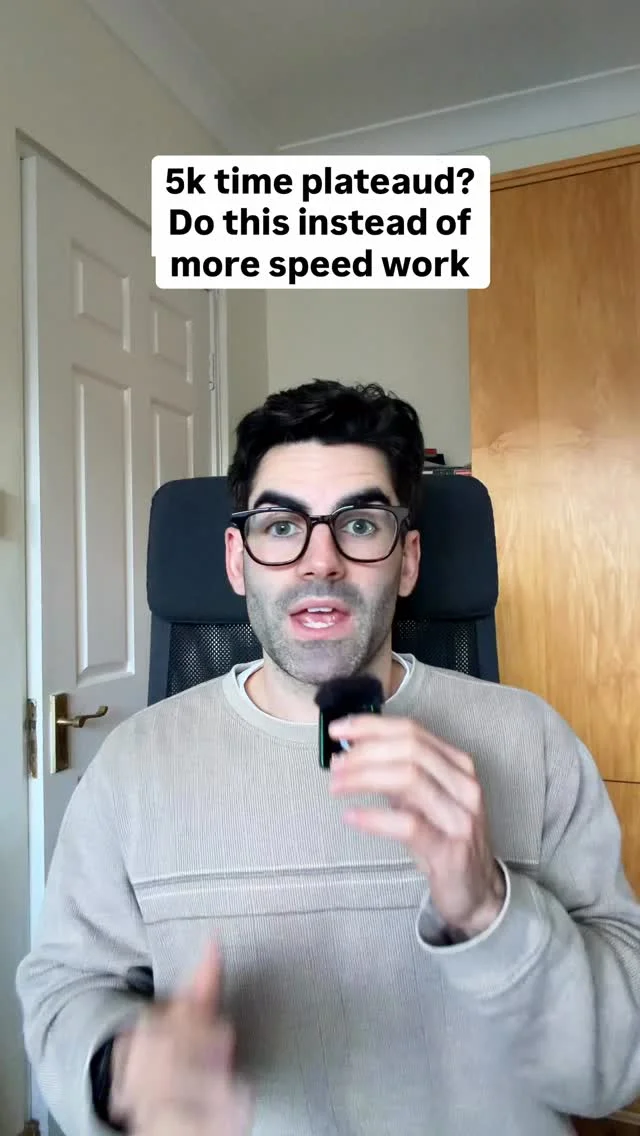
Tailored Plan Cuts 5K Time by 90 Seconds
Nearly 90 secs off his 5k… in just a few weeks Ross was already training when he came to me. He also owns a busy cafe in Dublin so didn’t have endless hours to train So we designed a plan that hit the mark...
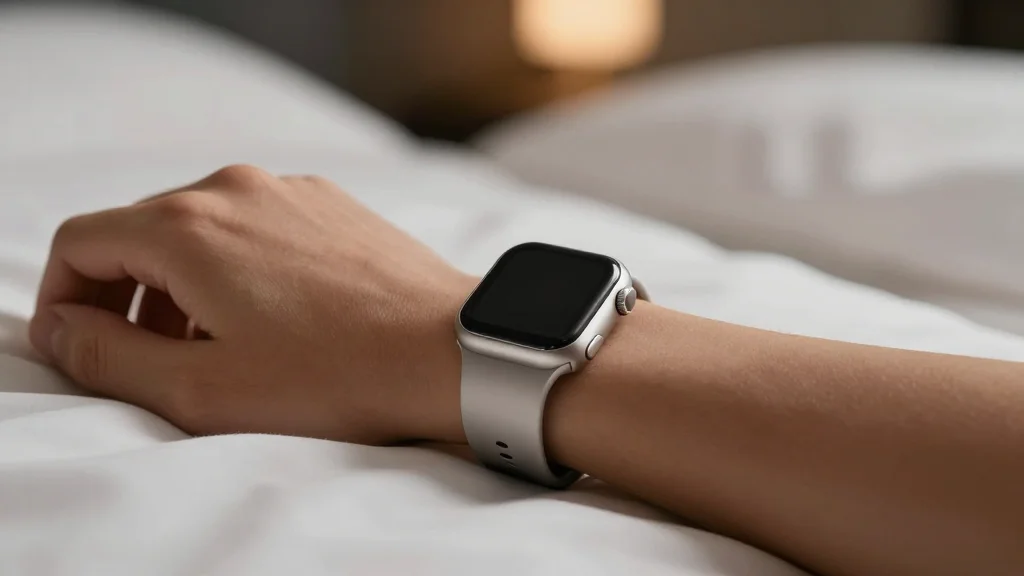
Wearables Transform Sleep Awareness Into Measurable Wellness
Sleep Awareness Week is a great reminder that getting better rest starts with understanding how we actually sleep. What I find fascinating is how wearable technology is turning sleep into something we can truly measure and improve. Today’s smartwatches and health...

Forever Young Explores the Longevity Revolution
The documentary "Forever Young" arrives as the longevity field moves from lab breakthroughs to public policy and everyday life. Featuring top geroscientists from the Buck Institute, Harvard and Stanford, the film argues that lifestyle and environment outweigh genetic destiny in...
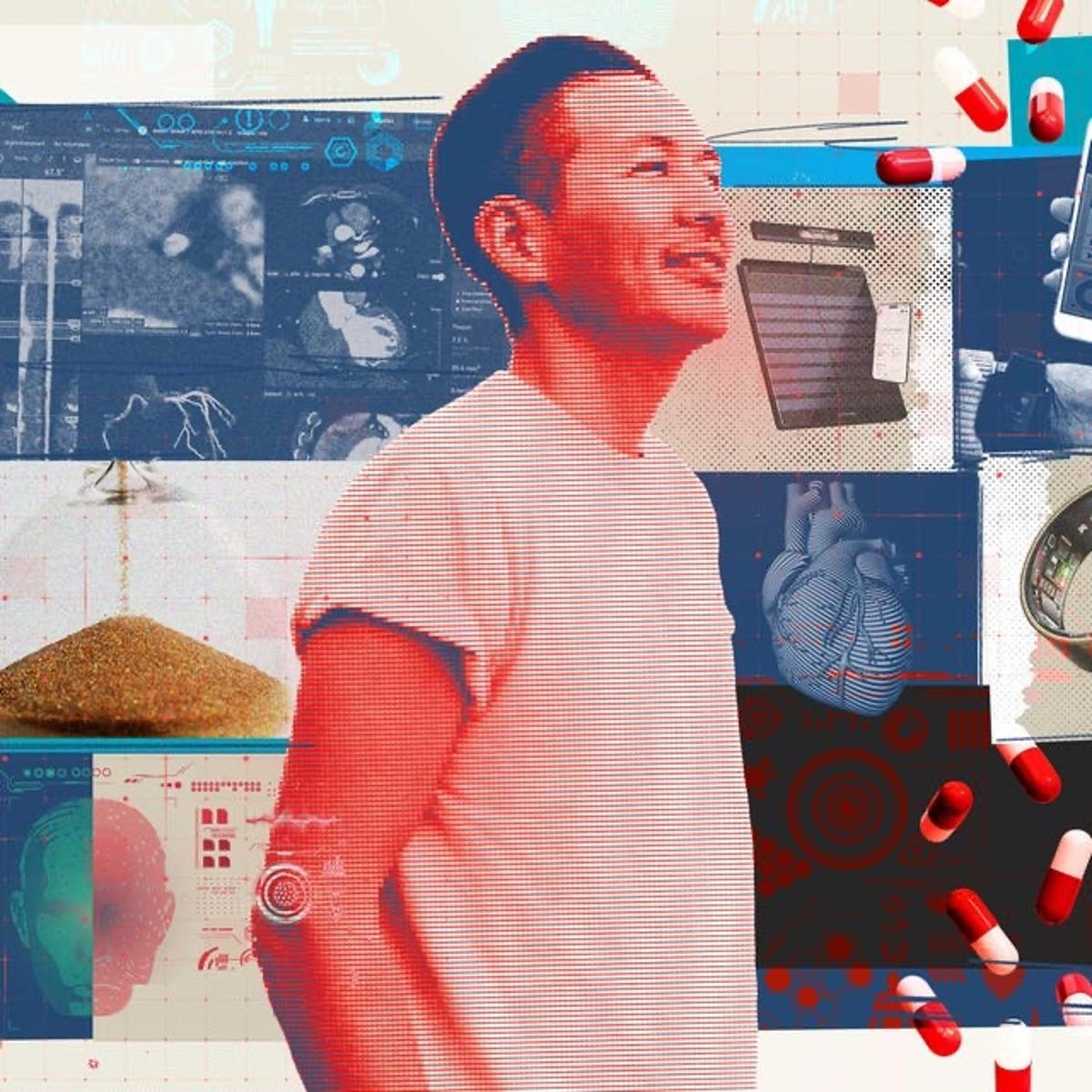
AI‑Driven Health Tools May Extend Lifespan to 100
How New Longevity Tech Could Help You Reach 100 Daily biometrics, smart scales and AI companions are quietly rewriting the rules of aging. https://t.co/lAmYntfSP5 https://t.co/YYo4tWkgMg
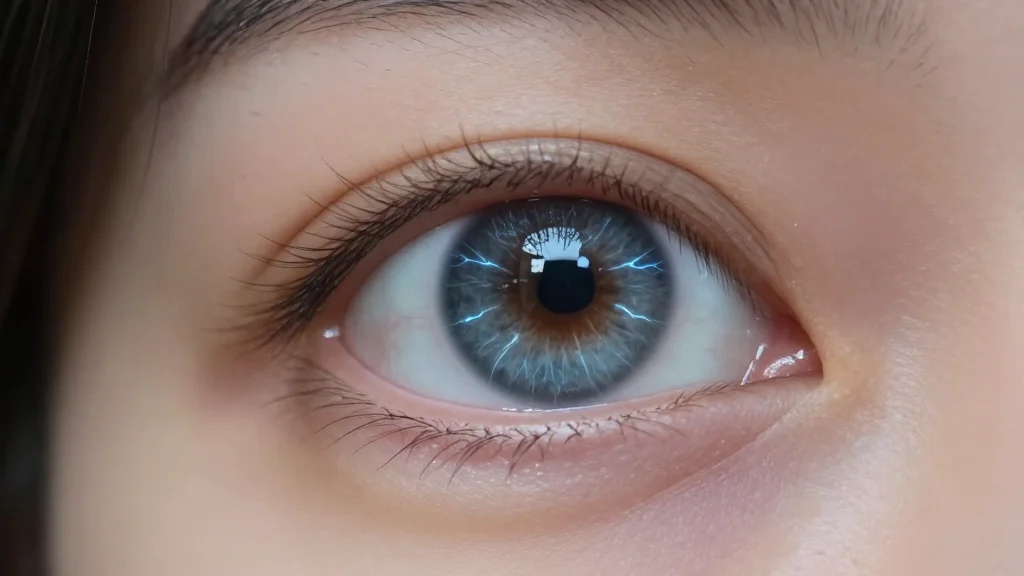
Future Tech Will Write to the Brain via Eyes
Most people are now comfortable with the idea of “reading” the nervous system, hormone, sleep tracking, etc., but writing to the nervous system, obviously is the next step. The eyes are going to be the entry point b/c they are...

Complement System Biomarkers Change with Age, and More So in Dementia Patients
A decade‑long study of 235 cognitively normal adults tracked plasma levels of 14 complement proteins every two years. Five factors—C4, C4b, Factor I, Factor D and Properdin—showed progressive deviations only in participants who later developed Alzheimer’s disease. These peripheral changes...
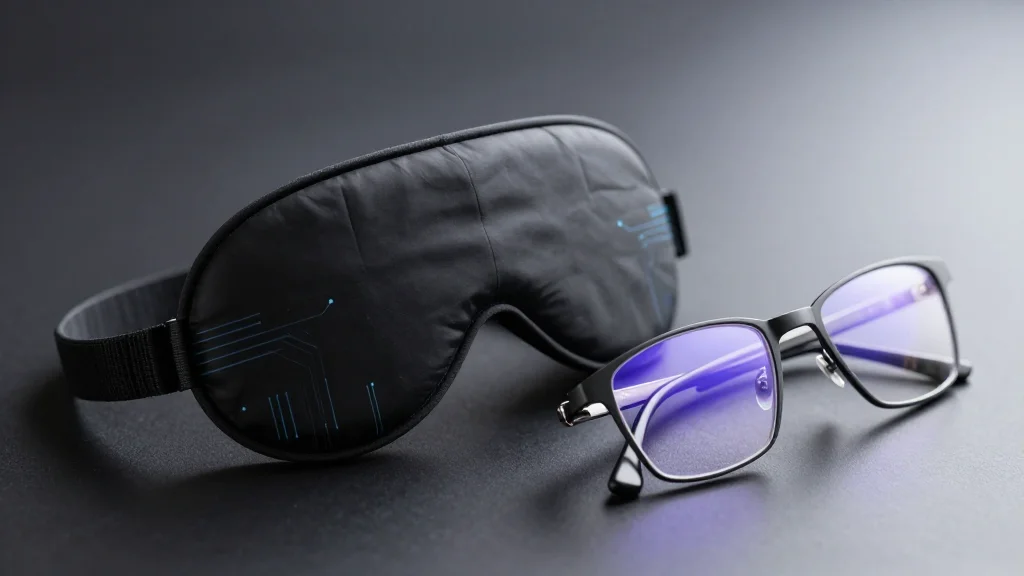
Future Wearables Promise On‑Demand Control of Brain States
Sleep masks that induce sleep (exist not released yet), glasses to ramp up specific brain states etc (early versions look promising), and vagal micro stim with specificity… have tried several, and the engineers behind the soon to come tech are...
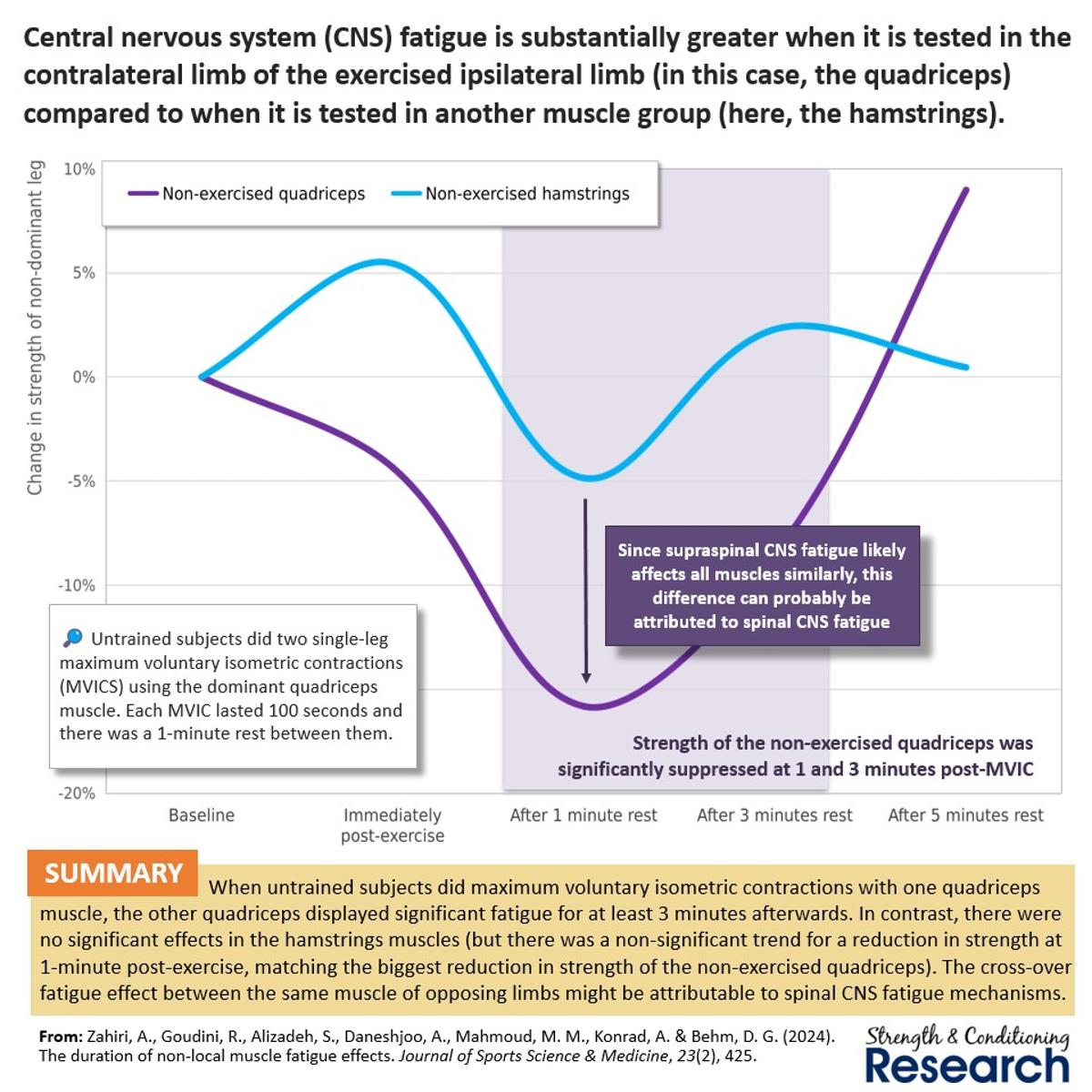
Contralateral vs Non‑local Fatigue Distinguishes CNS Mechanisms
CNS fatigue occurs during exercise due to supraspinal and spinal mechanisms. Supraspinal is likely global in nature, while spinal is not. Differences between contralateral muscle fatigue and entirely non-local muscle fatigue may help separate the two fatigue mechanisms. https://t.co/Ytl8WnBxFU
FDA Drugs Show Promise as Future Geromedicines
Check out this article I was apart of @MensHealthMag where I discuss currently approved FDA drugs that are potential geromedicines and our work on centenarians. https://t.co/e95XvnY9fb
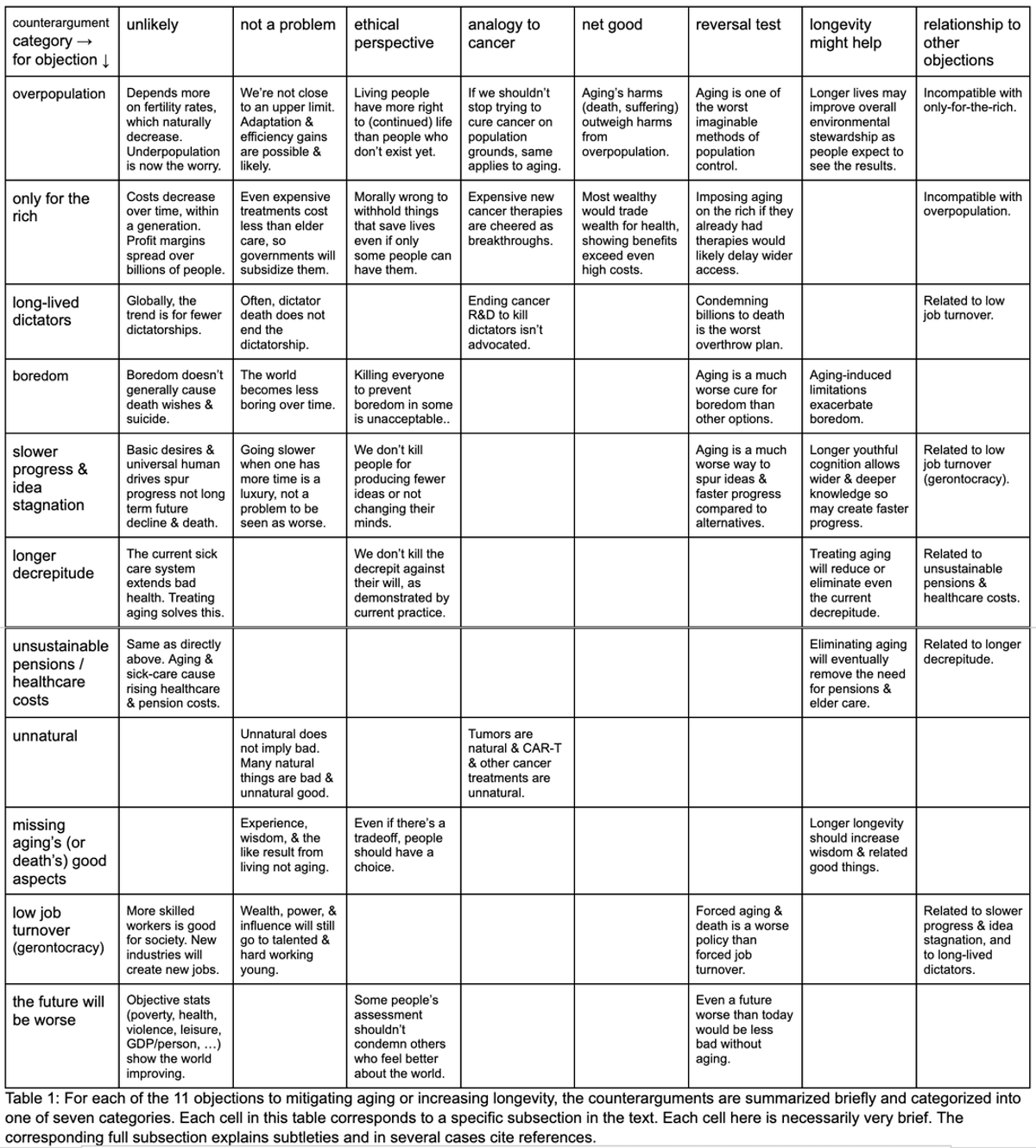
Combat Aging Now: Common Longevity Concerns Overstated
Why is it vital for humanity to fight aging? Why are common longevity worries not big problems? My new review: https://t.co/tIcXYBFE7U a preprint of a book chapter for the upcoming radical longevity book that many in the field have contributed to. https://t.co/NFTYSMALzD