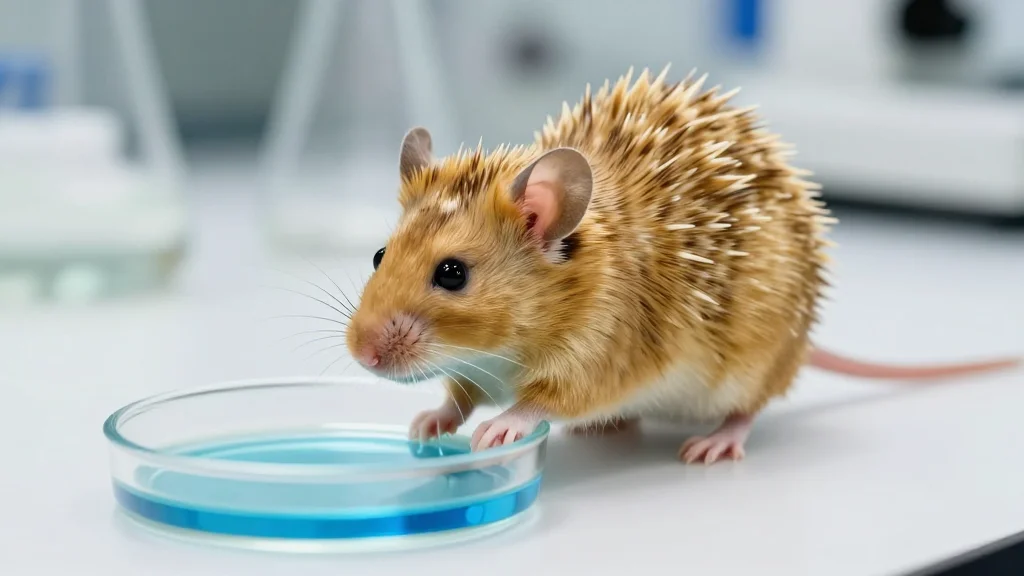
Some Spiny Mouse Species Are Long-Lived in Addition to Displaying Exceptional Regeneration
Researchers found golden spiny mouse (Acomys russatus) lives longer and retains regenerative abilities compared to its sister species. In a non‑pathogen‑free setting, aged A. russatus showed minimal frailty, reduced inflammaging, and preserved thymic structure beyond four years. Transcriptomic analysis revealed youthful gene expression and elevated clusterin in macrophages that suppress inflammation. These findings link immune‑metabolic adaptations to both longevity and scar‑free tissue repair.

Yes, But How Did It Feel?
A recent Dutch study compared three approaches to quantifying training stress, pitting traditional objective measures against athlete‑reported subjective scores. The researchers found that subjective metrics, such as perceived exertion, aligned more closely with physiological markers of fatigue than objective data...
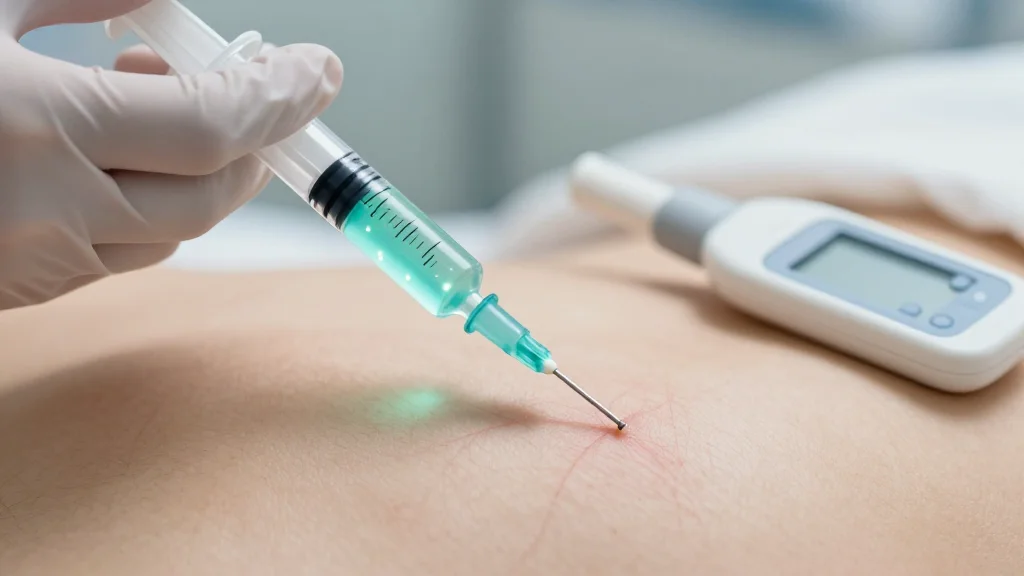
Injectable Mini-Livers as an Alternative to Liver Regeneration
Researchers have introduced INSITE, an injectable platform that combines primary human hepatocytes with hydrogel microspheres to form self‑assembling, vascularizable tissue ensembles in situ. Using ultrasound guidance, the scaffold is delivered to an ectopic site where it integrates with host vasculature...

A Better View of How Cells Take Up Mitochondria to Restore Function
Researchers have demonstrated that mesenchymal stromal cells (MSCs) can actively internalize isolated, functional mitochondria through endocytic pathways. The study shows that the internalized organelles retain structural integrity and boost cellular proliferation, stress tolerance, and oxygen consumption. Chemical inhibition of endocytosis...
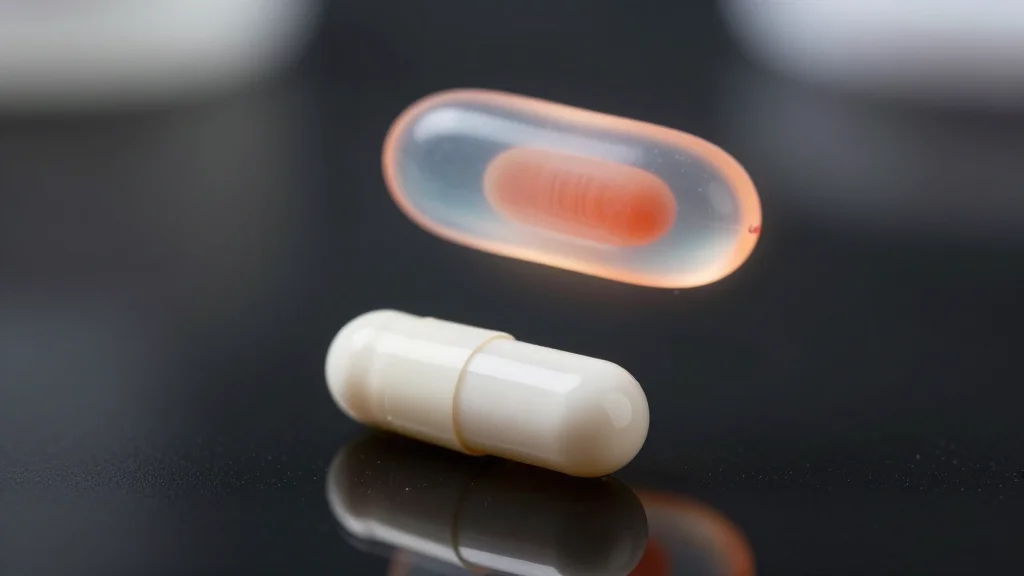
Arguing for PPARα Agonist Fenofibrate to Be Geroprotective
Researchers report that fenofibrate, a PPARα agonist approved for hyperlipidemia, extends lifespan and reverses cellular senescence in several mouse models, including D‑galactose‑induced, 18‑month‑old, and SAMP8 strains. The drug reduces age‑related lipid accumulation and restores mitochondrial function by up‑regulating CPT1C, a...

A Surprising Way Daily Moisturiser May Slow Brain Ageing
Recent research suggests that a simple daily habit—applying moisturiser—may help slow age‑related cognitive decline. The study followed 200 adults over 65 for three years, comparing a group that moisturised their forearms and lower legs twice daily with a control group...

Urinary Leaks: A 12-Week Plan to Eliminate Them
Urinary incontinence affects more than one‑third of women over 40 and up to half of post‑menopausal women, while men see higher rates after prostate surgery. The blog outlines a 12‑week biohacking plan that blends functional pelvic‑floor exercises, targeted nutrition, evidence‑based...

Methylene Blue
Methylene Blue, a synthetic dye turned drug, is gaining attention as a potent nootropic that improves mitochondrial efficiency, acts as an antioxidant, and modulates neurotransmitter systems. Clinical and pre‑clinical studies show low‑dose supplementation enhances memory, mood, and offers neuroprotective benefits...

Scientists Successfully Freeze and Rewarm Mouse Brain Slices
Researchers at Friedrich‑Alexander‑Universität Erlangen‑Nürnberg successfully vitrified mouse brain slices and, in a limited trial, an entire mouse brain, preserving neuronal structure and function after rewarming. By using a high‑concentration cryoprotective agent cocktail, they avoided ice crystal formation, maintained synaptic architecture,...
The Hypoxia Response as an Example of the Way in Which Mild Stressors Slow Aging
Researchers have shown that mild, repeated stressors such as hypoxia can trigger cellular maintenance programs, notably autophagy, which delays senescence and extends organismal lifespan. Under low‑oxygen conditions, oxygen‑dependent histone demethylases are inhibited, leading to increased histone methylation and stabilized chromatin...
A View of the Present State of the Comparative Biology of Aging
The article reviews the emerging field of comparative biogerontology, emphasizing that while the hallmarks of aging have been mapped in laboratory models, their relevance across the vast diversity of animal species remains unclear. It argues that integrating molecular insights from...

4 Surprising Science-Backed Ways to Slow Ageing
The article outlines four science‑backed habits—seeking novelty, practicing kindness, brief cold exposure, and regular skin moisturisation—that can slow biological ageing. Novel experiences enrich memory encoding, making time feel slower and supporting cognitive health. Kind acts reduce inflammatory gene activity, counteracting...
#597: Behavioral Psychology in Diet & Health Counselling – David Creel, PhD, RD
David Creel, PhD, RD, a clinical psychologist and dietitian at the Cleveland Clinic, emphasizes that lasting weight‑loss hinges on behavioral psychology rather than isolated diet or exercise prescriptions. He outlines a framework that blends collaborative communication, self‑monitoring, skill‑building, and relapse‑prevention...

Complement System Biomarkers Change with Age, and More So in Dementia Patients
A decade‑long study of 235 cognitively normal adults tracked plasma levels of 14 complement proteins every two years. Five factors—C4, C4b, Factor I, Factor D and Properdin—showed progressive deviations only in participants who later developed Alzheimer’s disease. These peripheral changes...

Don't Die: Do Stepups
Stepups are a single‑leg, low‑impact exercise that directly improves functional mobility and daily‑living tasks. Research from the Czech Republic and epidemiological studies show that superior stair‑climbing ability correlates with lower all‑cause mortality and fewer catastrophic falls in older adults. The...
Reviewing What Is Known of the Virome in Aging
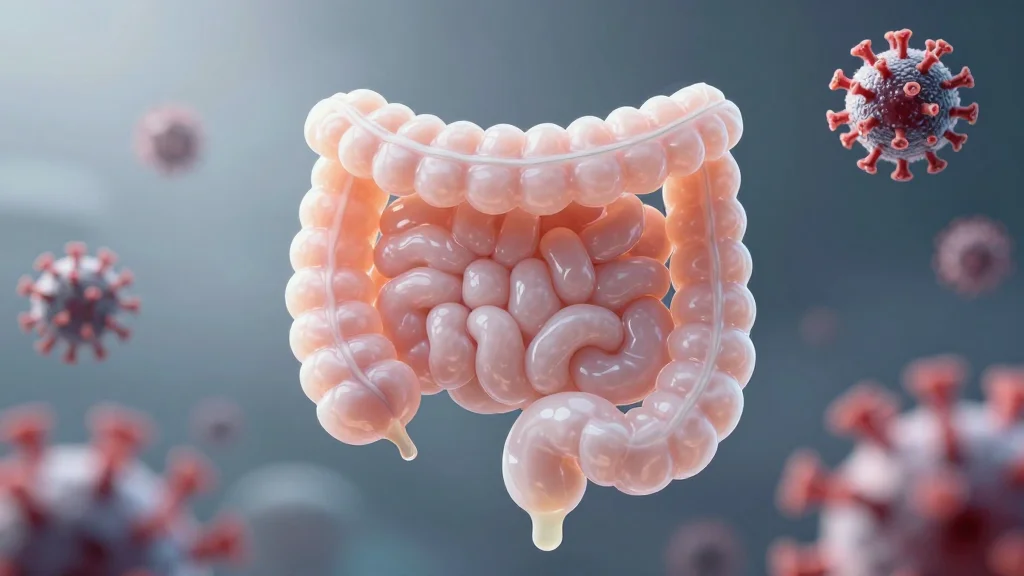
Recent open‑access review maps the human virome’s role in aging, highlighting how gut and circulating viruses influence immunity, inflammation, and metabolism. Age‑related virome changes include expansion of bacteriophage families, reactivation of latent herpesviruses, and altered viral diversity, with centenarians displaying...

FMO-2 Upregulation Is Common to Multiple Longevity Associated Mutations in Nematodes
Researchers have identified flavin‑containing monooxygenase‑2 (FMO‑2) as a shared downstream effector in several long‑lived mitochondrial mutants of Caenorhabditis elegans, including clk‑1, isp‑1 and nuo‑6. RNA interference or genetic loss of fmo‑2 shortens the extended lifespan of these mutants, confirming its...
The CONTEXT Framework: Why the Best Health Interventions Fail Without Context
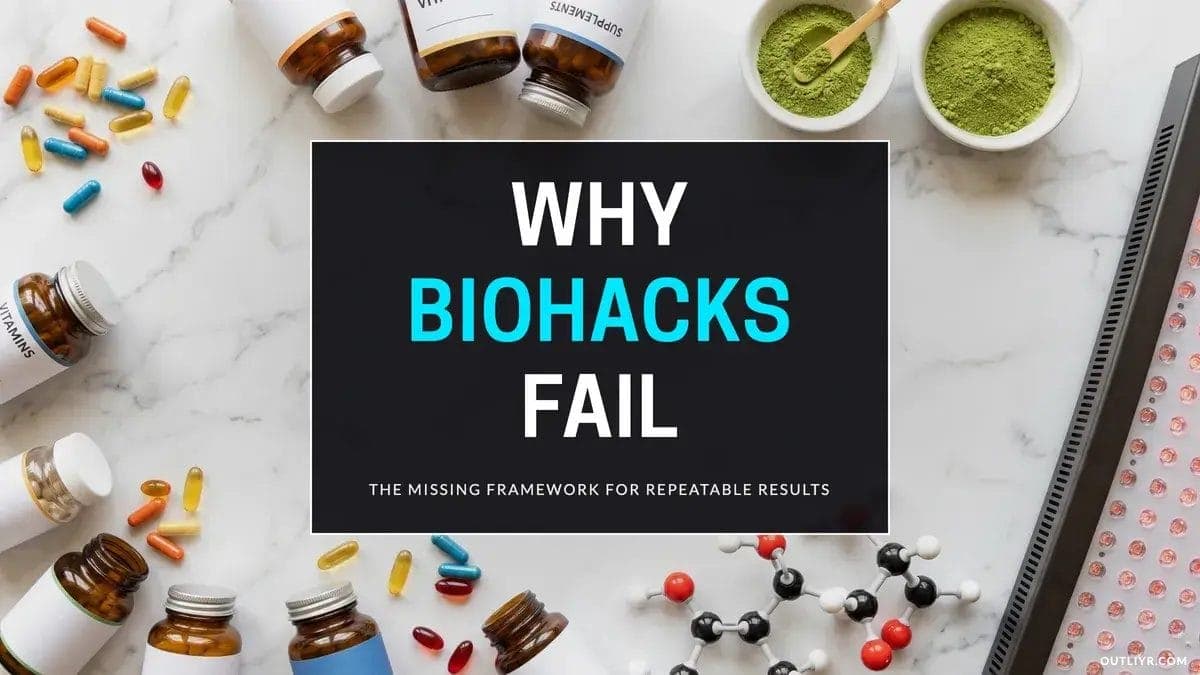
The CONTEXT Framework reframes health optimization by prioritizing the circumstances surrounding an intervention over the intervention itself. It breaks decision‑making into seven coordinates—Client, Objective, Now, Terrain, Execution, eXchanges, and Tracking—to ensure each supplement, protocol, or technology aligns with the user’s...
My Evidence-Based Sleep Protocol: What I Take, Why It Works, and the Science Behind It
The author presents an evidence‑based nightly routine designed to preserve sleep architecture, hormonal balance, and skin health. By integrating personalized supplement timing, environmental controls, and regular lab‑driven adjustments, the protocol consistently yields 60 minutes of deep sleep and comparable REM,...

Menopause Hormone Therapy: The Myths, the Medicine, and the “Why Didn’t Anyone Tell Me?” Moment
The article debunks long‑standing myths about menopausal hormone therapy (MHT) by highlighting how the 2002 Women’s Health Initiative (WHI) trial was misapplied to all women. It explains that the WHI tested an older cohort using a specific estrogen‑progestin combo, leading...

Episode 144 | Trail Steepness Vs. Difficulty
The Backpacking Light podcast’s Episode 144 examines how trail steepness reshapes hiking difficulty, revealing that metabolic cost does not increase linearly with slope. It highlights that mild downhill grades (‑5 % to ‑10 %) are most energy‑efficient, while steep uphill (≥20 %) and downhill (≤‑25 %)...

Acetyl-L-Carnitine (ALCAR)
Acetyl‑L‑Carnitine (ALCAR) is a bioavailable form of L‑carnitine that readily crosses the blood‑brain barrier, delivering energy‑boosting fatty acids to mitochondria and supporting acetylcholine synthesis. Clinical studies show ALCAR can improve memory, mood, and fatigue, and it performs comparably to antidepressants...

How to Get Perfect Skin: A No-BS Lifter’s Guide
A dermatologist explains that there is no such thing as a healthy tan, emphasizing that any UV exposure triggers skin damage that accumulates from childhood into later years. Daily use of broad‑spectrum SPF 50 sunscreen is sufficient for most office workers,...

Why Weight Training With Full ROM Is NOT Enough for Mobility
Weight training performed through a full range of motion does not automatically provide comprehensive mobility. While heavy squats and deadlifts can improve certain joint angles, they often fall short on deep hip flexion, ankle dorsiflexion, and thoracic extension. Targeted mobility...
#596: Why Do Omega-3 Trials Show Mixed Results?
Omega‑3 supplementation trials produce mixed results due to differences in dose, population risk, and chosen endpoints. High‑dose EPA/DHA studies in secondary‑prevention cohorts with elevated triglycerides, such as REDUCE‑IT, show significant cardiovascular benefit, whereas lower‑dose primary‑prevention trials like VITAL and ASCEND...
Vagus Nerve, HRV and Gentle Movement: The Biology of Calm You’re Probably Not Activating
The post argues that chronic cortisol elevation, not cortisol itself, drives stress‑related health issues by keeping the HPA axis overactive. It highlights the vagus nerve’s role in shifting the nervous system toward parasympathetic dominance, measurable through heart‑rate variability (HRV). Gentle,...
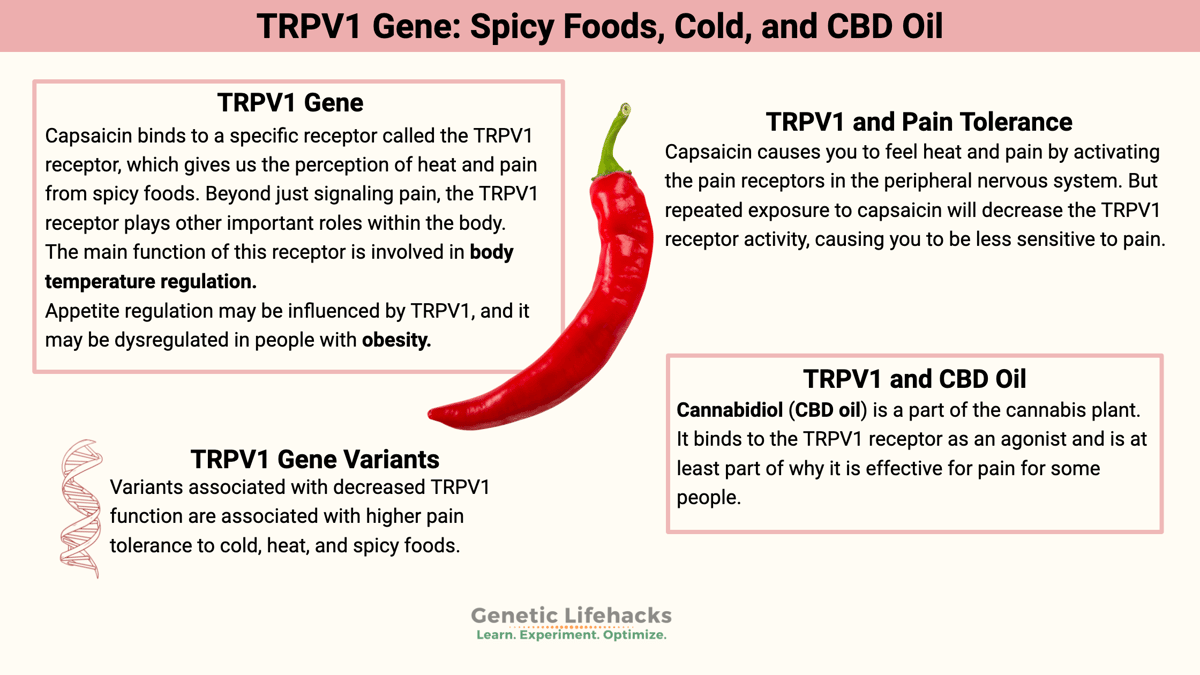
TRPV1 Gene: Receptor for Spicy Foods, Sensing Cold, and CBD Oil
The transient receptor potential vanilloid‑1 (TRPV1) is a heat‑sensing ion channel that also responds to capsaicin, acidic pH and a range of dietary compounds. Genetic variants shift activation thresholds, influencing how intensely people experience spicy foods, pain, and migraines. TRPV1...

Does Lowering Cholesterol Harm the Brain?
The brain houses about 20‑25% of the body’s cholesterol, yet it relies on local synthesis because circulating cholesterol cannot cross the blood‑brain barrier. Although some patients report transient brain fog on statins, large observational studies generally show neutral or even...

Why 80/20 Training Reduces the Risk of Injuries
The 80/20 training model prescribes 80 % low‑intensity and 20 % moderate‑to‑high intensity work, a formula that not only drives personal bests but also cuts injury risk for endurance athletes. By eliminating the “moderate‑intensity rut” (Zone X), the approach reduces chronic nervous‑system fatigue....

There's No Such Thing As A Vitamin D Deficiency - Part 4
The 2024 Endocrine Society guidelines discard the notion of a vitamin D deficiency and limit supplementation to four specific groups: pregnant people, adults over 75, children under 18, and individuals with prediabetes. The series argues that robust evidence shows vitamin D pills...

Candida Biology, Pathogenesis, and Genetic Susceptibility
Candida species normally coexist harmlessly on mucosal surfaces, but immune disruption can trigger a shift to opportunistic infection ranging from mild thrush to invasive candidemia with mortality over 30%. Genetic variants in innate and adaptive pathways—such as CARD9, Dectin‑1, and...
Scams, Safety, and “Sure-Things” In the Endurance Supplements World
Endurance athletes face a supplement landscape riddled with hype, hidden ingredients, and contamination risks that can jeopardize health and lead to doping violations. The article outlines a practical framework that first reduces risk through third‑party testing and simple product choices,...
RHR: The Gut-Brain Connection: How Your Microbiome Affects Your Mental Health
Emerging research redefines depression as an inflammatory disorder linked to gut health. Cytokine‑driven inflammation often originates from increased intestinal permeability, allowing endotoxins to reach the brain. Short‑chain fatty acid butyrate and specific probiotic strains, notably Bacillus coagulans, have shown promise...

Sulforaphane
Sulforaphane, a sulfur‑rich isothiocyanate found chiefly in broccoli, acts as a potent antioxidant and anti‑inflammatory agent by activating the Nrf2 pathway. Clinical trials have documented up to 34% behavioral improvement in autism spectrum disorder and neuroprotective effects in Alzheimer’s mouse...
GLP-1 Drugs Fail to Slow Cognitive Decline in Alzheimer’s Disease
Recent randomized trials testing GLP‑1 receptor agonists such as semaglutide and liraglutide in Alzheimer’s disease patients found no measurable slowing of cognitive decline. Earlier post‑hoc and observational analyses had suggested roughly a 50 % reduction in dementia incidence, raising hopes of...

Pison Perform Review After 515 Tests: This Wearable Tracks Brain Health, Reaction Time, & Decision Speed
Pison Perform is a wrist‑worn wearable that uses medical‑grade electroneurography (ENG) to capture brain‑derived signals and deliver daily scores on reaction time, inhibition control, and sustained focus. After six months of testing, the reviewer recorded a 41.5 ms readiness gain and...