
A Drug May Help People on GLP-1 Meds Preserve Muscle
A proof‑of‑concept study published in Nature Medicine shows that the experimental myostatin‑blocking antibody apitegromab can halve lean‑mass loss in patients taking tirzepatide, a GLP‑1 weight‑loss drug. In a 24‑week trial of 102 overweight or obese adults, both groups lost similar weight, but the apitegromab group retained more muscle, grip strength and leg endurance. The drug is still investigational, administered via monthly IV infusion, and not yet FDA‑approved. Researchers caution that the clinical relevance of modest muscle preservation remains uncertain.

Left-Handed DNA Tubes Double Cancer Drug Killing by Boosting Cell Uptake
Researchers at the Cancer Center at Illinois have shown that left‑handed DNA origami tubes loaded with the chemotherapy drug Daunorubicin achieve more than twice the cell‑killing efficacy of right‑handed tubes. The tubes display aptamers that target the CD117 protein on...

Cleared to Run Again After an Injury? This 9-Step Plan Helps You Come Back Stronger Than Ever
Jeff Dengate and Aly Ellis outline a disciplined 9‑step program for athletes cleared to run after injury. The plan emphasizes low‑impact conditioning, gradual mileage increases, and targeted strength work to rebuild durability. By pacing the comeback, runners can avoid common...

New Research Helps Explain Rachel Entrekin’s Historic Cocodona 250 Win. Here’s What You Can Learn From the Findings.
Rachel Entrekin shattered the Cocodona 250‑mile ultra by finishing in 56 hours, 9 minutes and 48 seconds, becoming the first woman to win overall. Researchers link her performance to "physiological resilience," a trait that lets athletes maintain output late in ultra‑endurance events. A recent lab study...
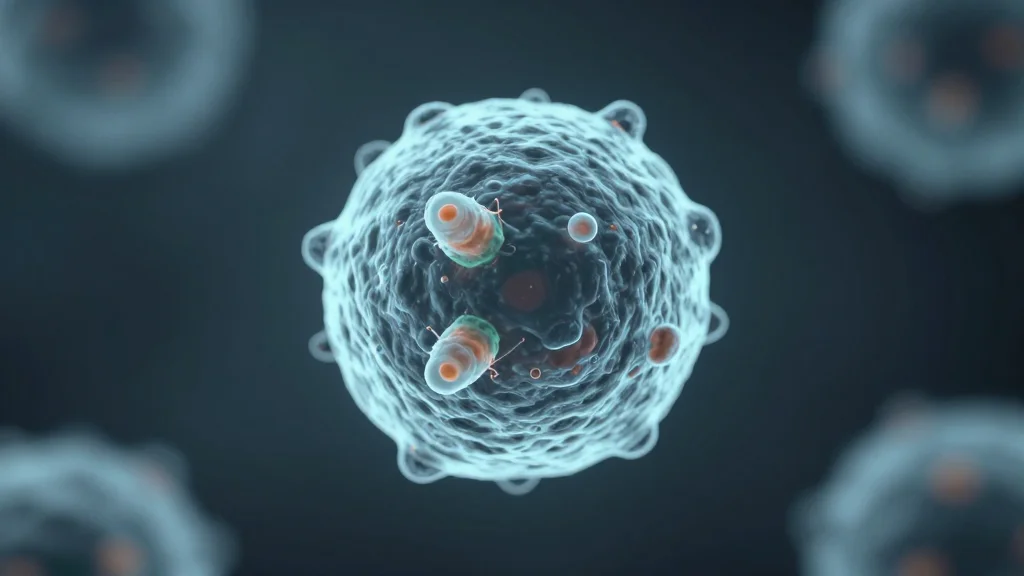
CRISPR Shreds Undruggable Cancer Cells with Precision
Researchers at the Innovative Genomics Institute have engineered a CRISPR‑Cas12a2 system that detects mutant p53 mRNA and triggers chromatin shredding, selectively killing cancer cells. The approach demonstrated potent tumor regression in mouse models of lung and liver cancer while sparing...
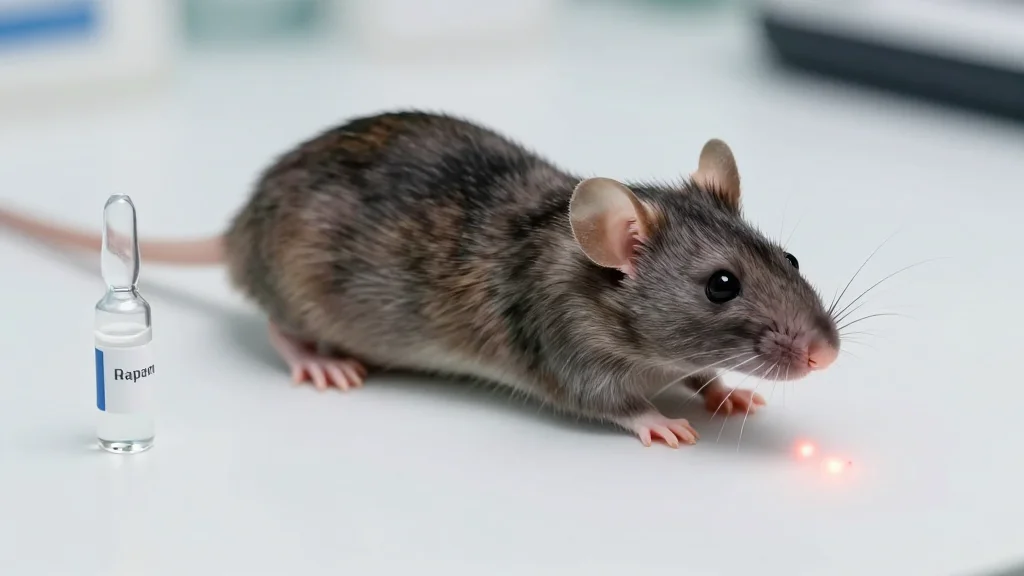
Low Dose Continuous Rapamycin Favorably Alters the Aging Immune System
Researchers fed aged mice a low‑dose rapamycin diet to assess its impact on immune aging. The regimen did not markedly change overall innate or adaptive immune cell counts, but it significantly curtailed the expansion of IL‑17‑producing γδ T cells, especially...