Most Oral Peptides Don't Work
The video asserts that oral administration of most peptide therapeutics fails, highlighting a fundamental limitation in the market. It explains that peptide size, exemplified by insulin's 52‑amino‑acid chain, leads to enzymatic degradation in the gastrointestinal tract, making injection necessary; only peptides small enough can be absorbed. The speaker notes, "If they could do an insulin pill, every diabetic would be taking it," underscoring the demand for oral options, and advises consumers to select only those peptides with proven oral bioavailability. This reality constrains supplement vendors, pushes developers toward advanced delivery technologies, and signals investors to scrutinize oral peptide claims.
BPC-157 Explained: The One Peptide Every Midlife Woman Should Know About with Kyal Van Der Leest
The video introduces BPC‑157, a multifunctional peptide touted as essential for midlife women dealing with joint degeneration and gut dysfunction. Host Kyal Van Der Leest and a chiropractic doctor explain how the peptide’s primary action—restoring tight‑junction integrity in the intestinal...

Episode #389: Your Liver Enzymes Are Elevated — But It Might Not Be Your Liver
In a recent Barbell Medicine podcast, doctors Jordan Feigenbaum and Austin Baraki dissect a case where a healthy 39‑year‑old athlete’s elevated liver enzymes nearly led to an unnecessary biopsy. They explain that intense resistance training can transiently raise ALT, AST,...

Lower Your Cortisol with Food!
The video outlines a dietary approach to reducing cortisol, the primary stress hormone, by highlighting ten specific foods that naturally modulate its production. Key insights include dark chocolate’s polyphenols, green tea’s L‑theanine, vitamin‑C‑rich berries, omega‑3‑laden fatty fish, and the combined benefits...
5g Stops Neuroinflammation, Doubles Autophagy and Resets Mitochondria
The video explains how a modest 5‑gram dose of glutamine can curb neuroinflammation, double neuronal autophagy, and rejuvenate mitochondrial function. It frames brain autophagy as the physiological basis for mental clarity, focus, and the "hunter mode" sensation that many experience...

The Truth About Performance Enhancing Drugs
In a candid discussion, hosts challenge the blanket stigma around performance-enhancing drugs, arguing that many substances—pharmaceuticals and natural compounds alike—offer benefits when used properly and with minimal downsides. They distinguish between commonly conflated substances (eg, caffeine vs. coffee, nicotine vs....
How I Helped My Client Heal Her GERD!
The video chronicles a case study of a 34‑year‑old client plagued by severe GERD who had relied on antacids, upright sleeping, and a restrictive chicken‑and‑rice diet. Rather than merely eliminating trigger foods, the practitioner identified chronic stress and erratic eating...
Avoiding, Treating & Curing Cancer With the Immune System | Dr. Alex Marson
In this Huberman Lab episode, Dr. Alex Marson explains how cutting‑edge biology is turning the immune system into a programmable weapon against cancer. He walks listeners through the fundamentals of innate and adaptive immunity, the random generation of T‑cell receptors,...
Your “Fat Thermostat” - The Real Reason You Regain Weight | Dr. Jason Fung
Dr. Jason Fung frames obesity as a malfunctioning "fat thermostat," arguing that the body’s set‑point for stored fat is governed by hormonal homeostasis rather than simple calories‑in‑calories‑out math. He likens this internal regulator to a room thermostat that can be...
How Your Mouth Shapes Your Longevity
In a recent conversation, Dr. Aoife Stack and Dr. James Goolnik argue that oral and airway health are foundational to longevity, influencing sleep, metabolism, immunity, and brain function. They explain how nasal breathing, tongue posture, and myofunctional therapy improve airway...
Sleep Scientist Dr. Kristen Knutson: The 4 Things That Actually Determine Your Sleep Health EP#408
Dr. Kristen Knutson, a leading sleep‑circadian researcher, explains that sleep health hinges on four key determinants: light exposure, timing regularity, alignment of central and peripheral clocks, and appropriate use of melatonin as circadian medicine. She frames the discussion around the...

Heal Your Gut, Fix Your Joints & Glow Up Your Skin: Your Peptide Guide with Kyal Van Der Leest
The episode of "Better with Dr. Stephanie" dives deep into the world of peptides, contrasting oral and injectable formats while highlighting their roles in gut health, joint repair, and skin rejuvenation. Host Dr. Stephanie Steema and guest Kyle Vanderle, founder...

1oz Is Literally the Most Powerful Anti Inflammatory Food on Earth
The video argues that a single ounce of animal liver—whether eaten whole or taken as a supplement—delivers a uniquely dense bundle of nutrients that can act as a natural anti‑inflammatory multivitamin. The presenter frames liver as the most powerful anti‑inflammatory...
Why Women Over 50 NEED to Lift Weights (And What No One Told You) | The Proof EP#407
The Proof episode 407 tackles the often‑overlooked question of why women in their 40s, 50s and beyond should incorporate weight training into their routine. Host Simon Hill and guests argue that the traditional focus on cardio and calorie‑burning is misaligned...
What Amount of Collagen Should You Consume?
Collagen supplementation has become popular, but dosage matters. The video advises limiting intake to roughly 20 grams per day, citing research that higher amounts convert hydroxyproline into oxalate, a compound the body struggles to eliminate. The body can excrete about 200 mg of...
Reclaim Energy And Reverse Mitochondrial Loss | Dr. Elizabeth Yurth
In the recent interview, orthopedic surgeon and longevity expert Dr. Elizabeth Yurth explains that mitochondrial dysfunction is a central driver of the energy decline many women experience as they move from perimenopause into menopause. She argues that the post‑COVID world...
Stop Wasting Money on 40 Supplements | Here's What Actually Works | Hack Your Media
The video tackles the common habit of taking dozens of supplements, urging listeners to strip back to evidence‑based essentials and focus on lifestyle fundamentals before chasing marginal hacks. The host recommends a core stack: creatine monohydrate dosed at 0.1 g per kilogram...

The Longevity Code
The video titled “The Longevity Code” presents Dave Asper’s framework that longevity is not a single discipline but a three‑pronged system: longevity medicine, biohacking, and personal fulfillment. He argues that only by aligning these pillars can individuals push the limits...

Can Red Light Therapy Improve Brain Function?
Transcranial red light therapy is gaining attention for its purported ability to penetrate the skull and stimulate brain function. The video highlights the Vite NeuroGamma 4 device, which researchers claim can deliver red light through cranial bone, boosting mitochondrial activity, blood...
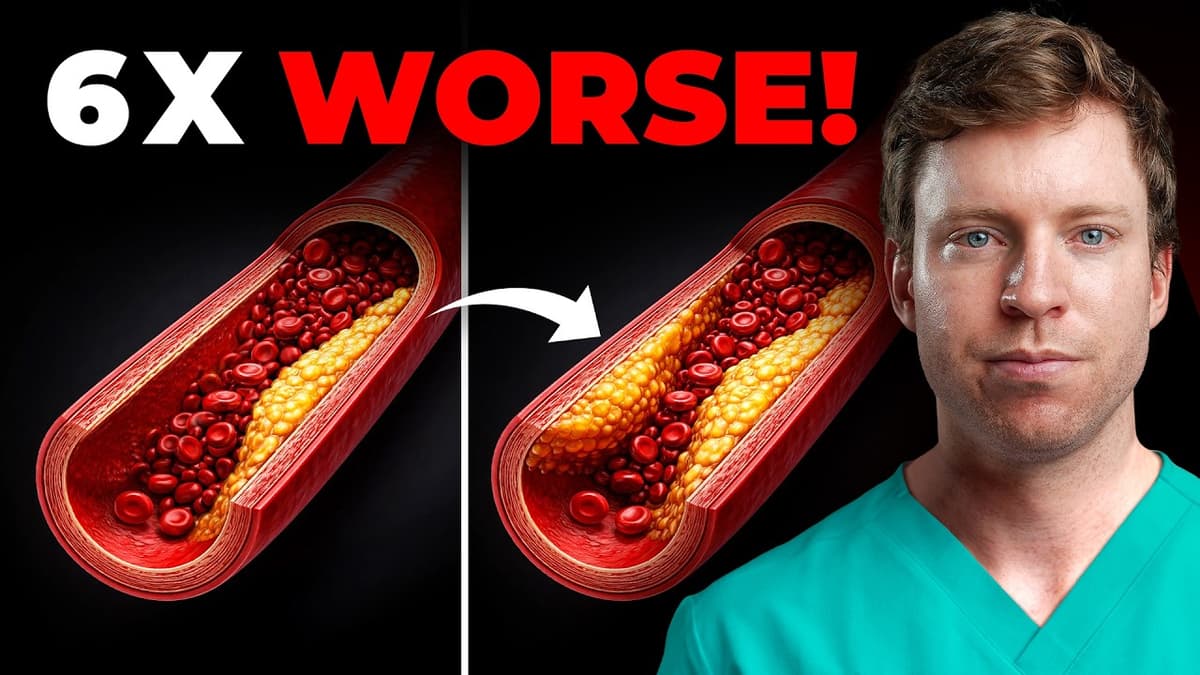
More Exercise, More Plaque?
The video examines a newly published study that finds athletes who log high‑intensity, high‑volume endurance training are almost six times more likely to develop arterial plaque than low‑volume peers, challenging the long‑standing belief that more exercise always means healthier arteries. The...

ARPA-H Funding, Brain Wearables, & Nanotech Biosensing | Longevity News Roundup — Week 10, 2026
The U.S. ARPA‑H agency announced a $144 million PROSPR program to accelerate human health‑span trials, awarding $30.8 million to Cambrian BioPharma for a next‑generation rapamycin analog and $22 million to Linnaeus Therapeutics for repurposed oncology drugs. Meanwhile, startups are pushing wearable and digital...
90-Year-Olds Gained 150% Strength in 8 Weeks | Here's What That Means for You | Brad & Alan | EP#406
The video highlights a landmark study in which non‑agenarian participants added leg‑extension resistance training three times weekly for eight weeks, resulting in an average 150% increase in leg strength and a 50% boost in functional capacity. The hosts use this...

Outdated Advice for Women!
The video challenges the conventional ‘eat less, exercise more’ mantra, arguing that it fails for the majority because it ignores the quality of calories and the body’s adaptive mechanisms. It explains that while calories are a factor, their macronutrient origin matters....
How Much Sleep Do You Need?
The video underscores sleep as a foundational health pillar, arguing that even flawless nutrition and rigorous exercise falter without sufficient rest. Research cited suggests that missing the recommended 7‑9 hours can slash metabolic rate by up to fifty percent, fostering obesity...
#1 Predictor of Dementia (Not Genetics)—Stimulate Your Mind & Prevent Alzheimer’s | Dr. Tommy Wood
Dr. Tommy Wood explains that metabolic health—particularly blood‑sugar control and blood pressure—is the strongest predictor of future dementia, outweighing genetic factors like ApoE4. He highlights high‑intensity and resistance training as powerful tools that generate lactate, acting like "Miracle‑Gro" for neurons....

Olive Oil Raises LDL and Increases Fat Cells?! (New Study)
The video dissects a recent Journal of the American Heart Association study that claimed extra‑virgin olive oil raises LDL cholesterol and promotes fat cell growth. The presenter argues that the headline‑grabbing conclusion ignores critical methodological details. Both diet groups—one consuming ~4 Tbsp...
Essentials: The Biology of Taste Perception & Sugar Craving | Dr. Charles Zuker
Huberman Lab Essentials revisits a conversation with Dr. Charles Zuker, focusing on the neurobiology of taste perception. Zuker distinguishes detection—chemical interaction with taste receptor cells—from perception, the brain’s electrical translation that drives behavior. He outlines the five basic tastes—sweet, sour,...

Reverse Cavities & Protect Your Oral Microbiome - With Dr. Staci Whitman
The video features Dr. Staci Whitman, a pioneer of functional pediatric dentistry, who argues that oral health is the gateway to overall systemic health and that cavities and gum disease constitute the world’s most common chronic diseases. She explains that cavities...
Inflammation, Gut Microbiome & Immune System: The Hidden Drivers of Endurance Performance
Hosts Trevor Connor and Chris Case interview cardiologist Dr. Frederick Chaliff about the crucial interplay between the gut microbiome, inflammation and the immune system in endurance athletes. They explain that inflammation—driven by cytokines and muscle-released myokines like IL-6 and BDNF—is...
You Don't Need to Train Like an Athlete to Grow a Bigger Brain | Dr. Majid Fotuhi
Dr. Majid Fotuhi explains that achieving a larger, healthier brain does not require elite‑level workouts; modest, regular exercise is sufficient. He outlines two effective protocols: a daily 45‑minute moderate routine, or three weekly sessions of one hour high‑intensity cardio followed by...
This Is What Estrogen Is Actually Doing to Your Brain in Perimenopause | Dr. Majid Fotuhi
Dr. Majid Fotuhi explains how estrogen fluctuations during perimenopause directly alter brain structures, especially the hippocampus and cortex, leading to memory lapses and brain fog. He highlights a lesser‑known vascular component that intensifies these cognitive shifts. The impact varies widely...
How Much Protein Do You REALLY Need?
The video tackles the perennial question of how much protein individuals truly need, zeroing in on a recommendation of roughly 1.2 to 1.6 grams per kilogram of body weight each day. The presenter emphasizes a bias toward plant‑derived protein sources,...

1 Minute of Vigorous Activity Same as 53 Minutes of Light Intensity? | Educational Video | Biolayne
The video dissects a newly published study that claims a single minute of vigorous exercise can offset the mortality benefit of roughly 53 minutes of light‑intensity activity. Researchers equipped participants with accelerometers for a brief monitoring window, then extrapolated those...
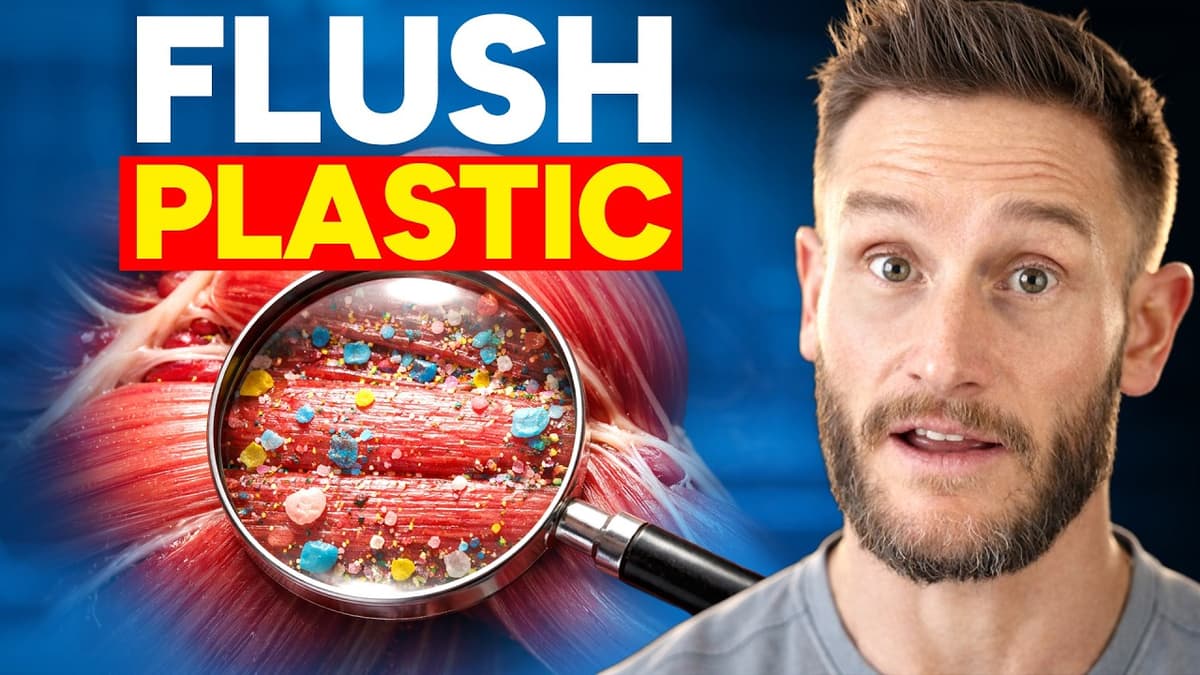
This Clears Out Microplastics at Their Core
The video reframes microplastics from an external environmental nuisance to a pervasive internal health threat, emphasizing that chronic inflammation—not acute toxicity—is the primary danger when these particles infiltrate the body. Recent studies cited in the presentation reveal microplastics in roughly 80%...

Halle Berry: Why Women Are Being Failed at Menopause
Halle Berry opens up about a painful misdiagnosis that revealed a broader crisis: American women navigating menopause receive scant attention from a healthcare system ill‑prepared to recognize or treat their symptoms. In a candid interview recorded at the Eudaimonia Summit,...
How Muscles Adapt to Training: The Science of Protein, Signals & Endurance Gains
On Fast Talk, Dr. Brendan Egan described the molecular machinery that converts exercise stress into lasting muscle adaptations, summarizing a 118‑page review that synthesizes over 1,000 references. He explained that training triggers specific signaling pathways that drive production of particular...

Experts Were Wrong About Insulin Resistance - This Exercise Stops It Fast
Thomas DeLauer explains that recent research overturns conventional wisdom about insulin resistance, showing high‑intensity interval training (HIIT) can reverse the condition faster than traditional moderate‑intensity cardio. The study cited compares a short‑term HIIT protocol to steady‑state exercise, finding significantly greater...

How Much Protein Do We Need For Longevity? MTOR, Sarcopenia, and Mortality Risk
The video weighs competing views on protein for longevity: one side warns that high, especially animal-derived, protein chronically activates growth pathways (mTOR/IGF‑1) linked to aging and cancer in animal models; the other warns that insufficient protein raises sarcopenia and frailty...

Building Muscle Is a Science
Building muscle after age 40 becomes slower as myostatin levels rise, limiting lean‑mass gains despite regular resistance training and adequate protein. Reducing myostatin activity removes this inhibitory signal, allowing muscle protein synthesis to proceed more efficiently. Enhanced protein utilization further...

This Is Stopping Autophagy Dead in Its Tracks
Thomas DeLauer explains that not all fasting protocols support cellular recycling, highlighting a specific type of fasting that can actually block autophagy. He then reveals a simple glucose‑spike trick that re‑activates autophagy during a fast. The video also outlines optimal...
How to Measure & Train Zone 2: Unlock Aerobic Training for Endurance
The Fast Talk Labs podcast explains that Zone 2 training—low‑to‑moderate intensity work—makes up roughly 80% of an endurance athlete’s volume and is essential for building a robust aerobic base. Host Jared Berg details how to pinpoint the true Zone 2 using laboratory‑derived...
![Strength Training for Women Over 40 [It's Never Too Late] | Lauren & Alyssa | EP#407](/cdn-cgi/image/width=1200,quality=75,format=auto,fit=cover/https://i.ytimg.com/vi/1S0G5QClvO8/maxresdefault.jpg)
Strength Training for Women Over 40 [It's Never Too Late] | Lauren & Alyssa | EP#407
The video, hosted by exercise physiologists Dr. Lauren Coen Simple and Dr. Alyssa Olen, tackles the misconception that women over 40 cannot start strength training, emphasizing functional ability over scale weight. They argue that the primary metric should be the capacity...
The #1 Thing a Neurologist Does for Brain Health (It's Not What You Think) | Dr. Majid Fotuhi
Dr. Majid Fotuhi highlights exercise as the top pillar of brain health, surpassing sleep, nutrition, stress reduction, and brain training. He explains that physical activity multiplies neuronal mitochondria, cuts inflammation, and spikes brain‑derived neurotrophic factor (BDNF). These changes not only...
Forgetting Words & Losing Your Keys in Perimenopause Is NOT Alzheimer's | Dr. Majid Fotuhi
Dr. Majid Fotuhi explains that memory lapses common in perimenopause are not early signs of Alzheimer’s disease. He outlines clinical criteria that separate normal hormonal‑related fog from genuine cognitive red flags. The discussion also covers how lifestyle factors such as...

The Gut–Bone Connection that Can Lower Osteoporosis Risk | Felice Gersh, MD & Mark Charbonneau, PhD
Dr. Felice Gersh, an integrative OB/GYN, and Mark Charbonneau, a microbiome scientist and VP of R&D at Solaria Bio, opened the session by framing bone health as a dynamic, living process rather than a static scaffold. They highlighted osteoporosis as...

Big Levers vs Biohacks: The Health Basics That Actually Move the Needle
The Ready State episode distinguishes “big levers” – core habits like sleep, nutrition, movement and relationships – from “little levers” such as trendy biohacker metrics. It argues that unprocessed foods, adequate rest, stress control, and strong social ties drive the...
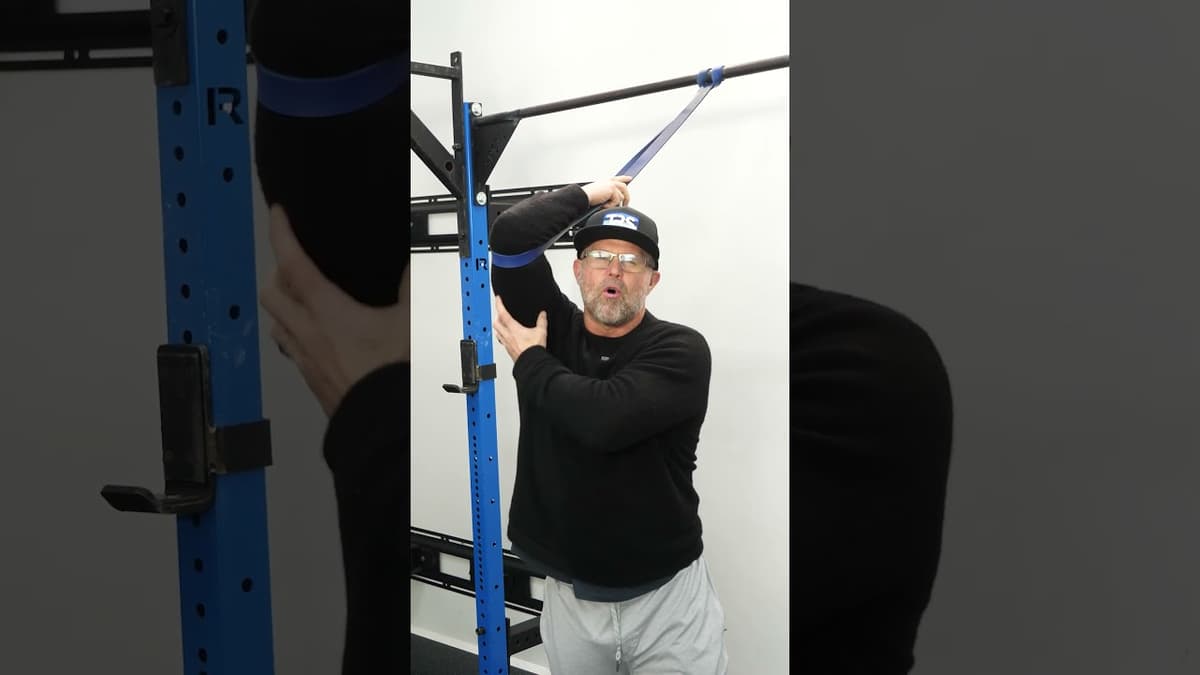
Daily Dose: Triceps Mobilization for Shoulder Pain Relief & Overhead Power | Dr. Kelly Starrett
Dr. Kelly Starrett’s Daily Dose episode demonstrates a targeted overhead triceps mobilization designed to alleviate shoulder discomfort, boost joint mobility, and enhance overhead strength. Viewers are instructed to use a resistance band and perform the movement for two minutes per...
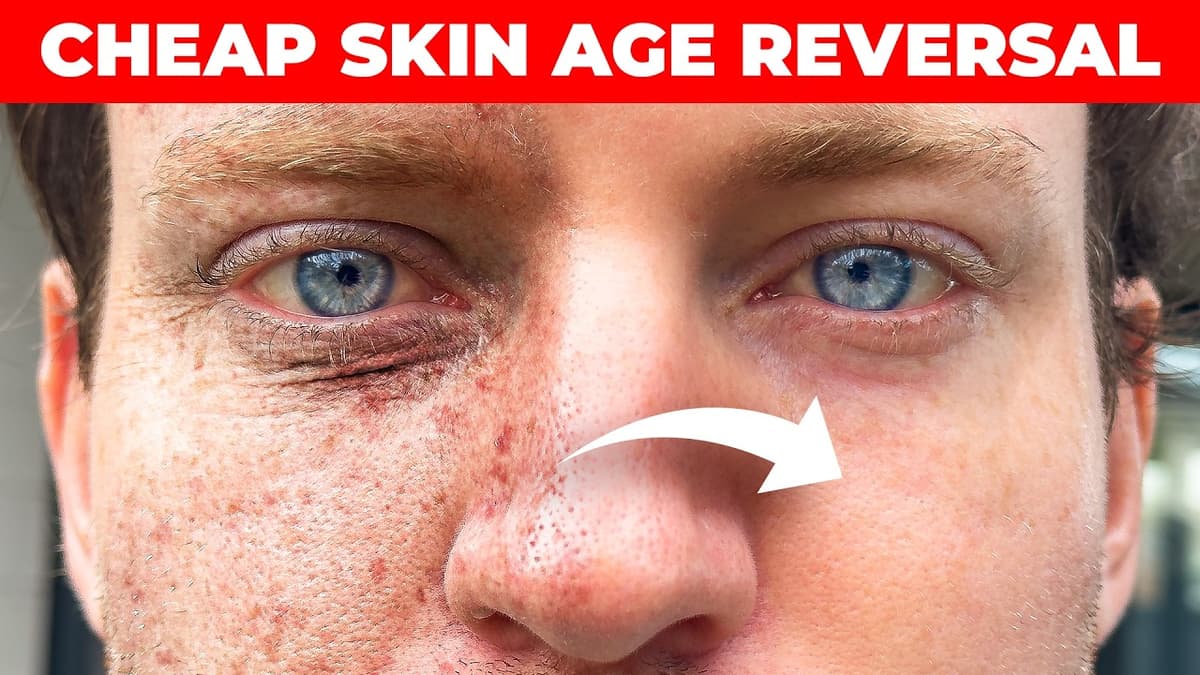
Ridiculously Cheap Ways to Treat Skin Aging
The video outlines a low‑cost, evidence‑based regimen to slow skin aging, covering nutrition, physical activity, sleep hygiene, sun protection, and topical retinoids. Research shows that diets high in vitamin C, phytonutrients and plant‑based proteins improve skin appearance, while high‑fat and refined‑sugar foods...

🎙️ Lifestyle Medicine and Healthspan
Allen Law outlines lifestyle medicine’s six pillars—diet, exercise, stress management, restorative sleep, avoidance of harmful substances, and nurturing social connections. He argues that consistent daily habits across these areas can significantly boost healthspan, the period of life spent in good...

Is It Alzheimer’s or Perimenopause?
Neurologist Dr. Majid Fotuhi explains that the forgetfulness and mental fog experienced during perimenopause are normal, not signs of neurodegeneration. He highlights that targeted habits—such as walking three times weekly and using hearing aids—can increase brain volume and improve memory....