Lest We "Off" Ourselves (Cautionary Examples)
Investigative videos reveal that wellness influencers Mark Hyman and Jordan Peterson suffered severe sepsis after undergoing experimental stem‑cell and regenerative‑medicine procedures at Dr. Adil Khan’s unregulated clinics. The series links spinal injections and intravenous therapies to bacterial infections, highlighting the doctors’ concealment of adverse outcomes to protect their brands. It also exposes broader industry flaws, such as lack of FDA oversight, sterile‑processing doubts, and delayed conventional care. The narrative warns that celebrity endorsement can amplify patient exposure to risky, non‑approved treatments.

Key Biosimilars Events of March 2026
March 2026 saw a surge of biosimilar activity, highlighted by Celltrion’s launch of Remsima IV in the EU and Avtozma SC in the United States, expanding both IV and sub‑cutaneous options for infliximab and tocilizumab. Samsung Bioepis inked a global...

FDA-Approved Drug Manufacturing Deals Shift to Europe
In 2025, U.S. contract manufacturing deals for FDA‑approved drugs fell sharply, while Europe recorded more than three times the U.S. volume. Despite a 15% U.S. tariff on EU pharmaceuticals, major U.S. firms such as Johnson & Johnson and Vertex invested...
Matcha Model Makes Drug Candidate Screening More than 30 Times Faster
Ligand Pro’s Matcha model, an AI‑driven molecular docking system, can screen drug candidates more than 30 times faster than AlphaFold 3 while maintaining comparable accuracy and greater physical realism. The algorithm processes a protein‑ligand complex in just 13 seconds, turning months‑long virtual screens into...

University of Arizona Launches $12 Million Rapamycin Clinical Trial
The University of Arizona’s R. Ken Coit College of Pharmacy is launching a double‑blind, randomized Phase 3 clinical trial to test low‑dose rapamycin’s ability to boost resilience and immune function in adults aged 65 and older. The six‑year study, funded by a $12 million...
HexemBio Raises $10.4M for a Stem Cell Rejuvenation Therapy
HexemBio announced a $10.4 million seed round led by Draper Associates to develop a blood‑stem‑cell rejuvenation therapy built on its Synthetic Human Yolk Sac platform. The technology temporarily places a patient’s own haematopoietic cells into a recreated embryonic niche, then returns...
FDA Seeks Expanded Authority To Regulate Postapproval Manufacturing Changes
The FDA is requesting new legislative authority to enforce post‑approval manufacturing changes, including major facility or active pharmaceutical ingredient (API) supplier switches. The proposal, part of the FY 2027 budget, would amend the 1997 FD&C Act to require validation and approval...
The Future of Cell & Gene Therapy: Key Trends to Watch
Cell and gene therapy is transitioning from ex vivo manufacturing toward in vivo delivery, driven by advances in vector engineering and lipid‑nanoparticle platforms. Major pharma players have launched billion‑dollar acquisitions to secure in vivo CAR‑T and RNA technologies, while the stem‑cell market is...

From Low Yields to High Efficiency: Modernizing Complex Biologics Manufacturing
WuXi Biologics hosted a webcast detailing an integrated platform that can boost yields of complex biologics up to six‑fold while cutting manufacturing costs by as much as 80%. The approach combines platform‑based media optimization, cell‑culture intensification via WuXiUI™, downstream capacity...
From PC to CPV: Preserving Process Knowledge Through Late‑Phase Tech Transfer
Catalent’s Danielle Wittenwyler, PhD, will host a webinar on preserving years of process characterization (PC) during late‑phase tech transfers. She outlines a structured, risk‑based methodology that translates sponsor‑generated PC into Catalent’s Madison facility while maintaining design‑space intent. The approach identifies...

Is ‘Lab-Grown’ Meat Actually Safe?
In 2023 the U.S. Food and Drug Administration cleared the first lab‑grown chicken for sale after it passed safety assessments. Cultivated meat is produced by culturing animal cells in bioreactors, yielding a product nutritionally close to conventional meat but with...
Cell‑Replacement Trials Edge Closer to Type 1 Diabetes Cure, Researchers Say
Late‑stage cell‑replacement trials are expected to read out within the next few years, bringing a functional cure for type 1 diabetes into view. Researchers cite stem‑cell transplants and immune‑shielding strategies as the next frontier, while patients and advocates stress the life‑changing...
Stipple Launches with $100M for Novel Oncology Targets
Stipple, a new biotech focused on oncology, announced a $100 million Series A financing round to pursue novel, historically undruggable cancer targets. The round was led by top‑tier venture firms and includes strategic commitments from several large pharmaceutical partners. Stipple’s founding team...

Optimization of Brain-Permeable SGK1 Inhibitors for Neurodegenerative Diseases
Jiangsu and Shanghai Hengrui Pharmaceuticals have patented selective Nav1.8 sodium‑channel blockers that alleviate inflammatory and neuropathic pain in rodent studies and are slated for IND‑enabling toxicology this year, aiming for Phase I trials in 2027. Parallel research highlights chronic inflammation’s role...

Dectisomes Show Potent Activity Against High-Priority Fungal Pathogens
Jiangsu and Shanghai Hengrui patented selective Nav1.8 blockers that show potent analgesic effects with minimal off‑target activity. New research links chronic inflammation in the bone‑marrow niche to epigenetic reprogramming of hematopoietic stem cells, suggesting early‑intervention strategies for leukemia prevention. Infinimmune...
Suzhou Spring-Sea Bio-Pharmaceuticals Identifies New GLP-1R Agonists
Suzhou Spring‑Sea Bio‑Pharmaceuticals announced the discovery of a novel series of glucagon‑like peptide‑1 receptor (GLP‑1R) agonists that demonstrate high potency and prolonged half‑life in pre‑clinical models. The compounds show superior glucose‑lowering efficacy compared with existing market leaders and exhibit favorable...

Acadia Pharmaceuticals Presents GPR88 Agonists
Researchers at Jiangsu and Shanghai Hengrui have patented Nav1.8 blockers that deliver strong analgesic effects while sparing off‑target channels, opening a new avenue for chronic pain therapy. Parallel studies reveal that chronic inflammation can reprogram hematopoietic stem cells, driving early...

Orexin OX2 Receptor Agonists Disclosed in Vertex Pharmaceuticals Patent
Vertex Pharmaceuticals has filed a patent covering a new series of orexin OX2‑receptor agonists, marking the company’s first public foray into sleep‑modulating therapeutics. The disclosed molecules feature distinct heterocyclic cores and enhanced blood‑brain barrier penetration, aiming for improved potency and...
Holiday Notice
Jiangsu and Shanghai Hengrui Pharmaceuticals have patented selective Nav1.8 sodium‑channel blockers that demonstrate potent analgesic effects with minimal off‑target activity, opening a new avenue for chronic pain treatment. Parallel research highlights how chronic inflammation reshapes the bone‑marrow microenvironment, driving hematopoietic...
Chengdu Kanghong Pharmaceutical Patents New Lipoprotein(a)-Lowering Agents
Researchers at Jiangsu and Shanghai Hengrui have patented selective Nav1.8 sodium‑channel blockers that relieve neuropathic and inflammatory pain in rodents without impairing motor function, with filings in China and the United States and IND‑enabling work slated for later this year....
Next-Generation Anti-CD30 ADC Outperforms Brentuximab Vedotin
Biopharma X unveiled a next‑generation anti‑CD30 antibody‑drug conjugate that demonstrated superior efficacy and tolerability compared with the established therapy brentuximab vedotin. In preclinical models, the ADC achieved deeper tumor regressions and a broader therapeutic window, driven by an optimized linker...
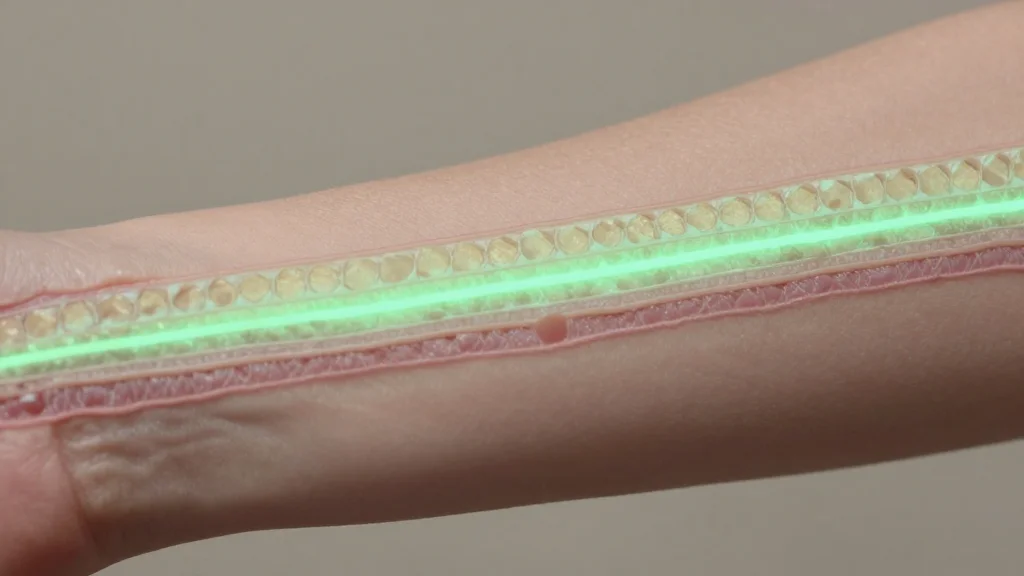
Nrf2 Activator Counteracts Atopic Dermatitis Pathology
Researchers have identified a novel Nrf2 activator that mitigates key pathological features of atopic dermatitis in preclinical studies. The compound suppresses oxidative stress and downregulates pro‑inflammatory cytokines, leading to restored skin barrier integrity in murine models. Data presented at the...
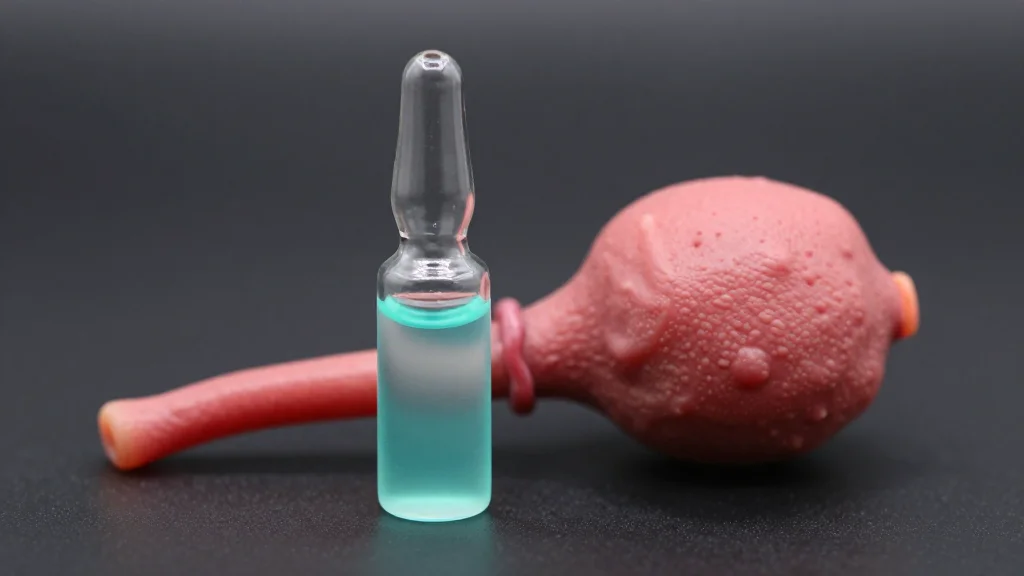
New LRH-1 Antagonists Exhibit Antitumor Activity in Prostate Cancer Models
Researchers have identified a new class of liver receptor homolog‑1 (LRH‑1) antagonists that demonstrate potent antitumor activity in preclinical prostate cancer models. In mouse xenografts, oral administration of the compounds reduced tumor volume by up to 65% without notable adverse...
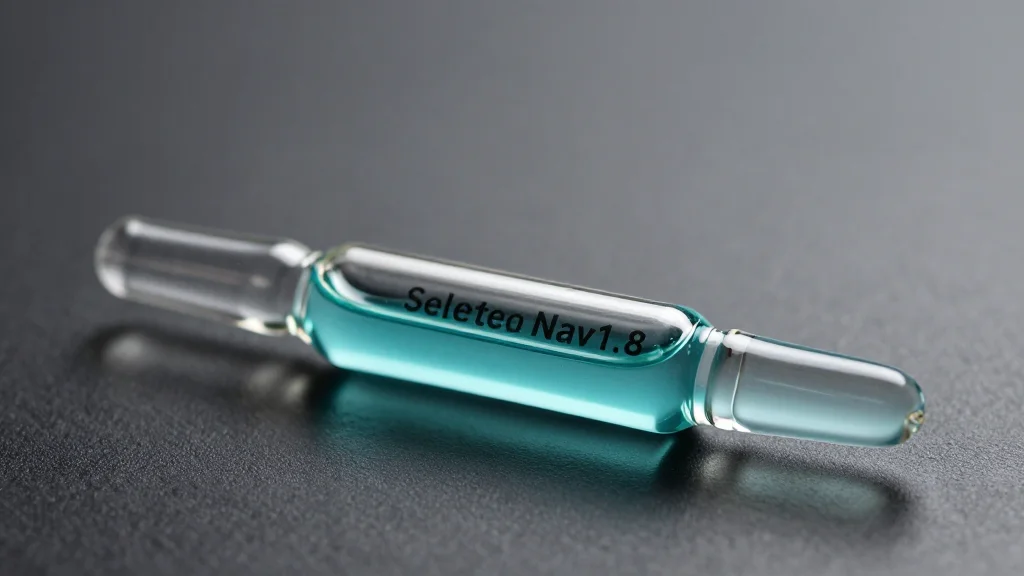
Emory University Synthesizes New Prostaglandin EP2 Receptor Antagonists
Researchers at Jiangsu and Shanghai Hengrui have patented selective Nav1.8 sodium‑channel blockers that deliver potent analgesic effects with minimal off‑target activity, opening a new avenue for chronic pain therapy. Parallel studies highlight how chronic inflammatory signals remodel hematopoietic stem cells,...
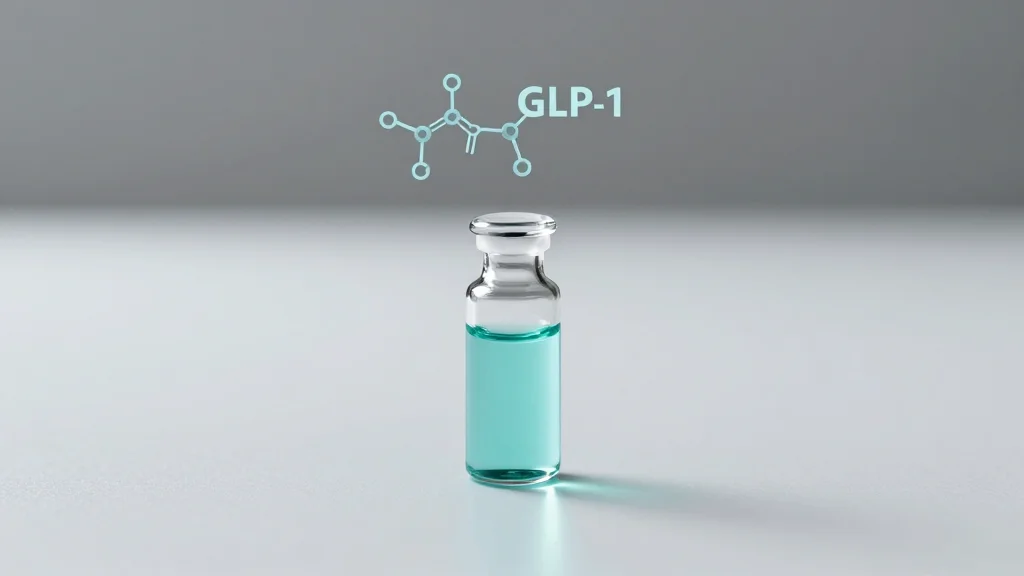
Boehringer Ingelheim’s Confident New Leap in the Obesity Market
Boehringer Ingelheim has created a new obesity and liver health unit led by senior vice president Vani Manja, targeting a rapidly expanding GLP‑1 market that could reach 25 million U.S. patients by 2030. The company’s pipeline features the dual glucagon/GLP‑1 agonist...
In the Face of Tariffs, FDA-Approved Drug Manufacturing Deals Are Shifting to Europe
US contract‑manufacturing (CM) deals for FDA‑approved drugs fell sharply last year, marking the biggest decline in five years. Despite a 15% import tariff on European pharmaceuticals, biopharma firms are increasingly outsourcing US‑bound production to European facilities, especially in Germany. By...

Scientists Develop Gene-Edited Wheat that Can Make Toasted Bread Less Carcinogenic
Scientists at Rothamsted Research have used CRISPR to edit wheat genes responsible for free asparagine, the precursor of the carcinogen acrylamide formed during toasting. Field trials showed up to a 93% reduction in asparagine without any yield loss, and bread...
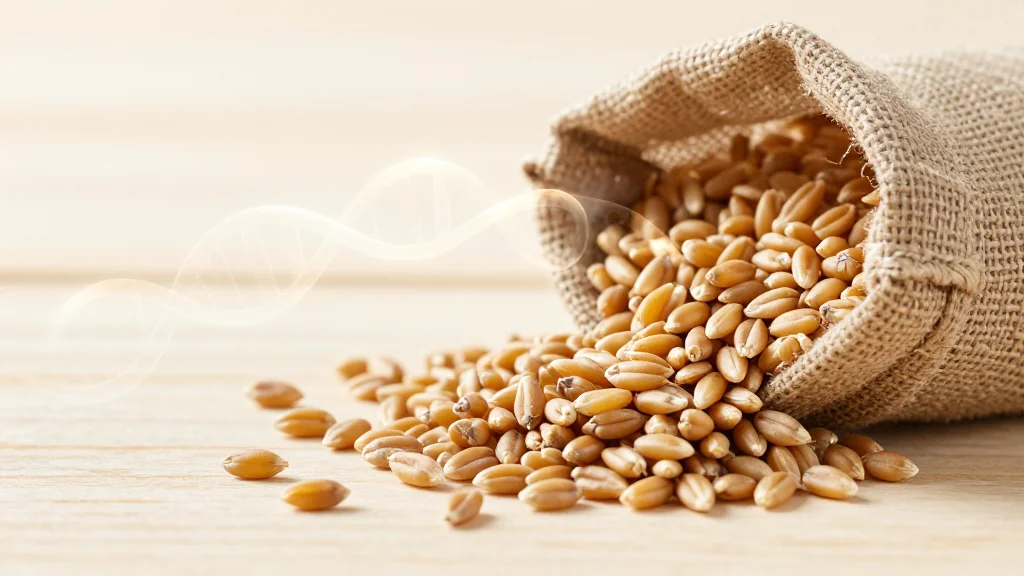
CRISPR-Edited Wheat Leads to Reduced Acrylamide Without Yield Loss
Scientists at Rothamsted Research have used CRISPR/Cas9 to create wheat lines with dramatically lower free asparagine, achieving reductions of up to 93% while maintaining normal yield and protein levels. Field trials showed that bread and biscuits made from the edited...

University of Arizona Launches $12 Million Rapamycin Clinical Trial
University of Arizona’s R. Ken Coit College of Pharmacy is launching a double‑blind, randomized Phase 3 clinical trial to test low‑dose rapamycin’s ability to improve resilience and immune function in adults 65 and older. The $12 million study is fully funded by...
Sanofi Immune Drug Hopeful Posts Mixed Results in Mid-Stage Tests
Sanofi reported mixed Phase 2 results for its bispecific antibody lunsekig. The drug achieved its primary and key secondary endpoints in moderate‑to‑severe asthma and chronic rhinitis with nasal polyps, showing reduced exacerbations, improved lung function and smaller polyps. Conversely, lunsekig failed...

Biogen Collaborates with Alloy Therapeutics to Advance Antisense Therapeutics
Biogen has signed a collaboration and license agreement with Alloy Therapeutics to use the company’s AntiClastic antisense oligonucleotide (ASO) platform on multiple undisclosed targets. The deal provides Alloy with an upfront cash payment, additional milestone fees and tiered royalties on...

Gilead to Buy Germany’s Tubulis for up to $5 Billion to Boost Cancer Pipeline
Gilead Sciences announced it will acquire Germany‑based Tubulis GmbH for up to $5 billion, adding the biotech’s antibody‑drug conjugate (ADC) platform to its portfolio. The deal follows Gilead’s recent $7.8 billion purchase of Arcellx and a $2 billion acquisition of Ouro Medicines, reflecting...

Gilead Continues Dealmaking Streak with $3.15B Tubulis Buy for ADCs
Gilead announced its third acquisition of 2026, agreeing to pay $3.15 billion upfront for Tubulis, a German startup that has built a next‑generation antibody‑drug conjugate (ADC) platform. The deal includes a contingent earn‑out of up to $1.85 billion tied to future milestones....

Real Progress Lies in 0‑to‑PCC Data, Not AI Hype
Check out my article in @FastCompany on AI drug discovery revolution. From one perspective, it may feel like I am turning into a version of Derek Lowe - AI skeptic. And when I read another interview with the IT...

Evommune Bucked Biotech IPO Drought and Is Focused on the Long Game
Evommune became one of only eleven biotech companies to go public in 2025, breaking a severe IPO drought that followed the 2021 funding boom. The firm’s phase 2a trial of its IL‑18 biologic EVO301 showed promising results in atopic dermatitis, sending...

Gene Therapy Poised to Redefine Obesity Treatment Landscape
1/GLP-1 obesity and weight-loss drugs - such as $NVO Ozempic & Wegovy and $LLY Zepbound & Mounjaro have long become a household name - making Obesity the fastest growing market in the BioTech and Pharma ecosystem and generating unprecedented revenues....
SNY's Atopic Dermatitis Candidate Fails; NKTR Rem
$SNY next-gen atopic dermatitis drug failed in P2b. Missed primary endpoint. MOA was IL13xTSLP. Now what have they got to follow up dupi if (when?) they discontinue amlitelimab? $NKTR 👀 🤷🏻♂️ Remains the only new MoA...

Scientists Just Watched Alzheimer’s Damage Happen in Real Time
Oregon State University chemists have unveiled a real‑time method to observe how metal ions trigger amyloid‑beta protein clumping, a hallmark of Alzheimer’s disease. The technique captures aggregation events second by second and quantifies how chelating molecules can interrupt or reverse...

Stay Grounded Amid Rapid Bioinformatics Advances
🧵Bioinformatics evolves fast. New tech. New data. New analysis. But here's how to stay grounded and not get overwhelmed: https://t.co/VdWFpeE93W
CEO Kazimi Explores Computation, Chemistry, Culture in Drug Discovery
Computation, Chemistry & Culture for Drug Discovery: Nimbus Therapeutics CEO Abbas Kazimi is the latest guest on The Long Run. Sponsored by @AlphaSenseInc and Dash Bio. https://t.co/XCysW6El1o

Akeso Reports P-Ib/II Trial Data on Cadonilimab Combination to Treat NSCLC
Akeso presented Phase Ib/II data on its cadonilimab combination with anlotinib and docetaxel in patients whose advanced non‑small cell lung cancer (NSCLC) progressed after PD-(L)1 inhibitor therapy. At a median follow‑up of 21.5 months, the regimen achieved a 6‑month progression‑free...

Tubulis Secures $5B Gilead Acquisition After CEO Vision
Last year I visited @Tubulis_GmbH in Munich, Germany. Here's what CEO Dominik Schumacher told me they were aiming to do. Congrats on today's acquisition by @gilead for up to $5B, and congrats to @schroederthilo who raved to me about this...

Four‑Month MDF Cuts NAFLD Liver Fat by 24%
"The 4-month intervention with this MDF was effective in reducing IHTC in patients with NAFLD by an absolute reduction of −5.89% and a relative reduction of −24.30% after adjusting for weight loss. Such effect was partly mediated by altered composition...
DDW Highlights: 7 April 2026
In this episode, Bruno Quinney highlights several breakthrough developments in drug discovery: the FDA’s accelerated approval of Avlaya, the first brain‑penetrant biologic for Hunter syndrome; Eli Lilly’s $2 billion acquisition of Centessa Pharmaceuticals to expand its orexin‑based sleep‑wake therapies; Mount Sinai’s AI‑powered...
World Health Day FAQ: How Global Science Is Having Clinical Impact
World Health Day 2026 spotlights a wave of global partnerships that are turning research breakthroughs into everyday clinical care. AI‑driven bioinformatics platforms from MD Anderson and SOPHiA Genetics are converting complex genomics into bedside decision tools, while collaborations such as...

FDA’s 2027 Budget Proposes Permanent Rare Disease Vouchers, Easier Entry to Clinic
President Trump’s FY 2027 budget proposes a $7.23 billion allocation for the FDA, a 3.2% increase over 2026, while the broader HHS budget shrinks by 12%. The agency plans to make the rare pediatric disease priority‑review voucher program permanent, averting an estimated...

Sanofi's Bispecific Lunsekimig Has Mixed Readouts in Phase 2
Sanofi reported mixed phase 2 results for its bispecific antibody lunsekimig, which targets IL‑13 and TSLP. The drug met primary endpoints in the AIRCULES asthma trial and the DUET study for chronic rhinosinusitis with nasal polyps, showing reduced exacerbations and improved...
Sanofi Bispecific Sails Through Asthma, Sinusitis Trials, but Disappoints in Eczema
Sanofi announced mixed mid‑stage results for its bispecific nanobody aimed at treating multiple immune‑mediated diseases. The drug achieved its primary endpoints in Phase 2 trials for asthma and chronic rhinosinusitis with nasal polyps, demonstrating clinically meaningful improvements. Conversely, the same molecule...

Organogenesis Reports Trial Results on PuraPly AM for Wound Healing in Diabetic Foot Ulcers
Organogenesis completed a 170‑patient randomized trial of PuraPly AM, an antimicrobial collagen matrix, versus standard of care for non‑healing diabetic foot ulcers. The study met its primary endpoint, showing significantly higher wound‑closure rates at 12 weeks. PuraPly AM integrates cross‑linked...

BCL-2 and Cellular Senescence in Pulmonary Fibrosis
Researchers identified BCL-2 as a key blocker of fibroblast apoptosis in idiopathic pulmonary fibrosis (IPF). Conditional over‑expression of BCL‑2 in PDGFRα‑positive fibroblasts generated senescent, pro‑fibrotic myofibroblasts that persisted in mouse lungs. Spatial transcriptomics confirmed BCL‑2‑positive senescent myofibroblasts in human IPF...