Experimental Drug Cuts Parkinson's-Linked Protein up to 60% in Early Trial
Biogen’s experimental antisense oligonucleotide BIIB094 achieved up to a 59 % reduction in LRRK2 protein in a first‑in‑human Parkinson’s trial. The phase 1 study enrolled 82 patients, delivering the drug intrathecally in single‑dose and four‑dose cohorts, and reported only mild to moderate adverse events with no serious safety concerns. Target engagement was observed in both carriers and non‑carriers of LRRK2 mutations, indicating a potentially broader applicability. The findings set the stage for a larger phase 2 trial to evaluate disease‑modifying efficacy.

AI‑Designed Enzymes Break Evolution’s Limits for Biomanufacturing
Nature never designed enzymes for industrial manufacturing. It designed them to survive. That mismatch is one of the biggest bottlenecks in biomanufacturing — and most of the industry has been working around it with incremental fixes for decades. Matthew Thompson from Biomatter...

Implantable 'Living Pharmacy' Generates Therapeutic Proteins in Rats for a Month
Scientists from Northwestern University, Rice University and Carnegie Mellon have built a sub‑skin implant called HOBIT that continuously manufactures an anti‑HIV agent, a GLP‑1 peptide and a metabolic hormone in rats for a full month. The device’s built‑in oxygen generator...

Former Senator Ben Sasse Joins Daraxonrasib Trial, Tumors Shrink 76% in Pancreatic Cancer
Former Nebraska senator Ben Sasse entered a clinical trial of Revolution Medicines’ KRAS inhibitor daraxonrasib at MD Anderson. He says the drug has cut his tumor volume by 76% but caused severe skin bleeding, highlighting both promise and toxicity of...
Telix Pharma's TLX101-Px NDA Acceptance Boosts Shares, Eyes Sep 2026 FDA Decision
Telix Pharmaceuticals announced that the U.S. FDA has accepted its resubmitted New Drug Application for the glioma PET imaging agent TLX101‑Px, sending the stock up roughly 7% in U.S. trading and about 5‑7% in Australian markets. The agency set a...

New Expansion‑Microscopy Toolkit Eliminates Distortion in Inflated Cells
Researchers from the University of New South Wales and the University of Lisbon introduced a toolkit that uses protein nanocages and digital analysis to correct distortion in expansion microscopy. The method enables reliable, quantitative 3D imaging of organelles as small...
Hokkaido University Finds Anti‑Inflammatory Compounds in Black and Green Japanese Rice
Scientists at Hokkaido University analyzed 56 japonica rice varieties and discovered 196 distinct fat molecules, including novel FAHMFAs and LNAPEs in black and green rice that may reduce inflammation and boost metabolism. The findings, published in Food Research International, mark...

New Biological Marker of Early-Stage Alzheimer's Disease Uncovered
Researchers from Shenzhen MSU‑BIT University and collaborators have identified a disrupted connection between the piriform cortex (PCx) and infralimbic (IL) cortex as an early biological marker of Alzheimer’s disease. Using fMRI in humans and optogenetic, single‑cell RNA‑seq studies in 5xFAD...

Cell‑free DNA Manufacturing Eliminates Cloning Bottlenecks
Your DNA synthesis workflow is probably slowing you down more than you think. Cloning introduces delays, contamination risk, and hard limits on what you can build. Most of the field is still living with these constraints — even as mRNA therapeutics,...

Eli Lilly Isn't Replacing Zepbound -- It's Building an Obesity Empire
Eli Lilly is building an obesity empire by adding retatrutide and the oral GLP‑1 pill Foundayo to its Zepbound franchise. Retatrutide delivered a 28.7% mean weight loss in a 68‑week Phase 3 trial, outpacing Zepbound’s 20.2% result. The company is targeting the...

Letrozole Monotherapy Falls Short in Ovarian Cancer Clinical Trial
The phase III NRG GY019 trial showed that letrozole monotherapy did not meet the non‑inferiority endpoint for progression‑free survival compared with the standard paclitaxel‑carboplatin followed by letrozole regimen in newly diagnosed low‑grade serous ovarian carcinoma. At a median 27.3‑month follow‑up, the hazard...

Nanodisc Technology Improves Study of Viral Proteins for Vaccines
Scientists at Scripps Research, in partnership with IAVI, have unveiled a nanodisc‑based platform that embeds viral surface proteins in lipid‑like particles, preserving their native membrane context. Published in Nature Communications, the method was validated with HIV and Ebola glycoproteins, delivering...
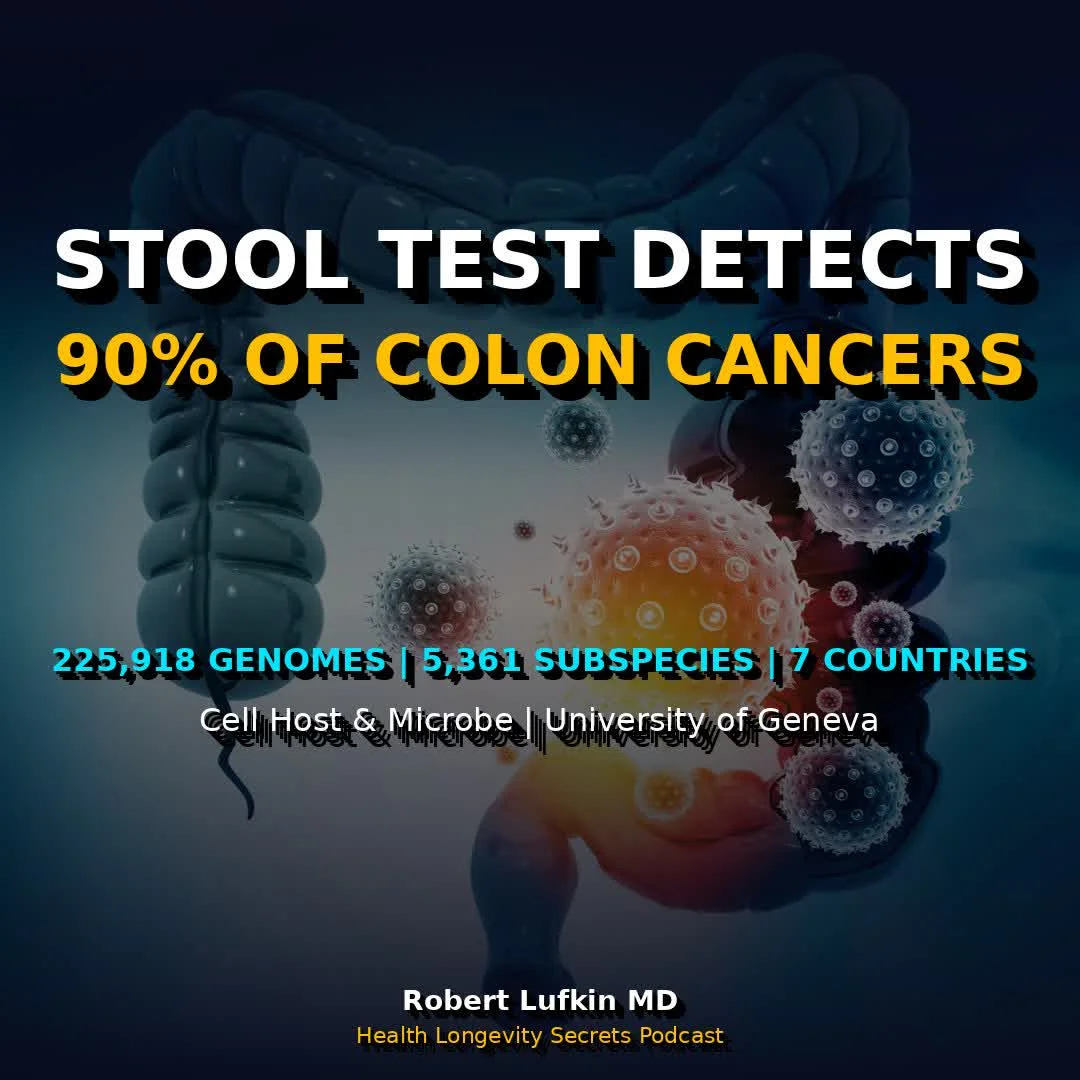
Stool Test Detects 90% of Colorectal Cancers
As a medical school professor, I've watched colorectal cancer screening rely on colonoscopies for decades. That era may be ending. Researchers at the University of Geneva just published a breakthrough in Cell Host & Microbe: a simple stool test that detects...

Mezagitamab Shows Promise in Treating Immune Thrombocytopenia Patients
Mezagitamab, an anti‑CD38 antibody originally developed for oncology, achieved a 91% platelet‑response rate in a phase 2 trial of patients with immune thrombocytopenia (ITP). In the 600 mg cohort, 10 of 11 participants reached the predefined platelet count threshold within 16 weeks,...

New Project Aims to Improve Aggressive Breast Cancer Diagnosis
The BRIDGE project, a two‑year collaboration between ITQB NOVA and the Portuguese Institute of Oncology, aims to discover glyco‑immune biomarkers that signal aggressive breast cancer progression. By analyzing small molecules on tumor‑cell surfaces, researchers hope to map how cancers silence the...
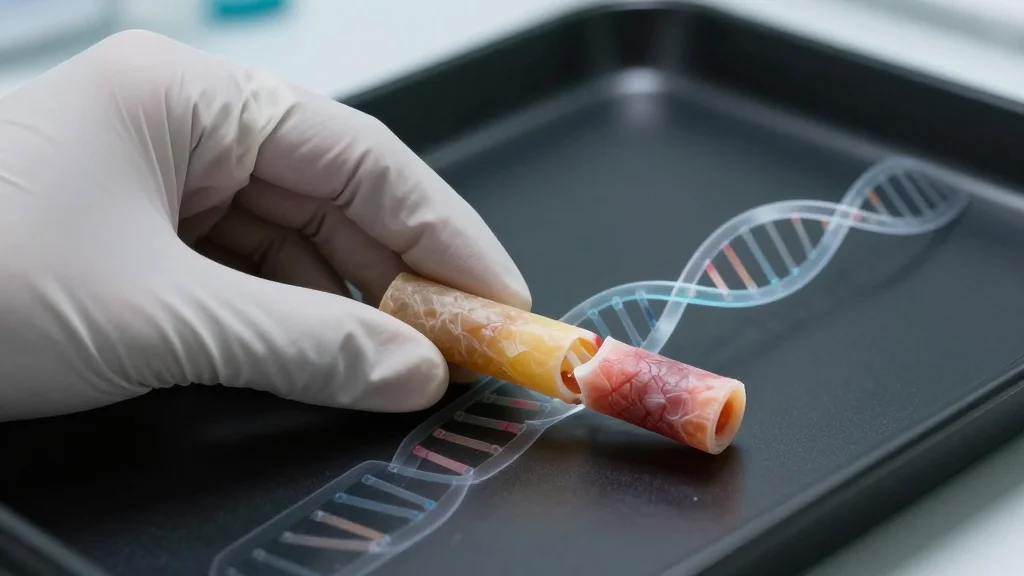
Boston University Test Uses 48‑Gene Panel to Predict Lung Cancer Spread Pre‑Surgery
Researchers at Boston University have validated a 48‑gene signature that predicts vascular invasion in early‑stage lung adenocarcinoma from pre‑operative biopsy samples. The test could give surgeons real‑time risk data, steering patients toward more or less aggressive resections and improving long‑term...
Nanomedicine Advances Offer Targeted Breast Cancer Therapy and Early Detection
Researchers have shown that nanocarrier formulations can increase oral bioavailability by more than 3.5‑fold and double tumor‑inhibition rates in pre‑clinical breast‑cancer models. The advances promise more precise drug delivery, reduced toxicity, and earlier detection, potentially changing standard care for the...
Iovance Biotherapeutics Seen as Small‑Cap Play for Healthcare Gains
Iovance Biotherapeutics reported $263.5 million in sales for its melanoma therapy Amtagvi, a 61% year‑over‑year increase, and analysts see the small‑cap biotech as a possible route to outsized returns despite steep manufacturing costs and regulatory uncertainty. The stock’s underperformance versus broader...

America Has a New GLP-1 Playbook
The latest GLP‑1 oral formulations—Eli Lilly’s Foundayo and Novo Nordisk’s Wegovy pill—offer a needle‑free alternative but deliver modest weight‑loss results compared with their injectable counterparts. Clinical data show Foundayo can preserve most of the weight lost on injections over a year, while...

Mouse Study Links Sucralose and Stevia to Metabolic Changes Across Generations
Researchers at Universidad de Chile found that mice given sucralose or stevia exhibited gut‑microbiome shifts and gene‑expression changes that persisted into two subsequent generations, leading to impaired glucose tolerance. The findings raise fresh questions about the long‑term safety of popular...

Intense Light Therapy Cuts Hypoxia‑Induced Heart Damage in Mice
Researchers at Army Medical University demonstrated that targeted intense light exposure dramatically lessens right‑ventricular hypertrophy, fibrosis, and inflammation in mice subjected to chronic hypoxia. The findings suggest a non‑drug biohack that could protect the heart in high‑altitude or lung‑disease settings.
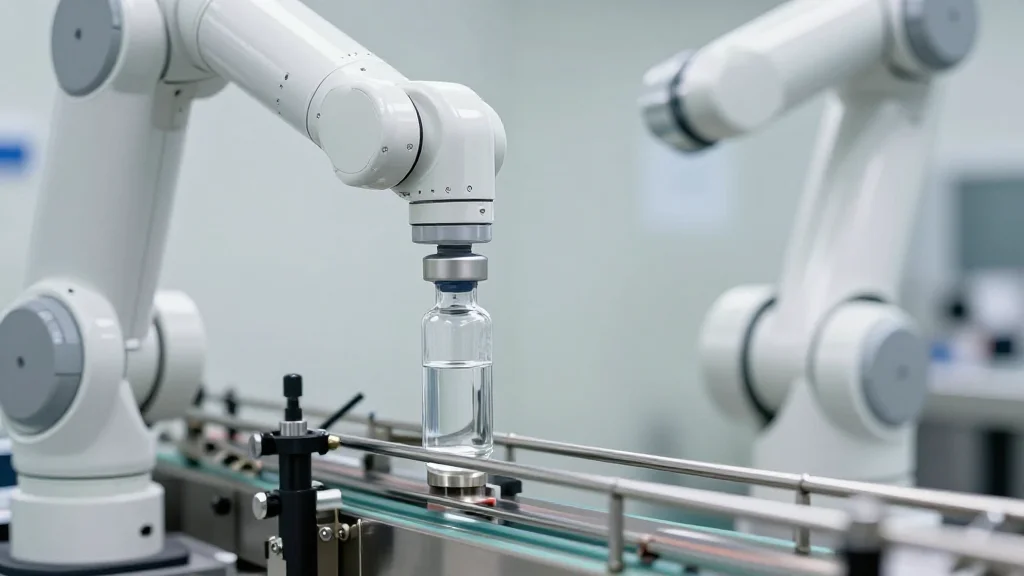
Amneal Sets $3.1B 2026 Revenue Target, Leverages GLP‑1 Manufacturing Partnership
Amneal Pharmaceuticals announced a 2026 revenue outlook of $3.05‑$3.10 billion, anchored by a manufacturing partnership with Pfizer for GLP‑1 therapies and a push toward complex injectables. The plan relies on a 20‑30 product launch cadence, margin discipline and a reduced net...

Trump Calls on Congress to Preserve State Medical Marijuana Protections in 2027 Budget
President Donald Trump has asked Congress to maintain a budget provision that bars the Justice Department from interfering with state‑run medical marijuana programs. The 2027 budget request keeps the protection in place but omits Nebraska, highlighting a lingering partisan split...

More Pharma Dealmaking; FDA’s Proposed Budget; Takeda Ends Partnership; and More
The pharma sector is seeing a wave of dealmaking, with Q1 2026 M&A volume up roughly 15% as companies chase high‑value oncology assets. The FDA released a proposed $5.6 billion budget that would raise review fees by about 8% and modestly...

20 Future Hungarian HealthTech and MedTech Leaders
Hungary’s health‑tech and med‑tech ecosystem is maturing into a deep‑tech hub, backed by more than €925 million (≈ $1 billion) of venture capital between 2015‑2025. State agencies, university‑owned technology transfer companies and accelerators have built a supportive pipeline that channeled €41.2 million (≈ $44.5 million) in...

One‑sentence AI Pipeline Transforms Drug Discovery Workflow
What if your next drug discovery pipeline started with one sentence, not 6 months of scripting? In this latest deep dive with @scispace, I saw a shift that feels bigger than incremental AI gains. Upload single-cell data and get clustered cell types,...
Poor Drug Selection Hampers Stroke Treatment Breakthroughs
1,026 experimental treatments in acute stroke (2006) "The results question whether the most efficacious drugs are being selected for stroke clinical trials. This may partially explain the slow progress in developing treatments..." https://t.co/WllAIz3Xul

Effects of Glucagon-Like Peptide-1 Receptor Agonists on Perioperative Outcomes in Hip and Knee Arthroplasty: A Systematic Review and Meta-Analysis
Researchers performed a systematic review and meta‑analysis of six retrospective cohort studies covering over 48,000 hip and knee arthroplasty patients to assess the impact of pre‑operative glucagon‑like‑peptide‑1 receptor agonist (GLP‑1 RA) therapy. The analysis found a 20 % reduction in revision...
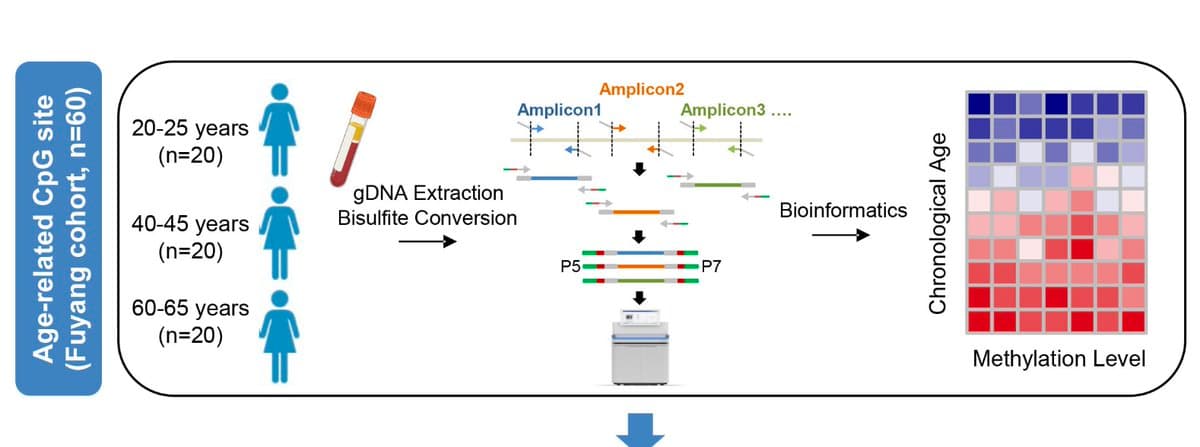
Epigenetic Clock Detects Aging and Cancer via Blood Test
This is the future: An epigenetic clock for the simultaneous assessment of biological aging and cancer from a simple, cheap blood test 👏 https://t.co/uzGoZWos9C

Spatial Biology, Single‑cell Profiling, and AI Map T‑cell Immunity
Towards Spatial Medicine for individualized cancer immunotherapy @SciImmunology "The convergence of spatial biology platforms, single-cell immune profiling, and machine learning is positioning the community to decode how T cell immunity is spatially organized in human tissues and to exploit that organization...

Re: The Power of the Markets: The Scandal that Keeps on Taking
Lenacapavir, a once‑monthly injectable for HIV, is priced at $28,000 per patient annually by Gilead Sciences. In a BMJ rapid response, surgeon Simon Bell argued the price reflects the high cost of drug development and that Gilead is not obligated...

Progerin Bridges Premature and Natural Aging, Biomarker Potential
Progerin expression in humans: implications for natural ageing "These insights may collectively position progerin as a mechanistic link between premature ageing and physiological ageing, positioning it as a potential component of biomarker strategies." https://t.co/KZuV0c7TOK

Real‑time Biological Data Is the Missing Link for AI
🧵 Unlocking the true potential of AI and bioinformatics hinges on one missing link: real-time biological data. I saw that Prof. Nikolai Slavov posted this, and that reminds me of how complicated a single cell is. https://t.co/UCUeL2Bdge

AI Can Screen 15 Million Molecules in a Day. It Still Can’t Cure Alzheimer’s.
Novartis used generative AI to design 15 million molecular‑glue candidates for Huntington’s disease and synthesized about 60, yielding a promising scaffold. While AI can trim early‑stage drug discovery timelines by 30‑40 percent and lower costs, no AI‑discovered compound has secured FDA approval...

Choosing Cutoffs for P‑values, Log2
🧵“What cutoff should I use for p-value, log2FC, or mito content?” This is the most common question I get. Here's why it’s not simple: https://t.co/A4P37eEwdc

China's Biotech Surge Threatens Western Drug Dominance
Big Pharma Is Turning to China for the Newest Drug Ideas—China’s biotechs are faster and have lower costs, and its drug research threatens to soon overtake the West’s @Loftus https://t.co/YszgDfNlwc https://t.co/YszgDfNlwc
New Yellow Fever Vaccine Matches Safety and Effectiveness of Current Shot
Sanofi's new live‑attenuated yellow fever vaccine, vYF, demonstrated safety and efficacy comparable to the licensed YF‑VAX in a phase 2 trial of 485 healthy adults. Protective antibodies appeared in 99.7% of vYF recipients versus 99.4% for YF‑VAX within 28 days, with...

IL6R Protects, IL6 Harms: Genetic Proof of Survival Impact
Causal effects of inflammation on long-term mortality: A mendelian randomization study 🔑"The IL6/IL6R axis has a causal impact on human survival through cardiovascular mechanisms: IL6R exerts a protective effect, whereas IL6 is detrimental." https://t.co/0TwQldDrQe

Aging
RIP Dr Skulachev who made serious contributions to the ROS theory of aging. Unfortunately, no FDA-approved drug out of his work yet. One of my goals is to have several FDA approved drugs before or after I die. Papers and...

EV-RNAs Show Promise for IBD Diagnosis and Treatment
A review in *ExRNA* led by Professor Xiyang Wei outlines how extracellular vesicle‑associated RNAs (EV‑RNAs) influence inflammatory bowel disease (IBD) pathogenesis and progression. By synthesizing multi‑omics and animal data, the authors show EV‑RNAs can serve as highly accurate, non‑invasive biomarkers...

Human Cells Lag Far Behind Yeast in Large DNA Integration
“Ultra large” in this paper is 8 kb 😭 > shows how far we are from achieving the sort of SynBio we routinely do in yeast in primary human cells. 50 kb integrations are fairly routine in yeast

Insilico Medicine Launches Pharma AI Spring Kickoff 2026 Webinar
Insilico Medicine announced the Pharma.AI Spring Kickoff 2026 webinar for April 14, 2026, at 10:00 AM ET. The event will showcase the company’s latest AI-driven drug discovery tools, including the MMAI Gym training framework, upgraded PandaOmics with single‑cell integration, and new capabilities in...

Big Pharma Is Turning to China for the Newest Drug Ideas
Pfizer is intensifying its search for breakthrough cancer treatments by tapping Chinese biotech. Last summer the company paid $1.25 billion to Shanghai‑based 3SBio for rights to a promising oncology candidate. The move reflects a broader shift as China evolves from a...

Nanomedicine Offers Targeted Solutions for Breast Cancer Treatment
Nanomedicine is reshaping breast cancer therapy by using nanoscale carriers to improve drug solubility, targeting, and controlled release. Recent preclinical studies show lipid‑polymer hybrids boosting oral bioavailability over threefold and photothermal nanoparticles halving tumor growth when combined with chemotherapy. Metallic...

Amazon Pharmacy Launches Same‑day Delivery of Lilly's Foundayo Weight‑loss Pill in 3,000 U.S. Cities
Amazon Pharmacy has begun same‑day delivery of Eli Lilly’s newly approved oral GLP‑1 weight‑loss pill, Foundayo, covering nearly 3,000 U.S. cities and slated to reach 4,500 by year‑end. The move puts Amazon directly into the fast‑growing obesity‑drug market and challenges existing...

Annovis Raises $10 Million to Fund Phase 3 Alzheimer’s Trial and NDA Submission
Annovis Bio announced a $10 million financing round that extends its cash runway through the upcoming Phase 3 trial of its Alzheimer’s candidate and a planned NDA submission within six months. The capital raise aims to sustain development costs and position the...

MIT Discovers Hundreds of Bacterial CRISPR-Like Tools
MIT Mined Bacteria for the Next CRISPR—and Found Hundreds of Potential New Tools https://t.co/n4cJpB8dVk https://t.co/Vq57AKw6XD

University of Chicago Study Finds Zeaxanthin May Supercharge Cancer Immunotherapy
Scientists at the University of Chicago Medical Center reported that zeaxanthin, a carotenoid found in leafy greens, strengthens CD8+ T‑cell responses and amplifies the effect of checkpoint inhibitor drugs. The finding points to a low‑cost, diet‑based adjunct that could raise...
Leucine Enzyme AUH Found to Drive Brown‑Fat Thermogenesis, Offering New Bio‑Hacking Target
A team led by Jiang published in Nature Communications that the leucine‑catabolizing enzyme AUH controls brown adipose tissue thermogenesis in male mice. Loss of AUH reduces energy expenditure, increases fat gain and impairs glucose balance, suggesting a novel target for...

FDA Rejects Replimune's RP1 Melanoma Therapy for Second Time
The U.S. Food and Drug Administration has rejected Replimune Group's RP1 (vusolimogene oderparepvec) therapy for unresectable advanced cutaneous melanoma for a second time, saying the data still fails to demonstrate substantial evidence of effectiveness. The agency highlighted the trial’s inability...