
The Psychedelic Revolution
The episode explores the emerging field of psychedelic therapy, highlighting its potential to treat treatment‑resistant mental health conditions with a few supervised dosing sessions rather than daily medication. Guests Dr. Will Vanderveer and Keith Kurlander explain how the approach combines psychedelics like psilocybin or MDMA with structured psychotherapy to address root causes in the unconscious mind, citing promising Phase III trial results and real‑world patient stories such as a veteran’s recovery. They discuss the investment landscape, noting differences from traditional pharma—high‑ticket service revenues, regulatory hurdles, and the importance of first‑to‑market advantage—while warning investors about clinical‑trial risk and the need to understand the therapy’s service model.

Python Blood Could Be the Key to Weight Loss with Zero Side Effects According to New Study
Researchers from Colorado, Stanford and Baylor identified a metabolite, para‑tyramine‑O‑sulfate (pTOS), that spikes a thousand‑fold in python blood after a large meal. When administered to mice, high doses of synthetic pTOS triggered weight loss without nausea or reduced energy. The...

AI Can Design and Run Thousands of Lab Experiments without Human Hands. Humanity Isn't Ready
In February 2026 OpenAI and Ginkgo Bioworks reported that GPT‑5 autonomously designed and ran 36,000 biological experiments through a robotic cloud laboratory, slashing protein‑production costs by about 40%. The AI‑driven loop—design, build, test, learn—turns biology into an engineering discipline, enabling...

A Decade of DNA Innovation Powers AI‑Biology Convergence
Ten years ago, Emily Leproust had an idea to rewrite how DNA gets made. Most people thought it wouldn't work. Today, Twist Bioscience is the infrastructure layer for biotech and pharma worldwide. At SynBioBeta 2026, she's on the main stage with John...

GSK Sees Blockbuster Potential in Targeted Cancer Therapy After Promising Early Data
GSK’s experimental targeted therapy Mo‑rez showed early signs of efficacy, shrinking tumors in a majority of patients with hard‑to‑treat cancers. In a trial, 62% of platinum‑resistant ovarian cancer patients and 67% of endometrial cancer patients achieved at least a 30%...
GSK Plans Five Phase 3 Studies for Gynecological Cancer ADC From Hansoh
GlaxoSmithKline (GSK) announced it will initiate five Phase 3 clinical trials to evaluate an antibody‑drug conjugate (ADC) for gynecological cancers, a candidate licensed from Chinese partner Hansoh Pharma. Early-stage data presented on Sunday showed encouraging tumor responses in ovarian and endometrial...

University of Michigan Nanoparticle Therapy Stops Tick‑Borne Red Meat Allergy in Mice
On Aug. 12, 2024, University of Michigan scientists, with University of Virginia collaborators, reported that an intravenously delivered nanoparticle formulation prevented the tick‑borne red‑meat allergy (alpha‑gal syndrome) in 10 of 12 mice. The pre‑clinical result highlights a new nanotech route...

Belantamab Mafodotin Plus Lenalidomide Shows 96.7% Response in Transplant‑Ineligible Myeloma
The BelaRd phase 1/2 study found that belantamab mafodotin at 1.9 mg/kg every eight weeks combined with lenalidomide and dexamethasone produced a 96.7% overall response rate in transplant‑ineligible newly diagnosed multiple myeloma patients. High 18‑month progression‑free survival rates and a tolerable...

Why Ozempic Doesn’t Work for Everyone: Scientists Just Found a Hidden Reason
Researchers at Stanford Medicine and international partners identified a genetic basis for reduced effectiveness of GLP‑1 receptor agonists, such as Ozempic, in about 10% of the population. The study links specific PAM gene variants to a newly described GLP‑1 resistance,...
Ultragenyx Pharmaceutical: The Market Is Overlooking 2026 Catalysts
Ultragenyx Pharmaceutical (RARE) remains a speculative conviction hold as its commercial base funds a late‑stage rare‑disease pipeline. The company expects multiple 2026‑2027 catalysts—including GTX‑102, DTX401 and UX111—to drive revenue growth. Conservative U.S.–only modeling projects $1.5 B‑$2.4 B peak annual revenue from these...

The Biopharma Senior Associate Whose Career Was Fuelled by FUEL
Luke Sheppard, a senior associate in syringe manufacturing at Amgen, credits the company’s FUEL graduate programme and early internships for propelling his career in Ireland’s thriving biopharma sector. He describes a role that blends operations support, project work, and floor‑level...
Aging Shares Disease Hallmarks, May Be Treatable
Is aging a disease? These authors reflect: “Disease is commonly defined as an abnormality of bodily structure or function, distinct from direct physical injury (Bulterijs et al., 2015). Whether ageing itself constitutes a disease has long been debated in the fields of...
Pfizer's Oncology Portfolio Targets Growth Ahead of May 5 Earnings
Pfizer is positioning its cancer drug portfolio for a rebound in the first quarter, with sales of Xtandi, Lorbrena and the Braftovi‑Mektovi combo expected to offset declines in Ibrance and Inlyta. The company will update investors on late‑stage candidates and...

Neurocrine to Acquire Soleno for $2.9 B, Paying $53 per Share in Cash
Neurocrine Biosciences announced a definitive agreement to acquire Soleno Therapeutics for $53 per share in cash, valuing the transaction at roughly $2.9 billion. The offer represents a 34% premium to Soleno’s April 2 closing price and is expected to close within 90...
The Largest Metabolomics Study Ever Just Pointed To A New Future In Medicine
The UK Biobank has finished the world’s largest metabolomics effort, profiling roughly 250 blood metabolites in half a million volunteers. Conducted by Nightingale Health over several years, the dataset includes repeat samples for 20,000 participants, allowing longitudinal analysis. By layering...
BioNTech‑DualityBio ADC Shows 48% Response in HER2‑Positive Endometrial Cancer
BioNTech and DualityBio announced that their antibody‑drug conjugate trastuzumab pamirtecan achieved a 48% objective response rate and an 8‑month median progression‑free survival in HER2‑expressing recurrent endometrial cancer. The Phase 2 data, presented at the 2026 SGO meeting, could reshape treatment for...

One Reporter’s Life-Altering Psychedelic Trip
In this episode of The Daily, host Natalie Kittrow discusses ibogaine—a powerful, illegal psychedelic—with veteran New York Times reporter Robert Draper, who recounts his recent ten‑hour treatment in Tijuana, Mexico. Draper explains ibogaine’s origins, its potential to trigger neuroplasticity and...

Weekly Reads: Federal Stem Cell Charges Disappear, SCBEM Ethics, Diet & MYCN Cancer, How to Make a Nose
The article examines the abrupt dismissal of former South Carolina lawmaker Stephen Goldfinch’s federal stem‑cell charge, underscoring the uneven enforcement of unapproved cellular therapies. It contrasts this with a pending federal indictment targeting peptide manufacturers, especially BPC‑157, highlighting regulatory blind...

How Pfizer Created More Depressed People
In the early 1990s Pfizer launched Zoloft and deliberately reshaped public and medical perceptions of depression to expand its market. The company promoted a view that ordinary sadness was a chemical imbalance requiring medication, targeting primary‑care physicians as prescribers. This...

Therapeutic Phlebotomy Restores Bone Marrow, Reverses Aging
Periodic Therapeutic Phlebotomy Mitigates Systemic Aging Phenotypes by Promoting Bone Marrow Function “our work provides preliminary evidence suggesting that periodic therapeutic phlebotomy exerts anti-aging effects by restoring bone marrow function and mitigating aging phenotypes, subsequently driving peripheral blood functional restoration.” 👉 “...

AI Automation Will Multiply Scientist Jobs, Overcoming Lab Barriers
Couldn’t agree more. AI + automation = way more scientist jobs. Whole industry is massively held back by the cost and barriers to lab work. It’s like computing in the 1950s right now - back when we...

Per- and Polyfluoroalkyl Substances Are Associated with Reduced Cumulus Cell MFN1 Expression and Lower Oocyte Maturation Rates
A cross‑sectional study of 57 IVF patients found per‑ and polyfluoroalkyl substances (PFAS) in all follicular fluid samples, with perfluorooctanesulfonic acid (PFOS) present at measurable levels. PFOS showed a moderate inverse correlation (‑0.45) with cumulus‑cell MFN1 expression, a gene critical...

Rare Diseases Need Molecular Surgery, Not Drug Barriers
The turning point for rare diseases, which affect >300 million people around the world. A call to get rid of its many structural obstacles, to consider it as molecular surgery unlike drug treatments gift link: https://t.co/DQ0OZ9tXXc https://t.co/RELCwTr88i

New TUI Plasmid Viewer Adds Golden Braid Automation
Cranking out some heavy updates to my TUI plasmid viewer. Golden Braid part domesticator and MoClo assembly automation. All the tools I ever dreamed of are coming to fruition. Really thankful for Claude Code. Follow along here; rapidly changin development https://t.co/3mkWtVqa1T...
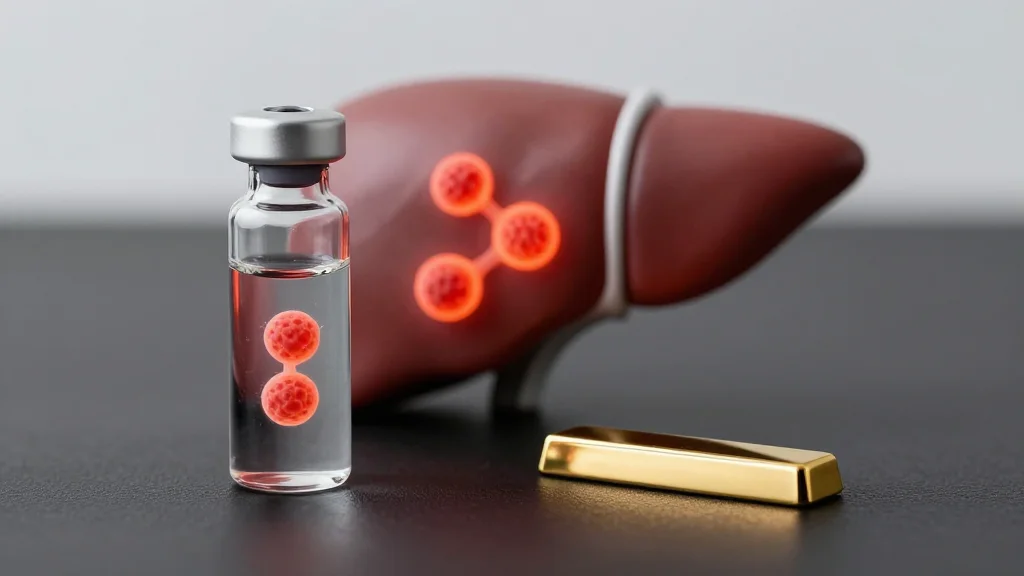
Oricell Therapeutics Secures $110 Million to Push GPC3‑Targeted CAR‑T for Liver Cancer
Oricell Therapeutics announced a $110 million financing round to accelerate its GPC3‑targeted CAR‑T cell program for hepatocellular carcinoma. The capital infusion underscores strong investor belief in extending CAR‑T beyond blood cancers, even as the company faces stiff competition from major pharma.

One Blood Test Detects Multiple Cancers and Diseases
Detecting multiple cancers and other diseases from a single blood sample https://t.co/6gjjYY50dm via @medical_xpress #cancer #research

Safe Cell Reprogramming Restores Identity, Nature Reports
You're confused. Let me explain: My student @Y_Ryan_Lu worked for years to find a SAFE way to reprogram cells so they'd only RE-GAIN identity, not LOSE it, as Prof Yamanaka showed We tried innumerable combos to find the solution Story is @Nature...

CorTec Secures FDA Breakthrough Designation for Stroke‑Rehab Brain‑Computer Interface
CorTec announced that its Brain Interchange brain‑computer interface has received FDA Breakthrough Device Designation, the first such recognition for a BCI aimed at stroke motor rehabilitation. The designation accelerates regulatory review for the fully implantable, wireless system currently in a...

High‑dose Dexamethasone Improves Outcomes in Newly Diagnosed Myeloma
Lenalidomide + high-dose dexamethasone (RD) vs lenalidomide + low-dose dexamethasone (Rd) as initial therapy for newly diagnosed multiple myeloma: an open-label RCT [10/22/2009] @VincentRK et al. @TheLancetOncol https://t.co/hXxlFINejC #NCT00098475 #EAonc E4A03 #mmsm #caxtx #ctsm https://t.co/GnehXu71Td

NMN Reverses Ovarian Aging in Mice, Human Trials Needed
DATA REPRODUCED: In old female mice, NMN restores ovarian follicle reserve in 10 days. Optimal dose was 200-500 mg/kg body weight/day. Equivalent to 35-45 in woman years. Clinical trials are needed 🐭🧓 https://t.co/oVeGUZSaQ0
Orbicular, Apotex Win FDA Tentative Approval for Generic Ozempic
Orbicular Pharmaceutical Technologies of Hyderabad, in partnership with Canadian drugmaker Apotex, received U.S. FDA tentative approval for a generic version of semaglutide injection (Ozempic). The clearance marks a rare regulatory win for a complex peptide drug and could broaden access...

GLP-1 Micro Dosing - Strategies and Tactics?
A Reddit user is experimenting with micro‑dosing GLP‑1 agonists, currently injecting 3 mg tirzepide weekly and planning to use a 7 mg generic oral semaglutide tablet. The goal is to reduce visceral adipose tissue and support cartilage regeneration after knee injections, targeting...

P&G Brings Biotech Ingredients to Mass‑market Consumer Products
P&G doesn't move on new ingredients unless the science is bulletproof and the consumer performance is there. They're moving on biotech. Three R&D leaders from Procter & Gamble are at SynBioBeta 2026 to talk about how bio-derived ingredients are making it into...

Dual AAV8 Gene Therapy and RIPK1 Inhibitor Stop Retinal Degeneration in Preclinical Models
A team led by J.Y. Chien, P.Y. Woon and H.Y. Tsai reported that a dual approach—AAV8‑mediated gene correction plus pharmacologic RIPK1 inhibition—halted retinal degeneration in preclinical models. The study, published in Cell Death Discovery, identifies glycosylation‑driven necroptosis as a key...

Yale Zebrafish Screen Flags Three FDA‑Approved Drugs for Gene‑Specific Autism Therapy
Yale scientists have leveraged zebrafish behavioral assays to evaluate 774 FDA‑approved compounds, isolating three drugs—estropipate, paclitaxel and levocarnitine—as promising candidates for distinct genetic forms of autism. The study, published in PNAS, demonstrates a precision‑medicine approach that could accelerate repurposing of...
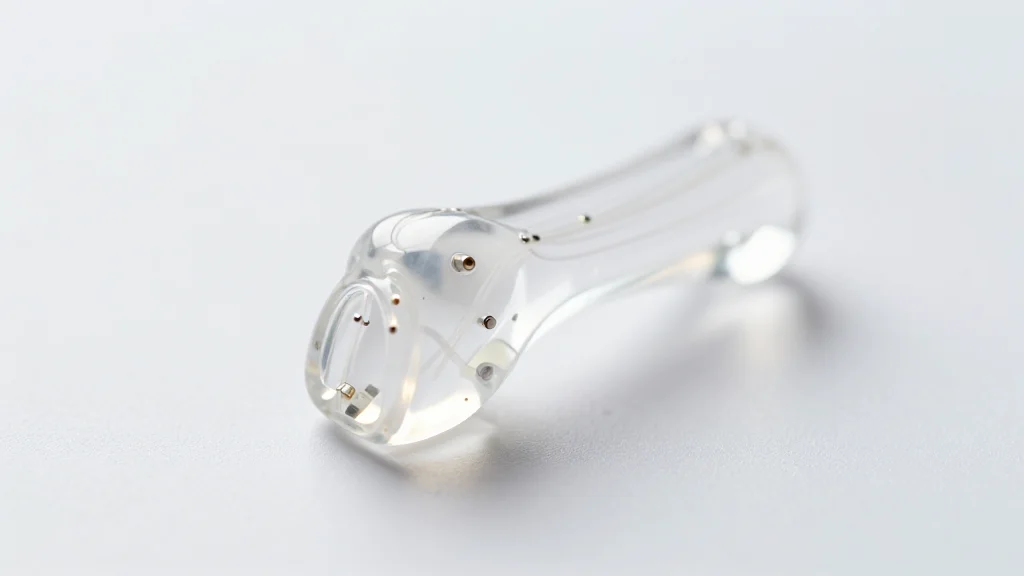
Researchers Unveil Sensor‑integrated Joint‑on‑chip Platforms for Real‑time Disease Monitoring
A team led by Mantegazza and Paola Occhetta published a paper describing how embedded optical, electrical, mechanical and biochemical sensors can turn joint‑on‑chip (JoC) systems into real‑time monitoring platforms. The breakthrough addresses the long‑standing reliance on endpoint analyses and promises...
Trinity Capital Raises $395 Million in New Commitments, Funds $306 Million in Q1
Trinity Capital announced $395 million of fresh commitments and $306 million of funded investments in the first quarter, underscoring robust financing activity for life‑science and biotech startups. The firm’s Q1 performance includes $236 million in secured loans and $54 million in equipment financings, positioning...

Hypsizygus Marmoreus Polysaccharides Protect Against Cisplatin-Induced Intestinal Mucositis via Modulation of Gut Microbiota, Inflammation, and Intestinal Barrier Function
Researchers extracted polysaccharides from the edible mushroom Hypsizygus marmoreus (HMP) with a 16% yield and characterized them as high‑molecular‑weight, glucose‑rich polymers. In a mouse model of cisplatin‑induced intestinal mucositis, oral HMP (10 mg kg⁻¹) mitigated weight loss, diarrhea, and immune‑organ atrophy while...

Hackers Meet Their Match: New DNA Encryption Protects Engineered Cells From Within
Researchers published a new DNA‑level encryption system that scrambles engineered cells' genetic code, making it unreadable until a precise chemical sequence restores it. The lock uses a series of nine chemicals arranged as a two‑digit keypad, yielding 45 possible inputs,...

New Drug Combination Doubles Down on Alzheimer's Treatments
University of Waterloo researchers have shown that pairing existing anti‑amyloid antibodies with nutraceutical small molecules such as resveratrol and curcumin dramatically reduces amyloid plaque formation in preclinical models. The combination neutralized protein clumping and allowed a 30 % reduction in antibody...
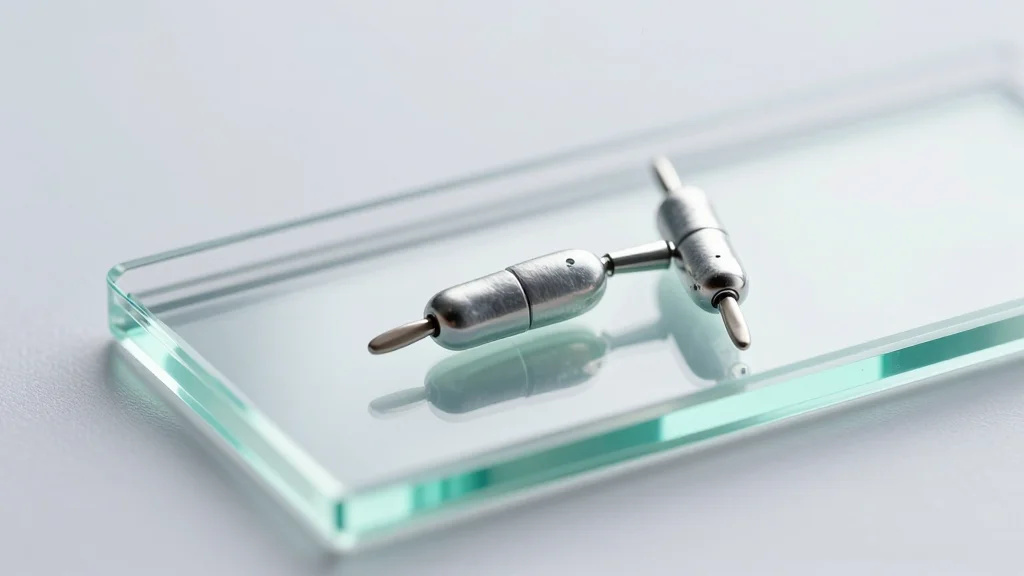
Light‑Powered Nanorobots Capture and Relocate Bacteria Precisely
Light-driven nanorobots, smaller than a micron, can now hunt, capture, and relocate bacteria with precision, offering new possibilities for targeted manipulation in microbiology and biomedical research. nanotechnology
Weekly Biotech Roundup: Top Insights From X's Best Accounts
Here is my favourite weekly 🧵- made by my dear friend @BiopharmIQ. This post is a comprehensive recap of the past week in BioTech and gathers the best related posts written by some of the smartest & brightest 𝕏 Bio...

IDEXX (IDXX) Launches Canine Cancer Detection Panel in UK
IDEXX Laboratories announced the UK launch of its IDEXX Cancer Dx Panel, a blood‑based test for early detection of lymphoma in dogs. The assay delivers results in 3‑5 business days and boasts 79% sensitivity and 99% specificity, including B‑cell and...
Insmed (INSM): Top QQQ Stock to Buy Now
Insmed (NASDAQ: INSM) reported that its Phase 2b CEDAR study of brensocatib in moderate‑to‑severe hidradenitis suppurativa failed to meet both primary and secondary efficacy endpoints. The trial, which enrolled 214 patients across 72 sites, showed the drug underperformed placebo, with a...

AI‑Designed Enzymes Break Evolution’s Limits for Biomanufacturing
Nature never designed enzymes for industrial manufacturing. It designed them to survive. That mismatch is one of the biggest bottlenecks in biomanufacturing — and most of the industry has been working around it with incremental fixes for decades. Matthew Thompson from Biomatter...
Seeking Experiences with GTWY Peptide From Β‑Lactolin
New smart drug peptide alert… (Possibly): who has experience with GTWY peptide isolated from β-lactolin? Research here: https://t.co/Sg7twStXvr
Experimental Drug Cuts Parkinson's-Linked Protein up to 60% in Early Trial
Biogen’s experimental antisense oligonucleotide BIIB094 achieved up to a 59 % reduction in LRRK2 protein in a first‑in‑human Parkinson’s trial. The phase 1 study enrolled 82 patients, delivering the drug intrathecally in single‑dose and four‑dose cohorts, and reported only mild to moderate...

Combating Rising Anti‑Vaccine Activism Through Science Advocacy
Many thanks @uiowa for hosting my lectures this week, on our vaccine development program and the dangers of accelerating antivaccine activism in America, also the history of American anti-science movements and latest book #ScienceUnderSiege with @MichaelEMann @PeterHotez https://t.co/3r0XH08iMu
Poor Drug Selection Hampers Stroke Treatment Breakthroughs
1,026 experimental treatments in acute stroke (2006) "The results question whether the most efficacious drugs are being selected for stroke clinical trials. This may partially explain the slow progress in developing treatments..." https://t.co/WllAIz3Xul
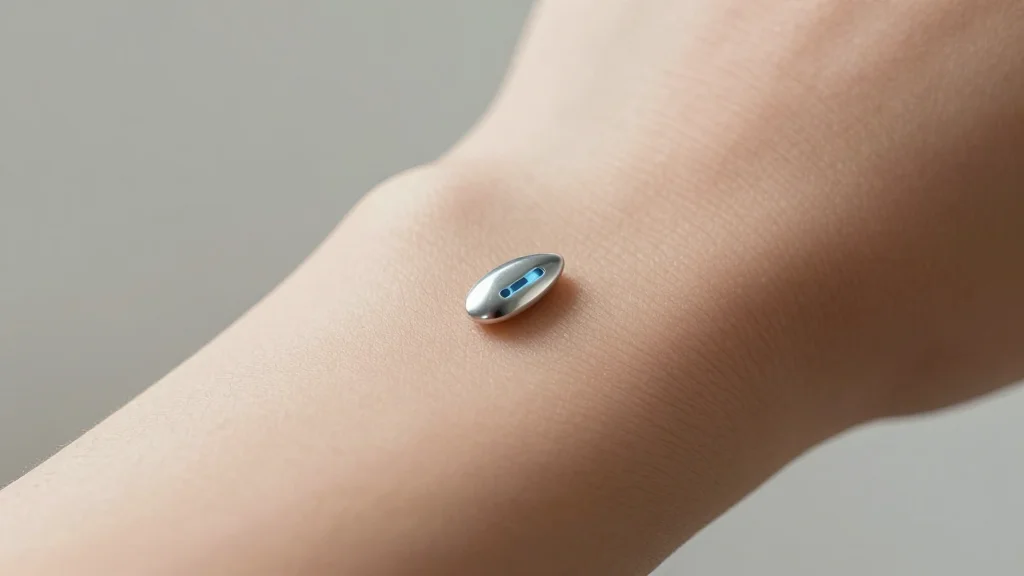
Implantable 'Living Pharmacy' Generates Therapeutic Proteins in Rats for a Month
Scientists from Northwestern University, Rice University and Carnegie Mellon have built a sub‑skin implant called HOBIT that continuously manufactures an anti‑HIV agent, a GLP‑1 peptide and a metabolic hormone in rats for a full month. The device’s built‑in oxygen generator...