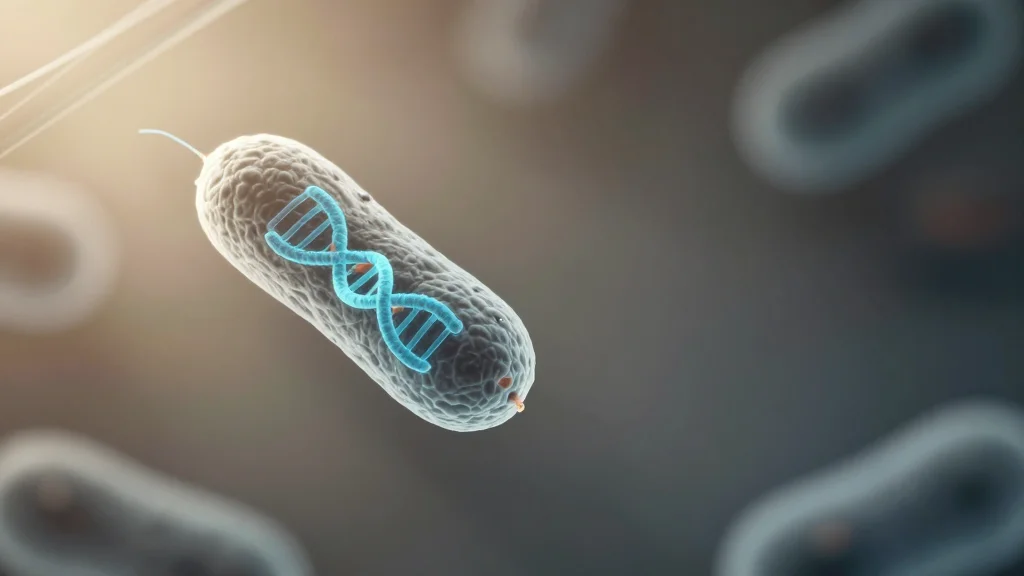
Platform for Precise Cellular Control Uses Non-Genetic DNA Decoupled From Genetic Information
Researchers at POSTECH have engineered a bacterial retron system to produce programmable, non‑genetic DNA inside living cells, allowing the DNA to act as a functional field agent rather than a static blueprint. The synthetic DNA fragments bind specific proteins, enabling precise control of gene expression, protein localization, and transient molecular event recording. Demonstrations include protein‑bait regulation, signal‑responsive protein control, and semi‑permanent molecular logging. The platform promises new avenues for smart therapeutics and environmental biosensors.
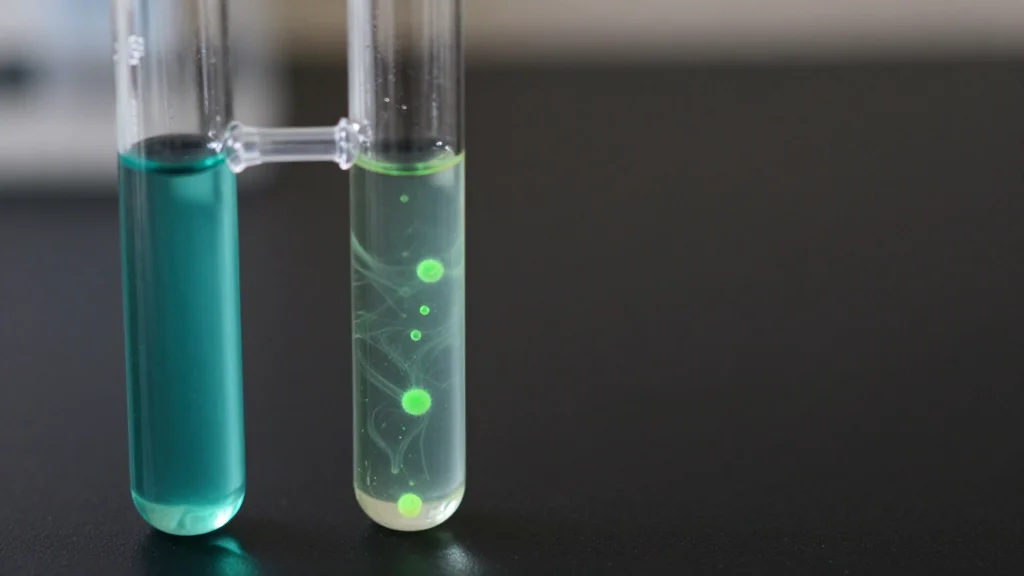
Engineered E. Coli Dependency May Help Contain Microbes to Defined Areas
Researchers at the University of Delaware engineered two E. coli strains to create a self‑contained microbial partnership. One strain synthesizes a non‑standard amino acid, while the other depends on that amino acid for growth and protein production. When co‑cultured, the...
Biotech Innovation Makes Inroads Against Bleeding Disorders
Biotech breakthroughs have transformed bleeding disorders from fatal diagnoses into manageable chronic conditions, with extended‑half‑life clotting factors, subcutaneous non‑factor drugs, and emerging gene therapies extending dosing intervals to weeks or months. The National Bleeding Disorders Foundation’s Pathway to Cures fund...

Sirolimus DCB in Peripheral Disease Makes Strides in Hard Outcomes: SirPAD
The SirPAD trial showed that a sirolimus‑coated drug‑coated balloon (MagicTouch) significantly lowered major adverse limb events (MALE) to 8.8% versus 15% with uncoated balloons in femoropopliteal and below‑the‑knee peripheral artery disease patients. At one year, the composite of unplanned amputation...
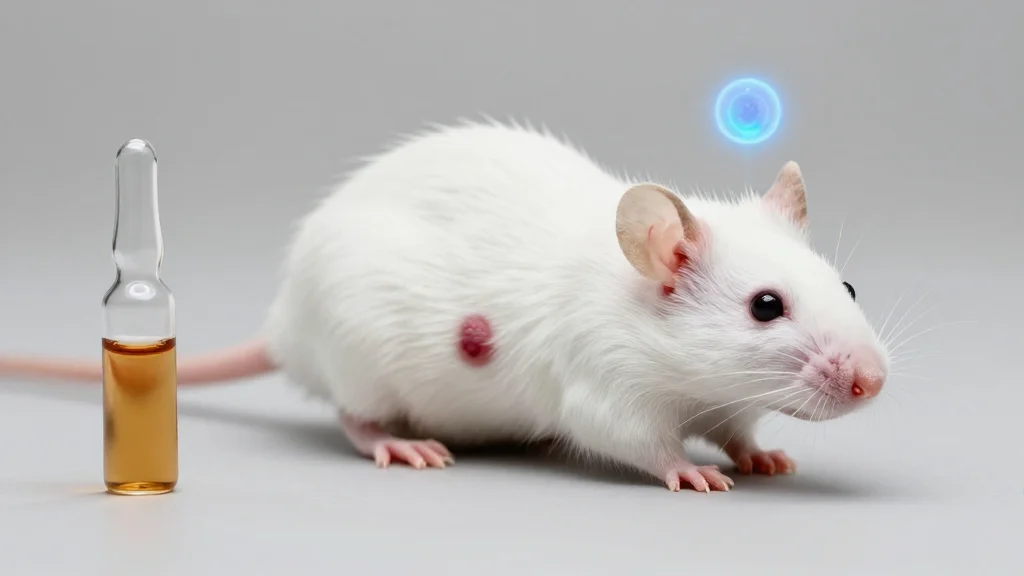
Combining Novel Dual HIF Inhibitors with Immunotherapy Erases Multiple Tumor Types in Mice
Researchers at Johns Hopkins and the University of Maryland have created first‑in‑class small‑molecule inhibitors that simultaneously block hypoxia‑inducible factors 1 and 2. In mouse models, the dual HIF‑1/2 inhibitors eradicated breast, colorectal, melanoma and prostate tumors when paired with checkpoint antibodies such...
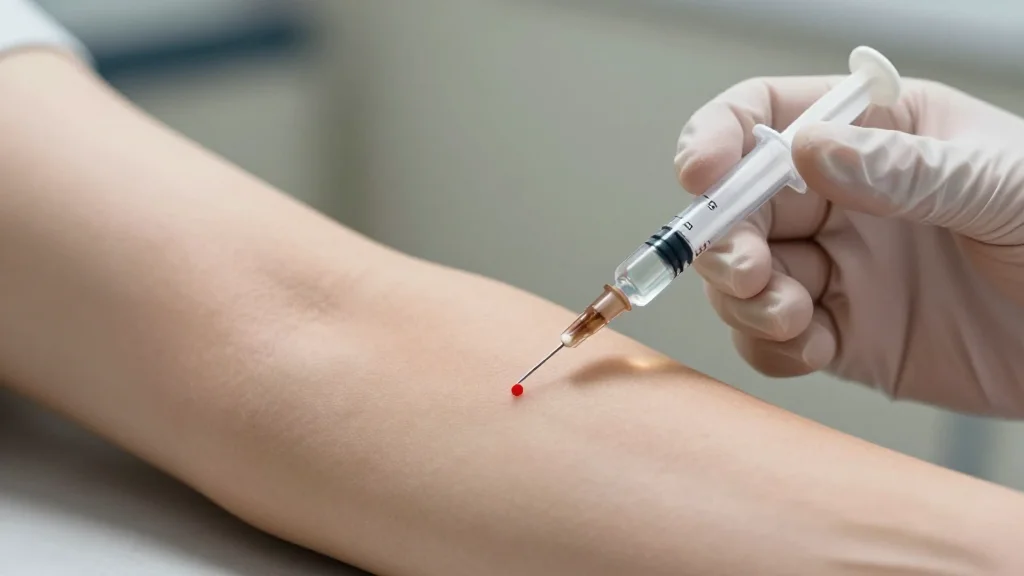
Part 1—Jason Aldred, MD: Understanding Possible Side Effects When Treating Patients with Parkinson’s Disease
Dr. Jason Aldred of Selkirk Neurology highlights the safety profile of Vyalev (foscarbidopa/foslevodopa), a subcutaneous therapy for Parkinson's disease. He notes that injection‑site reactions such as erythema, swelling, tenderness, bruising, and induration are the most common adverse events. Aldred advises...

Plug-and-Play Sensor Listens to the Developing Brain
Researchers at North Carolina State University introduced CAMEO, a low‑cost, plug‑and‑play carbon‑nanotube sensor array for human cerebral organoids. The basket‑shaped device houses 12 flexible electrodes, delivering electrophysiological recordings comparable to high‑end systems while costing a fraction of traditional microelectrode arrays....

Cell Line Development Has to Evolve
Cell line development (CLD) remains a hidden bottleneck that dictates speed to clinic, manufacturability, and long‑term product performance. Traditional random‑integration and lengthy clone screening are giving way to engineered platforms, especially glutamine synthetase (GS) knockout systems, which reduce heterogeneity and...

The Peptide Fad Lures Health Tech
Health‑tech firms are pivoting toward peptide therapeutics as the next growth engine after the blockbuster GLP‑1 weight‑loss drugs. Peptides, which include insulin and GLP‑1, are being explored for obesity, metabolic and chronic disease treatments. Industry analysts project the global peptide...

Exploring Structural Variation in Genomic Studies
Broad Institute’s Primer on Medical and Population Genetics released a new session exploring structural variation in genomic studies. The free weekly video series provides in‑depth introductions to complex trait genetics, covering topics from DNA sequencing to statistical analysis. Targeted at...

Two Neutral IVUS Trials in Complex PCI—And One Positive—Spark Debate
Three recent randomized trials compared intravascular ultrasound (IVUS) with angiography for guiding complex percutaneous coronary interventions (PCI). Only DKCRUSH VIII, which focused on true bifurcation lesions, demonstrated a 60% relative reduction in 1‑year target‑vessel failure. The European OPTIMAL and IVUS‑CHIP studies,...

GENFIT Reports Full-Year 2025 Financial Results and Provides Corporate Update
GENFIT reported 2025 results with cash €101.1 million (~$109 million) and revenue €65.4 million (~$70.6 million), the bulk coming from Ipsen milestones and royalties. Iqirvo® generated $208 million in full‑year sales, triggering a $20 million commercial milestone and activating an additional €30 million (~$32 million) royalty‑financing tranche. The...

UK and US Lock in Pharmaceutical Deal
The United Kingdom and the United States have finalized the legal text of a landmark pharmaceutical partnership that eliminates import tariffs on U.S. medicines and certain medical technologies for at least three years. The agreement arrives amid heightened diplomatic tension,...
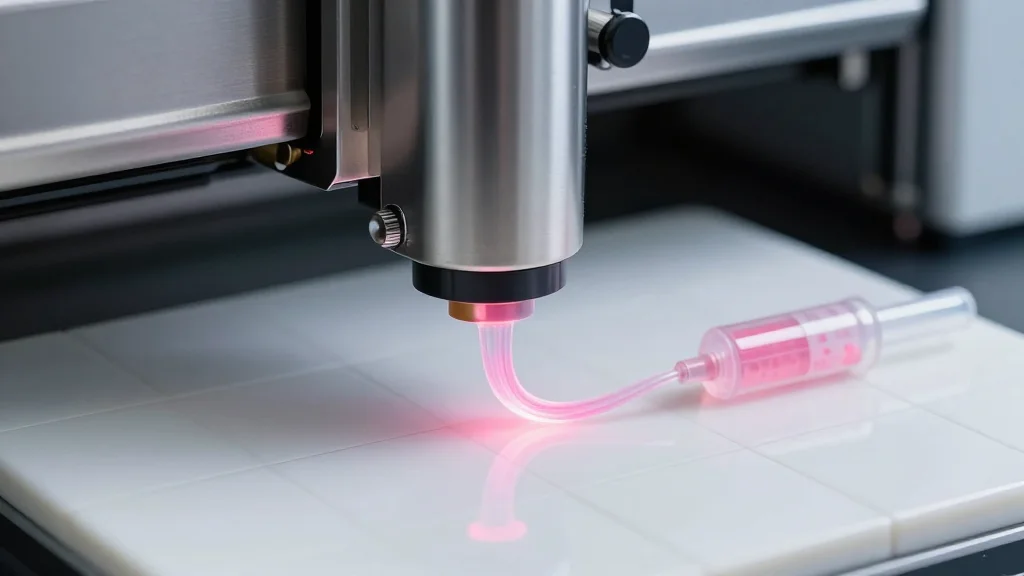
Aspect Biosystems – Announces $280 Million Partnership with Government of Canada to Advance Development of Bioengineered Cellular Medicines
Aspect Biosystems secured a CAD $79 million (≈ $58 million USD) investment from the Government of Canada, funding a CAD $280 million (≈ $204 million USD) multi‑year project to accelerate its bioengineered cellular medicines pipeline. The funding builds on a prior CAD $200 million (≈ $146 million USD) co‑investment announced in 2024 and will expand...

Omics Consortium Established to Supercharge Climate-Adapted Wheat Breeding
The University of Adelaide is spearheading the Wheat Spatial Omics Consortium (WSOC), a partnership of more than 30 institutions in nine countries, to build a comprehensive spatial omics atlas of wheat. By mapping genes, proteins and metabolites at subcellular resolution,...

Feds Invest $79 Million in Aspect Biosystems to Develop 3D-Printed Tissue Treatment
Vancouver‑based Aspect Biosystems secured $79 million CAD (≈$58 million USD) from Canada’s Strategic Response Fund for a $280 million CAD (≈$204 million USD) project to scale its 3D‑printed tissue platform. The company will fund the remaining $201 million CAD (≈$147 million USD) and aims to enhance...

Software Package Makes Gene Regulation Easier to Study—And Tweak
Researchers at VIB and KU Leuven introduced CREsted, a new software package for modeling and designing gene regulatory enhancers. The framework unifies preprocessing, deep‑learning model training, interpretation, and synthetic enhancer generation into a single, reusable workflow. Demonstrated on mouse brain,...

Lipocine's Postpartum Depression Drug Fails; AstraZeneca Claims Liver Cancer Win
Lipocine reported top‑line Phase 3 data for its postpartum depression candidate LPCN‑1154, revealing no statistically significant improvement over placebo and prompting a 77% plunge in its shares. The Utah‑based biotech’s safety profile was acceptable, but efficacy shortfalls undermine its commercial prospects....

HNSCC Market Is Expected to Reach to $4.5bn Across 8MM by 2034
GlobalData projects the head and neck squamous cell carcinoma (HNSCC) therapeutics market to grow from $2.0 bn in 2024 to $4.5 bn by 2034, reflecting an 8.4% compound annual growth rate. Immune checkpoint inhibitors (ICIs) dominate, accounting for 69% of 2024 sales...

New Opioid Painkiller Has Surprisingly Few Side Effects
Scientists have identified a new opioid, N-desethyl‑fluornitrazene (DFNZ), derived from the long‑abandoned nitazene class, that delivers strong pain relief in rodents without causing respiratory depression or high addiction potential. The molecule acts as a μ‑opioid‑receptor superagonist yet exits the brain...

STAT+: Lilly’s Obesity Pill Enters the Oral GLP-1 Game, Novo Responds
The FDA approved Eli Lilly’s oral GLP‑1 obesity pill orforglipron, marking the first FDA‑cleared oral weight‑loss drug. The approval puts Lilly into direct competition with Novo Nordisk, which is developing its own oral GLP‑1 candidate. Simultaneously, a draft Trump administration order could...
Analytics that Matter- How LC and MALS Drive Biosimilar Success
The FDA released draft guidance in October 2025 that reshapes biosimilar development by emphasizing analytical data. The guidance suggests that robust analytical comparability can replace or reduce comparative efficacy studies. It calls for comprehensive analytical packages using orthogonal techniques such as...

The Rollercoaster Ride Stopps and Danish IO Biotech Goes Bust
Copenhagen‑based IO Biotech, a cancer immunotherapy firm, saw its flagship melanoma vaccine Cylembio miss the primary endpoint in a Phase III trial, prompting the FDA to advise against filing for approval. The regulatory setback left the company with insufficient runway, as...

From Biological Principles to AI and Back Again
The EMBL‑EMBO AI and Biology symposium in March 2026 highlighted a paradigm shift: artificial intelligence is moving from pattern‑matching to uncovering causal mechanisms in life sciences. Researchers showcased interpretable deep‑learning models for RNA splicing, probed AlphaFold2’s confidence, and revealed hidden...

Merck Receives the EC Approval for Keytruda, Plus CT ± Avastin to Treat PD-L1+ Pt-Resistant Ovarian Carcinoma
The European Commission has granted approval for Merck’s Keytruda (pembrolizumab) combined with paclitaxel, with or without Avastin, to treat PD‑L1‑positive, platinum‑resistant ovarian, fallopian‑tube or primary peritoneal carcinoma. The indication covers adults who have received one or two prior systemic regimens...

Bovine Serum Albumin Crosslinked Hydrogels with Enhanced Mechanical Properties for Skin Bioelectronics
A new protein‑crosslinking method incorporates modified bovine serum albumin (BSA) into hydrogel networks, delivering ultra‑stretchable, strongly adhesive, and conductive gels. Dual physical‑chemical bonds and the protein’s spring‑like secondary structures dramatically improve mechanical strength and energy dissipation. The abundant functional groups...

A New Implant Aims to Rewire the Brain to Help Stroke Patients
Epia Neuro, a San Francisco startup, unveiled a brain‑computer interface paired with a motorized glove to restore hand function in stroke patients. The disk‑shaped implant sits under the skull, captures neural intent from undamaged brain regions, and translates it via...

Biocytogen and Sihuan Pharmaceutical Partner to Discover Novel Therapeutics in Multiple Indications
Biocytogen and China’s Sihuan Pharmaceutical have signed a strategic partnership to co‑develop novel antibody therapeutics across several disease areas, including obesity. The deal merges Biocytogen’s fully human antibody discovery platform—featuring target‑humanized mouse models, in‑vivo efficacy systems, and an AI‑driven sequence...
ACC 2026: Meta-Analysis Supports CagriSema as Superior First-Line Therapy in Obesity
At the ACC 2026 meeting, a Bayesian network meta‑analysis of 2,803 overweight and obese adults showed that the fixed‑dose combination CagriSema outperformed its components, cagrilintide and semaglutide 2.4 mg, across all efficacy measures. CagriSema delivered the greatest absolute and percent weight...

SpectraCell Packages Longevity, Early Disease Detection in One Kit
SpectraCell Laboratories introduced Baseline Nexus, a bundled diagnostic kit that merges four flagship tests—micronutrient profiling, lipoprotein particle analysis, telomere length measurement, and MTHFR genotyping—into a single service. The package aims to reveal hidden nutrient deficiencies, cardiovascular risk, biological aging, and...

Rhythm Posts First FDA Approval for Acquired Hypothalamic Obesity
Rhythm Pharmaceuticals announced FDA approval of IMCIVREE (setmelanotide) as the first therapy for acquired hypothalamic obesity, covering adults and children aged four and older. The decision follows the Phase 3 TRANSCEND trial, which demonstrated an 18.4% mean BMI reduction versus placebo...

AstraZeneca Reports the P-III (EMERALD-3) Trial Data on Imfinzi Combination + TACE in Unresectable Hepatocellular Carcinoma
AstraZeneca presented interim data from its Phase III EMERALD-3 trial, evaluating a single priming dose of Imjudo (300 mg) plus Imfinzi (1500 mg) followed by quarterly Imfinzi and transarterial chemoembolisation (TACE) with or without lenvatinib in 760 patients with unresectable hepatocellular carcinoma...

Scientists Cured Type 1 Diabetes in Mice by Creating a Blended Immune System
Scientists have cured type 1 diabetes in mice by creating a blended, or chimeric, immune system that tolerates transplanted insulin‑producing cells without lifelong immunosuppression. The protocol combines donor bone‑marrow stem cells, islet cells, low‑dose radiation, antibodies and the drug baricitinib, allowing...

Actinogen Treats First Patient in XanaMIA Trial for Alzheimer’s
Actinogen Medical has begun treating the first participant in the open‑label extension (OLE) of its Phase IIb/III XanaMIA trial for Alzheimer’s disease. The OLE allows eligible U.S. and Australian subjects to receive Xanamem 10 mg daily for up to 25 months, collecting...

Cogent Biosciences Reports US FDA’s NDA Submission of Bezuclastinib for Gastrointestinal Stromal Tumors (GIST)
Cogent Biosciences announced that the U.S. FDA has received a New Drug Application for bezuclastinib under the Real-Time Oncology Review program, targeting gastrointestinal stromal tumor patients who have progressed after imatinib. The Phase III PEAK trial, comparing bezuclastinib plus sunitinib to...
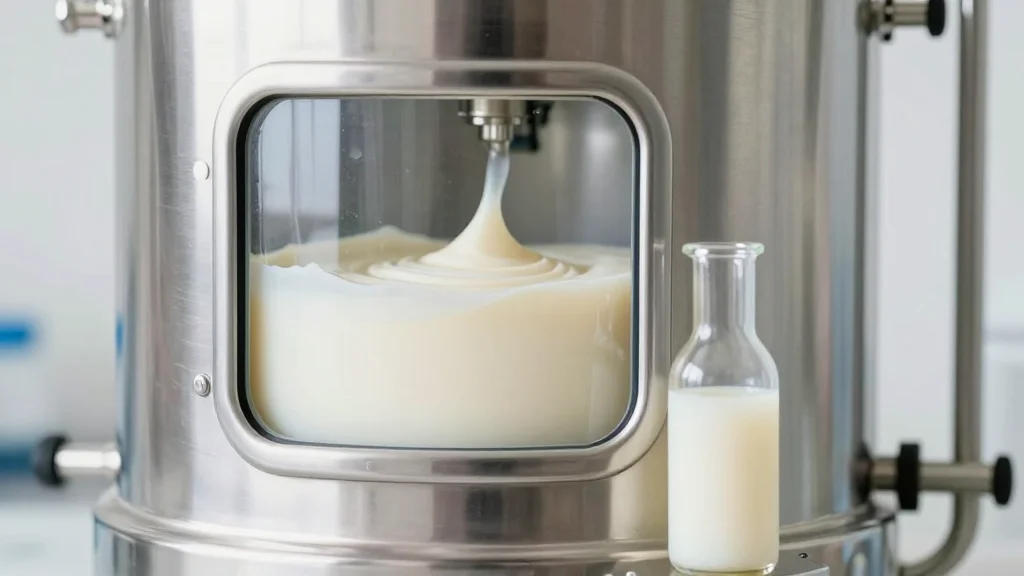
All G Clears FDA Review for Precision-Fermented Lactoferrin
All G, backed by Agronomics, received a FDA “no questions” GRAS letter for its precision‑fermented bovine lactoferrin, LFX. The approval confirms the recombinant protein’s safety and clears the path for US commercialization in functional foods, dietary supplements, and early‑life nutrition. LFX...
Radiopharma Firm Secures $85M to Expand Domestic Production of Radioisotopes
Indiana‑based SpectronRx announced an $85 million investment from OrbiMed to expand its U.S. radioisotope production capacity. The funding will support construction of a 150,000‑square‑foot facility on its Grissom Aeroplex campus, adding to existing 200,000‑square‑foot manufacturing space and bringing total global capacity...

Nionyx Bio’s Kidney Gene Therapy Wins the 2026 BIO-Europe Spring Startup Spotlight
Nionyx Bio, led by CEO Magdalena Tyrpien, captured first place in the 2026 BIO‑Europe Spring Startup Spotlight in Lisbon. The company focuses on a proprietary adeno‑associated virus (AAV) capsid platform paired with a Kidney Atlas to deliver gene therapies for...

Annovis Publishes Historical Review of Buntanetap
Annovis released a historical review of its investigational drug Buntanetap in The Scientist, charting its evolution from a 19th‑century execution poison to a modern candidate for Alzheimer’s and Parkinson’s disease. The article details discovery, mechanism elucidation, chemical optimization, and progression...
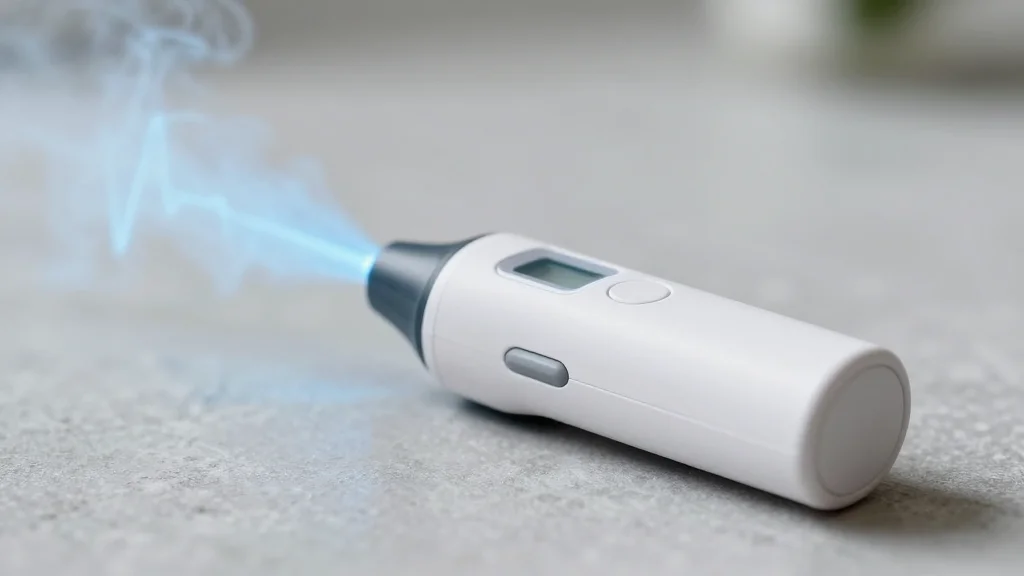
I-Lumen Receives FDA IDE to Start US I-SIGHT2 Enrollment
I‑Lumen announced that the U.S. Food and Drug Administration has granted an Investigational Device Exemption (IDE) for its i‑SIGHT2 clinical study. The clearance allows the company to begin enrolling participants in the United States to evaluate its breath‑based metabolic monitoring...

JenaValve Launches Trilogy Transcatheter Heart Valve System in the US to Treat Symptomatic, Severe Aortic Regurgitation (ssAR)
JenaValve has begun commercializing its Trilogy Transcatheter Heart Valve (THV) system in the United States, becoming the first FDA‑approved transcatheter device for symptomatic, severe aortic regurgitation (ssAR). The valve uses radiopaque locators that attach directly to native leaflets, enabling stable...

Eli Lilly Reports US FDA Approval of Foundayo (Orforglipron) for Weight Loss
The U.S. FDA has approved Foundayo (orforglipron), Lilly’s first oral GLP‑1 pill, for obese or overweight adults with weight‑related health issues, to launch via LillyDirect on April 6, 2026. In the ATTAIN‑1 trial the highest dose produced an average 27.3‑lb (12.4%) weight...

French AI: 20 Million Funding for Generare to Find Better Data in Nature
Generare, a Paris‑based tech‑bio startup, raised €20 million in Series A funding to expand its proprietary library of evolution‑derived small molecules. The company tackles the data bottleneck in AI‑driven drug discovery by decoding microbial genomes to uncover cryptic chemistry, having identified over...

Generare Raises $23.2M to Discover Unknown Molecules and Advance New Drugs
Generare Bioscience, a Paris‑based biotech, announced a €20 million (≈$23.3 million) Series A round led by Alven and Daphni. The company is constructing the largest proprietary library of previously unknown small‑molecule structures extracted from microbial genomes. In 2025 it identified over 200 novel...

Future Biotech Expo 2026 | June 02-03 | Hilton Houston North, TX, USA
The Future Biotech Expo 2026 will take place June 2‑3 at the Hilton Houston North in Texas. It is an international red biotechnology exhibition and conference aimed at accelerating breakthroughs in healthcare. Over 3,500 industry pioneers will attend, with exhibitions,...
Inductive Bio on a Winning Streak With ADMET Predictions
Inductive Bio captured first place in the OpenADMET‑ExpansionRx blind challenge, beating over 370 competitors including Merck‑NVIDIA and EMD Serono. The AI‑driven platform accelerates ADMET prediction for diseases such as myotonic dystrophy, ALS and dementia, compressing traditional four‑year drug‑discovery cycles to nine‑12...

Biopharma Catalysts in Q2 2026 Signal High-Profile Approval Decisions and Rising Competition
The Q2 2026 catalyst slate highlights several high‑profile FDA decisions that could reshape the breast‑cancer and obesity markets. Replimune plans a BLA resubmission for vusolimogene oderparevec with a PDUFA date of April 10, 2026, while Arvinas expects a June 5, 2026 decision on vepdegestrant, which showed...

STAT+: Trump Administration Prepares 100% Tariffs on some Imported Drugs
The Trump administration is poised to issue an order that would levy a 100% tariff on imports of patented medicines and their active pharmaceutical ingredients. A draft of the order suggests the tariffs could be announced as early as Thursday,...
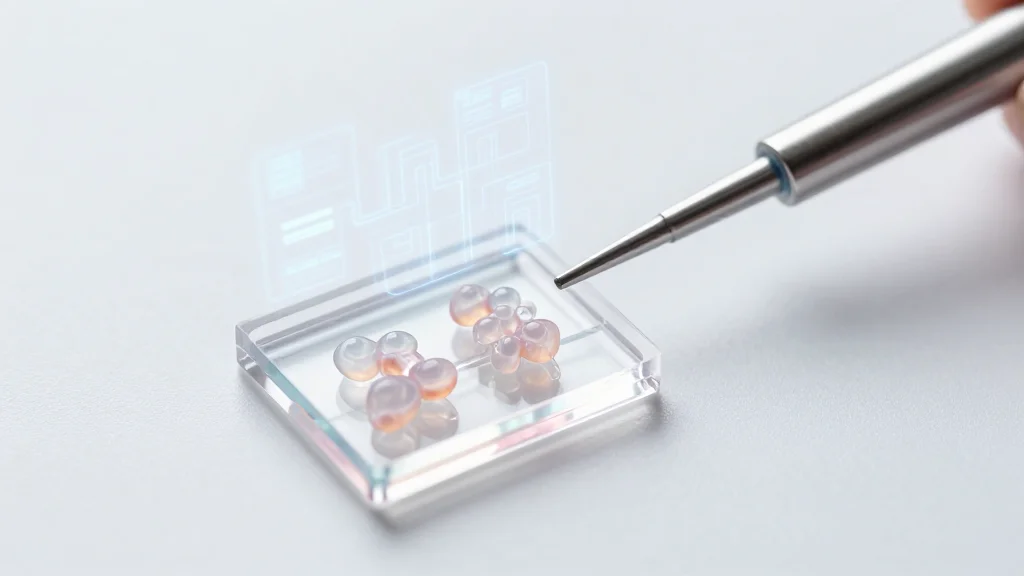
New Approach Methodologies for Drug Discovery
Traditional animal‑based drug discovery suffers a 90 % failure rate, prompting regulators and scientists to adopt human‑centric new approach methodologies (NAMs). Recent policy shifts—including the FDA Modernization Act 2.0 that removes mandatory animal testing and the NIH’s 2025 Organoid Development Center—create...

‘Treasure Trove’ of Antiviral Proteins Could Inspire Powerful Molecular Tools
Two independent studies published in Science used deep‑learning models to scan thousands of bacterial genomes, uncovering a massive pool of previously unknown antiviral proteins. The analyses estimate that about 1.5% of bacterial genes encode immunity functions—three times higher than earlier...