
FDA Approves Extension of Eylea HD Dosing Intervals
The FDA has approved an extension of dosing intervals for Regeneron's Eylea HD, allowing injections as infrequently as every 20 weeks for patients with wet age‑related macular degeneration (AMD) and diabetic macular edema (DME). The label update incorporates two‑year efficacy and safety data from the pivotal PULSAR and PHOTON trials, which enrolled 978 patients combined. At 96 weeks, roughly 72% of participants maintained intervals of 16 weeks or longer, and about 45% achieved the newly approved 20‑week schedule. The decision positions Eylea HD as the anti‑VEGF therapy with the broadest dosing flexibility on the market.

Complementary Value of CEUS-Guided Hookwire Localization Combined with Methylene Blue Staining for Sentinel Lymph Node Detection, and the Predictive Role...
A single‑arm study of 76 patients evaluated contrast‑enhanced ultrasound (CEUS)‑guided hookwire localization combined with intra‑operative methylene blue staining for sentinel lymph node (SLN) detection. The dual‑modality approach identified SLNs in 73 patients, achieving a 96.05% overall detection rate, with each...

New ARPA‑H Effort Aims to Change How Doctors Understand and Treat Critical Illness in Real Time
ARPA‑H has launched the CIRCLE program to transform critical‑illness care by combining high‑resolution sensors, rapid lab assays, and AI‑driven digital‑twin models that predict patient trajectories in real time. The initiative targets sepsis and other triggers of organ failure, which affect...

Epigenetic Strategy Restores Tumor Suppressor in Acute Myeloid Leukemia Models
Researchers at The Jackson Laboratory have demonstrated that inhibiting KDM4 enzymes can reactivate the silenced tumor‑suppressor gene ZBTB7A in acute myeloid leukemia (AML) models. Using a novel FISHnCRISP platform that combines fluorescence in‑situ hybridization, flow cytometry and CRISPR editing, they...
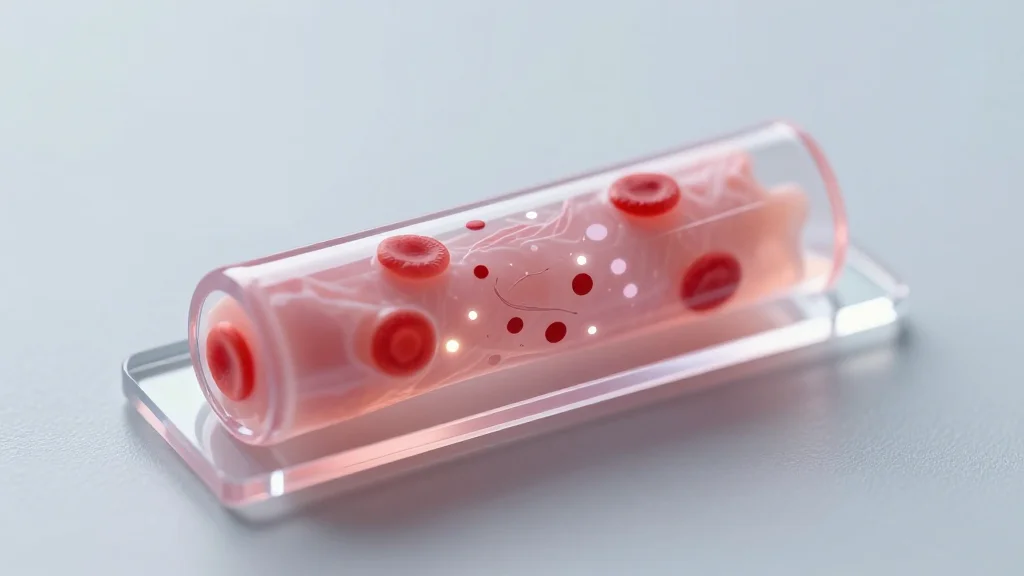
Immune-Capable Cervix-on-a-Chip Enables Study of Sexually Transmitted Infections
Researchers at the University of Maryland and partner institutions have unveiled the first immune‑capable cervix‑on‑a‑chip, a microphysiological system that mimics the human cervical environment, including epithelial, stromal, immune cells and a native microbiome. The platform was validated with Chlamydia trachomatis...

An Injectable Particle Could Make Surgery Safer for Infants
Researchers at North Carolina State University have engineered an injectable microgel, called BK‑TriGs, that dramatically reduces surgical bleeding in infants. In mouse models mimicking neonatal hemostasis, the particles cut blood loss by 50‑60 percent compared with controls. The microgel leverages...

Alzheimer’s Risk Gene Shrinks Neurons
Researchers at the Gladstone Institutes have identified a molecular cascade linking the Alzheimer’s risk gene APOE4 to early hippocampal neuron shrinkage and hyperexcitability. The study shows that neuronal APOE4 up‑regulates the protein Nell2, which reduces neuron size, making cells fire...

Zanubrutinib Demonstrates Favorable Tolerability in R/R CLL/SLL
A systematic review and meta‑analysis of four trials involving 508 relapsed or refractory CLL/SLL patients found that zanubrutinib (Brukinsa) has low treatment‑discontinuation (7.2%) and atrial fibrillation rates (2.9%). While 98.5% of patients experienced at least one adverse event, only 67%...

Operationalizing Seamless Care Between Community and Academic Centers: Turab Mohammed, MD
Dr. Turab Mohammed, a hematologist‑oncologist at Novant Health, outlined how community systems can operationalize seamless collaboration with academic centers through dedicated care‑navigation teams and real‑time communication protocols. He emphasized early referral of high‑risk leukemia and lymphoma patients to preserve T‑cell...
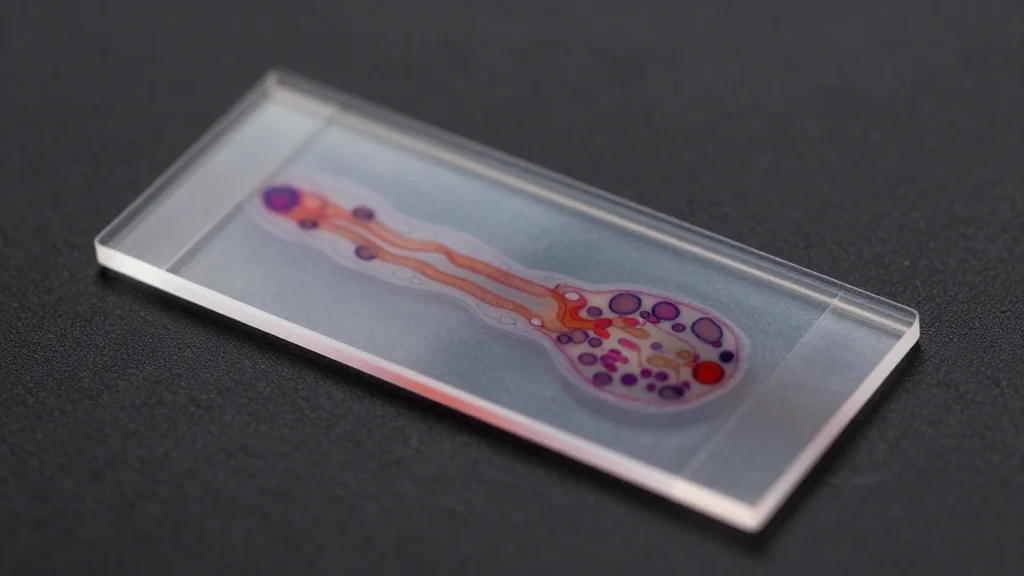
Cellular Pathways that Drive Precancerous Lesions to Form Pancreatic Tumors Identified
Researchers published in Nature Metabolism have pinpointed two NADPH‑producing enzymes, glucose‑6‑phosphate dehydrogenase (G6PD) and malic enzyme 1 (ME1), as critical regulators of the transition from reversible acinar‑to‑ductal metaplasia to pancreatic ductal adenocarcinoma. Mouse experiments showed that lowering activity of either enzyme...

Multi-Target Gene Therapy for Osteoarthritis: Dual-Axis Modeling and In Silico Validation
A computational study proposes a multi‑target gene therapy for osteoarthritis that combines anti‑inflammatory, anabolic, and catabolic‑blocking transgenes delivered via a dual‑vector AAV system. Network perturbation modeling shows the multi‑axis approach achieves an ECM Recovery Score of 76.2, markedly higher than...

Update on FDA’s Ongoing Evaluation of Reports of Suicidal Thoughts or Actions in Patients Taking a Certain Type of Medicines...
The FDA’s November 1, 2024 drug safety communication reports a preliminary review of suicidal thoughts and actions among patients using glucagon‑like peptide‑1 receptor agonists (GLP‑1 RAs). After analyzing adverse event reports, clinical trials and observational studies, regulators found no clear causal link,...

Scientists Map How the Body Traps 'Sleeping' Tuberculosis
Scientists at James Cook University used spatial transcriptomics to map where latent Mycobacterium tuberculosis resides within lymph nodes and bone marrow, revealing how the immune system contains the dormant bacteria. The study, published in Nature Communications, identified CD8⁺ T cells...
FDA Adds Warning About Rare Occurrence of Serious Liver Injury with Use of Veozah (Fezolinetant) for Hot Flashes Due to...
On December 16, 2024, the FDA issued a Boxed Warning for Veozah (fezolinetant), the first non‑hormonal drug approved for menopausal hot flashes, highlighting a rare but serious risk of liver injury. The agency now mandates baseline liver testing and monthly...
Serious Liver Injury Being Observed in Patients without Cirrhosis Taking Ocaliva (Obeticholic Acid) to Treat Primary Biliary Cholangitis
The FDA’s latest safety communication reveals that Ocaliva (obeticholic acid) is causing serious liver injury in primary biliary cholangitis (PBC) patients without cirrhosis, including cases that required liver transplants or resulted in death. In a post‑market trial, 7 of 81...
FDA Adds Boxed Warning About a Rare but Serious Allergic Reaction Called Anaphylaxis with the Multiple Sclerosis Medicine Glatiramer Acetate...
The FDA issued a new boxed warning for glatiramer acetate (Copaxone, Glatopa), highlighting a rare but potentially fatal anaphylactic reaction. Data from 1996‑2024 show 82 reported cases worldwide, including six deaths, with most events occurring within an hour of injection...
FDA Adds Warning About Serious Risk of Heat-Related Complications with Antinausea Patch Transderm Scōp (Scopolamine Transdermal System)
The FDA has issued a Drug Safety Communication adding a new warning to the Transderm Scōp scopolamine patch about serious heat‑related complications, including hyper‑temperature, hospitalization and death. The warning follows 13 reported cases worldwide—seven in the U.S.—with four hospitalizations and two...
FDA Requires Expanded Labeling About Weight Loss Risk in Patients Younger than 6 Years Taking Extended-Release Stimulants for ADHD
The FDA is requiring a uniform "Limitation of Use" label for all extended‑release stimulants used in ADHD treatment, warning that children under six years face higher drug exposure and a significant risk of weight loss. The agency’s analysis of clinical...
FDA Is Requiring Opioid Pain Medicine Manufacturers to Update Prescribing Information Regarding Long-Term Use
The FDA has mandated that manufacturers of extended‑release/long‑acting opioid analgesics update their prescribing information to reflect new post‑marketing study results. Two large PMR studies (3033‑1 prospective cohort and 3033‑2 retrospective cohort) found that roughly 22% of long‑term users develop opioid...
FDA Removes Risk Evaluation and Mitigation Strategy (REMS) Program for the Antipsychotic Drug Clozapine
The FDA announced that, effective June 13 2025, the risk evaluation and mitigation strategy (REMS) for clozapine is being eliminated. While the drug’s potential to cause severe neutropenia remains, the agency concluded that updated labeling and a new Medication Guide provide sufficient...
FDA to Recommend Additional, Earlier MRI Monitoring for Patients with Alzheimer’s Disease Taking Leqembi (Lecanemab)
On August 28, 2025 the FDA issued a drug‑safety communication recommending an additional magnetic resonance imaging (MRI) scan before the third infusion of Leqembi (lecanemab) for Alzheimer’s patients. The agency’s analysis identified 101 serious cases of amyloid‑related imaging abnormalities with...

The Next Generation of GLP-1 Drugs: And How They’ll Reshape Food and Beverage Again
The FDA approved Eli Lilly’s oral GLP‑1 tablet Foundayo (orforglipron) in April 2024, pricing it at $25 per month with insurance or $149 self‑pay. New pipeline candidates—including Eli Lilly’s triple‑agonist retatrutide, Novo Nordisk’s high‑dose Wegovy and CagriSema, and Amgen’s monthly‑dose MariTide—promise greater efficacy,...

Seed Banks May Complicate Gene Drives Aimed at Controlling Weeds
Researchers at Cornell modeled the first plant gene‑drive systems, CAIN and ClvR, revealing that underground seed banks can dramatically slow or even stop the spread of engineered traits. The simulations show that longer seed longevity prolongs drive rollout and demands...

Molecular End Points Poised to Transform Myeloma Drug Approval: Nicholas Richardson, DO, MPH
The FDA released draft guidance proposing minimal residual disease (MRD) negativity and complete response as primary endpoints for accelerated approval of multiple myeloma therapies. MRD is defined as fewer than one myeloma cell per million bone‑marrow cells, measured by flow...

Nanotube Injector Transfers Cytoplasmic Contents and Organelles Between Living Cells Safely
Researchers at Waseda University have introduced a gold‑membrane nanotube injector that can extract and deliver cytoplasmic material—including intact mitochondria—between living cells. By applying controlled air pressure, the device aspirates cytoplasm from donor cells and flushes it into recipients, achieving over...

Zenkuda Superior to Sham in Phase 3 Diabetic Retinopathy Study
Kodiak Sciences reported that its intravitreal biologic Zenkuda (tarocimab tedromer) outperformed sham in the phase 3 GLOW2 trial for diabetic retinopathy. At week 48, 62.5% of patients receiving Zenkuda achieved a two‑step or greater improvement on the Diabetic Retinopathy Severity Scale versus...

Revolution Medicines Initiates P-III (RASolute 303) Trial of Daraxonrasib in Pancreatic Ductal Adenocarcinoma (PDAC)
Revolution Medicines has launched the global Phase III RASolute 303 trial to evaluate daraxonrasib, a direct RAS(ON) multi‑selective inhibitor, in previously untreated metastatic pancreatic ductal adenocarcinoma (PDAC). The study tests the drug as monotherapy and alongside chemotherapy, with progression‑free survival and overall...

Curve Bio Strengthens Clinical Push with CMO Hire
Curve Biosciences, the whole‑body intelligence company, announced the appointment of hepatology expert Dr. Amit Singal as chief medical officer. The hire follows a $40 million financing round and signals the firm’s shift from platform development to clinical implementation, starting with liver...

Serenity Medical Receives FDA Humanitarian Device Exemption for IIH Venous Stent
Serenity Medical has secured an FDA Humanitarian Device Exemption for its River venous stent, the first cerebral venous stent cleared for severe, refractory idiopathic intracranial hypertension (IIH). The approval follows the River Study, a multicenter trial of 39 patients that...

BioNTech Starts Shuttering Singapore mRNA Manufacturing Site Amid Pipeline Pivot
BioNTech announced it will shut its Singapore mRNA manufacturing plant by the end of February 2027, ending a venture that began with a $355 million investment in 2022. The site, originally slated to create over 100 jobs and produce several hundred...

FDA Publishes New Set of Real-World Evidence Examples
The U.S. Food and Drug Administration’s Center for Devices and Radiological Health released a new collection of 73 real‑world evidence (RWE) examples that illustrate how medical device marketing authorizations have been supported by real‑world data from fiscal years 2020 through...

Python Blood Could Hold the Secret To Healthy Weight Loss
Researchers at the University of Colorado Boulder have identified a python‑derived metabolite, para‑tyramine‑O‑sulfate (pTOS), that spikes dramatically after the snakes eat and appears to suppress appetite. In mouse studies, high doses of pTOS triggered weight loss without the gastrointestinal side...

Henlius Receives the NMPA IND Clearance for HLX319 (Biosimilar, Phesgo)
Henlius has received IND clearance from China’s NMPA for HLX319, a biosimilar of Roche’s Phesgo that combines pertuzumab, trastuzumab and hyaluronidase for subcutaneous delivery. The product targets neoadjuvant, adjuvant and metastatic HER2‑positive breast cancer, mirroring Phesgo’s five‑to‑eight‑minute injection without weight‑based...

Superpower Partners with Grail to Add Galleri Cancer Screening
Superpower, a technology‑driven health benefits platform, announced a partnership with Grail to incorporate the Galleri multi‑cancer blood test into its member offerings. Galleri screens for more than 50 cancer types using DNA methylation signatures and has received FDA clearance for...

Annovis Wins US Patent for Buntanetap in Brain Infection Injuries
Annovis Bio has been granted a United States patent for its compound Buntanetap, specifically covering its use in treating brain infection‑related injuries. The patent expands the drug's previously explored Alzheimer’s indication to a novel therapeutic area. This intellectual‑property win bolsters...

Multipurpose Anti-Viral Pill May Treat Colds, Norovirus, Flu and Covid
Artificial intelligence flagged a long‑neglected breast‑cancer medication as a candidate to block multiple viruses, and subsequent animal studies confirmed it can inhibit coronaviruses, RSV, norovirus, influenza and hepatitis viruses. Model Medicines, a California biotech, is advancing the compound toward a...
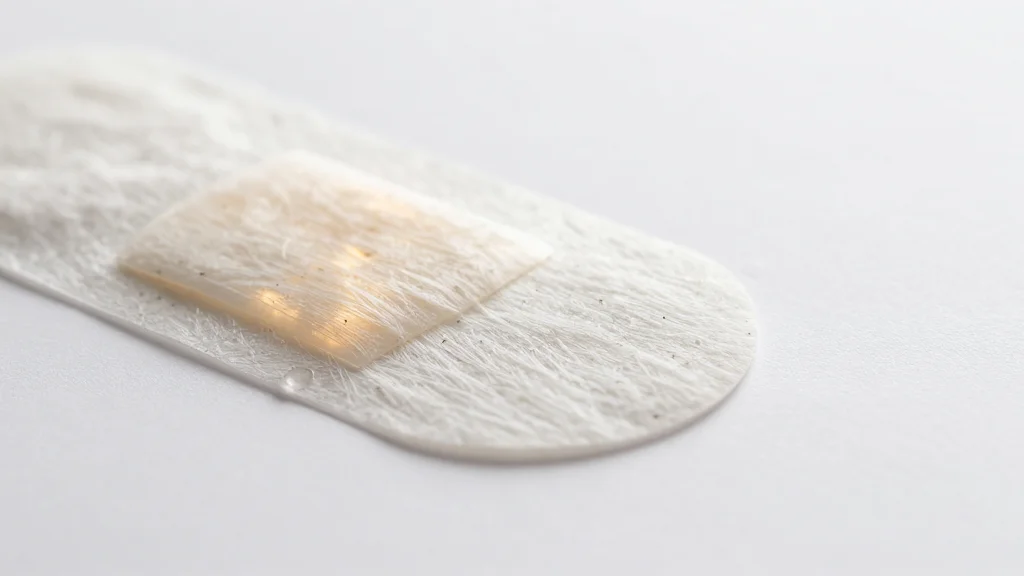
Freeze‐Drying Tumor Tissues Derived Bio‐Patches With Hair Melanin Nanoparticles Integration for Wound Healing
Researchers have created a freeze‑dried bio‑patch from decellularized colon tumor tissue that incorporates hair‑derived melanin nanoparticles. The patch preserves extracellular matrix proteins, growth factors, and collagen while adding antioxidant and photothermal antibacterial functions. In vitro tests show enhanced cell migration,...

Zeto Receives US FDA 510(k) Clearance for Zeto New Wave to Advance Outpatient EEG
Zeto has secured FDA 510(k) clearance for its New Wave outpatient EEG system, enabling use in clinics and homes. The device features 21 soft‑tip electrodes covering the full 10–20 system and integrates synchronized video and audio capture. It supports recordings...

A Gene Mutation May Trap the Brain in the Wrong Reality in Schizophrenia Patients
MIT researchers identified a mutation in the grin2a gene that disrupts a mediodorsal thalamus‑prefrontal circuit, slowing adaptive decision‑making in mice. By sequencing 25,000 schizophrenia cases and 100,000 controls, they pinpointed grin2a among ten high‑risk genes. Mutant mice persisted longer in...

Tirzepatide vs Semaglutide: Which One Burns More Fat?
Recent comparative studies indicate tirzepatide outperforms semaglutide in accelerating fat loss. Tirzepatide’s dual activation of GLP‑1 and GIP receptors delivers stronger appetite suppression, improved insulin sensitivity, and enhanced lipid metabolism, leading to higher average weight‑loss percentages. Semaglutide remains effective by...

Merck Initiates P-IIb/III (MALBEC) Trial of MK-8748 for Neovascular Age-Related Macular Degeneration
Merck has launched the pivotal Phase IIb/III MALBEC trial to evaluate MK‑8748 (Tiespectus/EYE201) in patients with neovascular age‑related macular degeneration (NVAMD). The study pits two intravitreal dose levels of the bispecific TIE2‑agonist/VEGF‑inhibitor against aflibercept 2 mg, beginning with quarterly injections for three...

Earendil Labs Begins Phase 2a Trial of Ulcerative Colitis Therapy
Earendil Labs has dosed the first patient in a Phase IIa, randomized, placebo‑controlled trial of its half‑life‑extended anti‑TL1A antibody HXN‑1001 for ulcerative colitis. The company also completed enrollment for the Phase I study in healthy volunteers in Australia, where single doses up...

Levothyroxine Shows No Benefit in Older Adults
A new systematic review in BMC Geriatrics finds that levothyroxine offers no measurable benefit for older adults with subclinical hypothyroidism. Patient‑reported quality‑of‑life, cognitive function, physical performance, and major cardiovascular events were unchanged compared with observation or placebo. The analysis also...

Parents Spend $50k on Overseas Stem Cell Therapy as Experts Issue Warning
Australian parents spent roughly US$33,000 on a stem‑cell procedure in Thailand for their five‑year‑old son with septo‑optic dysplasia, a rare eye condition affecting only 54 Australians. After multiple treatments, the child’s visual acuity improved from 1/60 to 3/60, allowing limited...

Machine Learning-Based Prediction of SARS-CoV-2 Bioactivity: Integrating IC50 Regression and Activity Classification Using Multi-Task Neural Networks
Researchers introduced an integrated machine‑learning framework to predict SARS‑CoV‑2 compound potency. The system combines an IC50 regression model, a binary activity classifier, and a multi‑task neural network that performs both tasks simultaneously. Incorporating ligand efficiency as a classification criterion, the...
Science Spotlight: Three Teams Converge on RNU2‑2 as Targetable for Neurodevelopmental Epilepsies
Three independent research teams reported in Nature Genetics that variants in the non‑coding RNA RNU2‑2 cause both a dominant neurodevelopmental epilepsy syndrome and a prevalent recessive childhood disorder with epilepsy. By analyzing overlapping international cohorts and shared genomic datasets, they...

Shreehas Tambe Becomes First CEO of Newly Combined Biocon
Shreehas Tambe has been appointed the first chief executive officer of the newly combined Biocon entity, formed after Biocon’s merger with contract‑research firm Syngene. The merged company is valued at roughly $5.5 billion and aims to become India’s largest biotech services...

Sunshine Biopharma Inc (SBFM) Q4 2025 Earnings Call Transcript
Sunshine Biopharma reported a $713 million cash balance and zero debt at year‑end, while GAAP operating expenses fell to $225 million, driven by lower stock‑based compensation. The company’s Biologics License Application for ivonesumab in EGFR‑mutant NSCLC was accepted by the FDA, with...

Hydrogel-Based Axon Model Improves Early Testing for MS Remyelination Therapies
University College London researchers have created a hydrogel‑based axon model that mimics the ~5 kPa softness and three‑dimensional geometry of real brain axons. The tunable micropillar arrays enable human oligodendrocytes to form compact, multilayered myelin, a first for fully hydrogel systems....

JBS, the World’s Largest Meat Company, Opens $37M ‘Superprotein’ Centre in Brazil
JBS has opened a $37 million, 4,000‑square‑meter biotech centre in Florianópolis, Brazil, branded JBS Biotech, to develop "superproteins" – microbial, cultivated and plant‑based functional proteins for supplements and precision nutrition. The facility houses 20 specialised labs that span the entire research‑to‑production...