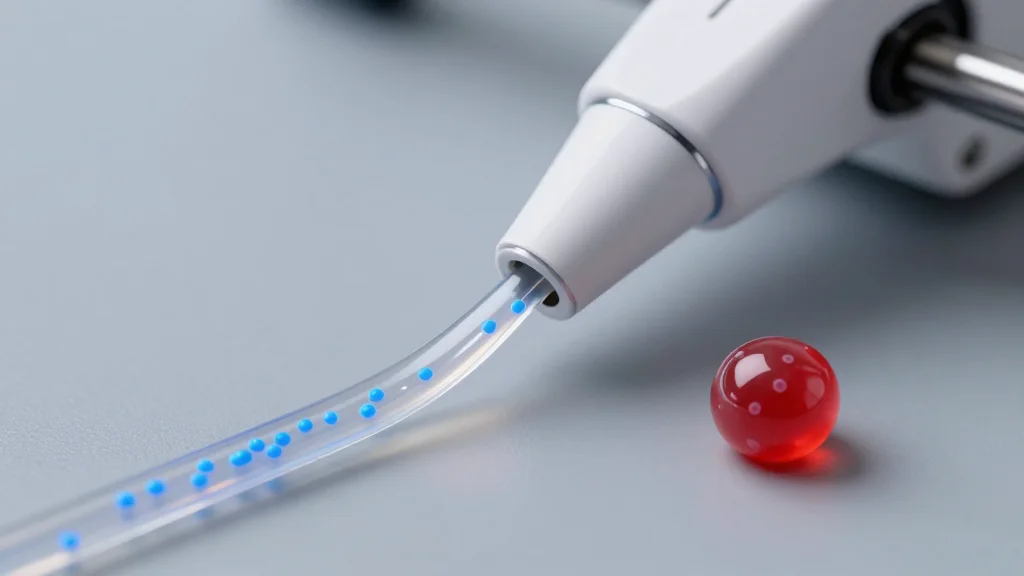
3D-Printed 'Spanlastics' Could Change How Cancer Drugs Reach Tumors
University of Mississippi researchers unveiled a FRESH 3D‑printing technique that fabricates hydrogel‑based spanlastic nanocarriers, 200–300 nm in size, loaded with anticancer drugs such as doxorubicin. The printed implants can be placed directly onto tumor sites, delivering high‑dose therapy locally while shielding healthy tissue. In vitro experiments on breast cancer cells demonstrated potent cytotoxicity, suggesting a pathway to reduce the systemic side effects typical of conventional chemotherapy. The study marks a first step toward personalized, localized cancer treatment, pending in‑vivo validation.

Foundation of HER2 Gastric Cancer ASCO/CAP Guidelines—Overview of the Differences Between ASCO-CAP Breast and Gastric Cancer Scoring-January 28, 2026
The on‑demand webinar hosted by CAP TODAY on January 28, 2026, featured Dr. Josef Rüschoff, a leading authority on HER2 testing, to explain the newest ASCO/CAP guidelines for HER2 assessment in gastric cancer. It highlighted why HER2 is a critical therapeutic target beyond breast...
2Q Markets Preview, Tariffs and Biotech Takeouts — a BioCentury Podcast
Biotech remains resilient as markets wobble, with M&A activity persisting. The BioCentury podcast highlighted two major pending deals: Eli Lilly’s $6.3 billion acquisition of Centessa Pharmaceuticals and Biogen’s proposed $5.6 billion purchase of Apellis. Analysts also examined the lingering effects of Trump-era tariffs...

A Nanoparticle Therapy to Treat Lung Cancer and Associated Muscle Wasting at the Same Time
Researchers at Oregon State University have engineered lipid nanoparticles that carry follistatin messenger RNA to lung tumors, simultaneously attacking the cancer and the muscle‑wasting cachexia that often accompanies it. In mouse models the nanocarriers bind circulating vitronectin, home to integrin‑rich...

Cell 'Snowball' May Be Answer to Large-Scale Tissue Engineering
Researchers at Penn State have created bio‑hybrid cell spheroids that self‑assemble like a snowball, rapidly increasing in size while preserving oxygen and nutrient flow. By embedding living cells in microgel particles, the new spheroids overcome diffusion barriers that traditionally limit...

Treating Previously Untreatable Cancers: How CAR-T Cell Therapy Could Be Made Accessible to More Patients
CAR‑T cell therapy, a personalized immunotherapy that re‑programs a patient’s T cells, has transformed treatment for certain leukemias and lymphomas but remains prohibitively expensive in Canada, with commercial products costing roughly $325‑$466 k USD per patient and requiring 4‑6 weeks for manufacturing....

Immunotherapy Enhanced by Restoring Mitochondrial Function in Dendritic Cells
A new study in Science by St. Jude researchers reveals that tumors suppress dendritic cell function by crippling mitochondrial fitness, undermining the body’s antitumor immunity. Restoring mitochondrial activity in dendritic cells reactivates their ability to prime immune responses and dramatically...

DIG-RHD: Digoxin Effective in Rheumatic Heart Disease
The DIG‑RHD trial, presented at ACC 2026, randomized 1,759 patients with symptomatic rheumatic heart disease in India to digoxin or placebo. Over a median 2.1‑year follow‑up, digoxin achieved a 4.1‑percentage‑point absolute reduction in the composite of all‑cause death or new‑onset/worsening...

IPLEDGE Risk Evaluation and Mitigation Strategy (REMS)
The FDA approved a set of modifications to the iPLEDGE Risk Evaluation and Mitigation Strategy on February 9, 2026, aimed at easing administrative burdens while preserving safety for isotretinoin users. Key changes include allowing home pregnancy tests during and after...
Opioid Analgesic Risk Evaluation and Mitigation Strategy (REMS)
The FDA’s Opioid Analgesic Risk Evaluation and Mitigation Strategy (REMS) now requires manufacturers to supply prepaid mail‑back envelopes (MBEs) for safe opioid disposal, with pharmacies able to order them starting March 31 2025. The REMS education program, funded by unrestricted grants, offers...

Low-Cost, Single Sample Blood Test Detects Different Cancers, Liver Disorders, and Other Diseases
UCLA researchers unveiled MethylScan, a low‑cost blood test that analyzes cell‑free DNA methylation to detect multiple cancers and liver disorders in a single sample. By using methylation‑sensitive enzymes to strip away background DNA, the assay reduces sequencing needs to about...

Data Platform Unifies Blood Cancer 'Omics' And Clinical Data to Accelerate Discovery
Scientists from St. Jude Children’s Research Hospital, the American Society for Hematology and the Munich Leukemia Laboratory launched the ASH HematOmics (ASHOP) platform, uniting genomics, transcriptomics and clinical data from 5,960 blood‑cancer patients. The open resource combines whole‑genome and whole‑transcriptome...

Detecting Multiple Cancers and Other Diseases From a Single Blood Sample
UCLA researchers introduced MethylScan, a blood test that reads cell‑free DNA methylation to flag multiple cancers and liver diseases in a single assay. In a cohort of 1,061 participants the test achieved 98% specificity, detecting about 63% of cancers overall...
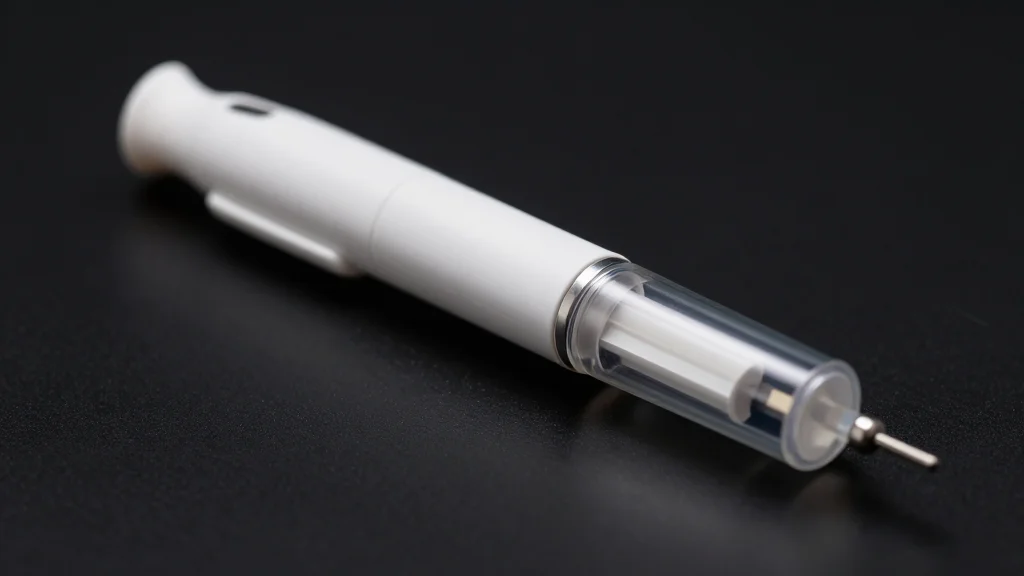
Under-the-Skin Tepezza Comparable to Infused Version in Key Study, Amgen Says
Amgen announced that its subcutaneous on‑body injector version of Tepezza, called Tepezza OBI, met both primary and key secondary endpoints in a late‑stage trial, showing 77% of patients achieved a meaningful reduction in eye bulging. The efficacy was comparable to...

VDyne Secures FDA Nod to Start Pivotal Trial for Tricuspid Valve
VDyne received FDA approval for an investigational device exemption to launch its pivotal TRIVITA trial of a transcatheter tricuspid valve replacement system. The study will assess safety and efficacy in patients with severe symptomatic tricuspid regurgitation, a condition affecting roughly...
FDA Public Meeting: FDA-Led Patient-Focused Drug Development Meeting for Nonhealing Chronic Wounds - 08/25/2026
On August 25, 2026 the FDA will host a hybrid Patient‑Focused Drug Development meeting dedicated to non‑healing chronic wounds. The public session runs from 10 a.m. to 4:30 p.m. ET and combines a virtual webcast with an in‑person gathering at the White Oak Campus....

Proposed FDA Budget Sets Makary up to Boost US Biotech
The White House’s FY budget proposes a sizable increase for the FDA, positioning Dr. Robert Makary to spearhead regulatory reforms aimed at accelerating U.S. biotech development. The plan includes policy changes that would shorten clinical‑trial timelines, lower fees for early‑stage...
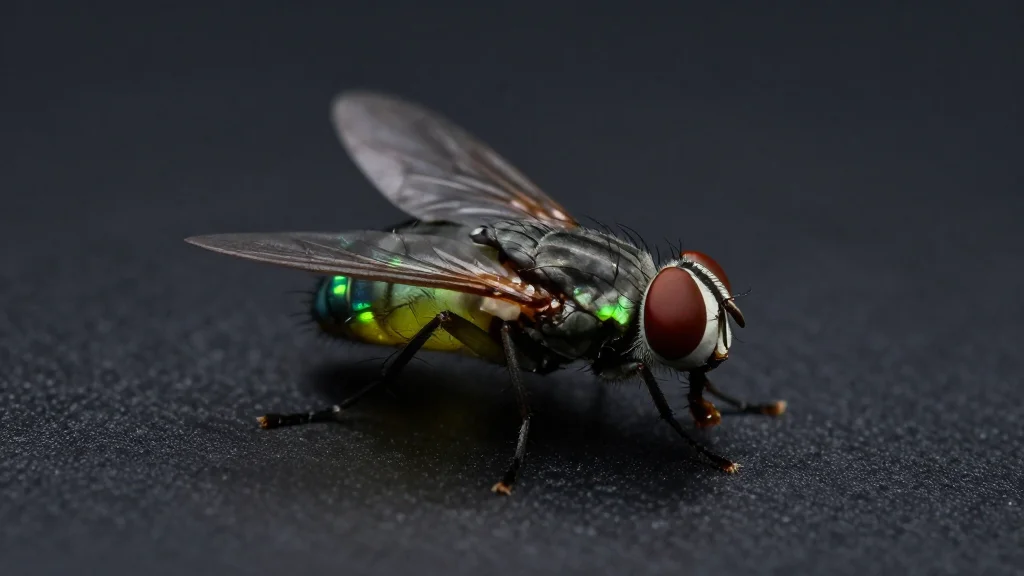
Expanded MAGIC Toolkit Makes Genome-Wide Single-Cell Mosaic Analysis Possible in Drosophila
Cornell researchers have expanded the MAGIC (Mosaic Analysis by gRNA‑Induced Crossing‑over) toolkit to provide genome‑wide coverage across all Drosophila chromosomes, including the historically recalcitrant fourth chromosome. The new kit accelerates single‑cell mutant generation, cutting analysis time from months to weeks,...

Can Medicinal Cannabis Help Kids’ Autism, ADHD or Tourette’s? Here’s What We Know so Far
Interest in medicinal cannabis for children with autism, ADHD and Tourette's has grown, prompting the Australian Therapeutic Goods Administration to confirm that doctors are prescribing it for these conditions. While parents hope it could reduce reliance on stimulants, antidepressants and...

Global Cohort Data Bolster Confidence in Dolutegravir for Pediatric HIV Care
A new analysis presented at CROI 2026 used International Epidemiology Databases to Evaluate AIDS (IeDEA) data from Africa, Asia‑Pacific, and Latin America, covering over 90% of the world’s children with HIV. The study found that dolutegravir initiates modest early weight gain...

New Technique Identifies Proteins that Trigger Immune Responses in Transplants and Implants
Mayo Clinic researchers introduced a new method called the Ratio of Immunogenicity (ROI) to identify proteins that provoke strong immune responses. By measuring protein abundance and immune activation, the ROI ranks proteins from most to least immunogenic, revealing that mitochondrial...

Holland Foundation Looks to Expand Vision-Saving Transplants
The Holland Foundation for Sight Restoration is scaling its Cincinnati Protocol for ocular surface stem‑cell transplantation by establishing “centers of excellence” and expanding surgeon education. To date, five centers—from Cincinnati to UC Irvine, Virginia Eye Consultants, and Massachusetts Eye and...
FDA Drug Info Rounds Video
The FDA’s Center for Drug Evaluation and Research has launched the Drug Info Rounds video series, a free on‑demand library that educates health‑care professionals on drug safety, regulatory processes, and compliance. The series covers topics such as MedWatch reporting, Medication...

Catalyst MedTech Establishes Full Access Neurology Solution for Brain PET Implementation in the U.S.
Catalyst MedTech announced the nationwide rollout of its Full Access Neurology solution, a bundled offering that enables health systems to deploy dedicated brain PET imaging without large capital outlays. The platform combines CareMiBrain‑powered scanners, quantification software, service and maintenance, and...

BIO’s Comments for USTR Report Highlight Global Threats to Intellectual Property
The Biotechnology Innovation Organization (BIO) submitted comments to the USTR’s 2026 Special 301 Report urging stronger global enforcement of intellectual‑property (IP) rights for biotech. BIO argues that weak IP protections in markets such as Colombia, Russia and Brazil create barriers...

Other News to Note for April 6, 2026
Jiangsu and Shanghai Hengrui have patented selective Nav1.8 sodium‑channel blockers that show pre‑clinical analgesic efficacy with fewer side effects. New hematopoietic stem‑cell research links chronic inflammation to early leukemic transformation, identifying inflammatory pathways as therapeutic targets. Infinimmune presented pre‑clinical data...

Regulatory Actions for April 6, 2026
BioWorld’s April 6, 2026 regulatory snapshot aggregates the day’s key FDA and global health authority actions across biopharma, medical technology, and diagnostics. The page links to data snapshots, special reports, infographics and trend analyses covering topics such as mRNA vaccine research, GLP‑1...

Amgen Seeks to Buoy Tepezza with Injectable Data in Face of Incoming Competition
Amgen announced that its injectable formulation of Tepezza achieved its primary endpoint in a Phase 3 trial for thyroid eye disease (TED). The data suggest the drug can be administered subcutaneously, offering a more convenient alternative to the current intravenous...
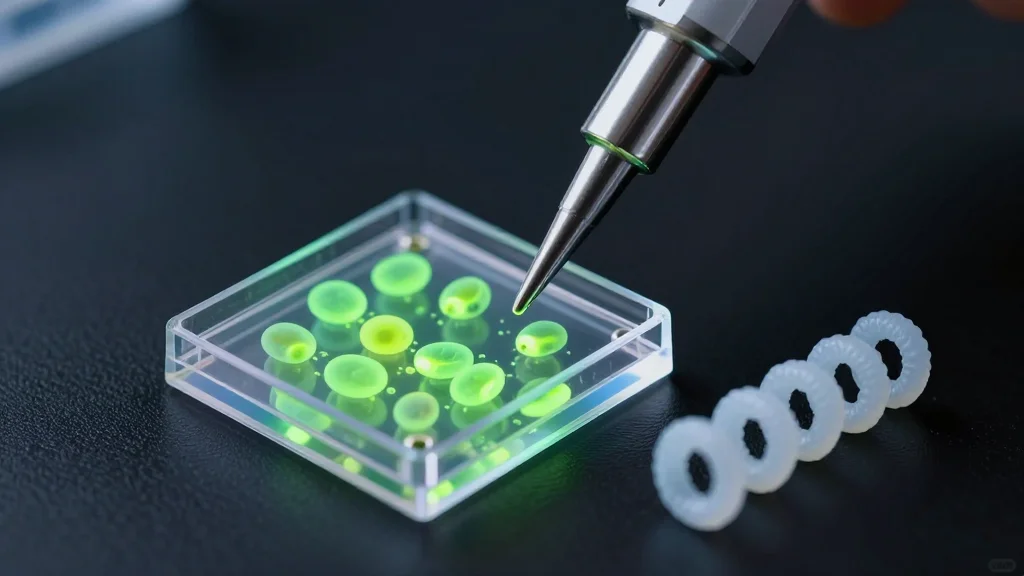
Machine Learning and Single-Cell Technology Combined to Drive High-Performance Cell Line Development
OneCyte and Kemp Proteins have formed a strategic partnership that fuses OneCyte’s high‑throughput single‑cell cloning platform with Kemp’s machine‑learning‑driven protein design system, PROTiQ. The combined workflow uses in‑silico sequence evaluation to flag developability risks, then rapidly screens thousands of clones...

Anthropic Pays $400M for Biotech; Praxis Epilepsy Drug Hits in Phase 1/2 Trial
San Francisco AI firm Anthropic announced a $400 million acquisition of stealth biotech Coefficient Bio, signaling its push into drug discovery. The purchase aims to integrate Anthropic’s large‑language‑model capabilities with biotech research pipelines. In parallel, Praxis Therapeutics disclosed encouraging Phase 1/2 data...
Takeda Ends Partnership with Denali Amid Restructuring
Takeda announced the termination of its eight‑year partnership with Denali Therapeutics, returning full rights to the experimental drug DNL593 ahead of its upcoming Phase I trial. The move is part of Takeda's broader restructuring aimed at streamlining its portfolio and...

African Patients and Trialists Largely Left Out of CV Research
A new study reveals that African populations are dramatically underrepresented in cardiovascular clinical trials, with less than 4 % of 2,472 randomized controlled trials (RCTs) conducted exclusively in Africa and only 0.6 % appearing in top cardiology journals. Lead author Bamba Gaye...

STAT+: Pharmalittle: We’re Reading About an FDA Delay Forcing a Biotech to Close, a Neurocrine Deal, and More
In February, Kezar Life Sciences secured an FDA agreement for a clinical trial on autoimmune hepatitis, but the meeting was cancelled four months late, prompting the biotech to begin winding down. Meanwhile, U.S. physicians are increasingly prescribing oral GLP‑1 weight‑loss...

Rethinking eCOA: Why Earlier Input by Data Managers Is Needed
Electronic clinical outcome assessment (eCOA) is a mature technology, yet its adoption lags behind other digital trial tools. The traditional siloed approach forces data managers to engage only after data collection, inflating costs and extending timelines. Involving data managers early...

Engineered Antibodies Pry Apart The Most Difficult Viruses
Researchers have engineered a bifunctional antibody fragment that simultaneously blocks Marburg virus attachment and neutralizes the exposed receptor‑binding site after the virus undergoes its conformational change. By mimicking the host cell receptor, the antibody tightly binds the viral protein, shutting...

Neurocrine to Acquire Prader-Will Drug in $2.9B Soleno Buyout
Neurocrine Biosciences agreed to acquire Soleno Therapeutics for $2.9 billion, securing the rare‑disease drug Vykat XR. Vykat generated $190 million in 2025 sales, including $92 million in the fourth quarter, but recent safety concerns and a slowdown in new patient starts have clouded its...

‘Over and Above’ Responses Seen with Envudeucitinib for Plaque Psoriasis
Phase 3 ONWARD 1 and ONWARD 2 trials showed that envudeucitinib, an oral next‑generation TYK2 inhibitor, produced rapid and deep skin clearance in moderate‑to‑severe plaque psoriasis. At week 16, 76.5% and 70.4% of patients achieved PASI‑75, with rates climbing above 78% by week 24, and...
CuraTeQ Biologics Gets ‘Positive’ Results in Phase Study of Omalizumab
CuraTeQ Biologics, a subsidiary of Aurobindo Pharma, announced positive top‑line results from its Phase 3 trial of BP11, a biosimilar to omalizumab (Xolair). The study enrolled 608 patients across 80 sites in seven European countries and India, meeting all primary endpoints...

STAT+: Stealth Biotech Stipple Bets on Secretive ADCs
Stealth biotech Stipple is quietly advancing secretive antibody‑drug conjugates (ADCs) as the market races toward targeted cancer therapies. A recent four‑month FDA review delay forced a cash‑strapped small biotech to shut down, underscoring the existential risk of regulatory setbacks for...

Pharma Pipeline Stalls for First Time in Decades: Citeline
The Citeline Pharma R&D report shows the first decline in investigational drug candidates since the mid‑1990s, with the pipeline falling 3.92% to 22,940 assets at the start of 2026. While a methodological tweak may have softened the drop, the contraction...
Media Networks Sydney Pty Limited - 687044 - 09/18/2024
The U.S. Food and Drug Administration issued a closeout letter to Media Networks Sydney Pty Ltd confirming that the company has discontinued its U.S. listings for Mylanta 2go Antacid Double Strength and Microlax Enema after corrective actions. The agency noted that...

AI Is Coming for Superbugs
Antibiotic resistance could cause over 39 million deaths by 2050, with more than 8 million annual fatalities by mid‑century. Traditional drug discovery is slow, expensive, and the pipeline for new antibiotics has been shrinking for decades. Artificial‑intelligence models can screen tens to...

AI Giant Anthropic Leans Into Life Sciences With $400M Coefficient Bio Catch
Anthropic is buying New York‑based biotech startup Coefficient Bio for an estimated $400 million, folding the stealth‑mode firm into its newly created Claude Life Sciences team. Coefficient’s founders bring machine‑learning experience from Roche’s Genentech, bolstering Anthropic’s push into drug‑discovery, clinical‑trial, and...

Takeda Breaks Up With Denali, Dumps Dementia Drug
Takeda Pharmaceutical has ended its eight‑year partnership with Denali Therapeutics, returning all rights to the frontotemporal dementia candidate DNL593. The split follows earlier termination of the joint Alzheimer’s program DNL919 and is attributed to strategic considerations rather than safety or...

Nanotube Injector Boosts Mitochondrial Performance Through Cytoplasmic Transfer
Researchers at Waseda University unveiled a gold‑membrane nanotube injector that can extract and deliver cytoplasmic material—including intact mitochondria—between living cells. By fine‑tuning nanotube dimensions and internal air pressure, the system achieves over 90% transfer efficiency while preserving roughly 95% cell...

Affinia Therapeutics Receives Approval From Health Canada to Initiate the UPBEAT© Trial, a Phase 1/2 Clinical Trial to Investigate AFTX-201...
Affinia Therapeutics has secured Health Canada approval to launch the UPBEAT© Phase 1/2 trial of its gene‑therapy candidate AFTX‑201 for BAG3‑associated dilated cardiomyopathy. The investigational product delivers a full‑length BAG3 transgene via a proprietary low‑dose AAV capsid, aiming for a one‑time...

Neurocrine Will Pay $2.9B for Soleno and Its Prader-Willi Medicine
Neurocrine BioSciences announced a $2.9 billion acquisition of Soleno Therapeutics, paying $53 per share for the rare‑disease specialist. The deal brings Soleno’s late‑stage Prader‑Willi syndrome therapy into Neurocrine’s growing portfolio. Soleno, a profitable company, adds a commercial platform and additional rare‑disease...

Databricks Launches AiChemy Multi-Agent AI for Drug Discovery
Databricks unveiled AiChemy, a reference architecture for a multi‑agent AI system that merges internal enterprise data with external scientific databases via its Model Context Protocol. The platform leverages Delta Lake, Mosaic AI and Agent Bricks to create domain‑specific skills such...

Neurocrine Expands Into Metabolic Diseases with $2.9 Billion Soleno Buyout
Neurocrine Biosciences announced a $2.9 billion cash acquisition of Soleno Therapeutics, marking its first foray into metabolic diseases. The deal secures Vykat XR, the inaugural FDA‑approved treatment for hyperphagia in Prader‑Willi syndrome, expanding Neurocrine’s rare‑disease portfolio. Soleno shareholders receive $53 per share,...
Stipple Bio Launches with $100M to Find More Precise Targets on Cancer Proteins
Stipple Bio, founded by cancer biologists Aaron Ring and colleagues, announced its launch with a $100 million Series A round. The company’s mission is to pinpoint highly precise binding sites on cancer‑related proteins, steering clear of oversaturated targets like PD‑1×VEGF or HER2....