
Akeso Reports P-Ib/II Trial Data on Cadonilimab Combination to Treat NSCLC
Akeso presented Phase Ib/II data on its cadonilimab combination with anlotinib and docetaxel in patients whose advanced non‑small cell lung cancer (NSCLC) progressed after PD-(L)1 inhibitor therapy. At a median follow‑up of 21.5 months, the regimen achieved a 6‑month progression‑free survival (PFS) rate of 55.7% and a median PFS of 7 months across the intent‑to‑treat population. Sub‑analyses showed similar PFS in squamous NSCLC and in tumors with PD‑L1 TPS ≥1%, while disease control reached 95.2% and objective responses 26.2%. Notably, patients with circulating tumor DNA (ctDNA) clearance experienced a median PFS of 9.1 months, highlighting a potential biomarker for response.

World Health Day FAQ: How Global Science Is Having Clinical Impact
World Health Day 2026 spotlights a wave of global partnerships that are turning research breakthroughs into everyday clinical care. AI‑driven bioinformatics platforms from MD Anderson and SOPHiA Genetics are converting complex genomics into bedside decision tools, while collaborations such as...

FDA’s 2027 Budget Proposes Permanent Rare Disease Vouchers, Easier Entry to Clinic
President Trump’s FY 2027 budget proposes a $7.23 billion allocation for the FDA, a 3.2% increase over 2026, while the broader HHS budget shrinks by 12%. The agency plans to make the rare pediatric disease priority‑review voucher program permanent, averting an estimated...

Sanofi's Bispecific Lunsekimig Has Mixed Readouts in Phase 2
Sanofi reported mixed phase 2 results for its bispecific antibody lunsekimig, which targets IL‑13 and TSLP. The drug met primary endpoints in the AIRCULES asthma trial and the DUET study for chronic rhinosinusitis with nasal polyps, showing reduced exacerbations and improved...

Sanofi Bispecific Sails Through Asthma, Sinusitis Trials, but Disappoints in Eczema
Sanofi announced mixed mid‑stage results for its bispecific nanobody aimed at treating multiple immune‑mediated diseases. The drug achieved its primary endpoints in Phase 2 trials for asthma and chronic rhinosinusitis with nasal polyps, demonstrating clinically meaningful improvements. Conversely, the same molecule...

Organogenesis Reports Trial Results on PuraPly AM for Wound Healing in Diabetic Foot Ulcers
Organogenesis completed a 170‑patient randomized trial of PuraPly AM, an antimicrobial collagen matrix, versus standard of care for non‑healing diabetic foot ulcers. The study met its primary endpoint, showing significantly higher wound‑closure rates at 12 weeks. PuraPly AM integrates cross‑linked...

Generare Bags $21.6m for Nature-Derived Drug Leads
Paris‑based biotech Generare closed a €20 million Series A to expand its nature‑derived compound library. The company claims it uncovered more than 200 previously unknown microbial small molecules in 2025, outpacing the rest of the field combined. Generare’s platform scans microbial genomes,...

STAT+: Merck’s Experimental HIV Prevention Pill Could Be Made for Less than $5 a Year, Researchers Say
Merck’s experimental HIV‑prevention pill MK 8527 could be manufactured for less than $5 per patient annually, according to a recent cost‑analysis. The drug is in two late‑stage clinical trials that will report efficacy data in the second half of 2027. Earlier...

Gut-Brain Health Effects of PREbiotics in Older Adults with Suspected COgnitive DEcline: Design of the PRECODE Randomised Placebo-Controlled Trial
The PRECODE trial is a four‑arm, double‑blind, placebo‑controlled study enrolling 164 adults aged 60‑79 with subjective cognitive decline (SCD+) and additional lifestyle risk factors. Over 26 weeks participants receive chicory inulin, resistant dextrin, seaweed polysaccharide, or maltodextrin placebo to test whether...

Selective Anticancer Activity of Vachellia Nilotica Fruit Extract: Integrated Phytochemistry with Antioxidant, Antimicrobial, and Cancer Cell Targeting
Researchers evaluated methanolic fruit extract of Vachellia nilotica, revealing high phenolic (419 mg GAE g⁻¹) and flavonoid (245 mg QE g⁻¹) contents that confer strong antioxidant activity (IC₅₀ ≈ 31.8 µg mL⁻¹). The extract inhibited a range of bacteria, producing up to 23 mm inhibition zones, and suppressed growth of several...

Amgen Scores with New Thyroid Eye Disease Formulation
Amgen’s Tepezza, the only FDA‑approved therapy for thyroid eye disease, generated about $1.9 billion in 2023 but its IV dosing schedule has limited broader adoption. The company has developed a subcutaneous formulation delivered twice weekly via a wearable injector, aiming to...
New CAR-T Approach May Extend Osteosarcoma Survival
Researchers at Case Western Reserve University and University Hospitals have engineered a novel CAR‑T cell therapy, OSM CAR‑T, that targets oncostatin M receptors on osteosarcoma cells. Preclinical experiments demonstrated potent in‑vitro killing and significant tumor burden reduction in multiple mouse...

Why Silo Pharma Shares Are Trading Higher By Around 52%; Here Are 20 Stocks Moving Premarket
Silo Pharma’s shares surged 51.8% to $0.54 in pre‑market trading after the European Patent Office issued a Rule 71(3) communication indicating a likely grant of a patent for its novel 5‑HT4 receptor preventative therapy. The announcement sparked a broader pre‑market rally...

Clean Food Group Unveils Eco Cosmetics Oil Made From Yeasts Fed on Surplus Bread
UK biotech startup Clean Food Group has launched CleanOil 25, a yeast‑derived oil produced from surplus bread that aims to replace palm and other tropical oils in cosmetics. The ingredient delivers premium skin‑friendly textures, matches performance expectations, and cuts greenhouse‑gas...
Allergan Aesthetics Finds Its Next Growth Engine in GLP-1s
Allergan Aesthetics presented new data at the 2026 AAD meeting linking the surge in GLP‑1 weight‑loss drug use to a growing demand for facial aesthetic treatments. A survey of U.S. clinicians showed that 52% of patients on GLP‑1 agonists express...
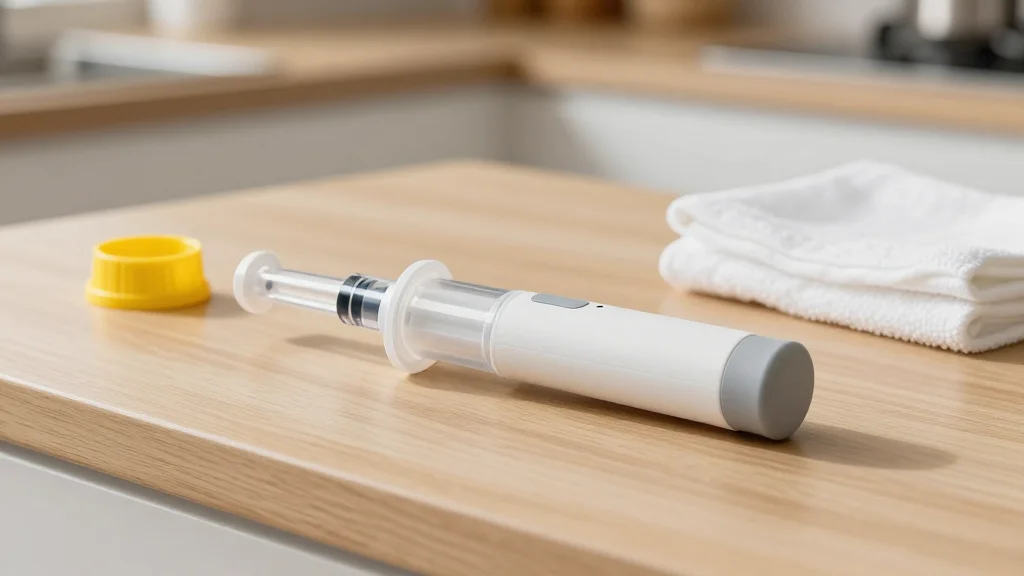
The Evolving Landscape of Subcutaneous Drug Administration
The pharmaceutical sector is rapidly moving toward subcutaneous (SC) delivery as biologic approvals outpace small‑molecule drugs. While SC administration cuts clinical‑site costs and boosts patient comfort, it suffers from 60‑80% lower bioavailability, demanding higher doses and larger volumes. Innovators are...

Stereotaxis Launches Synchrony System for Cath Labs
Stereotaxis has received FDA 510(k) clearance to launch Synchrony, a digital platform for cardiac catheterization labs. The system features a 55‑inch 4K ultra‑high‑definition display that unifies control of disparate equipment and delivers full‑fidelity video with ultra‑low latency. Accompanying the hardware,...

CGT’s Next Obstacle: Securing the Leukapheresis Supply Chain
Leukapheresis is emerging as a structural bottleneck as CAR‑T and other cell‑gene therapies expand beyond oncology into autoimmune, cardiovascular and respiratory diseases. The current model relies on a handful of academic centers, creating capacity constraints, geographic inequities, and variability in...

CuraTeQ Reports P-III Trial Data on BP11 (Biosimilar, Xolair) in Chronic Spontaneous Urticaria
CuraTeQ Biologics announced topline Phase‑III data showing its biosimilar BP11 matches Xolair in treating chronic spontaneous urticaria. The trial involved 608 patients at about 80 sites and met the primary endpoint of ISS7 score change at week 12 within predefined...

Amgen Reports Topline P-III Trial Data for Tepezza (Teprotumumab-Trbw) in Active Thyroid Eye Disease
Amgen announced topline results from a phase‑3 trial of subcutaneous Tepezza (teprotumumab‑trbw) administered every two weeks for 12 doses in patients with moderate to severe active thyroid eye disease. The study met its primary endpoint, showing a 76.7% proptosis response...

Self‐Assembled Carrier‐Free Nanomedicines Potentiate Chemo‐Photothermal Immunotherapy by Overcoming Prostaglandin E2‐Mediated Immunosuppression
Researchers have created a carrier‑free nanomedicine that self‑assembles indocyanine green, paclitaxel and celecoxib to treat triple‑negative breast cancer (TNBC). The formulation delivers combined chemo‑photothermal therapy while inhibiting the COX‑2/PGE2 inflammatory axis that fuels immunosuppression. In preclinical models, the nanomedicine markedly...
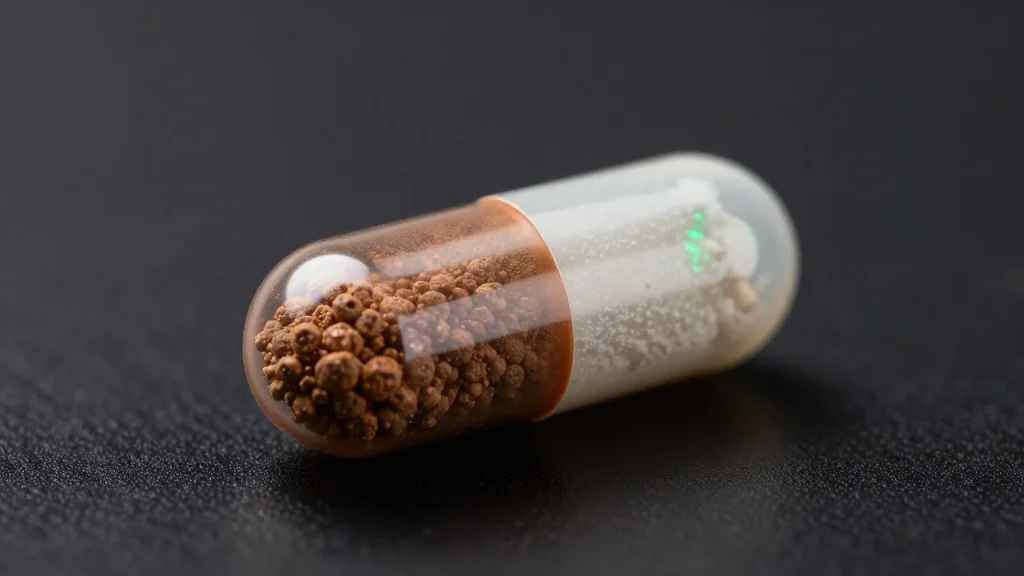
Programmable Biohybrid Probiotics with Long‐Term Storage Stability for Enhanced Intestinal Microbiota Regulation and Ulcerative Colitis Treatment
Researchers unveiled a multilayer encapsulation platform that merges a metal‑polyphenol network, silica shell, and iron‑based metal‑organic framework to shield the anaerobic probiotic Bifidobacterium longum. The system achieved a 41‑fold boost in aerobic storage stability and an 871‑fold increase in gastric...

Sanofi Reports P-II Trial Results on Lunsekimig Across Multiple Immunology & Inflammatory Indications
Sanofi announced phase‑IIb results for its subcutaneous antibody lunsekimig across three inflammatory diseases. In the AIRCULES asthma study, the drug reduced exacerbations and improved pre‑bronchodilator FEV1 versus placebo, meeting both primary and key secondary endpoints. The DUET trial in chronic...

VML Just Created the World’s First T-Rex Leather
Creative agency VML, The Organoid Company, and Lab‑Grown Leather have engineered the world’s first T‑Rex leather from reconstructed dinosaur collagen and turned it into a one‑of‑a‑kind luxury handbag. The piece debuted beside a massive T‑Rex statue at Amsterdam’s Art Zoo...

Press Release: Sanofi’s Lunsekimig Met Primary and Key Secondary Endpoints in Phase 2 Respiratory Studies in Asthma and CRSwNP
Sanofi announced that its bispecific Nanobody lunsekimig achieved both primary and key secondary endpoints in the phase 2b AIRCULES asthma trial and the phase 2a DUET study for chronic rhinosinusitis with nasal polyps (CRSwNP). The asthma study showed a statistically...

Biotalys Achieves First Milestone in Bioinsecticide Partnership with Syngenta
Biotalys announced it reached the first research milestone in its partnership with Syngenta to develop a novel protein‑based bioinsecticide using the AGROBODY™ platform. Laboratory tests showed promising in‑vitro activity against a key insect molecular target. The collaboration will now move...

GMO Pictures May Reinforce Existing Views, Deepening the Divide of Attitudes Towards Them
A new study in the Journal of Science Communication examined how different images affect U.S. public attitudes toward genetically modified organisms. Researchers presented participants with either no image, a plain apple, or an apple paired with a syringe to suggest...

Interventional Radiologist 1st in World to Deliver Newly Approved Cancer Treatment
Interventional radiologists at Mount Sinai performed the world’s first TheraSphere Y‑90 Any Day Dosing procedure for hepatocellular carcinoma, following the FDA’s March 2026 clearance. The treatment uses microspheres to deliver targeted radiation directly to liver tumors while sparing healthy tissue. The...
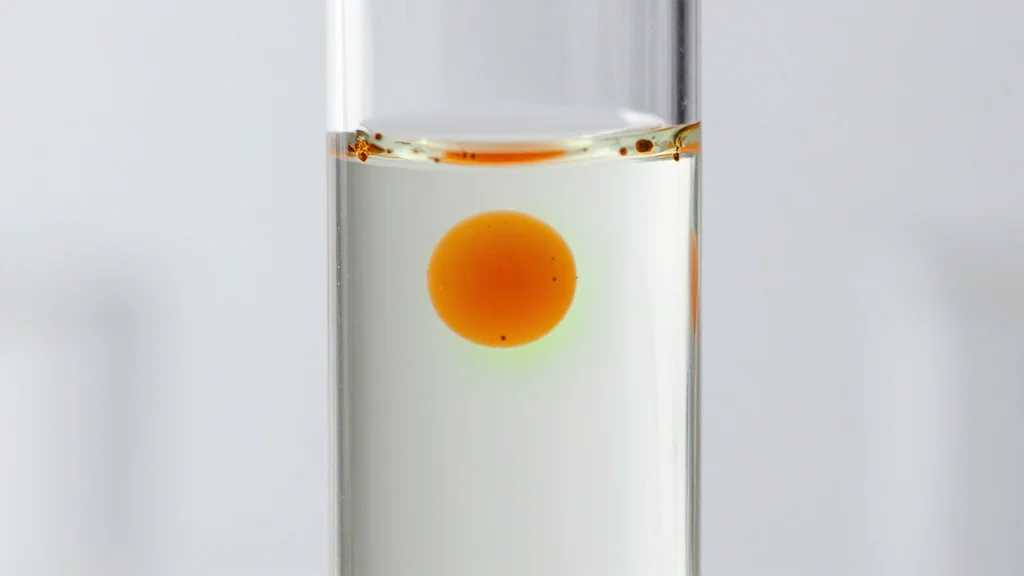
Polyunsaturated Lipids Kill Senescent Cells by Ferroptosis
Researchers led by Zhang published in Cell Press Blue identified two polyunsaturated lipids that selectively trigger ferroptosis in senescent cells. The study demonstrates that senescent cells are uniquely vulnerable to iron‑dependent lipid peroxidation, and that these lipids can clear them...

Towards Scalable Biomarker Discovery in Posttraumatic Stress Disorder: Triangulating Genomic and Phenotypic Evidence From a Health System Biobank
Researchers leveraged a large health‑system biobank to combine genomic polygenic risk scores with electronic health‑record phenotypes, creating a scalable pipeline for PTSD biomarker discovery. The analysis identified immune‑related and metabolic signatures that correlate with PTSD risk, and highlighted sex‑specific genetic...

Characterization of the Chromosome 7 Locus Associated with Suicidal Behavior
Researchers have pinpointed a chromosome 7 locus that shows a genome‑wide significant association with suicidal behavior. The discovery stems from a large meta‑analysis of suicide‑attempt GWAS, combined with expression quantitative trait loci (eQTL) mapping and single‑cell transcriptomic profiling of brain...

Why ImmunityBio Stock Slumped on Monday
ImmunityBio (NASDAQ: IBRX) saw its stock dip after the FDA sent a warning letter accusing the company of false or misleading promotion of its bladder‑cancer drug Anktiva. The regulator flagged a TV advertisement and a provocative podcast episode, prompting ImmunityBio...

3D-Printed 'Spanlastics' Could Change How Cancer Drugs Reach Tumors
University of Mississippi researchers unveiled a FRESH 3D‑printing technique that fabricates hydrogel‑based spanlastic nanocarriers, 200–300 nm in size, loaded with anticancer drugs such as doxorubicin. The printed implants can be placed directly onto tumor sites, delivering high‑dose therapy locally while shielding...

Foundation of HER2 Gastric Cancer ASCO/CAP Guidelines—Overview of the Differences Between ASCO-CAP Breast and Gastric Cancer Scoring-January 28, 2026
The on‑demand webinar hosted by CAP TODAY on January 28, 2026, featured Dr. Josef Rüschoff, a leading authority on HER2 testing, to explain the newest ASCO/CAP guidelines for HER2 assessment in gastric cancer. It highlighted why HER2 is a critical therapeutic target beyond breast...

2Q Markets Preview, Tariffs and Biotech Takeouts — a BioCentury Podcast
Biotech remains resilient as markets wobble, with M&A activity persisting. The BioCentury podcast highlighted two major pending deals: Eli Lilly’s $6.3 billion acquisition of Centessa Pharmaceuticals and Biogen’s proposed $5.6 billion purchase of Apellis. Analysts also examined the lingering effects of Trump-era tariffs...

A Nanoparticle Therapy to Treat Lung Cancer and Associated Muscle Wasting at the Same Time
Researchers at Oregon State University have engineered lipid nanoparticles that carry follistatin messenger RNA to lung tumors, simultaneously attacking the cancer and the muscle‑wasting cachexia that often accompanies it. In mouse models the nanocarriers bind circulating vitronectin, home to integrin‑rich...

Cell 'Snowball' May Be Answer to Large-Scale Tissue Engineering
Researchers at Penn State have created bio‑hybrid cell spheroids that self‑assemble like a snowball, rapidly increasing in size while preserving oxygen and nutrient flow. By embedding living cells in microgel particles, the new spheroids overcome diffusion barriers that traditionally limit...

Treating Previously Untreatable Cancers: How CAR-T Cell Therapy Could Be Made Accessible to More Patients
CAR‑T cell therapy, a personalized immunotherapy that re‑programs a patient’s T cells, has transformed treatment for certain leukemias and lymphomas but remains prohibitively expensive in Canada, with commercial products costing roughly $325‑$466 k USD per patient and requiring 4‑6 weeks for manufacturing....

Immunotherapy Enhanced by Restoring Mitochondrial Function in Dendritic Cells
A new study in Science by St. Jude researchers reveals that tumors suppress dendritic cell function by crippling mitochondrial fitness, undermining the body’s antitumor immunity. Restoring mitochondrial activity in dendritic cells reactivates their ability to prime immune responses and dramatically...

DIG-RHD: Digoxin Effective in Rheumatic Heart Disease
The DIG‑RHD trial, presented at ACC 2026, randomized 1,759 patients with symptomatic rheumatic heart disease in India to digoxin or placebo. Over a median 2.1‑year follow‑up, digoxin achieved a 4.1‑percentage‑point absolute reduction in the composite of all‑cause death or new‑onset/worsening...

IPLEDGE Risk Evaluation and Mitigation Strategy (REMS)
The FDA approved a set of modifications to the iPLEDGE Risk Evaluation and Mitigation Strategy on February 9, 2026, aimed at easing administrative burdens while preserving safety for isotretinoin users. Key changes include allowing home pregnancy tests during and after...
Opioid Analgesic Risk Evaluation and Mitigation Strategy (REMS)
The FDA’s Opioid Analgesic Risk Evaluation and Mitigation Strategy (REMS) now requires manufacturers to supply prepaid mail‑back envelopes (MBEs) for safe opioid disposal, with pharmacies able to order them starting March 31 2025. The REMS education program, funded by unrestricted grants, offers...

Low-Cost, Single Sample Blood Test Detects Different Cancers, Liver Disorders, and Other Diseases
UCLA researchers unveiled MethylScan, a low‑cost blood test that analyzes cell‑free DNA methylation to detect multiple cancers and liver disorders in a single sample. By using methylation‑sensitive enzymes to strip away background DNA, the assay reduces sequencing needs to about...

Data Platform Unifies Blood Cancer 'Omics' And Clinical Data to Accelerate Discovery
Scientists from St. Jude Children’s Research Hospital, the American Society for Hematology and the Munich Leukemia Laboratory launched the ASH HematOmics (ASHOP) platform, uniting genomics, transcriptomics and clinical data from 5,960 blood‑cancer patients. The open resource combines whole‑genome and whole‑transcriptome...

Detecting Multiple Cancers and Other Diseases From a Single Blood Sample
UCLA researchers introduced MethylScan, a blood test that reads cell‑free DNA methylation to flag multiple cancers and liver diseases in a single assay. In a cohort of 1,061 participants the test achieved 98% specificity, detecting about 63% of cancers overall...
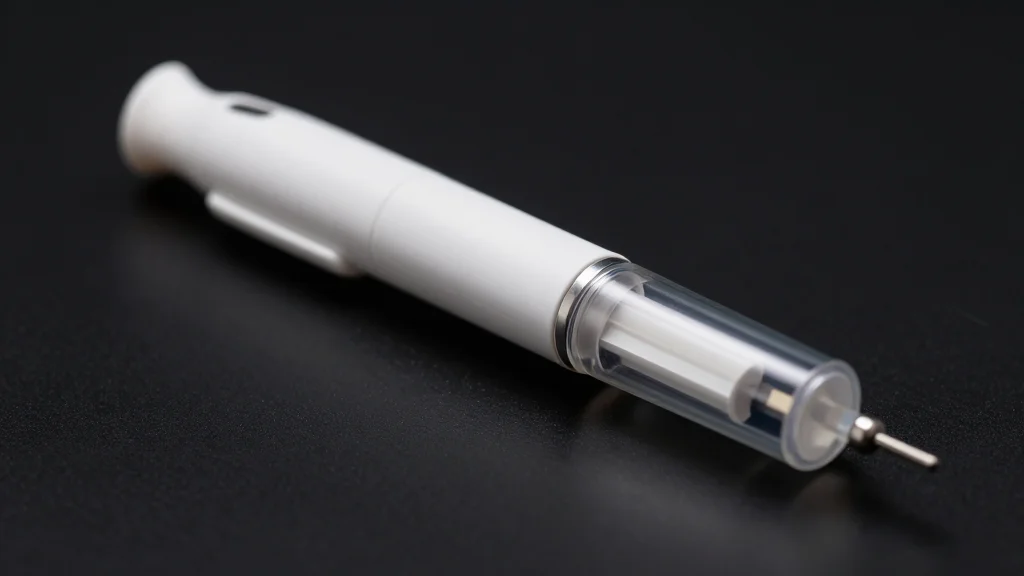
Under-the-Skin Tepezza Comparable to Infused Version in Key Study, Amgen Says
Amgen announced that its subcutaneous on‑body injector version of Tepezza, called Tepezza OBI, met both primary and key secondary endpoints in a late‑stage trial, showing 77% of patients achieved a meaningful reduction in eye bulging. The efficacy was comparable to...

VDyne Secures FDA Nod to Start Pivotal Trial for Tricuspid Valve
VDyne received FDA approval for an investigational device exemption to launch its pivotal TRIVITA trial of a transcatheter tricuspid valve replacement system. The study will assess safety and efficacy in patients with severe symptomatic tricuspid regurgitation, a condition affecting roughly...
FDA Public Meeting: FDA-Led Patient-Focused Drug Development Meeting for Nonhealing Chronic Wounds - 08/25/2026
On August 25, 2026 the FDA will host a hybrid Patient‑Focused Drug Development meeting dedicated to non‑healing chronic wounds. The public session runs from 10 a.m. to 4:30 p.m. ET and combines a virtual webcast with an in‑person gathering at the White Oak Campus....

Proposed FDA Budget Sets Makary up to Boost US Biotech
The White House’s FY budget proposes a sizable increase for the FDA, positioning Dr. Robert Makary to spearhead regulatory reforms aimed at accelerating U.S. biotech development. The plan includes policy changes that would shorten clinical‑trial timelines, lower fees for early‑stage...
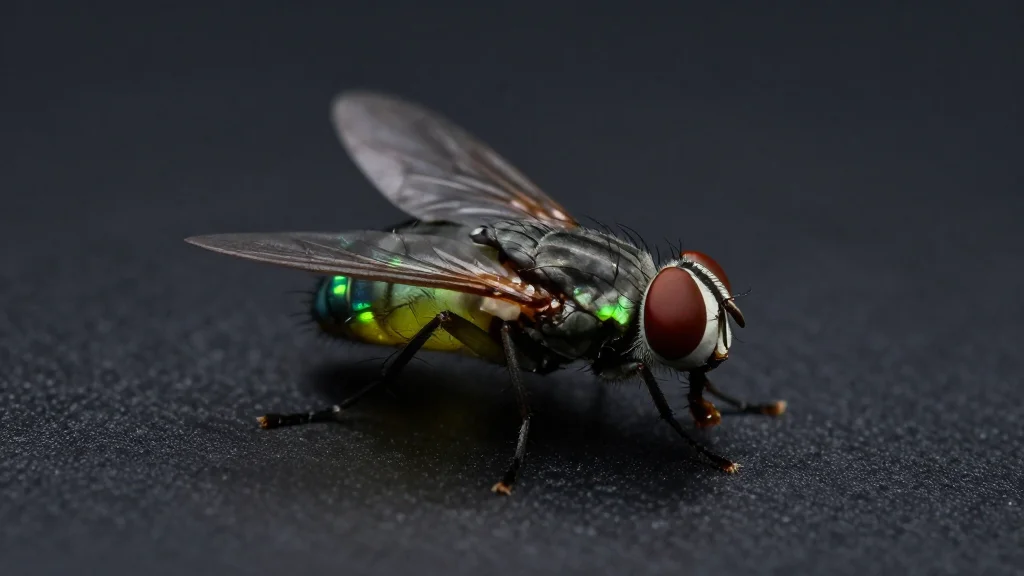
Expanded MAGIC Toolkit Makes Genome-Wide Single-Cell Mosaic Analysis Possible in Drosophila
Cornell researchers have expanded the MAGIC (Mosaic Analysis by gRNA‑Induced Crossing‑over) toolkit to provide genome‑wide coverage across all Drosophila chromosomes, including the historically recalcitrant fourth chromosome. The new kit accelerates single‑cell mutant generation, cutting analysis time from months to weeks,...