
Market Retrospective: The Pakistan Army’s Light Armoured Vehicle (LAV) Program Circa 2007-2026
Between 2007 and 2026 the Pakistan Army moved from sporadic MRAP imports to a structured, HIT‑centric wheeled‑vehicle strategy. Early purchases relied on U.S. MaxxPro and Turkish Kirpi units with no technology transfer. A 2024 memorandum of understanding between Thailand’s Chaiseri and Heavy Industries Taxila (HIT) launched the Hisar MRAP program, marking the first coordinated indigenisation effort. HIT now curates three core families—Hisar, Faaris, and Mohafiz—while leveraging a network of over 500 local parts suppliers, reshaping the PA’s procurement landscape.

QuickLogic Showcases RadPro FPGA Dev Kit at HEART Conference
QuickLogic Corp. unveiled its first RadPro FPGA development kit at the 41st HEART Conference in Shreveport, Louisiana. The RadPro FPGA is fabricated in the United States on GlobalFoundries' proven 12nm process, the same node used for many defense‑grade ASICs. The...
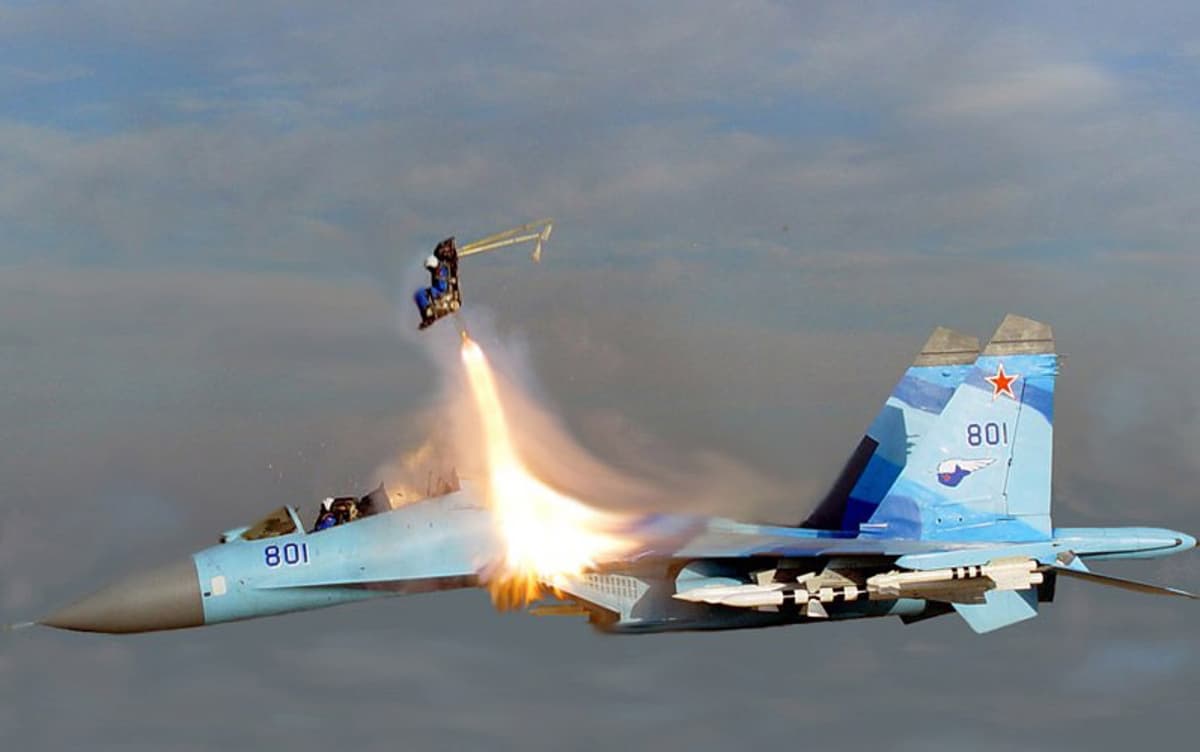
IAF Pilot Down in Pakistan (Hypothetical): Unveiling India’s Playbook for US-Style CSAR Ops To Hunt Missing Aviator
In April 2026 a US F‑15E was shot down over Iran and a large‑scale combat search‑and‑rescue (CSAR) mission recovered both crew members. The rescue deployed an MC‑130J Combat King II, two HH‑60W Black Hawks and fighter escorts, involving hundreds of...

This Is the Defense Sector’s Fastest Grower — and a $20 Billion Trade Most Investors Are Missing
The counter‑unmanned‑aircraft systems (counter‑UAS) market is poised to expand from roughly $6.6 billion today to $20 billion by 2030, reflecting a 25% compound annual growth rate. Demand is coming from three overlapping segments: military operations, homeland‑security agencies, and commercial infrastructure owners. While...

The Strategic Logic of Xi’s Historic Meeting with Taiwan’s Cheng Li-Wun
On April 12, 2026, Chinese President Xi Jinping met Kuomintang chairwoman Cheng Li‑wun in Beijing, marking a historic dialogue between the Communist Party and Taiwan’s main opposition. The meeting coincided with Beijing’s rollout of a 10‑point policy package that restores direct...

Australian Leaders “Overly Optimistic” About Ability to Manage Cyber Incidents: Datacom
Datacom’s State of Cybersecurity Index shows a stark gap between confidence and preparedness in Australia and New Zealand. While 39% of firms expect to recover from a major cyber incident within days, only 32% have a tested business continuity plan....

“Double Blow” To JD Vance: Failed Iran Deal in Pakistan and Orban’s Defeat in Hungary Test Trump Team’s Influence
U.S. Vice President JD Vance returned from Islamabad empty‑handed after a 21‑hour marathon that failed to secure a lasting cease‑fire between the United States and Iran. Within days, Hungary’s Viktor Orban, the European ally Vance had championed, conceded defeat in a...

Lockheed Martin Planning Next-Generation Space Dominance Demos On Orbit
Lockheed Martin is self‑funding two next‑generation space‑dominance demonstrations—a small satellite called Vanguard and a medium‑class platform named Sentinel—targeted for launch in late 2028 and early 2029. The missions will prove rendezvous and proximity operations (RPO) and command‑and‑control capabilities from geosynchronous...

Kyodo News Digest: April 14, 2026
The United States launched a naval blockade of all maritime traffic to and from Iranian ports, raising the risk of a new confrontation in the strategically vital Strait of Hormuz after cease‑fire talks stalled. In Japan, toilet maker Toto halted...

China Bridge Carries Security Risks: PCC
Taiwan's Public Construction Commission warned that a China‑built bridge linking Kinmen and Xiamen carries significant national‑security risks. Beijing unveiled the bridge as part of its “New Four Infrastructure Links,” alongside plans for water, electricity and gas connectivity. While the project...

CCP Using ‘Carrot and Stick’ Strategy: Experts
Chinese military activity around Taiwan surged to a peak on the day KMT Chairwoman Cheng Li‑wun met President Xi, underscoring Beijing’s “carrot and stick” approach that blends diplomatic overtures with coercive pressure. The Chinese government announced ten preferential measures for Taiwan,...

KMT Urges Lai to Show China ‘Goodwill’
The Chinese Nationalist Party (KMT) urged President William Lai to respond in kind to Beijing’s newly unveiled ten‑point incentive package for Taiwan, framing it as a goodwill gesture. The measures were announced after KMT chairwoman Cheng Li‑wun met President Xi...
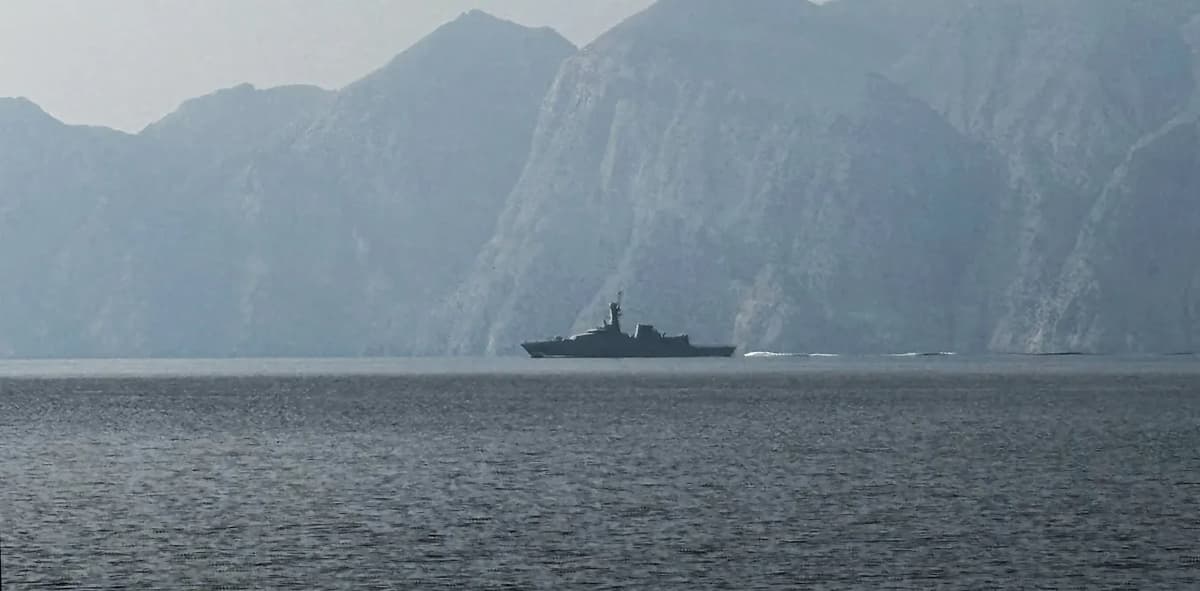
Strait of Hormuz Blockade: The Complex Regional Realities the US Ignores at Its Peril
President Donald Trump ordered a U.S. naval blockade of the Strait of Hormuz, halting Iranian port traffic. The narrow waterway moves roughly 20% of global oil—about 18 million barrels a day, worth over $1 trillion annually—so the blockade threatens to spike crude...

Brussels and Kyiv Should Have Realistic Expectations About Magyar’s Hungary
Hungary’s parliamentary election delivered a decisive win for opposition leader Péter Magyar, whose centre‑right Tisza party captured 138 of the 199 seats, ending Viktor Orbán’s sixteen‑year rule. The super‑majority gives Magyar a mandate to roll back Orbán‑era policies and to...

Global Defense Leaders Convene as Space Symposium 41 Addresses Orbital Security
The 41st Space Symposium in Colorado Springs shifted from exploration to orbital security, spotlighting the Pentagon’s $175 billion “Golden Dome” missile‑defense architecture. Defense leaders highlighted the Proliferated Warfighter Space Architecture, aiming to field resilient low‑Earth‑orbit sensor layers and space‑based interceptors funded...
![Coast Guard, SWAT and TSA Conduct Maritime Training in Juneau, Alaska [Image 3 of 10]](/cdn-cgi/image/width=1200,quality=75,format=auto,fit=cover/https://d1ldvf68ux039x.cloudfront.net/thumbs/photos/2604/9612890/250w_q95.jpg)
Coast Guard, SWAT and TSA Conduct Maritime Training in Juneau, Alaska [Image 3 of 10]
On April 8, 2026, the U.S. Coast Guard, Juneau Police Department’s SWAT team, and the Transportation Security Administration conducted a joint maritime active‑shooter drill aboard a passenger vessel in Juneau, Alaska. The exercise simulated a hostile shooter scenario to test coordinated boarding,...
![Coast Guard, SWAT and TSA Conduct Maritime Training in Juneau, Alaska [Image 8 of 10]](/cdn-cgi/image/width=1200,quality=75,format=auto,fit=cover/https://d1ldvf68ux039x.cloudfront.net/thumbs/photos/2604/9612896/250w_q95.jpg)
Coast Guard, SWAT and TSA Conduct Maritime Training in Juneau, Alaska [Image 8 of 10]
On April 8, 2026, the U.S. Coast Guard, Juneau Police Department SWAT team, and the Transportation Security Administration conducted a joint maritime active‑shooter drill aboard a passenger vessel in Juneau, Alaska. The exercise simulated an armed attacker on the ship, testing coordinated...

Trump, Iran, and the Shadow of Suez
Israel swiftly initiated a pre‑emptive military campaign against a weaker regional neighbor, framing it as a security necessity. Western allies, echoing Trump‑era policy cues, joined the airstrikes, turning the operation into a broader coalition effort. The targeted regime retaliated by...

US Navy Should Rely on Allies to Boost Maritime Industrial Base, Report Says
The Center for Maritime Strategy released a report urging the U.S. Navy to lean on allied partners to revitalize its shrinking maritime industrial base. It highlights the Navy’s current shortfall—295 ships versus a 381‑ship target—and a FY2027 budget of $65.8 billion...

Indonesia and Australia Deepen Cooperation to Strengthen Online Safety
Indonesia and Australia have agreed to deepen cooperation on online safety, focusing on counter‑radicalization and digital resilience. The two sides discussed joint awareness campaigns, stronger prevention frameworks, and support for safer digital platform use, especially for younger users. Indonesia’s new...

US Blockade of Strait of Hormuz Begins As New Talks Weighed
The United States has initiated a naval blockade of the Strait of Hormuz, aiming to halt tanker traffic as a pressure tactic against Iran. Washington and Tehran are scrambling to negotiate a new cease‑fire before the current one lapses next...
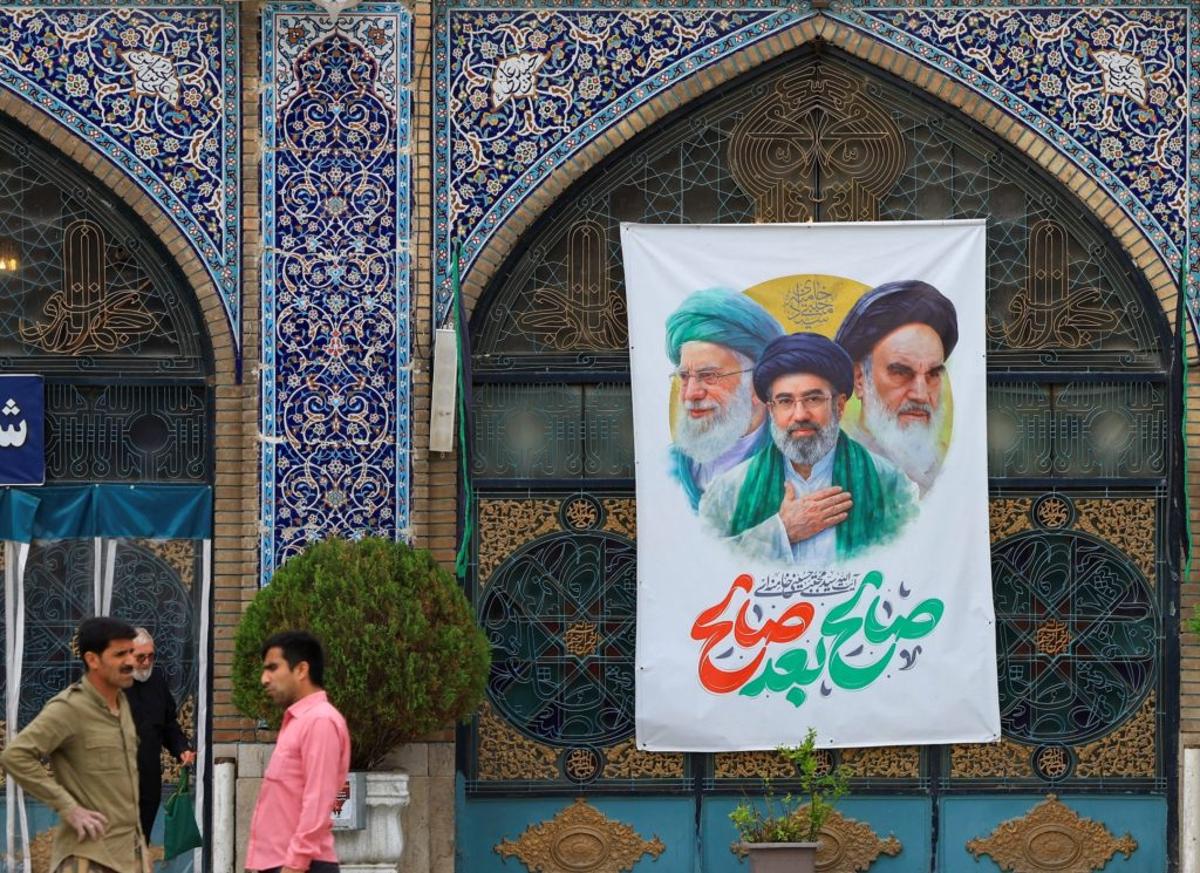
U.S. Begins Strait of Hormuz Naval Blockade After Iran Peace Talks Fail
The United States announced a naval blockade of Iranian ports in the Strait of Hormuz on April 13, 2026, following the collapse of a 21‑hour peace negotiation in Pakistan. President Trump warned that any Iranian vessel approaching the blockade would...
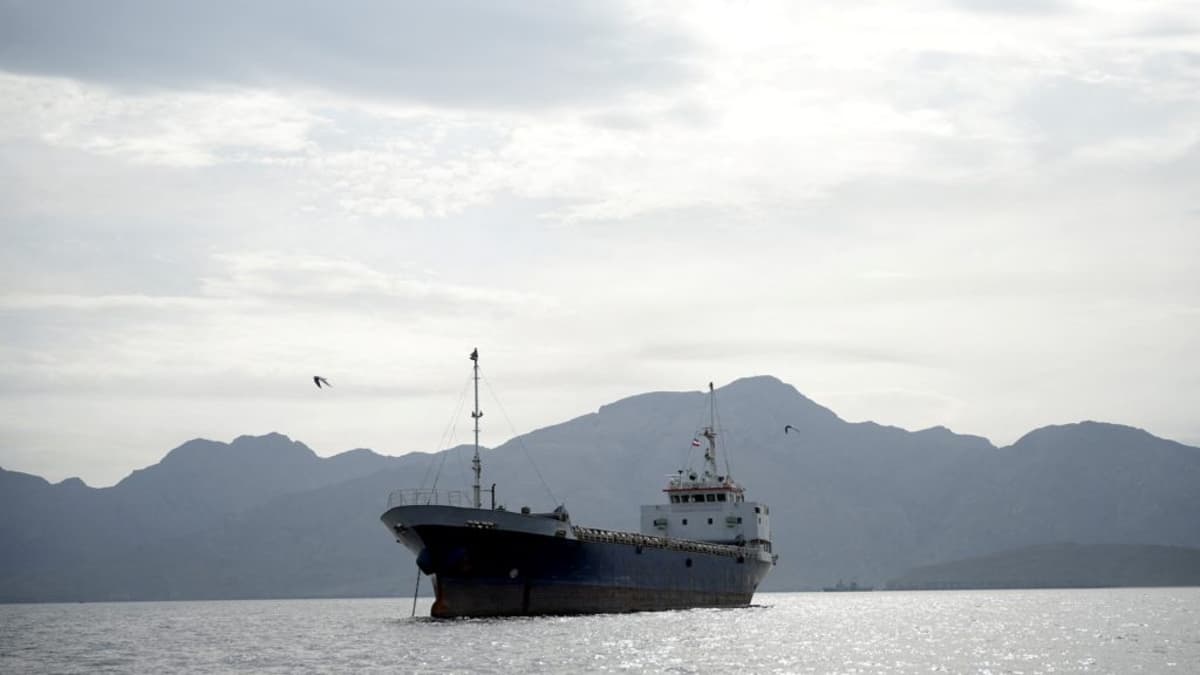
Mideast Experts Discuss How the U.S. Blockade Could Pressure the Iranian Regime
U.S. officials are weighing a naval blockade of the Strait of Hormuz to pressure Iran amid heightened tensions. Experts Alan Eyre and Miad Maleki argue the blockade could compel Tehran to negotiate, but Eyre warns the effect may take too...

DIA Stands up Digital Modernization Accelerator to Scale AI
The Defense Intelligence Agency (DIA) launched a year‑long Task Force Sabre to break down siloed AI projects and prove rapid acquisition using Other Transaction Authority (OTA). After executing six OTAs—one in just 40 days—the agency formalized the effort by creating...

Archives’ Information Security Office Tackles AI and CUI
The National Archives’ Information Security Oversight Office (ISOO) is confronting the rise of AI in managing Controlled Unclassified Information (CUI). Director Michael Thomas highlighted both risks—such as AI‑driven data aggregation that could aid adversaries—and opportunities, like using large‑language models to...

US Hormuz Blockade, Tariffs Jolt China
China called on the United States and Iran to resume negotiations after Washington launched a naval operation to close the Strait of Hormuz and threatened a 50% tariff on China for allegedly supplying air‑defence systems to Tehran. The U.S. also...

Iran Blockade: Trump Insists Iran Deal Close Even As Iranian Port Blockade Begins
President Donald Trump asserted that a deal to return Iran’s uranium "dust" is imminent, even as the U.S. Navy launched a blockade of all Iranian ports at 10 AM Eastern Time. The blockade, announced by U.S. Central Command, targets vessels entering...

Indonesia’s Board of Peace Dilemma: Prabowo Caught Between Domestic Backlash and US Ties
Indonesia’s President Prabowo Subianto joined the U.S.-initiated Board of Peace (BoP) on 22 January 2026, positioning the nation as a middle power in post‑conflict reconstruction. Domestic opposition surged after three Indonesian peacekeepers were killed in Lebanon amid the US‑Israel‑Iran war, with...

North Korea Tests Cruise and Anti-Ship Missiles From Destroyer
North Korea conducted a live‑fire test from its new 5,000‑ton Choe Hyon destroyer, launching two strategic cruise missiles and three anti‑ship missiles off its western coast. The missiles flew for roughly 7,870 seconds and 1,965 seconds respectively, demonstrating ultra‑precision and...

Why Orgs Need to Test Networks to Withstand DDoS Attacks During Peak Loads
Organizations handling tax filings must test DDoS defenses during peak traffic, not just in low‑load windows. Real incidents in the Netherlands and Poland showed attacks timed with filing deadlines can cripple critical services. Changes to applications, CDNs, and bot‑mitigation can...

Nearly Half of March Ransomware Attacks in Tied to Just 3 Groups
Check Point researchers reported 672 ransomware incidents in March 2026, with three groups responsible for nearly half of the attacks. Qilin alone accounted for 20% of incidents, Akira for 12%, and Dragonforce RaaS for 8%. The analysis highlighted attackers’ refined...

MuddyWater Pays for Russian CastleRAT Malware
Iranian state‑sponsored group MuddyWater has become a paying customer of a Russian malware‑as‑a‑service (MaaS) platform, using the CastleRAT tool in a new campaign called “ChainShell.” The operation leverages a misconfigured C2 server, an Ethereum‑based smart contract for address resolution, and...

Fast-Moving Ransomware, Router-Based Espionage Threats Target Education and Small-Office Organizations
Microsoft warned that the Storm‑1175 group is deploying Medusa ransomware at unprecedented speed, often encrypting victims within 24 hours after initial compromise. The campaign has leveraged more than 16 vulnerabilities across Exchange servers, file‑transfer tools and RMM platforms, targeting education, healthcare,...

Why the Iran Cyberattack Everyone Warned About Hasn’t Really Happened Yet
The United States launched major combat operations against Iran in late February, sparking warnings of a massive Iranian cyber retaliation. Six weeks later, only low‑impact incidents—such as DDoS attacks, website defacements and a brief outage at medical‑device maker Stryker—have been...

U.S. Military Imposes Blockade on Iranian Ports in Strait of Hormuz
The U.S. Navy activated a full‑scale blockade of every Iranian port and coastal facility along the Strait of Hormuz on Monday, after President Donald Trump warned any ship approaching would be destroyed. The action follows failed peace talks in Islamabad...

Researchers: AI-Driven Campaign Compromises Accounts More Effectively than Traditional Phishing Attacks
Microsoft researchers have identified a large‑scale AI‑driven phishing campaign that leverages the legitimate device‑code authentication flow to hijack accounts without stealing passwords. The attackers use generative AI to craft highly personalized emails and trigger real‑time code generation, bypassing the 15‑minute...

Trump Needs A-10s to Go After Iranian Speedboats and Patrol Ships
The Trump administration has imposed a naval blockade of Iran’s ports, allowing only non‑Iranian vessels to transit the Strait of Hormuz. To counter Iran’s 3,000‑4,000 missile‑armed speedboats and 133 patrol ships, officials argue the A‑10 Thunderbolt II is the most suitable...

OpenAI’s Mac Apps Need Updates Thanks to the Axios Hack
OpenAI updated its macOS security certificates and is requiring users to install the latest app versions after a supply‑chain attack on the popular Axios npm library compromised its signing workflow. The attack, linked to North Korean hacking group UNC1069, injected...

FedRAMP Couldn’t See Inside the Box. That’s the Point.
Federal auditors at FedRAMP spent five years trying to verify Microsoft’s Government Community Cloud (GCC) High encryption but never obtained a detailed data‑flow diagram, highlighting a systemic gap between compliance paperwork and actual security. The roadblock stemmed from the platform’s legacy‑laden...

Defence Fires First Home-Built GMLRS as Sovereign Missile Push Gathers Pace
Australia successfully test‑fired its first domestically produced Guided Multiple Launch Rocket System (GMLRS) missiles at the Woomera Test Range. The rockets are intended for the newly acquired High Mobility Artillery Rocket System and mark a milestone in the country’s sovereign...

The Return of Russia Oil Sanctions
The U.S. Treasury let its general‑license waiver on Russian oil expire this weekend, re‑imposing the October sanctions on Rosneft and Lukoil. Senate Democrats claim the waiver let Russia earn more than $4 billion, while Treasury officials argue the impact is modest...

Federal Agencies Are Using AI to Evaluate Proposals. Is Your Team Ready?
Federal agencies such as the GSA, IRS and the Army are deploying AI tools that automatically evaluate proposal compliance, flag missing forms, and draft contract language. These systems can eliminate non‑compliant bids before a human ever reviews them, raising the...

How the Army Is Preparing to Bring Its First Tiltrotor Aircraft Online
The U.S. Army is set to field its first tiltrotor, the Bell MV‑75, later this year, marking the service’s long‑awaited entry into tiltrotor operations. The MV‑75 features fixed engines to reduce maintenance and engine‑fire risks while delivering twice the speed...

America-First Puts Aussie Miners in the Running for Big Bucks
Washington’s “America‑first” push is channeling billions into critical‑minerals projects, putting several ASX‑listed junior miners in line for U.S. funding and strategic contracts. Project Vault alone offers about $12 billion to build a U.S. Critical Minerals Reserve, while a $10 billion EXIM loan...

Senate Commerce Targets Satellite Security in Next Executive Session
On April 13, 2026, the Senate Commerce Committee scheduled a markup session to consider nine bills, including the Secure Space Act and the Satellite Cybersecurity Act, aimed at strengthening U.S. satellite communications security. The Secure Space Act would bar the...

HASC Chair: Trillion-Dollar Defense Budgets Are the ‘New Normal.’ Reconciliation Is Less Certain.
House Armed Services Committee Chairman Mike Rogers said a $1 trillion baseline defense budget is now the "new normal," setting the stage for a $1.5 trillion request for fiscal year 2027. The proposal blends $350 billion of reconciliation funding with $1.15 trillion of discretionary...

Why DHS No Longer Has a Compliance Mindset for Cybersecurity
Hemant Baidwan, departing DHS CISO, says the agency has moved beyond a compliance‑first posture to an operational risk‑management model. The shift emphasizes real‑time threat monitoring, continuous Authority‑to‑Operate (ATO) assessments, and a “flywheel” approach that ties risk data to budgeting and...

Empty Attestations: OT Lacks the Tools for Cryptographic Readiness
Operational technology (OT) environments were built for uninterrupted service, not security, leaving many legacy devices without encryption or the ability to upgrade. Threat actors like Volt Typhoon have already maintained long‑term access, harvesting encrypted traffic and potentially signing keys for...

UK Reliance on US Big Tech Companies Is ‘National Security Risk’, Claims Report
A report by the Open Rights Group warns that the UK’s reliance on a handful of US‑based big‑tech firms for data centres, cloud services and digital infrastructure creates a national‑security risk. Strained UK‑US relations could trigger sanctions that disrupt critical...

Trump Says Iran Wants to Make a Deal, Confirms Naval Blockade of Strait of Hormuz
President Donald Trump announced a U.S. naval blockade of ships departing Iranian ports as Iran signals willingness to negotiate, but insists it will not acquire a nuclear weapon. The move comes amid Iran’s shutdown of the Strait of Hormuz, a...