
Salt 3008 RC2 Is Now Available
The Salt Project announced Salt 3008 RC2, the second release candidate of its upcoming long‑term support (LTS) version. RC2 is available for download via PyPI, native OS packages, and Docker containers, with source code hosted on GitHub. While master and minion versions may differ, the project advises upgrading the master first to ensure stability. Users are encouraged to report any bugs through the Salt GitHub issue tracker before the final GA release.

Accelerate Innovation and Govern Integrity with Red Hat Satellite 6.19
Red Hat unveiled Satellite 6.19, its final RPM‑based release, adding AI‑assisted management, image‑mode support, and hardened vulnerability controls for air‑gapped sites. The update introduces a Model Context Protocol (MCP) server for natural‑language queries, granular RBAC, and SSH‑certificate remote execution. It also...
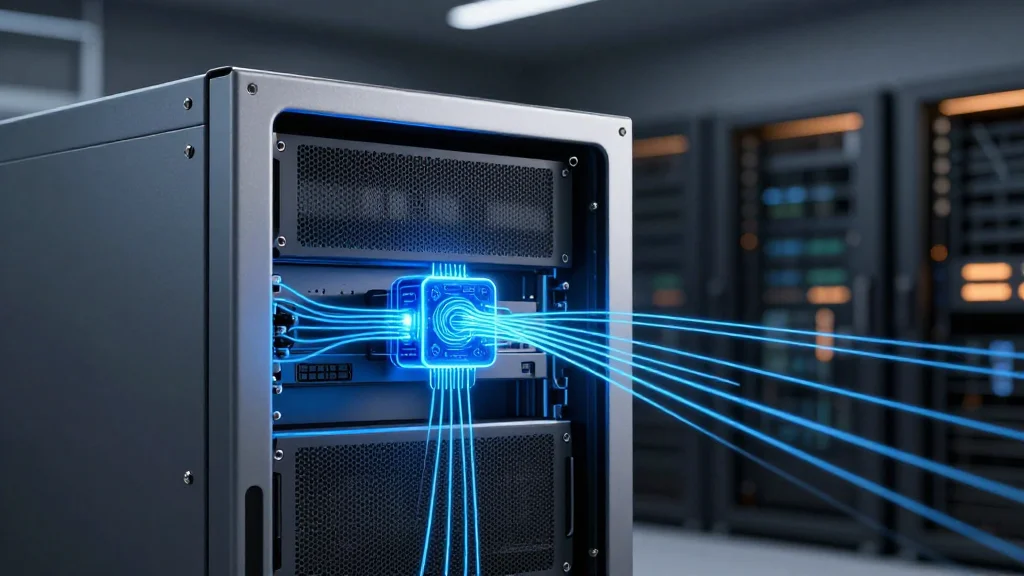
Kilo Code V7 Launches with Advanced AI Coding Tools
Kilo Code v7 just launched on Product Hunt. @kilocode rebuilt the entire VS Code extension on OpenCode server now packing: - Parallel agents - Inline diff reviewer - Multi-model comparisons - Subagent delegation The ultimate all-in-one agentic engineering platform just got way more powerful. #1 on OpenRouter,...

Google Unveils Gemini Enterprise Agent Platform and Adds Event‑Driven Webhooks
Google announced the Gemini Enterprise Agent Platform at Cloud Next ’26, coupling it with a $750 million innovation fund for partners. At the same event the company rolled out event‑driven webhooks for the Gemini API, eliminating costly polling in long‑running AI...

PSMDB Sandbox: A Browser-Based UI for Deploying MongoDB with Terraform and Ansible
Percona released PSMDB Sandbox, a lightweight Go‑based web UI that wraps its existing Terraform and Ansible automation for Percona Server for MongoDB, PBM backup and PMM monitoring. The wizard‑style interface lets users spin up replica sets or sharded clusters across...

AI Shifts From Writing Code to Autonomous Maintenance
.@RampLabs (the AI unit of @tryramp) has been *cooking* with agentic innovation Here's @a_levitator discussing and demo'ing code self-maintaining software and the concept of AI software factories #DataDrivenNYC ______________ 00:04 - Intro 01:11 - The shift from writing code to code maintenance 01:59 - Introducing...

Opsera and Cursor Team Up to Embed Autonomous AI Agents in DevOps Pipelines
Opsera, the Agentic DevOps platform, announced a partnership with Cursor, the multi‑model AI coding environment, to embed its autonomous DevSecOps agents directly into Cursor’s IDE. The integration promises to combine high‑velocity AI code generation with built‑in security, compliance and architectural...

Observe by Snowflake: AI-Powered Observability at Scale for the Data Cloud
Snowflake's Observe platform unveiled an AI‑driven CLI that lets engineers and autonomous agents query and act on telemetry via reusable workflows. The update adds native read/write support for Apache Iceberg, enabling observability data to reside in low‑cost cloud storage and...

Modernization Is Not Migration
Modernization now means re‑architecting the release and observability processes, not just moving workloads to the cloud. A financial firm replaced a single‑threaded Jenkins‑driven DataStage migration with three parallel migration servers, shrinking weekly release windows from two hours to 45 minutes....

How We Diagnosed a Hidden Scheduler Failure in a Docker Swarm Cluster Serving 2 Million Users
A Docker Swarm cluster of 120 nodes serving over 2 million users began underweighting a worker node after the scheduler logged five placement failures in five minutes. The root cause was a mismatch between the number of service replicas and the...

Instructure Breach Exposes Data of 275 Million Users, Raises DevSecOps Alarm
Instructure confirmed a cyberattack that exposed personal data of roughly 275 million teachers, students and staff across 9,000 schools. The breach, claimed by the ShinyHunters group, highlighted gaps in the ed‑tech platform’s DevSecOps processes and sparked industry‑wide calls for stronger security...

If You Struggle with Designing Rate Limiters, Learn the Token Bucket Algorithm
The blog teaches the token bucket algorithm, the core technique behind rate limiters used by AWS API Gateway, Stripe, Shopify and many other production services. It breaks down the algorithm step‑by‑step, defines the five essential parameters, and shows how to...

Generate Images Locally with Docker Model Runner and Open WebUI
Docker Model Runner now lets developers pull and run image‑generation models locally, exposing a fully OpenAI‑compatible API that Open WebUI can consume. By using the DDUF packaging format, a stable‑diffusion model (≈7 GB) can be fetched with a single Docker command...
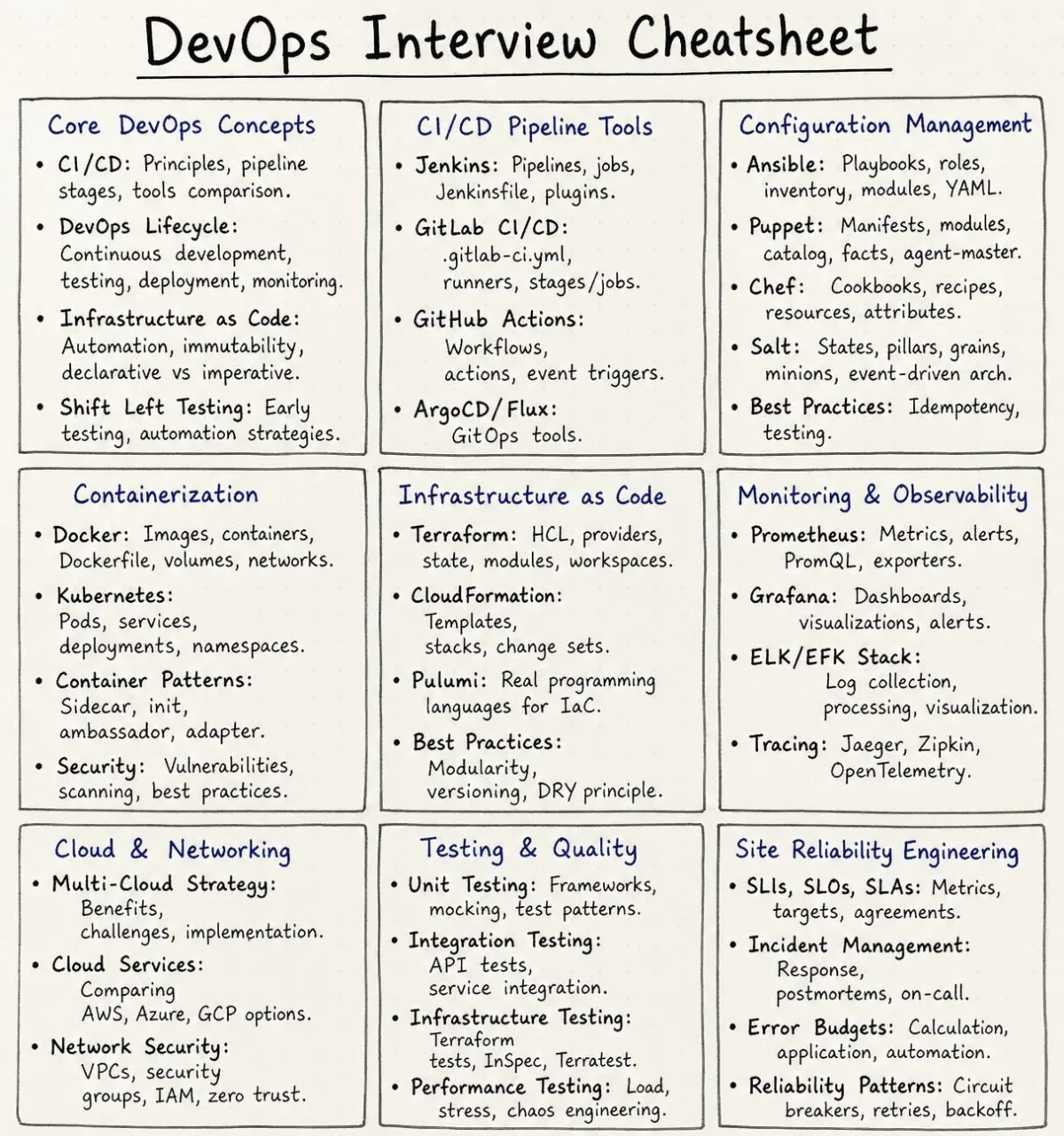
Show the Why, Not Just Dev
Most people walk into DevOps interviews listing tools. That’s not what gets you hired. You need to understand how everything connects—CI/CD → containers → IaC → monitoring → SRE. If you can explain the why behind each piece, you stand out immediately. This cheatsheet...
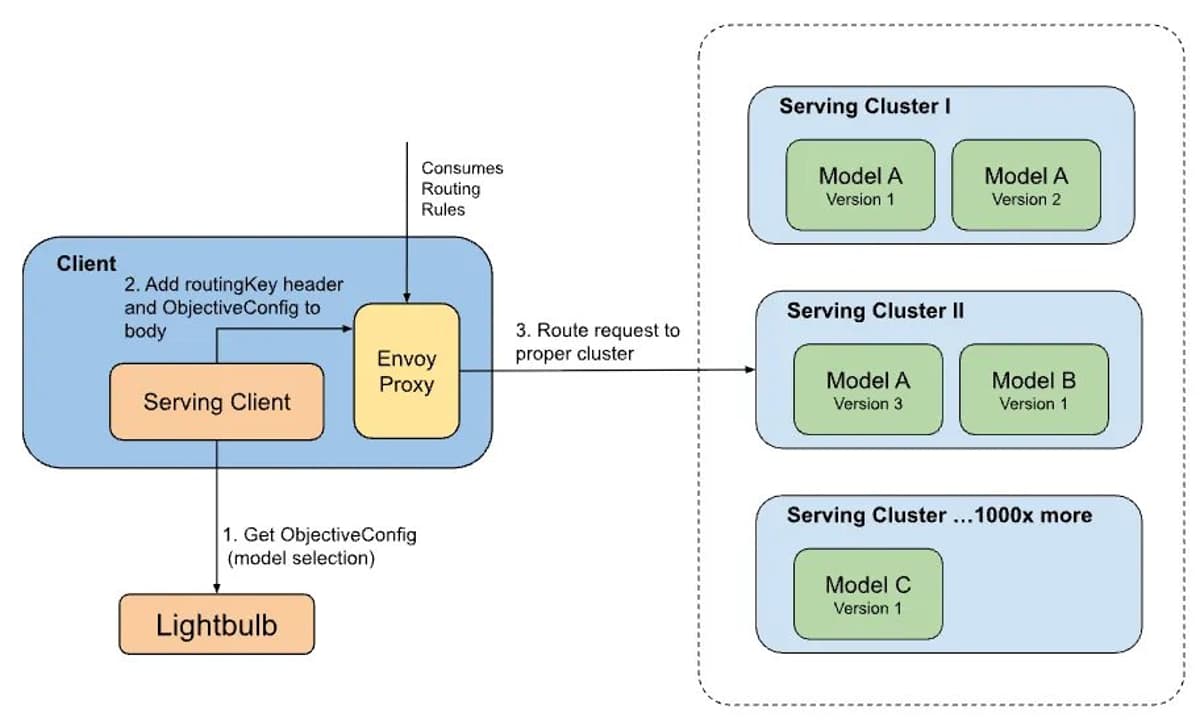
Netflix Routes Millions of Requests to Thousands of Models
Wow. The Netflix ML serving platform serves hundreds of model types/versions, and around 1 million requests per second. How do they route traffic to the right model in such a large-scale service system? Deep dive post: https://t.co/1sU4Jtt5l8 https://t.co/ANPlcxqpSA

Evolving Spring Boot APIs to an Event-Driven Mesh
Modern Spring Boot applications are moving from synchronous REST endpoints to asynchronous, event‑driven communication using an event mesh built on Kafka, RabbitMQ or NATS. The guide shows how to publish domain events like OrderCreated from a REST POST, then let...

AI Speeds Delivery: Weeks Become Days for Small Teams
"AI is changing how we work... I’ve watched engineers use AI to ship in days what used to take...weeks. Non-technical teams are now shipping production code and many...workflows are being automated. The pace of what's possible with a small, focused...
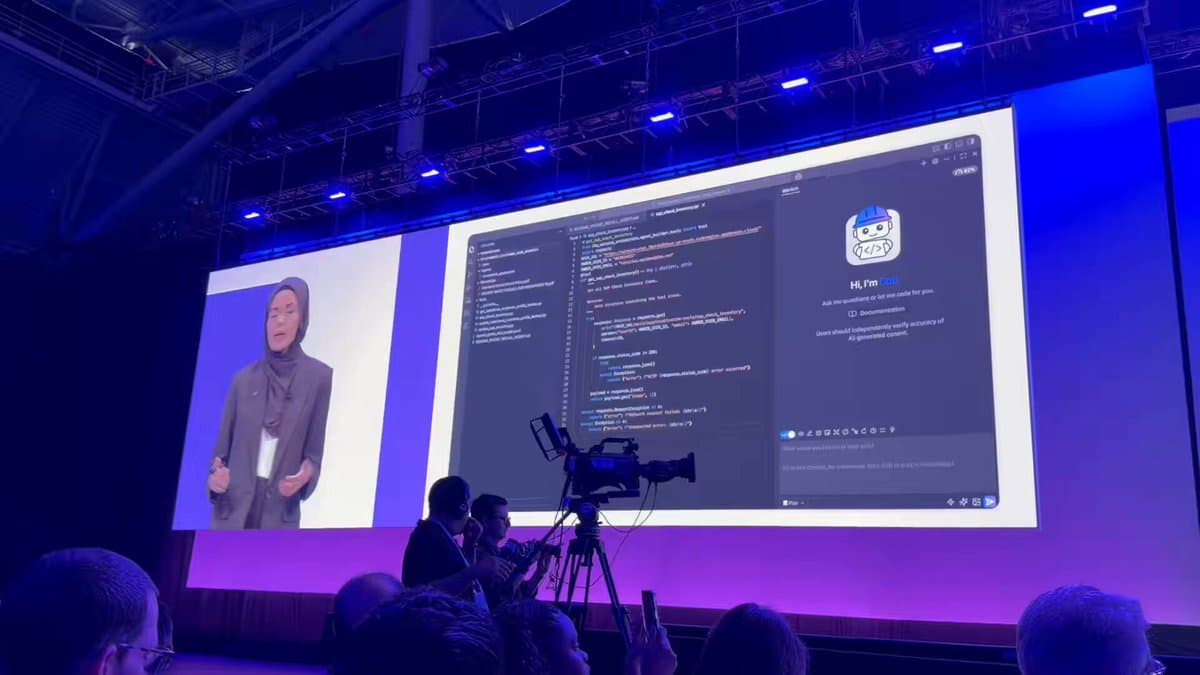
Bob Demonstrates Agentic‑Era SDLC Automation at IBM Think
At the 2nd keynote of day 01 at #Think Neel Sundaresan, General Manager, Automation and AL and Sanah Pallithotungal, Product Manager, IBM Bob gave us the demo of how Bob enables SDLC in Agentic era. #IBMThink #Think #Think2026 https://t.co/1kxeKLtKGo

OpenAI's Symphony Boosts Developer Output Sixfold by Automating AI Agent Attention
OpenAI launched Symphony, a workflow engine that gives each development ticket its own Codex agent, sparking a sixfold jump in merged pull requests within three weeks. The system uses Linear as a state machine to let agents self‑assign, reducing the...
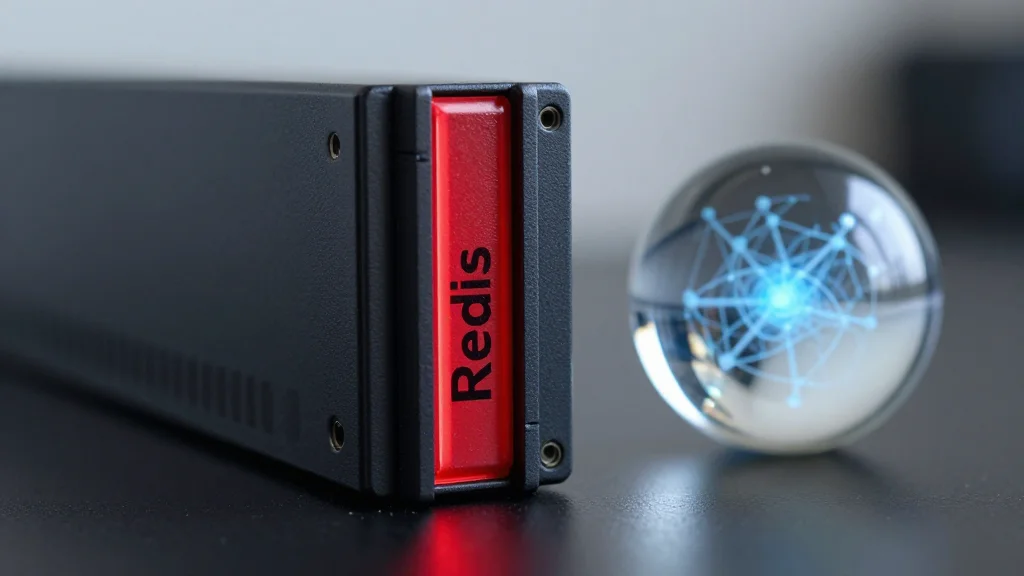
AI Enhances Top Developers: Redis Array Success
Love this post by @antirez on developing Redis Array support. Its a great showcase of thoughtful AI usage and how AI can empower even the best developers while still producing high quality work. https://t.co/xc5KhcHb2P

Uncovering a Silent Docker Swarm Scheduler Bug
How We Diagnosed a Hidden Scheduler Failure in a Docker Swarm Cluster Serving 2 Million Users https://t.co/tRVM3lhJbH https://t.co/EWgmPiB2s2

Twilio CEO Unveils $5B-to-$10B Turnaround Focused on DevOps and Reliability
Twilio chief executive Khozema Shipchandler announced a sweeping turnaround that narrows the company’s focus to nine strategic bets, aims to double revenue from $5 billion to $10 billion, and prioritizes platform reliability and DevOps efficiency. The plan tackles the stalled integration of...
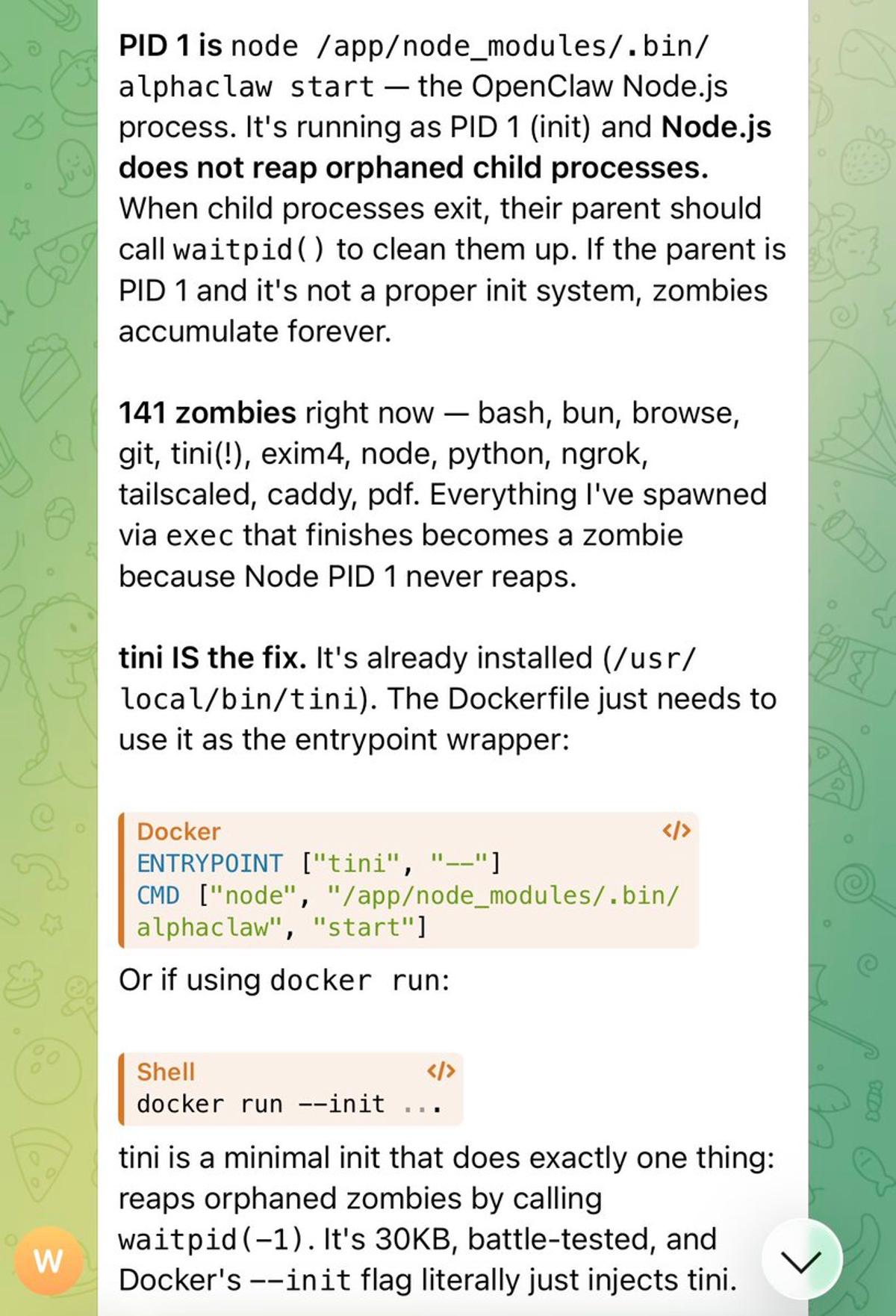
OpenClaw's Zombie Workers: Is Tini the Fix?
OpenClaw is giving me the craziest zombie worker problem Has anyone solved this properly? Is tini the correct solution? https://t.co/6HqgSTSb7o

Uber Solved AI Scaling with Centralized Gateways and Registry
What problems did Uber face when scaling AI? There wasn't a shared way of building, security was inconsistent, opaque visibility into call patterns, and discovery was unmanaged. They added centralized MCP gateways and a registry. More ... https://t.co/pVTbFSPRR9

Qt's Latest AI Push Is Letting AI Agents Deal With Performance Profiling
Qt Group unveiled the QML Profiler Skill, enabling AI agents to automatically profile performance of 2D Qt Quick applications. The skill can detect rendering, logic, and memory bottlenecks and generate concise diagnostic reports. It has been tested with GitHub Copilot,...
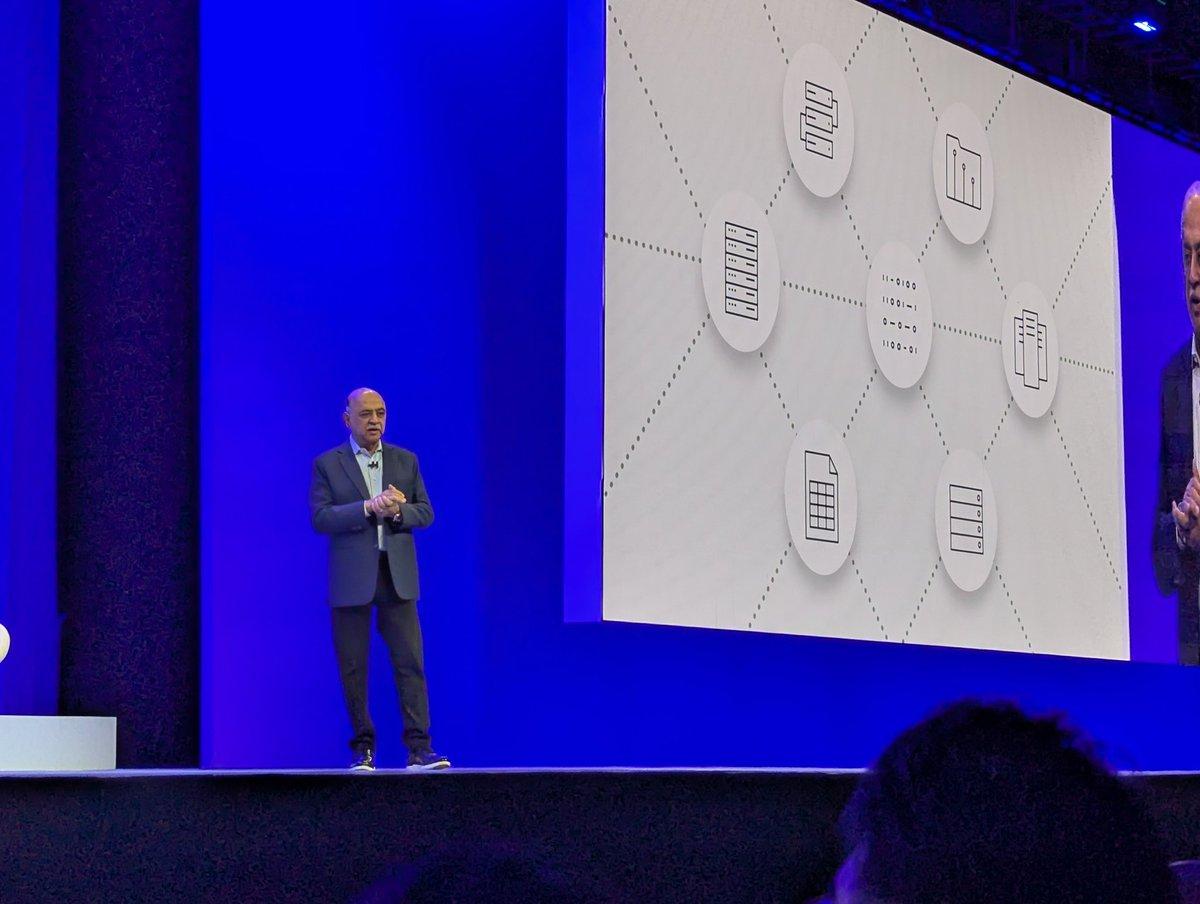
Hybrid Cloud Demo Showcases AI, Sovereign Core Integration
And we are at the @RedHat part of @ArvindKrishna's demo - hybrid Cloud. For AI and for Sovereign Cloud (with SovereignCore). And @HashiCorp ... And now @confluentinc With @IBMwatsonx Data... #IBMThink https://t.co/icdWDpw5D4

Vibe Coding or Spec-Driven Development? How to Choose
Vibe coding and spec‑driven development (SDD) are emerging AI‑assisted approaches that let devops teams generate entire applications from prompts. The article contrasts the rapid prototyping strengths of vibe coding with the structured, requirement‑first methodology of SDD, noting each fits different...

How Terraform Works
Terraform streamlines infrastructure provisioning by treating cloud resources as code written in HashiCorp Configuration Language (HCL). Users define resources, providers, variables, and modules in .tf files, then run terraform plan to preview changes against the current state. After approval, terraform apply executes the plan,...

SAP Acquires Dremio and Prior Labs to Build an Open‑Source Lakehouse for Enterprise AI
SAP SE said it will acquire Dremio and Prior Labs, merging Dremio’s Iceberg‑native lakehouse with SAP Business Data Cloud and committing $1.17 bn to Prior Labs’ AI research. The move aims to eliminate data fragmentation that stalls enterprise AI projects.

Amazon Deploys Claude Code and OpenAI Codex to Entire Workforce
Amazon announced that Anthropic's Claude Code and OpenAI's Codex will be accessible to all corporate employees, with Claude Code live immediately and Codex slated for May 12. The rollout, managed through AWS Bedrock, ends a period of internal friction over...

Microsoft Patches VS Code to Stop Copilot Auto‑adding Co‑author Credit
Microsoft issued an emergency fix for VS Code that disables the default Copilot co‑author tag after developers reported the AI was being credited for code they wrote. The change, slated for the 1.119 release, reverses a March update that added the...

Christophe Pettus: All Your GUCs in a Row: Autovacuum_max_workers
PostgreSQL’s autovacuum_max_workers defaults to three and can only be changed with a server restart. Raising this setting alone does not speed up vacuuming because the total I/O budget, controlled by autovacuum_vacuum_cost_limit, is divided among all active workers. Consequently, adding workers...

8 Agentic AI Patterns Reshaping Team Collaboration
The article maps eight recurring AI‑agent patterns that are reshaping how teams collaborate, from automated status updates to role‑specific agents embedded in chat. These patterns consistently deliver three outcomes—moving faster, working smarter, and staying in control—by reducing manual coordination, improving...

Control Your AI Agent Traffic at Scale: Model Context Protocol Gateway for Red Hat OpenShift Is Now in Technology Preview
Red Hat has released a technology‑preview of the Model Context Protocol (MCP) gateway within its Connectivity Link platform, bringing enterprise‑grade traffic management to AI agents on OpenShift. The gateway federates multiple MCP servers behind a single endpoint, adds authentication, authorization, rate‑limiting and...
The Dark Factory Pattern for Infrastructure: Running Pulumi Lights-Out
The article adapts the "dark factory" concept—fully autonomous code generation and deployment—to infrastructure as code, focusing on Pulumi. It outlines a five‑level autonomy ladder, emphasizing that level 5 (dark factory) requires a strict separation between code generators and validators. Pulumi’s Automation...

Give AI Agents Safe Access to Your Cluster: Model Context Protocol Server for Red Hat OpenShift Is Now in Technology...
Red Hat has launched a technology‑preview Model Context Protocol (MCP) server for OpenShift, enabling large‑language‑model agents to interact with clusters under strict security controls. The server adds OAuth/OIDC token‑exchange, native RBAC enforcement, read‑only‑by‑default mode, and detailed audit trails to keep AI...

Introducing Application Metrics: Track the Signal, See the Spike, Jump to the Trace
Sentry has launched Application Metrics, a feature that records full‑event data—including high‑cardinality attributes like user ID, region, and project—directly from the SDK. Unlike traditional infrastructure metrics that aggregate away context, these events stay linked to trace IDs, letting engineers jump...

When AI Finds the Bugs: Why Defense in Depth Was Always the Answer
Mozilla partnered with Anthropic to run AI models against Firefox, uncovering 22 critical bugs in one release and a staggering 271 vulnerabilities in a follow‑up scan. The AI identified the same classes of flaws that elite human researchers find, but...

AIOps and Ansible Automation Platform: Where AI Intelligence Meets Trusted Execution
Red Hat argues that AI can recommend fixes but enterprises need governed, repeatable execution to trust automation. The Ansible Automation Platform supplies RBAC‑scoped, auditable playbooks that turn AIOps insights into safe remediation across hybrid environments. While many firms have invested in...
Claude-Powered AI Agents Run Boris Cherny’s Nonstop Dev Ops
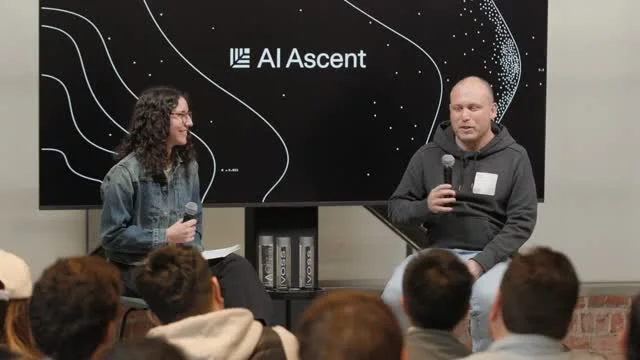
Boris Cherny dev setup: - Claude mobile app is the primary work interface - has 5–10 sessions open at a time, each session can have multiple agents running - runs thousands of agents on deeper tasks overnight - he has dozens of /loops running...

Shift Left Did Not Fix It
The article argues that the popular "shift left" approach—moving testing earlier in the software delivery pipeline—has not solved quality problems because organizations failed to shift decision‑making authority upstream. While testers are placed in early meetings and automation coverage rises, the...

AI Won’t Speed up Software Delivery — Nothing Has
The article argues that AI will not magically accelerate software delivery, just as past initiatives like Agile, DevOps, and platform engineering failed to deliver straight‑line speed. It stresses that the true goal is faster feedback loops, not raw throughput, and...

DigitalOcean Launches AI‑Native Cloud, Promising Up to 40% Cost Savings for Inference Workloads
DigitalOcean introduced its AI‑Native Cloud at Deploy 2026, a five‑layer platform built for the inference and agentic era. Early pricing shows monthly costs of $67,727, 20‑40% cheaper than comparable AWS‑based stacks, and early adopters like Bright Data and ISMG report...

Open‑source Orchestrator Finds Critical Vulnerabilities in Minutes
𝚗𝚙𝚡 𝚍𝚎𝚎𝚙𝚜𝚎𝚌 We're introducing an open-source agent orchestrator for deep security reviews. We built it for internal use, and after running it against some major OSS projects, we gained conviction to share it with the world. Coding agents can now find critical vulnerabilities...
Diffusion-Style Decoding Triples LLM Speed on TPUs
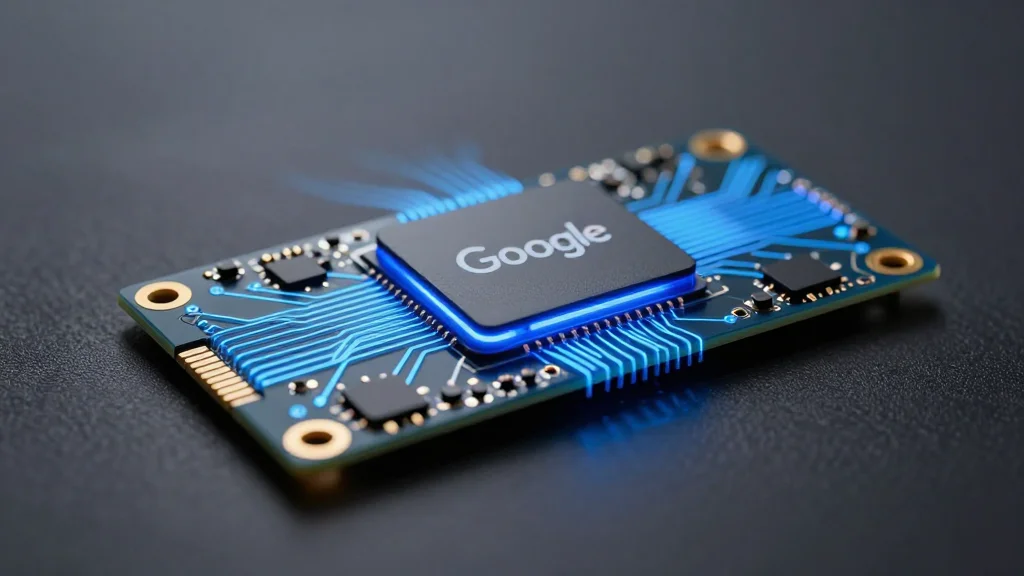
Supercharging LLM inference on Google TPUs: Achieving 3X speedups with diffusion-style speculative decoding https://t.co/j1QPASxHKP < some pretty amazing increases in tokens per second

Mastering Kubernetes to Maximize Your Cloud Potential
The article reframes Kubernetes as a layered ecosystem rather than a simple container orchestrator, outlining seven critical layers—storage, compute, observability, networking, security, developer tooling, and CI/CD/GitOps. Each layer includes key open‑source components that together enable a self‑healing, scalable platform. Mastery...

Introducing HCP Terraform Powered by Infragraph - Now in Public Preview
HashiCorp announced that HCP Terraform powered by Infragraph is now in public preview for qualified U.S. customers. The Infragraph layer adds an event‑driven knowledge graph that continuously synchronizes infrastructure data from AWS, Azure, GCP and on‑prem environments, delivering a single...

Why AI Coding Tools Still Fail in Production
The piece argues that AI coding tools still stumble in production because reliability, not raw capability, remains the biggest hurdle. Hallucinated dependencies, subtle logic bugs, and context‑drift force developers into a costly verification loop. Leading teams now treat AI as...

AWS Drives Kubernetes Simplification With EKS Hybrid Nodes Gateway
Amazon Web Services announced the general availability of the Amazon EKS Hybrid Nodes gateway, a feature that streamlines networking for Kubernetes workloads spanning cloud, on‑premises, and edge environments. The gateway automatically forwards pod‑to‑pod traffic between an EKS VPC and remote...

AgentOps: The Next Evolution of DevOps for AI-Driven Systems
AgentOps is emerging as a dedicated discipline for operating AI agents in production, extending traditional DevOps to cover prompts, model routing, retrieval pipelines, and tool‑calling workflows. It treats agents as versioned components, adding observability, governance, continuous evaluation, and feedback loops...