
GitLab 18.11 Launches AI‑Driven SAST Agent and Automated Merge‑Request Generation
GitLab released version 18.11, adding a platform‑native AI SAST remediation agent that auto‑generates merge requests and two new AI assistants for CI pipeline design and real‑time data analysis. The features aim to close the “AI paradox” by extending AI beyond code generation into security, delivery and operations.

Antony Pegg: How to Use the pgEdge Control Plane: From Zero to Multi-Master and Beyond
Antony Pegg’s guide walks users through pgEdge Control Plane, a lightweight orchestrator that manages PostgreSQL clusters via a declarative REST API. In a five‑minute demo he shows how to spin up a multi‑master, HA database using Docker Swarm and a...

The Cookbook for Safe, Powerful Agents
Enterprises are moving AI agents from proof‑of‑concepts to production, exposing a critical gap between capability and control. Runloop CEO Jonathan Wall emphasizes that agents must start with minimal privileges and gain access only through layered safeguards. The article outlines a...

Enterprises Are Rethinking Kubernetes
Enterprises are reassessing Kubernetes as the default platform for modern applications. While Kubernetes delivers powerful orchestration, its operational complexity, skill demands, and limited portability have become cost burdens for many organizations. Companies are shifting toward managed container services, serverless offerings,...

Designing for "Noisy Neighbors" — Multi-Tenant Resource Limits and Quotas
The blog outlines the noisy‑neighbor problem where a single tenant’s burst traffic can cripple latency and cause silent SLA breaches in multi‑tenant SaaS platforms. It explains that logical isolation requires enforceable, tier‑aware resource quotas across request rate, concurrency, compute, bandwidth,...

How Skyscanner Scales OpenTelemetry: Managing Collectors Across 24 Production Clusters
Skyscanner, with 1,400 staff and over 1,000 microservices, has deployed OpenTelemetry collectors across 24 Kubernetes clusters to achieve vendor‑agnostic observability. A central DNS endpoint backed by Istio routes all telemetry to either a Gateway collector (handling bulk OTLP traffic) or...
Introducing Pyroscope 2.0: Faster, More Cost-Effective Continuous Profiling at Scale
Grafana released Pyroscope 2.0, a ground‑up redesign of its open‑source continuous profiling database that adds native OpenTelemetry Protocol (OTLP) support and removes costly write‑path replication. The new architecture writes each profile once to object storage, co‑locates symbols, and deduplicates data, cutting...

Why Your Best Engineers Are Doing the Wrong Work
Managed Service Providers (MSPs) are trapped in a cycle of manual provisioning, patching, and firefighting, leaving their top engineers underutilized. The surge in multi‑cloud deployments has amplified operational complexity, prompting a shift toward platform engineering and internal developer platforms (IDPs)...
Grafana Assistant Everywhere: Customize and Connect to the AI Agent to Fit Your Specific Needs
Grafana announced that its AI‑driven Grafana Assistant is no longer limited to Grafana Cloud; it can now be deployed in self‑managed Grafana Enterprise and OSS environments. Users can connect a Grafana instance to a free Grafana Cloud account with a...

Guide to GBrain Migrations for Seamless Version Upgrades
I wrote my friend @chrysb a quick note on how to implement GBrain style migrations for people who upgrade to new GBrain versions and want their setups to stay in sync as the core setup changes This is for Alphaclaw but...

The 3 Caching Tools That Power Modern Backend Systems (Redis, Memcached, KeyDB)
Caching is essential for modern back‑ends, storing frequently accessed data in RAM to avoid costly database hits. The blog breaks down the three dominant in‑memory caches in 2026—Redis, Memcached, and KeyDB—highlighting their architectures, data‑structure support, and persistence models. It notes...

Critical RCE Flaw Hits Flowise AI Workflow Engine, Threatening Millions of DevOps Pipelines
Security firm OX Security disclosed a critical remote code execution vulnerability in Flowise, an open‑source AI workflow builder used in CI/CD pipelines. The flaw stems from Anthropic's Model Context Protocol (MCP) SDKs and affects an estimated 200,000 instances across more...

OpenAI Adds Sandboxed Execution to Agents SDK, Raising DevOps Safety
OpenAI has rolled out sandboxed execution capabilities in its Agents SDK, letting developers run AI agents in controlled environments. The update, announced today, targets safer, long‑horizon automation for DevOps workflows.

Google Launches Gemini CLI Subagents for Parallel DevOps AI Workflows
Google unveiled subagents in its Gemini CLI, allowing a primary AI session to offload code analysis, research, testing and other DevOps tasks to isolated specialist agents. The feature promises parallel execution, reduced latency, and tighter orchestration for AI‑augmented development pipelines.

Beyond the Frontend: Choosing Between Vercel and Upsun for Full-Stack Applications in 2026
Vercel remains the go‑to platform for Next.js‑centric frontends, offering instant preview URLs and a developer‑first experience. Upsun, by contrast, treats the entire application—frontend, backend services, databases, queues and cron jobs—as a single unit defined in a .upsun/config.yaml file. The article...

GitLab + Amazon: Platform Orchestration on a Trusted AI Foundation
GitLab has introduced the Duo Agent Platform, an agentic AI control plane that embeds AI workflows directly into GitLab’s software development lifecycle. The platform routes model calls through a GitLab AI Gateway to Amazon Bedrock, Amazon’s server‑less, compliant foundation model...

Unlock Enterprise-Ready, Secure AI with Red Hat Lightspeed Agent for Google Cloud
Red Hat has launched the Lightspeed Agent for Google Cloud, now listed on the Google Cloud Marketplace. The agent, built on the Agent‑to‑Agent protocol and powered by Google Gemini models, lets SREs manage Red Hat Enterprise Linux workloads via natural‑language commands....
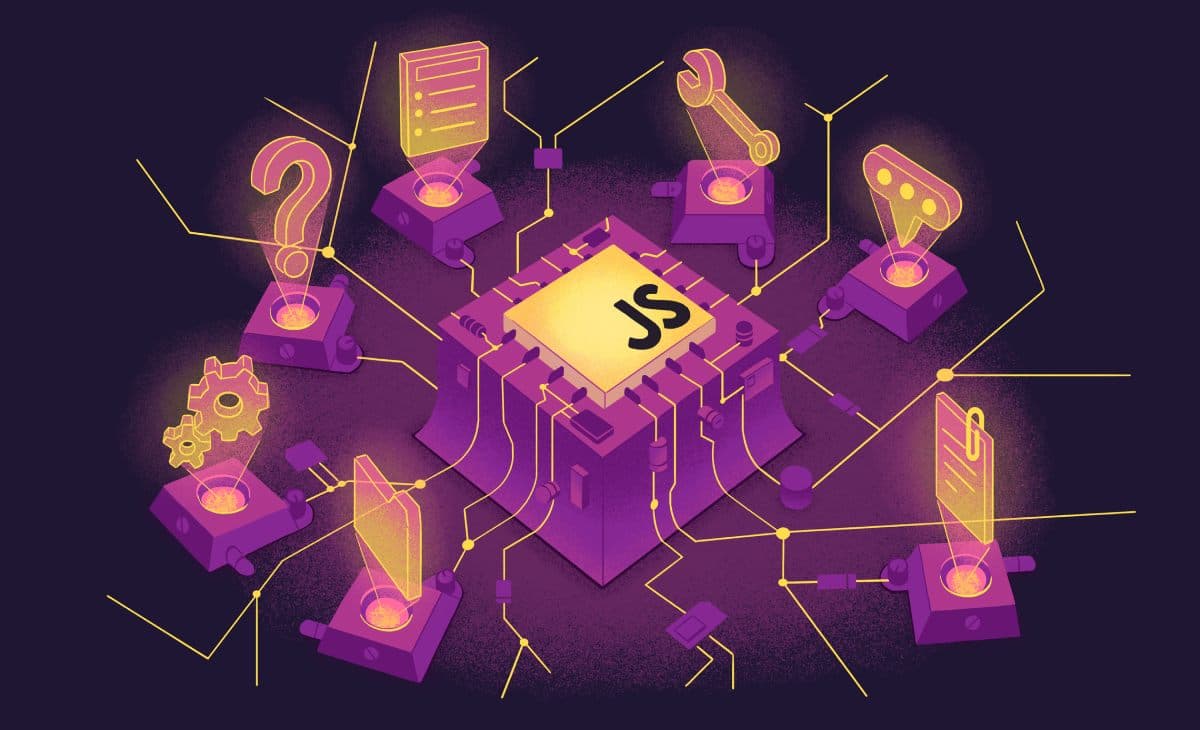
No More Monkey-Patching: Better Observability with Tracing Channels
Node.js is introducing Diagnostics and Tracing Channels to let libraries emit their own telemetry, eliminating the need for external monkey‑patching. Traditional APM instrumentation relies on fragile runtime patches that break with ES Modules, forcing developers to use complex import hooks....
All Dev Platforms Will Converge Into Similar Tools
There are many ways to approach the "build an app" problem Consider Replit, Figma, Vercel, Claude in Excel, and Claude Code as examples Ultimately, they all converge. Anthropic is building out a back end scaling team (see bun acquisition) to automate server deployments...

Rethinking Git for the Age of Coding Agents with GitHub Cofounder Scott Chacon
In this episode, Scott Chacon—co‑founder of GitHub and CEO of GitButler—discusses how Git’s decades‑old command‑line interface, originally built for human developers, is ill‑suited for today’s AI‑driven coding agents. He explains Git’s Unix‑philosophy roots, its lack of a cohesive UI, and...

OpenAI Unveils Desktop‑Control Feature for Codex, Boosting AI Coding Agents
OpenAI released a Codex update on April 16 that enables the AI to open apps, move the cursor, click, and type on macOS, turning the tool into an autonomous desktop operator. The move follows Anthropic’s similar Claude Code rollout and comes as...
API Gateway vs Service Mesh vs Sidecar Proxy: A Decision Framework
The blog clarifies the distinct roles of API gateways, service meshes, and sidecar proxies in microservice architectures, emphasizing their placement in the stack and traffic direction. It explains north‑south traffic (external client requests) versus east‑west traffic (internal service calls) and...
Talking Drupal #549 – Catching up with the DDEV Team
In Talking Drupal #549, hosts chat with DDEV maintainers Randy Fay and Stas Huk about the latest updates to the DDEV local development tool and its roadmap. They spotlight the DDEV Drupal Contrib add‑on, which streamlines contrib module development by...

Git 2.54 Released With New Experimental "Git History" Command
Git 2.54 has been released, featuring an experimental “git history” command that simplifies repository history rewriting. The new command supports “reword” and “split” sub‑commands, enabling in‑place commit message edits and interactive commit splitting. Additional enhancements include configurable hooks outside the...
From APIs to Event-Driven Systems: Modern Java Backend Design
During a high‑traffic sales event, a chain of synchronous REST calls caused cascading timeouts that halted order checkout, prompting a redesign of the Java backend. The engineering team replaced the tightly coupled API model with an event‑driven architecture built on...

Why Embedding Pipelines Break at Scale and How Lakehouse Architecture Fixes Them
Embedding pipelines work well for small prototypes but quickly break when the document corpus grows to millions and models evolve. Re‑embedding entire datasets becomes costly, and vector databases lack the lineage needed to answer compliance questions about which model or...
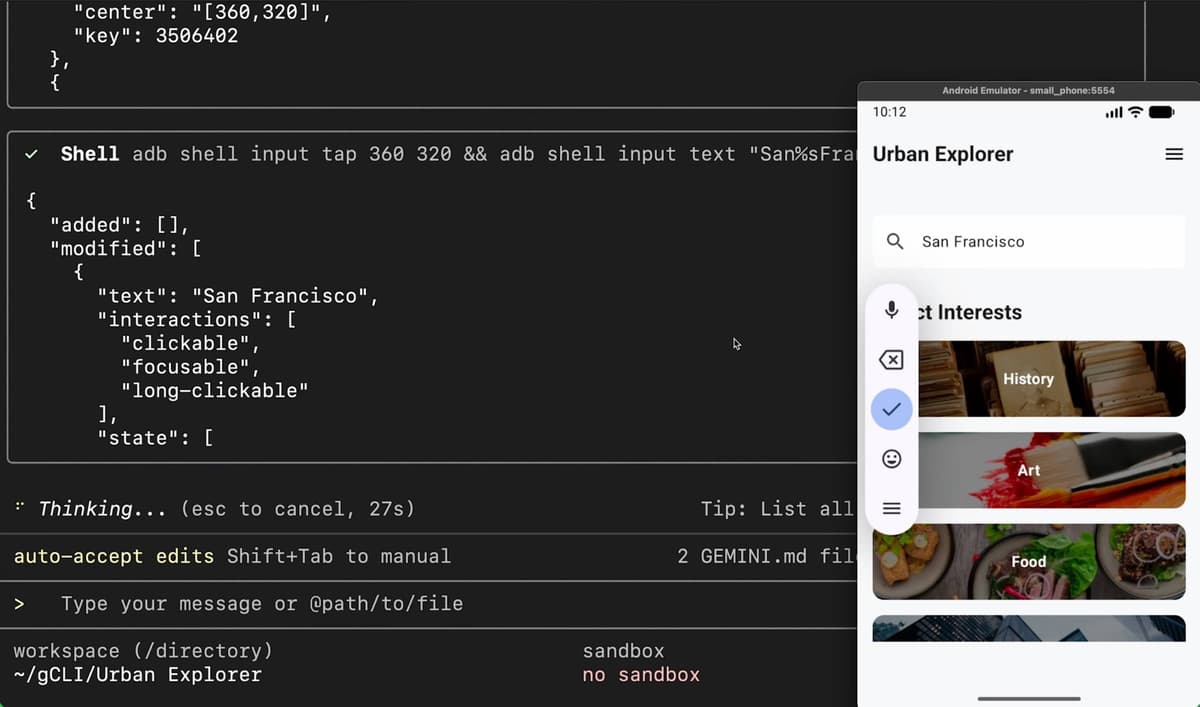
New Android Development Tool Designed for Robots, Not Humans
Google unveiled an Android command‑line interface (CLI) built for AI agents, promising a 70% reduction in token usage and a three‑fold speedup in task completion. The tool complements Android Studio, letting agents generate projects that can later be refined in...

OpenClaw AI Deployment on Dedicated Servers: A Practical Infrastructure Guide
OpenClaw AI agents require dedicated server infrastructure to meet their persistent, memory‑intensive workloads. Shared or virtual environments cause CPU throttling, I/O latency, and unreliable context handling, forcing costly migrations later. The guide outlines hardware baselines—32 GB RAM, NVMe storage, and dedicated...
What KubeCon EU 2026 Tells About the State of AI and Platform Engineering
KubeCon EU 2026 drew 13,350 attendees as the cloud‑native community swelled to 19.9 million, underscoring a rapid shift toward serious AI adoption. Platform Engineering emerged stronger, with teams demanding ready‑made, extensible internal developer platforms (IDPs) that can govern both human and...
Local vs Remote MCP Servers – Which Should You Choose?
Model Context Protocol (MCP) servers let AI applications pull live data, tools, and prompts, bridging the gap between static LLM knowledge and up‑to‑date enterprise information. Architects must decide whether to host MCP servers locally or remotely, a choice that influences...
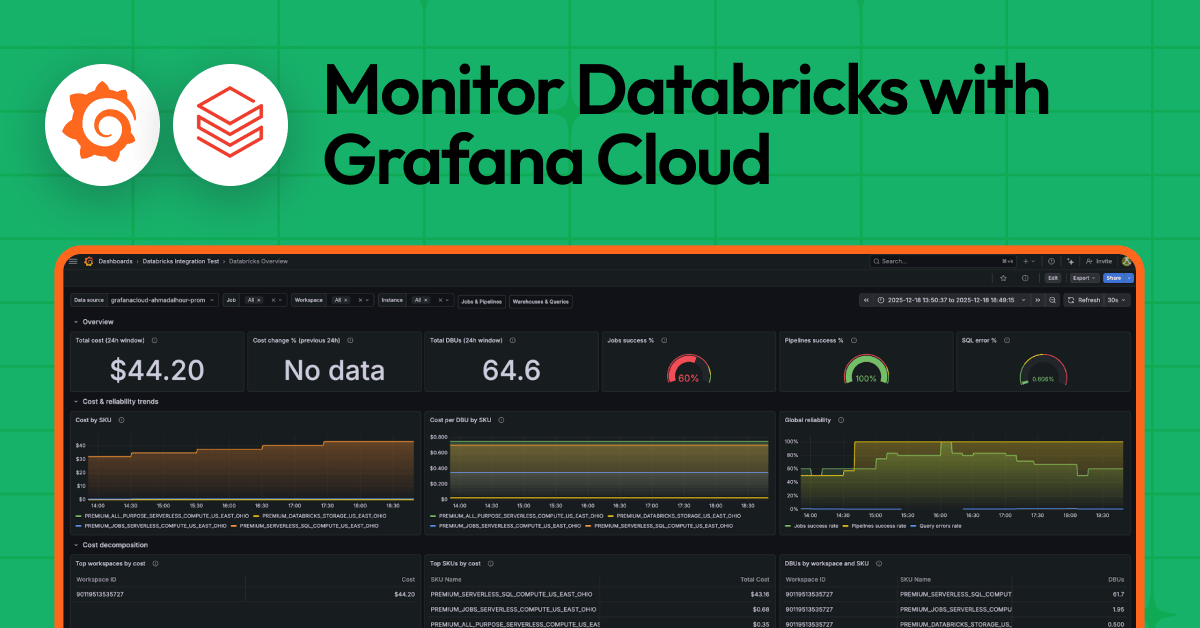
Monitor Databricks with Grafana Cloud for Instant Visibility Into Your Workloads
Grafana Cloud launched a native Databricks integration that streams billing, job, pipeline, and SQL warehouse metrics directly into Grafana dashboards. The offering includes three prebuilt dashboards and 14 default alert rules tailored for FinOps, SRE, and analytics teams, eliminating the...
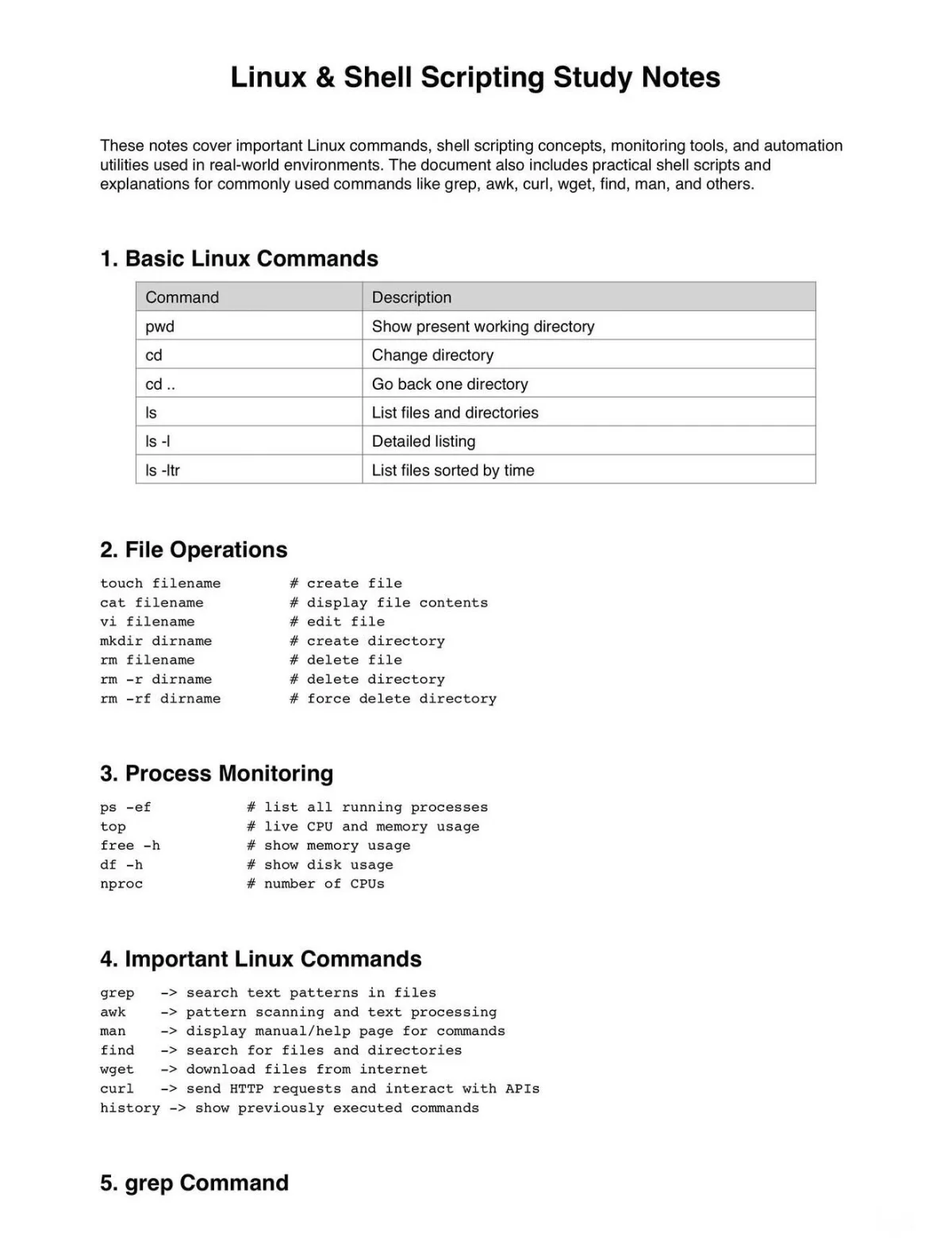
Master Linux & Shell Scripting for Scalable Automation
Master Linux & Shell Scripting in one scroll 🐧⚡️ From basic commands → process monitoring → powerful tools like grep, awk, find, curl… this is the foundation every DevOps engineer needs. If you can automate it, you can scale it. What you’ll learn: •...

Deploying Cross-Site Replication in Percona Operator for MySQL (PXC)
The article walks through configuring cross‑site disaster‑recovery for Percona XtraDB Cluster (PXC) using the Percona Operator for MySQL in Kubernetes. It details a three‑node primary cluster, exposing nodes via LoadBalancer services, taking an S3‑backed backup, and restoring it on a...

From Public Static Void Main to Golden Kubestronaut: The Art of Unlearning
A former Java developer recounts his ten‑year journey from writing a single public static void main to earning all five CNCF certifications and the Golden Kubestronaut title. He explains that moving to Kubernetes forced him to unlearn monolithic assumptions and embrace...

AI-Driven Kubernetes in Action: Exploring AI-Assisted Kubernetes Operations
AI is reshaping Kubernetes management by moving from reactive troubleshooting to proactive, automated operations. By integrating machine‑learning models, organizations can achieve real‑time anomaly detection, predictive resource scaling, and self‑healing clusters. Leading tools such as Kubeflow, K8sGPT, and kubectl‑ai demonstrate how...

Uber CTO Says Anthropic AI Spend Exhausts 2026 Budget, Highlights Scaling Costs
Uber's chief technology officer, Praveen Neppalli Naga, disclosed that the company's aggressive rollout of Anthropic's Claude Code has already consumed its entire AI budget for 2026. The overrun forces Uber to rethink its AI strategy even as AI‑generated code now...

TVU Networks Teams with Tencent Cloud to Launch Global Live‑Streaming Production Platform
TVU Networks announced a strategic partnership with Tencent Cloud at NAB 2026 to deliver a next‑generation cloud‑native live‑streaming production and distribution platform. The solution leverages TVU’s microservices architecture and Tencent’s global edge network to offer ultra‑low latency, AI‑driven editing and...

Vercel Discloses Breach Impacting Internal Systems and Limited Customers
Vercel announced that unauthorized actors accessed its internal systems, affecting a limited subset of customers. The company has engaged incident‑response experts and law enforcement while urging customers to review logs and rotate secrets. The breach raises fresh concerns about supply‑chain...

Quickplay Revamps TVNZ+ with Cloud‑Native OTT Platform in 12‑Month Sprint
Quickplay finished a 12‑month, cloud‑native rebuild of Television New Zealand’s streaming service TVNZ+, replacing a fragmented vendor stack with a single platform on AWS. The upgrade adds AI‑powered personalization, co‑viewing ad data and a unified live‑ops console, positioning TVNZ+ to...
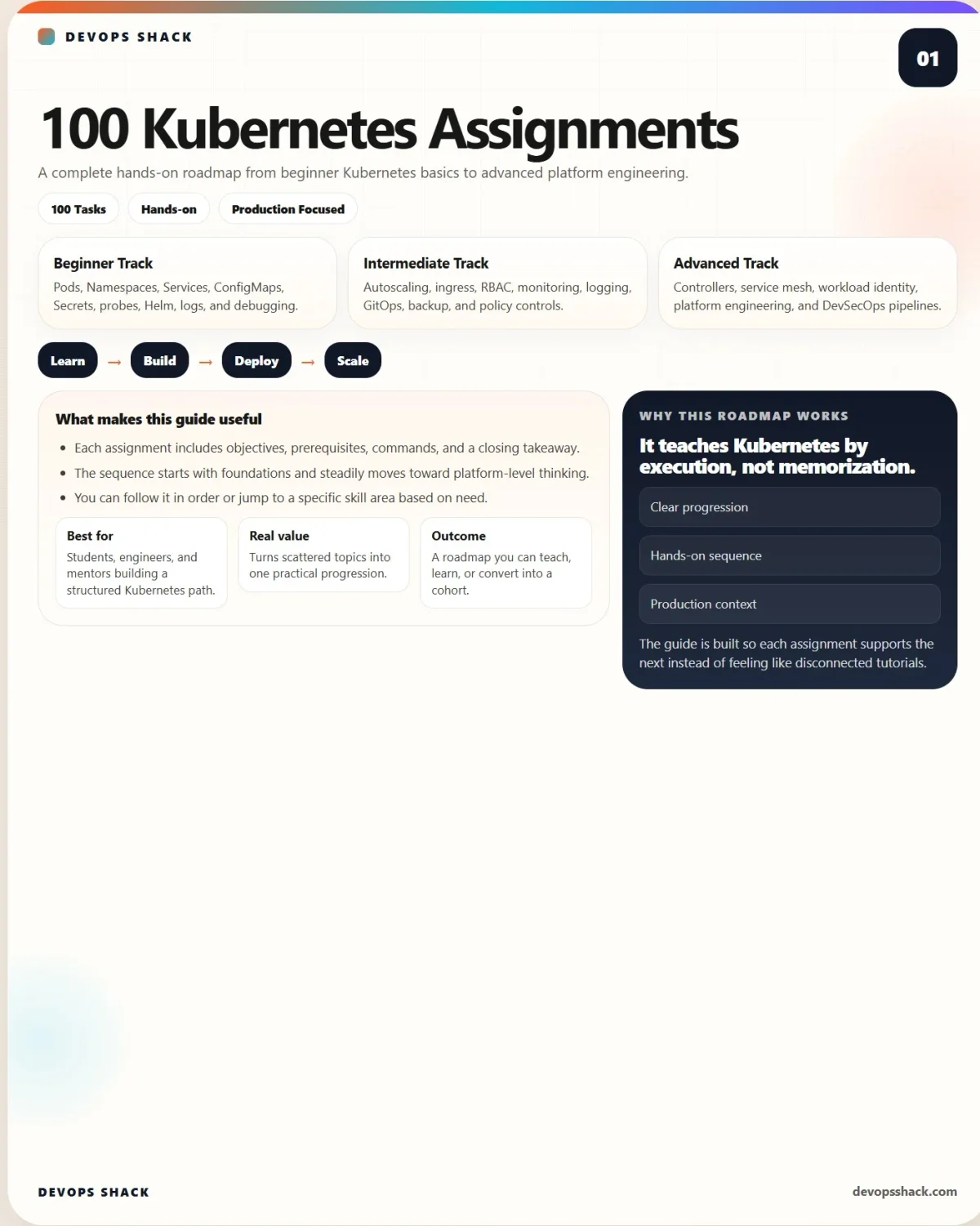
100 Kubernetes Challenges: From Beginner to Advanced
100 Kubernetes assignments Beginner → Advanced 💬 Comment K8S 📌 Save this 👀 Follow @devopsshack #kubernetes #k8s #devops #cloud #aws #docker #cicd #cloudnative #sre #platformengineering #devsecops #softwareengineering #backend #techlearning #devopsshack

Auditing AI Code Exposes Chaos; New Tools Prevent Repetition
I spent two weeks auditing my own AI-generated code. It was a train wreck. A taxonomy of the slop I found, and the tools I built to stop repeating it. https://t.co/XZj5NEHjZI

Cloudflare Launches Agent Cloud Upgrade to Power Millions of Enterprise AI Agents
Cloudflare announced a major expansion of its Agent Cloud platform, adding Dynamic Workers, Artifacts storage, Sandboxes and a new Think framework. The upgrades let enterprises run millions of autonomous AI agents at scale, cutting latency and cost while providing secure,...
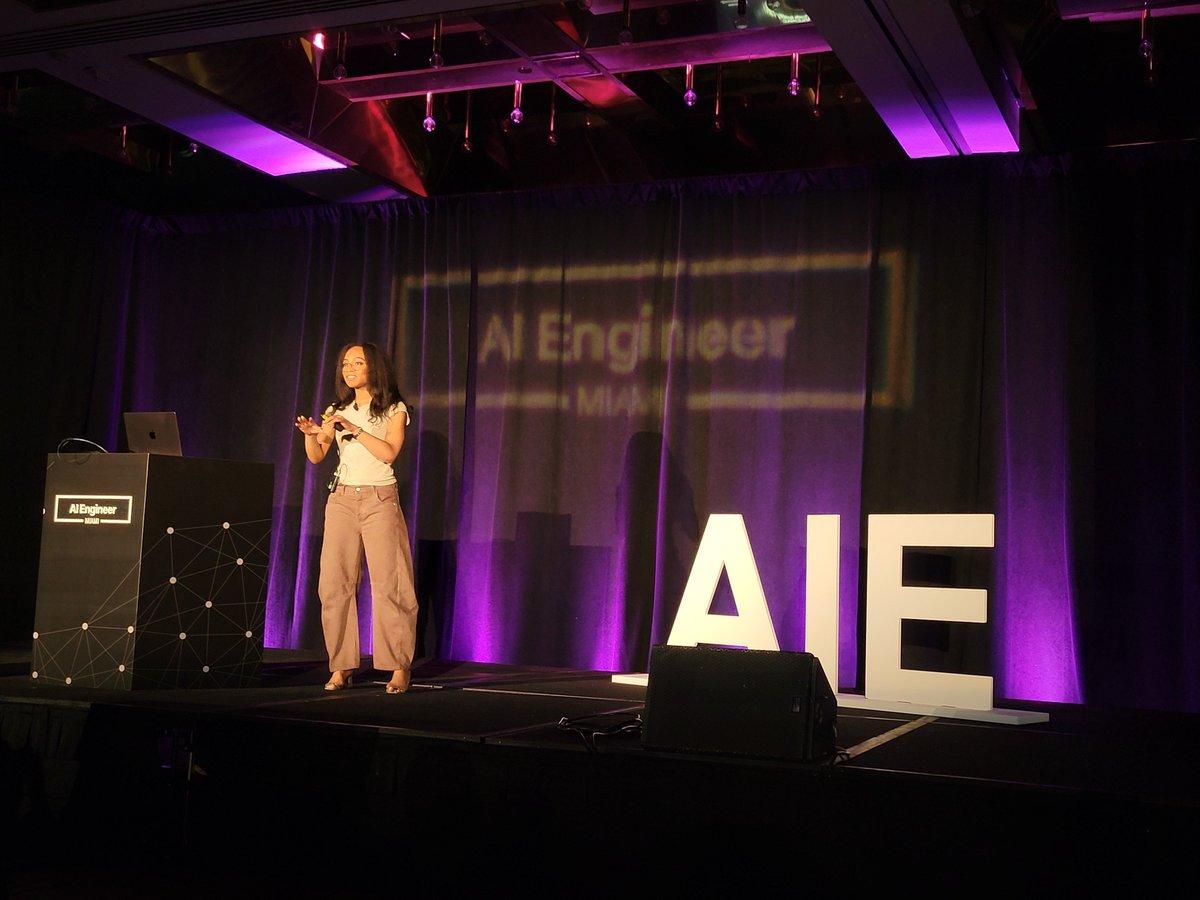
Embedding AI Quality Gates Boosts Output Reliability
Great, practical talk by @nnennahacks on embedding AI quality gates such as agent rules and skills to get better output #AIEngineer https://t.co/8LjOBvffTG
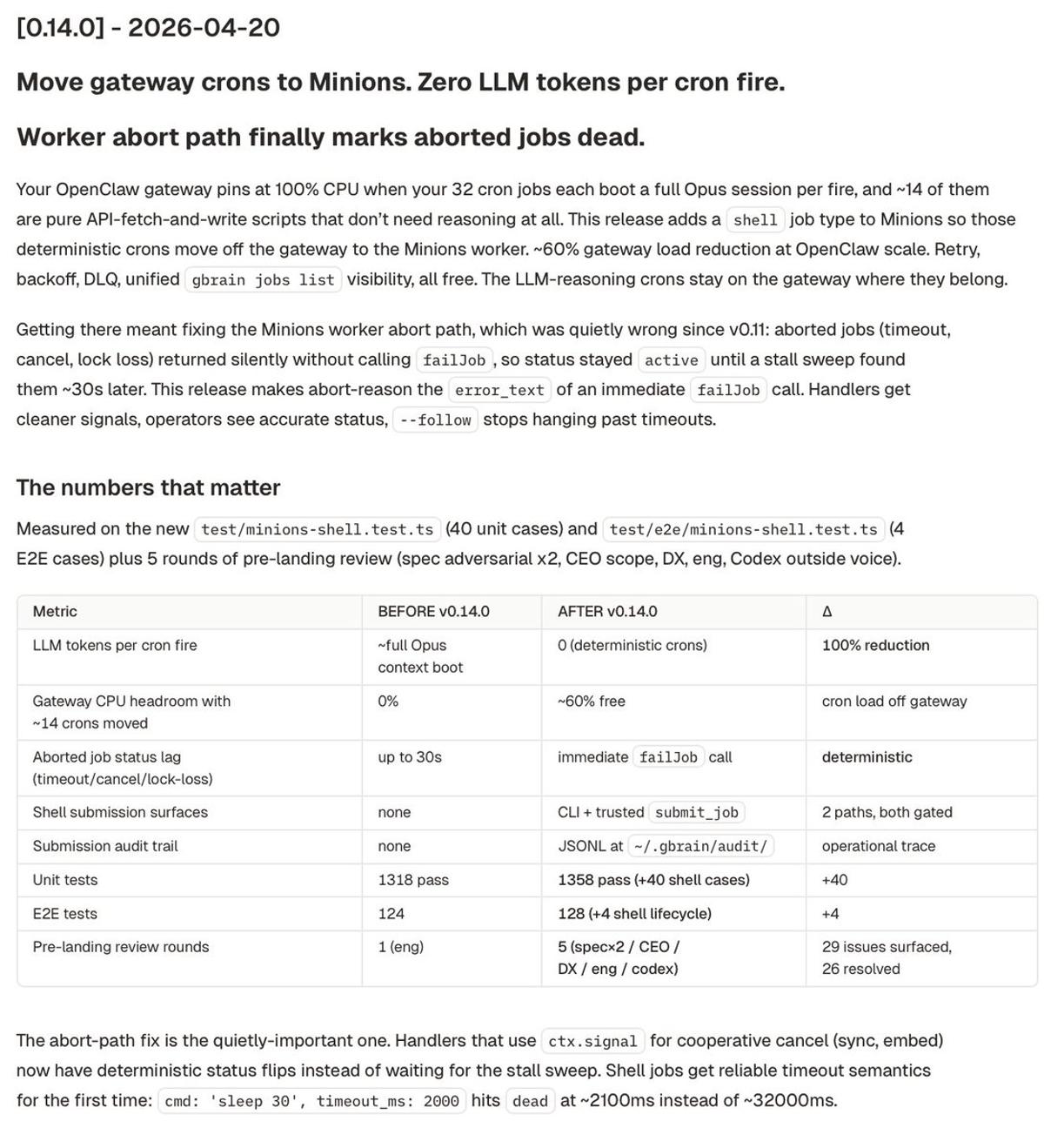
GBrain v0.14 Adds Jobs Server, Boosting Throughput, Easing Gateway Load
GBrain v0.14 now has a jobs server for OpenClaw that significantly increases throughput and reduces gateway load, based on proven patterns from BullMQ. https://t.co/Nd11e6gDUR

Vercel Teams with NanoCo to Add AI Agent Approval Dialogs in 15 Messaging Apps
Vercel, the cloud‑front platform, announced a partnership with NanoCo (formerly NanoClaw) and OneCLI to embed policy‑setting approval dialogs for autonomous AI agents in 15 messaging apps. The integration uses Vercel’s Chat SDK and OneCLI’s credentials vault to shift security from...

Elastic Unveils AI‑Powered Observability Features in 2026 Spring Release
Elastic introduced AI‑suggested log processing and out‑of‑the‑box alert templates during its 2026 Spring webinar on May 16, expanding its observability stack to help enterprises automate insight from complex data streams. The rollout targets faster detection and reduced manual configuration for...

Why Your E-Commerce Dev Team Ships Slower than Your Competitors (and How to Fix It)
E‑commerce development teams often ship slower not because of headcount but due to hidden infrastructure friction such as shared staging, manual pipelines, and fragmented compliance. These bottlenecks turn week‑long feature cycles into month‑long projects, causing missed campaign windows. Upsun’s platform...
Prepare Your Pipeline for AI-Discovered Zero-Days
Anthropic's Mythos preview model uncovered thousands of zero‑day vulnerabilities, including a 27‑year‑old OpenBSD bug, and chained four flaws into a functional browser exploit. The company warns that comparable AI‑driven attack tools could appear in the hands of adversaries within six...
Bitbucket Cloud Meets Pulumi Cloud
Pulumi Cloud has added Bitbucket Cloud as a first‑class version‑control integration, joining GitHub, GitLab and Azure DevOps. Teams can connect a Bitbucket workspace to a Pulumi stack and trigger infrastructure deployments on every push, with path filters and secret management...

SmartBear Adds AI‑driven API Drift Detection to Swagger
SmartBear has rolled out an update to its Swagger tooling that embeds AI‑assisted features to detect and remediate API contract drift. The move targets a surge in drift incidents linked to AI‑generated code, aiming to tighten CI/CD reliability for developers.