
How Norway's Welfare System Moved 400GB of Daily Logs to Managed OpenSearch without a Service Interruption
Norway’s welfare agency NAV replaced its legacy Elasticsearch logging stack with a managed OpenSearch service from Aiven, driven by a license change and a broader cloud migration. The migration used a dual‑write approach, sending logs to both systems simultaneously, which eliminated any data‑transfer window and avoided downtime. After the cut‑over, NAV ran the same 400 GB of daily logs on 15 nodes—significantly fewer than the original 40‑node Elasticsearch cluster. The project also prompted tighter data‑governance and spurred Aiven to add a managed Data Prepper service.

Cloudflare Unveils Multi‑Cloud Platform Architecture to Strengthen Enterprise DevOps Security
Cloudflare announced a reference architecture for its Multi‑Cloud Platform (MCP), giving enterprises a blueprint to scale secure, governed cloud‑native networks. The design emphasizes centralized governance, remote server infrastructure, and cost controls, addressing the security and compliance pressures facing modern DevOps...

AI Code Generators Miss Runtime Monitoring, Boost Debugging Risks
AI Code Generation's Blind Spot: No Runtime Monitoring 43% of AI-generated changes need production debugging = significant post-deployment risk. Problem: AI coding tools (GitHub Copilot, Claude Code, Cursor, etc.) generate code but lack runtime visibility. What engineering leaders want: AI that...

Making Rust Workers Reliable: Panic and Abort Recovery in Wasm‑bindgen
Cloudflare has upgraded Rust Workers with full WebAssembly error recovery, adding `panic=unwind` support and abort‑handling mechanisms through wasm‑bindgen. The new runtime prevents a single panic or abort from poisoning the entire worker instance, preserving in‑memory state for concurrent requests. These...

Grafana Offers AI Assistant for Free, Warns Users Not to Go Mad
Grafana announced that its AI assistant, previously cloud‑only, is now free for open‑source and on‑premise users, though it requires a Grafana Cloud account for LLM connectivity. The company also unveiled Grafana 13, featuring dynamic dashboards, DORA‑aligned templates, a revamped query editor,...
Grafana Offers AI Assistant for Free, Warns Users Not to Go Mad
Grafana announced that its AI‑driven Grafana Assistant is now free for on‑premise and open‑source users, though it still requires a Grafana Cloud account for the large‑language‑model backend. At the same event the company unveiled Grafana 13, featuring dynamic dashboards, DORA‑style templates,...

"While the Engineers Slept, the Agents Kept Building": AWS UK Chief Touts Big Gains with AI-Powered Coding
At the AWS Summit London, VP Alison Kay highlighted that AWS developers used the company’s Kiro AI coding agent to rebuild the Bedrock inference engine in just 76 days, a task previously estimated to need 40 engineers for a year....
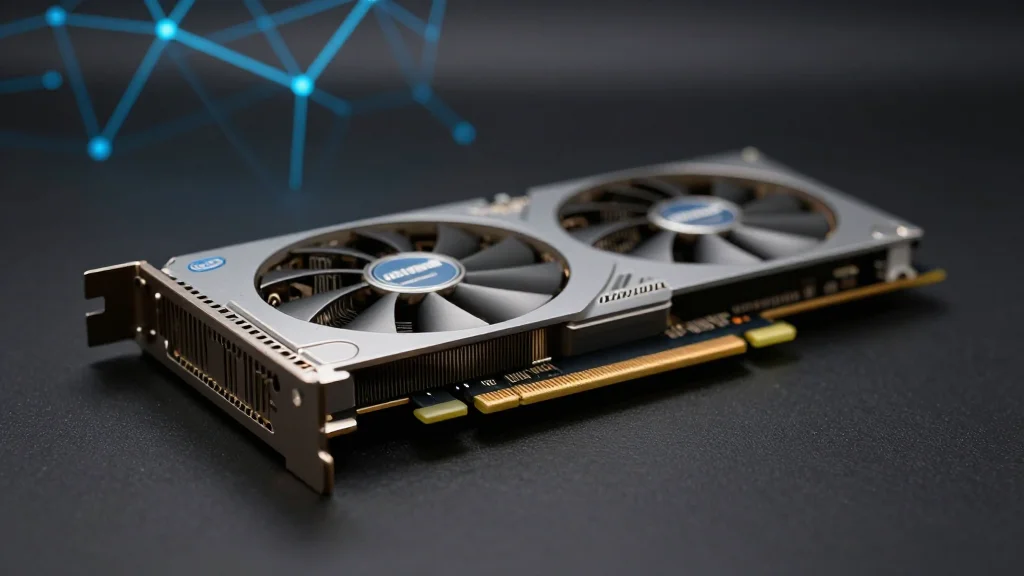
Intel LLM-Scaler vllm-0.14.0-b8.2 Released With Official Arc Pro B70 Support
Intel released LLM‑Scaler vllm‑0.14.0‑b8.2, officially adding support for the Arc Pro B70 GPU. The update refreshes the Docker platform image to intel/llm-scaler-platform:26.18.8.2 and continues the Project Battlematrix push for multi‑GPU AI inference on Intel Arc hardware. The B70, a 32 GB VRAM card...
CoreWeave Expands Multi-Cloud AI Stack at Google Cloud Next
CoreWeave announced a suite of multi‑cloud AI tools at Google Cloud Next, including a private interconnect that slashes deployment times from months to days. The company also launched SUNK Anywhere, a unified Slurm‑on‑Kubernetes control plane that spans CoreWeave, Google Cloud,...

GitLab Teams with AWS to Deliver Agentic DevSecOps Workflows via Amazon Bedrock
GitLab and Amazon Web Services have announced a deep integration that routes the GitLab Duo Agent Platform through Amazon Bedrock. The partnership lets enterprise customers run AI‑powered DevSecOps workflows on their existing AWS accounts, leveraging current IAM policies and spending...

Dockerfile Practices Are a DevOps Tax Before They Are a Security Concern
Dockerfiles silently accrue technical debt as developers prioritize speed over structure, leading to bloated images, inconsistent builds, and longer CI times. Advait Patel’s open‑source DockSec tool combines Trivy, Hadolint, Docker Scout, and an AI layer to detect inefficient Dockerfile patterns...

Build Once in OpenClaw, Automate Forever with /Skillify
Basically how I'm building all my features these days: Do it once in OpenClaw, then just run /skillify and it does it like that forever

The Ultimate Guide to Claude Managed Agents 🤖
On April 8 2026 Anthropic unveiled Claude Managed Agents, a set of composable APIs that let developers build and run production AI agents on Anthropic’s cloud without managing runtime infrastructure. The service abstracts sandboxing, session persistence, credential isolation, error recovery and observability,...

How to Implement OTA Firmware Update on MCUs
The article walks design engineers through implementing over‑the‑air (OTA) firmware updates on NXP’s RW612 MCU using a “staging + copy” workflow. Because the RW612 stores its application image in external serial NOR flash, the update routine relies on NXP’s ROM‑resident FlexSPI API...

Groundcover Eyes Visibility Gap in Agentic AI Monitoring by Targeting Multi-Step Workflows
Groundcover announced an expansion of its AI Observability service, adding native support for Google Vertex AI and targeting multi‑step agentic workflows. The platform uses a patented eBPF sensor to automatically capture every LLM interaction, token usage, and tool call without...

Antony Pegg: Introducing the AI DBA Workbench: PostgreSQL Monitoring That Diagnoses, Not Just Reports
pgEdge has launched the AI DBA Workbench, a self‑hosted PostgreSQL monitoring platform now in public beta. The solution combines a zero‑agent collector with 34 built‑in probes, a three‑tier anomaly detection engine, and an LLM‑driven AI assistant named Ellie that can...
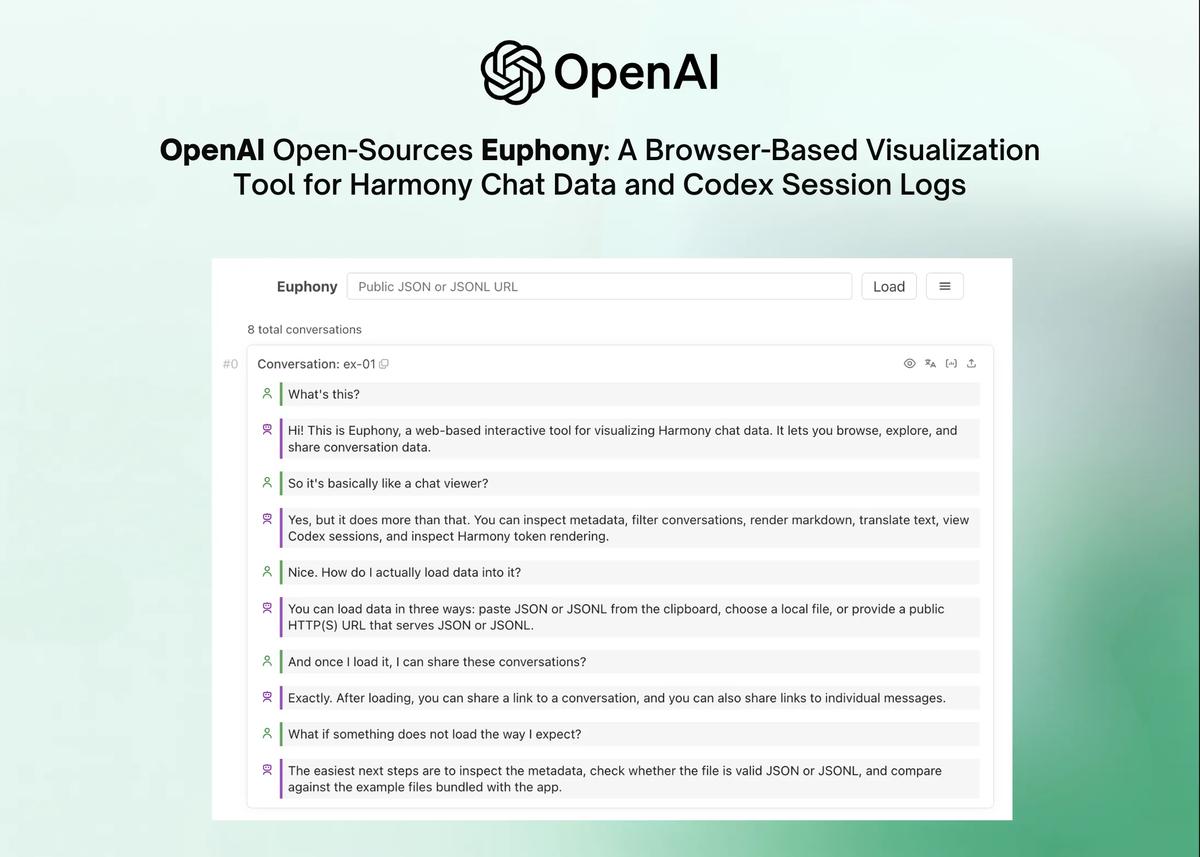
OpenAI Open-Sources Euphony: A Browser-Based Visualization Tool for Harmony Chat Data and Codex Session Logs
OpenAI has open‑sourced Euphony, a browser‑based tool that transforms raw Harmony chat JSON and Codex session logs into interactive conversation timelines. The web app auto‑detects four data structures, rendering them with metadata panels, JMESPath filtering, focus mode, grid view, and...
I Compared the Best Software Testing Tools for 2026
Software testing has become a multi‑billion‑dollar industry, with the global market projected at $57.7 billion in 2026. In a new guide, Somya Jain evaluates nine leading testing solutions—BrowserStack, Postman, Salesforce Platform, ACCELQ, Apidog, QA Wolf, Qase, Testlio and BlazeMeter—based on user reviews,...

Moonshot AI's Kimi K2.6 Runs Agents for Five Days, Exposing Enterprise Orchestration Limits
Moonshot AI unveiled Kimi K2.6, a model that kept autonomous agents running for five straight days and coordinated up to 300 sub‑agents across 4,000 steps. The marathon run underscored how most enterprise orchestration platforms, built for short‑lived tasks, are cracking...

Day 53: Distributed Indexing Across Multiple Nodes
The post outlines a distributed indexing architecture that spreads a partitioned search index across three or more nodes using consistent hashing, a scatter‑gather query coordinator, and a primary‑replica replication layer. It highlights the limitations of single‑node indexes—RAM exhaustion, I/O‑bound write...

Elastic Unveils AI‑Powered Observability Features in Spring 2026 Guide
Elastic released its Spring 2026 guide, introducing AI‑suggested log processing and out‑of‑the‑box alert templates to accelerate issue detection and reduce manual configuration. The announcement was tied to a May 16 webinar aimed at showcasing the new capabilities to developers and...
Agent Sprawl Is Here. Your IaC Platform Is the Answer.
Enterprises are rapidly adopting AI agents—96% run them in production, yet only 12% have centralized management. This sprawl creates security, compliance, and audit challenges as agents proliferate across cloud accounts with unmanaged credentials. Pulumi argues that an Infrastructure‑as‑Code (IaC) platform...

Red Hat Performance and Scale Engineering
Red Hat’s Performance and Scale Engineering team highlighted several breakthroughs in enterprise AI inference. The company posted industry‑leading MLPerf Inference v6.0 results, topping throughput benchmarks for GPT‑OSS‑120B, Whisper‑Large‑v3, Qwen3‑VL‑235B‑A22B and Llama‑2‑70B on NVIDIA H200, B200 and AMD MI350X GPUs. New...

Kimi Open‑Sources K2.6, Its Most Powerful Code‑Generation Model Yet
On April 20, Kimi announced the open‑source release of K2.6, its most advanced code‑generation model. The model can execute 13‑hour coding sessions, produce over 4,000 lines of code, and supports a 300‑agent cluster, positioning it against leading closed‑source rivals.

Seeking Best Practices for Managing Multiple AI Coding Agents
Are you managing multiple AI coding agents? If so, how are you doing it? Are you using an orchestration tool? Another agent to manage the agents? I'm starting to work with Claude Agent Teams and as well as just running multiple...
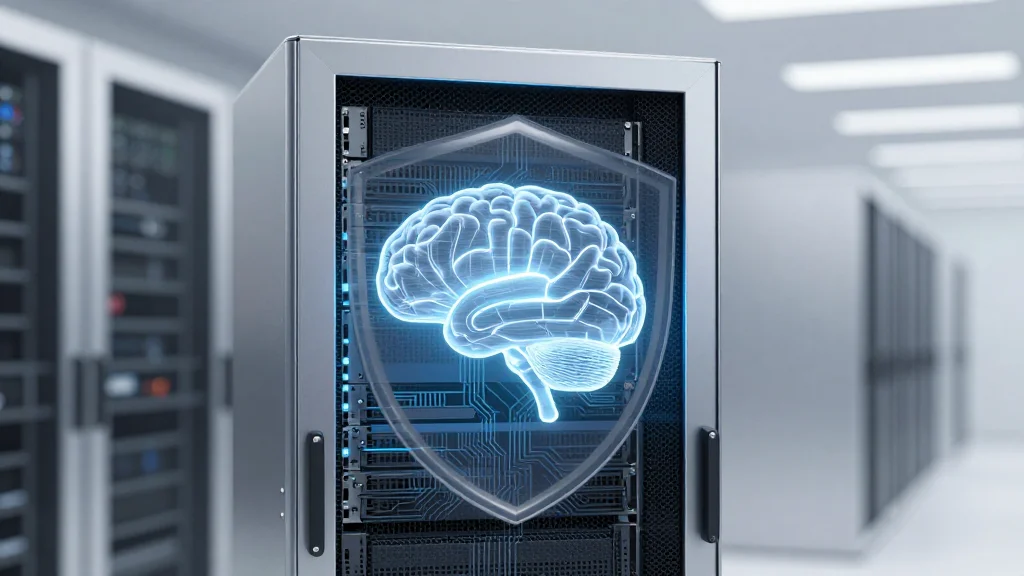
AWS Bedrock: The Future of Enterprise AI
Amazon Web Services launched Bedrock, a managed platform that lets enterprises run multiple foundation models without handling infrastructure. The service bundles models from Amazon, Anthropic, Meta, Cohere, Stability AI and Mistral, and adds first‑class retrieval‑augmented generation, agent orchestration, and tight...

Why Microsoft Is Betting on Temporary Identities to Stop Autonomous Agents From Going Rogue
Microsoft is introducing temporary, scoped identities for AI agents running on Azure Kubernetes Service, ensuring agents receive only the permissions needed for a specific task before automatic revocation. At KubeCon Europe 2026, the company demoed an agent that diagnosed and...

Mozilla Used Anthropic’s Mythos to Find and Fix 151 Bugs in Firefox
Mozilla announced that its Firefox 150 release incorporates fixes for 151 bugs and patches 271 vulnerabilities discovered with early access to Anthropic’s Mythos Preview AI model. The collaboration allowed the Firefox team to automate a broader search of the codebase, uncovering...

Effective Harnesses Unlock Model Potential, Not Just Architecture
.@addyosmani shares hot takes: "A decent model with a great harness beats a great model with a bad harness" "The gap between what today’s models can do and what you see them doing is largely a harness gap." "A harness is a living...

Use S3 and DynamoDB for Terraform State Management
How do you manage your terraform infrastructure ? S3 + dynamo Db for your tfstate. Thats the foundation to your infrastructure. Just a gentle reminder

Kimi K2.6 Runs Agents for Days — and Exposes the Limits of Enterprise Orchestration
Moonshot AI unveiled Kimi K2.6, an open‑source model built for continuous, long‑horizon AI agents. The model can keep agents alive for hours—or even five straight days—while coordinating up to 300 sub‑agents across 4,000 steps. Early adopters report it compiled a...

Open‑source CrabTrap Secures AI Agents with Policy‑Based Proxy
Brex just open-sourced CrabTrap. A transparent HTTP proxy that sits between your AI agent and every external API it calls. Okta, but for agents. AI agents in production are getting real credentials now. API keys. OAuth tokens. Database access. Write privileges to...
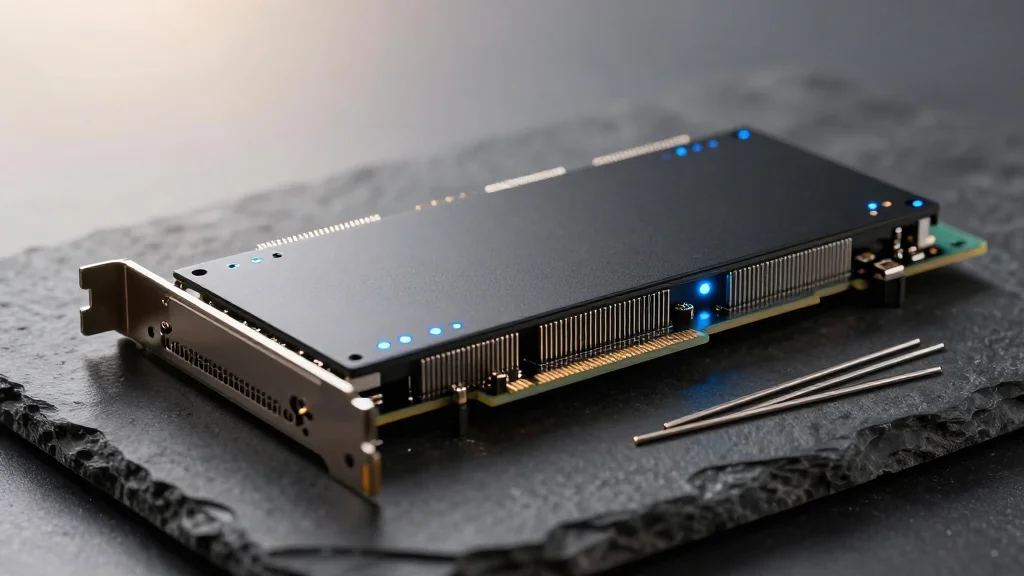
Google Open‑sources Gemma 4 Series, Promising Ultra‑efficient AI for Self‑hosted CI/CD
Google has released the open‑source Gemma 4 model family, a four‑size series that delivers record parameter efficiency and strong benchmark scores. The models’ low‑memory footprint and edge‑ready designs position them as a cost‑effective alternative for self‑hosted AI services in DevOps workflows.

From 80 Days to 5: How Banco Bradesco Accelerated Digital Product Delivery with HCP Terraform
Banco Bradesco slashed its infrastructure provisioning cycle from 80 days to just five by making Terraform the central control plane of its platform‑engineering strategy. The bank integrated Terraform with Sentinel policies, ServiceNow change management, and automated CMDB registration, turning fragmented...
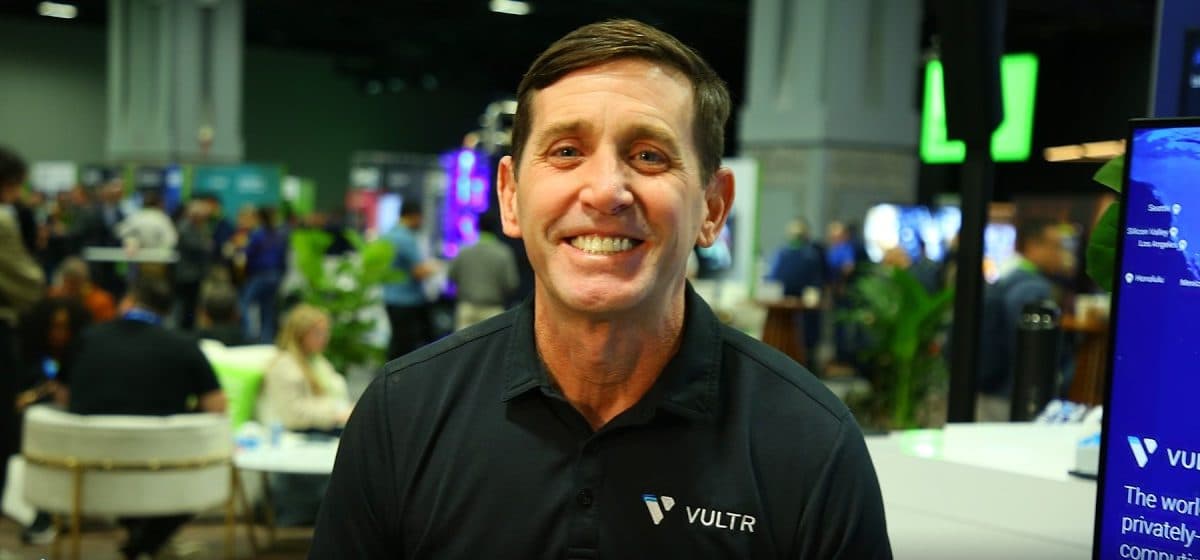
SUSE and Vultr’s Open Cloud Infrastructure Push Goes Global
SUSE and Vultr announced a global partnership to deliver an open‑cloud infrastructure tailored for AI and agentic applications. The joint solution combines SUSE’s Kubernetes and AI‑ops platform with Vultr’s compute, GPU, and bare‑metal services across 32 regions, promising 50‑90% lower...
MCP Dev Summit Solutions Showcase
The MCP Dev Summit showcased over 50 sponsors unveiling enterprise‑grade agentic AI solutions built on the MCP platform. Highlights included StackLock’s full‑stack security and governance suite, pgEdge’s AI‑enabled Postgres toolkit, and FastMCP’s open‑source Python framework paired with Prefect Horizon for...

AI Is Approving Our Pull Requests: Here’s How We Made It Safe
Intercom has deployed an AI‑driven pull‑request (PR) review Agent that now auto‑approves about 19% of PRs and handles over 93% of review work across its two main codebases. The system breaks review into specialized sub‑agents, enabling simultaneous checks of intent,...

Imagine An Army Of AI Minions Handling Incident Response
NeuBird.ai has launched an agentic AI platform that autonomously investigates incidents by correlating telemetry across AWS services and generating root‑cause analyses. The system builds dynamic service maps, runs multiple hypotheses in parallel, and assigns confidence scores to guide further investigation...
Auto-Diagnosing Kubernetes Alerts with HolmesGPT and CNCF Tools
STCLab’s two‑person SRE team built an AI‑driven investigation pipeline called HolmesGPT that automatically triages Amazon EKS alerts using the ReAct pattern. By feeding the LLM runbooks that specify available tools per namespace, they slashed unnecessary tool calls from 16 to...
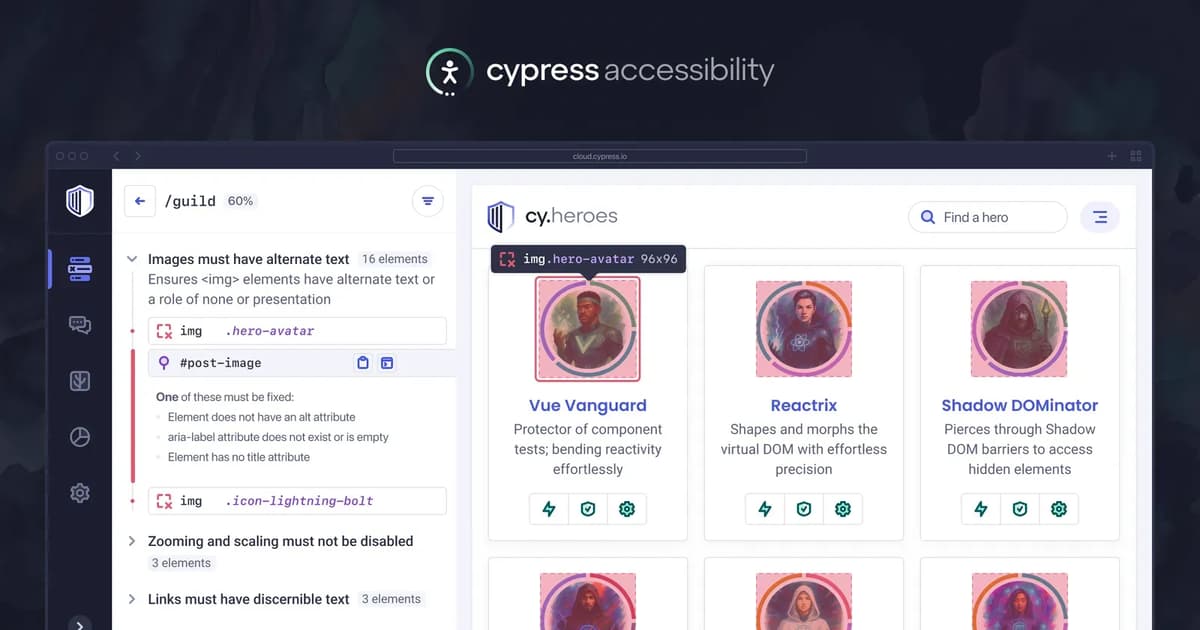
Cypress Accessibility and AI Agents
Cypress has released a new guide on leveraging AI agents to streamline accessibility testing. The guide explains how Cypress Cloud’s Model Context Protocol (MCP) surfaces thousands of accessibility snapshots for LLM analysis, enabling automated triage, remediation planning, and in‑browser debugging...

Azure DevOps MCP Server April Update
Microsoft released the April update for Azure DevOps MCP Server, adding a new `wit_query_by_wiql` tool for work‑item queries and expanding remote server capabilities with annotations and tool consolidation. The remote preview now tags tools as read‑only, destructive or open‑world and...

Microsoft Open‑Sources Agent Governance Toolkit, Covering All 10 OWASP AI Agent Risks
Microsoft has open‑sourced the Agent Governance Toolkit, the first framework to address every category in the OWASP Agentic AI Top 10. The MIT‑licensed project promises sub‑0.1 ms policy enforcement and built‑in compliance modules as autonomous AI agents see traffic explode by 7,851%...

Report: Utilization of Kubernetes Infrastructure Remains Abysmal
CAST AI’s 2026 State of Kubernetes Optimization Report reveals that average CPU utilization across tens of thousands of cloud‑based Kubernetes clusters dropped to 8% in 2025, with memory at 20% and GPUs languishing at 5%. Over‑provisioning has worsened, with CPU...

Why only 37% of Developers Trust AI for Incident Response
A PagerDuty study finds 68% of organizations lose more than $300,000 per hour during IT incidents, yet only 37% of developers trust AI for incident response. While 59% of IT leaders expect AI to cut downtime by over 20%, developers...
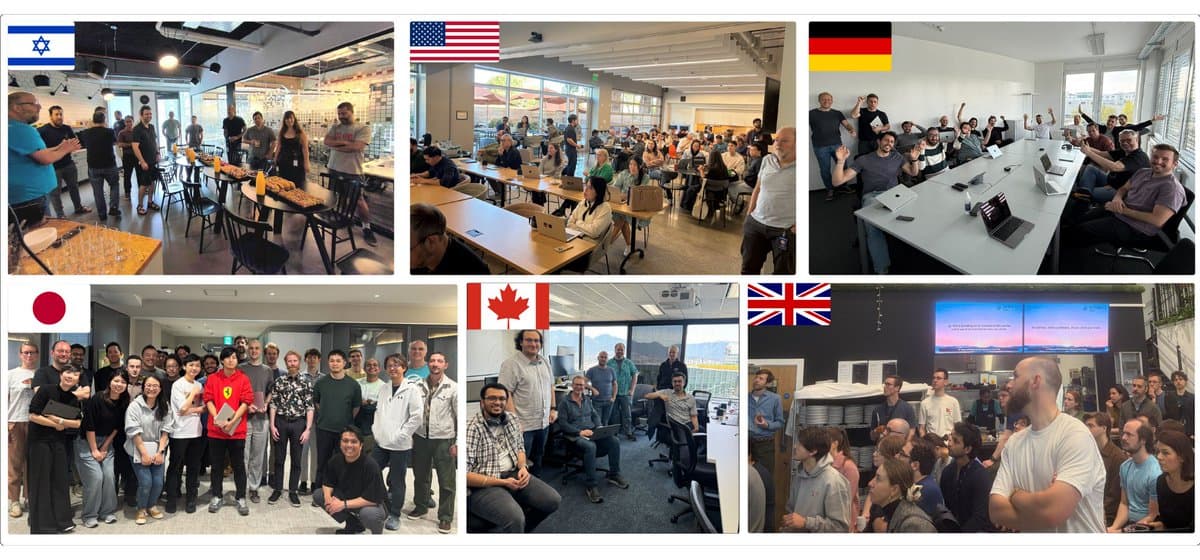
AI Agents Boost Productivity 50% and Empower All
Global AI Agents Day @ @wayve_ai 🌏🎉 Last Friday, I asked our company to clear calendars to get hands-on with AI agents. Why? If we want to stay at the frontier of AI, it’s not just about what we build — it’s how...
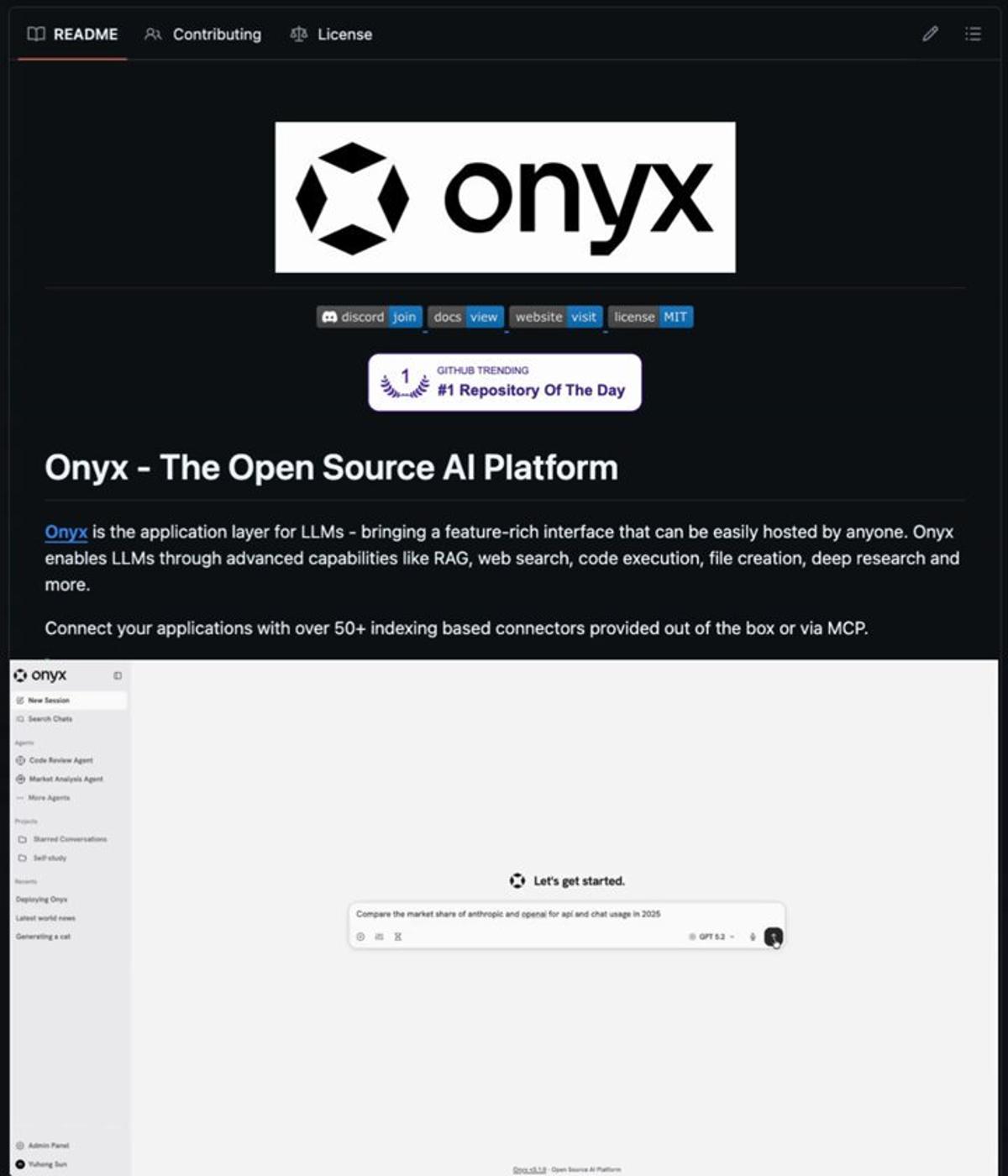
Onyx: Self‑Hosted AI Keeps Your Enterprise Data Private
Nobody is talking about this. There's an open-source AI platform with 17.3K stars that connects to 40+ of your internal tools and runs completely on your own servers. It's called Onyx. Most companies using ChatGPT Enterprise are feeding sensitive internal data to OpenAI's...
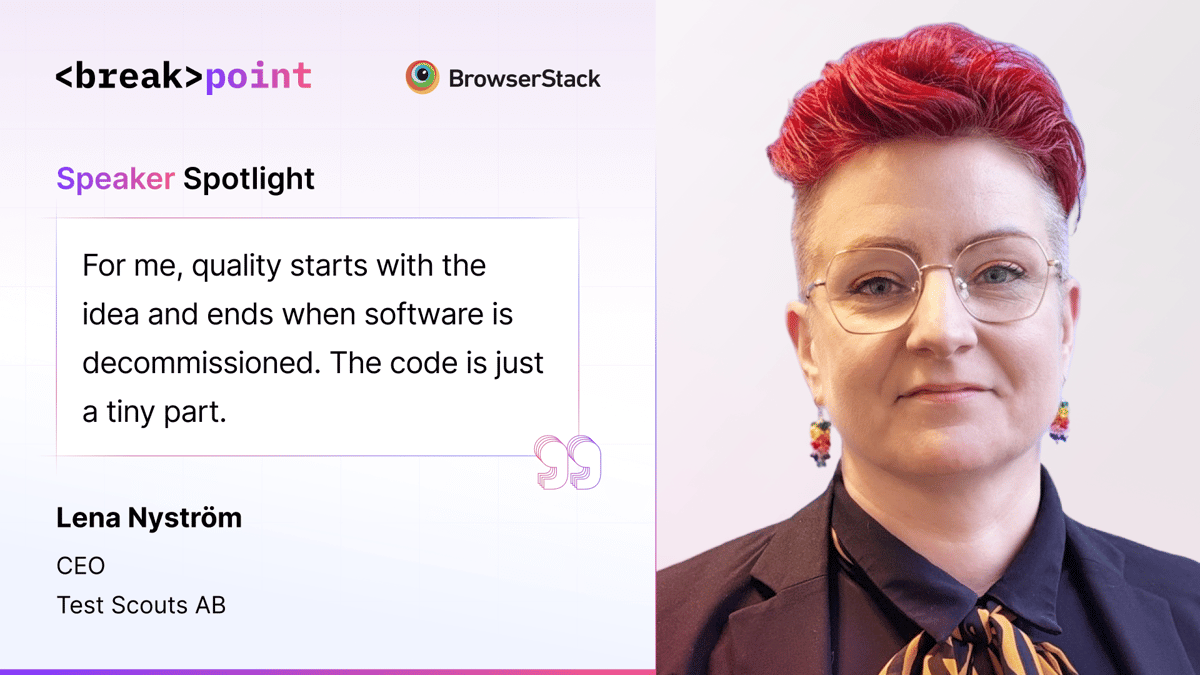
Breakpoint 2026 Speaker Spotlight: Lena Nyström, Test Scouts AB
Breakpoint 2026, a free virtual conference running May 12‑15, spotlights industry veterans like Lena Nyström, CEO of Test Scouts AB. Nyström, who transitioned from developer to testing leader since 1999, will lead a session on the hidden complexity of system messages—errors,...
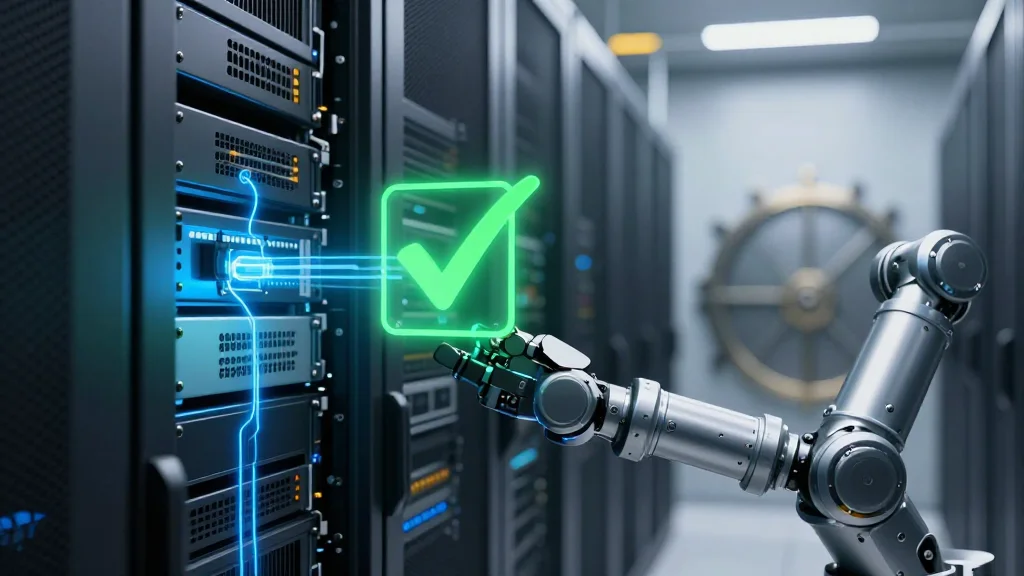
AI Bot Automates Bug Fixes and Launch Prep
Brad had our bugs channel agentmaxxed where our internal builderbot would fix issues with alignment, spacing, copy, etc etc with very little human involvement. Channel also checked for dupes, researched bigger issues, and gave weekly readouts to prep for launch...

AI Will Soon Replace Git, End Developer Frustration
God I hate git. I can't wait for the AI revolution to replace git with something better so completely that I never have to think about it again.
Instrument AI Agent Interactions Like Distributed Traces
RT Treat every AI agent interaction like a distributed trace: prompts, tools, model calls, actions, and outcomes - all instrumented #DevOps #AI @Star_CIO https://t.co/tRGwCPc4Mb