
New Observability Features in Red Hat OpenShift 4.21 and Red Hat Advanced Cluster Management for Kubernetes 2.16
Red Hat OpenShift 4.21 introduces the Cluster Observability Operator 1.4, delivering customizable Perses dashboards and an AI‑powered trace summarizer integrated with LightSpeed. The release also upgrades the Prometheus‑based monitoring stack with performance‑focused PromQL enhancements, UTF‑8 support, and tighter OpenTelemetry integration. OpenShift Logging gains flexible Loki persistent‑volume scaling, OTLP log export, and alternative authentication gateway support. In parallel, Red Hat Advanced Cluster Management 2.16 adds generally available right‑sizing recommendations for clusters, namespaces, and VMs, improving resource efficiency across multicluster environments.

Announcing Docker Hardened System Packages
Docker announced Docker Hardened System Packages, extending its Docker Hardened Images (DHI) security model to individual OS packages. The offering adds more than 8,000 hardened Alpine packages with Debian support slated soon, and maintains Docker’s SLSA Level 3 build pipeline and...

EY Hit 4x Coding Productivity by Connecting AI Agents to Engineering Standards
EY’s product development team boosted coding productivity four‑ to five‑fold by wiring AI coding agents into its engineering standards, code repositories, and compliance frameworks. The initiative required an 18‑ to 24‑month effort to embed cultural acceptance and technical integrations, moving...

Google Chrome Is Switching to a Two-Week Release Cycle
Google Chrome will move its major milestone releases to a two‑week cadence, beginning with Chrome 153 stable on September 8. The change aims to deliver new features, performance tweaks, and fixes faster while retaining weekly security patches. It applies to desktop, Android,...

Archipelo and Checkmarx Announce Partnership Connecting AppSec Detection with DevSPM
Archipelo and Checkmarx announced a technical partnership that links application vulnerability findings with development‑origin context. The integration combines Archipelo’s Developer Security Posture Management (DevSPM) with Checkmarx’s Application Security Posture Management (ASPM) to surface who, how, and whether AI tools contributed...

Open Source Isn’t Altruism. It’s How You Avoid Getting Surprised
The author reframes open source from an altruistic movement to a strategic risk‑management tool. The Terraform license change at HashiCorp sparked a swift community fork, OpenTofu, exposing how vendor‑controlled projects can surprise users. This episode highlighted the importance of transparent...

Cloud Architects Earn the Highest Salaries
Cloud architects remain the most in‑demand cloud role, commanding total compensation often exceeding $200,000. Their core value lies in translating business intent into secure, cost‑controlled designs that scale across dozens of teams. While many organizations can spin up workloads quickly,...
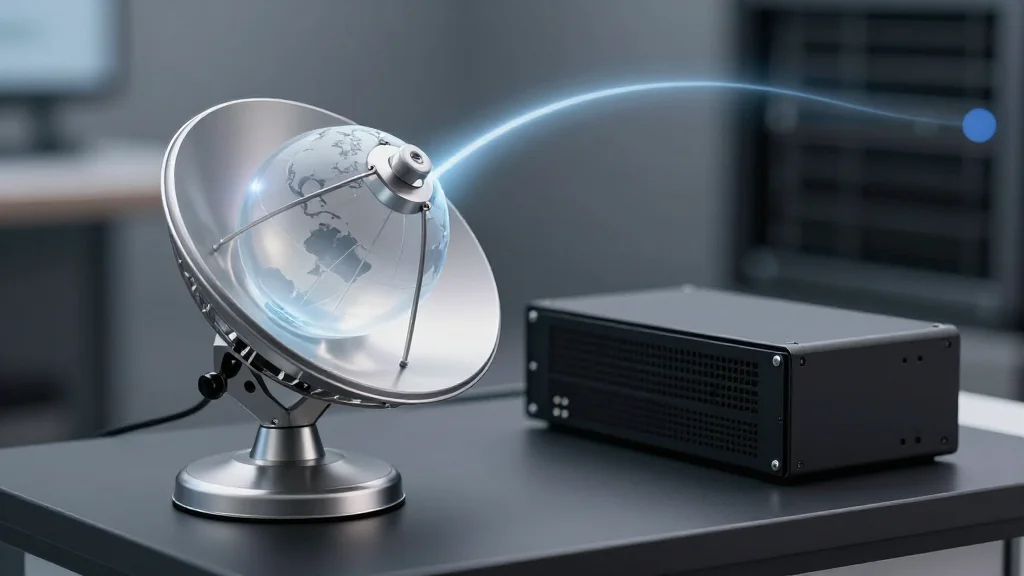
Scaling Earth and Space AI Models with Red Hat AI Inference Server and Red Hat OpenShift AI
Red Hat announced that its AI Inference Server now natively serves Earth and space foundation models such as NASA’s Prithvi‑EO, Prithvi‑WxC, and IBM’s TerraTorch models. The server leverages a hardened vLLM distribution and integrates with OpenShift AI to provide dynamic...
Simplifying Windows Licensing with OpenShift Virtualization on ROSA
Red Hat announced general availability of Windows License Included for OpenShift Virtualization on ROSA, allowing customers to run Windows virtual machines on AWS bare‑metal instances with licensing bundled into compute costs. The feature bills Windows usage per vCPU at the cluster...
Before Starting a Virtualization Migration Assessment: A Readiness Framework for a Successful Outcome
A Virtualization Migration Assessment (VMA) provides a data‑driven blueprint for moving workloads to Red Hat OpenShift Virtualization, beginning with a Day‑Zero readiness check. The framework evaluates infrastructure complexity, OS compatibility, storage footprint, workload criticality, and internal expectations to create a realistic...

Substantially Reduce Your PCI DSS Control Burden Through Inherited Infrastructure
Upsun introduces an "Inherited Compliance" model that shifts most PCI DSS infrastructure responsibilities to its secure‑by‑default cloud platform. Automated patch deployment and built‑in change logs keep the environment continuously compliant without manual effort. By defining the entire stack in a...

Token Efficiency vs Cognitive Efficiency: Choosing IaC for AI Agents
The Pulumi blog benchmark compares Terraform HCL and Pulumi TypeScript when generated by Claude Opus 4.6 and GPT‑5.2‑Codex. HCL consistently uses 21‑33% fewer tokens for initial resource creation, lowering raw generation cost. However, Pulumi’s TypeScript refactoring achieves higher deployable success...
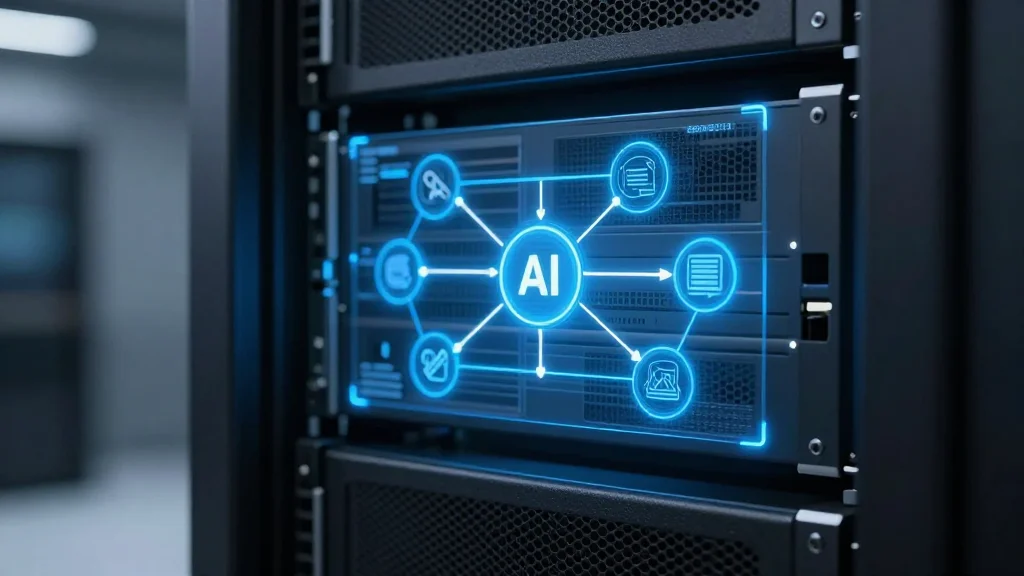
AWS Step Functions + AI: Smarter Orchestration in Modern Applications
AWS Step Functions is now tightly integrated with generative AI services such as Amazon Bedrock, giving developers a low‑code, visual platform to orchestrate complex, multi‑step AI workflows. By externalizing state, retries, and error handling, the service transforms monolithic Lambda implementations...

Investing in Infrastructure: Meta’s Renewed Commitment to Jemalloc
Meta announced a renewed focus on jemalloc, the high‑performance memory allocator that underpins its infrastructure. The company has unarchived the open‑source repository and outlined a roadmap to cut technical debt, modernize the codebase, and add features such as a stronger...

Your Engineering Intelligence Tool Told You What’s Broken. Now What?
Companies invest heavily in engineering intelligence dashboards that surface bottlenecks such as slow code reviews, flaky tests, and long CI pipelines. However, most tools only measure problems and leave remediation to manual ticket processes, turning insights into costly wallpaper. Port’s...
Kubernetes for DevOps Engineers: Mastering Modern Patterns
Kubernetes 1.35, released December 2025, deprecates cgroups v1 and retires the community‑maintained Ingress‑NGINX project, forcing a shift to the Gateway API for service exposure. The release also drops IPVS in favor of nftables, mandates containerd 2.0, and promotes in‑place vertical pod scaling as...

InsightFinder AI Launches ARI, an Operational Reliability Agent Built for the AI Era
InsightFinder AI unveiled Autonomous Reliability Insights (ARI), an operational reliability agent powered by its composite AI technology. ARI automates end‑to‑end incident management—detecting anomalies, diagnosing root causes, recommending or executing remediation, and generating predictive alerts. The solution embeds human‑in‑the‑loop approvals and...

OTTL Context Inference Comes to the Filter Processor
The OpenTelemetry Collector’s Filter Processor now supports OTTL context inference starting with collector‑contrib v0.146.0, introducing top‑level `*_conditions` fields that replace nested context blocks. Operators can write a flat list of expressions, and the processor automatically determines the correct telemetry context...
KubeCon + CloudNativeCon Europe 2026 Co-Located Event Deep Dive: Kubernetes on Edge Day
Kubernetes on Edge Day returns to KubeCon + CloudNativeCon Europe 2026, spotlighting how Kubernetes is deployed beyond data centers into resource‑constrained, distributed environments. Since its 2022 debut, the co‑located event has grown alongside the edge ecosystem, now featuring AI, telco, data, and...

Run Pulumi Insights on Your Own Infrastructure
Pulumi announced that its Insights platform can now be run on customer‑managed workflow runners, allowing enterprises to execute discovery scans and policy evaluations within their own infrastructure. The self‑hosted option supports both SaaS Pulumi Cloud and self‑hosted installations, and works...
AI Trust Through Open Collaboration: A New Chapter for Responsible Innovation
Red Hat’s acquisition of Chatterbox Labs has enabled a joint effort with Amazon’s Nova Responsible AI team to embed advanced safety testing into generative AI development. The collaboration introduced the AIMI platform’s Progressive Attack Escalation technique, allowing early detection of...

AWS Middle East Disrupted After ‘Objects Struck Datacenter’ Amid Iran War
Amazon Web Services reported a power outage in its UAE ME‑CENTRAL‑1 availability zone after unknown objects struck the datacenter, sparking a fire that temporarily halted EC2 APIs. Meanwhile, Australian software firm WiseTech Global announced up to 2,000 job cuts as...

A Complete End-to-End Coding Guide to MLflow Experiment Tracking, Hyperparameter Optimization, Model Evaluation, and Live Model Deployment
The article presents a step‑by‑step tutorial that builds a production‑grade MLflow workflow, covering tracking server setup, nested hyperparameter sweeps, automatic logging, model evaluation, and live REST‑API serving. It demonstrates how to configure a SQLite backend, use MLflow autologging for scikit‑learn...

Obsidian Sync Now Has a Headless Client
Obsidian has released a headless client for its Sync service, allowing vaults to be synchronized via a command‑line interface instead of the desktop app. The tool supports one‑time and continuous sync, can be driven by an authentication token for non‑interactive...

NDSS 2025 – JBomAudit: Assessing The Landscape, Compliance, And Security Implications Of Java SBOMS
The NDSS 2025 paper JBomAudit presents the first systematic study of Java Software Bill of Materials (SBOMs), analyzing 25,882 SBOMs and their associated JAR files. It finds that 7,907 SBOMs (about 30%) omit direct dependencies, and 4.97% of those hidden...

The Rise of Agentic AI in Production: Can Observability Systems Run Themselves?
The Grafana "Big Tent" podcast highlighted the rise of agentic AI in observability, featuring Resolve AI’s Spiros Xanthos and Grafana engineers. They discussed how AI agents use knowledge graphs to automate root‑cause analysis and troubleshoot production incidents. A real‑world example...

Before You Migrate: Five Surprising Ingress-NGINX Behaviors You Need to Know
Kubernetes will retire the community‑maintained Ingress‑NGINX controller in March 2026, prompting users to migrate to alternatives such as Gateway API. The blog outlines five unexpected Ingress‑NGINX behaviors—case‑insensitive regex matching, global use‑regex impact, implicit regex from rewrite‑target, automatic trailing‑slash redirects, and URL...

What Secure Digital Work Looks Like Next: Omnissa CEO Takes the Stage at IGEL Now & Next Miami 2026
Omnissa CEO Shankar Iyer will headline IGEL Now & Next Miami 2026, showcasing the company’s AI‑driven digital work platform that merges endpoint management, virtual desktops and security into a single control plane. The platform is positioned as a frictionless, adaptive...
KubeCon + CloudNativeCon Europe 2026 Co-Located Event Deep Dive: BackstageCon
BackstageCon, the dedicated conference for the Backstage developer portal, returns as a co‑located event at KubeCon + CloudNativeCon Europe 2026. The program emphasizes AI‑enabled platform engineering, showcasing sessions on managing AI software catalogs, integrating Kubeflow, and extending Backstage with runtime...

AWU by Salesforce: A Shiny New Metric that Tells CIOs Little of Value
Salesforce introduced the Agentic Work Unit (AWU) metric on its earnings call, positioning it as a way for CIOs to quantify the output of AI‑driven agents. The metric pairs the number of discrete actions performed with token consumption to suggest...
Big Cloud Still Runs Most Containers on VMs; What Does that Mean for the Rest of Us?
Analyst firm ReveCom found that the world’s largest cloud providers—AWS, Azure, Google Cloud, and DigitalOcean—deploy the overwhelming majority of their containerized workloads on virtual machines rather than on bare‑metal servers. Benchmark data shows VM‑hosted containers achieve roughly 99 % of bare‑metal...
Unified Intelligence: Mastering the Azure Databricks and Azure Machine Learning Integration
The article outlines how Azure Databricks and Azure Machine Learning can be tightly integrated to create a unified intelligence pipeline. Databricks handles large‑scale data ingestion, cleaning, and feature engineering using Spark and Delta Lake, while Azure ML supplies model versioning,...
Vulnerability Management Core Capabilities Every Platform Should Have
Vulnerability management platforms must evolve beyond basic scanning to address today’s complex attack surface. Core capabilities now include automated asset discovery, continuous scanning with real‑time risk scoring, integrated remediation workflows, threat‑intelligence enrichment, and compliance‑aligned reporting. These functions enable security teams...

The Reliability Cost of Default Timeouts
A recent outage showed that infinite default HTTP timeouts let slow downstream calls consume resources until user‑perceived latency caused revenue loss. The Product Service waited indefinitely for a currency API, saturating thread pools and cascading delays across unrelated requests. Fixing...

Malicious Go Crypto Module Steals Passwords, Deploys Rekoobe Backdoor in Developer Environments
Security researchers discovered a malicious Go module, github.com/xinfeisoft/crypto, that masquerades as the legitimate golang.org/x/crypto library. The backdoored ReadPassword function captures plaintext credentials, writes them to /usr/share/nano/.lock, and exfiltrates them via a dynamically supplied GitHub Raw URL. After exfiltration, the module pulls and...
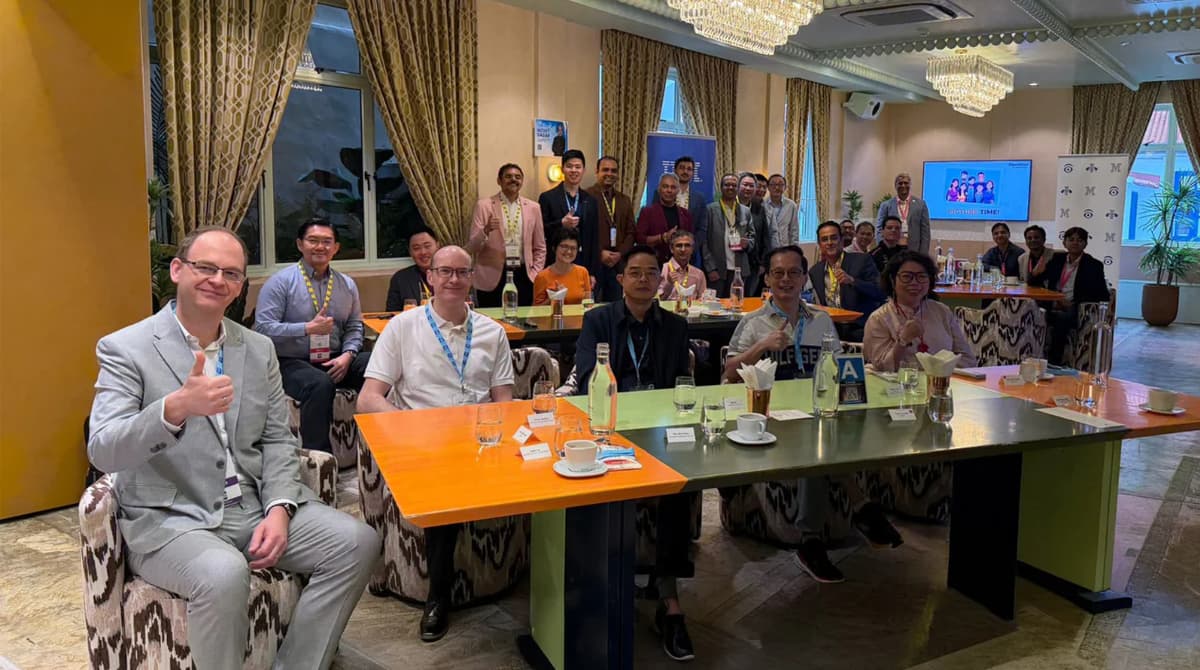
Exclusive! Visibility That Pays: Unlocking the Full Value of Cloud Investment
Leaders at the OpenGov Breakfast in Singapore warned that cloud migration alone fails to deliver value without end‑to‑end observability. They emphasized that real‑time visibility across infrastructure, data pipelines, and workflows enables proactive, insight‑driven decisions, reduces risk, and fuels trustworthy AI...
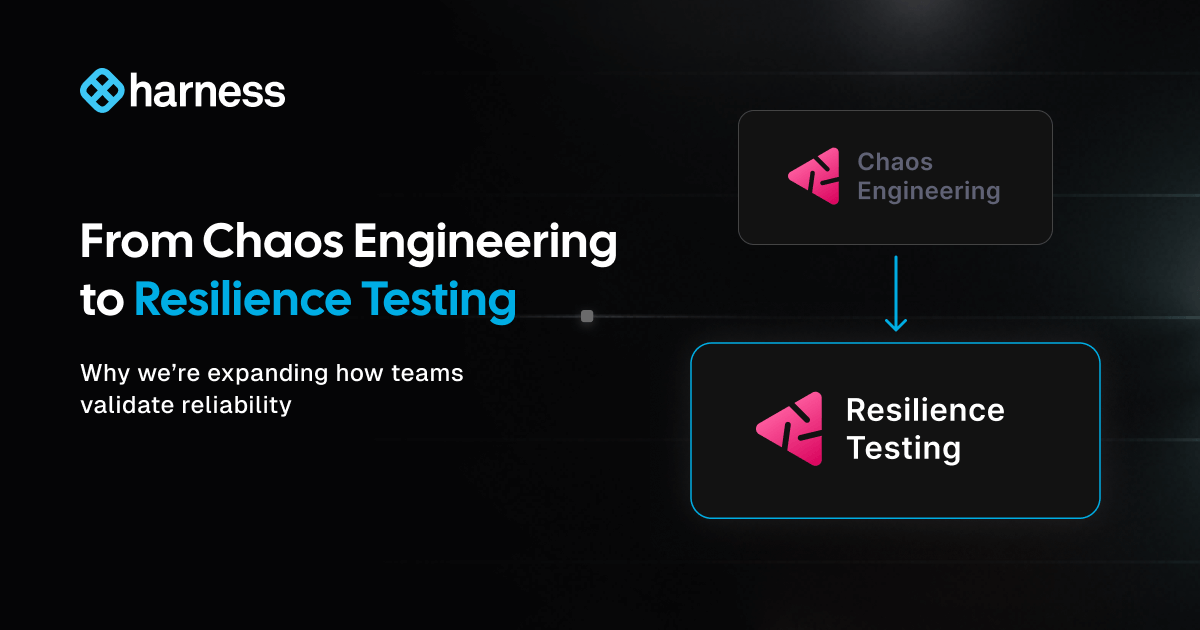
Harness Evolves Chaos Engineering to Resilience Testing
Harness announced the evolution of its Chaos Engineering module into a broader Resilience Testing platform, adding native load and disaster‑recovery testing capabilities. The new suite builds on the open‑source LitmusChaos project and Harness’s 2022 acquisition of Chaos Native, integrating AI‑driven...

From Operations to Outcomes: The Business Value of Automation
Red Hat’s Ansible Automation Platform is shifting IT automation from simple time‑saving scripts to a strategic business asset that delivers measurable reliability, security and revenue protection. Industry research shows 72% of enterprises juggle 50+ tools, creating visibility gaps and governance risks...

Building Day 2 Ops Guardrails with Terraform and Packer
The article outlines how Terraform and Packer can establish Day 2 operations guardrails that keep cloud environments secure, compliant, and cost‑effective after initial provisioning. It identifies common post‑deployment pitfalls such as manual ticketing, policy drift, orphaned resources, and misconfigurations that drive...

AWS Bedrock Vs. SageMaker: Choosing the Right GenAI Stack in 2026
By 2026 Amazon Bedrock has evolved into a serverless platform that delivers managed agents, built‑in Retrieval‑Augmented Generation and guardrails, while Amazon SageMaker remains the full‑stack workbench for custom model training, massive‑scale distributed jobs and hardware‑optimized inference. Bedrock now supports fine‑tuning...
How cy.prompt Generates cy.contains, cy.press, and Handles Sensitive Data
Cypress’ cy.prompt command now interprets quoted text as cy.contains calls, generating exact‑match regular expressions instead of generic selectors. The update also extends not.exist assertions to work with text‑based targeting and introduces cy.press for native keyboard actions. Additionally, cy.prompt automatically redacts...

Digital Transformation at Santander: How Platform Engineering Is Revolutionizing Cloud Infrastructure
Santander launched Catalyst, a platform‑engineering solution built with AWS, to overhaul its cloud infrastructure. The initiative replaces a 90‑day manual provisioning process with an automated, Kubernetes‑based control plane that leverages Crossplane, ArgoCD, and OPA. By consolidating over 100 pipelines, Catalyst...
Bindplane Launches Integrations for VictoriaMetrics to Make It Even Easier to Collect, Process, and Route Opentelemetry
Bindplane announced native destinations for the VictoriaMetrics ecosystem, allowing users to route OpenTelemetry metrics, traces, and logs directly to VictoriaMetrics, VictoriaTraces, and VictoriaLogs. The integration provides vendor‑neutral, OpenTelemetry‑native pipelines that eliminate manual exporter configuration and mitigate collector drift. It also...

Kubernetes WG Serving Concludes Following Successful Advancement of AI Inference Support
The Kubernetes Working Group (WG) Serving has been disbanded after successfully establishing the platform as a preferred orchestrator for AI inference workloads. The group’s workstreams gathered requirements from model servers, hardware vendors, and inference providers, leading to the adoption of...

Rootly | SRE Vs. DevOps: What Are the Differences?
The article contrasts Site Reliability Engineering (SRE) with DevOps, highlighting how both bridge the historic gap between development and operations but take distinct approaches. SRE, popularized by Google, centers on engineering‑driven reliability and treats systems as software, while DevOps emphasizes...

Rootly | How to Build an Effective Incident Response Team: Step-by-Step Guide
Meta’s 2021 global outage highlighted how a coordinated, cross‑functional incident response team can limit downtime and reputational harm. The article uses that case to illustrate the challenges smaller firms face when structuring such teams. It outlines essential roles—Incident Commander, Technical...
How We Engineered a Scalable and Performant Enterprise AI Platform
To meet the stringent data‑privacy demands of enterprise insurance, the company abandoned the traditional multi‑tenant SaaS model and built a single‑tenant AI platform where each client receives an isolated database and compute environment. By eliminating middleware and moving business logic...

Secure and Fast Deployments to Google Agent Engine with GitLab
The tutorial shows how to deploy a Google Agent Development Kit (ADK) AI agent to Google Cloud's Agent Engine using GitLab’s native Google Cloud integration and CI/CD pipelines. It walks through configuring IAM with Workload Identity Federation, creating a .gitlab-ci.yml...
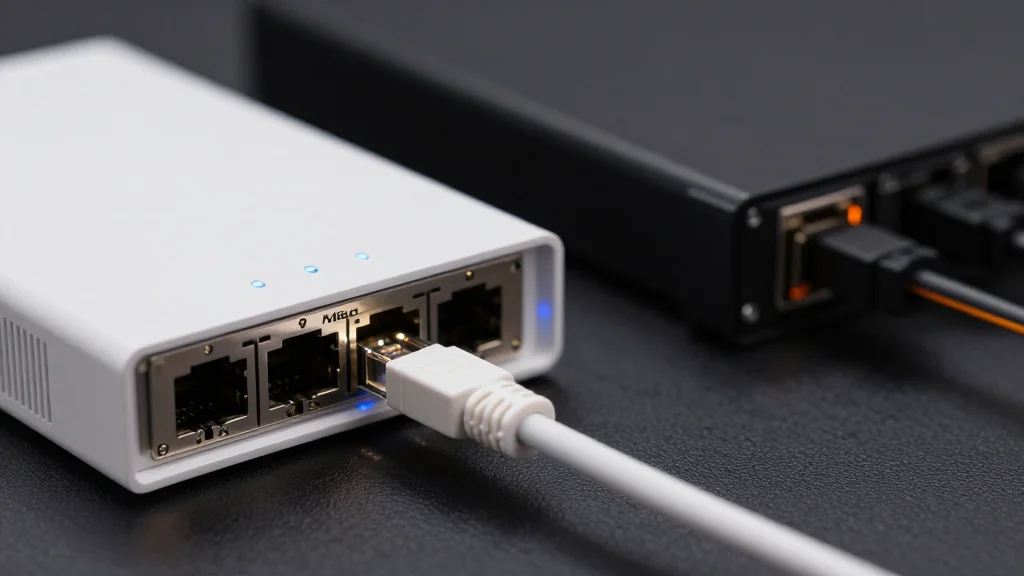
Streamline Your Network Operations with Red Hat Ansible Automation Platform and Cisco Meraki
Red Hat Ansible Automation Platform now integrates with Cisco Meraki through the Cisco Marketplace, delivering a unified, cloud‑based solution for network automation. The partnership enables rapid provisioning, configuration, and scaling of branch and edge devices while embedding audit, compliance, and security...

Alerts Just Got Easier to Find – Here Are 6 to Set Up First
Fastly announced a unified notification drawer that consolidates observability alerts, service advisories and spend warnings into a single bell‑icon panel across the control‑panel UI. The new drawer shows only active alerts with key details and a one‑click link to the...