Capitalising Africa's Youth Dividend
At the Africa Business Forum 2026 in Addis Ababa, leaders launched the Jobs Wall Commitment Tracker to record public and private sector job promises. The gathering emphasized that Africa’s youthful demographic demands risk‑tolerant, long‑term capital focused on research, innovation, and integrated regional value chains, particularly through the African Continental Free Trade Area. Participants called for ecosystem‑based financing that ties infrastructure, digital markets, and green energy to sustainable employment, with women’s participation treated as a central pillar. The forum concluded that financing Africa’s own people, ideas, and innovation is essential for inclusive, job‑rich growth.
India’s GDP Growth to Moderate to 7.2% in Q3FY26: ICRA
ICRA projects India’s year‑on‑year GDP growth to ease to 7.2% in Q3 FY 2025‑26, down from 8.2% in the prior quarter. The slowdown is driven by weaker services (+7.8% versus +9.2%) and agriculture (+3.0% versus +3.5%) growth, even as industrial output...

Lacson: Senate to Discuss Rules on Dialogue with Chinese Embassy
The Philippine Senate will convene an all‑senators’ caucus on Feb 23 to set ground rules for talks with the Chinese Embassy over the West Philippine Sea dispute, with Senate President Pro Tempore Panfilo Lacson emphasizing diplomatic courtesy and the possibility of...
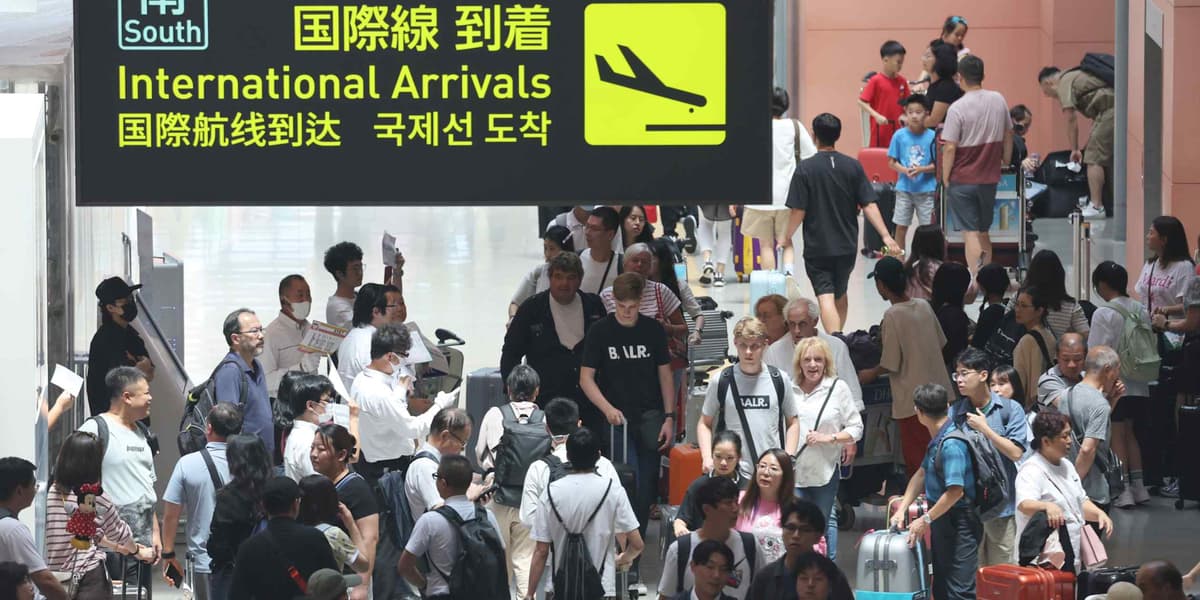
Japan Bill Requires Airlines Deny Boarding to Unauthorized Visitors
Japan's government will submit an immigration reform bill requiring airlines to deny boarding to travelers lacking pre‑travel authorization starting fiscal 2028. The measure obliges visa‑exempt visitors to declare occupation, purpose and accommodation online, with the Immigration Services Agency verifying data...
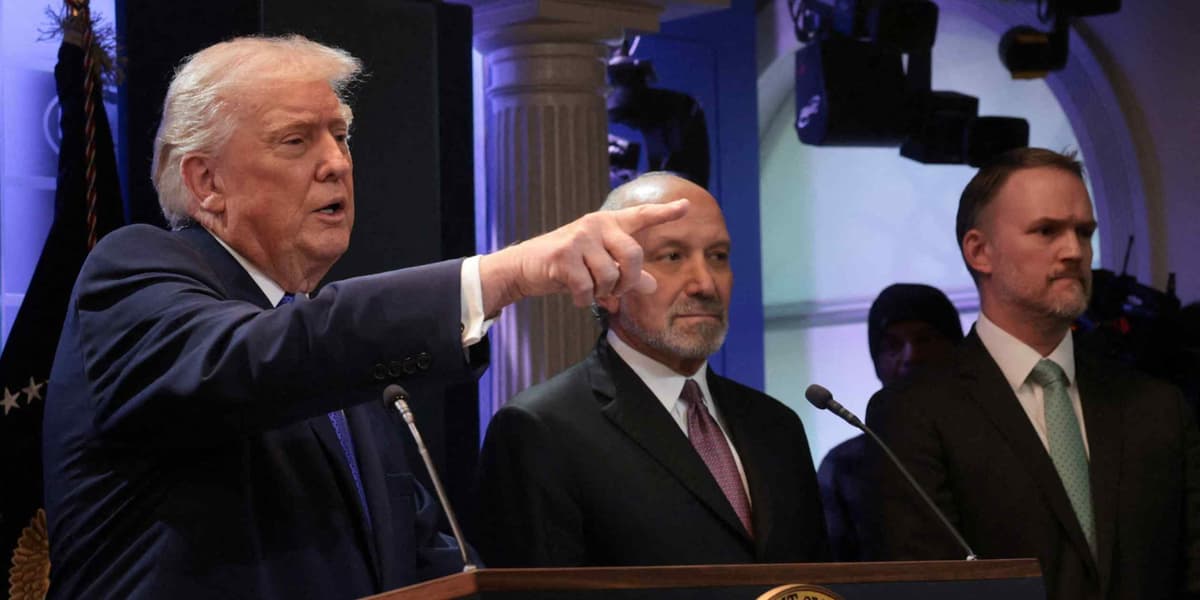
Trump Now Wants to Impose 15% Tariff After Supreme Court Decision
President Donald Trump announced a new 15% tariff on imports, raising the rate from the 10% he mentioned a day earlier. The increase follows a Supreme Court ruling that invalidated his earlier reciprocal and fentanyl‑related tariffs. Trump said the tariffs...

Organizers of the Winter Games Made Clean Energy a Priority. Here's How They Did It
The 2026 Milan‑Cortina Winter Olympics have pledged that virtually all electricity powering the Games will come from certified renewable sources. Enel will supply roughly 85 GWh of clean power, using guarantee‑of‑origin certificates to prove its green origin. Infrastructure upgrades, including new...

THE FASTEST-GROWING TOURISM DESTINATIONS REVEALED
Emerging markets in Brazil, Ethiopia, and Egypt led 2025’s fastest tourism growth, with global arrivals hitting 1.52 billion, a 4 % rise. Brazil saw a 37 % surge to 9.3 million visitors, driven by new air routes and Embratur marketing. Egypt’s Grand Egyptian Museum...

Kuwait’s CGCC Secures Gas Gathering Contract in PNZ
Kuwait’s Combined Contracting Group Co. (CGCC) secured a KWD 10.2 million contract to provide gas‑gathering support services in the Partitioned Neutral Zone (PNZ) at the Al‑Wafra Joint Operations facility, a partnership between Kuwait Gulf Oil Co. and Chevron Saudi Arabia. The deal...
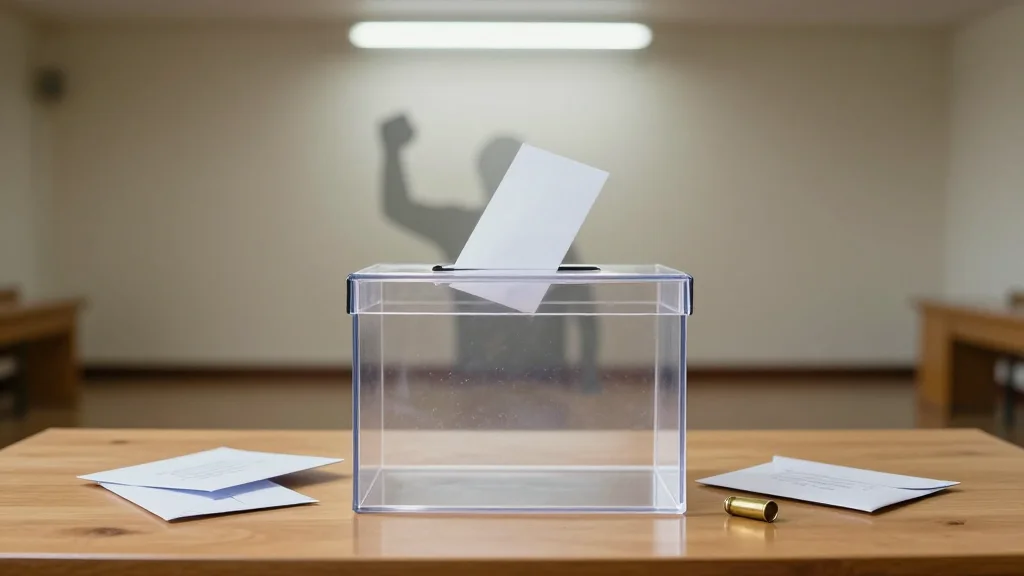
Stop Political Violence
Political violence in Kenya has resurfaced, highlighted by police using teargas and live fire at an ODM rally in Kitengela and a subsequent disruption of a public meeting in Kakamega. Human‑rights organisations warn that women and children suffer disproportionately as...

Slovak Government Could Have Boosted Czechoslovak Group with Defence Contracts Ahead of IPO, Anti-Graft Watchdog Says
Slovak journalists allege that the Ministry of Defence awarded Czechoslovak Group (CSG) €60.36 bn in contracts after the 2023 election, potentially to lift investor sentiment ahead of CSG’s January 2026 Amsterdam IPO. The IPO raised a record‑size defence offering, valuing CSG at...
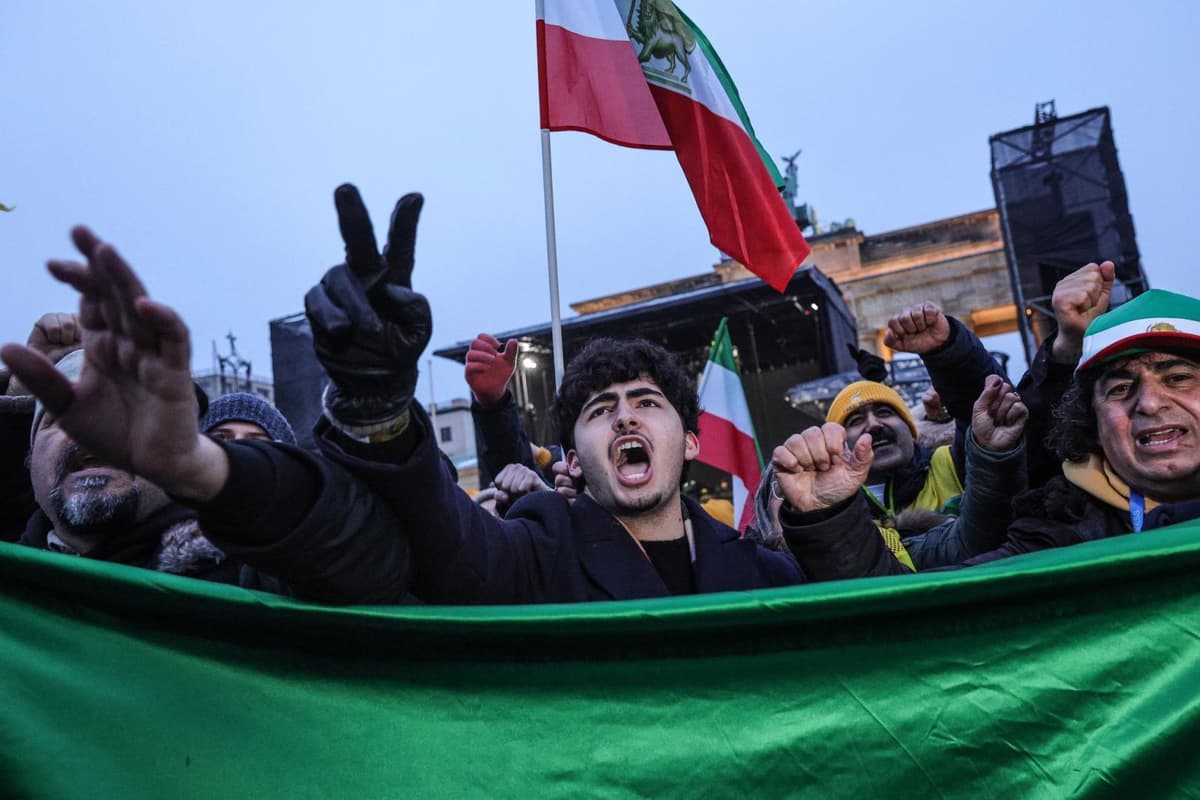
Iran’s Rial Collapse Mirrors Lebanon’s Crisis, Driving Citizens to Bitcoin
The Iranian rial has collapsed in 2026, spurring hyperinflation and prompting middle‑class savers to flee the banking system. Bitcoin and other cryptocurrencies have attracted billions of dollars, echoing Lebanon’s 2019‑2021 crisis where crypto became a financial lifeline. On‑chain data shows...

Indian Labour-Intensive Exports to Face Lower 10% Surcharge After US Court Axes Trump’s Tariffs
The U.S. Supreme Court struck down the 18% reciprocal tariffs imposed on Indian goods, prompting President Trump to replace them with a uniform 15% worldwide tariff under Section 122. This adjustment lowers the levy on Indian labour‑intensive exports—textiles, leather, shrimp—from the...
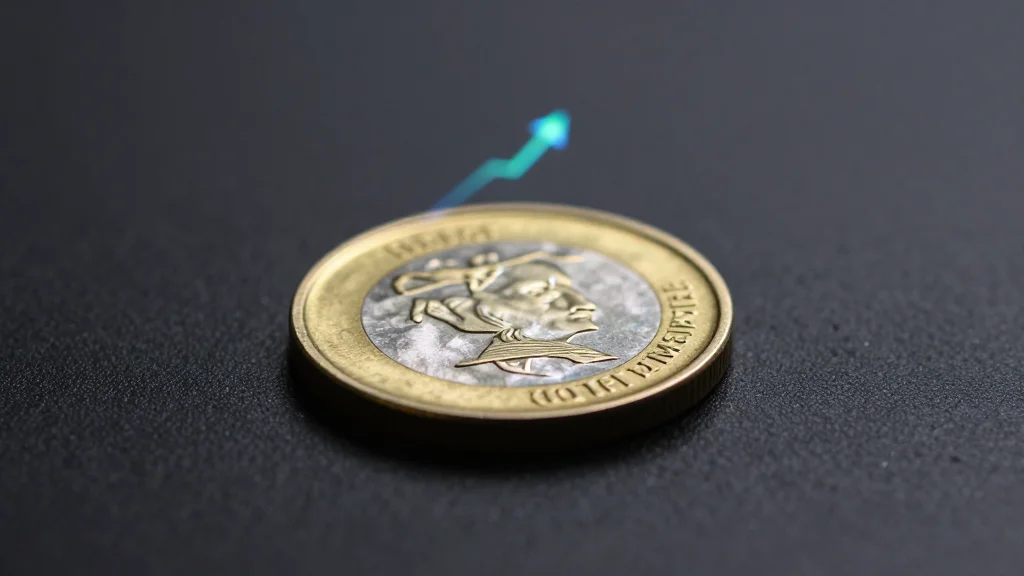
FIIs Turn Buyers in February with Rs 16,912 Crore Worth of Equity Inflows. Is This a Sign of Trend Reversal?
Foreign institutional investors turned net buyers in February 2026, channeling roughly Rs 16,912 crore into Indian equities. This marks a sharp reversal from January’s Rs 35,962 crore outflows and a year‑to‑date net outflow of Rs 19,050 crore. The buying was uneven across sectors, with IT stocks...
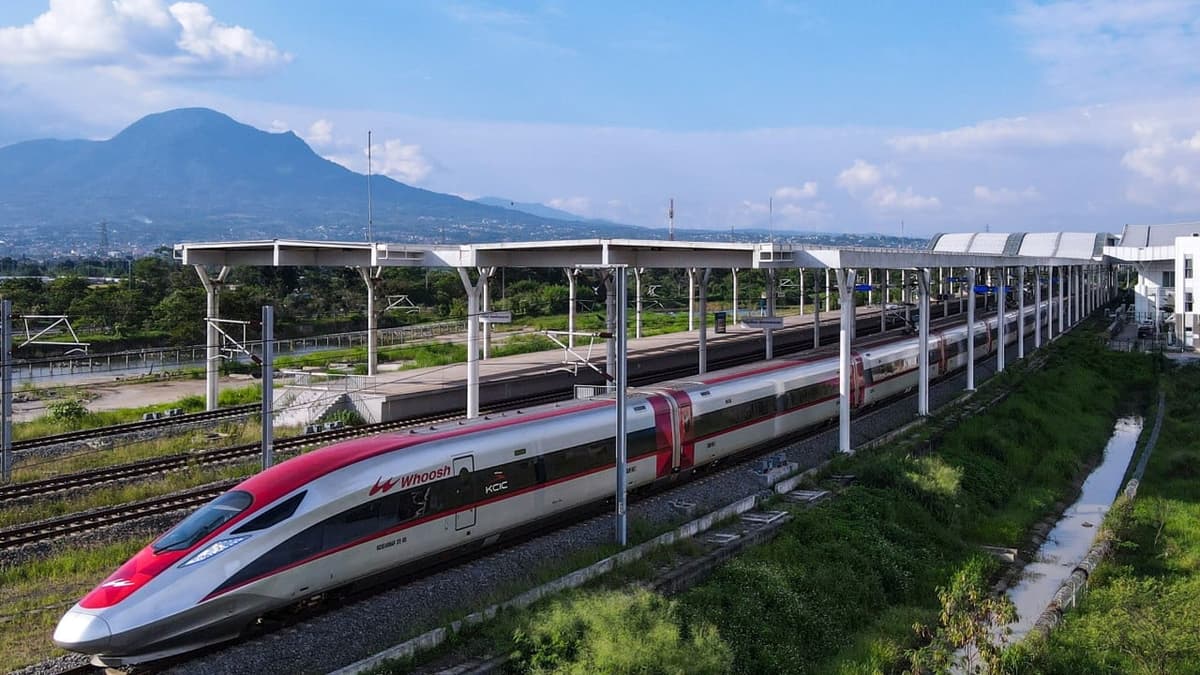
The Rail Ahead: As High-Speed Lines Saturate China, How Far Can Their Global Reach Extend?
China’s railway giants are turning outward as domestic high‑speed lines saturate, seeking overseas contracts in Southeast and Central Asia. Projects already under way include Thailand’s 610 km line, Malaysia’s 665 km east‑west railway, and Indonesia’s Jakarta‑Bandung service that has moved 12 million passengers....
Chariot to Raise $20 Million to Fund Offshore Angola Oil Production Stake
Chariot Plc announced a $20 million equity placing to help finance the acquisition of a producing oil interest offshore Angola. The deal, in partnership with Shell Trading and Etu Energias, targets Blocks 14 and 14K, which currently produce about 8,000 barrels per day....

Russia Weakened but Still Dangerous After the Ukraine War
The Ukraine war has exposed Russia’s structural vulnerabilities, including demographic decline, waning energy leverage over Europe, and growing reliance on China. Simultaneously, Moscow has adapted its military doctrine, emphasizing drones, electronic warfare, and attritional tactics, while sanctions have not collapsed...

Quote of the Day: ‘Benefits of Tariffs Are…’ — What Milton Friedman Said on Protectionism
Milton Friedman’s 1980 warning that tariffs show visible benefits but hide widespread costs resonates amid recent US‑China trade frictions, where higher import duties have pushed up consumer prices and strained global supply chains. At the same time, India and Brazil...
RBI Likely to Go for a Prolonged Policy Rate Pause: ICICI Bank Report
The Reserve Bank of India kept its policy repo rate steady at 5.25% on February 6, signalling a neutral stance. ICICI Bank Global Markets expects this will translate into a prolonged pause through 2026‑27 as core inflation stays benign and oil‑price...

BYD Adds to China’s Expanding Automotive Footprint in Pakistan
Chinese EV maker BYD is set to begin local vehicle assembly in Pakistan, with a 25,000‑unit annual plant near Karachi slated for operation in the third to fourth quarter of 2026. The $150 million facility will make BYD the first electric‑vehicle...
Access to Credit and Employment Growth for MSMEs: Evidence From Latin America and the Caribbean
A new IDB Invest technical note analyzes 21,696 MSMEs across 30 Latin American and Caribbean economies, linking credit access to employment growth. The study finds that an extra US$1 million in financing generates roughly four permanent jobs per year. Effects vary:...
Five Forces that May Reshape the African Continent in 2026
The African Union’s February summit highlighted a packed 2026 election calendar, with more than a dozen nations heading to the polls, from Uganda and Benin to Ethiopia and South Sudan. Parallel security concerns dominate the agenda, as the DRC’s fragile...
The Supreme Court Strikes Down Trump’s Tariffs
The U.S. Supreme Court ruled 6‑3 that President Trump’s tariffs imposed under the International Emergency Economic Powers Act are unlawful, restoring congressional authority over trade barriers. The decision paves the way for thousands of lawsuits seeking refunds, with industry estimates...
The Supreme Court Just Struck Down Most of Trump’s Tariffs. What’s Next?
The U.S. Supreme Court ruled 6‑3 that the president cannot impose tariffs under the International Emergency Economic Powers Act, effectively nullifying most of Donald Trump’s sweeping tariff regime. The decision restores congressional primacy over tariff authority and declares the core...
Tunisia Needs Both Bread and Freedom
Tunisia’s post‑2011 democratic breakthrough delivered expanded civil liberties but failed to translate into lasting economic gains. A 2021 presidential power grab dismantled key checks, curbing judicial independence and reversing many political freedoms. Meanwhile, the economy remains hampered by high inflation,...

TFM Showcases Economic Impact and Calls for Energy Reform at DRC Breakfast During Mining Indaba
Tenke Fungurume Mining (TFM) told Mining Indaba delegates it has delivered roughly US$8 billion to the Democratic Republic of Congo’s public treasury since 2006 and supports about 20,000 jobs. The mine, a Copper Mark‑certified operation, allocates 0.3% of revenue to community projects...
Iran’s Regime Is Suffering From Strategic Vertigo. Its Next Misstep May Be Its Last.
Iran’s leadership has repeatedly misread regional dynamics, turning potential strategic gains into costly setbacks. After hesitating to mobilize Hezbollah during the October 7 Hamas offensive, Tehran launched a large‑scale missile and drone barrage against Israel in April 2024, prompting a robust Israeli‑U.S....
Post-Poll Upswing Continues on SET
Thai shares rallied toward the 1,500‑point psychological barrier, driven by a catch‑up valuation buying pattern and strong dividend announcements. The SET index’s price‑earnings multiple sits about 33 % below the MSCI All‑Country World Index, widening the gap between blue‑chip and mid‑cap...

Why Islamic Finance Could Provide an Ethical Model for Funding the Green Transition
Islamic finance, anchored in asset‑backed transactions and social responsibility, is emerging as a credible alternative to conventional green finance. Its core instrument, green sukuk, ties investor capital directly to renewable‑energy and sustainable‑infrastructure projects, ensuring profits stem from real economic activity....
Killing the Goose that Lays the Gold Medal
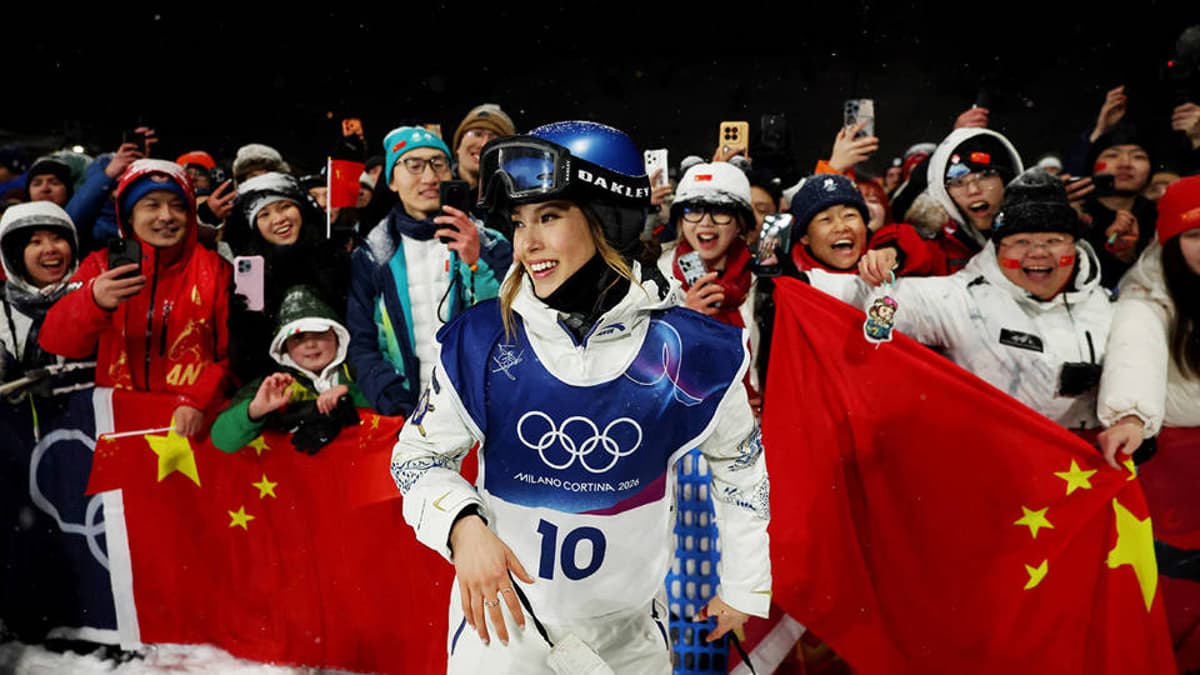
The article argues that America’s refusal to welcome talent jeopardizes its dominance in both sports and scientific research. It cites Vice President JD Vance’s criticism of skier Eileen Gu, who, though U.S.-born, competes for China, as evidence of the broader issue....

Four Years of War in Europe
Four years after Russia’s invasion, Europe has become the primary financier and arms supplier for Ukraine, while the United States under President Trump has largely stepped back from direct involvement. The conflict has spurred unprecedented battlefield innovation, notably Ukraine’s mass‑produced...

What Is Trump’s China Policy?
Former President Donald Trump’s China policy is defined by contradictory impulses—pursuing short‑term commercial deals while simultaneously signaling a tougher stance on strategic issues like Taiwan and critical minerals. The administration’s “big‑tent” approach pits pro‑business officials against hard‑line hawks, creating strategic...
US Senator: ‘Much More Money than You Would Think’ in US Development
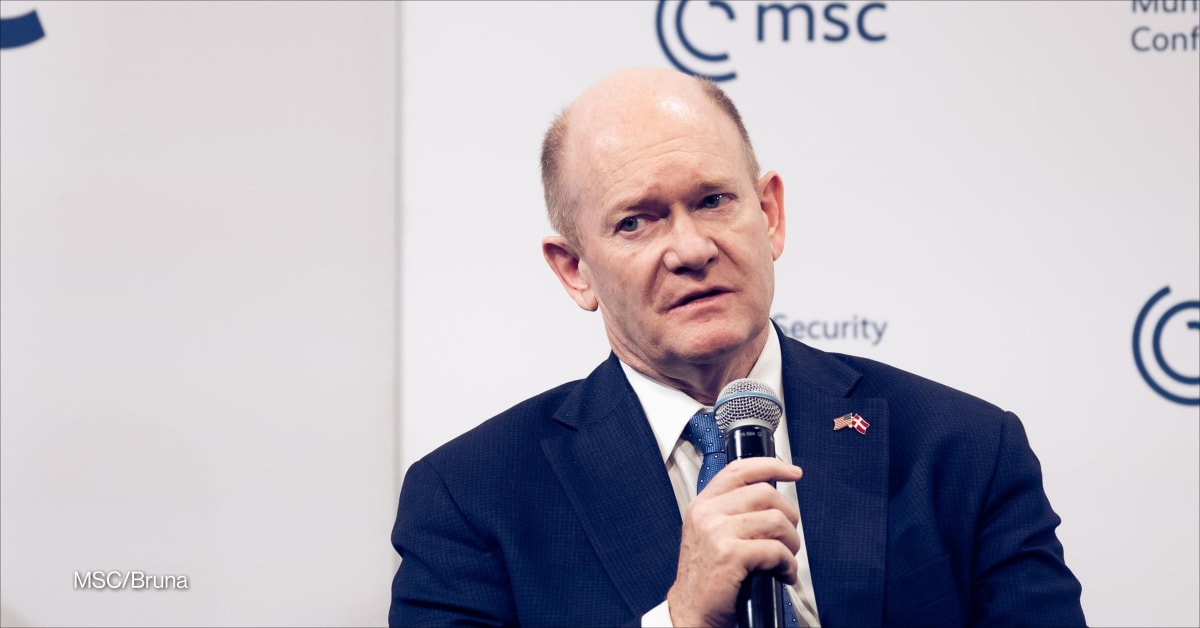
U.S. Senator Chris Coons told Devex at the Munich Security Conference that the United States allocates far more development assistance than most people realize. He warned that soaring defense budgets among the U.S. and its European allies could crowd out...
World Bank Chief's Role on Trump-Led Board of Peace Prompts Questions
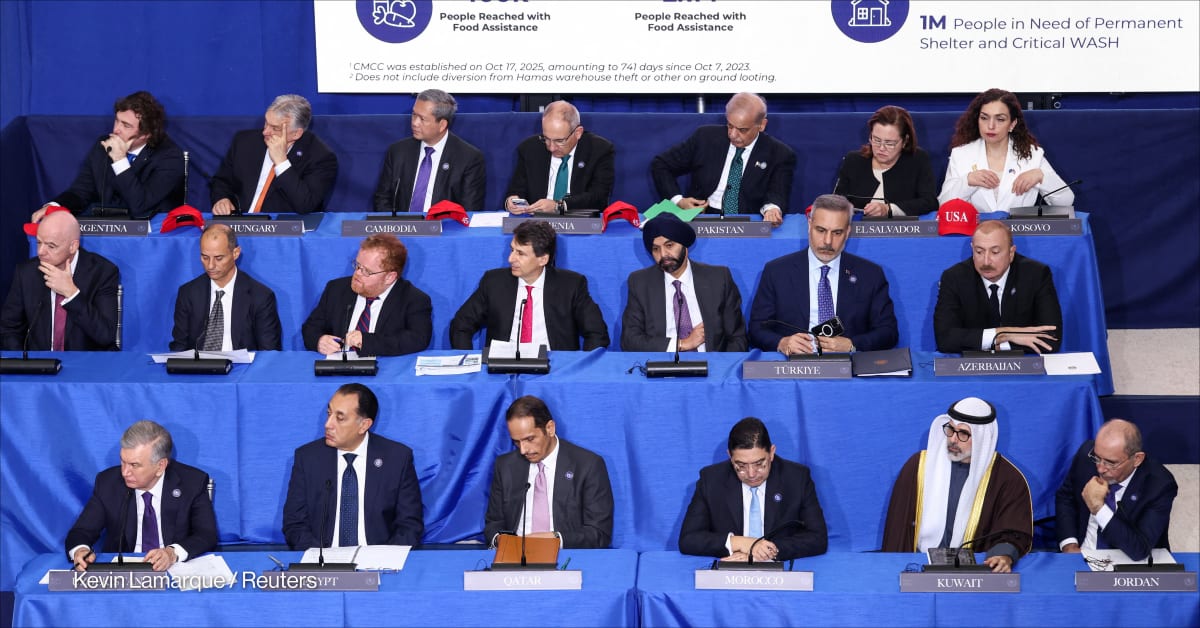
World Bank President Ajay Banga joined President Donald Trump’s Board of Peace for Gaza reconstruction, igniting debate over the lender’s political neutrality. Critics warn his involvement could blur the Bank’s traditionally apolitical stance, while supporters argue his presence may temper...

NATO Needs to Define the Substance of Its 1.5 Percent Pledge
At the 2025 NATO Summit in The Hague, allies committed to raising defense‑related spending to 1.5 percent of GDP by 2030, adding roughly $825 billion across the Alliance. The communiqué, however, offers no clear definition of which expenditures count toward this figure,...
US Supreme Court Strikes Down Trump’s Tariffs: Early Analysis From Chatham House Experts
The U.S. Supreme Court issued a 6‑3 decision striking down President Donald Trump’s global tariffs imposed under the International Emergency Economic Powers Act, finding the administration exceeded its authority. The ruling blocks the baseline 10% "Liberation Day" tariff and related...
Should the Defense Spending Ramp-Up Also Tackle Climate Change?
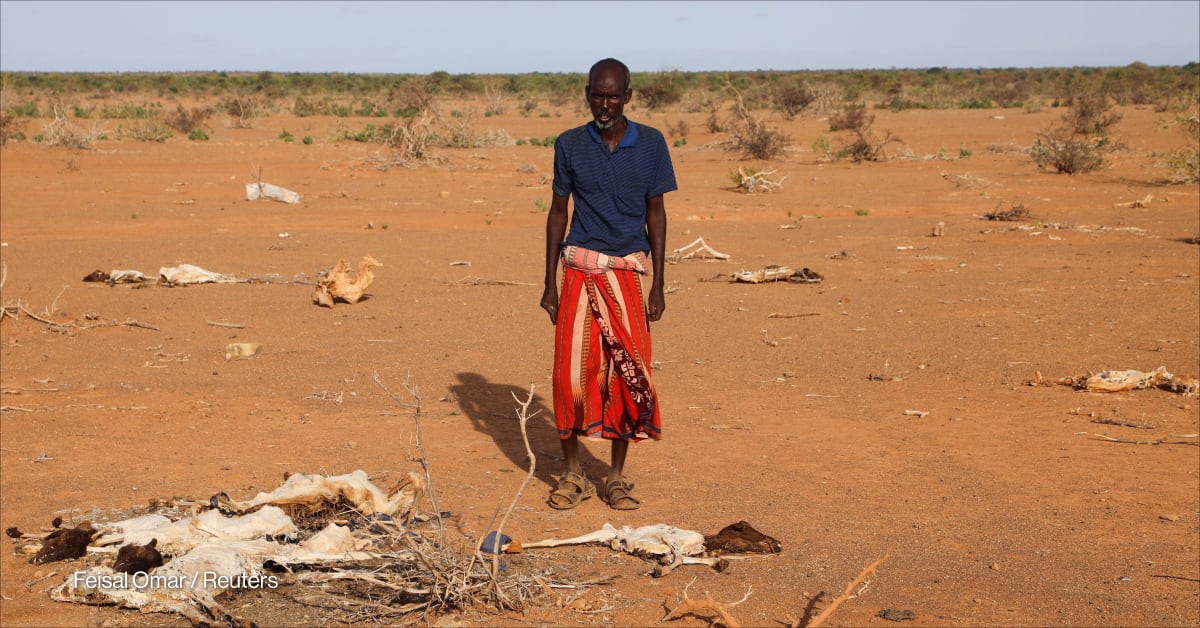
At the Munich Security Conference, defense leaders focused on tanks, ammunition and troop deployments, while climate change was relegated to the sidelines. Delegations from the Global South, especially small‑island states, warned that climate acts as a strategic risk multiplier that...

Markets Cheer ₹80,000-Crore Divestment Target
The Indian government has set an ₹80,000‑crore dis‑investment target for the next fiscal, sparking a rally in public‑sector undertaking (PSU) stocks and lifting equity markets. The plan combines strategic stake sales and asset monetisation to generate fiscal inflows while unlocking...

Pakistan’s New Special Security Unit Underscores China’s Hold on the Country
Pakistan announced a dedicated special security unit in January 2026 to protect Chinese citizens and projects, a move prompted by a spike in militant attacks on Chinese interests. The unit signals Islamabad’s desperation to retain China’s $62 billion investment amid deteriorating...

Kroenig Interviewed on CBS News on US Strategy in Iran and the Board of Peace
Atlantic Council senior director Matthew Kroenig appeared on CBS News on February 19 to discuss Washington’s options regarding a potential strike on Iran. He warned that a rushed military action could destabilize the region and emphasized the need for a...
How Trump and Erdoğan Can Turn US LNG Energy Dominance Into Black Sea Stability
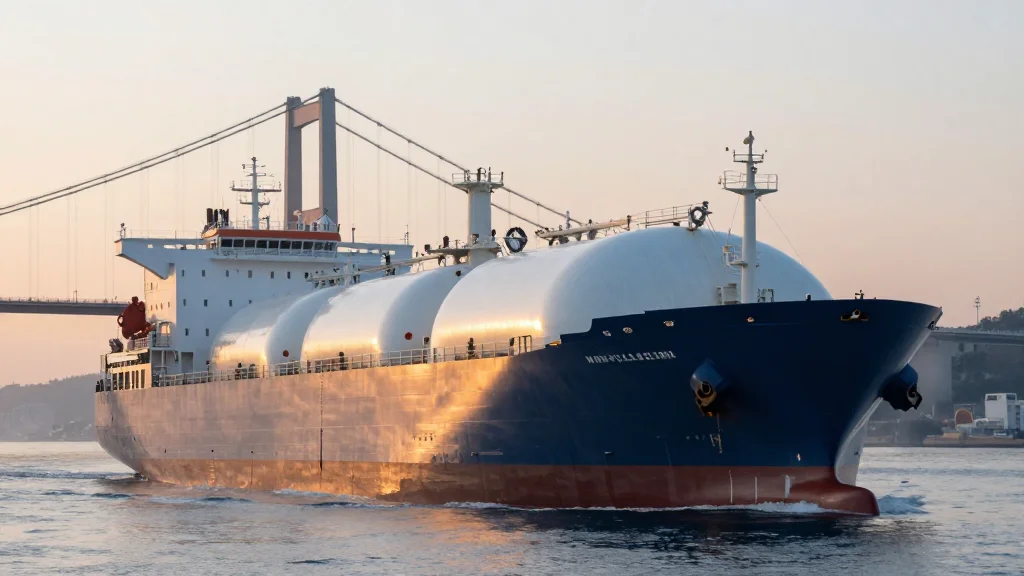
U.S. President Donald Trump is positioning a three‑party deal with Turkey and Ukraine at the June NATO summit to allow large‑scale U.S. LNG shipments through the Bosporus. Current Turkish regulations bar vessels over 200 m, preventing most U.S. LNG carriers from...

Australia and Timor-Leste: A New Partnership for a New Era
Australian Prime Minister Anthony Albanese and Timor‑Leste Prime Minister Xanana Gusmão signed the Parseria Foun ba Era Foun declaration, establishing a new partnership built on three pillars – peace and regional integration, prosperity and resilience, and people‑to‑people links. The accord expands cooperation in security,...

To Bridge the Transatlantic Productivity Divide, Europe Needs Structural Reforms—And AI
Europe’s productivity lags far behind the United States, with EU real‑GDP growth averaging 1.3% since 2000 versus 2.4% in the US. The gap is driven by weak diffusion of IT and AI advances, which account for 25% of US growth...

Where Do India and Pakistan Stand in Kazakhstan’s Southward Connectivity Push?
Kazakhstan is accelerating a southward connectivity push to secure Arabian Sea access, reducing reliance on Iran’s Chabahar and Bandar Abbas ports. President Tokayev’s recent visit to Islamabad underscored a partnership focused on the Kazakhstan‑Turkmenistan‑Afghanistan‑Pakistan (KTAP) rail corridor and a broader...
‘Targeted Injection of Capacity’ Into Vietnam, Thailand Reshapes Ocean Networks
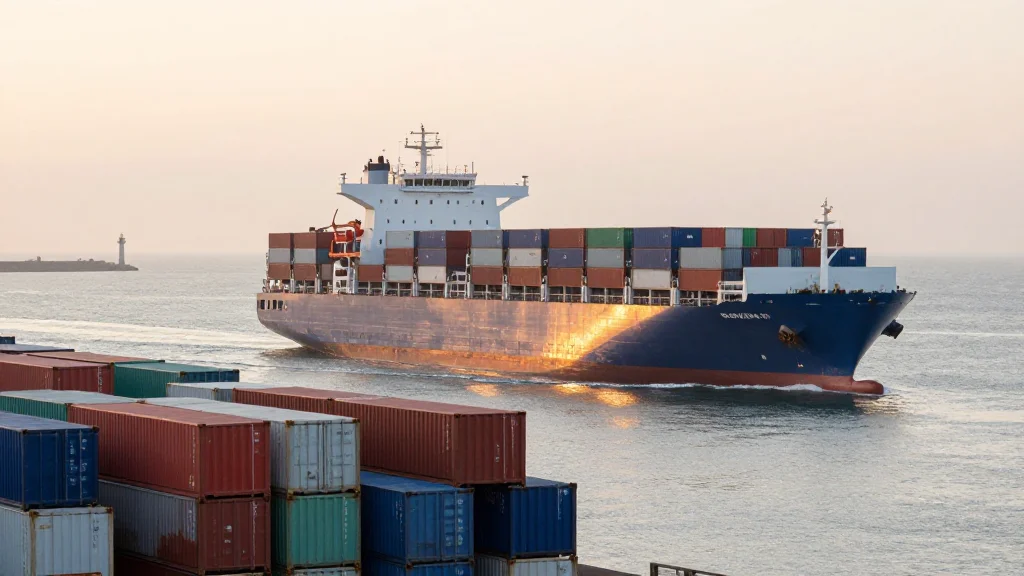
Ocean Alliance is injecting targeted capacity into Vietnam and Thailand in its Day 10 network update, turning ports like Haiphong and Laem Chabang into core deep‑sea origins. The shift adds four trans‑Pacific services to Haiphong and doubles West‑Coast sailings from Laem Chabang, while...
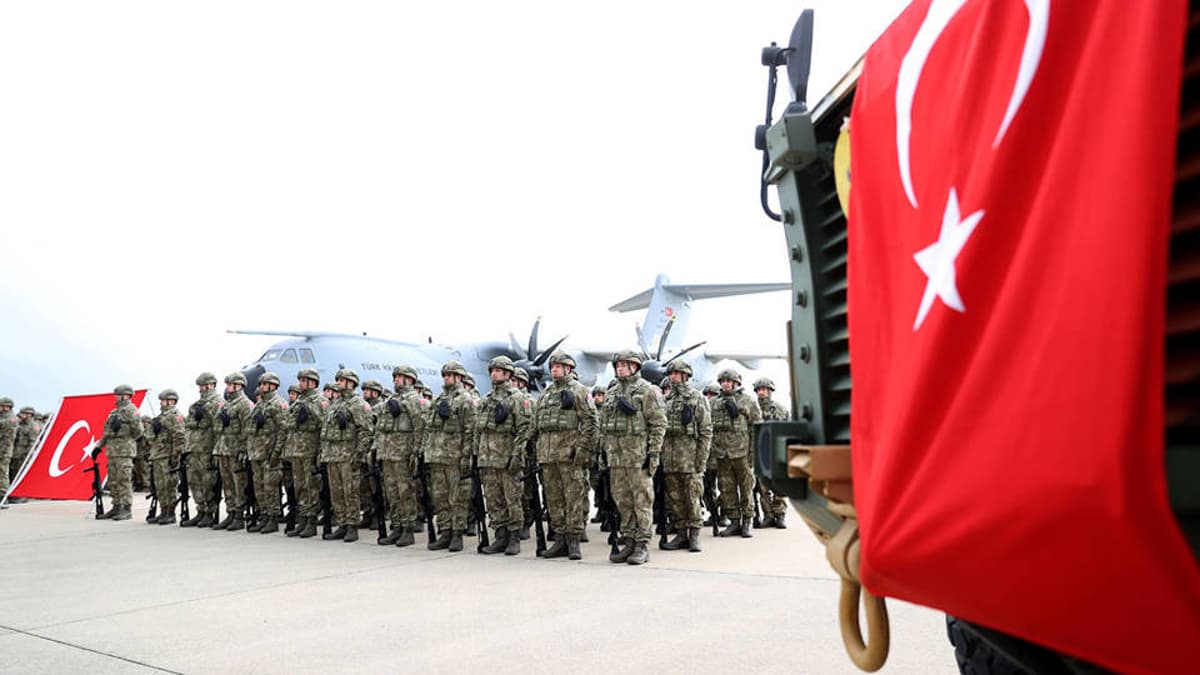
European Security Needs Turkey
Europe faces its most serious security shortfall in decades as reliance on U.S. defense guarantees wanes. The article argues that strategic autonomy must include re‑engaging Turkey, NATO’s most capable land force and a pivotal regional actor. It highlights the Trump...
Vanguard Eyes Non-U.S. Markets To Hedge High-Grade Debt Exposure

Commodity Boom Helps to Drive JSE Confidence
South Africa’s commodity surge—gold up 65% and platinum 125%—is fueling a boom on the Johannesburg Stock Exchange, with mining firms delivering double‑digit returns. The JSE’s recent rule changes, cutting shareholder approval thresholds from 75% to 50% and aligning disclosure standards,...
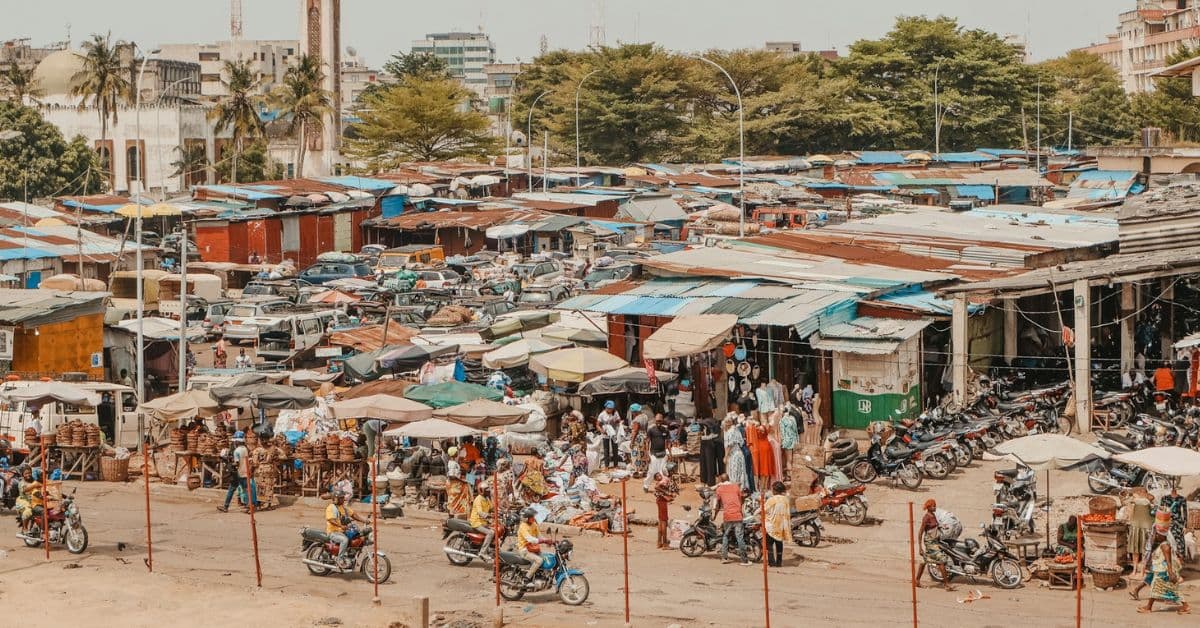
Why Verifying a Business in Africa Is Harder than Moving Money
Cross‑border payments in Africa now settle in seconds, but verifying the counterpart business can take weeks. The delay stems from fragmented, offline national registries and a lack of cross‑border data harmonisation, creating a “registry gap” that hampers the African Continental...
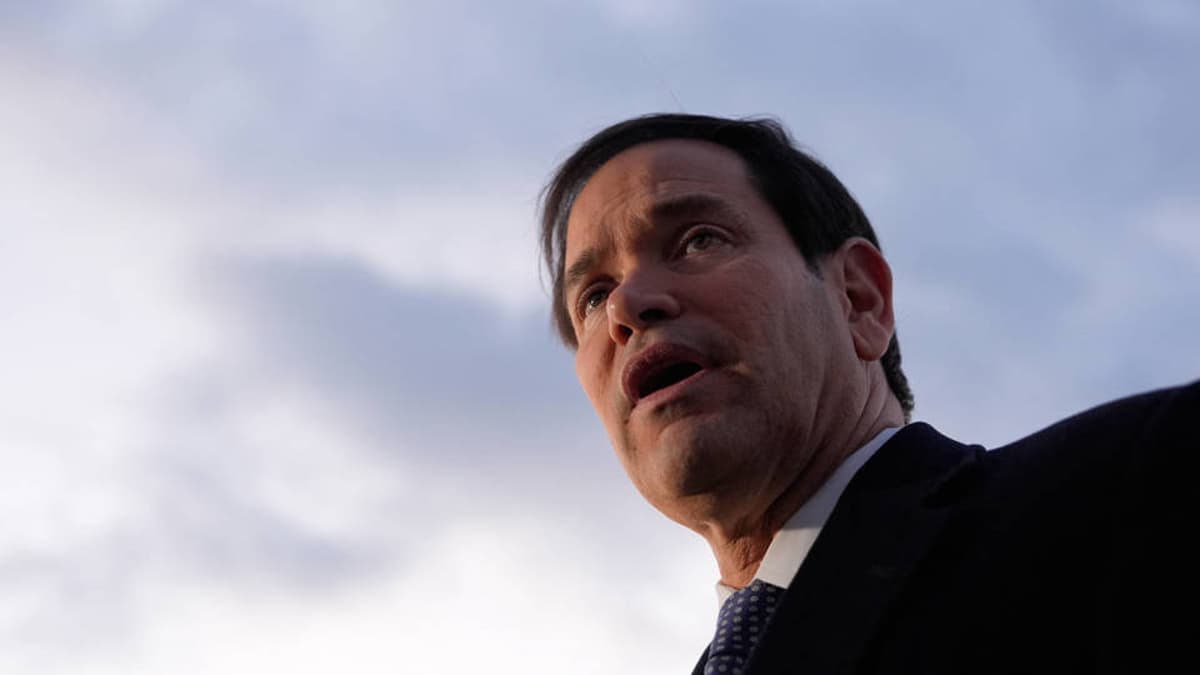
Why MAGA Fears Europe
President Donald Trump and his MAGA allies continue to cast the European Union as weak and misguided, a theme echoed at both Davos and the Munich Security Conference. The article counters this narrative, highlighting the EU’s social‑market model and its...
The Big Picture
At the 2025 Munich Security Conference, U.S. Vice President JD Vance delivered a sharply critical speech, accusing European allies of abandoning fundamental democratic values and curbing free speech to manage migration. In contrast, the 2026 conference saw Secretary of State...