
How to Tell If You're Really Stalled
The video challenges the traditional Novice‑Intermediate‑Advanced (NIA) framework, proposing a reactive, data‑driven approach to exercise prescription. Instead of preset categories, the authors advocate using real‑time signals—particularly warm‑up sets—to gauge daily performance potential and adjust loads on the fly. Key insights include a concrete definition of a genuine stall: no measurable lift improvement over three to four weeks despite consistent training, adequate sleep, nutrition, and manageable stress. Progress should be measured against a recent performance anchor, not a lifetime best, and comparisons must be like‑for‑like in terms of rep range and RPE. Block testing with calibrated warm‑up sets at the start and end of an eight‑week cycle provides low‑stakes validation of strength gains. Illustrative examples feature a 455‑lb squat warm‑up that feels faster, prompting weight addition, and a 748‑lb deadlift used as a lifetime benchmark versus recent trends. The hosts discuss how life variables—poor sleep, work stress—often masquerade as training stalls, urging coaches to first address these before tweaking volume or intensity. The implication is clear: strength programming should be flexible, reacting to individual performance data rather than rigid NIA stages. By focusing on immediate physiological feedback and external stressors, coaches can more accurately diagnose stalls, avoid unnecessary deloads, and sustain long‑term athlete development.
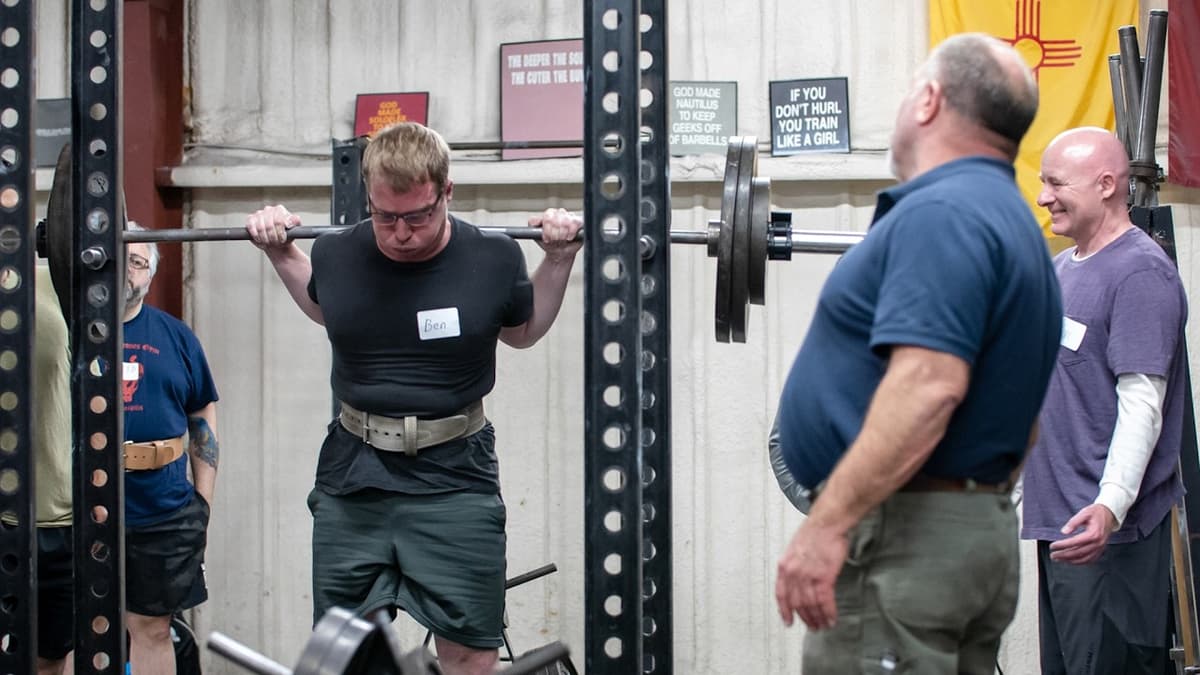
How To Breathe When Wearing A Belt
Coach Rusty from Wichita Falls Athletic Club explains correct breathing and belt use for heavy lifting, emphasizing the Valsalva maneuver: take a deep belly breath so the diaphragm drops, then brace the abs to create intra‑abdominal pressure that supports the...
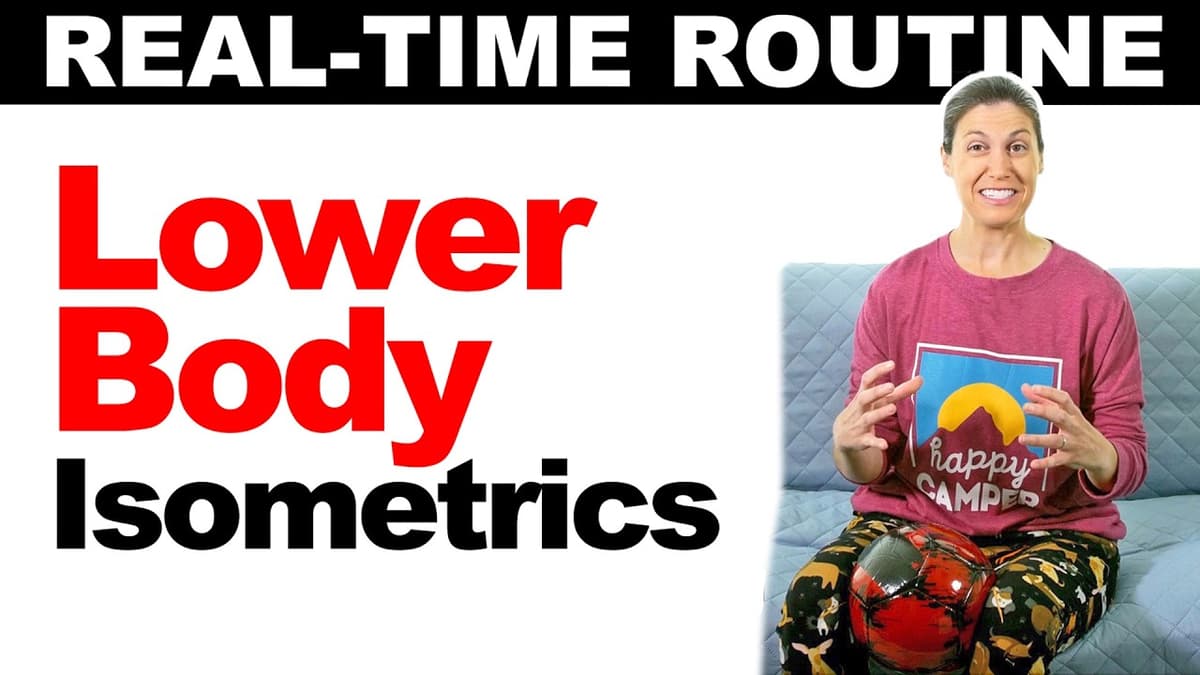
Real-Time Lower Body Isometric Exercise Routine
Dr. Joe and Unicorn Calie walk viewers through a beginner-friendly lower-body isometric routine requiring only a squeeze ball/yoga block and a strap or belt. The session begins with a two-minute warmup of gentle seated and leg movements, then progresses to...
15 Minutes of This Rewires Your Brain & Metabolism — The Science of Lactate | Dr. Stephanie Estima
The video reframes lactate from a dreaded by‑product to a vital metabolic signal, emphasizing its role in high‑intensity sprint training. Dr. Stephanie Estima explains that lactate is generated continuously, even in oxygen‑rich conditions, to keep glycolysis running by recycling NAD+...
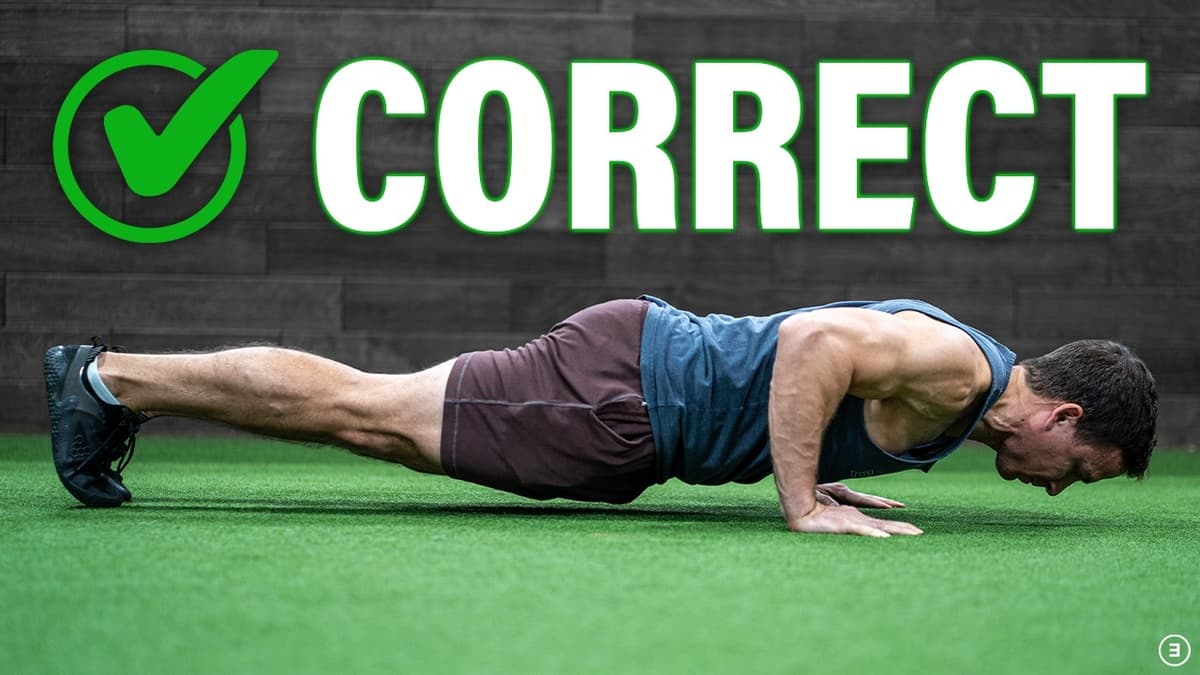
How To Perform PERFECT Push Ups (Everything You Need To Know)
The video breaks down the push‑up into a systematic five‑step routine, covering setup, descent, bottom position, ascent, and return to a tall plank. It emphasizes hand placement slightly wider than shoulders, a neutral wrist, a straight line from ears to...
17 Years of Powerlifting Data: How Strength Actually Grows
The video examines 17 years of powerlifting data to chart how strength actually develops over a lifter’s career. It shows a steep rise in the first year—roughly 7.5‑12.5% above baseline—followed by a gradual flattening that caps at about a 20%...
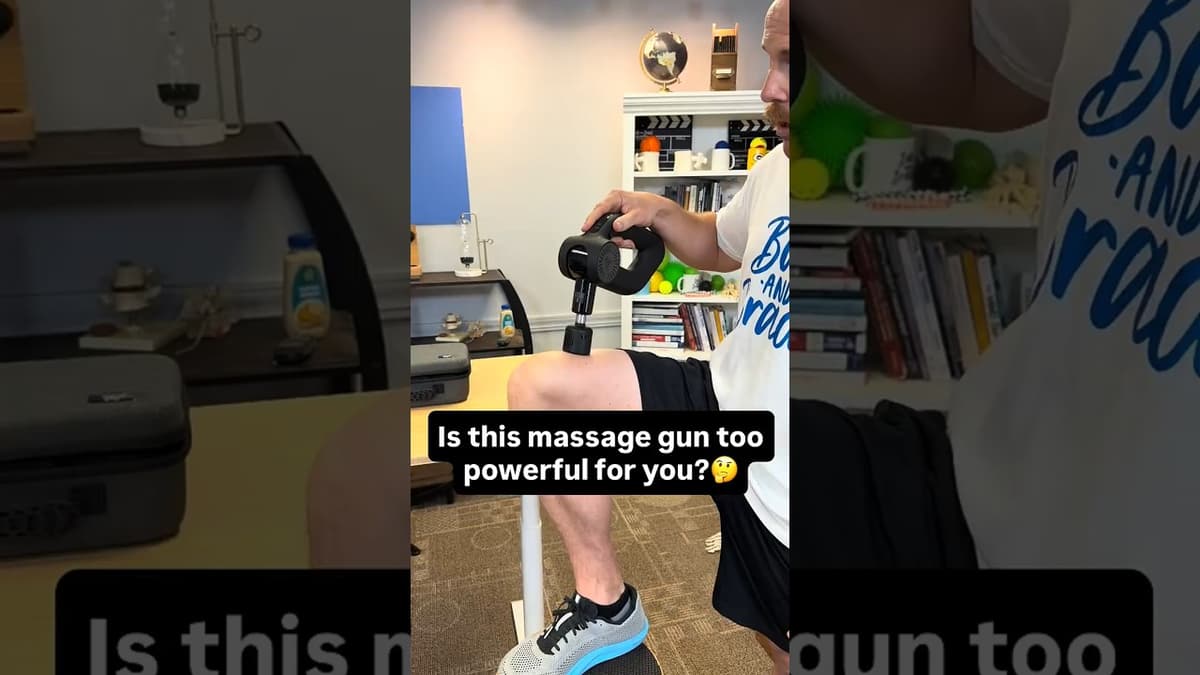
Which Massage Gun Size Is Right for You??
The video compares two massage‑gun models to help consumers decide which size suits their needs. It contrasts the compact Q2 with the larger, more powerful D6, highlighting how amplitude and stall force influence performance. The Q2 delivers a modest 7 mm of...
Strength Training 90-Year Olds
The video highlights a small clinical trial that put ten frail, institutionalized volunteers with an average age of 90 through an eight‑week, high‑intensity progressive resistance training program. Results were striking: average strength rose 174%, and mid‑thigh muscle cross‑section increased about 9%....
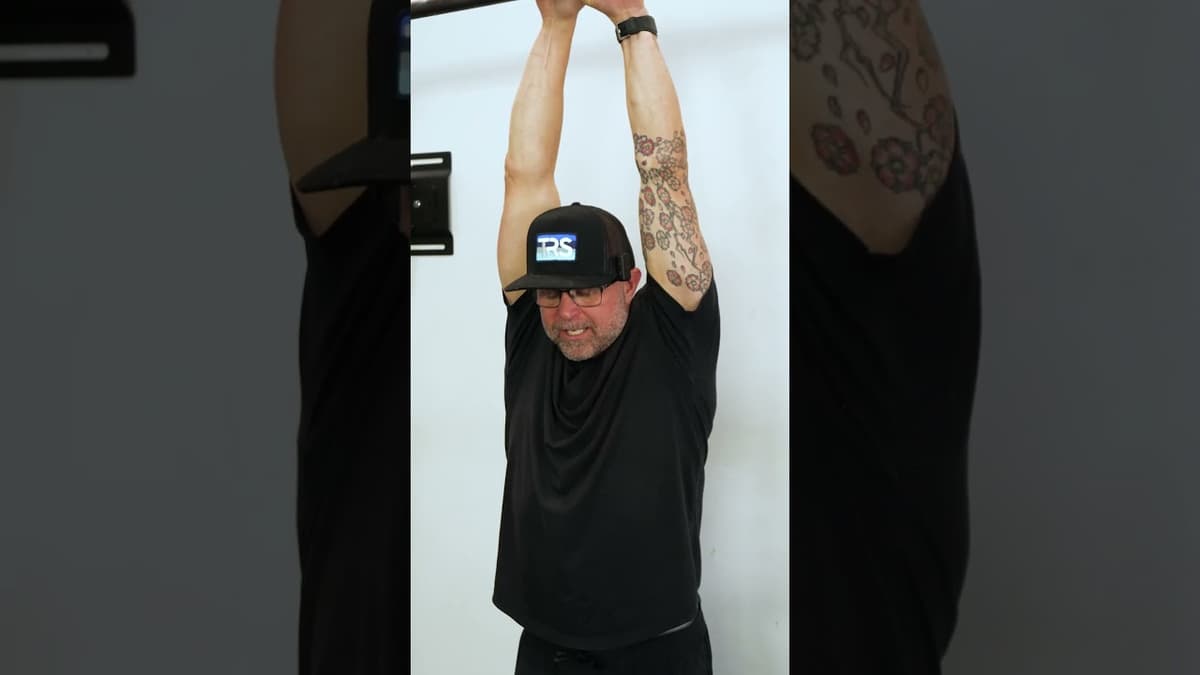
3-Minute Dead Hang for Shoulder Pain, Neck Relief & Upper Back Decompression (Scaled Options)
The video demonstrates a three‑minute dead hang routine designed to relieve shoulder, neck, and upper‑back discomfort, offering scaled variations for different strength levels. Viewers are instructed to hang from a bar, using full body weight or supporting their feet on the...

Why Getting Shredded Crashes Your Testosterone
The video discusses a recent study on natural male bodybuilders undergoing contest preparation, highlighting how extreme leanness impacts testosterone. Over an 11‑week cut, participants reduced body fat from 9.6% to 6.5%, while average testosterone dropped roughly 90 ng/dL, with the steepest decline...

How to Buy Speed on the Bike: The Best Upgrades for Aerodynamics and Performance
The Fast Talk episode tackles the question of how cyclists can "buy" speed, focusing on aerodynamic upgrades and the trade‑offs between power‑to‑weight and drag reduction. Host Chris Gase and guest Ben Delaney break down a tiered spending hierarchy, emphasizing that...
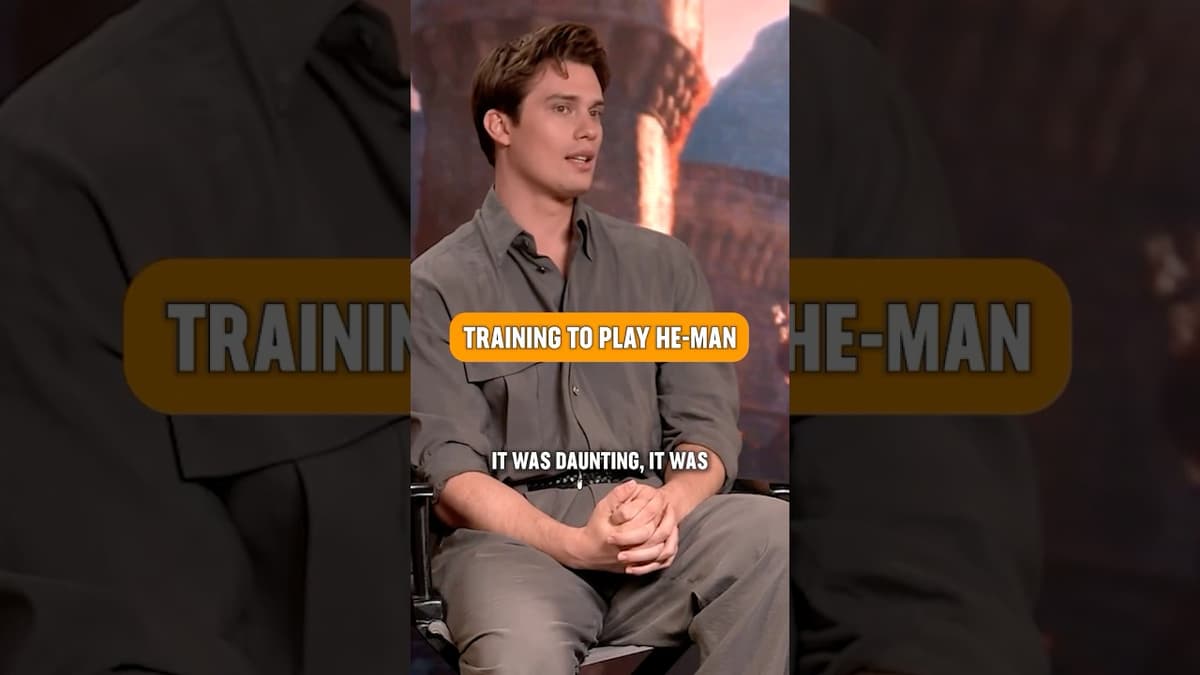
Training to Play He-Man
The video details an actor’s grueling preparation for the upcoming He‑Man film, beginning with an 18‑hour fast followed by a three‑hour weight‑lifting session and immediate stunt work. Filming is slated for March 2025, but the groundwork started in September 2024,...

Don’t Close Your Eyes (If You Want Better Balance)
The video challenges the common notion that closing your eyes improves balance, explaining that true stability relies on proprioceptive control, not temporary visual deprivation. Instead, it introduces a wall‑press ball drill that targets the glutes, hips, and hamstrings for functional...
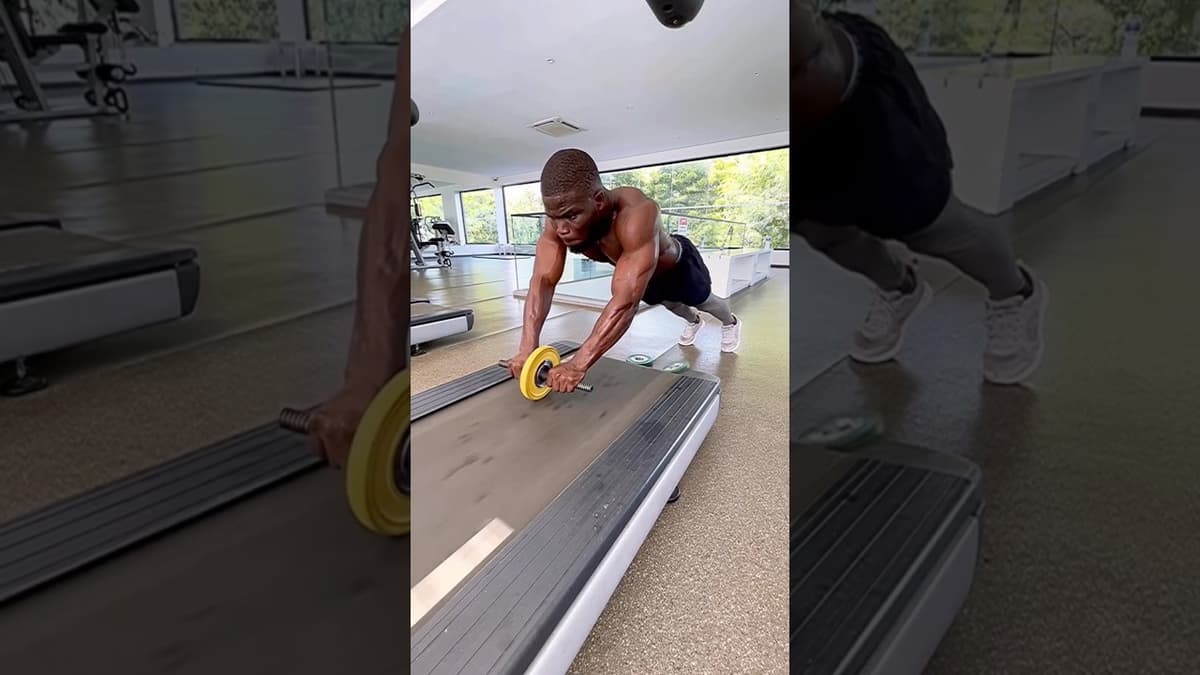
Ab Wheel Roll-Out: Correct Form Mistakes! #abs #technique
The video focuses on mastering the ab wheel roll‑out, highlighting two common form errors—letting the hips sag and over‑extending the lower back. It stresses that proper technique begins with a solid core brace and a neutral hip position before any...
Heat Training, Cycling Back Pain & Gravel Race Crashes
The Fast Talk episode opened with a sponsor plug for Stages Cycling, emphasizing that modern power meters—especially Stages’ crank‑based units—provide the accuracy needed for precise training, combining power data with heart‑rate metrics. The hosts then shifted to heat training, debating...
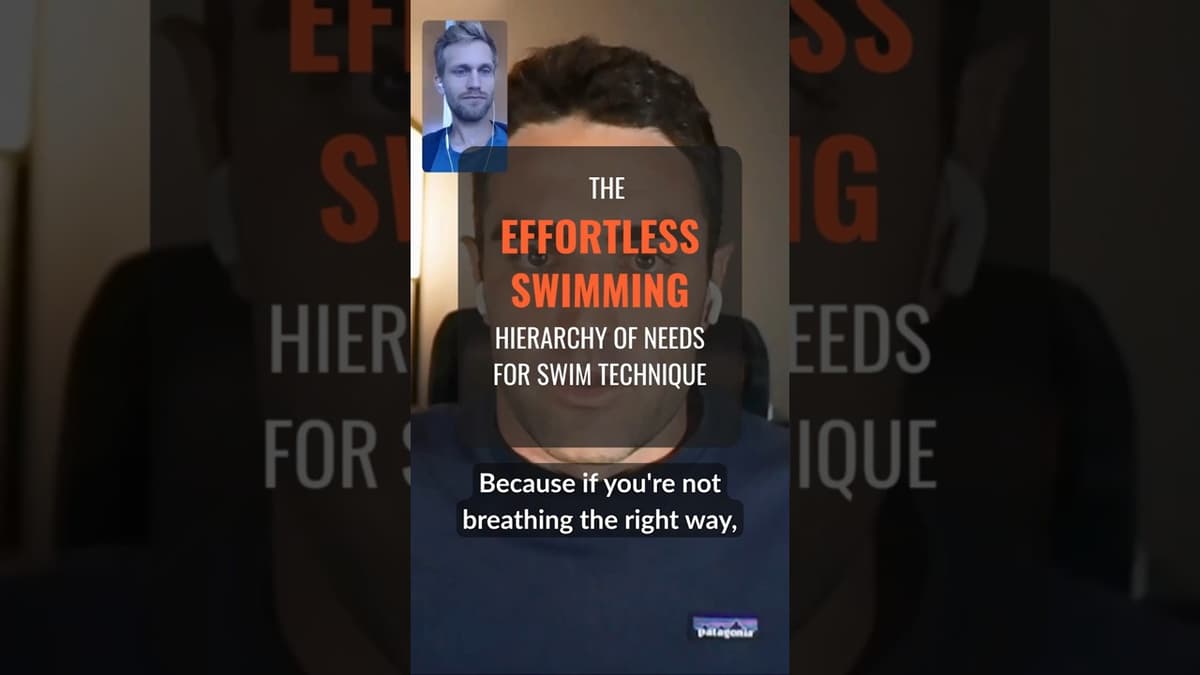
The Effortless Swimming Hierarchy of Needs for Swim Technique #triathlon #swimming #ironman
The video outlines an "effortless" hierarchy of needs for swim technique aimed at reducing fatigue and improving efficiency. It prioritizes proper breathing first—steady exhalation and avoiding breath-holding or hyperventilation—then building a streamlined body frame with a neutral head, long posture,...
The Swim Technique Hierarchy of Needs for Triathletes | Brenton Ford (Effortless Swimming)
Brenton Ford, coach and founder of Effortless Swimming, lays out a practical ‘hierarchy of needs’ for triathletes’ freestyle technique: start with breathing, then build a stable body frame (head, alignment, narrow kick), add 30–40° rotation, then work recovery/entry/reach, develop the...
Can Manual Therapy Really Change Fascia?
Researchers and clinicians say many manual therapies—foam rolling, massage, dry needling, stretching—can reduce pain and improve movement, but evidence that they mechanically reshape fascia in the short term is weak. Studies showing benefits often do not demonstrate direct changes in...

It Sucks, but It Will Make Swimming Feel Easy
The speaker argues that consistent practice is the single most important factor in regaining and improving swimming ability, recommending ideally three swims per week over months to build comfort, balance, and efficiency in the water. Short breaks cause loss of...
Your Spine Has No Compressive Budget
The video challenges the notion that the spine has a fixed compressive “budget,” arguing that fatigue is a function of overall training load rather than a unique spinal limit. The hosts cite elite powerlifters experiencing up to 36 kN on L3 without...
Cycling Periodization Explained: How to Structure Training for Peak Performance
The podcast explains periodization as the simple practice of structuring training into distinct periods to prepare for target races, tracing its origins from early Russian work through Soviet-era refinement and eventual adoption in the West. Hosts and guest coach Joe...
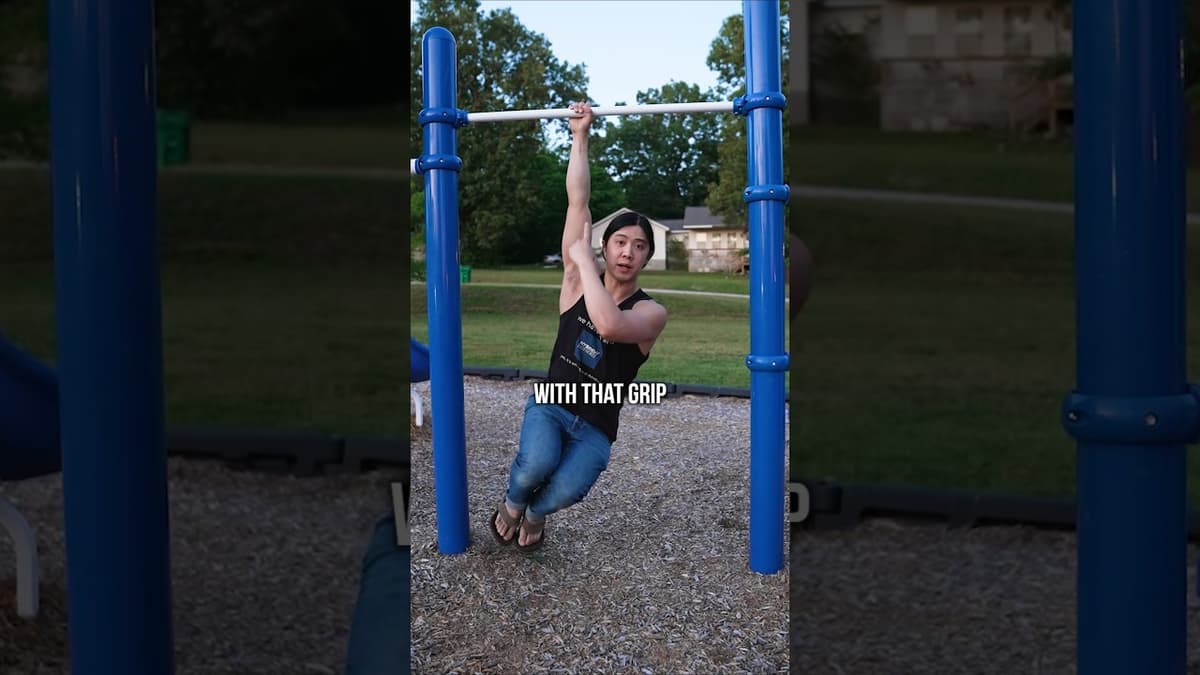
Learning This Hang Helped My Grip a Lot
The video explains why spending up to two minutes hanging from a bar can be a more effective grip‑strength tool than traditional hand‑grip trainers. Hangs simultaneously load the forearms, shoulders, and core, turning grip work into a full‑body movement. Unlike isolated...
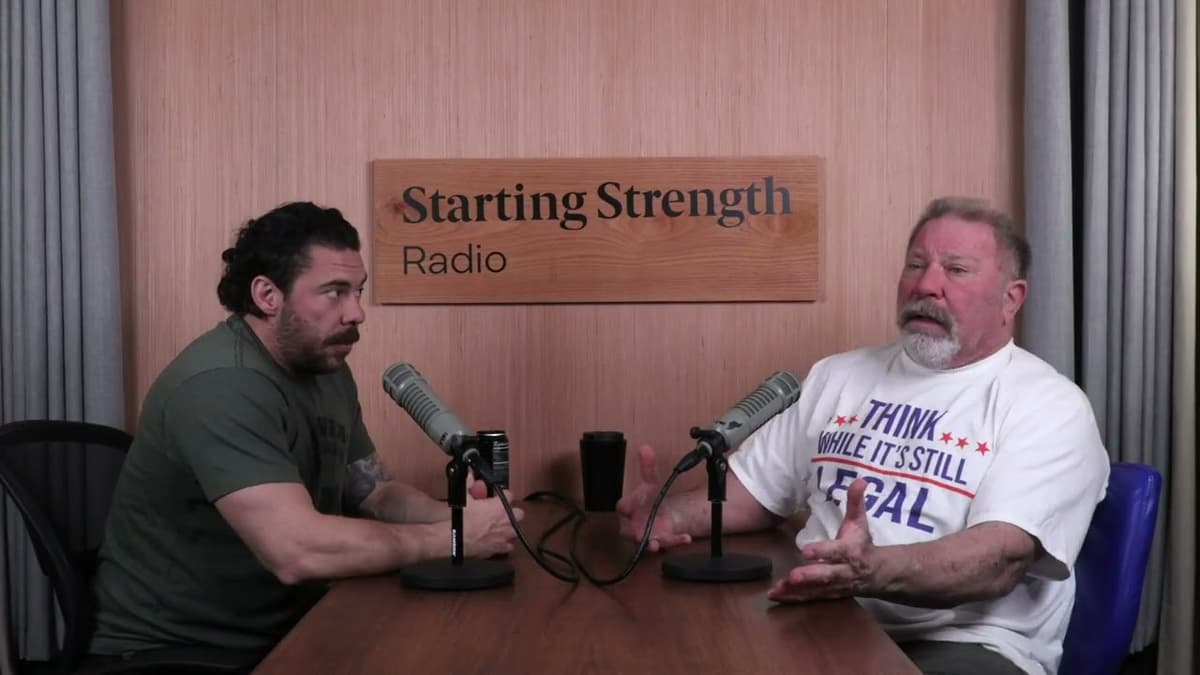
You Need Consistency To Adapt | Starting Strength Network Previews
The video emphasizes that getting stronger hinges on a simple, three‑step loop: apply stress by lifting heavier weights, recover adequately, and let the body adapt. Rusty and his co‑host frame this loop as the "grammar of training," insisting that any...
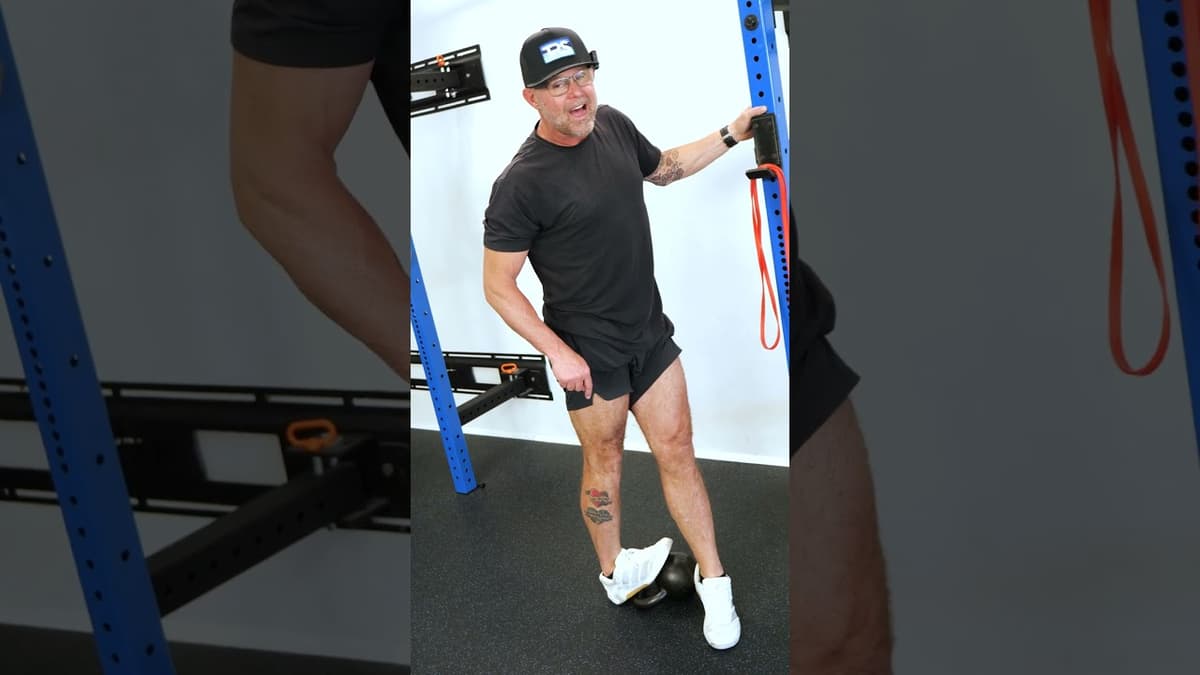
Calf Stretch Isometric for Better Dorsiflexion, Ankle Mobility & Deep Calf Release (3x 30s/Side)
The video demonstrates a simple isometric calf stretch designed to enhance dorsiflexion, ankle mobility, and release deep calf tissue. The trainer uses everyday objects—such as a curb or a tipped kettlebell—to create resistance while the foot is elevated. Key cues include...
Your Brain Might Be the Reason You’re Not Sleeping After an Injury. 🧠
The video explains that nighttime sleep disturbances following an acute injury are not merely a nuisance but a deliberate neurological response. The brain actively signals the body to move during the night to protect the damaged tissue. According to the presenter,...
Breathing for Endurance Athletes: Can Better Breathing Improve Performance?
The Fast Talk episode explores whether endurance athletes can improve performance by training their breathing. Host Rob Pickles and guests—exercise physiologist Dr. Steven Chung, coach Steve Neil, and researcher Jared Berg—break down core respiratory concepts and debate the “body knows best” stance of...
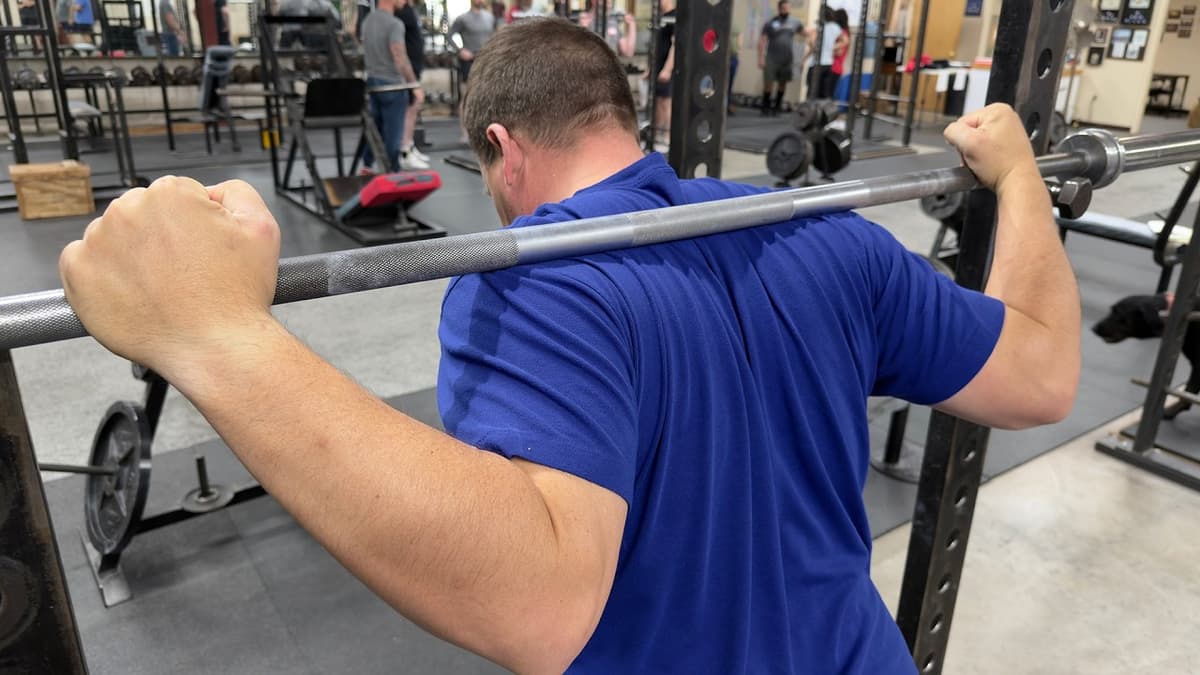
Proper Placement Of Bar In The Squat
The video walks viewers through the fundamentals of bar placement for the squat, contrasting the high‑bar and low‑bar techniques and explaining why the latter is preferred for most strength athletes. A low‑bar squat positions the bar just below the scapular spine,...

Give It a Rest to Do Your Best: The Sleep Habits That Catalyze Your Communication
In this Think Fast, Talks Smart episode, sleep physician Dr. Sher Ma explains how sleep hygiene directly shapes communication effectiveness, decision‑making and leadership presence. She links restorative sleep to sharper thinking, faster reaction times, balanced hormones and greater empathy—qualities essential...
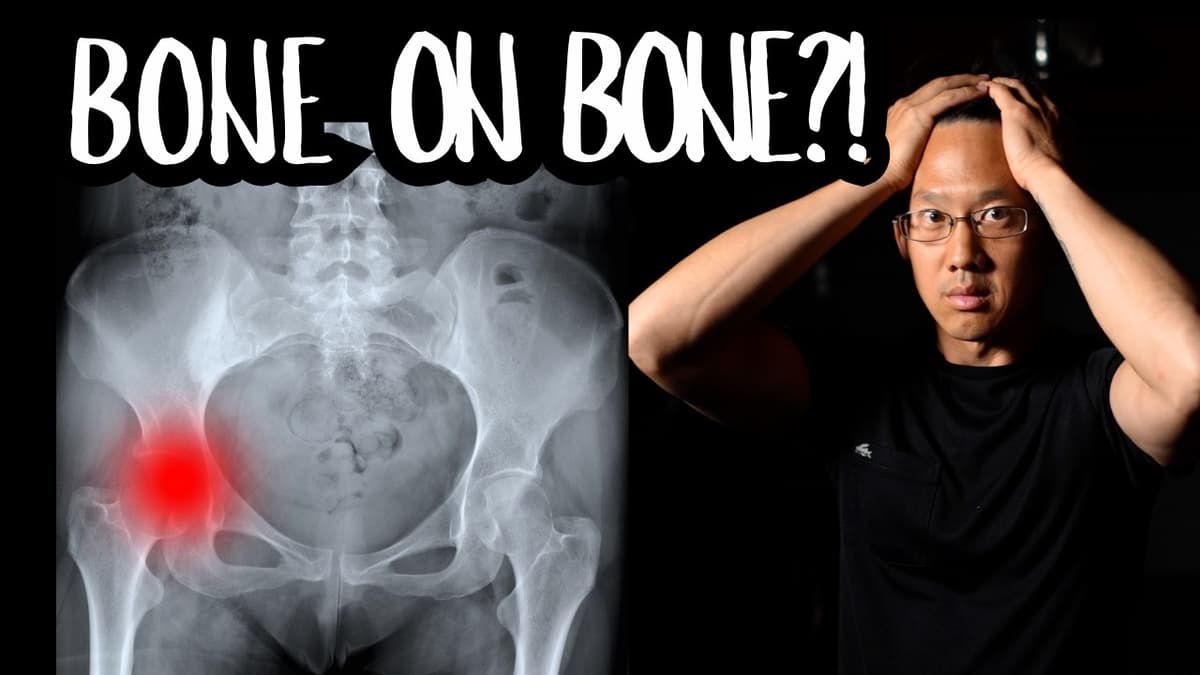
Your Hip X-Ray May NOT Explain Your Pain
The video challenges the assumption that a stage‑four hip‑arthritis diagnosis on an X‑ray automatically mandates joint replacement. Using Susan’s story—a late‑60s cyclist who faced sudden hip pain despite a "bone‑on‑bone" label—the presenter argues that imaging often fails to capture the...
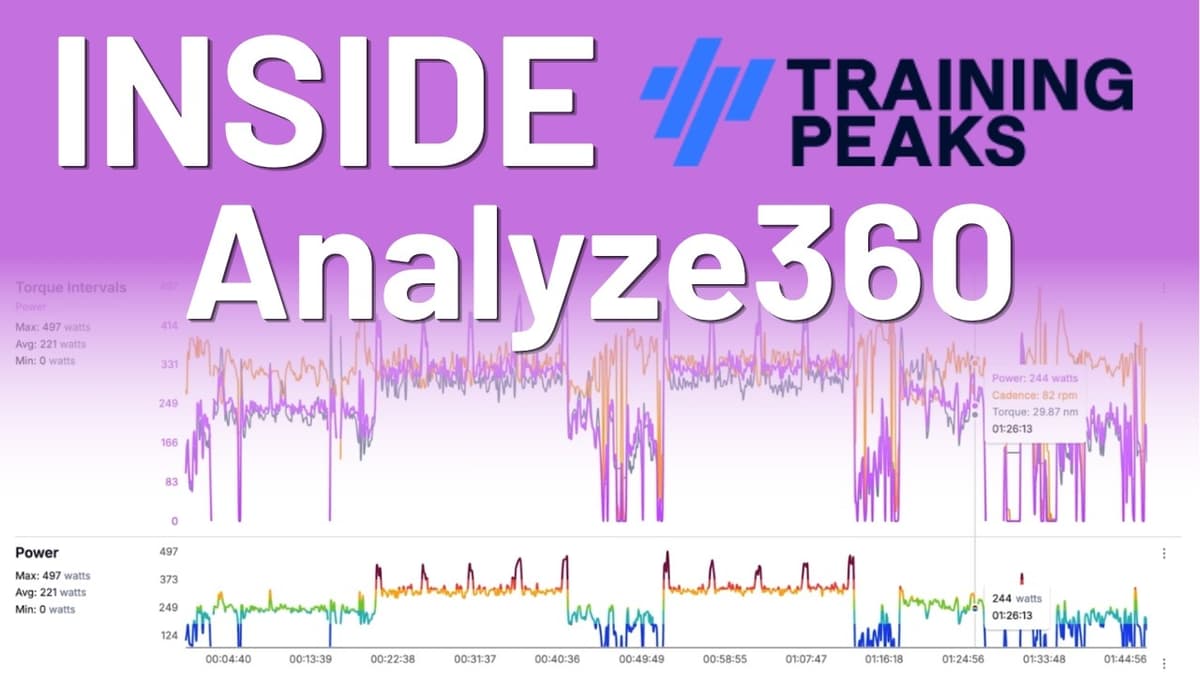
Inside TrainingPeaks Analyze360: Visualize Data Like Never Before
TrainingPeaks unveiled Analyze 360, a new analytics interface that lets athletes and coaches layer emerging physiological sensors—heat strain, ventilation, sweat rate—on top of traditional power, cadence and heart‑rate streams. The platform is fully customizable: users can display up to four data channels...
The Hidden Impact of Mouth Breathing in Children
The video highlights how chronic mouth breathing, affecting 25‑50 % of school‑aged children, is an under‑recognized health issue that can reshape academic trajectories. Research cited links open‑mouth breathing to poorer test scores, disrupted REM sleep, and heightened daytime fatigue, which together erode...

5 Massage Gun Mistakes That Could Be Making Your Pain Worse
The video warns consumers about five common mistakes that can turn a massage gun from a recovery tool into a source of injury. It emphasizes that users must be mindful of anatomy and personal health conditions before pressing the device...
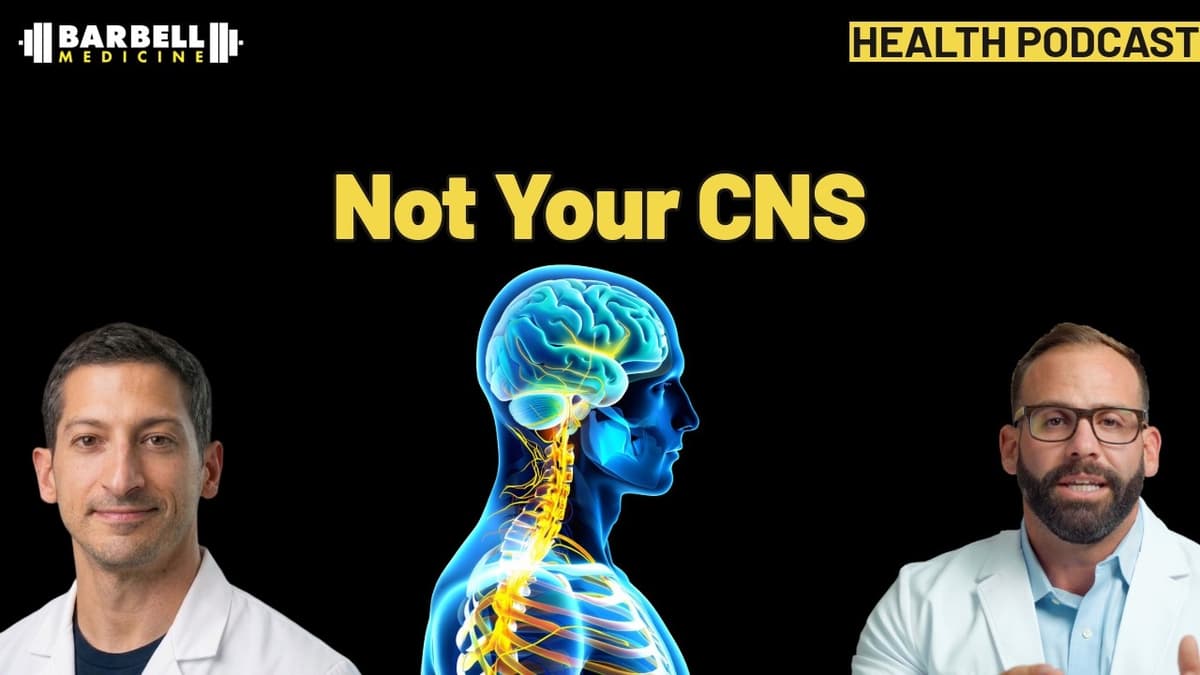
The CNS Fatigue Myth
The video challenges the popular belief that heavy lifting induces central nervous system (CNS) fatigue, arguing that the myth lacks empirical support. It centers on a 2018 study by Skarabot et al., which used direct electrical leg stimulation and transcranial...

Rachel Entrekin Shatters 250-Mile Course Record
The video profiles Rachel Entrekin’s astonishing performance at the Coconut 250‑mile endurance race in Flagstaff, Arizona. Over three days, participants can pause, eat, and nap, but every minute counts toward the final time. Entrekin shattered the course record, finishing in...
I Say This a Lot and People Always Ask What I Mean by It ⤵️
The video centers on the speaker’s recurring mantra that “when you stop jumping, you start dying,” linking an old Soviet concept of springiness to modern research showing power—rapid force generation—outperforms raw strength as a mortality predictor. Recent studies suggest that the...
The 95% of Training That Matters: Why Fundamentals Beat Marginal Gains for Endurance Athletes
The episode tackles a core debate for endurance athletes: should they chase marginal‑gain tricks or double down on the fundamentals that make up the bulk of performance? Host Chris Casease and coaches Trevor Connor and Ryan Kohler argue that for most...
Sleep and Athletic Recovery: How Endurance Athletes Can Improve Sleep Quality and Performance
The Fast Talk episode tackles sleep’s central role in endurance athletes’ performance, moving beyond the obvious health benefits to practical strategies for monitoring and improving nightly rest. Host Chris Casease and Dr. Shona Hollson explore how athletes can use wearable...

Let the Hand Travel Slightly Wider over the Water so the Shoulder Stays Relaxed...
The video focuses on refining the over‑water arm recovery in freestyle swimming, urging swimmers to let the hand travel slightly wider to keep the shoulder relaxed. A hand path that stays too close to the body can jam the shoulder, limit...
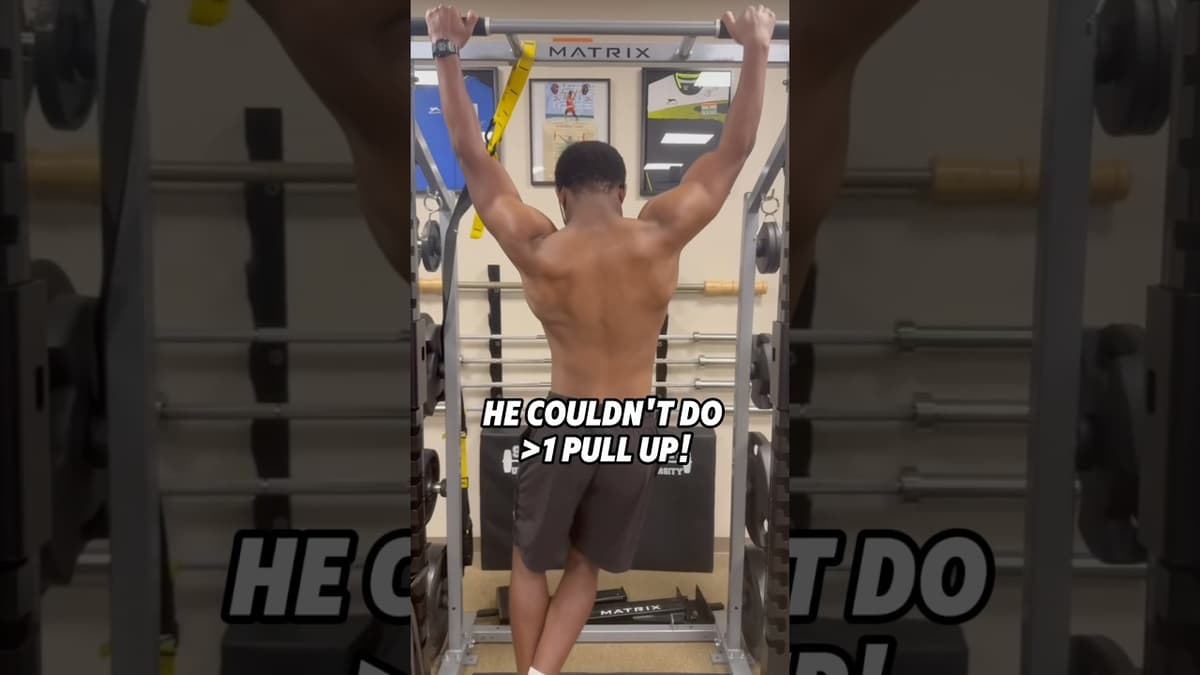
He Couldn’t Do Pull-Ups UNTIL…🤯
The video walks viewers through a systematic correction of a client’s pull‑up deficiency, highlighting how asymmetrical shoulder stability can cripple performance. The trainer identified a strong left lower trapezius but a markedly weak right counterpart, coupled with limited external rotation,...
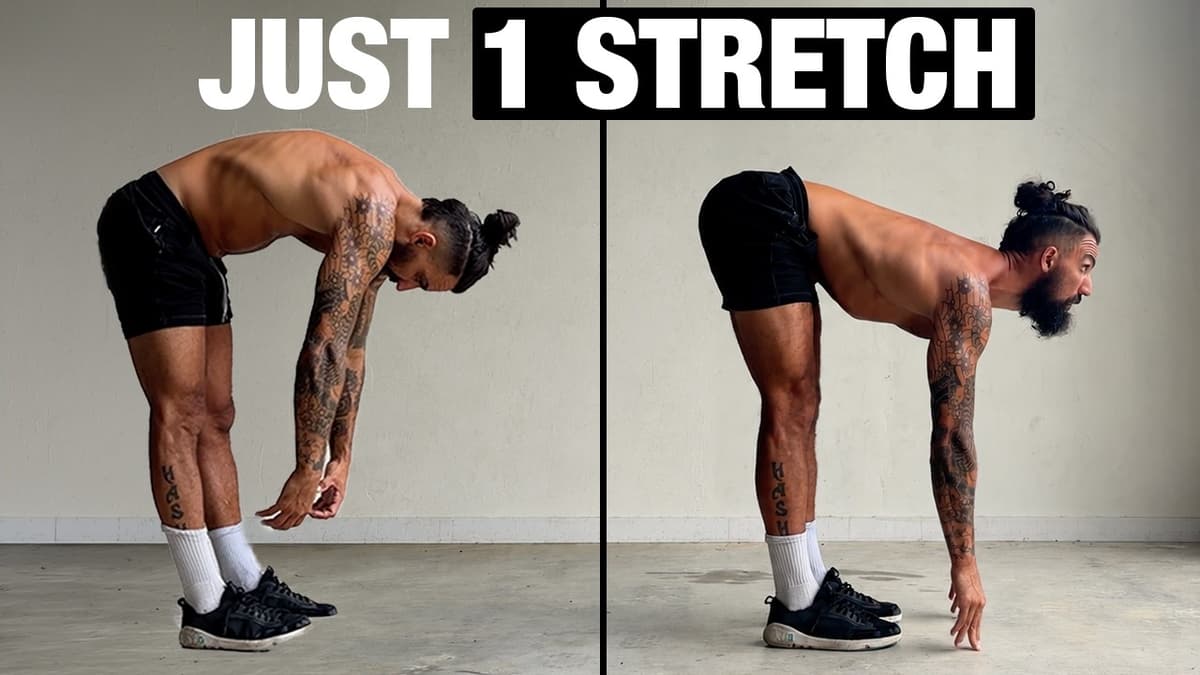
The ONLY Hamstring Stretch You Need, Forever.
The video teaches a single, low‑tech movement—dubbed the “Good Morning Floss”—that claims to give 90 % of viewers sufficient hamstring mobility without complex routines. The instructor demonstrates a diagnostic test (knees straight, back arched, hips hinged to 90°) and then walks through...
Stretching and Performance: What Cyclists Need to Know About Flexibility, Power, and Injury Risk
Episode 97 of Fast Talk features Manakam Brody, owner of Human Vortex Training, discussing how stretching influences cycling performance, power output, and injury risk. Brody explains that research on stretching and performance is sparse, but three primary mechanisms emerge: increased stretch...
Should You Do VO2max Training when Preparing for Sprint and Olympic Distance Triathlon? #triathlon
The video addresses whether VO2max training should be incorporated when preparing for sprint and Olympic distance triathlons, focusing on pacing and intensity zones. The speaker explains that sprint race pace corresponds to an athlete’s critical speed or power, while Olympic distance...
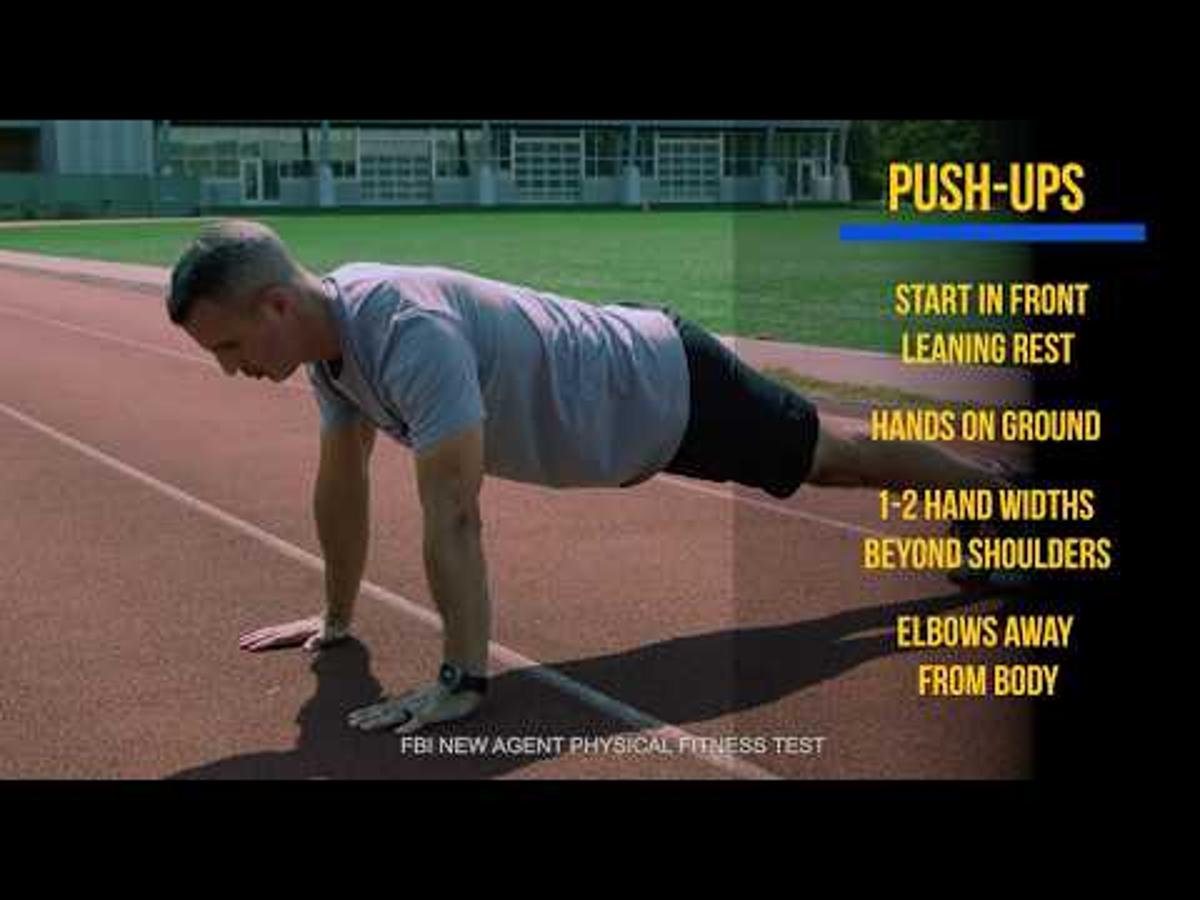
FBI New Agent Physical Fitness Test (PFT) Protocol
The video outlines the FBI’s new Physical Fitness Test (PFT) protocol required for candidates entering the Academy, emphasizing that physical readiness is non‑negotiable for future agents. The test comprises four events—strict‑form pull‑ups, a 300‑meter sprint, timed push‑ups, and a 1.5‑mile run—each...
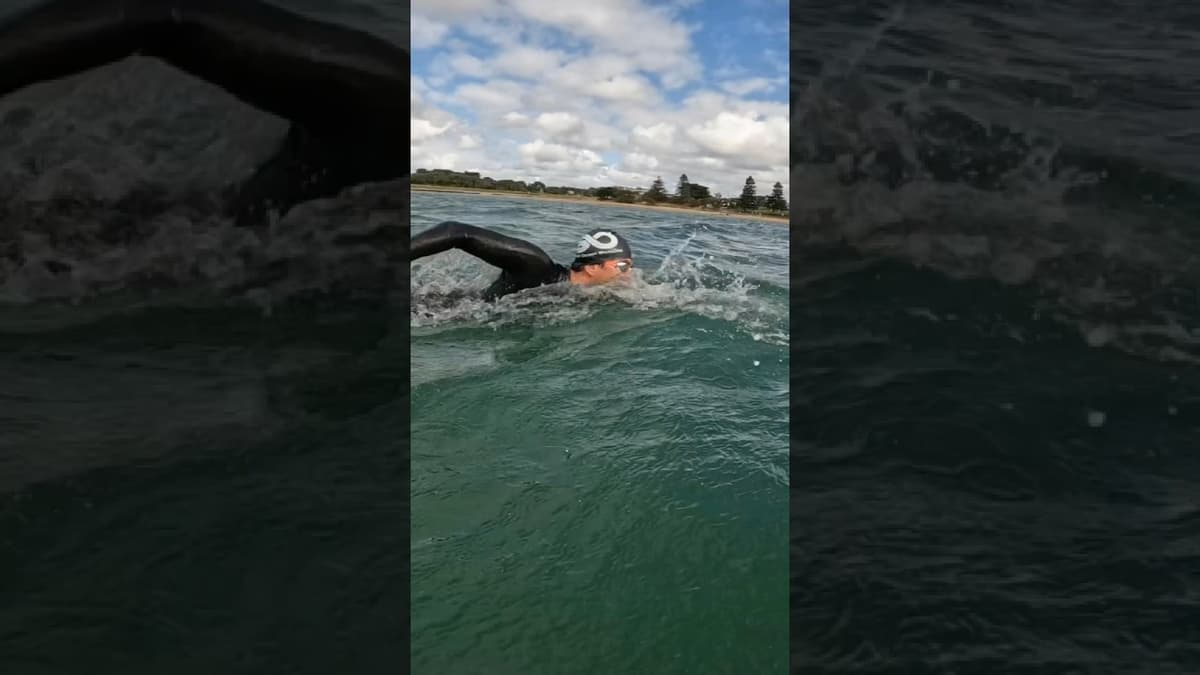
Faster in the Pool ≠ Faster in Open Water
The video explains that open‑water swimming rewards technique and strategy more than sheer speed, contrasting sharply with pool racing where raw pace dominates. Athletes who excel at drafting, sighting, and course navigation can compete effectively even against swimmers who post...
The Essential Guide to Sprint and Olympic Distance Triathlon Training
The episode serves as a practical guide to sprint and Olympic‑distance triathlon training, emphasizing non‑draft formats while sprinkling in a detailed discussion on bike chain waxing as a cost‑effective performance tweak. Jack Hutchins outlines the core performance determinants: despite the shorter...
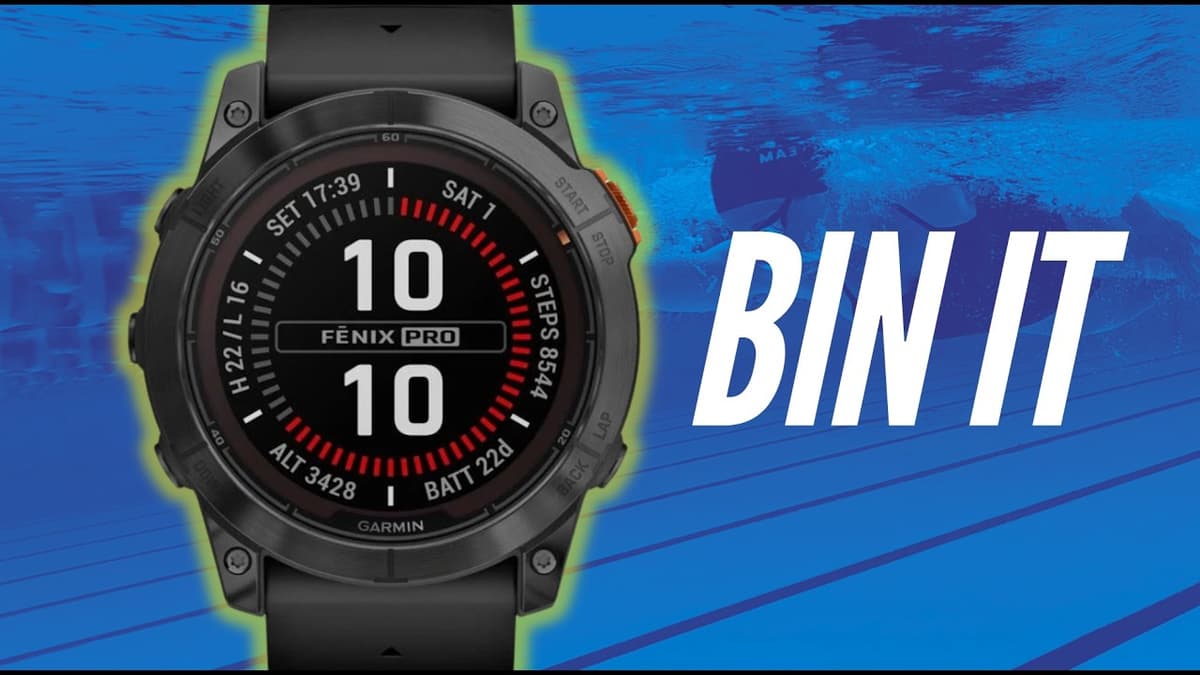
Once You Ignore Your Watch, You'll Get Faster
The video argues that relying on a wrist‑watch during pool training pulls swimmers out of the present moment, impairing the tactile feedback that drives efficient technique. By constantly checking split times, athletes become preoccupied with numbers rather than the feel...
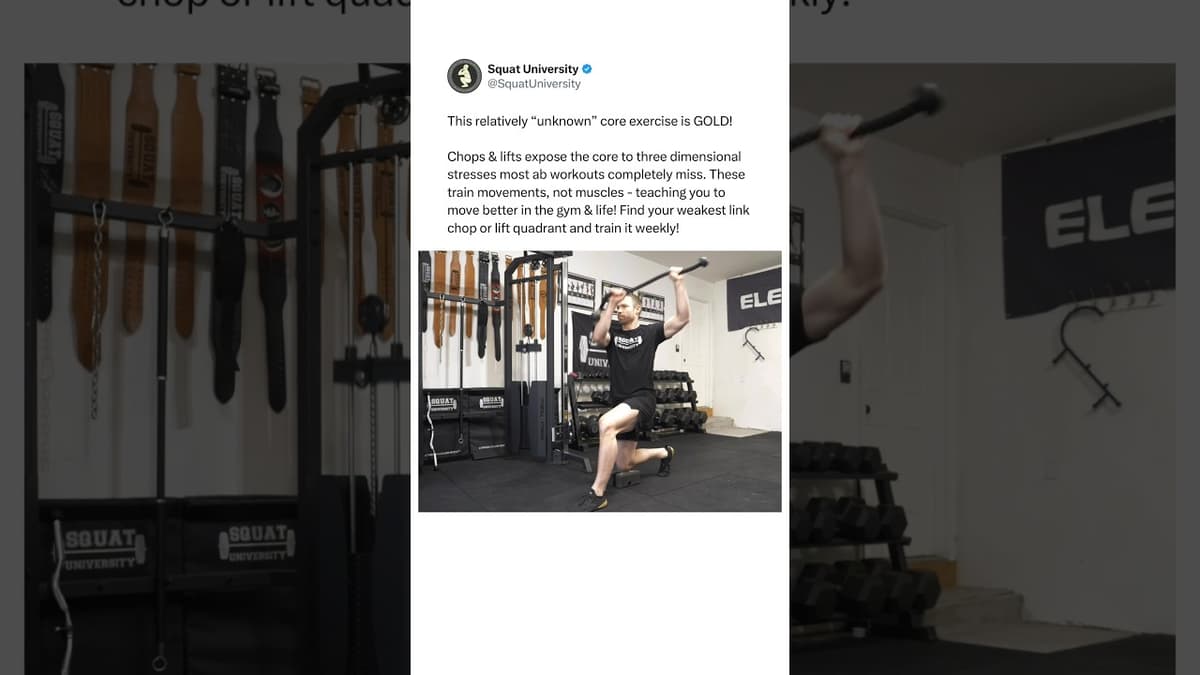
My New Favorite Core Workout!🥰
The video introduces a cable‑based core workout that emphasizes precise arm movements while the trunk remains a stable platform. Viewers are instructed to keep the cable close to the body, pull toward the center, and push away, ensuring the torso...
I Don’t Worry Too Much About Deload Weeks for Most Adults…
The video argues that most adults engaged in general physical preparedness don’t need scheduled deload weeks, reserving such structured recovery for elite athletes. The presenter contrasts the tightly controlled environment of high‑performance athletes—where volume, nutrition, and sleep are meticulously tracked—with the...
Sweat Rate and Hydration: How Endurance Athletes Should Replace Fluids and Electrolytes
In this Fast Talk episode, host Rob Pickles and guests—including Dr. Robert Kenneth, a former US Army Institute researcher—break down the science of sweat rate and fluid replacement for endurance athletes. The discussion frames sweating as the primary mechanism for...
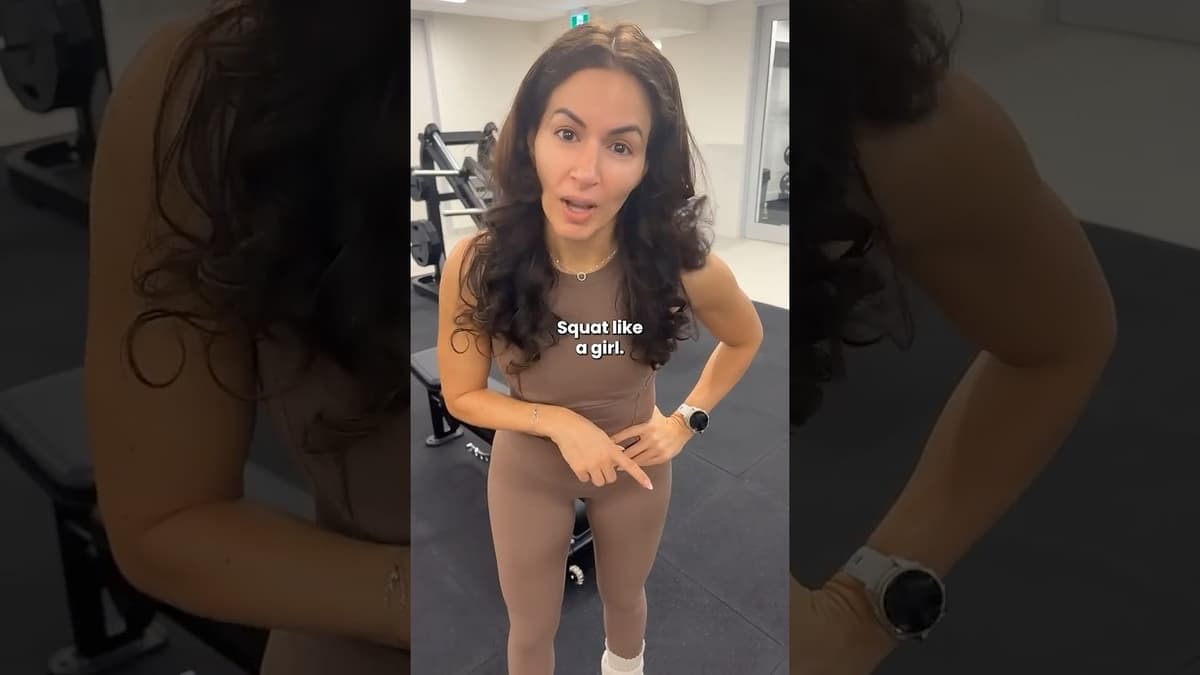
The Squat for Rounder Glutes
The video teaches women how to adjust their squat to engage the glutes rather than the quads. It explains that many women are quad‑dominant because a flared ribcage, insufficient dorsiflexion and a ‘butt‑wink’ at depth cause the pelvis to tuck under,...