Today's Global Economy Pulse
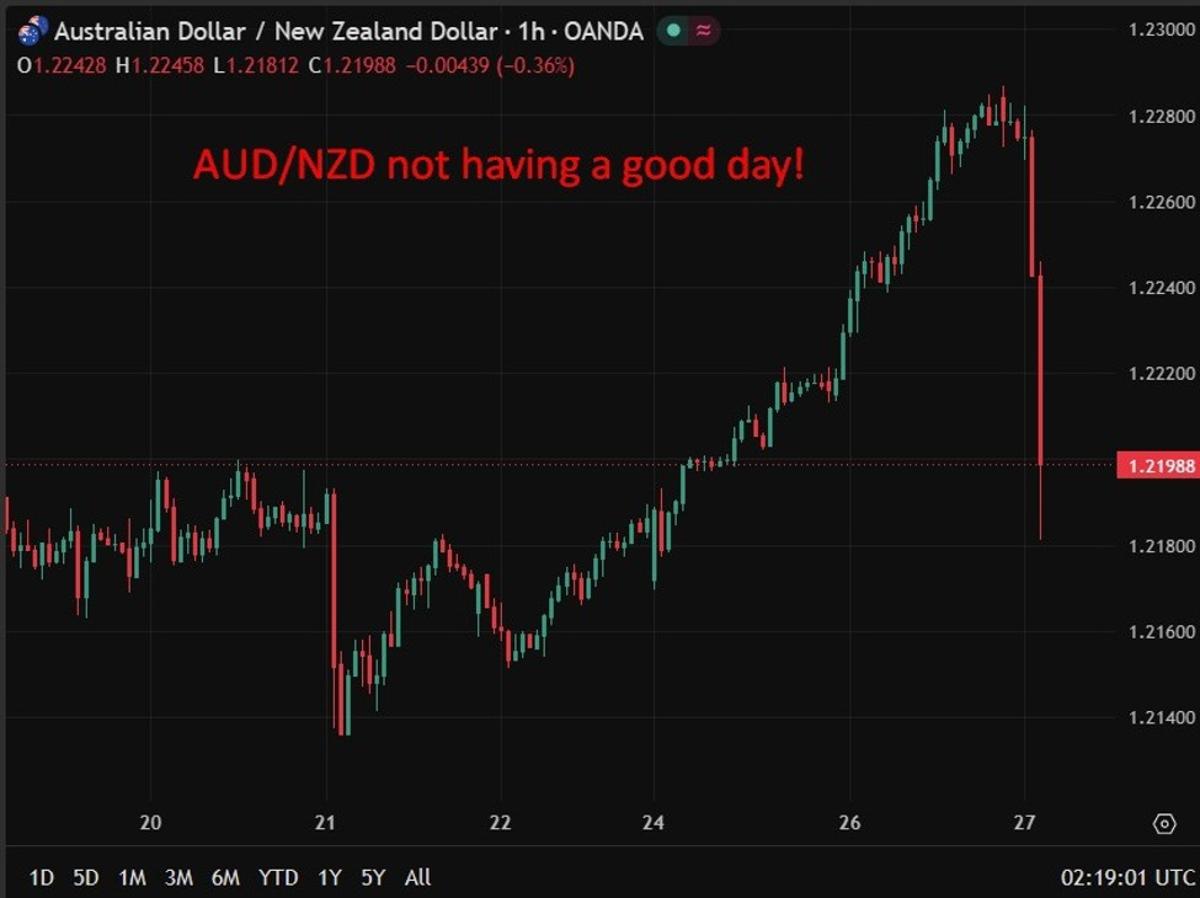
Australia's April CPI eases to 4.2% as core inflation hits 2024 high
Australia’s consumer price index slipped to a 4.2% annual rise in April, missing the 4.4% consensus as a temporary fuel excise cut trimmed transport costs. At the same time, the trimmed‑mean core inflation gauge rose to 3.4% year‑over‑year, the highest level since late‑2024, keeping pressure on the Reserve Bank of Australia’s inflation target.

Why Economic Pain Won’t Stop Russia’s War
Sanctions and economic pressure have strained Russia’s economy, but the war persists. The article argues that historical cases show economic pain rarely forces a state to abandon a large‑scale conflict unless it triggers military defeat, elite fragmentation, or regime collapse. In Russia, defence spending is protected, elite rents have shifted toward the war economy, and public hardship is framed as patriotic sacrifice, insulating the Kremlin from policy change. Consequently, current economic indicators are insufficient to predict a near‑term end to the war.
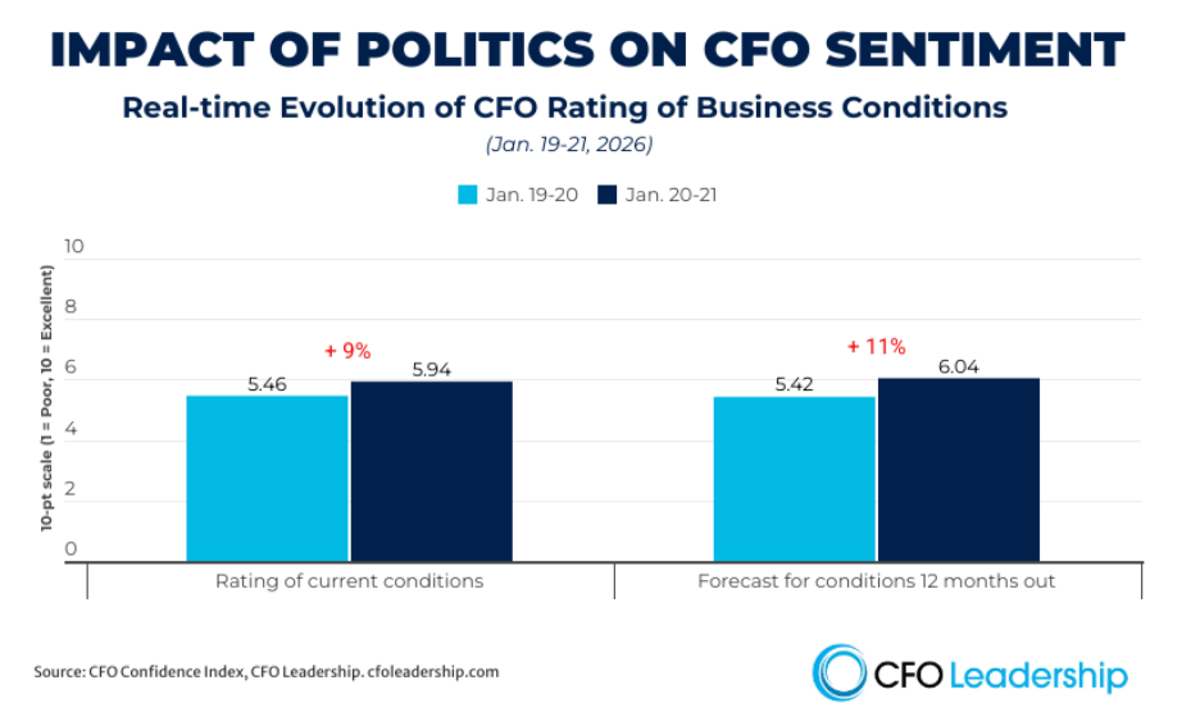
CFO Confidence Slips Amid Washington Uncertainty
The Q1 2026 CFO Leadership Confidence Index shows U.S. finance chiefs reacting sharply to Washington’s policy volatility. Before President Trump’s tariff warning, 130 CFOs rated current business conditions at 5.5, a 9% decline from Q4, but after a NATO deal...

Greenland and The London Consensus
In this episode, hosts Mark Zandi, Cris deRitis, and Marisa DiNatale review recent economic data before diving into the U.S. proposal to purchase Greenland and Europe’s reaction, highlighting President Trump’s confrontational stance and framing the TACO (Trade and Climate Opportunity)...

Who Are the Frontrunners for the Top Fed Job?
President Donald Trump is expected to nominate a successor to Federal Reserve Chair Jerome Powell in the coming weeks, amid heightened political pressure for lower borrowing costs. The shortlist includes Kevin Hassett, a Trump‑aligned economist; former governor Kevin Warsh, a...

How Much Money Does the UK Government Borrow, and Does It Matter?
The UK’s public sector net borrowing fell 38% in December 2025, a £7.1 billion reduction from the previous month. Over the full financial year to March 2025 the government borrowed £152.6 billion, with an additional £140.4 billion borrowed between April and November 2025....

Global Employment in 2026: A Fragile Stability
The ILO’s 2026 Employment and Social Trends report shows that global labour markets appear stable, with unemployment projected at 4.9%, but this masks deep challenges to decent work, including rising extreme poverty, high informality (57.7% of workers) and stagnant productivity....

Assisted Thinking
The episode “Assisted Thinking” dissects the stark contrast between China’s massive reliance on coal—accounting for 58% of its primary energy in 2024—and the Western media narrative that paints Beijing as a climate leader. By examining data from the Statistical Review...

IMF Warns of Trade Tension Risk to Global Growth
The International Monetary Fund’s latest World Economic Outlook projects global GDP growth at 3.3% in 2026, up from 3.1%, but warns that trade tensions and a potential slowdown in AI‑driven investment pose downside risks. The report highlights the importance of...

Monday: Silver Slides as Iran Tensions Ease
In this brief episode, ANZ’s research analysts discuss the recent decline in silver prices, attributing the slide to easing geopolitical tensions with Iran. They note that reduced risk premiums are dampening demand for safe‑haven assets, while broader market dynamics and...

The One Measure that Can Tell Us a Lot About the State of the UK Economy
The GfK Consumer Confidence Barometer shows a historic split after the 2024 election, with confidence soaring among under‑30s and under‑50s while falling sharply for those over 50. Younger optimism aligns with recent Bank of England rate cuts and a liberal‑left...
Inside China
In this episode, the Inside Economics team first breaks down December's U.S. consumer price index, assessing the current inflation trajectory. They then turn to Logan Wright, partner and director of China market research at Rhodium Group, who explains the challenges...

Market View: Is the AI Trade Back On?
The episode examines whether the AI trade is resurging, focusing on the surge in semiconductor stocks and banks benefiting from AI‑related demand. It analyzes TSMC’s record earnings and what they reveal about the durability of AI‑driven chip supply chains, while...
Friday: Oil Down 4.9% as Iran Tensions Ease
In this brief episode, ANZ Research analysts discuss the recent 4.9% drop in oil prices, attributing the decline primarily to easing geopolitical tensions with Iran. They explain how reduced risk of supply disruptions has softened market sentiment and led to...
Thursday: Intervention Talk Props up Yen
In this brief episode of "5 in 5 with ANZ," host Bernard Hickey highlights how recent central bank interventions have bolstered the Japanese yen amid broader market volatility. He notes that while banking stress persists in the US and Europe,...
![[Episode #267] – Japan: Petrostate or Electrostate?](/cdn-cgi/image/width=1200,quality=75,format=auto,fit=cover/https://cdn.xenetwork.org/ets/wp-content/uploads/sites/2/powerpress/ETS-PodcastArtwork-full.png)
[Episode #267] – Japan: Petrostate or Electrostate?
In this mini‑episode, Chris and former IEA Executive Director Nobuo Tanaka examine Japan’s precarious position in the global energy transition, weighing whether it should align with petro‑states, join the electrostate movement, or straddle both. Tanaka proposes a bold East Asian...

The Dollar Consolidates While Japan Steps Up Its Intervention Threats and Decision Day for the SCOTUS
The U.S. dollar is in a consolidating phase, hovering around JPY158.6 after a brief push toward JPY159.5, as Japanese authorities intensify verbal warnings of possible market intervention. In North America, traders await U.S. PPI, retail sales data and comments from...