
UAE Pulls US$3.5 Billion From Pakistan After Iran War Mediation
The United Arab Emirates has demanded the repayment of a US$3.5 billion deposit held by Pakistan's central bank, signaling a sharp diplomatic rift after Islamabad helped broker a cease‑fire in the Iran war. The demand comes just days after Pakistan’s mediation role was praised, highlighting the UAE’s frustration over perceived imbalances in regional alliances. Analysts warn that the move could set a precedent for other creditor nations monitoring Pakistan’s debt obligations. The pull‑out threatens to strain Pakistan’s already fragile foreign‑exchange reserves.

Fallout of War Piles Economic Pain Onto Europe’s Political Stress
Europe is increasingly isolated from its traditional partners—Russia, China and the United States—creating a perfect storm of economic strain. Russian sabotage and reduced oil flows have rattled energy security, while a flood of low‑cost Chinese goods is eroding manufacturing margins...

“How the World Declared War on America”
J.G. Ballard’s unpublished manuscript, “An Immodest Proposal, or How the World Declared War on America,” resurfaced from his 2005 notebooks at the British Library. The draft imagines a United States that dominates the Middle East, manipulates global trade, and faces a...

US Tariff Refund Process to Begin April 20 After Top Court’s Decision
The U.S. Customs and Border Protection announced that, beginning April 20, importers can submit requests for tariff refunds after the Supreme Court nullified former President Donald Trump’s sweeping global duties. The refund program will initially cover only unliquidated entries or those...

Former Fed Official Argues Against Fed Independence
Former Fed Vice Chair for Supervision Randal Quarles told a Shadow Open Market Committee audience that the legal shield preventing presidential removal of Board members should be scrapped, but argued the Fed’s decentralized structure would still keep monetary policy insulated from...

Longer-Term Impacts From War Constrain SET
The Stock Exchange of Thailand (SET) experienced extreme volatility in March after Israel and the United States began bombing Iran, triggering a circuit‑breaker when the index dropped 8% on March 4. Oil prices surged nearly 40%, sending diesel to over 50 baht...

Iran Ceasefire Eases Markets, Not Singapore’s Concerns
A cease‑fire in the Iran conflict has steadied global risk assets, but Singapore’s foreign affairs minister warned that the worst‑case energy‑supply shock is not fully priced in. Singapore responded with about S$1 billion (≈ $785 million) of support measures and urged reduced electricity...

Wall Street Strategists Wrestle with War’s Toll on 2026 Outlook
A fragile cease‑fire in the Middle East sparked a brief rally, lifting the S&P 500 3.6% – its strongest jump since November – while emerging‑market equities and Bitcoin surged. Wall Street strategists, however, warn the war has already scarred inflation, energy...

Oil Posts Biggest Weekly Loss Since 2020 Ahead of Iran-US Talks
Oil prices slipped sharply as the market digested the prospect of Iran‑U.S. talks. West Texas Intermediate fell 1.3% to below $97 a barrel, while weekly futures dropped 13.4%, marking the steepest decline since 2020. Prices remain over 30% above pre‑conflict...

S&P’s Lower Philippine Outlook Not a Surprise–Nomura
S&P Global Ratings downgraded the Philippines sovereign outlook to "stable," echoing concerns over twin budget and current‑account deficits. Nomura analysts said the move was anticipated after the flood‑control corruption scandal and an energy shock from the Middle East war heightened...

Philippine Manufacturers Call for ‘Ayuda’ Amid War-Linked Crisis
The Federation of Philippine Industries (FPI) urged the government to provide targeted, time‑bound aid to manufacturers as the Middle East conflict keeps oil and logistics costs high. Despite the recent reopening of the Strait of Hormuz, fuel surcharges have risen...

Thailand Targets Major Investment Reform
Thai Finance Minister Ekniti Nitithanprapas warned that the current global energy crisis is Thailand's last chance to overhaul its investment framework. Domestic investment has slipped to just 24% of GDP, down from 40% before the 1997 crisis, leaving the export‑driven...

News Wrap: Inflation Report Shows the Biggest Increase Since 2024
The Labor Department’s consumer price index rose 3.3% year‑over‑year, the fastest increase since 2024, driven by gasoline prices that posted their biggest monthly jump in six decades. Stripping out food and energy, core inflation barely moved, indicating modest underlying price...

Thai Export Pain Set to Continue Despite Mideast Truce
Thai export growth is expected to stall at 0‑1% this year as the Middle East conflict disrupts supply chains and dampens demand in key markets. The partial reopening of the Strait of Hormuz with Iranian tolls raises shipping costs, while...

Drawdowns & Rallies: Seeing Through a Fog Darkly (E257)
DoubleLine’s Eric Dhall and Mark Kimbrough dissected market turbulence over the two weeks ending April 10, highlighting how the Middle‑East conflict created a “fog of war” that clouded pricing. The S&P 500 slumped after the Feb 28 war outbreak and surged once a...

China to Ban Sulfuric Acid Exports as War Hits Supply
China announced a ban on sulfuric acid exports starting in May, targeting acid produced as a by‑product of copper and zinc smelting. The restriction follows supply disruptions caused by the Iran‑Israel war, which has choked sulfur shipments from the Middle...

Gulf Allays Concerns over LNG Supplies
Gulf Development Plc, Thailand’s largest energy firm, said its LNG supply remained stable despite recent spot‑price spikes caused by the Strait of Hormuz closure and disruptions in Qatar’s exports. The company has diversified its gas purchases, notably sourcing from Nigeria,...

Op-Ed: UK Naval Shrinkage Taints London Defence Conference
The London Defence Conference aimed to position the UK as a geopolitical hub like Munich, but recent statements by Prime Minister Sir Keir Starmer and Defence Secretary have highlighted a shrinking defence posture. Although the government pledged to raise defence...

US Lawmakers Seek to Block China’s DUV Lithography Access
Bipartisan U.S. lawmakers introduced the MATCH Act to block Chinese chipmakers from acquiring deep‑ultraviolet (DUV) immersion lithography systems, related parts, and servicing. The bill coordinates export controls with allies, targeting firms such as SMIC, CXMT, Huawei, Hua Hong and YMTC,...

Iran War: Expensive Oil Drives Rising Inflation in U.S.
The ongoing Iran‑War has choked oil tanker traffic through the Strait of Hormuz, pushing diesel prices up 55% year‑to‑date and sparking a sharp energy‑price shock. In March, the energy component of the CPI jumped 10.9%, while the gasoline index surged...

Investors Are Gloomy About Inflation and Risk-Taking Ahead of Saturday’s Iran Talks
U.S. equities slipped on Friday as investors grew wary of rising inflation and the upcoming U.S.–Iran talks in Islamabad. The Dow Jones fell 0.6%, the S&P 500 edged down 0.1%, while the Nasdaq rose 0.4% after a week‑long rally. Market sentiment...
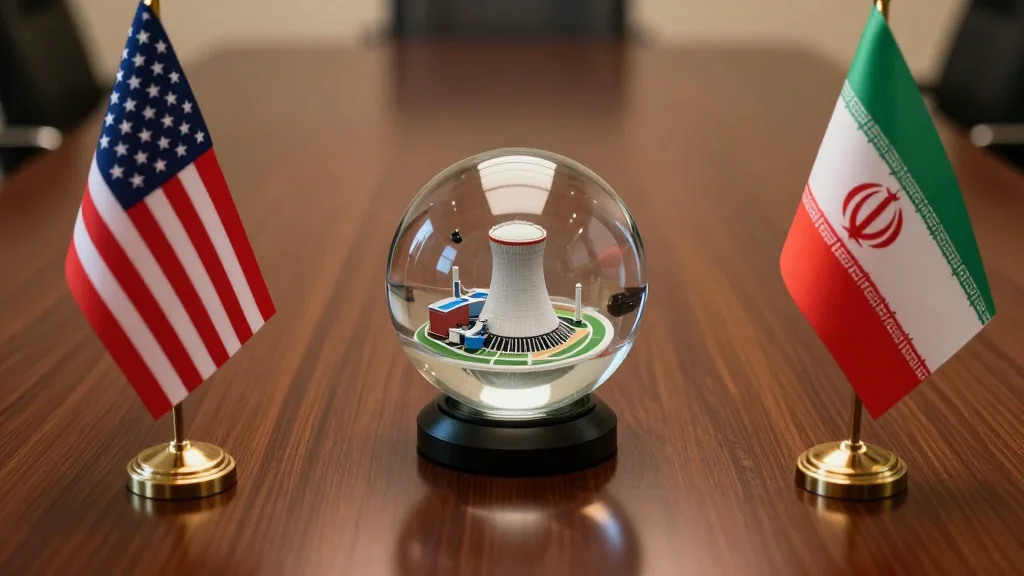
Analysis: U.S. Negotiators Were Ill-Prepared for Serious Nuclear Talks With Iran
U.S. negotiators entered the 2026 Vienna nuclear talks with Iran without a core team of senior nuclear experts, leading to vague proposals and a weakened bargaining position. Internal disagreements among the State Department, the National Security Council, and the Energy...

U.S.-Iran Ceasefire Does Little for Fertilizer Availability, Prices
The recent U.S.-Iran cease‑fire will not quickly restore fertilizer flows through the Strait of Hormuz, according to StoneX market specialist Josh Linville. About 930,000 tons of fertilizer are stranded on ships, yet India alone still requires roughly 600,000 tons more to meet...

US and French Rare Earth Companies Partner in Bid to Catch up with China
USA Rare Earth is taking a 12.5% stake in France’s Carester to accelerate rare‑earth separation capabilities in both the United States and Europe. Carester will use its expertise to scale a Colorado‑based process and to fund a commercial‑scale plant in...

Greer: U.S. and China Relationship Is Stable
U.S. Trade Representative Ambassador Jamieson Greer told a Hudson‑hosted forum that the United States and China have settled into a stable trade relationship, even as substantial tariffs on advanced Chinese goods remain in place. He emphasized the dual priority of...

Canadian Stocks Edge Higher As Optimism Rises Ahead Of U.S.-Iran Peace Talks
Canadian equities nudged higher on Friday as optimism grew around upcoming U.S.–Iran peace talks. The S&P/TSX Composite Index finished at 33,695.76, gaining 218.05 points (0.65%). Eight of 11 sectors posted gains, led by materials (+1.83%) and energy (+1.49%). Meanwhile, Statistics...

The Iran War’s Agriculture Shock Isn’t Over Yet
A tentative cease‑fire between the United States and Iran has not reopened the Strait of Hormuz, leaving energy and fertilizer shipments in limbo. Urea fertilizer prices have surged about 40%, while global fuel costs continue to climb, pressuring agricultural production...

Morningstar DBRS Confirms Republic of Malta at A (High), Stable Trend
Morningstar DBRS confirmed Malta’s sovereign ratings at A (high) for long‑term foreign and local currency debt and R‑1 (middle) for short‑term debt, with a Stable outlook. Real GDP expanded 4.0% in 2025, while the fiscal deficit narrowed to roughly 3%...
Morningstar DBRS Confirms Republic of Lithuania at A (High), Stable Trend
Morningstar DBRS confirmed Lithuania's long‑term sovereign rating at A (high) and short‑term rating at R‑1, maintaining a stable outlook. The agency highlighted solid fiscal discipline, a modest public‑debt ratio of about 39.5% of GDP and 2.9% real GDP growth in...

Is the US Overlooking Turkmenistan in Its Iran Strategy?
The United States is weighing whether to tap Turkmenistan’s border airfields and logistics hubs as a foothold for operations against Iran amid a tentative cease‑fire. Turkmenistan, the only Central Asian nation sharing a 1,126‑km frontier with Iran, maintains a UN‑recognized...

Strait of Hormuz Constraints Keep Oil Prices Elevated
Oil prices hover near $100 per barrel despite the U.S.–Iran cease‑fire, because the Strait of Hormuz remains tightly controlled by Iran’s IRGC. Traffic through the chokepoint is limited to managed routes, preventing a return to normal commercial shipping. Analysts from...
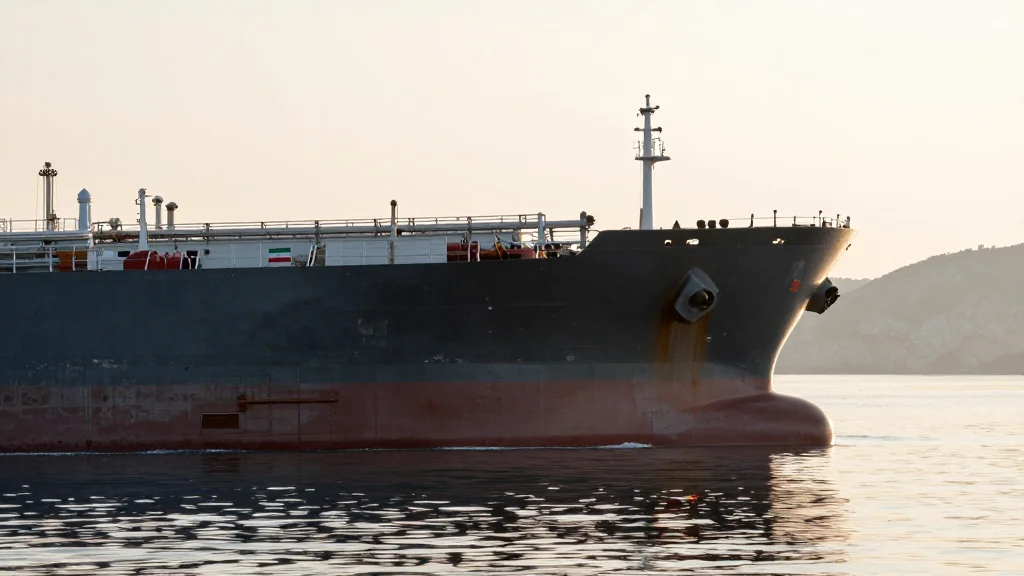
Chhangani Cited in House of Saud Article on How Iran Avoids US Sanctions and Sell Oil to China
Alisha Chhangani was quoted in a House of Saud analysis describing how Iran circumvents U.S. sanctions to continue oil shipments to China. The piece outlines Tehran's use of covert shipping routes, shell companies, and diplomatic channels to mask the origin...

AC Front Page Event with World Bank Group President Ajay Banga Featured in Reuters Article on Slower Global Growth and...
The Atlantic Council hosted a front‑page event featuring World Bank Group President Ajay Banga, whose remarks were subsequently highlighted in a Reuters piece on the slowdown in global growth. Banga warned that the ongoing Middle East conflict is pushing oil prices...
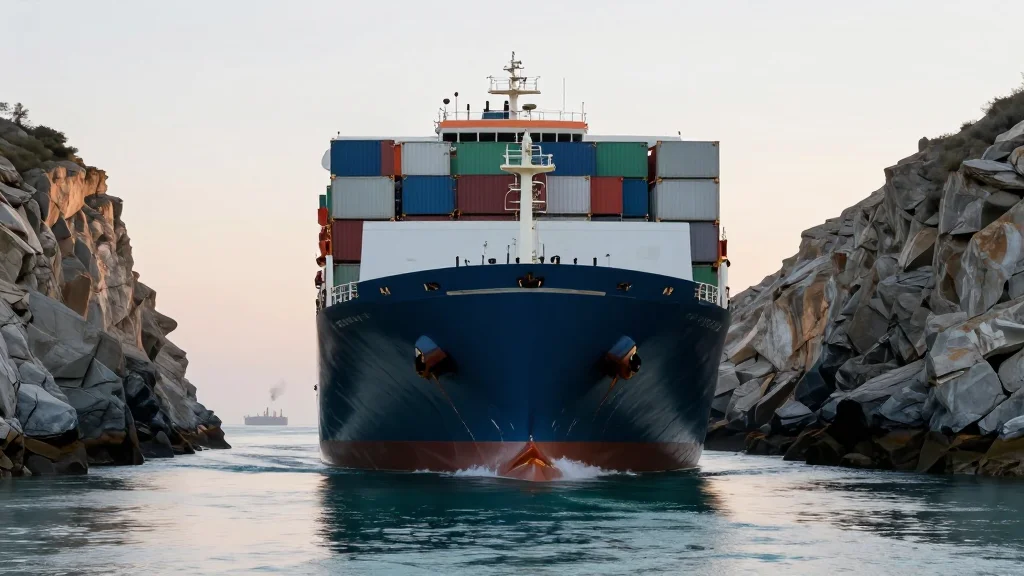
Tannebaum Cited in Politico Article on Risks to Shipping Companies Transiting Hormuz, and the Waterway’s Indispensability to the Global Economy.
Former U.S. Treasury official Robert Tannebaum was quoted in a Politico piece highlighting the heightened risks facing shipping firms that navigate the Strait of Hormuz. He stressed that the narrow waterway remains a chokepoint for roughly one‑fifth of the world’s...
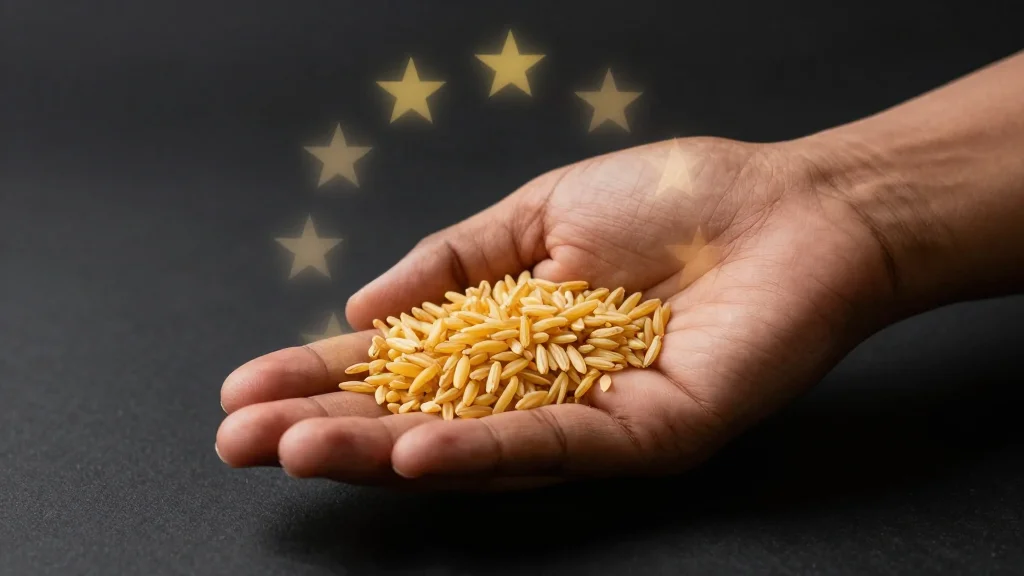
Rice Export Rules Relaxed for Select European Countries
India’s Directorate General of Foreign Trade announced that the mandatory inspection certificate for rice exports will apply only to the EU, UK, Iceland, Liechtenstein, Norway and Switzerland. Exports to all other European nations are exempt for a six‑month period, easing...
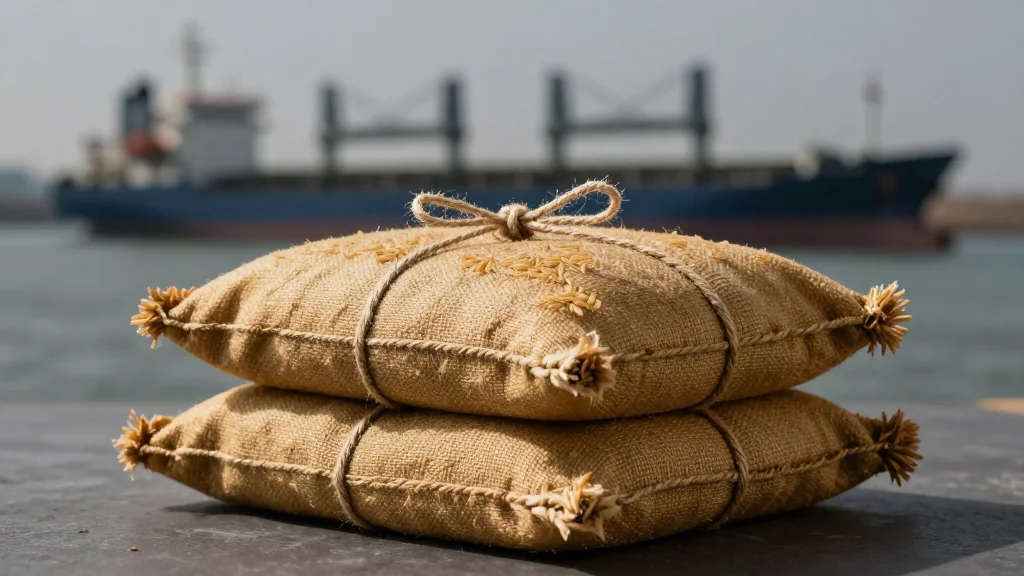
Wholesale Rice Prices up 7% as West Asia Ceasefire Fuels Export Rush
India's wholesale rice prices jumped up to 7% in two days after a US‑Iran ceasefire sparked a surge in export orders to the Middle East and the United States. Prices had previously fallen up to 6% due to disruptions from...
Government Plans Weekly System to Track EXIM Trends
India's commerce ministry announced a new weekly monitoring mechanism to track export‑import trends and sectoral stress indicators. The system aims to identify supply‑chain disruptions, logistics bottlenecks, and rising input costs linked to geopolitical tensions from the Iran war. Customs officials...

Reignited Inflation Could Push Social Security COLA Past 3% Next Year
The U.S. Department of Labor reported a 3.3% year‑over‑year CPI increase for March, propelled by a 10.9% surge in energy prices amid the Iran conflict. The sharp 0.9% monthly rise marks the strongest one‑month jump since the 2022 pandemic‑driven inflation...

Estonia Says Detaining Russia’s Tankers in Baltic Sea Is Too Risky
Estonia, a NATO member bordering the Gulf of Finland, will not detain Russian‑sanctioned oil tankers in the Baltic Sea because the risk of military escalation is deemed too high. The stance follows a failed boarding attempt last year and a...

El Niño Forecast Suggests Risk of Low Water Levels Along Panama Canal
A NOAA forecast predicts a strong El Niño developing this summer, raising the likelihood of a significant drought in the Panama Canal watershed. Reduced rainfall could lower lake levels by as much as 30 cm, forcing the Canal Authority to tighten draft...

Fed Will Need to Explain Why Current Inflation Jump Differs From 2022 Surge
The U.S. consumer price index jumped 0.9% in March, the fastest monthly rise since the 2022 inflation surge, pushing annual headline inflation above 11%. Unlike the 2022 spike, the current increase is driven largely by higher energy costs linked to...

Energy Fueled the CPI Spike but Essentials Are the Real Story
The U.S. Consumer Price Index rose 3.3% year‑over‑year in March, with a 0.9% monthly gain—the fastest since mid‑2022. A 21% jump in gasoline prices supplied nearly three‑quarters of that increase, putting energy at the headline. Core CPI, which strips out...

Labour Force Survey: Understanding the Numbers
Canada’s labour market stalled in March 2024, with employment rising by just 14,000 jobs and the employment rate holding at 60.6%, while the unemployment rate remained at 6.7%. Despite the flat job picture, average hourly wages jumped 4.7% year‑over‑year to...

Hardly Any Ships Getting Through Strait of Hormuz
Ship traffic through the Strait of Hormuz has plummeted to historic lows, with daily transits now under ten vessels—a roughly 70% decline from pre‑conflict levels. The slowdown follows heightened Iranian missile threats and tighter naval inspections, prompting many carriers to...
/file/attachments/orphans/RC2URF9OSVNJ_514495.jpg)
COST OF LIVING CRUNCH: Food or Paraffin? SA’s Poorest Forced to Choose as Prices Double
South Africa’s paraffin price more than doubled in April, climbing from R11.52 ($0.61) to R23.19 ($1.22) per litre and reaching a retail ceiling of R31.47 ($1.66). Over 500,000 households – many in informal settlements – depend on paraffin for cooking,...

Inflation Surged to a Nearly Two-Year High in March
U.S. consumer prices jumped to a near two‑year high in March, with the CPI climbing 3.3% year‑over‑year, the strongest gain since May 2024. The surge was driven primarily by energy costs, as gasoline prices topped $4 per gallon for the first...

Geopolitical Risks Increasingly Dominate CFOs’ List of Concerns
A McKinsey CFO Pulse survey of 152 finance leaders conducted late 2025 shows geopolitical instability and trade policy shifts are now the top growth risks. 37% of respondents cite geopolitical conflict, while 32% point to trade policy changes as major...
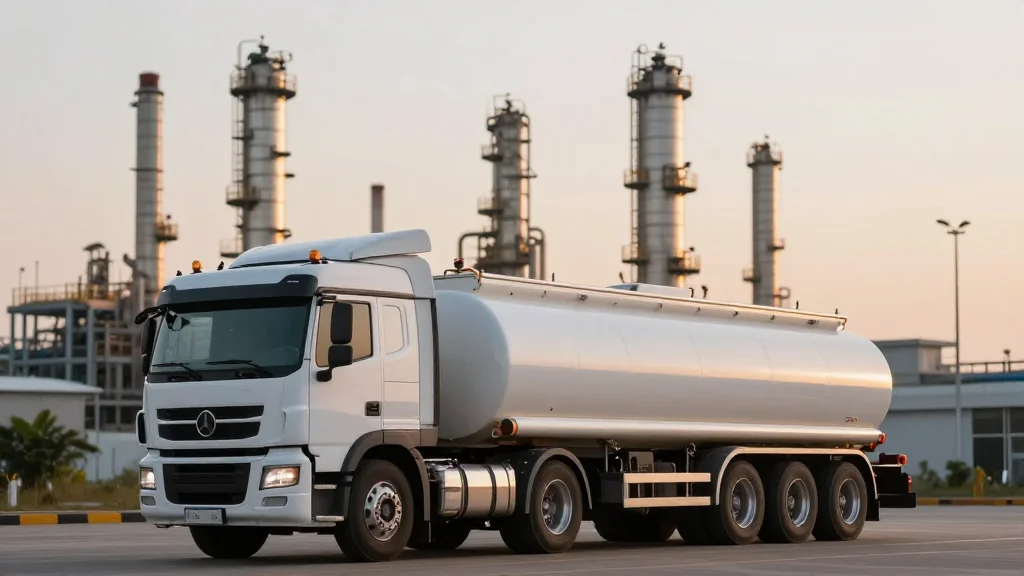
Nigeria a Net Gasoline Exporter for First Time in March
Nigeria became a net exporter of gasoline in March, the first time since the Dangote refinery began operations. The refinery processed 565,000 barrels per day of crude, producing 44,000 barrels per day of gasoline, of which 40,000 b/d were exported,...

The Need for Federal Reserve Flexibility
The article argues that the Federal Reserve must stay agile as geopolitical shocks and soaring energy and fertilizer prices threaten to reignite inflation. It warns that the Fed’s overly accommodative stance in 2021‑22 helped push inflation to a 9% peak,...

Implementing the Digital Euro Project
The European Central Bank is advancing its digital euro project, originally launched in 2020, as EU legislation clears the path for implementation. The digital currency is envisioned as a cash‑like token to complement physical euros in everyday transactions. ECB officials...