Today's Healthcare Pulse

FDA greenlights durvalumab combo for high‑risk bladder cancer
The FDA approved durvalumab (Imfinzi) combined with Bacillus Calmette‑Guerin for BCG‑naïve, high‑risk non‑muscle invasive bladder cancer. The POTOMAC trial enrolled 1,018 patients and showed a 32% reduction in disease recurrence risk (hazard ratio 0.68, p=0.015). Durvalumab is given at 1,500 mg IV every four weeks for up to 13 cycles.
Also developing:
By the numbers: Apogee Therapeutics raises $1.3B royalty financing

Re: The Power of the Markets: The Scandal that Keeps on Taking
A letter to the BMJ criticizes the pharmaceutical industry’s reliance on experimental trials that deny patients post‑trial access to new drugs. It argues that powerful, profit‑driven groups manipulate regulations, limiting transparency and compromising the NHS’s ability to provide affordable treatments. The author cites Dr. Margaret McCartney’s research showing that recent openness mandates have fallen short, and calls for a systemic overhaul of drug governance.
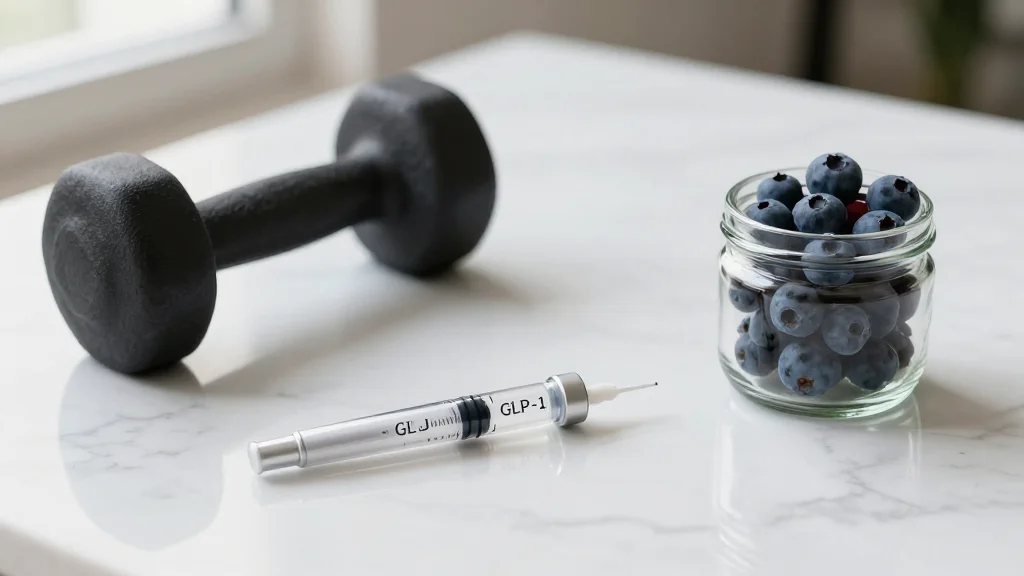
GLP‑1 Boom Fuels $1,000‑Monthly Spend, Boosting Gyms, Beauty and Grocery Sectors
Millions of Americans on GLP‑1 drugs such as Ozempic are spending up to $1,000 a month on ancillary costs, from personal trainers to premium groceries. The ripple effect is boosting revenue for fitness clubs, beauty retailers and food suppliers, creating...

Few‑Shot Prompt‑Tuning Boosts Pathology AI Accuracy for Rare Cancer Subtyping
A team led by D. He, X. Zhou and W. Guan introduced a few-shot prompt‑tuning technique that markedly raises the sensitivity and specificity of pathology foundation models for rare cancer subtyping, using only a handful of annotated images. The advance...

A Big Data Grab in Federal Health
The Office of Personnel Management (OPM) has issued a notice seeking detailed, monthly health‑claims data from the 65 private insurers that administer the Federal Employees Health Benefits (FEHB) program. The request covers diagnoses, prescriptions, provider information and rebate details for...

VA Awards $7 Million to Boost Rural Veteran Transportation
The U.S. Department of Veterans Affairs announced $7 million in Highly Rural Transportation Grants for organizations that ferry veterans to VA health appointments. The funding aims to close a geographic gap affecting roughly 2.8 million rural veterans who rely on VA care.

Egen Deploys AI‑Driven Opioid Dashboard in Alameda County with $1.2M Grant
Pleasanton‑based software firm Egen has rolled out an AI‑driven opioid‑crisis dashboard for Alameda County, backed by a $1.2 million federal grant. The platform fuses EMS, pharmacy and demographic data to predict overdose hotspots, shifting public‑health response from reactive to proactive.

Replimune Faces Likely FDA Denial of RP1 Gene Therapy on April 10
Replimune Group Inc. is poised for an FDA decision on Friday, April 10, that is expected to deny its RP1 gene‑therapy plus nivolumab BLA. The agency says the IGNYTE trial does not meet standards for a well‑controlled study, a blow...

The Psychedelic Revolution
The episode explores the emerging field of psychedelic therapy, highlighting its potential to treat treatment‑resistant mental health conditions with a few supervised dosing sessions rather than daily medication. Guests Dr. Will Vanderveer and Keith Kurlander explain how the approach combines...

Free Narcan Vending Machines Launch in Mich. County to Address Overdose Rates
Muskegon County, Michigan, has installed five free Narcan vending machines at Trinity Health facilities and the county public health department to combat its high opioid overdose rate. The machines, funded by the county, dispense unlimited naloxone kits during normal operating...

ONC’s Keane Says Government Will Strengthen TEFCA Onboarding to Address Provider Privacy Concerns
In this episode, ONC National Coordinator Tom Keen discusses recent organizational changes at ONC, the dual‑lane approach of TEFCA and CMS‑aligned networks, and how the government is strengthening TEFCA onboarding to address provider privacy concerns. He explains that ONC will...

When Risk Becomes Disease
Elspeth Davies, diagnosed with melanoma in situ at 17, describes a life of constant medical surveillance that blurs the line between being at risk and having disease. Scholars argue that modern health practices increasingly treat risk itself as a disease,...

Python Blood Could Be the Key to Weight Loss with Zero Side Effects According to New Study
Researchers from Colorado, Stanford and Baylor identified a metabolite, para‑tyramine‑O‑sulfate (pTOS), that spikes a thousand‑fold in python blood after a large meal. When administered to mice, high doses of synthetic pTOS triggered weight loss without nausea or reduced energy. The...

Inside the RPA's Leadership Development Program
In this episode Tim Fitzpatrick chats with three early‑career nephrologists—Kinjal Shastri, Amandeep (Aman) Raman, and Raman Benaktar—about their recent participation in the Renal Physicians Association’s Leadership Development Program. The fellows explain that the year‑long fellowship pairs them with senior mentors,...
The Evolving Standard of Medical Weight Loss and Obesity Treatment
Obesity remains a leading driver of chronic disease in the United States, prompting physicians to adopt medical weight‑loss strategies that combine lifestyle counseling with anti‑obesity drugs. The FDA’s July 2026 approval of oral semaglutide (Wegovy) establishes a new standard of care,...

Inside The DOJ’s Hospital Contracting Crackdown: What Message Are the Feds Sending?
The Justice Department has filed antitrust lawsuits against OhioHealth and NewYork‑Presbyterian, accusing them of using “all‑or‑nothing” contracts that force payers to accept entire health‑system networks. The complaints argue these tactics suppress competition, keep prices high, and limit patients’ ability to...

GSK Sees Blockbuster Potential in Targeted Cancer Therapy After Promising Early Data
GSK’s experimental targeted therapy Mo‑rez showed early signs of efficacy, shrinking tumors in a majority of patients with hard‑to‑treat cancers. In a trial, 62% of platinum‑resistant ovarian cancer patients and 67% of endometrial cancer patients achieved at least a 30%...

GSK Plans Five Phase 3 Studies for Gynecological Cancer ADC From Hansoh
GlaxoSmithKline (GSK) announced it will initiate five Phase 3 clinical trials to evaluate an antibody‑drug conjugate (ADC) for gynecological cancers, a candidate licensed from Chinese partner Hansoh Pharma. Early-stage data presented on Sunday showed encouraging tumor responses in ovarian and endometrial...

The PCP as Specialist: How AI and Virtual Consults Will Collapse the Referral Economy and Create a New Category of...
The essay proposes an AI‑driven platform that lets primary‑care physicians (PCPs) handle many conditions traditionally referred to specialists, using an asynchronous eConsult loop. Roughly 9% of PCP visits generate referrals, costing about $965 each, and half never result in completed...

New Anemia in Adults May Be an Early Warning Sign of Cancer
A population‑based study of 190,000 adults in Stockholm found that newly diagnosed anemia signals a heightened risk of cancer and mortality. Within 18 months, 6.2% of men and 2.8% of women with anemia developed cancer, compared with 2.4% and 1.1%...

Streeting Denies Changing Pay Deal for Resident Doctors
Health Secretary Wes Streeting told the BBC the government never altered the resident doctors' pay agreement, rejecting BMA claims of a last‑minute switch to a three‑year deal with reduced investment. The British Medical Association says negotiations were steered toward a...

What ‘The Pitt’ Gets Right About Emergency Medicine — and What It Reveals About Healthcare IT
The article uses HBO’s *The Pitt* to illustrate how identity‑management friction hampers emergency‑room efficiency. Repeated logins, password resets, and locked workstations add seconds that cascade into longer wait times, clinician burnout, and higher error risk. With CMS and HIPAA tightening...

ACA Stress Test: Four Key Takeaways From This Year’s Open Enrollment
The 2026 ACA open enrollment saw 23 million individuals enroll, a modest decline from 2025 but far from the predicted collapse. Enrollment fell sharply in North Carolina but rose in California, Maryland, Texas, D.C., and New Mexico, which fully offset lost subsidies....

Netherlands Caps Weekly Meat Intake at 300 G, Targeting Climate and Health Goals
The Netherlands Nutrition Centre announced that the 2026 “Wheel of Five” dietary guidelines will limit recommended meat consumption to 300 g per person per week – a 40% reduction from the previous advice. The move also caps red meat at 100 g...

Study Links Micro‑Sleep Brain Waves to ADHD and Shows Early Diagnosis Boosts Grades
Researchers have identified ultra‑short “micro‑sleep” bursts in the brains of adults with ADHD, while a separate Finnish study shows children diagnosed early achieve higher grades and lower dropout rates. The findings give parents concrete evidence that early screening can change...

Reynoldsburg Parents Charged After Doctors Flag Infant Abuse Suspicions
Ohio authorities have filed criminal charges against the parents of a Reynoldsburg infant after hospital doctors reported suspected abuse. The case highlights the tension between mandatory reporting requirements and families' concerns about due process.

HDFC Securities Flags Ongoing Margin Pressure for Indian Pharma and Healthcare Firms
HDFC Securities warned that Indian pharmaceutical and healthcare companies will see flat EBITDA margins in the March quarter despite 11% YoY sales growth, as input costs rise and US pricing pressure deepens. The brokerage projects a 10% YoY sales rise...

Maximus Leverages Government Contracts and Strong Liquidity to Accelerate Health Services Growth
Maximus posted Q1 fiscal 2026 earnings of $1.85 per share on $1.4 billion in revenue, highlighting a current ratio of 2.34 and a $68.7 million dividend. The firm says its deep government ties and solid balance sheet are fueling expansion in health...

China Opens First Fully AI-Driven Hospital, Pioneering Integrated Care
China unveiled its first fully AI-driven hospital on April 11, 2026, positioning the nation at the forefront of integrated, predictive health care. The facility links diagnosis, treatment and long‑term management through a unified AI platform, promising higher accuracy and lower...

Arkansas Lawmakers Call on Frontline Health Workers for Policy Input
Arkansas representatives Aaron Pilkington, Denise Garner and Mary Bentley asked doctors, nurses and clinic staff at the Northwest Arkansas Health Summit to share on‑the‑ground insights, arguing that frontline feedback is essential to improve maternal, mental and rural health outcomes. The...
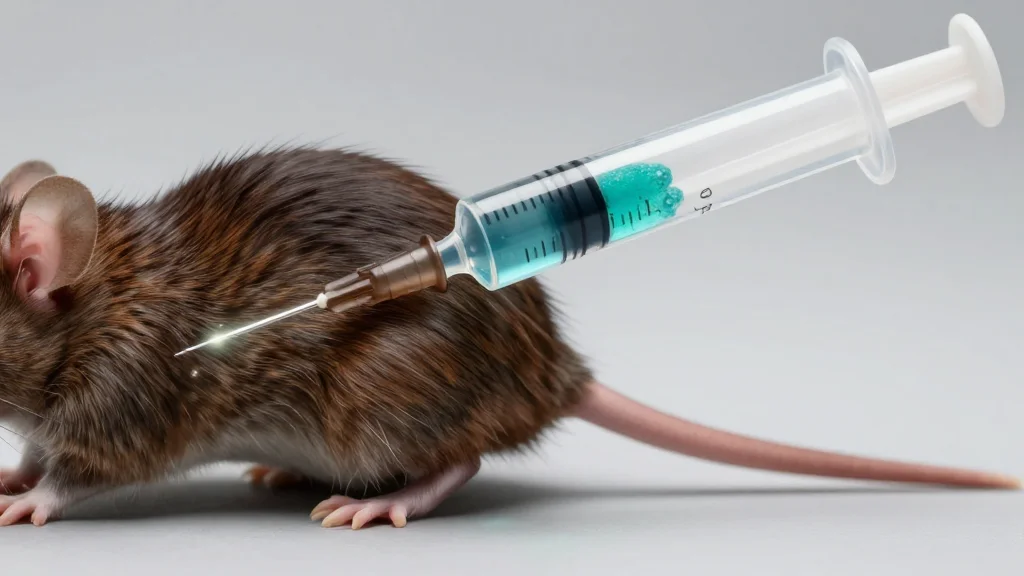
University of Michigan Nanoparticle Therapy Stops Tick‑Borne Red Meat Allergy in Mice
On Aug. 12, 2024, University of Michigan scientists, with University of Virginia collaborators, reported that an intravenously delivered nanoparticle formulation prevented the tick‑borne red‑meat allergy (alpha‑gal syndrome) in 10 of 12 mice. The pre‑clinical result highlights a new nanotech route...

Belantamab Mafodotin Plus Lenalidomide Shows 96.7% Response in Transplant‑Ineligible Myeloma
The BelaRd phase 1/2 study found that belantamab mafodotin at 1.9 mg/kg every eight weeks combined with lenalidomide and dexamethasone produced a 96.7% overall response rate in transplant‑ineligible newly diagnosed multiple myeloma patients. High 18‑month progression‑free survival rates and a tolerable...

Artificial General Intelligence and the Future of Surgery
The AI arms race sees hyperscalers and frontier labs committing over $600 billion to build AGI and advanced narrow AI, shifting focus from chatbots to autonomous, agentic systems. In healthcare, two competing paths emerge: a near‑term rollout of multi‑agent ANI tools...

Why Ozempic Doesn’t Work for Everyone: Scientists Just Found a Hidden Reason
Researchers at Stanford Medicine and international partners identified a genetic basis for reduced effectiveness of GLP‑1 receptor agonists, such as Ozempic, in about 10% of the population. The study links specific PAM gene variants to a newly described GLP‑1 resistance,...

Re: The United States Is Driving a Public Health Emergency of International Concern
In a recent BMJ rapid response, James Dickson critiques Herder et al.’s emphasis on the legal mechanism of a Public Health Emergency of International Concern (PHEIC). He argues that declaring a PHEIC cannot overcome the political realities that drive global health...

Monday Morning Update 4/13/26
Recent discussions highlighted growing concerns over AI‑generated misinformation in health research, exemplified by a deliberately fabricated paper published in Nature. Stakeholders noted that the Agency for Healthcare Research and Quality (AHRQ) has traditionally been a reliable collaborator but now faces...

‘I Didn’t Want to Be on Medication the Rest of My Life’: Veteran Runs Psilocybin Retreats for PTSD Before FDA...
Veteran Jesse Gould, a former Army Ranger with PTSD, founded the Heroic Hearts Project to run ayahuasca and psilocybin retreats for veterans. The nonprofit has treated more than 1,500 veterans and now has a waiting list of over 2,000. While...

Pa. 'Blue Envelope' Program Helps First Responders Aid Drivers with Autism
Lehigh Valley Health Network, part of Jefferson Health, launched the Blue Envelope program with Luzerne County police, expanding a model already active in Monroe, Lehigh and Northampton counties. The initiative gives drivers on the autism spectrum a blue envelope that...

House Bill to Expand Dental Health Services
The Philippine House of Representatives has filed a bill to establish a National Oral Health Program, integrating dental services into the Universal Health Care Act and related health initiatives. The measure directs the Philippine Health Insurance Corporation to broaden oral...

Rebalancing Autonomic Nervous System May Slow Aging
“We propose that, at the core of aging, there is an imbalance between the SNS and PNS, which provides opportunities for therapeutic intervention.” How? Read more below👇 👨🏻⚕️ 🔎 “Hand-held, non-invasive wellness devices are being deployed in the U.S. military to enhance...

The Long Term Care Insurance Outlook
Jeff Levin of OneAmerica Financial highlighted a looming inflection point for long‑term care (LTC) insurance as baby boomers reach 80 and Gen X turns 60. Demographic data shows 54% of adults over 40 simultaneously care for aging parents and young children,...
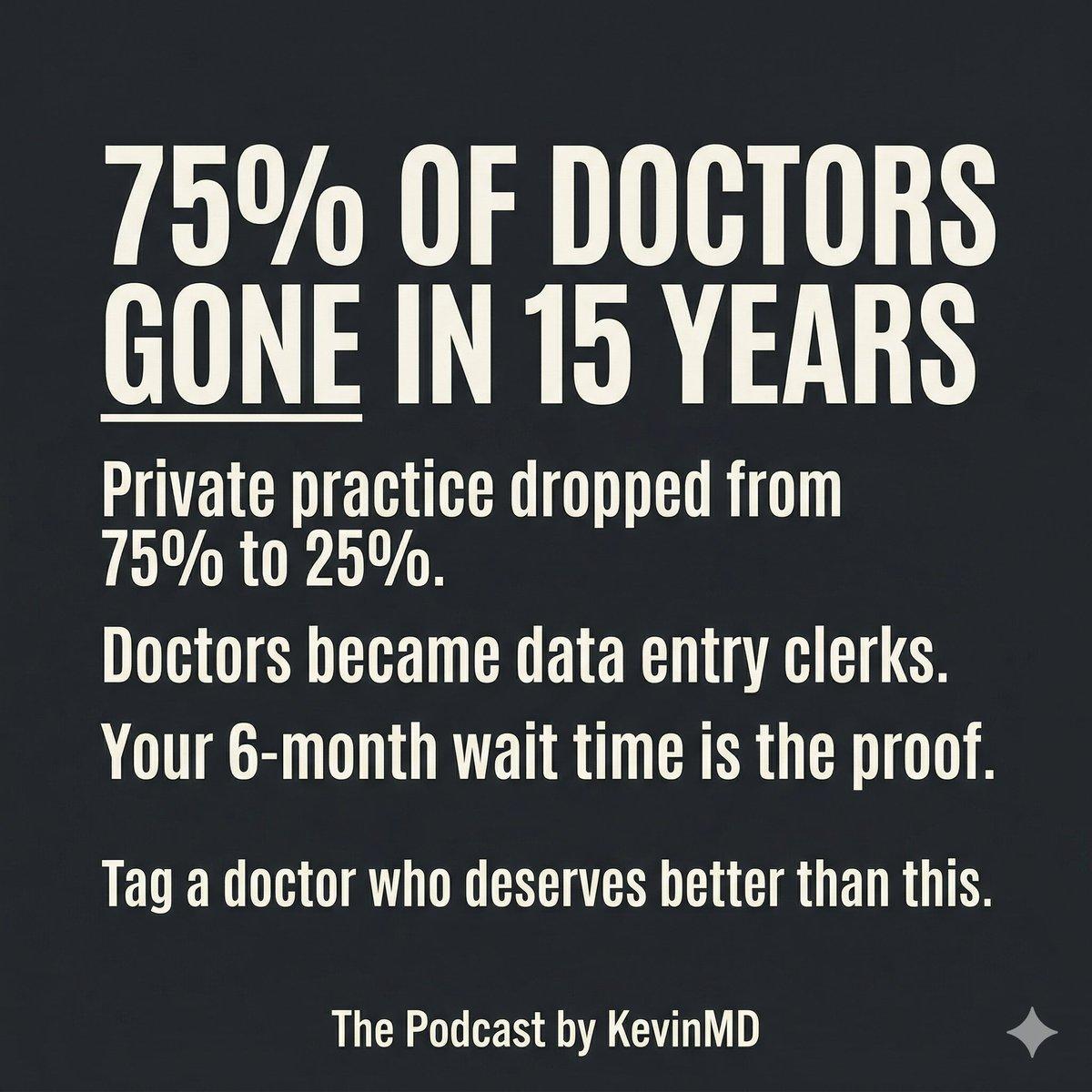
Reimbursement Gap Forces Doctors Out of Private Practice
Hospitals get paid two to three times more than a private practice office for the exact same visit. Then we wonder why 75 percent of doctors left independent practice. Neurologist Scott Tzorfas has run a solo practice for 30 years....

Former Pfizer Employee Not Involved in COVID Vaccine
He referring to Helmut Sterz’s testimony. He had nothing even remotely to do with the Pfizer vaccine. He left Pfizer in 2007. Pfizer signed a licensing agreement to acquire Covid vaccine in March 2020. Boosting his claims by calling him...

Ukraine’s Wartime Healthcare: Inna Ivanenko on Access, PMG, and Medicines
Inna Ivanenko, executive director of the Patients of Ukraine foundation, detailed how Ukraine’s health system is coping with wartime devastation. Over 2,530 facilities have been damaged, 327 destroyed, yet 700 have been fully restored and mobile clinics are delivering care...

Musk Pivots From Covid Errors to Vaccine Advocacy
It wasn't sufficient for Musk to have gotten everything wrong on Covid at the time so he's now a *vaccine truther*. https://t.co/uOnL637BEi

Dementia Poised as 3rd Leading Death Cause by 204
ADI leads new research forecasting dementia to become the 3rd leading cause of death by 2040 Additionally, the number of people living with dementia "is set to almost triple in number by 2050, to 139 million." https://t.co/WSm2Rhp3ju

Trump’s New Budget Ignores Dying Americans and Gives Away Record Sums to the US Military
The White House unveiled a 2027 budget that trims the Department of Health and Human Services by $15 bn (12%) and cuts overall non‑defense spending by 10%, while inflating the Pentagon’s allocation to a record $1.5 tn—about 42% more than the 2026...

Drugs May Slow, but Not Fully Reverse Aging
Just like we can't turn a human into a naked mole rat with drugs (requires too many specific molecular changes), I don't think we will fully reverse ageing pharmacologically. We may be able to slow human ageing with drugs, but reversing...

AI and CRISPR Will Turn Sickcare Spending Into Cures
.@demishassabis understands that most of the healthcare budget today is really “sickcare”, that AI and CRISPR will cure the sick, and that trillions of chronic sickcare dollars will shift toward cures and prevention.

Flu Vaccine May Slash Alzheimer's Risk: Here's What Dose to Get
A new Neurology study of about 200,000 U.S. adults 65 and older found that receiving a high‑dose influenza vaccine cut Alzheimer’s disease risk by roughly 55 percent, compared with a 40 percent reduction for the standard‑dose shot. The analysis adjusted for health‑care...

Rare Diseases Need Molecular Surgery, Not Drug Barriers
The turning point for rare diseases, which affect >300 million people around the world. A call to get rid of its many structural obstacles, to consider it as molecular surgery unlike drug treatments gift link: https://t.co/DQ0OZ9tXXc https://t.co/RELCwTr88i