Today's Healthcare Pulse

FDA greenlights durvalumab combo for high‑risk bladder cancer
The FDA approved durvalumab (Imfinzi) combined with Bacillus Calmette‑Guerin for BCG‑naïve, high‑risk non‑muscle invasive bladder cancer. The POTOMAC trial enrolled 1,018 patients and showed a 32% reduction in disease recurrence risk (hazard ratio 0.68, p=0.015). Durvalumab is given at 1,500 mg IV every four weeks for up to 13 cycles.
Also developing:
By the numbers: Apogee Therapeutics raises $1.3B royalty financing

Navigating the European Union’s AI and Health Data Framework
The EU is consolidating GDPR, the AI Act, and the European Health Data Space (EHDS) into a unified framework that treats health‑focused AI as high‑risk, imposing strict data provenance, validation and post‑deployment oversight. Cross‑border transfers of health data now carry legal liability, pushing firms toward federated‑learning and secure, EU‑based processing environments. The five‑year rollout will reshape pharmaceutical research pipelines, favoring companies that embed regulation‑by‑design from the start. Well‑resourced firms can turn compliance into a market advantage, while smaller players face heightened barriers.

Sun Pharma Shares Down 4 per Cent on Reports of Overtures for US-Based Organon
Sun Pharmaceutical Industries’ shares fell about 4% to ₹1,654.70 (≈$20) after media reports that the company is close to a $12 billion bid for U.S. women’s‑health firm Organon. The deal would be Sun’s largest ever acquisition, adding Organon’s $6.2 billion 2025 revenue,...

Vivatides Gets $54M; Wegovy Drops Cold Chain in EU; Gilead Takes Kymera Option
Vivatides Therapeutics announced a $54 million Series A round to accelerate its pre‑clinical siRNA and antisense oligonucleotide programs, with Sequoia Capital leading the investment. In Europe, Novo Nordisk confirmed that its obesity drug Wegovy will drop the costly cold‑chain requirement, simplifying distribution. Meanwhile,...

Shooting People In The Head and Heart with mRNA Vaccines, Murder One or Insanity?
A recent blog post dramatizes a WHO‑backed Global Vaccine Data Network (GVDN) study that examined 99 million vaccine recipients across eight countries. The study confirmed strong myocarditis and pericarditis signals after mRNA COVID‑19 vaccines, while Guillain‑Barré syndrome and cerebral venous sinus...

AHA Names Its Preferred Cybersecurity Provider
The American Hospital Association (AHA) has appointed Rubrik as its Preferred Cybersecurity Provider, giving roughly 5,000 member hospitals access to Rubrik’s cyber‑resilience tools and a breach‑recovery playbook. The designation is part of the AHA’s Preferred Cybersecurity & Risk Provider Program...

Hospital Expenses Grew Twice as Fast as Hospital Prices in 2025, Finds AHA
The American Hospital Association’s 2026 Costs of Caring report shows hospital expenses surged 7.5% in 2025, outpacing price growth by more than double. Workforce costs, which account for about 60% of total spending, rose 5.6%, while supplies and drugs jumped...
Why Clinical Listening Skills Outpace Artificial Intelligence
A new national survey by Littmann Stethoscopes shows that 92% of clinicians consider listening the first step in diagnosis, and nearly nine in ten have identified a critical condition solely through auscultation. However, 73% say time pressure and rising patient...

Cervical Disc Replacement vs Cervical Fusion: Which Wins the Back to Work Race?
A new Level I systematic review and meta‑analysis of 16 randomized trials (5,657 patients) compares anterior cervical discectomy and fusion (ACDF) with cervical disc replacement (CDR) on return‑to‑work (RTW) outcomes. CDR patients are 1.33‑1.58 times more likely to be back...

The Virtual Pivot: Reformulating Nursing Care Through Remote Health Monitoring
Healthcare leaders are redefining nursing care models by integrating remote patient monitoring (RPM) and telehealth into a hybrid, virtual‑first framework. The "Virtual Pivot" expands nurses’ reach beyond bedside walls, turning surveillance tasks into digital data streams that alert clinicians to...

States' Lawsuit Against HHS Cuts Moves Forward After Court Win
A federal judge in Rhode Island rejected Health and Human Services Secretary Robert F. Kennedy Jr.'s bid to dismiss a lawsuit filed by 19 states and the District of Columbia. The states challenge a March 2025 directive to drastically cut HHS staff and dissolve...
PDUFA and BsUFA Quarterly Hiring Updates
The FDA published its quarterly hiring updates for fiscal years 2023‑2027 under PDUFA VII and BsUFA III. FY2023 staffing was almost complete—CBER filled 99% of its 132 positions and CDER 90% of 77—while FY24 reached only 71% of 79 targeted FTEs. FY25...
FDA/Center for Research on Complex Generics (CRCG) Workshop on Bioequivalence Innovations for Generic Oral Products: Biowaivers, Bridging, and Development for...
On May 5‑6, 2026, the FDA’s Center for Research on Complex Generics hosted a two‑day workshop in Rockville, MD to explore innovative bioequivalence (BE) strategies for generic oral drugs. The agenda covered biowaivers, bridging studies, and development pathways for oncology agents,...

South Africa’s Air Mercy Service Marks 60 Years of Aero-Medical Operations
South Africa’s Air Mercy Service (AMS) marked its 60th anniversary, highlighting six decades of aero‑medical transport, rescue missions, and Flying Doctor outreach for remote communities. Based at Cape Town International Airport, AMS collaborates with government, international partners, and health stakeholders...

Navigating AI Adoption in Healthcare: Insights From HonorHealth's CMIO
HonorHealth’s CMIO Matt Anderson says AI delays jeopardize competitiveness, with 94% of health leaders fearing lost savings. The system relies on a single Epic instance but mixes third‑party tools, especially for ambient workflow improvements. Anderson stresses rigorous ROI measurement—both hard...

Contributor: AI-Based Remote Monitoring for Age-Related Macular Degeneration: Promise, Progress, and Pitfalls
Neovascular age‑related macular degeneration (nAMD) affects roughly 1.5 million Americans and drives over $4 billion in Medicare anti‑VEGF spending. The FDA‑cleared Notal Vision home OCT (hOCT) offers daily AI‑driven retinal scans that could extend injection intervals, but a new cost model shows...

Biotech VCs Ramp up Checks on New Bets After Years of Focusing on Existing Portfolios
Biotech venture capitalists are shifting back to high‑risk, high‑reward investing, with 65% of Q1 2026 capital directed at new startups. Total venture funding in the sector rose to roughly $2.1 billion, up from $1.5 billion a quarter earlier, and average deal size climbed...

Regenerative Healthcare by Design: Engineering Health-Centric Buildings and Urban Ecosystems
Regenerative health ecosystems are redefining healthcare by embedding health‑optimizing systems into buildings and cities. These health‑centric environments combine renewable energy, AI‑driven interior controls, and biophilic design to continuously support human physiology and cognition. A sophisticated engineering stack—physical AI, blockchain, autonomous...

WSJ's Editorial Board Contradicts What Its Newsroom Has Reported on Medicare Advantage
The Wall Street Journal’s editorial board defended Medicare Advantage even as its own newsroom revealed a $50 billion overbilling scheme and MedPAC projected $76 billion in overpayments for 2026. The editorial relies on an industry‑funded study to claim cost savings, while reporters...

Parents Are Turning to ‘Vaccine-Friendly’ Pediatricians Who Will ‘Simply Answer Questions’
The post reports a surge in demand for “vaccine‑friendly” pediatricians as parents seek doctors who will answer questions and accommodate delayed or skipped immunizations. Texas doctor Osvaldo Villarreal and Florida pediatrician Brian Thornburg cite rapid practice growth and multi‑year waitlists...

Multifaceted Intervention Controls BP in Low-Income Hypertension Patients
The IMPACTS‑BP trial showed that a systematic, team‑based intervention lowered systolic blood pressure by an additional 6.4 mm Hg compared with usual care among low‑income patients in federally qualified health centers in Louisiana and Mississippi. Over 18 months, participants receiving the protocol...

How to Master the Pharmacovigilance System Master File for Inspection Readiness
Mastering the Pharmacovigilance System Master File (PSMF) is essential for inspection readiness, as regulators use it to gauge a company’s PV compliance before any formal interview. In the EU and UK, the PSMF must be supplied within seven days of...
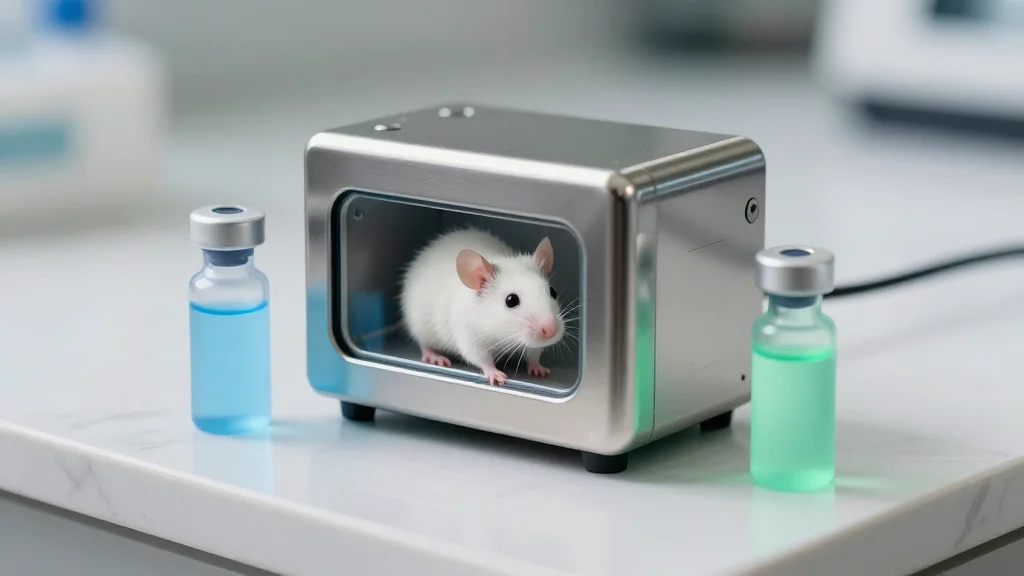
An Implantable Living Pharmacy Produces Drugs in the Body
Scientists from Northwestern, Rice, and Carnegie Mellon unveiled a sub‑cutaneous implant called HOBIT that can synthesize multiple biologic drugs inside the body. The device houses engineered cells in an alginate hydrogel and an electrocatalytic oxygenator that supplies oxygen, enabling sustained...

What’s in a Name? Moderna’s “Vaccine” Vs. “Therapy” Dilemma
Moderna has stopped calling its mRNA melanoma product a "vaccine," rebranding it as an individualized neoantigen therapy (INT) to sidestep growing political resistance to vaccines. The shift follows the cancellation of a $776 million federal bird‑flu vaccine contract and broader skepticism...

Precision Healthcare: How Lean Six Sigma Saves Lives and Dollars
Lean Six Sigma is reshaping U.S. healthcare by streamlining processes, cutting waste, and boosting patient safety. Hospitals that adopted the methodology reported measurable gains: Valley Baptist trimmed surgical turnaround by 15%, handling 1,106 extra cases and adding roughly $1.3 million in...

Health Care Startups Desperately Need Clinical Expertise
Health‑care venture capital continues to pour money into startups designed by technologists rather than clinicians, creating products that clash with established workflows. Dr. Harsha Moole argues that physician‑scientists bring a structural advantage by vetting opportunities through three gates—clinical necessity, regulatory feasibility,...

SVS Quality Initiative Gathers Data to Improve Vascular Care
The Society of Vascular Surgery’s Vascular Quality Initiative (VQI), launched in 2023, now includes more than 7,000 physicians from vascular, cardiothoracic and neurosurgery specialties. Over 900 hospitals and clinics across North America and Singapore have entered data on roughly 1.4 million...

Verastem Oncology Announces Two-Year Median Follow-Up Data on AVMAPKI® FAKZYNJA® Combination Therapy (Avutometinib Capsules; Defactinib Tablets) in Recurrent Low-Grade Serous...
Verastem Oncology presented two‑year median follow‑up data from its Phase 2 RAMP 201 trial of the AVMAPKI® FAKZYNJA® combination (avutometinib + defactinib) in recurrent low‑grade serous ovarian cancer (LGSOC). The updated analysis confirmed a median duration of response of 31.1 months and a median progression‑free survival...

The Perioperative AI Reality Check: Why Hospital Tech Fails Without Clinician Co-Design
Hospital leaders are rushing AI‑powered perioperative tools without clinician input, leading to low adoption and wasted spend. Andrew Fisher, MD, argues that the technology already exists, but success hinges on automating non‑clinical tasks, seamless workflow integration, and co‑design with anesthesiologists,...

A Common Nutrient Could Supercharge Cancer Treatment
University of Chicago researchers found that the dietary carotenoid zeaxanthin directly boosts CD8⁺ T‑cell activity, enhancing the immune system's ability to recognize and destroy cancer cells. In mouse models, dietary zeaxanthin slowed tumor growth and amplified the effects of checkpoint‑inhibitor...

Personalized CRISPR Fixes Baby KJ’s Genetic Defect
In just 6 months a team at @ChildrensPhila & @PennMedicine designed a personalized CRISPR based Rx to correct the single misspelled letter in Baby KJ’s DNA that results in CPS1 deficiency. Recent advances in mRNA science & CRISPR gene...

Psychedelic Therapies May Outpace GLP‑1s Commercially
I believe the commercial potential of #psychedelic therapies is likely to exceed that of GLP-1s. $ATAI $CMPS $DFTX

Vutrisiran Cuts Risk of Advanced ATTR-CM, Improves Outcomes in Those Who Progress
Vutrisiran (Amvuttra) demonstrated in the phase 3 HELIOS‑B trial that it slows progression to advanced heart failure in transthyretin amyloid cardiomyopathy (ATTR‑CM), with 8.0% of treated patients reaching advanced disease versus 10.7% on placebo. Among the 61 patients who did progress,...

Vegetative Patients May Possess Greater Awareness Than Assumed
.@katieengelhart stories are always quietly devastating and illuminating. This is another must read. Take your time with it this weekend. Vegetative Patients May Be More Aware Than We Knew https://t.co/tWdzIs0AKm

International Mega-Analysis Shows Psychedelics Alter Brain Circuit Function
An international mega-analysis of psychedelic drug effects on brain circuit function lots of great researchers involved in this paper. (whole article) https://t.co/vKhH0duJqv

Emerging Therapies Bring Hope for Frail HNSCC Patients Unfit for Standard Treatment
Head and neck squamous cell carcinoma (HNSCC) cases are projected to rise to 273,000 by 2034, with frail and elderly patients expected to comprise 44% of the market. Standard curative regimens are often intolerable for this group, creating a sizable...

Sex Drives Distinct Immune Aging Patterns and Disease Risks
The way our immune cells age differs substantially by sex, from single-cell analysis of ~1,000 people. Implications for propensity for autoimmune diseases (women), vulnerability to cancer (men), immunosenescence and inflammaging @NatureAging https://t.co/GjcuZ8luNM

AI Predicts Heart Failure Five Years Early via CT
AI to detect risk of heart failure 5 years ahead of symptoms via CT scan epicardial fat tissue https://t.co/RuZu8pSIAy @JACCJournals https://t.co/Gz052Ajj4X

TEFCA Can Enable Patient-Centered Data Exchange
University of Iowa Health Care’s Josh Wilda highlighted that the Trusted Exchange Framework and Common Agreement (TEFCA) could go beyond provider‑to‑provider connectivity to unify the nation’s fragmented patient portals. By establishing a single, standards‑based access point, patients would retrieve their...

Ultrasound Enables Non‑Invasive Control of Body Cells
"Sonogenics" is an emerging scientific field that uses ultrasound to non-invasively control and manipulate specific cells in the body, such as neurons or heart cells

Opinion: For AI to Have Impact, the Industry Must Align on Data
Artificial intelligence is now embedded across biopharmaceutical R&D, highlighted by the FDA's adoption of the generative tool Elsa for drug‑approval reviews. Industry leaders, including Charles River Laboratories, warn that AI's promise hinges on the quality, metadata, and harmonization of the...

'How Are You Using AI?' Your Therapist Should Ask You that Question, Experts Argue
A new JAMA Psychiatry paper urges therapists to ask patients about AI chatbot use for emotional support. Researchers argue AI interactions can reveal hidden stressors, coping strategies, and even suicidal ideation, offering a “treasure trove” of clinical data. The authors...

Exploring TEFCA's Potential to Empower Rural Providers
University of Iowa Health Care’s AVP for information systems, Josh Wilda, highlighted that connecting to the Trusted Exchange Framework and Common Agreement (TEFCA) can enable rural Iowa clinics with limited IT resources to share patient data seamlessly. TEFCA’s standardized network...

Know Your Patient: How Technology Can Help Health Care Providers Dramatically Improve One Key Aspect of the Patient Experience
The article argues that AI can close the biggest gap in patient experience—feeling understood—by automating note summarization and turning wearable data into actionable insights. It notes that simple digitization of records has not reduced clinician workload, leaving patients frustrated and...

Healthcare’s Most Fixable Cost Problem: Administrative Waste
Healthcare administrative costs are spiraling, with urban hospital admin expenses up more than 90% between 2011 and 2022 while overall hospital services grew 66%. Premiums for employer‑sponsored plans are already 10% higher this year, and the burden on employers is...

EU Launches PsyPal Trial to Test Psychedelic Therapy for Palliative Care Distress
The European Union has kicked off the PsyPal project, a clinical trial that will evaluate psychedelic‑assisted therapy for psychological distress among palliative‑care patients. The trial launched on 13 April 2026 at the Directorate‑General for Health and Food Safety, signaling a new research...

Midlife Vitamin D Deficiency Tied to Early Alzheimer‑Like Tau Build‑Up in Large Framingham Study
Researchers analyzing 793 adults from the Framingham Heart Study found that lower vitamin D levels measured at an average age of 39 were associated with greater tau protein deposits on brain scans 16 years later. The observational finding highlights a potentially...

Could Intuitive Surgical Be a Trillion-Dollar Company?
Intuitive Surgical (ISRG) sits at the center of a $4 trillion global surgery market, driven by an estimated 425 million unmet procedures worldwide. While the total addressable market for all surgeries is massive, only about 5 %—roughly 20 million cases—are suitable for robotic, minimally...

Study Finds Maintaining Muscle Strength Cuts Mortality Risk for Older Women
A peer‑reviewed study released this week shows that older women who preserve muscle strength experience a significantly lower mortality risk than peers who lose strength, highlighting strength training as a key longevity strategy.

Revvity Unveils Its Signals BioDesign Offering
Revvity Signals Software introduced Signals BioDesign, a cloud‑native molecular cloning platform aimed at biotech and pharma R&D teams. The solution consolidates Golden Gate, Gibson assembly, restriction/ligation, primer design, and sequencing analysis, supporting up to 1,000 constructs per project. Integrated with...

Protecting Access to Care for Our Most Severely Ill Patients
Long‑term care hospitals (LTCHs) deliver intensive, extended treatment for the most severely ill Medicare beneficiaries. Since the 2016 dual‑rate payment system, Medicare reimbursements to LTCHs have dropped roughly 45%, contributing to a 25% decline in operating LTCHs over the past...