
Permission: The One Word Solution to Procrastination
Jon Acuff’s latest podcast episode argues that a single word—permission—can instantly overcome procrastination. Drawing on his new book *Procrastination Proof*, he likens adult hesitation to the lack of a childhood permission slip that once unlocked opportunities. By consciously granting oneself permission to act, listeners can shift mindset, accelerate decision‑making, and build a more remarkable life. The episode provides practical anecdotes and a call to replace delay with self‑authorization.

The Winner's Mindset
Sifu Yik’s post outlines ten practical rules that separate strong, high‑performing individuals from the rest. The guidelines stress earning respect through value, building personal strength, speaking less, continuous self‑improvement, decisive action, and strategic silence. They also highlight cutting toxic habits,...

Revisiting the 3-3-3 Rule
The author revisits the 3‑3‑3 rule—a dog‑adoption framework that allocates three days for adjustment, three weeks for training, and three months for socialization—and shows how it mirrors personal and professional transitions. By aligning a new‑job onboarding cadence with the same...

3 Stoic Principles That Will Improve Your Life
The article presents three timeless Stoic practices—daily self‑examination, living each day as if it were your last, and discarding burdens you cannot control—drawing directly from Seneca and Marcus Aurelius. It connects these ancient ideas to modern concepts like self‑awareness, purpose‑driven...

A Life You Build
The author reflects on a life built through hard work, sacrifice, and disciplined saving, tracing roots from a fatherless Texas Panhandle childhood to a 21‑year Air Force career and civil‑service education. Early jobs, military structure, and a partnership with a...

You’re Not Stuck Because You Don’t Know What to Do
The article argues that breathwork and similar techniques often produce fleeting state changes but rarely create lasting structural transformation. It explains that the nervous system favors predictable patterns, so new behaviors revert unless they are introduced within a stable, tolerable...

🎥 Joe Hudson: The Three Awakenings
Joe Hudson, a coach for top executives, argues that most leaders mistake mindfulness for perfection, using peace as a shield rather than a pathway to genuine fulfillment. He outlines five "awakenings"—emotional inclusion, heart versus head awareness, gut‑based safety, the self‑reliance...
Unlocking Creativity And Productivity With Natalie Nixon – This Week’s Thinking With Mitch Joel Conversation
Natalie Nixon, founder of Figure 8 Thinking, joins Mitch Joel to argue that productivity must shift from speed‑focused output to a human‑centered model that treats creativity as a strategic capability. She introduces the Move‑Think‑Rest (MTR) framework, emphasizing deliberate movement, focused thinking,...

10 Signs You’re Developing Into the Best Version of Yourself, According to Charlie Munger
Charlie Munger outlines ten behavioral markers that signal a person is evolving toward their best self. He emphasizes daily learning, shedding outdated beliefs, staying within one’s circle of competence, and building a multidisciplinary latticework of mental models. Reliability, understanding incentives,...

The Habit of Letting Yourself Down
The post explains that repeatedly breaking small promises erodes self‑trust and turns into a habit of letting yourself down. It describes how the brain tracks consistency, rewarding kept promises with confidence and penalizing broken ones with resistance. The author argues...

You Do Not Need a New Plan — 18 April
The post argues that when progress stalls, the reflex to redesign a plan often hinders results. It explains that most failures stem from abandoning a plan too early rather than from flaws in the plan itself. Consistent execution, even when...

The Working Class Vs. The Self-Made Wealthy: 10 Key Differences in Habits
Research by Thomas C. Corley shows self‑made millionaires credit wealth to daily habits rather than luck or inheritance. The article lists ten habit differences between the working class and the self‑made wealthy, covering income sources, education, risk tolerance, networking, goal...

The VIBE Report: The Focus Trap
The VIBE Report emphasizes that true success hinges on directing attention toward the right priorities, not merely on talent or opportunity. Using a fisherman’s story, the author illustrates how disciplined focus and alignment with personal values create fulfillment and sustainable...

Sales Is a Game of Probability—Not Perfection: Why Consistency Wins Every Deal
The article argues that sales success hinges on probability, not product perfection. By controlling three levers—message quality, outreach volume, and execution consistency—salespeople can dramatically improve their odds of winning. Real‑world examples include booking 86 executive meetings in a day and...

Delete Your Goals. Build Systems for the Life You Actually Want to Live on a Tuesday.
Traditional goal‑setting pushes people to chase imagined outcomes while ignoring the daily reality needed to achieve them. The piece proposes replacing highlight‑reel goals with a focus on the texture of an ordinary Tuesday, using tools like the Tuesday Test, Envy...
You Do Not Know How to Feel Done Anymore
The post reflects on a cultural shift where the clear sense of completion has eroded. Modern work patterns—constant connectivity, endless notifications, and remote‑first environments—leave people feeling that tasks are never truly finished. Even after checking off to‑do items, a lingering...

Why You Never Feel Fully Caught Up (Even When You’re Doing Enough)
The article explains why many professionals feel perpetually behind despite completing tasks, attributing the sensation to the brain’s focus on unfinished work rather than completed items. Modern work environments flood people with constant messages, emails, and new tasks, eliminating a...

The Hidden Fear Behind Procrastination
The post reframes procrastination as a protective response to hidden fear rather than laziness or poor time management. It explains how anxiety about failure, adequacy, and uncertainty fuels task avoidance. By lowering emotional weight and expectations, the author suggests small,...

Why You Quit What You Don’t Care About Deeply
The post argues that people quit tasks not because they lack willpower, but because the activity isn’t deeply connected to their values. Shallow, “should‑do” reasons crumble when resistance appears, while the brain conserves energy for pursuits that feel meaningful. By...
The Difference Between Forced Discipline and Emotional Discipline
The article contrasts forced discipline, which relies on external pressure and short‑term push, with emotional discipline, which stems from internal alignment and meaning. Forced discipline can produce immediate results but creates tension, fatigue, and eventual burnout. Emotional discipline listens to...

The Life You Keep Running Even When You’re Tired of It
{"summary":"The post reflects on the subtle fatigue that creeps in when life’s routine continues smoothly but internal energy wanes, describing a feeling of running on autopilot despite no obvious problems. It emphasizes the disconnect between outward responsibilities and inner motivation,...
Depending on Mood to Take Action
The post argues that basing work on fleeting moods creates inconsistency and erodes productivity. While acting only when motivation peaks feels authentic, mood volatility leads to missed deadlines and a gap between intention and execution. The author stresses that sustainable...

Organizing Instead of Actually Executing
The post warns that excessive organizing can become a proxy for real work, turning preparation into procrastination. While structured lists and tidy systems feel productive, they often mask the pressure to deliver results. As the gap between planning and execution...
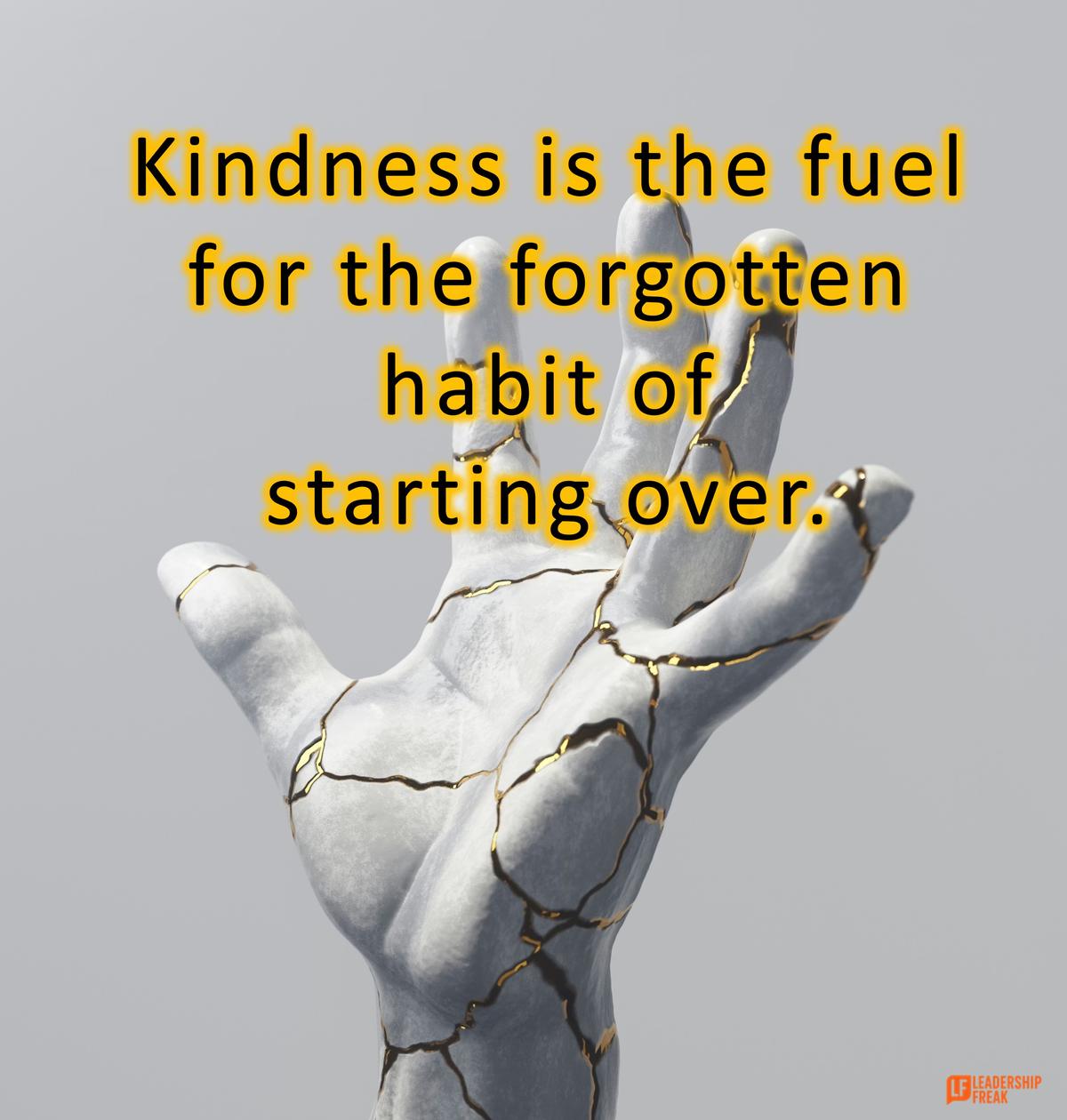
The Forgotten Habit
Stephen R. Covey’s classic Seven Habits omits a crucial eighth habit: the ability to begin again. The article proposes a "to‑stop" list that helps leaders discard outdated practices and embrace purposeful abandonment. It links kindness with excellence, urging leaders to...

William James on the Psychology of Habit
William James’s 1887 essay "Habit" argues that repeated actions sculpt the brain’s plastic structure, turning conscious effort into automatic behavior. He outlines three maxims—strong initiation, uninterrupted practice, and seizing the first opportunity—to forge new habits and discard old ones. The...

I Had to Disappear So I Could Come Back to Myself
The author recounts a two‑year spiral of chronic back pain, health anxiety, and emotional collapse triggered by personal upheavals and perfectionist pressure. Ignoring bodily warnings led to panic attacks and a deep sense of shame, but a deliberate process of...
You Are Practising Something Every Day — 16 April
The post argues that practice isn’t a formal exercise but a continuous, often unnoticed process that occurs through every daily action. Small choices—whether delaying, cutting corners, or following through—reinforce patterns that become part of one’s identity. By recognizing this hidden...

The 95-Year-Old Everyone Wants to Sit Next To
Today marks the 95th birthday of a matriarch whose life spans performing arts, entrepreneurship, and etiquette instruction. The post celebrates her magnetic presence, attributing it to meticulous personal style and a deep commitment to courteous behavior. It links her influence...

How to Stay Sharp, Creative, and Focused in the Age of AI with Steven Kotler
Steven Kotler, NYT‑bestselling author and founder of the Flow Research Collective, joins The Ready State to explore how AI, information overload, and rapid tech change strain our ancient brains. He argues that the mismatch fuels burnout, fragmented attention, and a...

The Sage Who Stopped Forcing Life: How Lao Tzu’s Wu Wei Can Bring You Back Into Flow
The post revisits Lao Tzu’s ancient principle of wu wei, clarifying that it means “effortless action” rather than laziness. It argues that modern professionals often push harder, creating internal friction that hampers performance. By aligning with the natural flow of events—like water navigating...

Masters Running, Motivation, and Breakthroughs with Nick Thompson
Nick Thompson, CEO of The Atlantic and world‑ranked ultrarunner, shattered the 40‑44 age‑group American 50k record by running 31 miles at a 5:56‑per‑mile pace. After a cancer diagnosis two decades ago, he reinvented his training with elite coaches, structured periodization,...

A Leadership Reset for INTP Personalities
The post highlights that 63% of INTP leaders fear decision‑making, not from low confidence but from relentless analysis that stalls action. It identifies three self‑sabotaging patterns: turning self‑awareness into endless research, withdrawing into solitude so burnout goes unnoticed, and skipping...
The Point Where Self-Improvement Starts Feeling Like Maintenance
The article outlines the often‑overlooked shift from active self‑improvement to a maintenance phase where habits become routine and the emotional spark fades. It explains how consistency, once rewarding, can feel like mere upkeep, and how identity moves from "becoming disciplined"...

Discipline Without Immediate Results
The post argues that true discipline is forged when actions continue despite a lack of immediate results. It explains how the absence of visible feedback can trigger doubt and reduce consistency, even when the underlying process remains sound. The author...

Working Hard but Heading Nowhere Specific
The post highlights a common workplace dilemma: employees invest heavy effort without a clear strategic direction, creating the illusion of progress while actual outcomes lag. It argues that relentless activity without purpose leads to fatigue, misaligned resources, and diminished fulfillment....
The Habit Trap: Why You Keep Doing What You Want to Stop?
The article argues that the reason people keep repeating unwanted habits isn’t a lack of willpower but the hidden system that sustains them. It explains that cues, rewards, and environmental triggers create a feedback loop that overrides conscious intent. To...

Becoming Okay with Wasted Potential
The post describes how people gradually lose momentum on goals, allowing potential to slip away without a dramatic failure. It highlights a silent shift from active pursuit to passive acceptance, where expectations are lowered instead of actions. The author argues...
Intention without Action Changes Nothing
The post argues that clear intentions alone do not generate results; without concrete action, ideas remain stagnant. It points out that overthinking creates a false sense of progress, widening the gap between planned and actual outcomes. The author emphasizes that...
Your Potential Doesn’t Live in the Comfort Zone
The post uses William Tylee Ranney’s "The Lazy Fisherman" to illustrate how idle leisure can become wasteful. It draws on Marcus Aurelius’s *Meditations* to argue that inaction without purpose harms the soul and squanders personal potential. The author stresses that...

The April Reset: 3 Moves to Finish Strong When You're Running on Empty
The post outlines a mid‑year "April Reset" for teachers facing burnout, offering three concrete moves to conserve energy and finish the school year strong. Move 1, the April Triage, asks educators to categorize obligations into full‑energy, maintenance, and drop‑or‑delay buckets. Move 2,...

What We Owe Our Descendants
Sharon reflects on Rahaf Harfoush’s essay urging a mindset that values work for future generations, even if we won’t see its outcomes. She argues that today’s converging crises—demographic shifts, geopolitical realignment, AI, climate feedback loops, and social decay—constitute a civilizational...
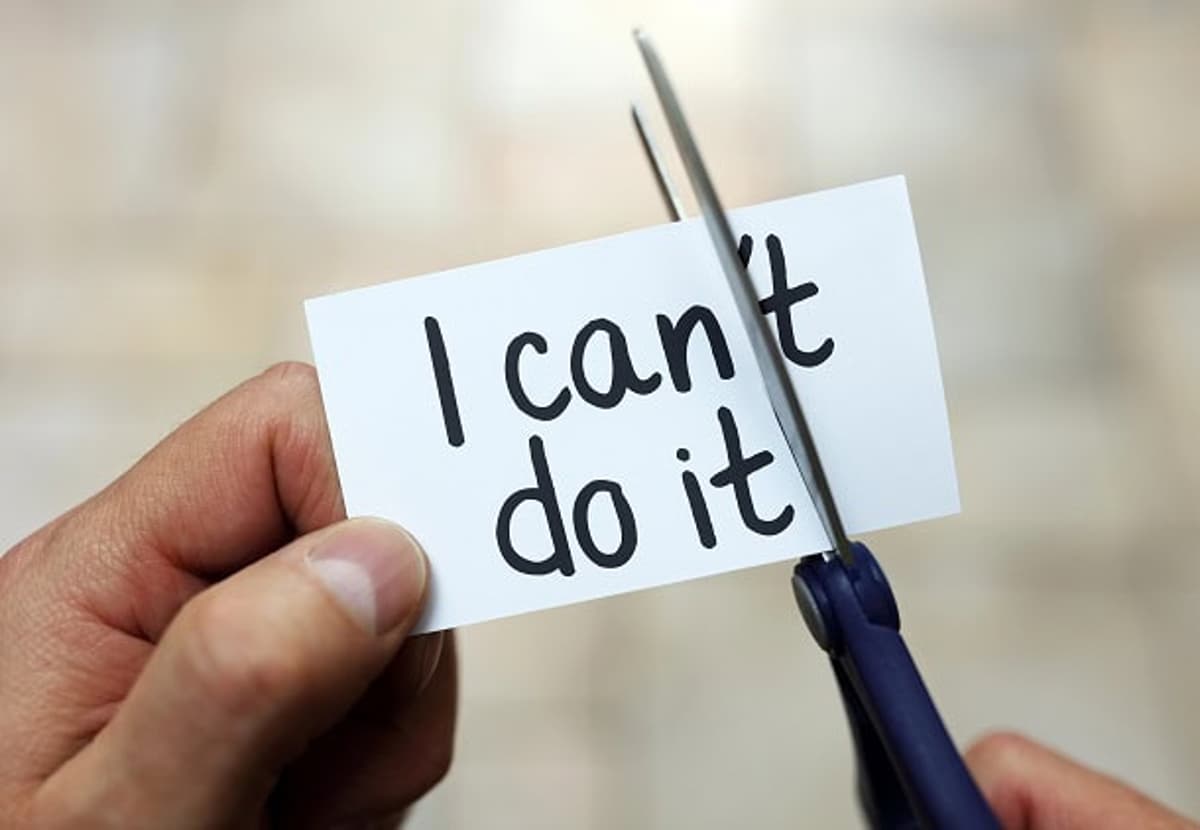
How to Take Action: 12 Habits that Turn Dreams Into Reality
The Positivity Blog outlines twelve practical habits that turn aspirations into concrete results, beginning with tackling the day’s most important task first. It stresses personal responsibility, starting small when motivation wanes, and using timed work‑rest intervals to maintain focus. The...

You Are Not a Manager of Time. You Are a Steward of Energy.
The article challenges the entrenched notion of "time management" and proposes that professionals should view themselves as stewards of energy instead. It distinguishes rituals—purposeful, energizing practices—from routine tasks that merely fill time. By focusing on where energy goes and addressing...

Sometimes, Cursing Is Called For.
The author recounts how a pandemic‑born running habit evolved into a daily escape, while listening to news podcasts that amplify frustration over wars and U.S. politics. The piece channels raw anger toward President Trump’s conduct and the broader geopolitical chaos,...

How To Manage Your Calendar Using One Simple Habit
The post argues that simply adding more productivity tools won’t free up time because workplace culture rewards constant availability. Email, Slack, and endless meetings create a reactive workflow that leaves little room for high‑value work. Instead of over‑organising, the author...

The One-Minute Rule: A Simple Habit that Keeps Life Under Control
The one‑minute rule advises tackling any task that can be completed in sixty seconds immediately, rather than deferring it. By removing the decision point, it curtails mental clutter and decision fatigue, leading to a calmer environment and more capacity for...

How to Motivate Yourself to Exercise Regularly
The author explains how shifting both behavior and mindset enabled daily exercise, turning it into a sustainable habit. He outlines a simple three‑step protocol—commit to a month of priority, aim for daily activity, and start easy before ramping up intensity....
Issue #242: Why ‘Fallow Periods’ Are Necessary for Creativity and Life
The author uses the sudden bloom of lilac blossoms as a metaphor for a creative surge after a prolonged dormant phase. After months of being unable to write, the novelist’s outline finally fills with ideas, illustrating how a "fallow period"...

Podcast: Hunting, Hard Things, and the Mindset That Gets You Through Storms
Two Percent announced a $1 increase in its membership price, while guaranteeing that current members keep their existing rate. The company also launched its flagship podcast, delivering long‑form interviews on Tuesdays and topical panels on Thursdays. The debut episode features...
If It Matters, It Must Become Routine — 14 April
The post argues that anything truly important must be embedded in a routine rather than left to occasional intention. It explains how daily structures turn optional tasks into automatic actions, eliminating the need for constant motivation. By assigning a fixed...