:max_bytes(150000):strip_icc():format(jpeg)/525389107-56a7956b5f9b58b7d0ebea45.jpg)
Cognitive Developmental Milestones
The article outlines key cognitive developmental milestones from birth through age five, highlighting how children’s thinking, learning, and problem‑solving abilities evolve as their brains mature. It traces specific abilities—such as facial recognition, object permanence, categorization, and early numeracy—across distinct age brackets. The piece also emphasizes the pivotal role parents play in nurturing curiosity, exploration, and language through everyday interactions. By mapping these benchmarks, the guide equips caregivers with concrete targets to support early intellectual growth.

Is Your Child on the Edge at Parties? This Expert Says Don’t Jump to Conclusions Just yet Try This One...
Parenting forum contributor Claire Walley, founder of The SEN Expert, advises against rushing to label a child’s social discomfort at parties as a disorder. She recommends a six‑week "watchful waiting" period where parents record observations, then use the data to...
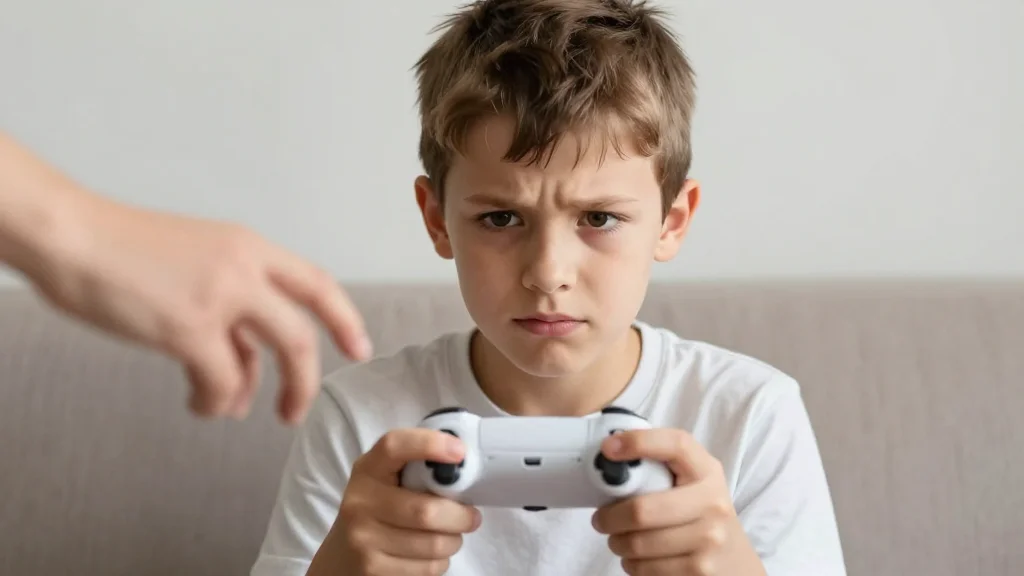
New Study Examines Relationship Between Parenting and Gaming Disorder in Young Children with ADHD
A Children’s Hospital of Philadelphia study presented at the Pediatric Academic Societies 2026 meeting found that negative parenting behaviors are strongly associated with gaming disorder among children ages 5‑12 diagnosed with ADHD. The research also identified male sex and older...

Don’t Weigh Them Down
The Daily Dad essay warns parents that cynicism and contempt can seep into children’s mindset, stifling creativity and connection. Citing Theodore Roosevelt, it distinguishes cynicism from contempt and highlights how subtle negative behaviors become lessons for impressionable kids. The piece urges...

They Need Stories
The article argues that stories are as vital to humans as food and water, citing David McCullough’s claim that oral traditions have sustained humanity for millennia. It criticizes modern education for sidelining narrative wisdom in favor of testable, trackable content....

As My Mom Aged, I Had to Care for Her More and More. I Regret the Time I Missed with...
Theresa Siller recounts a decade of caring for her low‑vision octogenarian mother while raising three daughters, noting how the dual responsibilities pulled her away from her youngest child’s formative years. A pivotal moment occurred when her mother lost a tooth...

Male Sex and Iron Deficiency Risk at 6 Months: The Mediating Role of Rapid Weight Gain
A retrospective cohort of 355 term infants in Chengdu found that male infants had a significantly higher prevalence of iron deficiency (ID) at six months (27.9% vs 15.8% in females). Rapid weight gain during the first six months was independently...

I’m in My 60s and the Hardest Thing About Being a Parent Wasn’t the Tiredness or the Responsibility, It Was...
A retired electrician in his 60s reflects on how his lifelong defensive pessimism—bracing for bad outcomes—has been silently passed to his granddaughter. He identifies this posture as an intergenerational transmission of anxiety rather than overt behavior, rooted in his own...
Family Environment Can Shape Life Outcomes Across Generations
A Swedish study of more than 12,000 sibling pairs found that children adopted into higher‑resource families faced significantly lower risks of mental illness, criminal behavior, and reliance on social benefits compared with their siblings who stayed with biologically disadvantaged parents....

Q&A: What Do Teenagers Need From Their Parents?
Greg Fosco, a Penn State professor, explains that teens thrive when parents combine attentive monitoring with trust‑building autonomy. His research shows that stable, supportive parent‑teen relationships lower risky behaviors, improve mental health, and create a halo effect that influences peers. He also...

Linda Wastack: Leading the Kindergarten Classroom
Linda Wastack has spent two decades as a kindergarten teacher in Edison, New Jersey, shaping the first school experiences of hundreds of children. Her classroom centers on early reading, foundational math, and social development, driven by structured routines and consistent...

Sports-Betting Apps and Prediction Markets Have Turbocharged Teen Gambling — and Parents Often Have No Idea
The proliferation of mobile sports‑betting apps and prediction‑market platforms has dramatically lowered the barrier for teenagers to gamble, often without parental knowledge. Experts warn that teens can sign up with minimal age verification, place micro‑bets on popular events, and quickly...
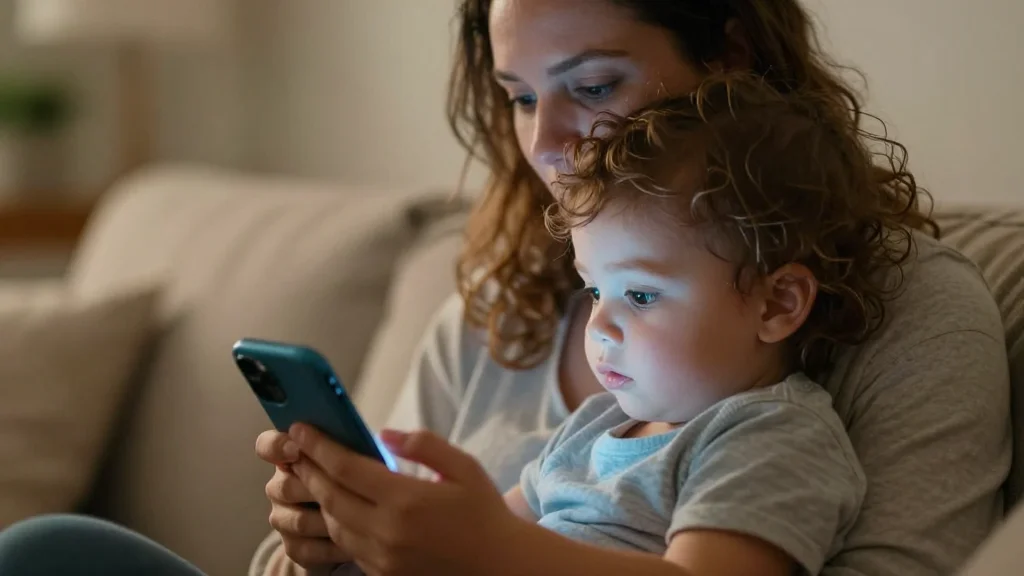
Family Influencers Make the Lifestyle Look Good. But Kids Pay the Price, New Book Says
Fortesa Latifi’s new book, *Like, Follow, Subscribe*, examines how family influencers turn children’s lives into monetized content, tracing the evolution from mid‑2000s mommy blogs to today’s high‑production vlogs. The work spotlights cases like Mormon mom‑influencer Aubree Jones, whose pregnancy announcements...

Breastfeeding: Effective, Multifaceted Support Needed.
The World Health Organization and UNICEF identify exclusive breastfeeding as the single most effective preventive intervention for child mortality, also delivering long‑term health, environmental and economic benefits. A recent UK randomised controlled trial (ABA‑feed) found that peer‑support counselling did not...

Advisors Reveal the Most Important Lessons to Teach Kids About Financial Literacy
Financial advisors stress that summer is an ideal time to begin kids' financial education, focusing on credit basics, delayed gratification, and the role of money as a tool. Paulette Girod highlights early credit and debt literacy, while Spencer Knickerbocker and Chris Jauch...

What Financial Lessons Are Your Kids Learning by Watching You? 5 Ways to Help Them Develop Healthy Money Habits
Financial Literacy Month highlights that parents, not schools, are the most powerful teachers of money habits. Research shows children absorb financial attitudes through both implicit observation and explicit lessons at home. The article outlines five actionable steps—mindful language, open dialogue,...
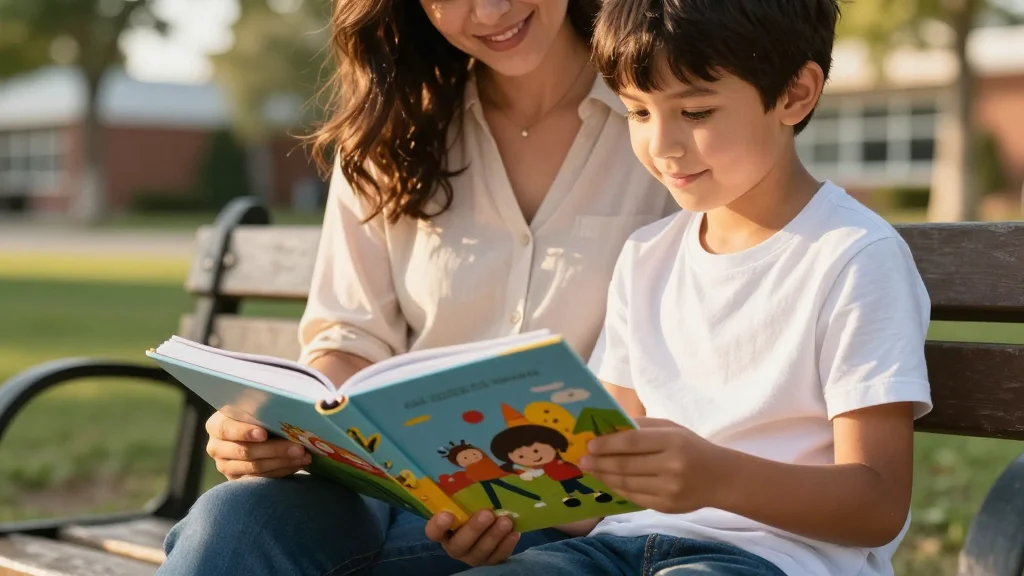
'Easy, Positive, and Judgment Free.' How Families Can Support Their Children (Opinion)
The opinion piece outlines practical ways families can become active partners in their children’s education, drawing on Harvard education expert Karen Mapp’s Dual Capacity‑Building Framework and insights from learning scientist Manu Kapur. It recommends six core actions—recognizing parental power, building partnership...

The Effect of Breast Massage Combined with Co-Parenting Interventions on Breastfeeding in Mother-Infant Separated Mothers: A Quasi-Experimental Study
A quasi‑experimental trial involving 120 mother‑infant dyads separated after birth tested a co‑parenting protocol where fathers performed structured breast massage. The intervention group achieved exclusive breastfeeding rates of 64.9% at one month and 64.3% at three months, far surpassing the...
:max_bytes(150000):strip_icc():format(jpeg)/522302201-56a795723df78cf772975eb0.jpg)
Social and Emotional Development in Early Childhood
Social and emotional development in early childhood is a cornerstone for lifelong well‑being. Caregivers’ modeling, praise, and guided play teach toddlers how to express feelings, share, and resolve conflicts. These skills translate into higher self‑confidence, empathy, and resilience, while also...
:max_bytes(150000):strip_icc():format(jpeg)/GettyImages-670847200-266e7f13c07e4108ad21511a51909240.jpg)
Does Birth Order Determine Your Child's Personality?
Birth order continues to shape children’s personalities, with distinct traits emerging for firstborns, middle children, youngest siblings, and only children. Firstborns tend toward perfectionism and leadership, while middle children become social peacemakers. Youngest children often develop charm and risk‑taking, and...

The Tooth Fairy Is Ridiculous but Kids Need Rituals. I Know I Do | Anthony N Castle
Father Anthony Castle reflects on his daughter's first lost tooth and the ensuing tooth‑fairy ritual. He explores how the tradition, though whimsical, serves as a rite of passage that helps children process change. The piece surveys global variants—from mice in...

How to Handle a Velcro Kid
The article defines a “Velcro kid” as a child who clings to parents for safety, often triggered by moves, trauma, or developmental changes. It outlines the downsides of prolonged dependence, including parental burnout, weakened coping skills, and marital stress. Practical...

The People Who Say ‘I’m Fine’ the Fastest Are Usually the Ones Who Learned, Very Young, that Nobody Had the...
The article explains how children who experience emotional neglect learn to answer “I’m fine” instantly, treating the phrase as a protective shortcut rather than a truthful statement. This rapid response stems from an early need to conserve emotional bandwidth in...

The Case for Letting Kids Go Rock Climbing
Rock climbing advocates Jesse Godlington of Squamish Climbing Academy and Jason D. Martin of the American Alpine Institute argue that climbing is an ideal sport for children. An eight‑year‑old recently summited a 5.9 multipitch at a camp, illustrating kids' resilience....

How to Talk About Childhood Issues Without Blaming the Parents
The article explores how clinicians can discuss childhood‑related mental‑health issues without casting blame on parents. It highlights that unresolved parental trauma often transmits across generations, shaping a child’s psychiatric symptoms. By contrasting psychoanalytic perspectives with biological psychiatry’s focus on brain...
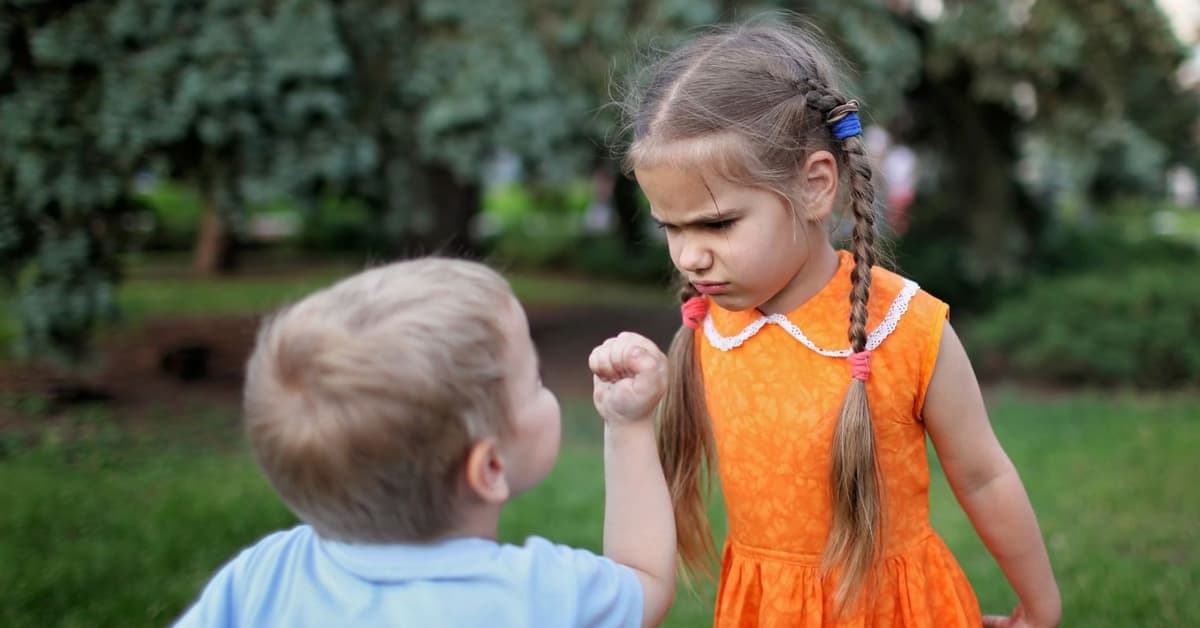
Do You Want Your Kids Arguing Like a Politician?
Pamela Rutledge warns that children are internalizing the hostile conflict styles of politicians and social‑media influencers, equating aggression with power and success. Research cited links repeated exposure to criticism, contempt, defensiveness, and stonewalling with higher bullying rates, reduced empathy, and...

More than Half of Girls Are Scared of Adulthood. As a Mom, I Get It — and I Refuse to...
Girl Scouts of the USA reports that 54% of girls ages 5‑13 find adulthood scary, with the fear rising to 62% among 8‑10‑year‑olds and stabilizing around 60% for pre‑teens. The study shows 85% of girls look up to role models...

Why It’s Important to Talk About Race with Children
In 2022 researchers warned that white parents needed to discuss racism with their children, citing subtle bias sources such as media, social circles, and class cues. By 2025, the Trump administration’s attacks on diversity, equity and inclusion have turned subtlety...

Regular Social Media Use Could Affect Child Development
A longitudinal study of more than 10,000 U.S. adolescents found that daily social‑media use is linked to slower reading and vocabulary development over four years. The research also showed weaker attentional control among frequent users, though it noted modest gains...

Raising Happy Children In Challenging Times: Practices that Build Essential Skills For Well-Being
Raising happy children is framed as teaching well‑being skills rather than chasing fleeting emotions. Research shows gratitude, mindfulness, and empathy are learnable practices that boost resilience and mental health. The article offers three hands‑on activities—a Glimmer Wand, a Gratitude Sandwich,...

The Good, Bad, and Ugly of Screen Time: An Explainer
Education Week’s explainer highlights the growing complexity of defining and managing screen time for children as digital devices become integral to schooling, social life, and entertainment. Recent studies link more than two hours of daily screen exposure to higher rates...
:max_bytes(150000):strip_icc():format(jpeg)/Parents-TeensatProm-472dd2ebae3b4c4e82fb82dc6d72e443.jpg)
Why Promposals Can Be So Stressful for Teens—And How Parents Can Help
Promposals have become elaborate, social‑media‑driven events that many teens feel pressured to match. The performances often trigger performance anxiety, comparison stress, and costly expenses for families. Experts advise parents to normalize these feelings, let teens set their own level of...

How Parenting Advice on Anxiety Misses Key Family Patterns
The article argues that current parenting advice urging anxious children to face their fears overlooks the relational dynamics that amplify distress. While reducing parental accommodation can be a corrective, it often triggers heightened emotional outbursts before children adjust. Drawing on...
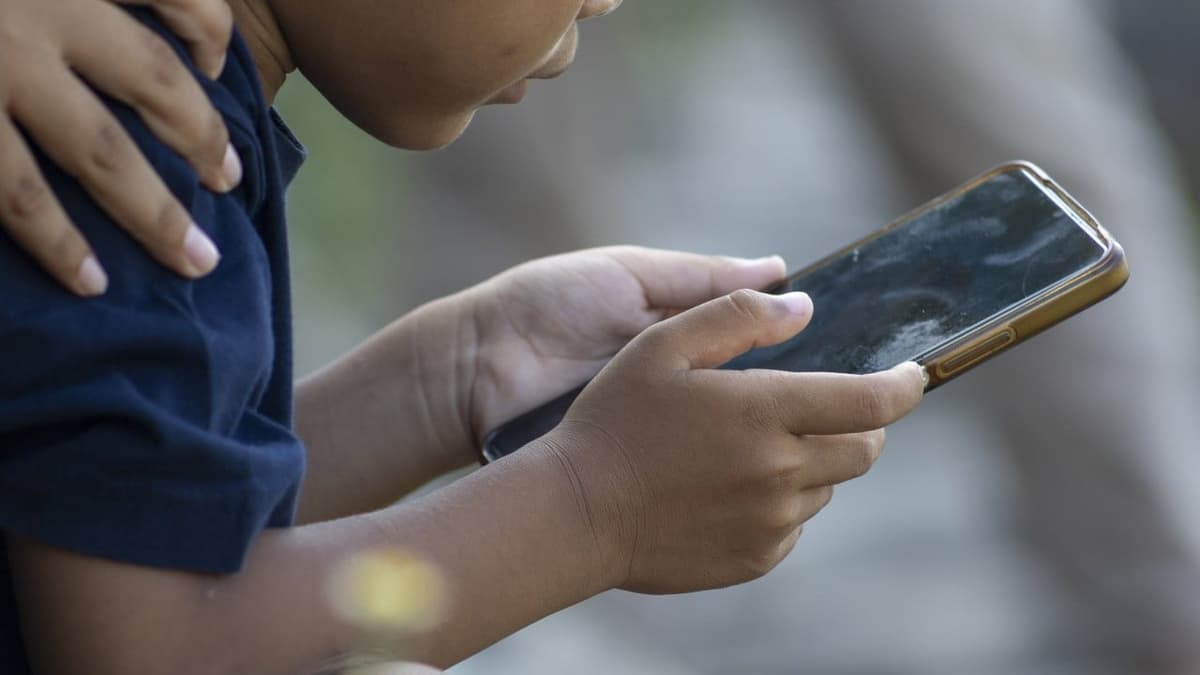
Southeast Asia Wants Children Off Social Media. Will It Work?
Indonesia has barred users under 16 from major social‑media platforms, a policy that is prompting Malaysia, the Philippines and Singapore to explore comparable restrictions. Parental support is strong – a Varkey Foundation poll shows 77% of Malaysian parents favor bans...
:max_bytes(150000):strip_icc():format(jpeg)/GettyImages-1376105931-8e83a9d0646641d5b46f120f3379280b.jpg)
6 Signs Your Child Might Be a People-Pleaser—And How to Help
The article outlines how to recognize a child who is habitually people‑pleasing and why the behavior can evolve into anxiety, low self‑esteem, and poor boundary setting. It cites child psychologists who explain that the habit often stems from a need...
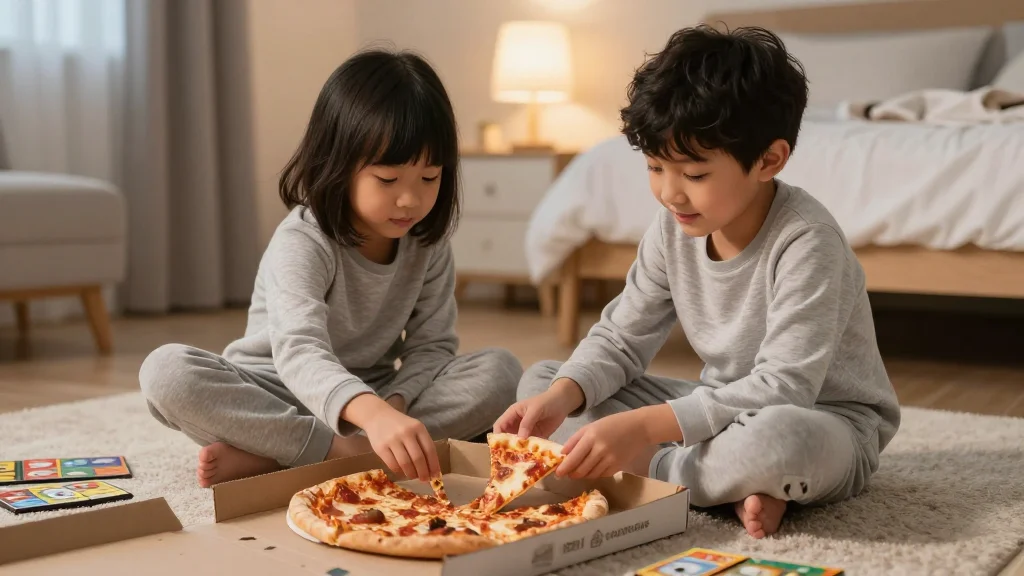
I Was Tired of My Kids Having All the Fun on Sleepovers. I Started Planning All-Nighters for Us at Home.
After a planned kids' sleepover fell through, a mother invited her children to a family all‑night gathering, creating a new tradition. The home sleepovers feature pizza, board games, movies, and occasional backyard fire‑pit sessions, with relaxed rules around candy and...

We Left the US and Moved to Spain Almost a Year Ago. My Young Kids Handled It Better than I...
Rebecca Cretella and her husband relocated their family from Connecticut to a Madrid suburb in 2025, bringing their 10‑ and 7‑year‑old sons along. By involving the boys in the planning process, exposing them to Spanish language media, and arranging pre‑move...

Dad Brain: How Fatherhood Remakes Men's Minds
Recent research confirms that fatherhood triggers a cascade of hormonal and neural changes similar to those experienced by mothers. Men show drops in testosterone and vasopressin, while oxytocin and prolactin rise as they engage in infant care, even before birth....

My Weekly Juggling Act - Being a Teacher to Other Children and a Mum to My Own
Teacher Dena Tickner describes the relentless juggling act of full‑time teaching and motherhood, noting that emotional fatigue and after‑school planning often push her workday to 10:30 pm. A recent NASUWT survey found 70% of teacher‑parents have considered quitting because of family‑work...

Nutritional Habits, Body Composition, and Dental Health in Children: A Qualitative Research on Parental Approaches
A qualitative study of 23 mothers at Karabük’s Family Dentistry Department examined parental knowledge, attitudes, and practices around child nutrition and oral health. Children averaged 25.4 kg and 129.5 cm, with 56.5% in a normal BMI range; mothers showed similar BMI patterns....

Dolly Parton’s Reading Initiative Hits Snag in California
The California State Library allocated $70 million in 2022 to boost childhood literacy, channeling part of the funding through a newly created nonprofit, Strong Reader Partnership, to work with Dolly Parton’s Imagination Library. The partnership spent over $1 million of taxpayer money...

How to Disciple Your Kids Through Every Stage of Parenting
Rich Griffith, a single father of three adopted teens and associate professor of Youth and Multi‑generational Ministry, joins Focus on the Family to discuss how parents can intentionally disciple children at every developmental stage. He argues that many families defer...

Friday Five 607
The latest Friday Five roundup highlights five distinct stories shaping family dynamics and social trends. Brookings Institution will host a virtual event on April 27 discussing how AI reshapes child‑raising. Military Times reports a continued rise in suicide rates among...

Lincoln Mother Continues Fight for Nebraska Literacy, Dyslexia Awareness
Nebraska lawmakers are debating an amendment to Legislative Bill 1050 that would require the State Board of Education to develop a model policy for reading interventions, dyslexia screening and a parental opt‑out on grade retention for third‑graders. The amendment advanced...

The Relief of a Violet Door: How Himalaya BabyCare Is Making Public Spaces Friendlier for New Moms
Himalaya BabyCare has launched over 700 "Happy Feeding Rooms" across India’s airports, railway stations, hospitals and malls, offering clean, ventilated spaces equipped with seating, diaper‑changing stations and sinks. Each room serves roughly 30 mothers daily, totaling about 7.7 million users annually....

To The Mom Who Has a Few Years Left Before Her Teen Graduates
The article offers candid advice to mothers of teens who still have a few years before graduation, urging them to shift focus from minor household details to the quality of their relationship. It highlights how everyday moments—quick check‑ins, late‑night chats,...
:max_bytes(150000):strip_icc():format(jpeg)/PARENTS-teen-looking-in-mirror-4822b761fdc84f5b925a76e94f2b0895.jpg)
The 10 Hidden Signs Your Child Feels Pressure To Be Perfect
A growing achievement‑obsessed culture is pushing many children toward perfectionism, a mindset driven by fear of failure and external validation. Experts like psychiatrist Evita Limon‑Rocha and author Jennifer Breheny Wallace outline ten telltale signs, from excessive time spent on tasks...

Early Intervention Services for Young Children Boost Later Test Scores
A joint Columbia University and NYC Health Department study of more than 200,000 children born between 1994 and 1998 found that early intervention services delivered before age three boost academic performance. Roughly 13,000 children who received occupational, physical or speech...

Reminder: That 'Bad Kid' You're Judging Could Very Well Be Autistic
The article highlights how autistic children are routinely judged for behaviors that deviate from neurotypical norms, such as avoiding eye contact or seeking sensory input. It underscores the emotional toll on both the children and their caregivers when society demands...

Global Research: What Parents Want and Where Brands Miss the Mark
FrieslandCampina Ingredients surveyed parents of children aged 3‑12 across 11 markets, finding immunity, brain and gut health are non‑negotiable priorities. Parents favor natural, convenient formats such as ready‑to‑drink beverages and gummies, and they respond best to clear, benefit‑focused messaging. The...