
Can Enzymes Really Reduce Bitterness in Industrial Bread?
Industrial bakeries are testing hydrolytic enzymes to directly reduce bitterness in bread, shifting flavour at the molecular level rather than masking it. Early internal trials report up to a 62% drop in perceived bitterness, especially in sandwich and toast breads using propionate preservatives. Enzyme blends are added at low dosages (0.05‑0.15%) and integrate without equipment changes, offering a clean‑label alternative to flavor additives. However, data remain proprietary and lack independent third‑party verification, keeping the approach in a validation phase.

Mapping the Microbial Communities Beneath Our Feet and Inside Our Guts
EMBL‑EBI’s MGnify platform has expanded its biome catalogue resource to cover 18 distinct environments, now housing over half a million microbial genomes, including a human gut collection of nearly 300,000 genomes. The catalogues combine metagenome‑assembled genomes and isolate sequences, providing...

PANSTARRS Projections
Comet C/2025 R3, discovered by PAN‑STARRS, was photographed over Deming, New Mexico on March 28, 2026, displaying a tail longer than two degrees. The observation captured the comet in early morning twilight, indicating it remains bright enough for ground‑based viewing. Current orbital models suggest...

PolyU Develops Multi Energy Diamond Cutting Technology
Researchers at The Hong Kong Polytechnic University have unveiled a new ultra‑precision machining method that combines laser and magnetic fields during diamond cutting, termed in‑situ laser‑magnetic dual‑field assisted diamond cutting (LMDFDC). The dual‑field approach delivers smoother surfaces, less subsurface damage,...

Post-Exertional Malaise and the Myth of Cardiac Deconditioning: Rethinking the Pathophysiology of Long Covid
Post‑exertional malaise (PEM) affects roughly 80% of long‑COVID patients, triggering delayed symptom flare‑ups that can last days or weeks. New research argues that cardiac abnormalities seen in these patients—such as preload failure, inflammatory scarring, and endothelial damage—are distinct from classic...

Optimising Exercise Training Prescription in Cardiac Rehabilitation Beyond Clinical Guideline Recommendations
The article reviews current cardiac rehabilitation exercise guidelines and proposes a more individualized, higher‑intensity prescription. It highlights that high‑intensity interval training (HIIT) and interval‑based resistance protocols can boost peak VO₂ and functional capacity without raising adverse events when supervised. The...

ChAnGe Project: Cardiopulmonary and Strength Analysis in Gender Transition
The ChAnGe project, led by Dr. Marco Vecchiato at the University Hospital of Padova, investigates cardiopulmonary function and muscular strength in transgender and gender‑diverse (TGD) individuals beginning gender‑affirming hormone therapy (GAHT). Since November 2024 the study has enrolled 16 TGD participants...

Post-Activation Performance Enhancement as a Multi-Purpose Tool for Developing Power Output in Youth Athletes, Preserving Functional Ability of the Ageing...
The PhD Academy‑Awarded study examined post‑activation performance enhancement (PAPE) across three populations: trained youth athletes, middle‑aged recreational athletes, and team‑sport players at risk of ACL injury. Researchers tested acute bilateral and unilateral lower‑body PAPE under varied volume‑load conditions and evaluated...

Decades After Poaching Drove Them Extinct, Rhinos Are Back in the Wild in Uganda
Uganda Wildlife Authority has translocated four southern white rhinos from Ziwa Rhino Sanctuary to Kidepo Valley National Park, marking the first free‑ranging rhinos in the country since the early 1980s. The sanctuary’s herd, grown from six founders to 42 animals,...
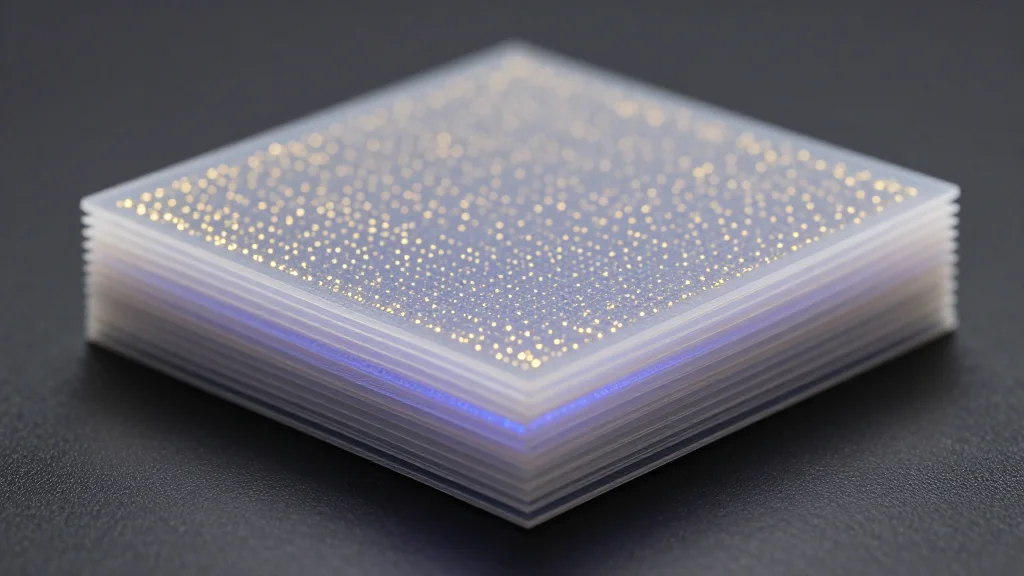
Vertically Stacked Paper‐Based Microarray Device for High‐Throughput SERS Detection of Two Cancer Biomarkers
Researchers have unveiled a vertically stacked paper‑based microarray device (µAPAD) that integrates the full immunoassay workflow for high‑throughput SERS detection of cancer biomarkers. The 16‑layer wax‑patterned platform ensures uniform nanotag distribution, cutting signal variation from 36.6% to 6.69% and enabling...

Near‐Infrared Photochemistry Harnesses Excitons for Selective Guanine Functionalization of Single‐Wall Carbon Nanotubes
Researchers have demonstrated that semiconducting single‑wall carbon nanotubes (SWCNTs) can act as their own photosensitizer under near‑infrared (NIR) illumination, producing singlet oxygen that selectively oxidizes guanine bases in the surrounding ssDNA corona. The resulting guanine peroxides react covalently with the...

Extrahepatic Gene Editing In Vivo Using Organic Solvent‐Free Lipid Nanoparticles
Researchers have unveiled a fully water‑based lipid nanoparticle (LNP) platform that eliminates cholesterol and PEG, using poly(2‑methyl‑2‑oxazoline) as a stealth polymer. The solvent‑free formulation enables efficient delivery of CRISPR‑Cas9 components, achieving robust gene editing in primary human immune cells and...

ROUNDUP: Non-Lithium Energy Storage System Technology Advances in US, Spain, and Scotland
The roundup highlights rapid progress in non‑lithium energy storage, with Unigrid’s sodium‑ion cells reaching 5,000 full‑depth cycles and projecting a 25‑year lifespan that matches solar PV panels. Inlyte Energy secured a domestic iron‑powder supply partnership to scale its iron‑sodium (ZEBRA)...

In This Issue
The latest issue presents three interdisciplinary studies: a genomic analysis reveals a widespread genetic replacement in Neanderthal populations across Europe, challenging earlier notions of continuity; an experimental investigation of GPT‑4 in mathematics education shows significant productivity gains but raises questions...

Eight More Satellites Added to IRIDE Space Programme
Italy’s IRIDE Earth‑observation programme has added eight new Eaglet II satellites, raising the total constellation to 24 assets in orbit. The launch, performed on SpaceX’s Transporter‑16 from Vandenberg, placed the satellites alongside the first batch deployed in November 2025. Each spacecraft carries...
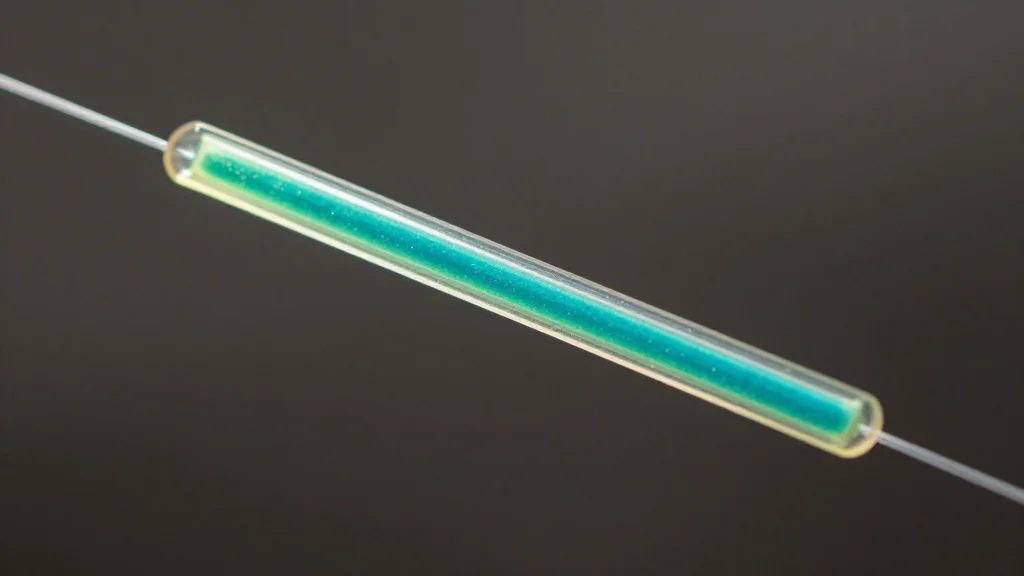
Electrospinning Spatial Building of a Secondary S‐Scheme Heterojunction in Cs3Bi2Br9@g‐C3N4−SnO2/PAN Nanofiber for Real‐Time Monitoring Photocatalysis
Researchers have created a flexible core‑shell nanofiber (Cs3Bi2Br9@g‑C3N4–SnO2/PAN) using coaxial electrospinning that incorporates a dual S‑scheme heterojunction. The architecture widens visible‑light absorption and markedly suppresses charge recombination, delivering >97 % degradation of Rhodamine B and 99.5 % degradation of tetracycline within 50 minutes. The...

Countdown Begins for the Artemis-2 Mission Around the Moon
NASA initiated a two‑day countdown on April 1 for the Artemis‑2 mission, targeting a 6:24 pm Eastern launch. The flight will carry three American astronauts and a Canadian aboard the Orion capsule, propelled by the Space Launch System (SLS) rocket. Artemis‑2 marks...

Bioinspired Anti‐VEGF Peptide Nanoparticle with Immune Regulating and Corneal Epithelium Penetration Capability for Corneal Neovascularization Therapy
Researchers have engineered a bioinspired nanoparticle that co‑assembles an anti‑VEGF peptide with copper ions, adds a ROS‑scavenging moiety and a cell‑penetrating peptide, and achieves deep corneal delivery. The formulation extends ocular residence to roughly 70 minutes and reaches 300 µm in a...

Large‐Scale Ferroelectric Ceramic Wafer Achieved by Sintering Strategies for Sensitive High‐Temperature Self‐Powered X‐ray Detection
Researchers have fabricated a large‑scale ferroelectric ceramic wafer (PNN‑PZT) using solid‑state sintering, achieving record‑high sensitivity for self‑powered X‑ray detection. At 150 °C the detector reaches 248 µC Gy⁻¹ cm⁻² sensitivity and a detection limit of 6.76 nGy s⁻¹, surpassing commercial amorphous selenium devices. The material exhibits...

Artemis 2 Countdown Underway
NASA kicked off the two‑day Artemis 2 countdown on March 30, targeting an April 1 launch from Kennedy Space Center’s Launch Complex 39B within a two‑hour window. Mission managers reported no major issues with the Space Launch System rocket, Orion crew capsule, or ground...
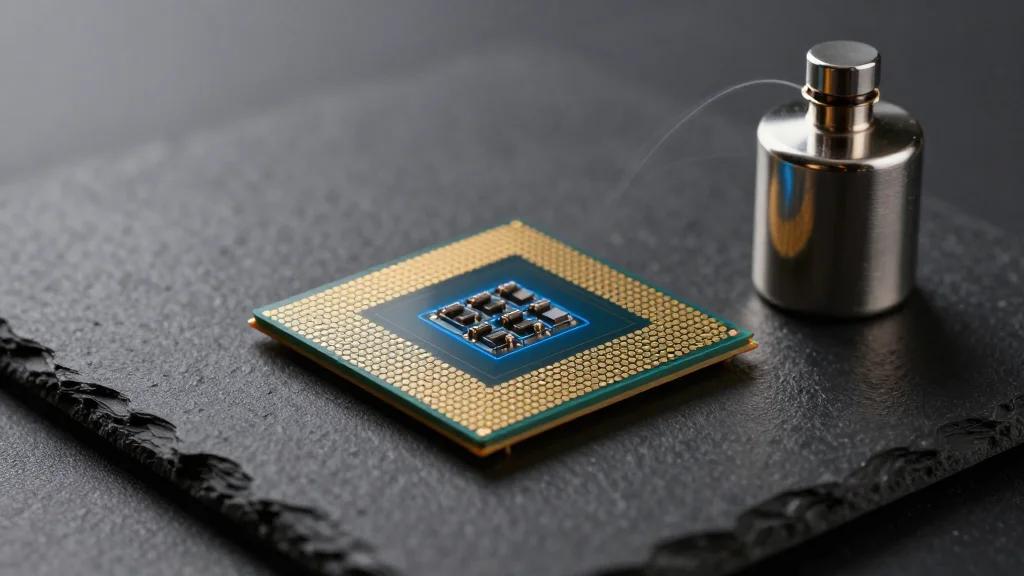
Energy Department Aims to Build Full-Fledged Quantum Computer Within 3 Years
The U.S. Department of Energy announced a goal to deliver a fault‑tolerant quantum computer by 2028, aiming for scientifically useful calculations. The Office of Science, with an $8.4 billion annual budget, will host the quantum user facility at a national laboratory....

Daily Intake of Antioxidants Ameliorates PM2.5-induced Neuronal Injury in Mice
A recent Frontiers in Nutrition study shows that sub‑chronic exposure to low‑level PM2.5—below WHO limits—induces mitochondrial‑dependent oxidative stress and neurofilament loss in mouse cortex, hippocampus, and thalamus. Daily supplementation with vitamin C (10 mM) or N‑acetylcysteine (40 mM) via drinking water markedly reduced...

Integrated Transcriptomics–Metabolomics Analysis Reveals Biomarkers and Metabolic Dysregulation Characteristics of Parenteral Nutrition–Associated Liver Disease
A mouse model of parenteral nutrition‑associated liver disease (PNALD) was analyzed using combined RNA‑sequencing and untargeted metabolomics. Integrated machine‑learning pipelines (LASSO and SVM‑RFE) pinpointed five gene biomarkers (Itgam, Clec4d, Orm2, Lcn2, Cd14) and three metabolites (6‑n‑octylaminouracil, 6β‑hydroxy‑hydromorphone, α‑teresantalic acid). These...

Low Vitamin D Status and 10-Year Dementia Risk in Sensory-Impaired Adults: A Propensity Score-Matched Cohort Study
Researchers analyzed over 158,000 adults aged 50+ with vision or hearing impairment using the TriNetX database. After propensity‑score matching, those with vitamin D deficiency (<20 ng/mL) faced a 55 % higher hazard of developing dementia over ten years compared with individuals with...

Unlocking the Potential of Polygonatum Odoratum Protein Hydrolysate: Identification, Characterization, and Antidiabetic Activity in HFD/STZ-Induced Type 2 Diabetic Mice
Researchers identified a low‑molecular‑weight protein hydrolysate from Polygonatum odoratum (POP) composed mainly of <1.5 kDa leucine‑ and valine‑rich oligopeptides. In a high‑fat diet/streptozotocin mouse model of type 2 diabetes, oral POP markedly reduced fasting and random glucose, HbA1c, and insulin resistance while...

L–Carnitine in Metabolic Dysfunction-Associated Steatotic Liver Disease: Mechanisms and Therapeutic Potential
A new review in *Metabolism* outlines how L‑carnitine may counteract metabolic dysfunction‑associated steatotic liver disease (MASLD), which now afflicts roughly one‑third of the global population. The authors detail L‑carnitine’s role in boosting mitochondrial fatty‑acid oxidation, improving insulin sensitivity, and dampening...
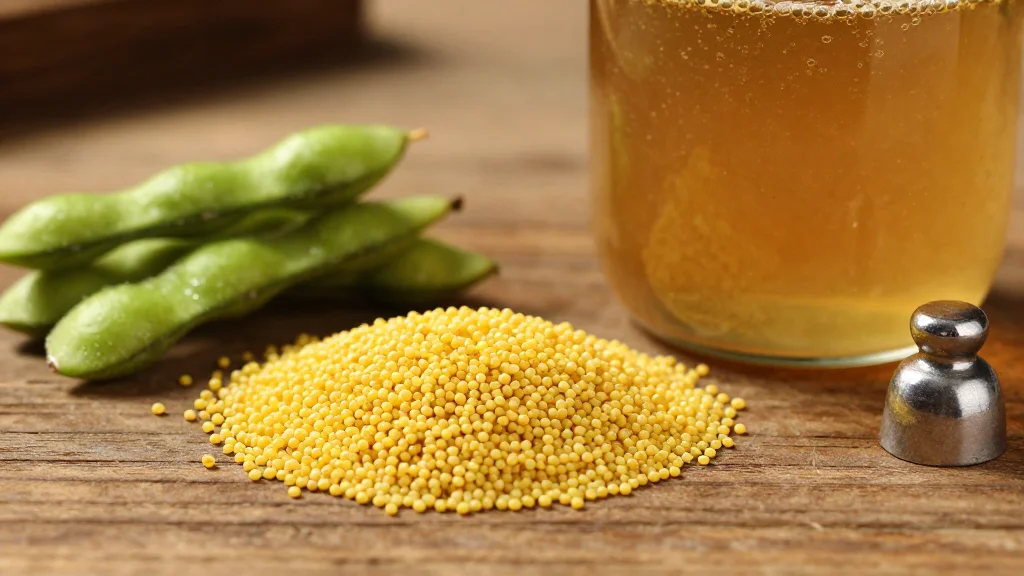
Finger Millet and Soybean as Functional Ingredients in Next-Generation Fermented Foods: A Review of Nutritional, Technological, and Health-Promoting Perspectives
A recent review highlights finger millet and soybean as complementary, under‑utilized crops whose combined fermentation can dramatically improve nutrient density and functional properties. Fermentation reduces antinutrients, boosts mineral bioavailability, and enhances protein digestibility, while also improving flavor and shelf stability....

World’s Most Dangerous Bird Has Bizarre, Glowing Headgear
Researchers have discovered that the keratinous casques on cassowaries fluoresce under ultraviolet light, revealing distinct patterns for each species. The emitted glow falls within wavelengths that cassowaries can perceive, suggesting a possible visual signaling function. While the exact role remains...

Cortical Evolution, ZBTB18, and More
A new study reveals that the transcription factor ZBTB18 governs the molecular diversity and connectivity of excitatory projection neurons in the mammalian cortex. Deleting ZBTB18 in mice reduces neuronal heterogeneity and produces wiring patterns reminiscent of primitive, non‑mammalian brains. The...

Letter Asks Congress for Nearly $500 Million to Sustain BRAIN Initiative
A coalition of 150 neuroscience organizations sent a letter to Congress requesting $468 million for the NIH BRAIN Initiative for the upcoming fiscal year, matching the 2022 funding level and averting a budget shortfall as the 21st Century Cures Act funding...

What Is Terrain Relative Navigation, and Why Is It Important?
NASA’s Terrain Relative Navigation (TRN) lets spacecraft compare live images with onboard maps to pinpoint safe landing zones. First proven on the Mars 2020 Perseverance rover, TRN reduced landing uncertainty from miles to roughly 50 meters. The system’s compact camera‑computer design has...

Podcast with Tom Darras, CEO and Co-Founder, Welinq
Welinq, led by CEO Tom Darras, is building a full‑stack quantum networking solution that interconnects quantum processors across data centres. The offering spans qubit‑photon interfaces, optical‑network hardware, high‑efficiency quantum memories, and the AraQne compiler that partitions algorithms across heterogeneous QPUs....

Missile Cancer Study Finds Increased Rate of Two Cancers Based on More Data
The U.S. Air Force School of Aerospace Medicine’s Missile Community Cancer Study, now analyzing 148,078 cases from 1976‑2010, found statistically higher rates of testicular cancer and Hodgkin lymphoma among intercontinental ballistic missile (ICBM) personnel compared with other Airmen. Earlier phases...

Scientists Discover Sleep Switch that Builds Muscle, Burns Fat, and Boosts Brainpower
Researchers at UC Berkeley mapped a hypothalamic circuit that controls growth hormone release during sleep, identifying how GHRH and somatostatin neurons interact and feed back to the locus coeruleus. Using optogenetic recordings in mice, the Cell study showed distinct hormone...

How the Solar Wind Really Works
Researchers led by Ph.D. student Jordi Boldú used ESA’s Solar Orbiter to probe the solar wind close to the Sun, revealing that high‑frequency electrostatic plasma waves—specifically Langmuir and ion‑acoustic waves—play a dominant role in energy redistribution. These waves resonate with particles...

Common Ancestry Limits Protein Sequence Exploration, Computational Study Shows
Researchers from OIST, ISTA, Vienna and CAB published a computational study in PNAS showing that common ancestry, rather than selection or epistasis, is the primary constraint on protein sequence diversification. By estimating the effective dimensionality of protein families and simulating...

AI-Powered Stroke Tool Linked to Improved Patient Outcomes in Large Clinical Trial
A large cluster‑randomized trial of more than 21,000 acute ischemic‑stroke patients across 77 Chinese hospitals tested an AI‑powered clinical decision support system (CDSS). The tool, which combines AI‑assisted imaging with guideline‑based treatment prompts, lowered the 3‑month composite vascular‑event rate from...

NIH Awards Top Scientific Teams for Innovations Linking Nutrition and Autoimmune Disease
The National Institutes of Health announced 15 winning teams in its Nutrition for Our Immune System Health (NOURISH) Autoimmunity Challenge, each receiving a $10,000 prize. The challenge solicited scalable, patient‑centered ideas that integrate diet, microbiome, and multi‑omics approaches to study...

Mars-Like Worlds Near M-Dwarfs May Lose Air in Millions of Years
A new study models a Mars‑like exoplanet orbiting Barnard’s star, an old M‑type red dwarf, and finds its thin CO₂ atmosphere would be stripped in roughly 350,000 years, while an Earth‑scale atmosphere would disappear in about 50 million years. The planet...

Terrifying 3D Rogue Waves Reach 65 Feet And Shatter Old Science (Video)
A new experimental study shows that rogue waves can tower up to 65 feet (≈20 meters), roughly four times larger than traditional estimates. Researchers built a circular tank with 168 paddles to generate multidirectional swells, revealing that 3‑dimensional crossing waves amplify height...
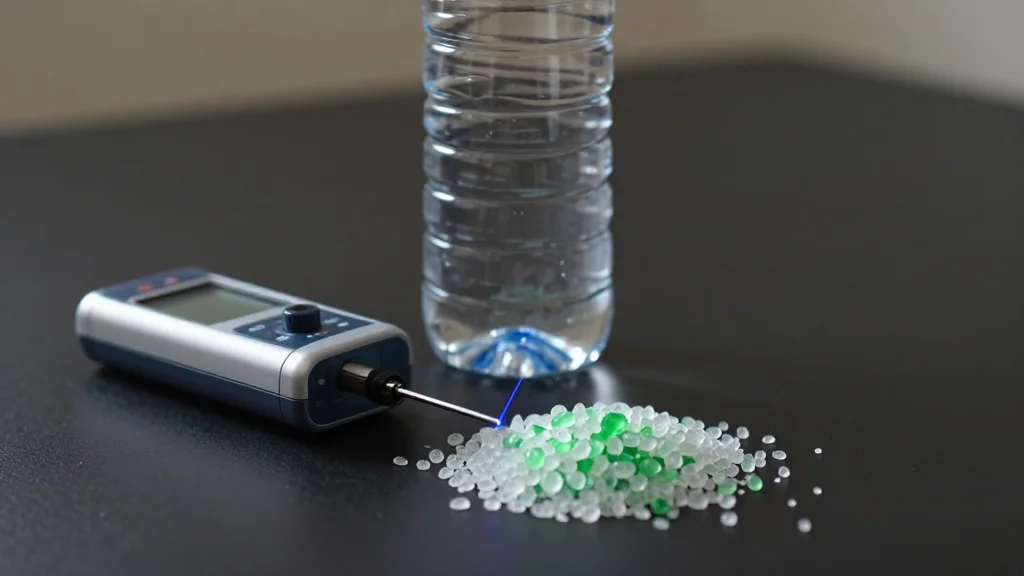
University of Buffalo Develops Recycled-Content Plastic Gauge
Researchers at the University at Buffalo have unveiled a rapid testing method that determines the recycled‑plastic percentage in polymer products. By integrating triboelectric, dielectric spectroscopy, capacitance analysis, and mid‑infrared spectroscopy, the approach captures subtle material differences. Machine‑learning algorithms interpret the...
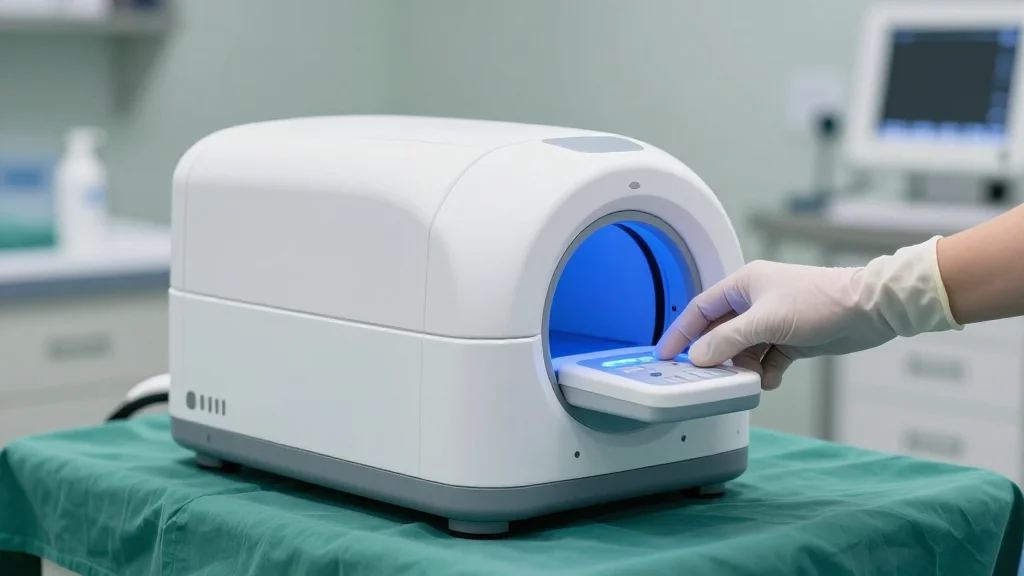
Neurosurgeons at St. Michael’s Use Low-Field MRI to Assist Surgeries
Neurosurgeons at Toronto’s St. Michael’s Hospital have begun using the Hyperfine Swoop® low‑field MRI scanner inside the operating room to obtain immediate post‑resection images. The portable 0.064‑tesla device can be wheeled into the suite, allowing scans within minutes while surgeons...

Structure of the Mouse Cytoplasmic Lattice
Researchers used cryo‑electron microscopy to resolve the native mouse cytoplasmic lattice (CPL) repeating unit, a ~4 MDa assembly, at 3.74 Å resolution. The structure reveals a tripartite design: an external framework of PADI6 decamers and subcortical maternal complexes, NLRP4F linkers that extend...

Author Correction: Phenome-Wide Analysis of Copy Number Variants in 470,727 UK Biobank Genomes
Nature issued an author correction for the landmark study titled “Phenome‑wide analysis of copy number variants in 470,727 UK Biobank genomes.” The correction clarifies author contributions and institutional affiliations across a multinational AstraZeneca‑led consortium. The original research surveyed copy‑number variation...

Türkiye Negotiating LEO Satellite Operations With SpaceX And Amazon
Turkey’s Deputy Transport and Infrastructure Minister met with SpaceX and Amazon at the SATShow expo in Washington on March 26, 2026 to discuss operating low‑Earth‑orbit (LEO) satellites over Turkish territory. The talks centered on meeting Turkey’s regulatory and security requirements...

A Longitudinal DNA Methylation Atlas and Its Link to Brain Structure and Mental Health
Researchers built a longitudinal DNA‑methylation atlas using the IMAGEN cohort of 506 adolescents, identifying 18 coordinated DNAm clusters that persist from age 14 to 19. The cluster architecture was validated in two older‑adult datasets (PPMI and ADNI), demonstrating lifespan stability....
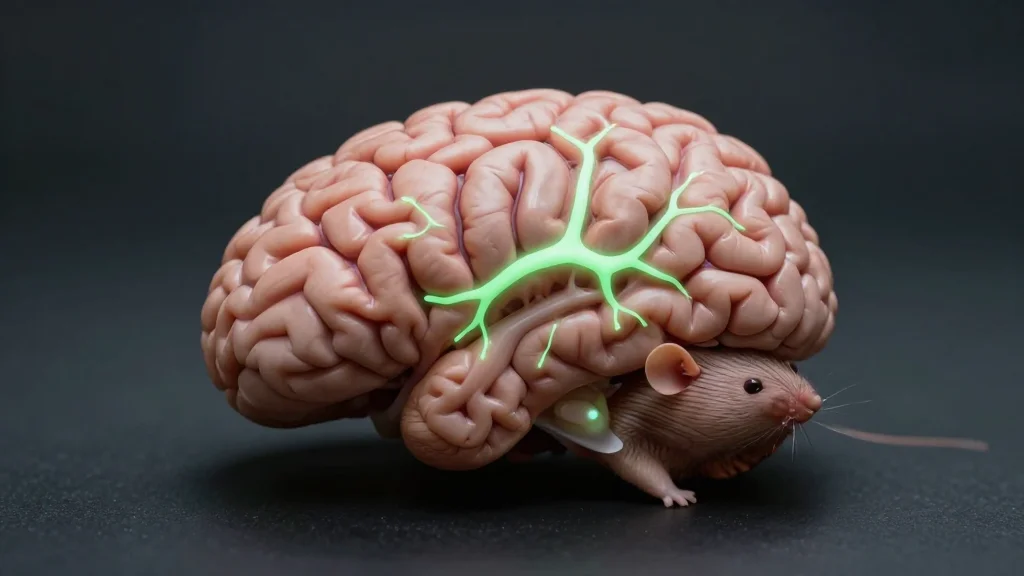
Neuropeptide Y Co-Opts Neuronal Ensembles for Memory Lability and Stability
Researchers led by Yan‑Jiao Wu demonstrated that neuropeptide Y (NPY) orchestrates distinct neuronal ensembles to control both the lability and stability of fear memories. Using fear‑conditioning and extinction paradigms in mice, they showed that NPY‑positive interneurons shift the balance between Npy1r‑...

Anti-NMDAR Encephalitis Impairs Intrinsic Hippocampal Dynamics Through Neuronal Hypercoupling, Hub Dominance, and Aberrant Ensembles
Researchers used in‑vivo calcium imaging and electrophysiology in a passive‑transfer mouse model to show that anti‑NMDAR encephalitis simultaneously suppresses overall hippocampal activity and amplifies intrinsic synchrony. The disease drives neuronal hypercoupling, hub dominance, and the formation of numerous aberrant ensembles...

Author Correction: Signatures of Ambient Pressure Superconductivity in Thin Film La3Ni2O7
Nature issued an author correction for the paper on ambient‑pressure superconductivity in thin‑film La₃Ni₂O₇. The correction fixes the y‑axis units in six figures from “mΩ cm⁻¹” to “mΩ cm” and updates the x‑axis label of Figure 3d from “Tc” to “T”. The errors...

Mink Therapeutics Inc (INKT) Q4 2025 Earnings Call Transcript
MiNK Therapeutics reported a cash position of $14.3 million, extended through 2026 after a $1.2 million raise, while posting a $2.9 million net loss for Q4. Clinical data showed AGENT‑797 combined with PD‑1 achieved a median overall survival of roughly 23 months in heavily...