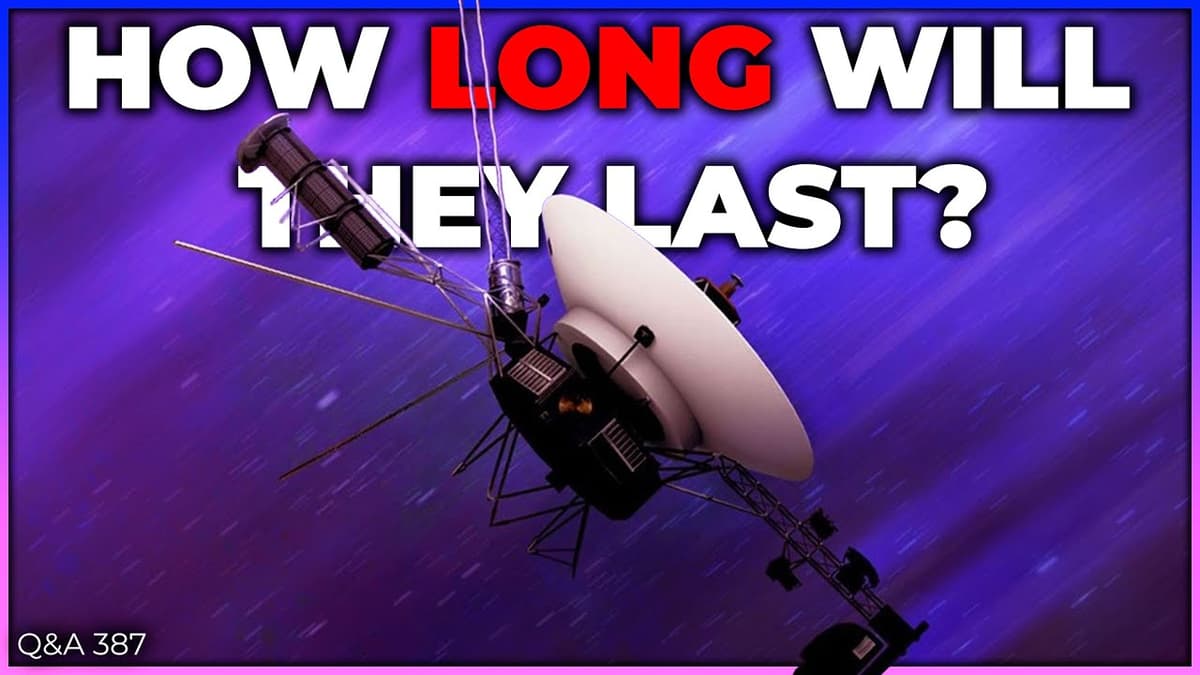
Hardest Lagrange Point, Voyagers' Realistic Lifetime, Goals for Telescopes | Q&A 387
The latest episode of the “Question Show” tackled a range of space‑science topics, from the feasibility of using the Sun‑Earth L3 Lagrange point to the remaining operational life of the Voyager probes and the scientific goals of the upcoming generation of giant ground‑based telescopes. The host explained that although L3 is gravitationally unstable, a spacecraft there could form part of a colossal interferometer with L4 and L5, creating a 250‑million‑kilometre baseline for radio imaging of black‑hole event horizons. Voyager 1 and 2 are expected to lose sufficient power to run their transmitters within roughly ten years as their plutonium‑235 thermoelectric generators decay. The golden records attached to the Voyagers are engineered to survive about a billion years, making them humanity’s longest‑lasting artifacts in interstellar space. Detecting true intergalactic interlopers would rely on measuring velocities exceeding the Milky Way’s 250 km/s escape speed, a clear signature distinct from typical interstellar objects. “If we placed assets at L3, L4 and L5, we could keep a near‑perfect equilateral triangle within 10,000 km,” the presenter noted, highlighting the unprecedented resolution such a formation could achieve. He also quoted NASA’s estimate that the Voyagers have “about ten years left” before a complete shutdown. The discussion of the Extremely Large Telescope (ELT) emphasized its 39‑metre aperture, slated for first light in 2027, and its capability to directly image Earth‑sized planets around Sun‑like stars. These insights underscore strategic priorities: developing Lagrange‑point interferometry could revolutionize high‑resolution astronomy, while the imminent Voyager silence calls for new deep‑space probes with longer‑lasting power sources. The durability of the golden records raises questions about preserving civilization’s legacy, and the ELT’s exoplanet focus signals a shift toward characterizing potentially habitable worlds. Meanwhile, asteroid platinum extraction remains cost‑prohibitive, suggesting resources should stay focused on scientific rather than commercial exploitation for now.
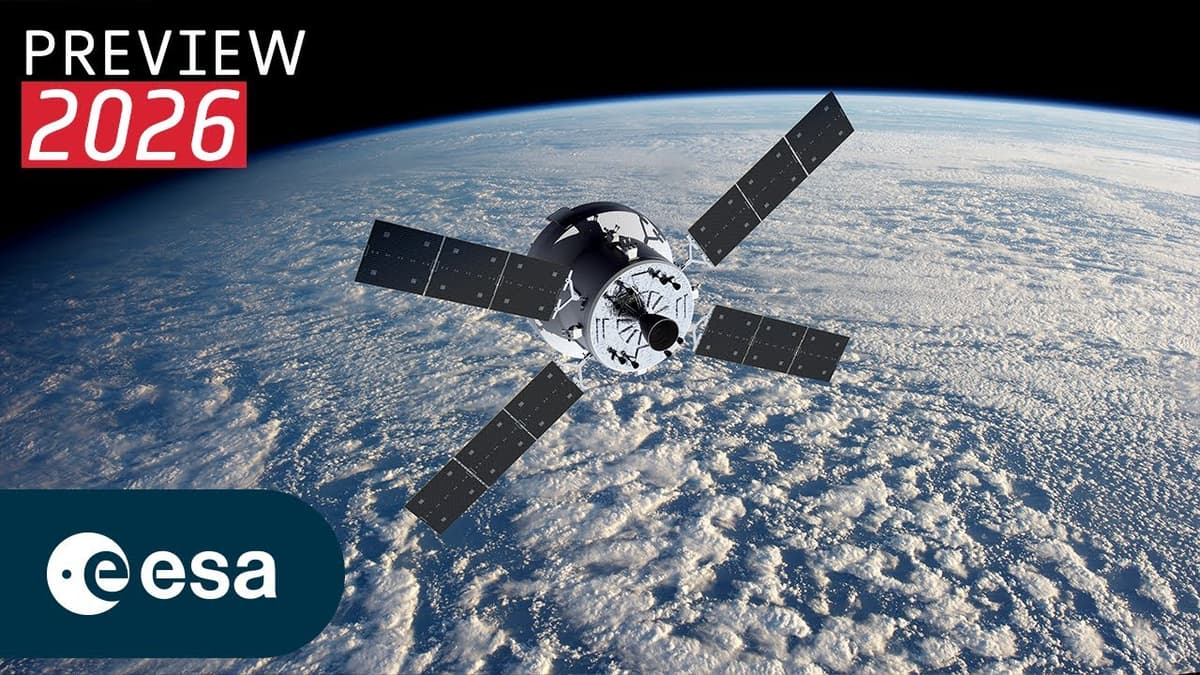
ESA Preview 2026
The video outlines ESA’s 2026 roadmap, highlighting crewed flight, navigation upgrades, deep‑space missions, and Earth observation. Key programs include Sophia Adeno’s Epsilon ISS mission, second‑gen Galileo testing, Celeste LEO navigation, Artemis 2 lunar flyby powered by ESA’s service module, SMILE solar‑wind study,...
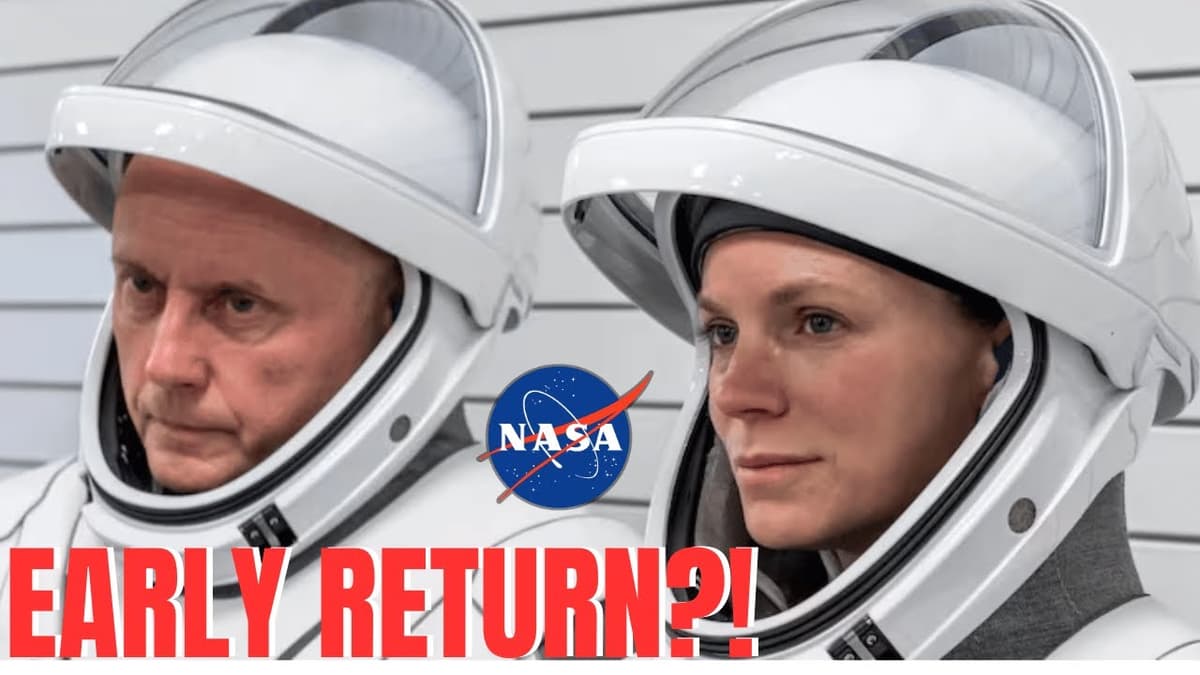
Spacewalk Canceled, Medical Issue Prompts Rare Talk of Early ISS Crew Return
NASA is weighing an unprecedented early return for International Space Station Expedition 11 after canceling a planned Thursday spacewalk, citing an unspecified medical issue affecting one crew member. The decision marks a rare public acknowledgment of a health concern in...
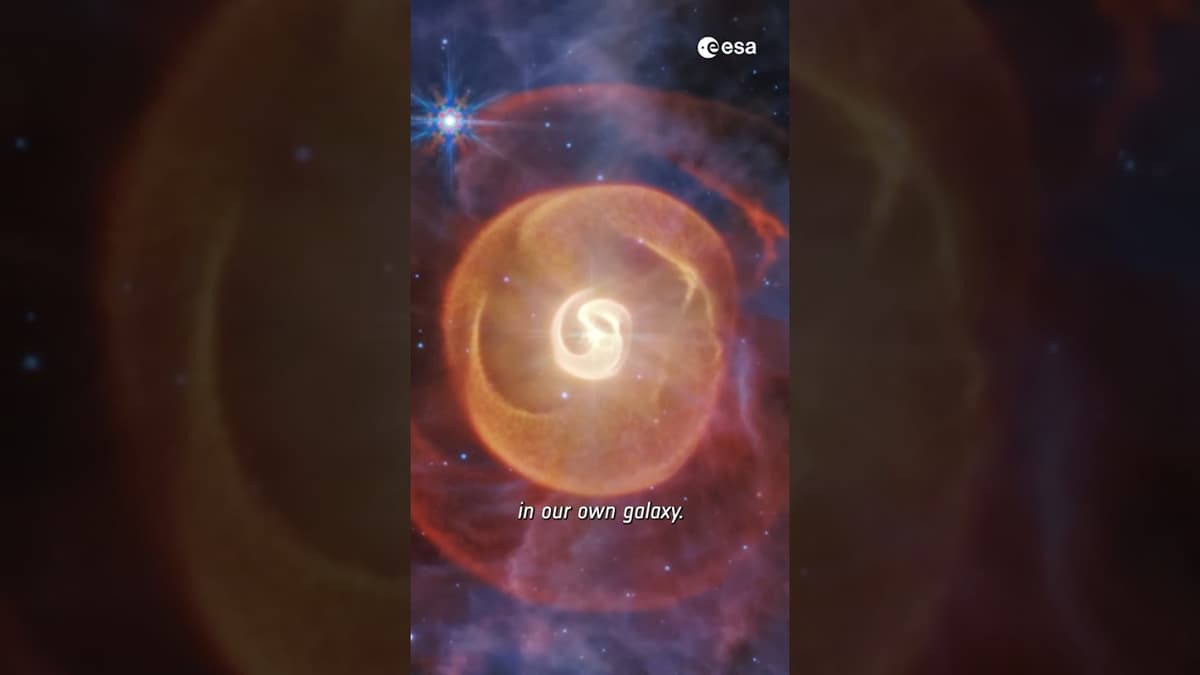
What Happens when Two Rare Wolf–Rayet Stars Dance Through Space? ✨
The James Webb Space Telescope has revealed a remarkable stellar system in our own Milky Way, not a distant galaxy as first impressions suggested. The object, dubbed a PEP, consists of three massive stars—two Wolf‑Rayet giants and a supergiant—entwined in...
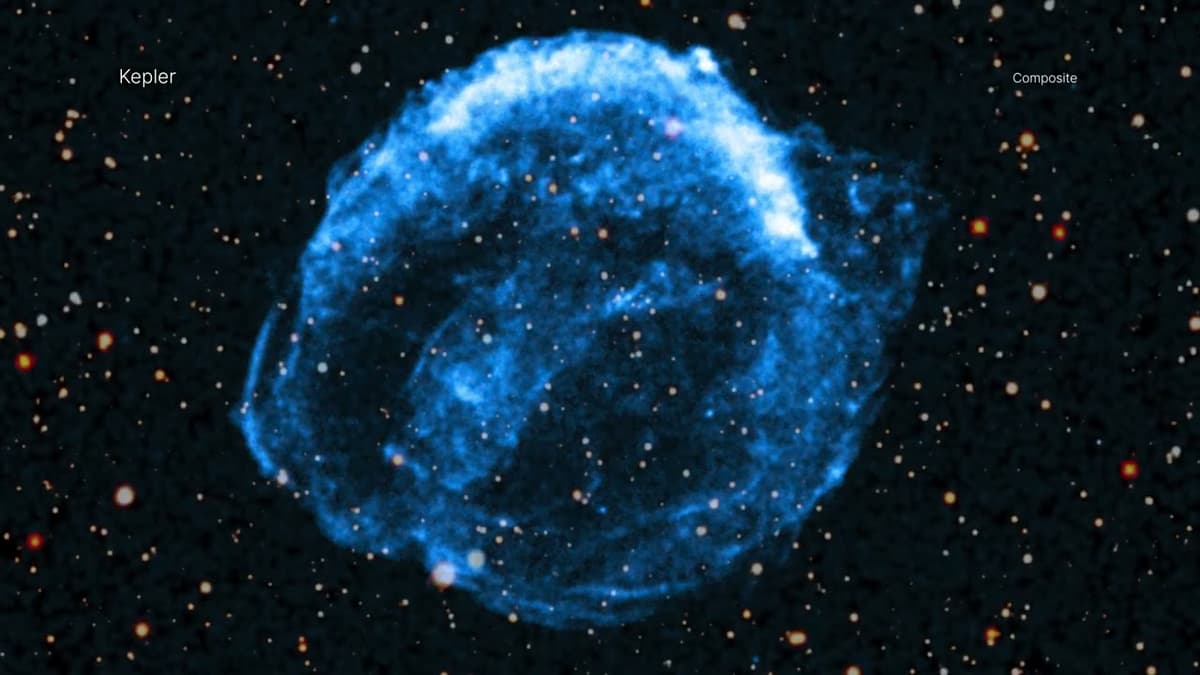
Watch a Supernova Remnant Grow in This Epic 25-Year Time-Lapse
A new movie assembled from NASA’s Chandra X‑ray Observatory showcases a 25‑year time‑lapse of Kepler’s supernova remnant, the stellar explosion first recorded in 1604. By stitching together observations from 2000, 2004, 2006, 2014 and 2025, astronomers have produced the longest‑spanning...

Exciting Science in 2026, Nature of Dark Matter, Forever Travelling Light | Q&A 386
The video outlines the most anticipated scientific developments for 2026, highlighting the Vera Rubin Observatory’s imminent full‑time sky survey, upcoming lunar missions, and the progress of reusable launch systems such as SpaceX’s Starship. It also tackles enduring mysteries like the...
NASA's Budget Not a Complete Disaster, Bad News for Mars Sample Return
Congress approved a FY2026 appropriations bill that allocates $24.4 billion to NASA, a figure far above the White House’s $18.8 billion request and only slightly below the agency’s recent spending. The legislation, part of a “mini‑bus” package with NOAA and NSF, signals...

Why Do People Stop Trusting Science? And How Can We Fix It?
The video features a conversation between a science‑focused host and Dr. Frederick Berkeley, president and CEO of COSI, a leading science museum in Columbus, Ohio. They examine why public trust in scientific expertise has eroded across topics from climate change...
Open Space January 12th 2026: Live QA with Fraser
Fraser Cain hosted a live two-hour Open Space QA on January 12, 2026, explaining the show format: viewer questions are collected, the raw stream is edited into multiple published episodes and extra patron-only content. He outlined production details—he uses an...
Why Is #starlink Lowering All of Its Satellites? 🛰️ #spacex #elonmusk
Starlink announced a constellation-wide altitude shift, moving roughly 4,400 satellites from a 550‑kilometer shell to a 480‑kilometer orbit by 2026. The plan, outlined by VP of Starlink engineering Michael Nichols, is framed as a safety‑first reconfiguration coordinated with regulators, other...
Live Video From the International Space Station (Official NASA Stream)
The live feed captured a routine but critical ground‑to‑crew communication session aboard the International Space Station, focusing on troubleshooting several onboard systems. Mission control first instructed the crew to inhibit smoke detectors in Nodes 1, 3 and the airlock, allowing safe access to...
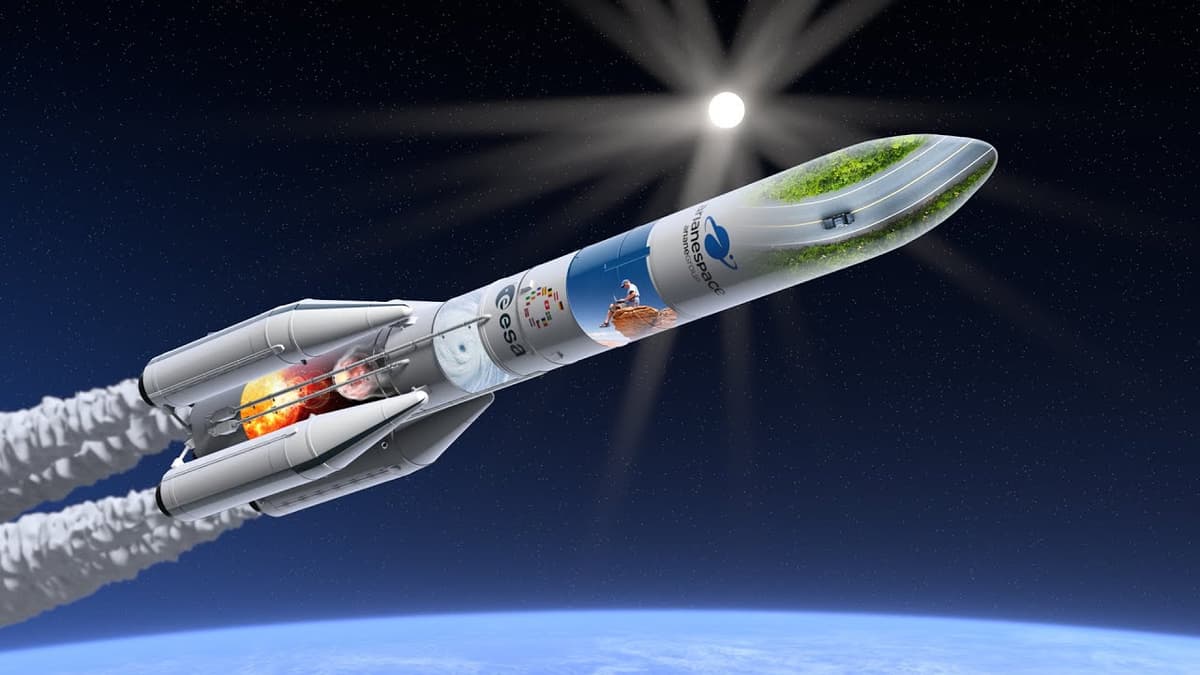
Arianespace Greetings 2026
In 2025, Arianespace set the stage for a new era, giving our customers’ ambitions lift-off. Ariane 6 began its commercial journey with missions carrying French and European strategic satellites such as CSO-3, MetOp-SG-A1, Sentinel-1D and new Galileo satellites, supporting sovereignty and...
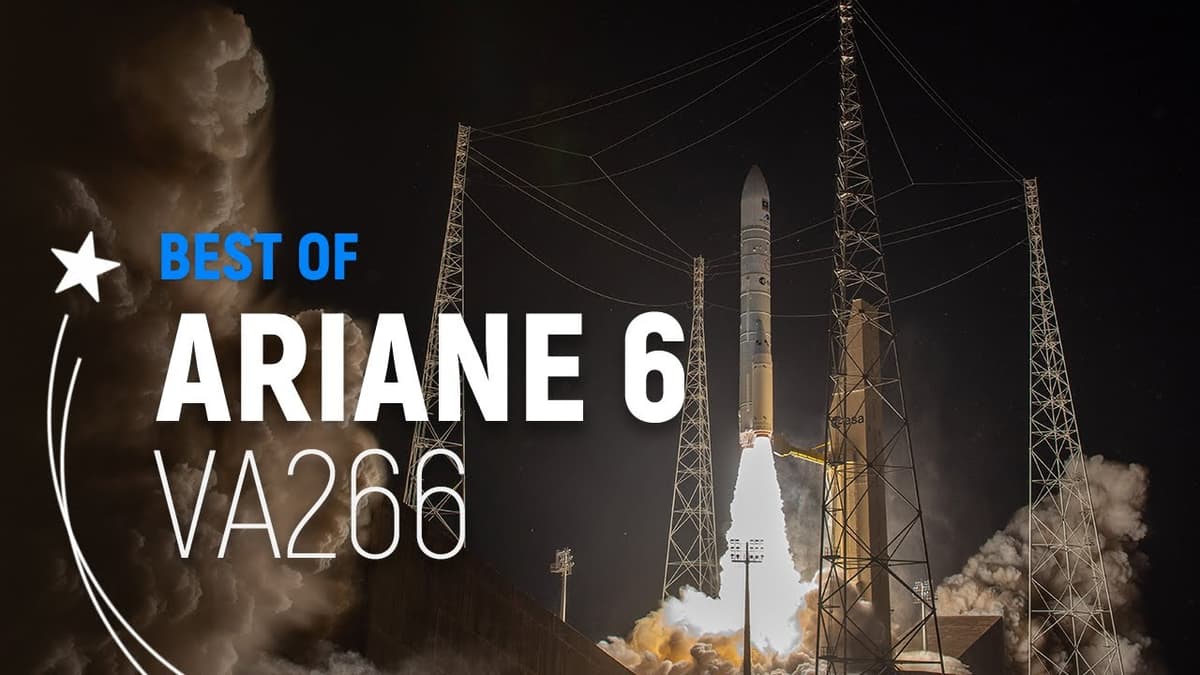
VA266 | Ariane 6 Best of | Arianespace
The video titled "VA266 | Ariane 6 Best of | Arianespace" is a promotional montage highlighting the Ariane 6 launch vehicle’s performance and visual spectacle. It strings together high‑definition clips of the liftoff, first‑stage burn, stage separation, and payload fairing deployment, underscoring...
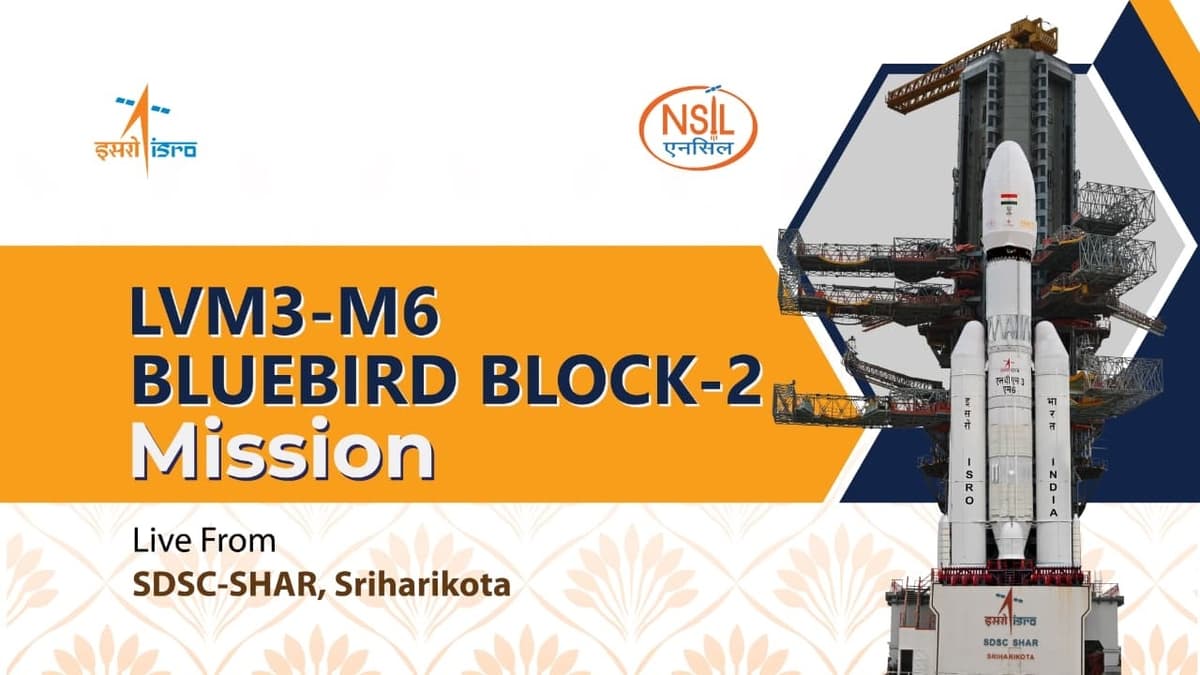
LVM3-M6 / BlueBird Block-2 Mission | Live Launch | ISRO-NSIL
The video documents the live launch of ISRO’s LVM3‑M6 vehicle, tasked with delivering the Bluebird Block 2 communications satellite for AS Space Mobile, a U.S. firm. The launch took place on 24 December 2025 at 08:55:30 IST from the second pad at Satish Dhawan Space Centre, marking...
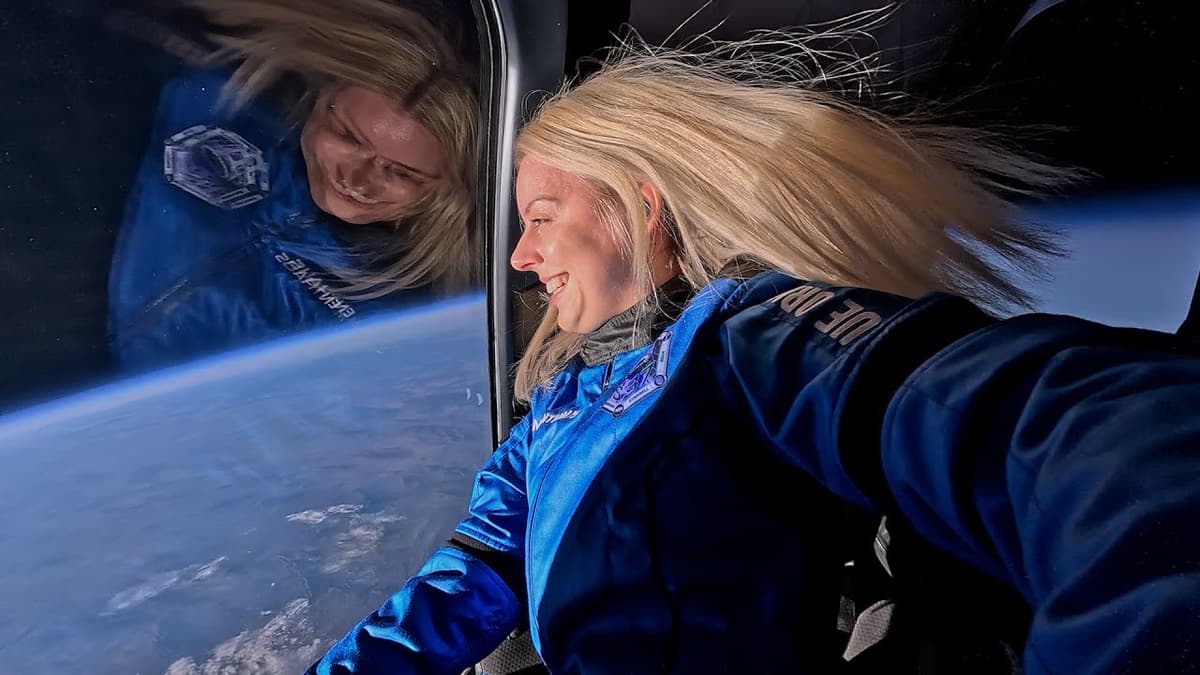
The Journey of NS-37
The video titled “The Journey of NS-37” chronicles a historic spaceflight undertaken by an astronaut who lives with a disability, framing the experience as both a personal triumph and a broader societal milestone. The speaker reflects on the profound emotional...
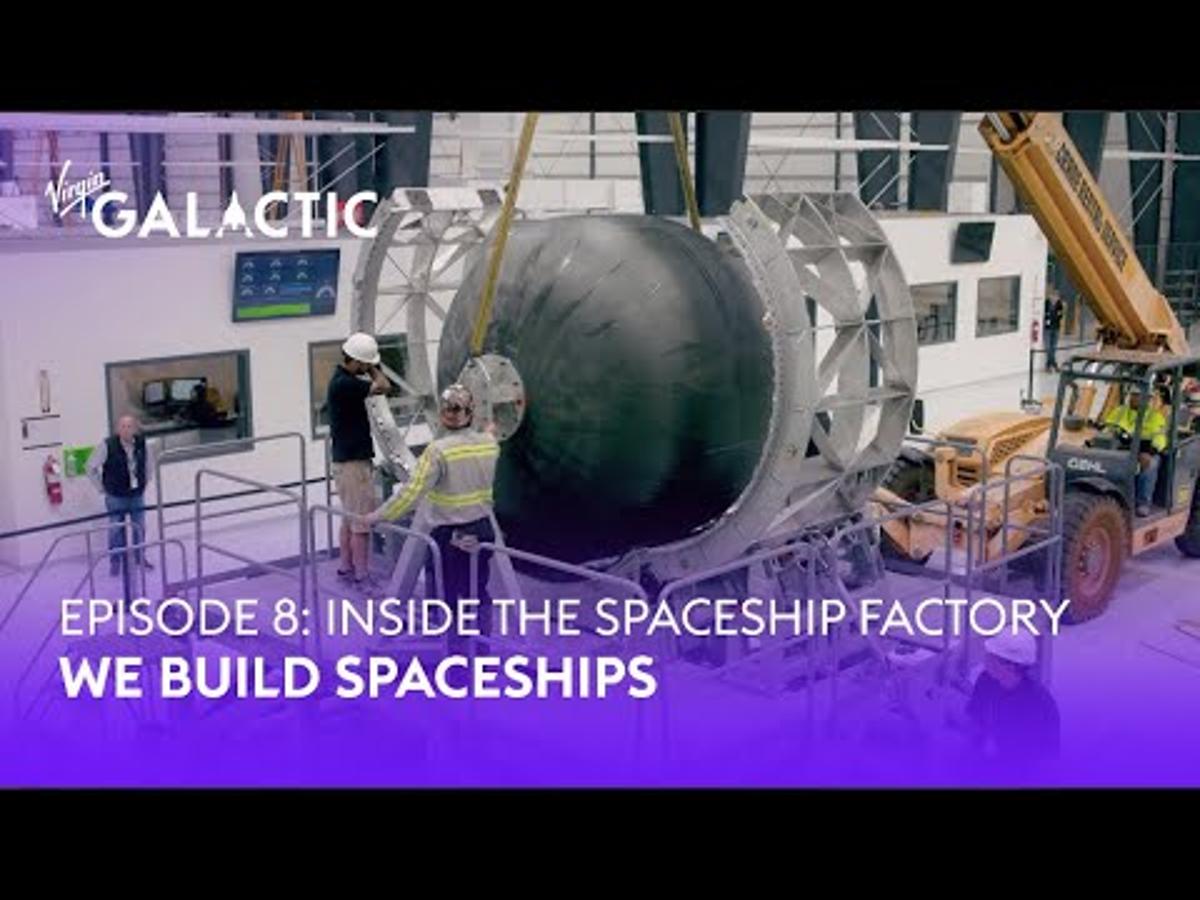
We Build Spaceships: Inside the Spaceship Factory
Inside Virgin Galactic’s newly opened spaceship factory, director of manufacturing engineering Joe Minerys walks viewers through the end‑to‑end assembly of the company’s sub‑orbital vehicle. The video showcases a tightly choreographed shop floor where composite fuselage skins, avionics, landing‑gear mechanisms and...


