Today's Spirituality Pulse

Almsgiving framed as spiritual wealth in Manila Bulletin
The Manila Bulletin piece explores the practice of giving alms as a means to cultivate inner meaning, linking charitable acts to the promise of heavenly treasure. The story was reported by two separate Business sections, underscoring its relevance.

Two Weeks Before Her 18th Birthday, Everything Vanished
Suzanne Joy Clark survived a near‑fatal car crash two weeks before turning 18, losing 18 years of memory and fluency in French and math. After two years of intensive rehabilitation she rebuilt her identity around presence, deep listening, and endurance sports, now leading a law foundation, consulting, teaching, and creating art. She frames life as a "bonus ball"—an unexpected extra chance that fuels her positive outlook. The interview links her personal philosophy to research showing mind‑wandering reduces happiness while flow and presence boost performance.

Angular Momentum and Shoofly Pie
The author visits an open‑air market in Lancaster County, Pennsylvania, and purchases a plain shoofly pie for $6. While the pie’s modest appearance and the market’s quiet, unbranded setting initially feel ordinary, the experience triggers a deeper reflection on mass,...
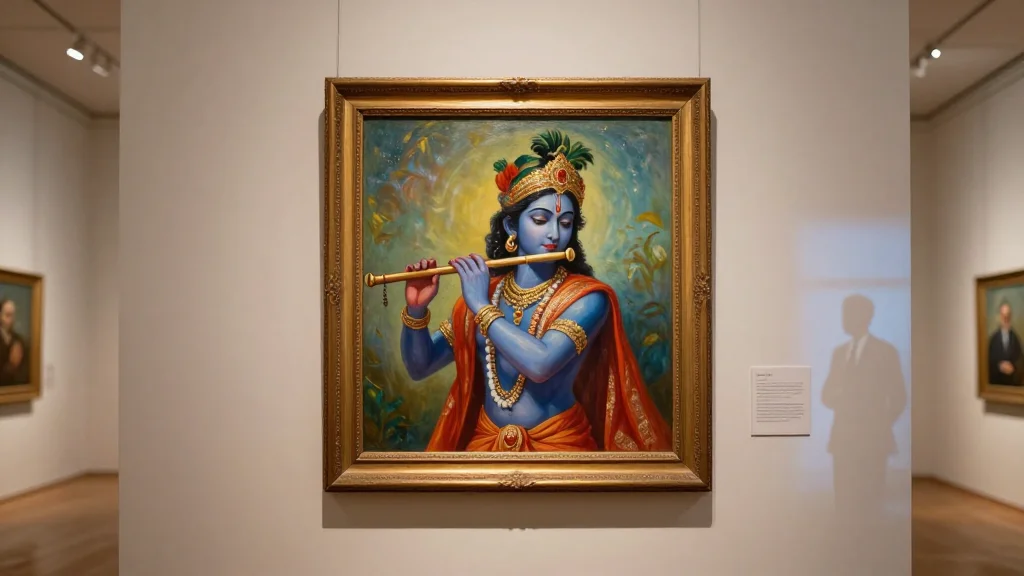
Andhra Pradesh CM Revanth Reddy Opens Krishna Consciousness Art Exhibit in Hyderabad
Andhra Pradesh Chief Minister Revanth Reddy inaugurated a public exhibition of paintings on Krishna consciousness at the Madapur Art Gallery in Hyderabad on April 28, 2025. The show, featuring works by local artist Navin Reddy, runs through May 4 and...

Invented Words Reveal Unnamed Emotions in Life
In a lifetime of reading, few books have charmed and moved me more than The Dictionary of Obscure Sorrows – uncommonly lovely invented words for what we feel but cannot name, such as maru mori (“the heartbreaking simplicity of ordinary...

Art and Storytelling Reveal Our Identity and Desires
“One of the functions of art is to give people the words to know their own experience… Storytelling is a tool for knowing who we are and what we want.” A gorgeous conversation with Ursula K. Le Guin: https://t.co/X6a6zUFt5O

Oxford Physicist Proposes Quantum Model to Expand Human Consciousness
An Oxford physicist has unveiled a quantum‑based theory that claims humans could expand consciousness to perceive hidden layers of reality. The proposal draws on superposition, interference and entanglement, arguing they mirror mental processes and could one day enable “enhanced humans.”

Dalai Lama Urges 21st‑Century Buddhists to ‘Harm No One, Help All’ on Buddha Purnima
The 90‑year‑old Dalai Lama delivered his annual Buddha Purnima message on Friday, urging Buddhists worldwide to embody the principle “harm no one, help all” and to become 21st‑century practitioners. His call emphasizes deep study of the Buddha’s teachings and translating...
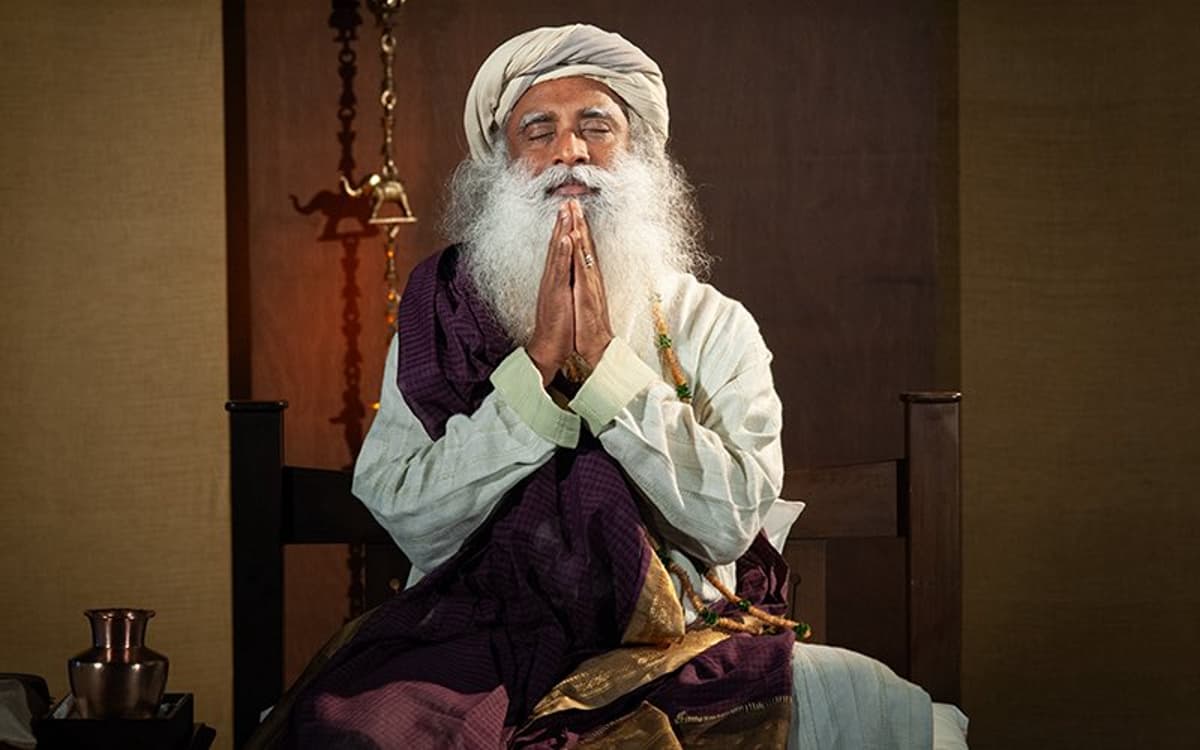
Love Originates Within, Not as a Transaction
Love is not a transaction. Love is a beautiful thing that happens within you. It may find expression outside, but it is from within. #SadhguruQuotes https://t.co/jXmmjtJFwQ
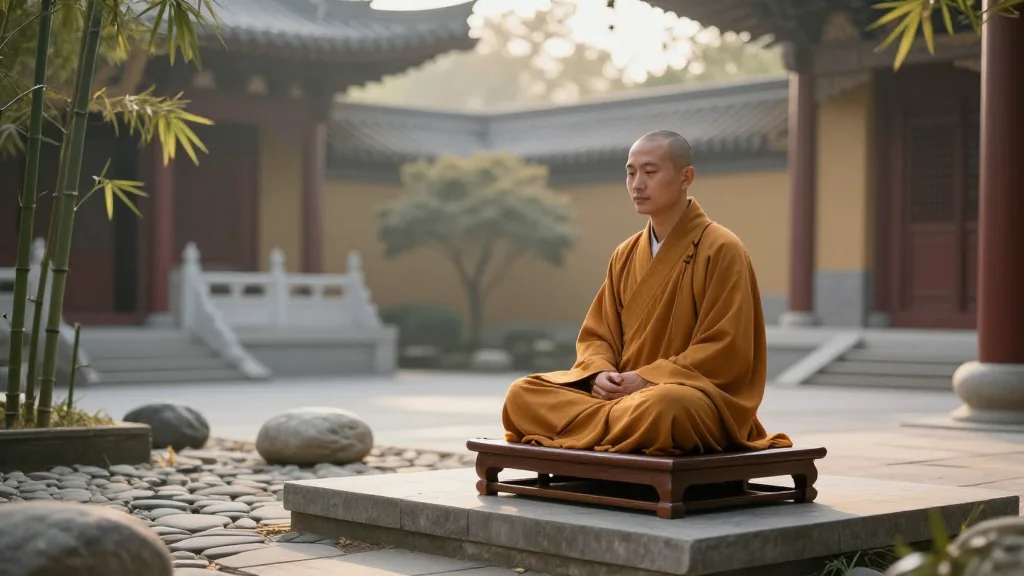
New Study Links Republican‑Era Buddhist Meditation to Modern Mental‑Health Debates
A peer‑reviewed article in MDPI’s Religions journal argues that Buddhist meditation in Republican‑era China was deliberately reshaped to meet modern mental‑health challenges. The paper highlights historic figures like Fajing and modern scholars such as Jung and Conze, framing a long‑standing...

Notes on Equanimity From the Inside
During a ten‑day meditation retreat the author encountered a profound state of equanimity that felt deeper than ordinary pleasure or pain, likening it to a dark sea trench. This experience defied the usual pleasure‑suffering axis, allowing discomfort and joy to...
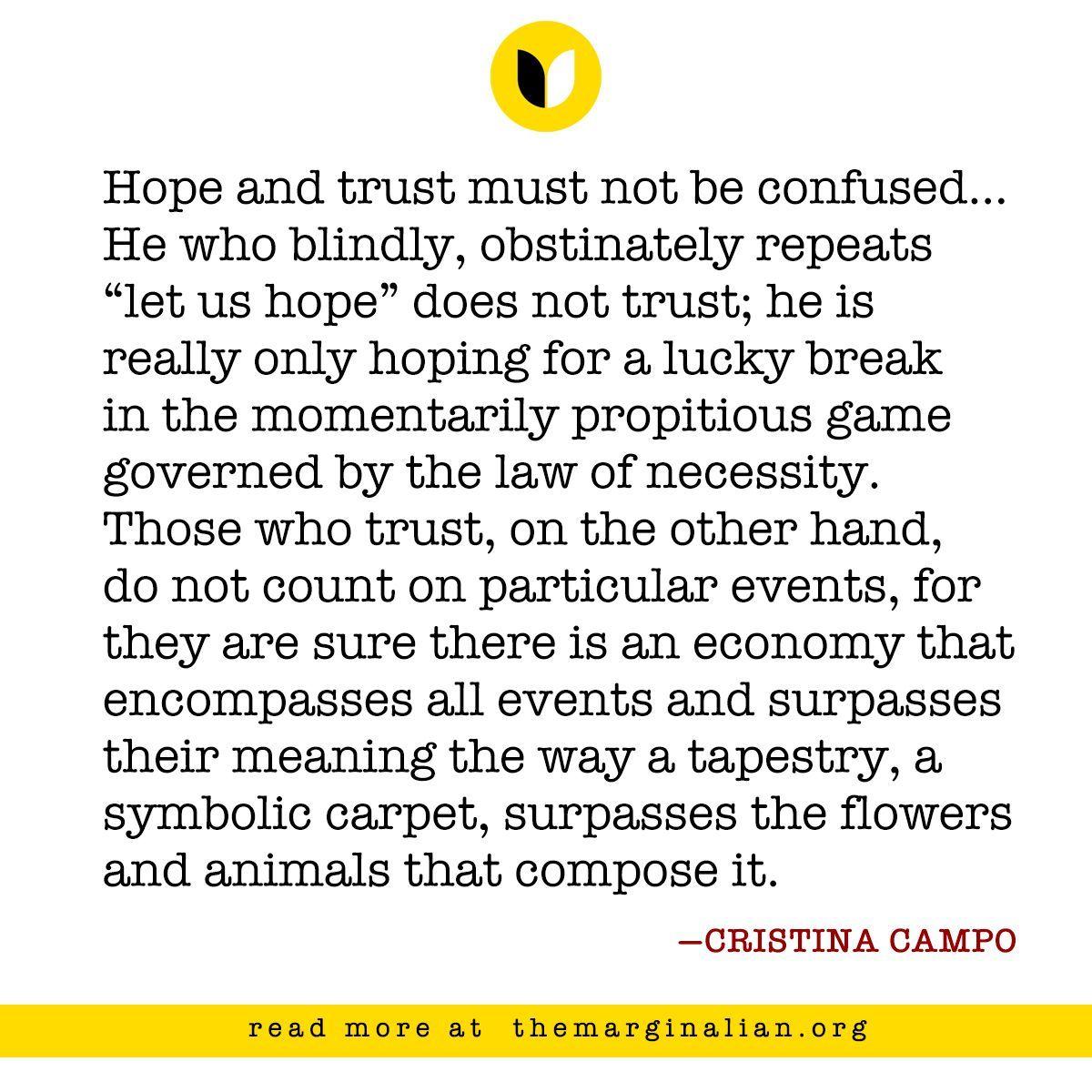
Fairy Tales, Robin Rescue, Poem Celebrate Tenacious Hope
At the link, this week's oasis of small sanities in one place – how fairy tales reveal the difference between hope and trust, the story of the black robin and the power of tenacious tenderness, and a poem about the...

The Sounds of Being
Keila Shaheen’s essay "The Sounds of Being" reflects on how ambient sound—wind, rustling leaves, water—acts as the breath of matter, animating the world and grounding human presence. She contrasts the natural, ever‑changing soundscape with the artificial silence of societal walls...

Deciding To Quit Scrolling, Take Back My Soul: Took Some Photos In Granada On Día De La Cruz, And Marveled...
The author announces a personal digital‑detox, pledging to quit endless scrolling to restore mental clarity. While on a walk in Granada’s Albaicín, they encountered the Día de la Cruz fiesta, where women parade in elaborate ruffled flamenco dresses. The post...

Let Go of the Past, Live in Now
You can’t erase the past but you can stop dragging the past into the present

GOLD
The post titled “GOLD” blends personal reflection with a rallying cry for collective hope amid political turmoil, economic strain, and personal loss. It invokes literary and spiritual references to illustrate how small, kind actions can counteract feelings of hopelessness. The...

Artemis II Mission Triggers Surge of Spiritual Reflection, ABC Religion & Ethics Reports
NASA’s Artemis II crewed Moon flight has sparked a wave of spiritual commentary, with ABC Religion & Ethics noting commander Reid Wiseman’s tearful reaction after ten days in space. The mission’s “overview effect” is prompting a broader public dialogue about the...

The Way, the Truth, and the Life
Blessed James Alberione, founder of the Pauline Family, frames his core devotion around Jesus as the Way, the Truth, and the Life, echoing John 14. He teaches that this triad is both a theological anchor and a mission‑driven call for modern...

Graduation Marks the Start of Life’s Purpose Quest
Graduation looks like an ending — it really isn't. It's the start of a harder, more important question: not just what they're going to do, but what their life is actually for. I’ve been thinking about that a lot in...

The Weak Can't Afford Compassion
Compassion, unlike fleeting empathy, requires a stable inner core that can absorb another’s suffering without being depleted. The piece argues that individuals living in chronic scarcity lack the mental surplus to sustain true compassion, leading to hidden resentment when they...

CGU Researchers Position Flow as Remedy for Modern Fragmentation
Claremont Graduate University researchers, led by Professor Stewart Donaldson, are promoting the psychological state of flow as an antidote to today’s fragmented attention spans. Drawing on the university’s two‑decade‑old positive‑psychology doctoral programs that have trained hundreds of scholars, they argue...

Success Without Purpose Leaves You Feeling Empty
Worked 7 years in corporate, changed 4 jobs, but still felt unhappy... A man from Bengaluru shared his story on social media... working in corporate for 7 years Changed 4 different jobs Got good salary hikes up to 50% Career looked successful from outside But...

Harvard Scholar Arthur C. Brooks Warns of a ‘Meaning Crisis’ at Utah Interfaith Forum
Harvard professor Arthur C. Brooks addressed an interfaith audience in Cottonwood Heights, Utah, on April 30, 2026, warning that a growing sense of meaninglessness is driving a mental‑health surge among people under 30. He cited tripling depression rates, doubled anxiety,...

Day Eighty-Three: See the Divine In All
Day Eighty‑Three of Dr. McFillin’s channeled series, titled “See the Divine In All,” continues the daily spiritual guidance that began earlier this year. Each entry pairs a reflective message with striking photography, such as a rainbow over red‑rock mountains, to...
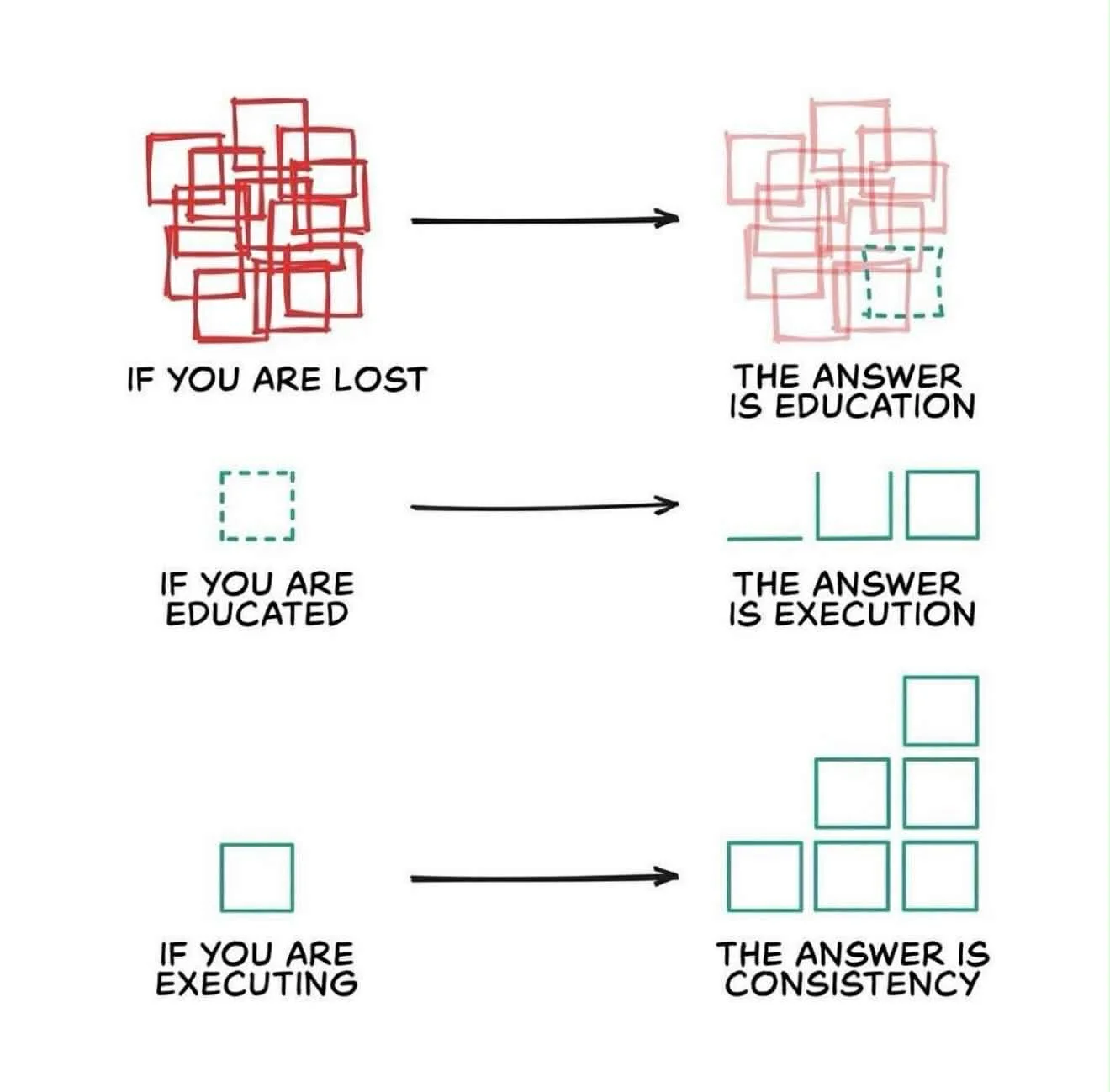
Your Greatest Treasure Lies Within—Embrace Your Destiny
Stack knowledge and skills, stay curious, have a bias for action, and have faith and trust in God. 🫡🙌🏼 ✨ The treasure you seek has always been within you. 📣 https://elmads.com/?p=12178 — Your Destiny is You: Embracing Your Unique Journey 📣 https://elmads.com/?p=9309...

Purpose Fuels Survival Even in Life’s Harshest Moments
"There is nothing in the world, I venture to say, that would so effectively help one to survive even the worst conditions as the knowledge that there is a meaning in one's life." Viktor E. Frankl 💚 #mindset #character #purpose...

New Study Links Default Mode Network to Personal Consciousness, Illuminating Spiritual Self
Scientists have published a study showing that the brain's default mode network (DMN) generates the personal narratives that make each mind unique. Using fMRI scans of volunteers listening to a film clip while awake and under anesthesia, the research demonstrates...

Befriend Your Wanting Monster, Find the Still Point of Enough
The Wanting Monster is in me, and it is in you. The question is, how do we befriend it? A tender modern fable about resting at the still point of enough: https://t.co/Uor76RbjGD

Expression, Not Answers, Drives True Creativity
“A bird does not sing because it has an answer. It sings because it has a song.” https://t.co/mX6uKMOi7O

The Moment Before Sleep Is Where Everything Changes
The article reframes the moments before sleep as a natural meditation, urging readers to treat bedtime as a conscious transition rather than a passive shutdown. By adopting an "as‑if" mindset—behaving as if already asleep—individuals can quiet the mind, reduce ego‑driven...
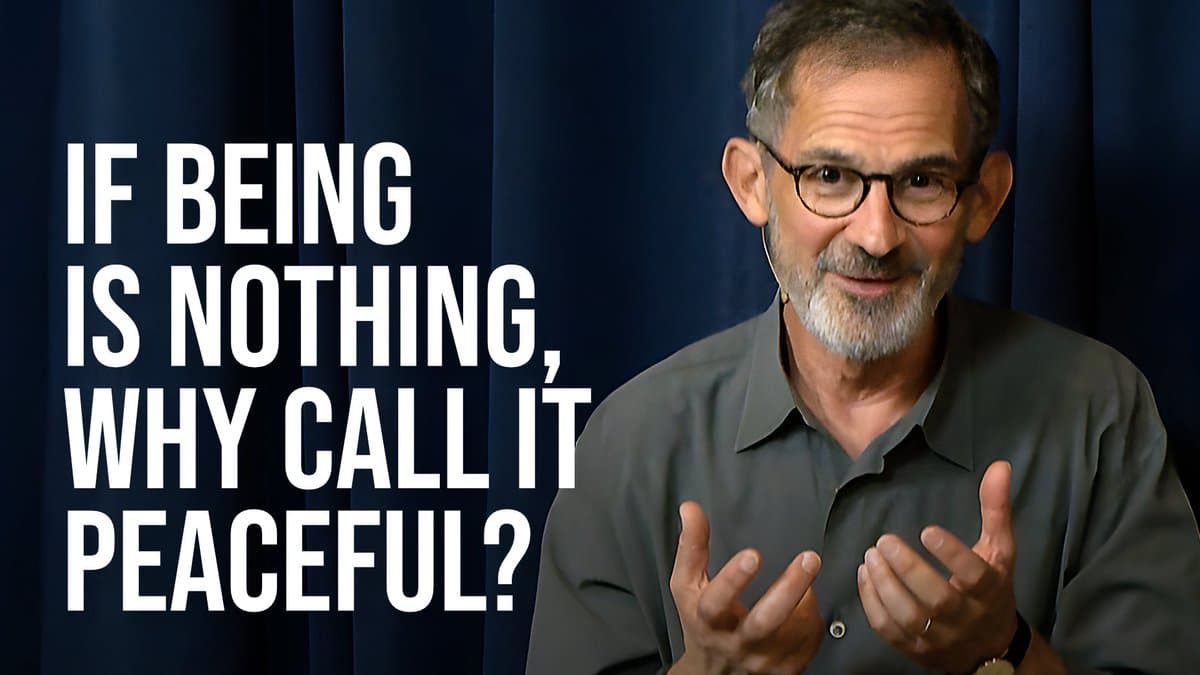
Empty Consciousness Still Feels Peace, Love, Happiness?
If being or consciousness is like empty space – nothing, with no objective content – how can it legitimately be described as peaceful, loving, or happy? Watch Rupert’s latest video here on YouTube: https://t.co/kaHvjzkmSm https://t.co/1qUEZx0iZo
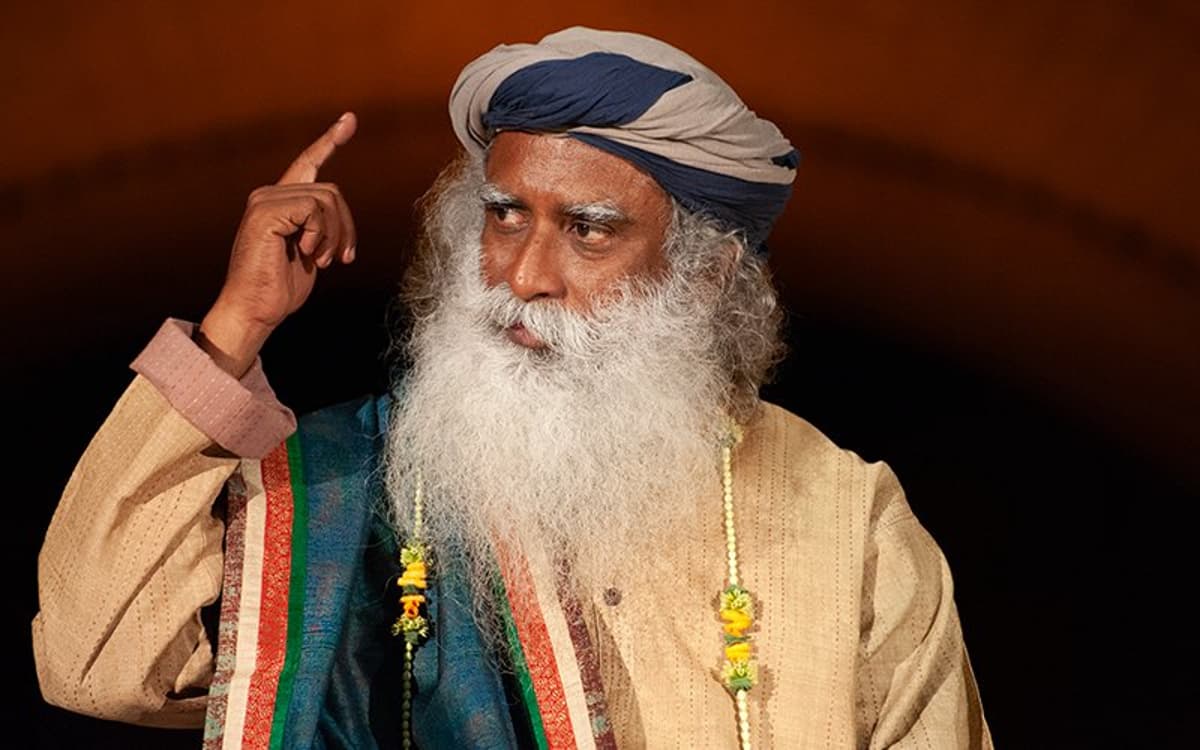
Confidence Without Clarity Leads to Disaster
People are enormously confident without any Clarity in their heads. That is a disaster. #SadhguruQuotes https://t.co/UoUhix8TtD

In ‘Conversion Therapy Dropout,’ a Survivor Exposes the Discredited Practice
The U.S. Supreme Court’s 8‑1 ruling upheld Colorado’s ban on conversion therapy, preserving a key legal barrier against the practice. Survivor Timothy Schraeder Rodriguez released a memoir, "Conversion Therapy Dropout," detailing his eight‑year experience with Exodus International and ongoing evangelical pressures....
Simplify Your Life for True Inner Peace
May Goal: Reorganize your life so that you can truly have inner peace. This means removing unnecessary stress and making more time for meditation, quiet moments, and healthy habits.

Chile Explores Embedding Spiritual Principles in Public Policy
Chile’s Bahá’í Office of External Affairs has launched a sustained, multi‑sector discussion on integrating spiritual principles such as truthfulness, justice and solidarity into public policy. The forum, convened in Santiago’s Bahá’í House of Worship, brings together judges, sociologists, municipal officials...
Sadhguru Urges Joyful Work, Challenges Over‑Working Mantra
Sadhguru warned on Instagram that relentless hard work fuels stress and chronic complaining, urging people to “study joyfully” and “work lovingly.” His message, resonating across social media, reframes productivity as a function of inner contentment rather than sheer effort.

Struggling in Warrior 2? Here’s How to Work With Gravity Instead of Against It.
The article reframes the Warrior II pose as a study in how the body relates to gravity, outlining three distinct states—collapse, prop, and yield. It argues that yielding, or trusting the earth’s support, creates balanced muscle tone, deeper breathing, and optimal...

The One Skill That Changes Everything Else
The post argues that metacognition—awareness of one’s own awareness—is the overlooked skill that underpins wisdom and emotional resilience. It explains how cognitive fusion turns fleeting thoughts into perceived facts, fueling suffering, and traces the concept from ancient practices like nepsis...
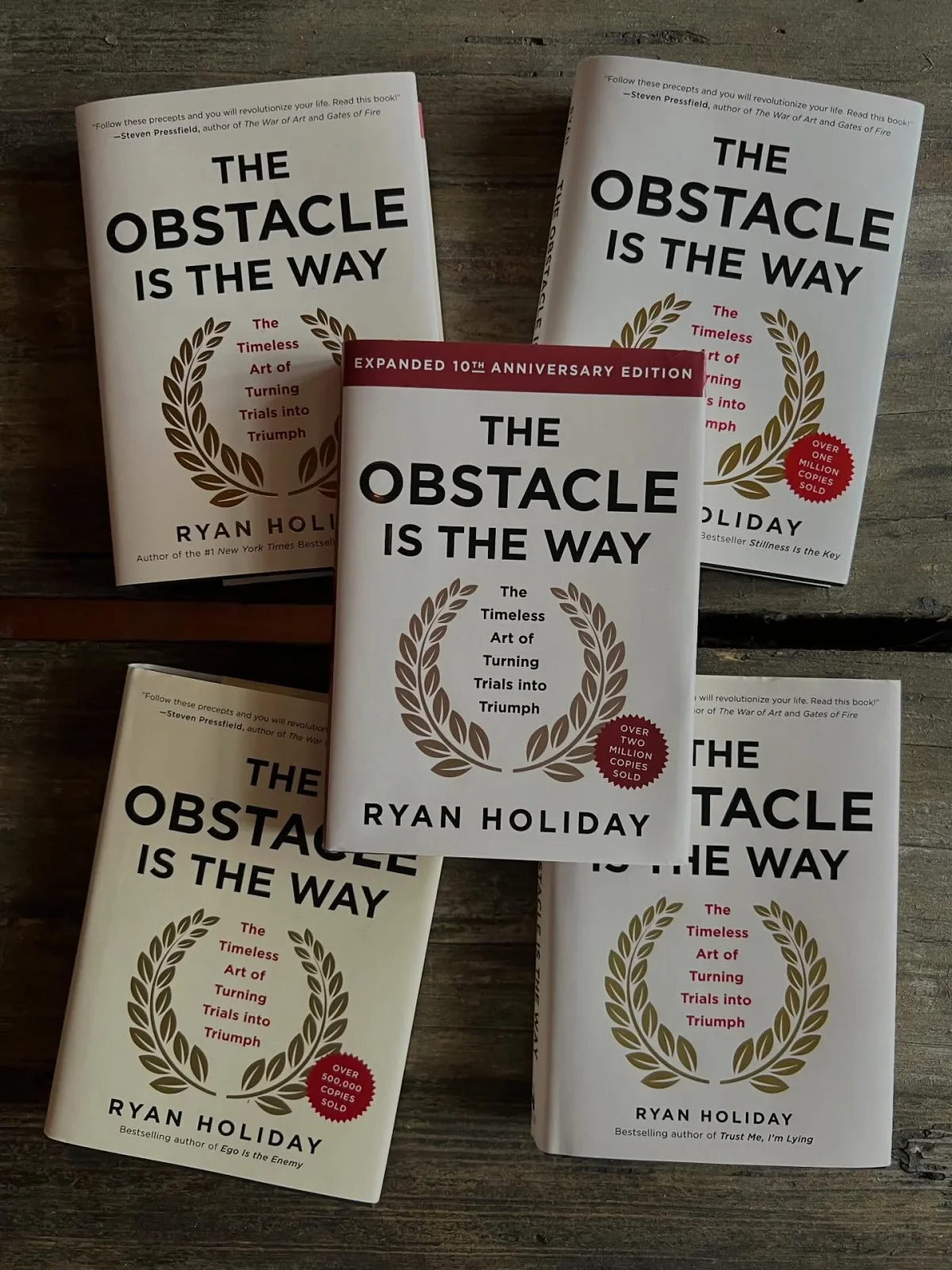
Obstacles Become Opportunities: Millions Transform Challenges
12 years ago The Obstacle Is The Way was released. Flash forward, and that book has now sold millions of copies all around the world and has been published in over 40 languages. For the last decade, The Obstacle is the Way...

An Evening with Esther Perel
Esther Perel joined Godmothers for an intimate evening with co‑founder Jennifer Rudolph Walsh, reflecting on the 20th anniversary of her seminal book *Mating in Captivity*. The conversation explored the tension between safety and the human craving for mystery, novelty, and...

When Thank‑You Goes Missing, Healing Begins
Tonia, my guest today, made her daughter an Easter basket, and her daughter never said thank you. This has left Tonia feeling unacknowledged and unappreciated. Join Tonia and me for this powerful mother-daughter Work. Listen at podcast.thework.com Join Byron Katie live...
Buddha Purnima 2026 Celebrations Spotlight Timeless Teachings Amid Global Turmoil
Buddhist communities worldwide marked Buddha Purnima on April 30, 2026, a triple‑blessed day that reaffirmed the relevance of Gautama Buddha’s teachings. The United Nations‑recognized holiday drew attention to mindfulness, impermanence and compassion as antidotes to modern stress, digital overload and...

Spiritual Grounding for May Day & Everyday
In this episode of Red Letter Christians for Common Prayer, host John welcomes pastor Zach Lambert to reflect on May Day, the historic struggle for workers’ rights, and the role of non‑violent resistance rooted in Christian faith. They discuss the current...

Stop Overplanning: Trust Feeling, Move When Ready
You don’t need a perfectly curated plan to get everything you want. That belief is actually what’s slowing you down. The most aligned, expansive things in my life came from letting go of the how and moving when it felt...

Three Simple Antidotes to Suffering, Says George Saunders
George Saunders on the 3 antidotes to your suffering and how to be an instrument of kindness in a harsh world https://t.co/DUCgC3JHbu

Death: Life Fully Embraced and Jessica Catlin’s Transformative Approach
Jessica Catlin, a death‑literacy doula, helps individuals and families navigate terminal illness by complementing hospice care with education, advance‑care planning, and intentional language. She revives communal practices such as living wakes and Swedish death cleaning to make dying a shared,...
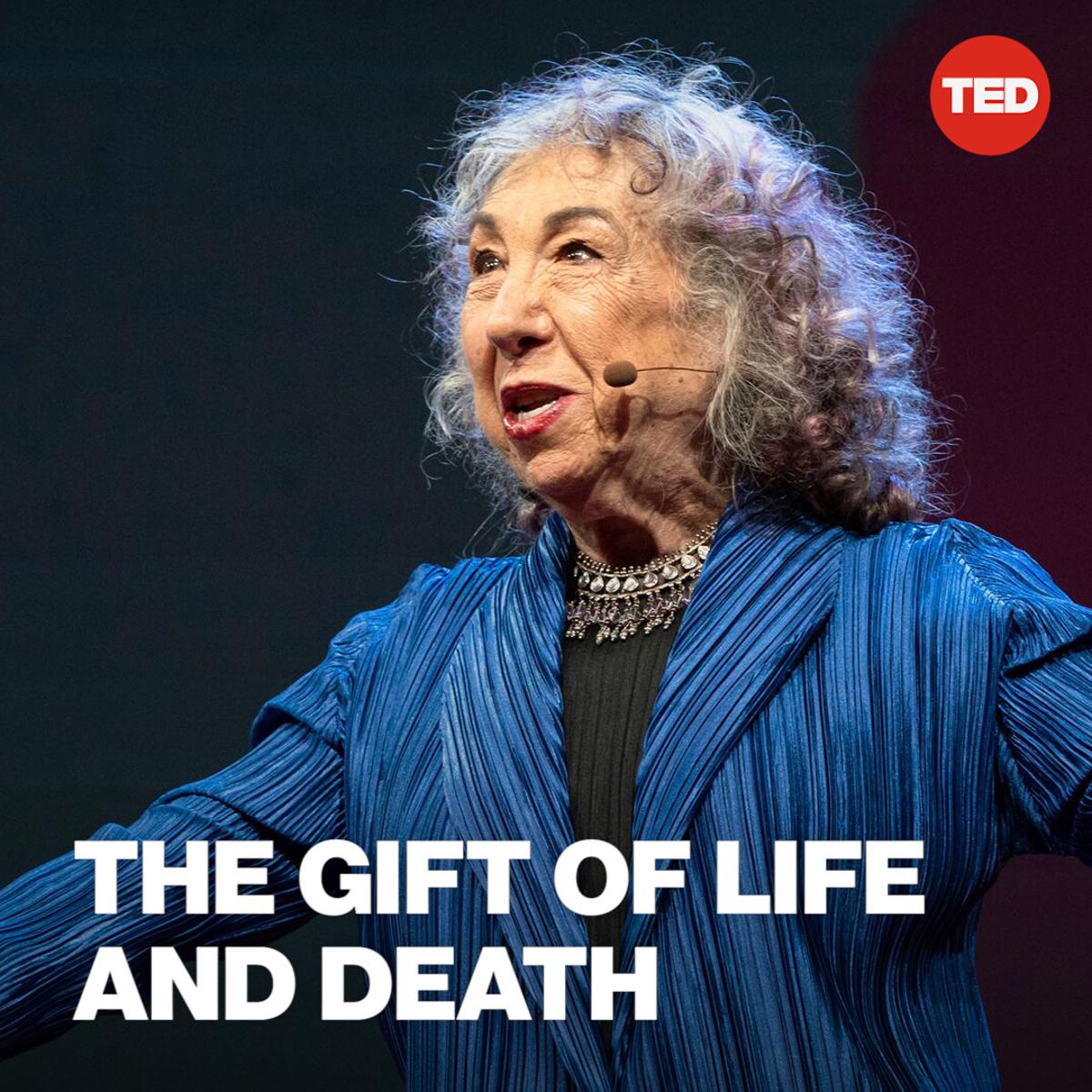
Philosopher Emily Levine Embraces Death, Preserves Life
“How do you defeat death without killing off life?” Hear why the late philosopher Emily Levine didn't fear death when she was diagnosed with lung cancer. https://t.co/XkWpPpIUJE

Chesterton Finds Life’s Meaning in a Dandelion
The dandelion and the meaning of life – G.K. Chesterton's wonderful, wonder-full meditation on wonder https://t.co/ZxnF3tt3Zq

Jewish Mindfulness Practice Yishuv Ha‑Da’at Gains Traction Amid Modern Chaos
The Jewish mindfulness concept yishuv ha‑da’at is drawing growing attention as parents turn to it for steadiness amid daily stress. Rooted in the Mussar tradition, the practice emphasizes present‑moment awareness without escaping life’s challenges, echoing broader mindfulness trends.

Meaning Emerges From Lived Experience, Not AI Patterns
The Curious Geometry of the Lived Experience 📌Human thought is shaped by time, identity, and lived history. AI is not. 📌AI processes sequence, but it does not accumulate a self. 📌Meaning comes from a life lived, not just patterns recognized. https://t.co/YUtbBYMXEM

How To Come Back To Yourself During Busy Days
The article explains why professionals often feel disconnected during hectic workdays, linking the sensation to fragmented attention rather than external circumstances. It describes how constant outward focus creates a gap between actions and awareness, leading to a sense of detachment....