
Texas Gives MASSIVE Housing Market Warning
The video warns that Texas is now the epicenter of a new housing‑market stress, as mortgage delinquency rates have surged to roughly a quarter of loans while home‑price growth has flat‑lined despite the lowest mortgage rates in three and a half years. Data from WalletHub shows Laredo, Texas at a 23.85% delinquency rate, up 5.6 points year‑over‑year, with other cities such as El Paso, San Antonio and Fort Worth also above 13%. The National Association of Realtors reports median resale price in February unchanged at $398,000 and existing‑home sales hovering around 4 million units, essentially flat from a year earlier. Meanwhile, the employment deficit has ballooned to an estimated 8.7 million jobs, far short of the 2.5 million annual hires needed to sustain demand. Chief Economist Dr. Lawrence Young of the NAR claims “housing affordability is improving and consumers are responding,” a statement the presenter challenges by highlighting that wage growth now outpaces price growth by only four points and that the pool of qualified buyers is shrinking. The New York Fed and FRBNY research corroborate the link between rising unemployment and mortgage distress, noting delinquency spikes in low‑income zip codes and a 0.6‑percentage‑point jump in counties with worsening job markets. The convergence of stagnant sales, soaring delinquencies and a deep labor‑market gap suggests the housing bust is shifting from a macro‑economic correction to a financial crisis. Investors and policymakers should monitor Texas and similar regions as early indicators of broader credit stress, recognizing that lower rates alone will not revive demand without substantive job growth.
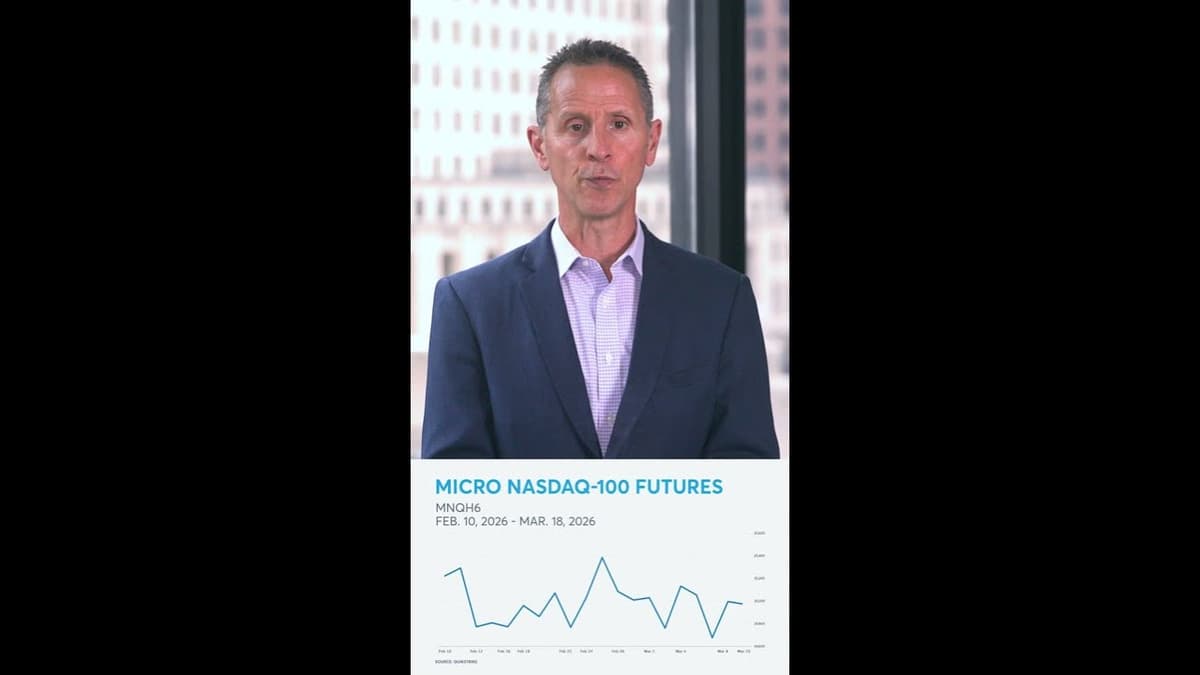
U.S.-Iran Tensions Are Rattling Markets. Here's What to Watch
A sudden escalation in U.S.-Iran tensions on Feb. 28 initially knocked equity markets lower—Nasdaq tumbled more than 4%—but stocks have largely recovered. The bigger concern is a concurrent oil-price spike that pushed 2-year breakeven inflation expectations from about 2.5% to...

Oil, Inflation, and the Fed's Difficult Balancing Act
A spike in US-Iran tensions on Feb. 28 briefly sent markets reeling—Nasdaq fell more than 4% but has largely recovered—while a concurrent surge in oil pushed two‑year inflation breakevens from about 2.5% to over 3.2%. That oil-driven jump in inflation...

How US Economic Policy Is Interacting with the Global Economy Today
In this episode of Trending Globally, Brown University’s Watson School dean John Friedmann interviews Professor Shbnam Kily Orojan to dissect how recent U.S. tariff shifts and broader economic policy are reshaping the global economy. The conversation traces the evolution from...

The Liquidity Cycle Is Turning Down (Here's How) | Michael Howell
Michael Howell of Capital Wars explains that the global liquidity cycle, which has driven the three‑year bull market since October 2022, reached its apex in late 2023 and is now losing momentum. Using his proprietary Global Liquidity Index – a...

Fed and Oil Markets Navigating Troubled Waters
Global markets swung sharply as US President Donald Trump suggested the US‑Iran conflict could be near an end, helping equities rebound after an earlier selloff. Oil surged to near four‑year highs amid OPEC cuts and conflict risks, then plunged after...
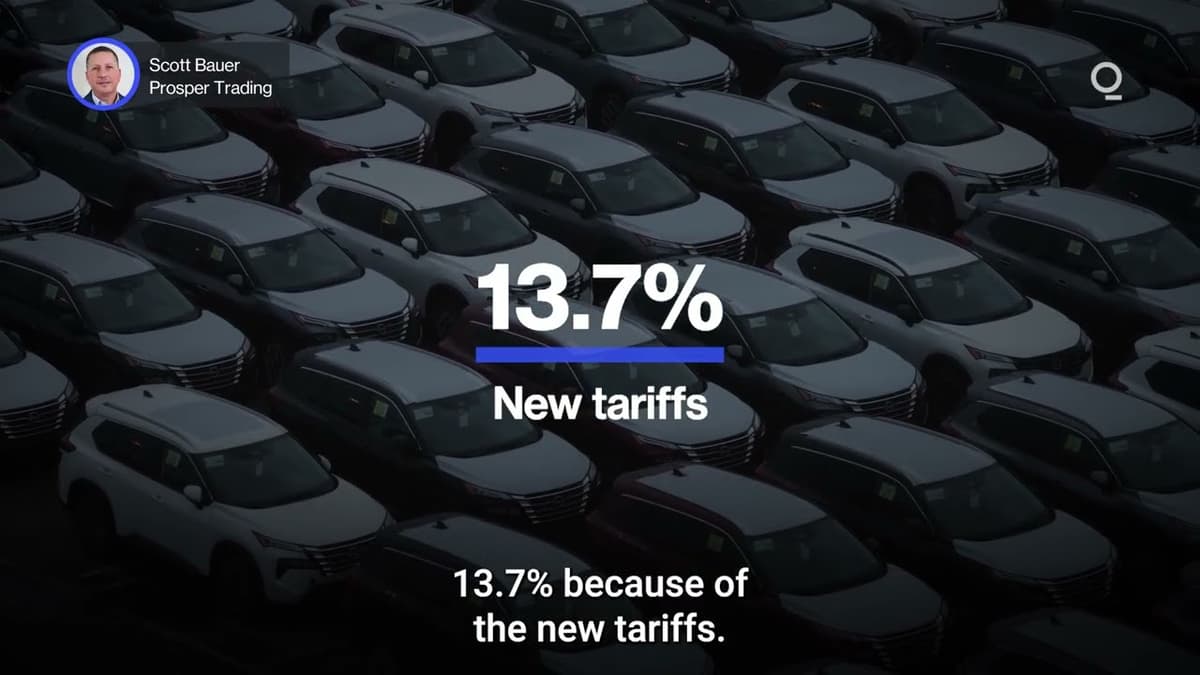
How Will New Tariff Rates Impact the US Economy? | Presented by CME Group
The U.S. Supreme Court struck down the previous tariff framework in February, prompting the Treasury to impose new temporary import surcharges. These surcharges, announced by the administration, apply across a wide range of goods and are intended as a stop‑gap...

You Will Get What You Expected
The video argues that today’s macro‑economic landscape is being reshaped not just by real supply‑chain shocks but by a deliberate elevation of inflation expectations. By feeding the public a constant stream of fear‑laden headlines, media outlets and policymakers create...

The Big Miss on Jobs, Escalating Oil Prices and Mortgage Rates
Today's HousingWire Daily podcast highlighted a surprising jobs miss that underscored weaker labor market momentum. At the same time, crude oil prices surged past $100 a barrel, driven by geopolitical tensions and supply concerns. Despite these headwinds, mortgage rates held...

Oil Shock + Job Losses + Credit Crisis… This Is Bad
The video warns that a perfect storm of an oil‑price shock, consecutive negative payroll reports and a burgeoning private‑credit crisis is pushing the U.S. economy toward a deeper contraction. Analysts note two months of job losses, an adjusted unemployment...

THE TRAP DOOR OPENS: S&P 500 Breaks Key Support (Stagflation Shock) 🚨
The S&P 500 slipped through the 6,790 support threshold, igniting market anxiety and prompting analysts to warn of a looming stagflation shock. A surprising -92,000 drop in non‑farm payrolls and a rising unemployment rate underscore a weakening labor market, while...

Tariffs: What Comes Next with Paul Krugman and Scott Lincicome
The GZERO World podcast examined the fallout from the Supreme Court’s February decision that President Trump lacked authority to impose tariffs under a declared national emergency. With that avenue closed, the administration invoked the obscure Section 122 of the 1974 Trade...

Home Re-Listings Are Rocketing But Housing Supply Is Still Low
The video examines the early‑spring U.S. housing market, highlighting a surge in homes being relisted after a wave of delistings last fall, and assessing whether increased supply can revive activity. Redfin data show 45,000 previously delisted homes returned to market in...
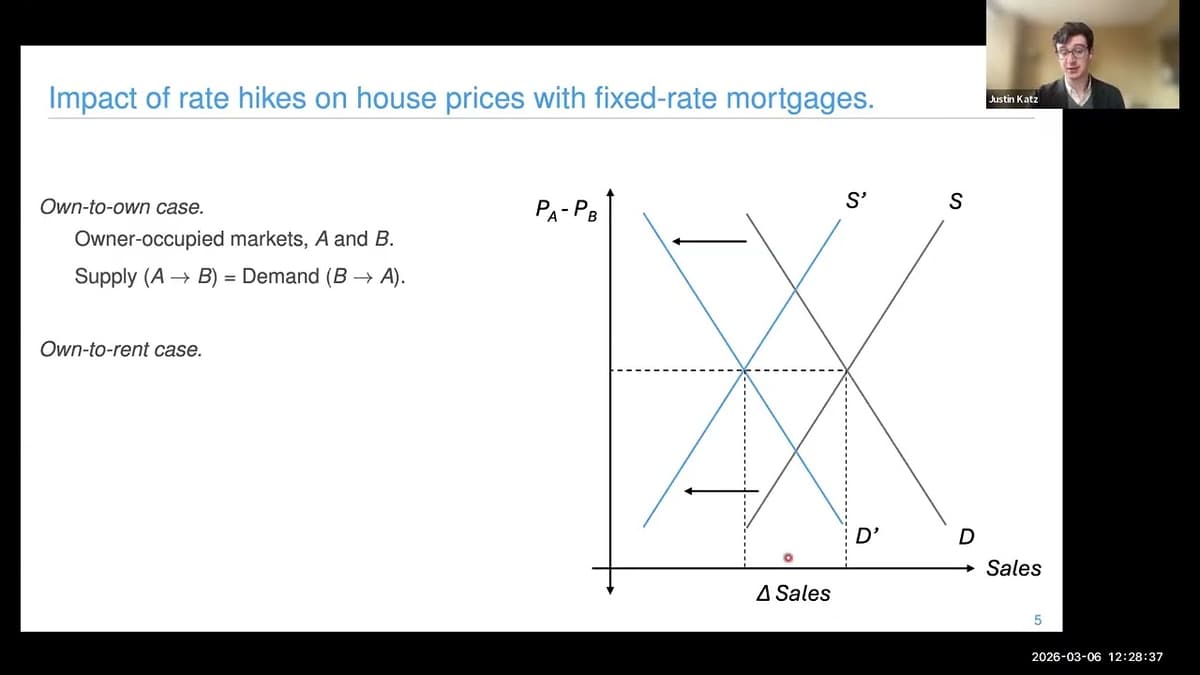
Did Mortgage Rate Locks Lead to Rising House Prices?
The Joint Center webcast examined whether mortgage rate‑lock incentives helped fuel the sharp rise in U.S. home prices amid the pandemic. As the Fed pushed 30‑year rates from about 2.5% to near 8%, analysts expected a steep price decline,...

Immigrants and the U.S. Economy
David Card, a Nobel‑winning economist, presented a fourteen‑year project linking Austria’s and Germany’s social‑security databases to measure the earnings impact of international migration. By matching individuals via name and date of birth, the team assembled a quarterly panel of 168,000...

State of the Safety Net
The Urban Institute unveiled the State of the Safety Net web tool, a new interactive platform that consolidates data on eligibility, enrollment and gaps across the United States’ patchwork of anti‑poverty programs. Funded by the Annie E. Casey Foundation, the...

Do Monthly U.S. Jobs Reports Align?
Private payroll processor ADP, which tracks pay data for about 26 million workers, and the Bureau of Labor Statistics, which surveys roughly 121,000 establishments (covering private and government employment), often show month-to-month differences but generally move in the same direction...

From Charts to Closings: What You Should Be Watching in the Market
Odetta Kushi of First American framed housing as an evolving organism driven by macro and local forces rather than a fixed mechanism. She advised market participants to focus on the drivers of interest rates—especially inflation and labor-market health—high-frequency inventory metrics...

Why Mortgage Rates Are Near 6% Amid the War with Iran
Analysts say persistent mortgage rates near 6% reflect a tug-of-war between hawkish inflation signals and a surprisingly muted bond market as geopolitical tensions with Iran and hotter inflation prints failed to push 10-year Treasury yields much above about 4.07%. Fed...

U.S. Equity Futures Turned Positive Following Late Session Rally. 3/4/26
U.S. equity futures turned positive following a late‑session rally, lifting market sentiment. Meanwhile, WTI crude oil futures remained in a higher range, raising concerns that elevated energy costs could compress corporate earnings. Analysts note that rising energy prices may feed...

Markets React to Economic Data and Global Tensions. 3/4/26
U.S. equity markets lost their early bounce, with Dow futures hovering flat and the Nasdaq posting modest gains. Strong Chinese manufacturing data lifted gold, silver and copper prices. Meanwhile, U.S. Treasury yields retreated from recent highs and the dollar weakened...
Dr. Jessica Lautz on HousingWire's Power House Podcast.
On HousingWire’s Power House podcast, Dr. Jessica Lautz argued that homeownership remains the primary driver of American household wealth—estimating median owner net worth at about $430,000 versus $10,000 for renters—and stressed that housing production fuels broad economic activity across mortgage,...
How War with Iran Could Affect Mortgage Rates
Analysts say the conflict with Iran has produced only a modest immediate move in mortgage markets but could push rates higher if it escalates. Safe‑haven flows initially drove 10‑year yields down to about 3.9%, then yields climbed back toward ~4.0%...
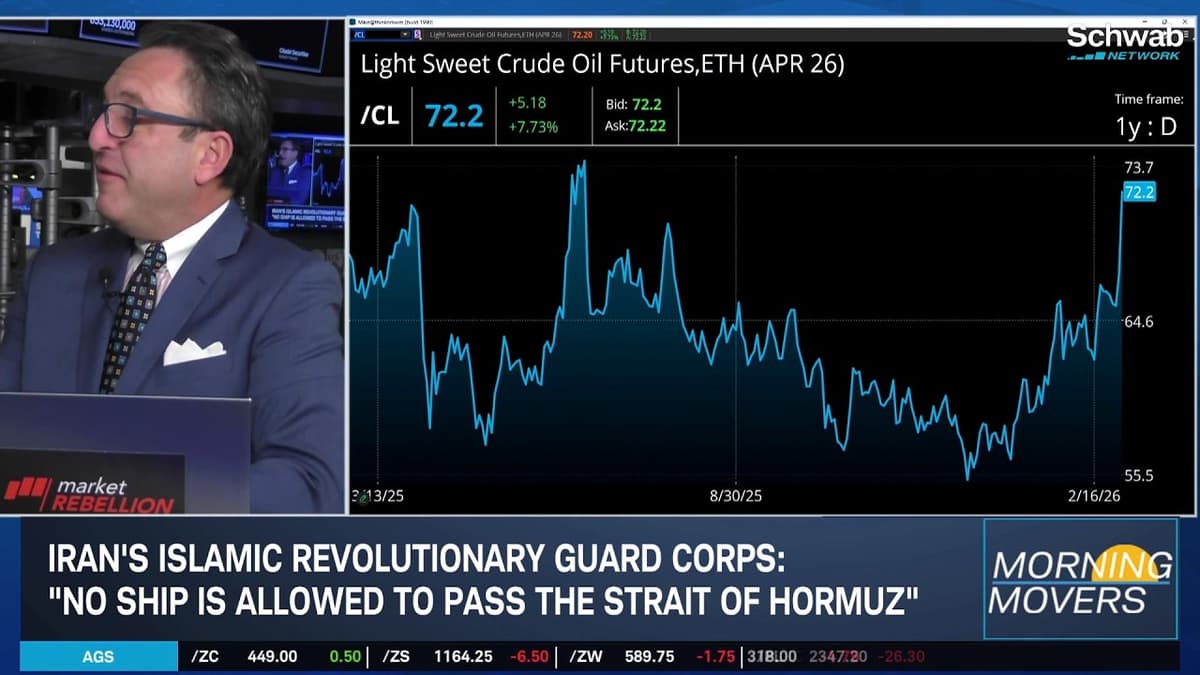
Next Steps for Market in Iranian Conflict & Retail's Big Week
Marc LoPresti of MarketRebellion warned that today’s market focus will be on the escalating Iranian conflict, which is pushing crude oil prices higher and amplifying volatility. He emphasized that clearer signals on the war’s next steps are crucial for stabilizing...

Everyone Hates Property Taxes but Getting Rid of Them Could Make Things Worse
Property taxes, though unpopular, are the backbone of local government finance—accounting for about 70% of local tax revenue nationwide and up to 95% in some states. Eliminating them would create a large fiscal hole that must be filled; for example,...

Is the Stock Market Already Done with the US-Iran War?
U.S. markets opened sharply lower after U.S. and Israeli strikes on Iran but largely recovered by the cash open, with the S&P 500 closing near Friday’s level after filling the downside gap. Gold jumped then eased, the dollar strengthened decisively,...
LIVE: Stocks Recover From Major Sell-Off as Wall Street Watches Iran Fallout
The Market Domination broadcast centered on the market’s bounce back after a sharp sell‑off, driven by the unfolding US‑Israel strike on Iran and its ripple effects across energy, defense and crypto sectors. Wall Street saw defense names such as...

A Macro Look at Markets During War
The ISM manufacturing index showed the sector’s strongest two-month performance since mid-2022, but markets were dominated by geopolitical risk after US and Israeli strikes in Iran. Equity volatility spiked—S&P 500 gapped down and traded choppily—while gold rose and crude oil...

Iranian-Flation
A commentator warns that recent developments in Iran could sever oil supply chains and elevate global inflation expectations, with consequential effects on monetary policy. Higher inflation expectations would lift the neutral interest rate, narrowing the gap with the Fed funds...
How Iran Energy "Jolt" Shifts FOMC Focus #shorts
Brian Jacobsen warns that a potential strike on Iran could create a sharp "jolt" in crude oil supplies, reigniting inflation concerns. Higher oil prices would feed into U.S. consumer price metrics, prompting the Federal Open Market Committee to reassess its...

How Oil Could Force the Fed's Hand
A surprise rebound in US manufacturing (two months of rapid growth per the ISM) coincided with weekend strikes by the US and Israel on Iran, sending risk assets and safe-havens swinging. Crude oil surged—briefly touching around $75—on fears that disruption...

Here’s How The Conflict In Iran Is Affecting Markets
Historical precedent shows Middle East conflicts typically trigger brief, shallow market pullbacks rather than ending bull markets, with oil-price moves the main transmission to the U.S. economy. The recent attacks on Iran lifted oil about 7%, but that rise alone...
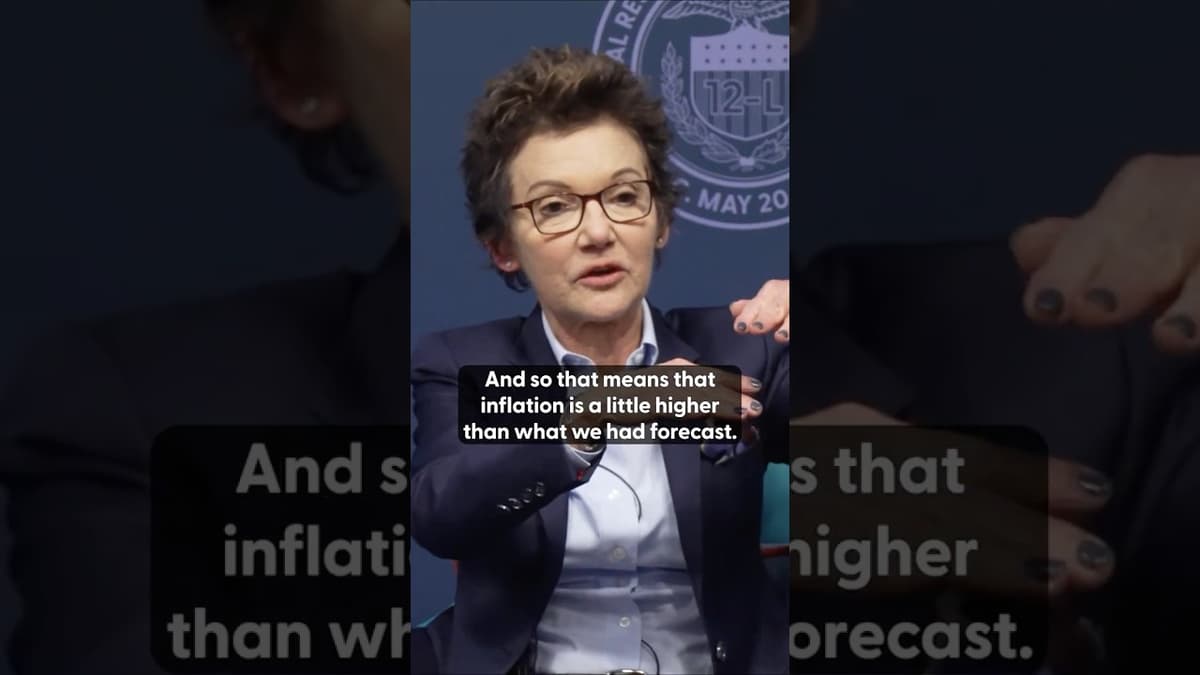
SF Fed President Explains Why Getting Inflation From 2.75% to 2% Is So Difficult
San Francisco Fed President Mary Daly said getting inflation from about 2.75% to the 2% target has been unusually difficult because of a sequence of shocks rather than an inherent ‘last mile’ problem. She singled out tariff announcements that raised...
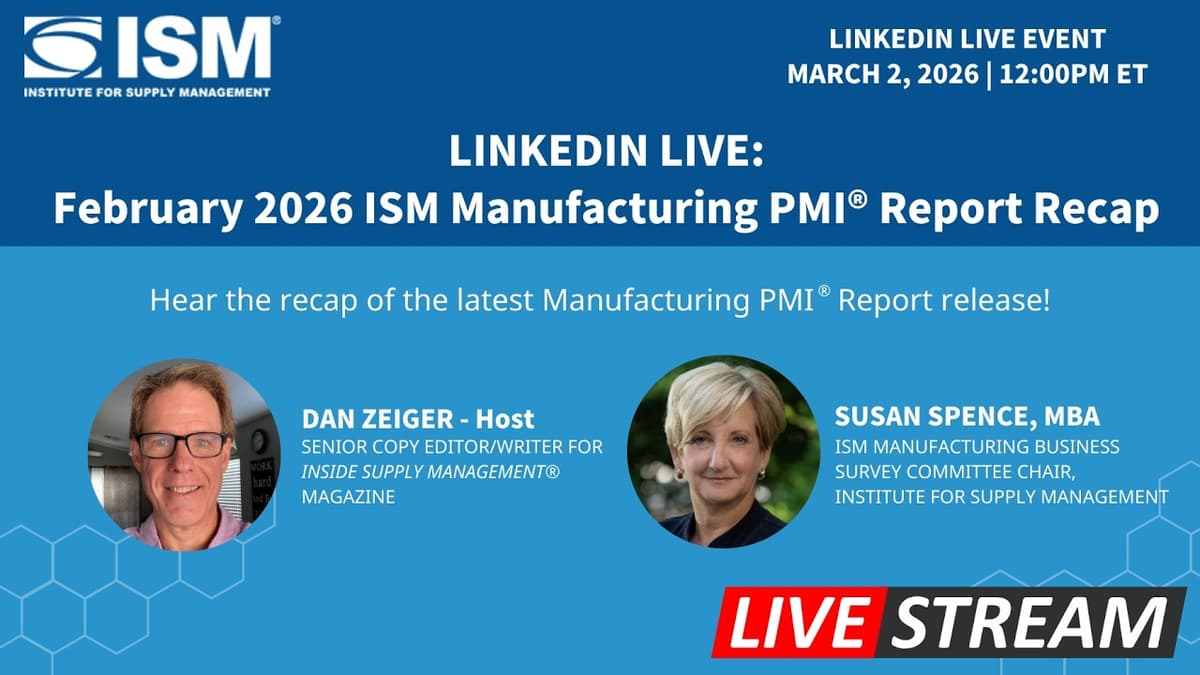
February 2026 ISM Manufacturing PMI Report Recap (LinkedIn Live)
The LinkedIn Live broadcast broke down the February 2026 ISM Manufacturing PMI, which posted a composite reading of 52.4 percent, keeping the sector in modest expansion despite lingering macro‑economic headwinds. Host Dan Zeiger and ISM Business Survey Committee chair Susan...
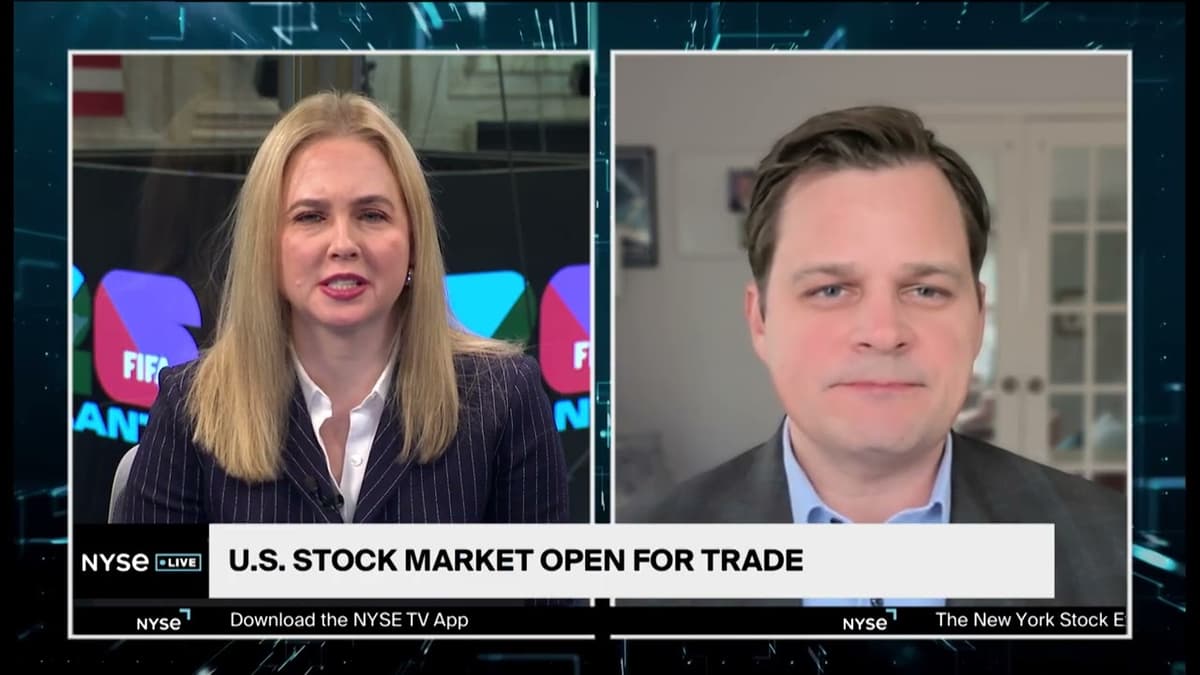
Wall Street Expert Chris Maxey Discusses Investor Mindset Ahead of Jobs Data
Wealthspire chief market strategist Chris Maxey said recent geopolitical tensions, including the Iran conflict, may inject short-term risk premiums but markets will refocus on U.S. economic fundamentals—chiefly consumer health and jobs. He sees equities supported by a resilient consumer, steady...
![The Call @ Hedgeye [FREE ALL ACCESS WEEK] | March 2, 2026](/cdn-cgi/image/width=1200,quality=75,format=auto,fit=cover/https://i.ytimg.com/vi/AKuVdVkvtNE/maxresdefault.jpg)
The Call @ Hedgeye [FREE ALL ACCESS WEEK] | March 2, 2026
Hedgeye’s March 2 call — delivered during the firm’s free-access week — said its AI-derived “signal” is guiding positioning rather than macro forecasts, prompting a shift back into oil and energy after prior bearishness. The team warned the S&P 500...
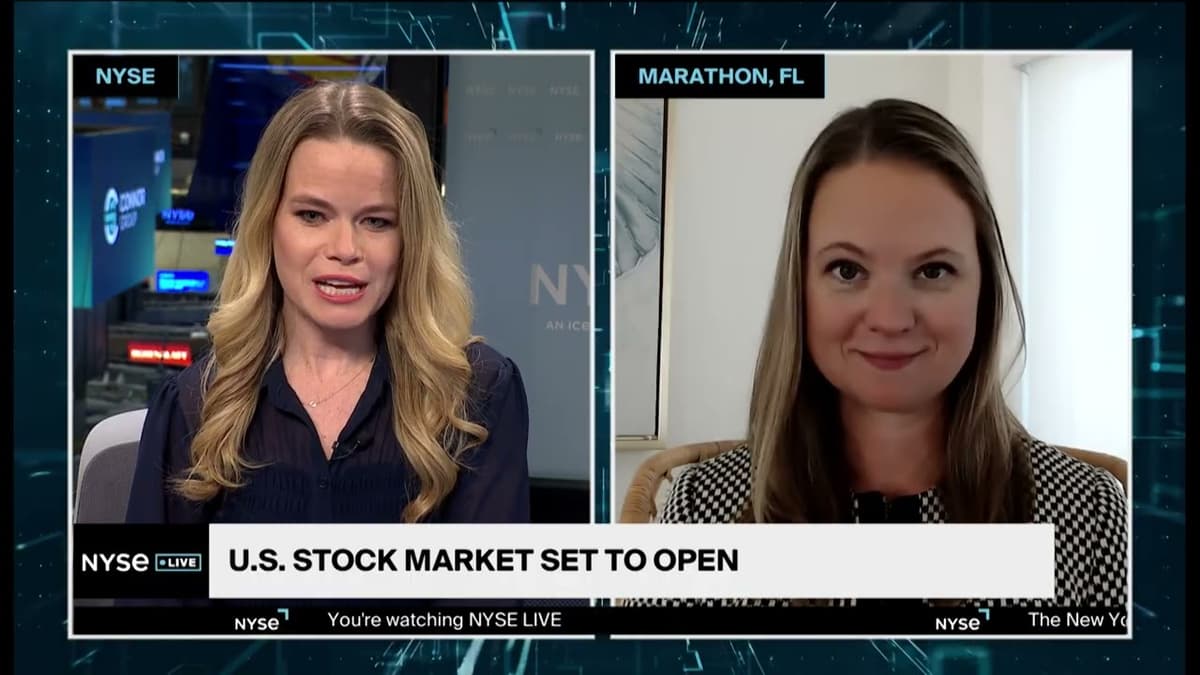
Economist Lauren Saidel Baker Dives Into January PPI Report
The Bureau of Labor Statistics’ January PPI surprised to the upside: headline producer prices rose 2.9% year‑over‑year and 0.5% month‑over‑month, while core PPI climbed about 3.6% y/y and 0.8% m/m—both well above estimates. ITR Economics’ Lauren Saidel Baker says the...
U.S. Stocks Sink After PPI Inflation Surprise
U.S. equities fell sharply on Friday after January's producer price index rose 0.5% month‑over‑month, outpacing the 0.3% forecast, and fintech firm Block announced a near‑50% workforce cut to adapt to AI‑driven changes. The Dow Jones lost about 800 points, down...

Credit Scores, Non-Agency Loans, and Risk Management: Jennifer McGuinness Breaks Down What Lenders A
The conversation between Allison Leforja and Pivot Financial CEO Jennifer McGuinness centers on the evolving landscape of non‑agency mortgage products and the contentious shift in credit‑scoring models. McGuinness emphasizes that non‑agency loans, including DSCR, bridge, and fix‑and‑flip structures, are not...

The Flows Are Reversing
The video highlights a fundamental shift in global capital dynamics: after twenty years of massive foreign investment into the United States, those flows are now reversing. The speaker stresses that this reversal is not a classic capital flight scenario,...
PPI Preview
Ilya will host a Macrodose segment previewing market expectations ahead of Friday's Producer Price Index (PPI) release. The brief highlights how the PPI data could shape inflation narratives and influence equities, commodities, and fixed‑income markets. Tastylive, the platform delivering the...
Tariff Uncertainty Is Back. Here's What It Means
Tariff policy uncertainty resurfaced after the State of the Union as the Supreme Court struck down IEPA‑based tariffs, opening the door to nearly 1,000 lawsuits. The market reacted with a classic risk‑off move—dollar and bonds rose while equities fell, despite...

The Man Who Predicted 2008… Is It Happening Again?
The video revisits Michael Burry’s prescient analysis of the U.S. housing market that earned him a $100 million windfall by shorting mortgage‑backed securities before the 2008 crisis. It outlines how Burry, a former physician turned value investor, combed through loan files,...
Daily Market Coverage Feb. 26, 2026 9AM-11AM (ET) | Yahoo Finance
Nvidia posted a strong earnings beat on revenue and profit, yet its shares slipped more than 2% as investors questioned the lack of guidance on China revenue and the sustainability of AI‑driven demand. Salesforce missed revenue forecasts, extending a broader...

Post-Earnings Volatility, AI Repricing & The Fed Factor
Chris Vecchio analyzes the surge in Nvidia’s post‑earnings volatility as AI‑driven expectations are repriced. He highlights a short‑term “AI scare” trade targeting software stocks, prompting options traders to recalibrate positions. The discussion also underscores that Federal Reserve commentary and interest‑rate...
Social Security: Just the Facts
On February 25, 2026, the Committee for a Responsible Federal Budget hosted a virtual webinar titled “Social Security: Just the Facts,” featuring policy director Mark Sarney. The session clarified how Social Security operates, dispelled common misconceptions, and highlighted the program’s...
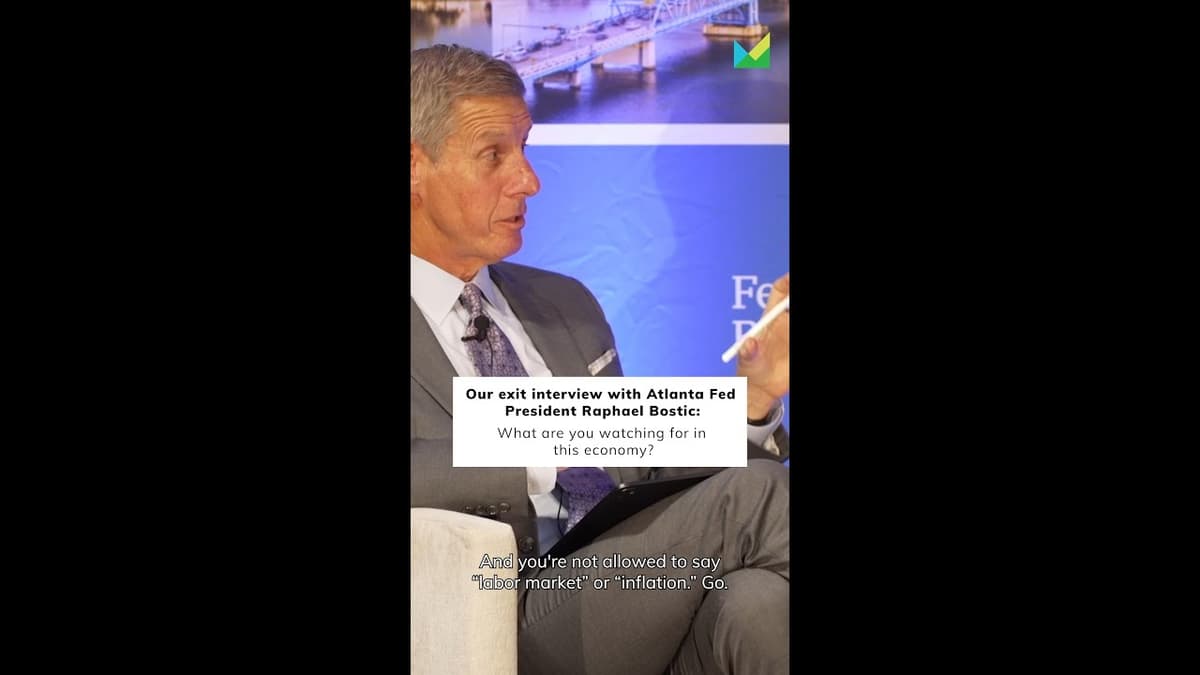
Our Exit Interview with Atlanta Fed President Raphael Bostic.
In an exit interview, Atlanta Federal Reserve President Raphael Bostic warned that the economy’s current turbulence may be less about a temporary blip and more about a structural transformation driven by artificial intelligence and related technologies. He argued that AI...

Inflation Is To Be Expected
The video argues that the current bout of elevated inflation is not accidental but a deliberate outcome of Federal Reserve policy. It claims the central bank has been seeking persistently high inflation and inflation expectations so it can maintain the...
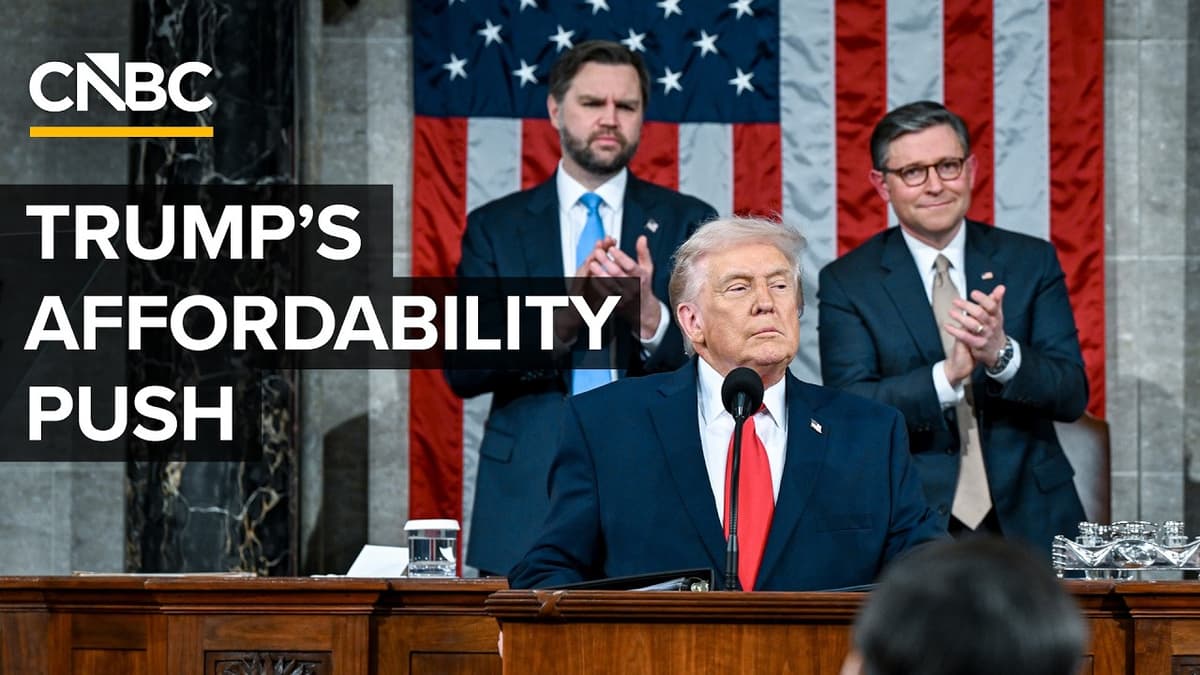
Can Trump And His Policies Turn The Economy Around Before The 2026 Midterm Elections
The video examines whether President Trump can reverse inflation and affordability concerns before the 2026 midterm elections, focusing on a suite of policies ranging from tariff reform to housing market interventions. It notes that the stock market has logged 53 all‑time...

What's Driving the Dollar Lower?
The video explains that the U.S. dollar is slipping primarily because of currency dynamics in Asia rather than domestic political events such as the State of the Union address. Large inflows into Asian equity markets, especially Taiwan and South Korea, have...