
SEADLING Founder Simon Davis on Bringing Long-Term Economic Benefit to SEA’s Seaweed Farmers
Biotech startup SEADLING, founded by Simon Davis, supplies Elkhorn sea moss seedlings to smallholder farmers in Malaysian Borneo and processes the harvest into fermented, functional ingredients. In 2025 the company closed a $1 million seed round and opened a second processing facility in Sabah, expanding capacity and exporting products to the US, Singapore and India. SEADLING’s model eliminates middlemen with direct buy‑back contracts, offers training and quality control, and targets pet food, plant health and future human nutrition markets. The firm aims to secure GMP+ certification and broaden its geographic reach in 2026.
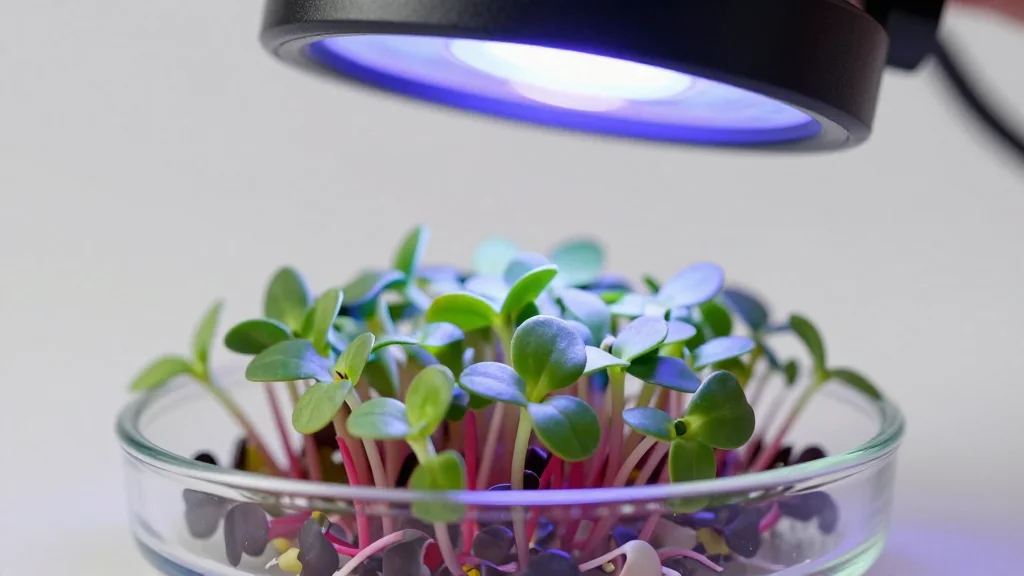
Study Evaluates Pathogen Reductions on Microgreens Treated with UV-C
A recent MDPI Foods study examined post‑harvest ultraviolet‑C (UV‑C) treatment on sunflower and radish microgreens inoculated with Salmonella, STEC and Listeria. Bidirectional exposure at 10 cm for 120 seconds achieved the greatest reductions—up to 3.1 log for Salmonella, 3.0 log for STEC and 2.0 log...

ARA Spot Sprayer by Ecorobotix Receives New Algorithms
Swiss ag‑tech firm Ecorobotix has upgraded its ARA spot sprayer with new vision algorithms that can now recognize cauliflower, broccoli, and both red and white cabbage. The software enhancements are finished development and will be delivered through the next over‑the‑air...

Arable Farms Switch to Robotic Dogs to Guard Valuable Corn Crops
Bayer has begun using Asylon’s DroneDog robotic security dogs to patrol its 8,000‑acre Hawaiian corn seed farms, supplementing human guards. The autonomous units carry thermal and electro‑optical cameras, AI classifiers and 20× zoom, streaming live video to on‑site and remote...

From War to Weather: A 'Super El Niño' Event Poses Fresh Risks to Global Food Costs
A potentially “super El Niño” is forecast for late 2026, raising the risk of severe drought and heat across major agricultural regions. The weather threat compounds already‑high fertilizer and energy prices caused by the Iran‑Hormuz conflict, which has choked roughly one‑third...

Why Are More Dairy Farmers Using Sire Advice This Breeding Season?
The ICBF HerdPlus platform now offers Sire Advice, a data‑driven breeding decision tool that matches individual cows with optimal dairy and beef AI bulls. By leveraging herd data, the service maximises the Economic Breeding Index, balances milk and fertility traits,...

California Bill Aims to Keep Toxic PFAS Off Its Crops
California Assemblymember Nick Schultz introduced A.B. 1603 to prohibit the sale, use and manufacture of PFAS‑based pesticides statewide, with a full ban slated for 2035. Between 2018 and 2023, more than 2.5 million pounds of PFAS‑containing pesticides were sprayed on California crops,...
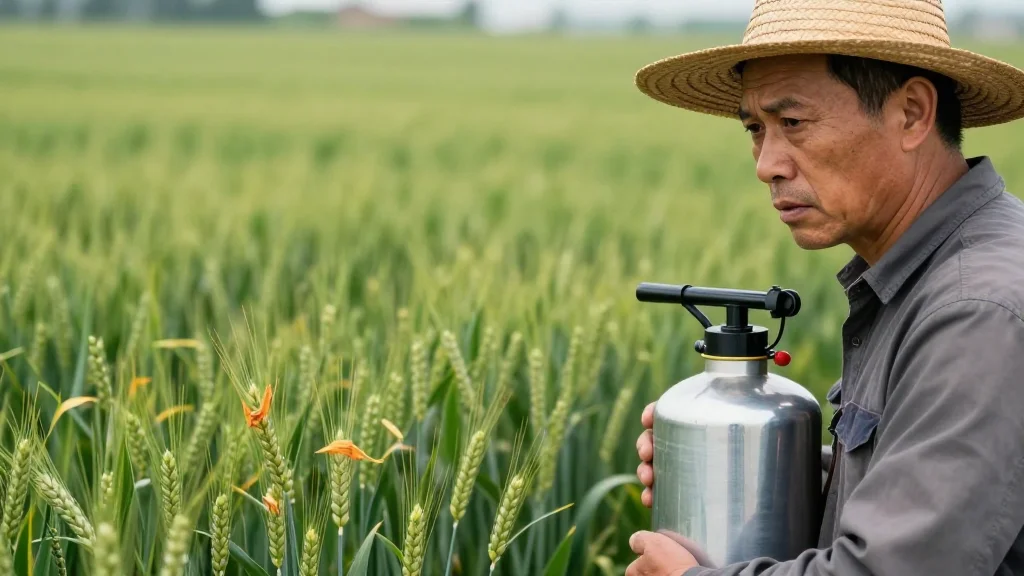
Pesticide Action Network Calls for UK Ban on 'Toxic' Herbicide Glyphosate
The Pesticide Action Network (PAN) has called on the UK government to ban glyphosate, the active ingredient in Roundup, citing mounting health and environmental concerns. Usage of the herbicide on British farms has surged by roughly 1,000% over the past...
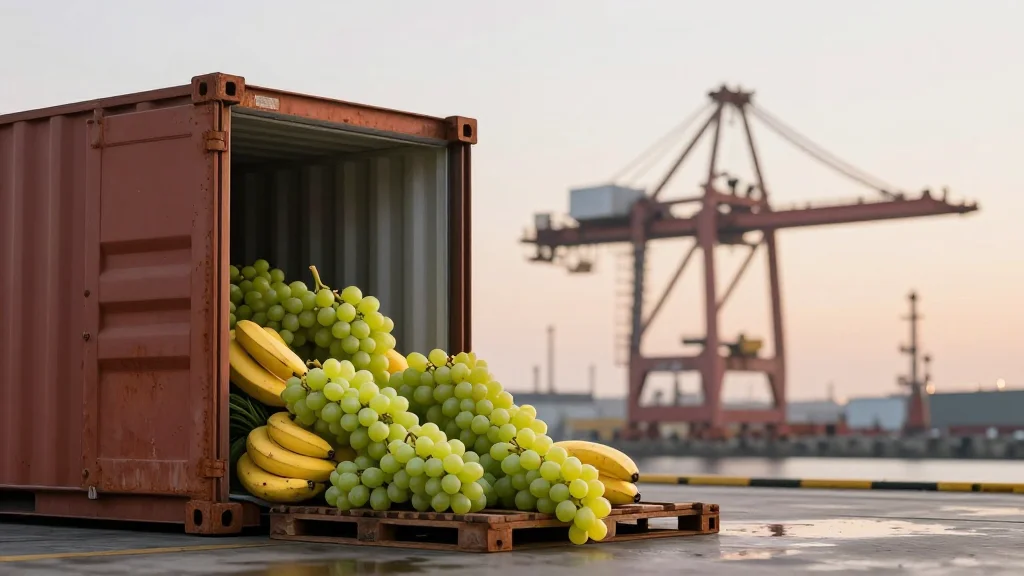
West Asia Conflict Deals a Double Whammy to India’s Farm Sector: Pre-Harvest Cost Pressures, Post-Harvest Shipping Delays
India’s farm sector is hit by a double shock: pre‑harvest input costs and labour shortages are rising, while post‑harvest shipments of perishables are stalled due to the West Asia conflict. Crude oil prices have jumped to $120 a barrel, inflating...

How War in the Middle East Paralyzed an Asian Food Giant
The war in Iran has choked fuel and fertilizer supplies, pushing diesel prices in Vietnam’s Mekong Delta to levels higher than after Russia’s 2022 invasion of Ukraine. The surge forced rice mills to shut down and electricity costs to skyrocket,...

Agronomist Warns Growers to Stay Ahead of Corn Rootworm This Season
Agronomist George Huckabay of Vive Crop Protection warns that corn rootworm will be the top pest challenge for Midwest growers in 2026. He says infestations damage root systems, leading to poor standability and lodging as plants mature. Recent comments from...

MU’s FAPRI: Fertilizer Price Relief Could Take Longer than Expected
The Food and Ag Policy Research Institute (FAPRI) at Missouri University warned that even if the Middle East cease‑fire holds, U.S. fertilizer prices will remain elevated through the fall. Economists Bob Maltsbarger and Seth Meyer said the lingering impact of reduced...

Diversifying the Corn Belt
A new policy brief from the Council for Agricultural Science and Technology (CAST) outlines pathways to diversify the U.S. Corn Belt, where 94% of Illinois, Indiana and Iowa cropland is devoted to corn and soybeans. Researchers Lauren Asprooth and Brennan...

Opinion: Fertilizer Shocks From the Middle East Conflict Ripple Through Global Food Chains
The Middle East conflict is unsettling global fertilizer supply chains by inflating natural‑gas costs and creating maritime bottlenecks, pushing fertilizer prices up 6.5% in February 2026. Because natural gas accounts for 70‑80% of production costs, any price shock quickly translates...

Soybean Poised to Turn Bearish as US Farmers Shift From Corn
U.S. farmers are set to plant 84.7 million acres of soybeans—up 4% year‑over‑year—shifting acreage away from corn. BMI, a Fitch Solutions unit, raised its average 2026‑27 soybean price forecast to 1,130 cents per bushel, a 7.7% increase. Global production is projected at...

Massachusetts Grower Now Controls over 50% of North America's Indoor Lettuce Market
Little Leaf Farms, a Devens, Massachusetts greenhouse grower, now commands more than half of North America’s indoor lettuce market. The company achieved this share by emphasizing disciplined operations, energy efficiency, and strong unit economics rather than chasing rapid tech expansion....

UK: Margate Entrepreneur Launches Microgreens Operation Supplying Local Restaurants From Indoor Unit
Vanessa Leppard, a 33‑year‑old former food‑industry professional, launched Margate Microgreens in a repurposed indoor unit in Margate, UK. The vertical farm grows pea shoots, red radish and broccoli garnishes using LED lights and heat mats. Within its opening week the...

US (WI): Vertical Growing Finds Life Amidst Market Struggles
Vertical farming once attracted billions of dollars, yet many large indoor farms have collapsed, as highlighted by a recent New York Times report. In Wisconsin, however, Grow Space Vertical Farms, founded by Robert Carlson and his family three years ago, is thriving...

“Managing the Full Water Cycle Starts with Water Quality for the Crop and Continues with Reusing Water Whenever Possible"
Italian greenhouse specialist Vifra has expanded its climate‑control portfolio to include ultrafiltration (UF) and reverse osmosis (RO) water‑treatment systems, enabling growers to purify diverse water sources and recycle nutrient‑rich irrigation water. The company stresses that UF removes viruses, bacteria and...

US (TX): Houston Farmer Teaches Marginalized Communities to Grow and Sustain Themselves
CC Brooks, Houston’s only Black and gay hydroponic farmer, founded The Metallic Sunflower Foundation to teach hydroponic techniques to marginalized groups. Leveraging his experience running markets at Pearl Bar, he recognized the food insecurity facing the city’s trans community. Brooks...

CEA Alliance Welcomes New 2026 Members
The CEA Alliance announced eight new members for the first quarter of 2026, including its inaugural mushroom grower, Windmill Farms, and several growers of leafy greens, herbs, and microgreens. New supplier members such as Blackmore/Ellepot USA, Ceres Greenhouse Solutions, Green...

Japan’s Kanematsu Taps 2nd Nature’s AI Tech to Upcycle Ag Waste Into Functional Foods
Japanese trading house Kanematsu Corporation has partnered with U.S. startup 2nd Nature to apply artificial intelligence to its agricultural sidestreams, aiming to extract high‑value functional ingredients. 2nd Nature’s AgWaste Portal scans molecular data to uncover hidden proteins, fibers, peptides and...

Iran Conflict: How Food Can Prepare for Fertiliser Shortages
The temporary closure of the Strait of Hormuz sent fertilizer prices soaring 20‑45%, inflating costs for staple grains such as wheat, rice and maize. Experts warn that the chokepoint could shut again, exposing global food systems to recurring input shocks....

European Fresh Produce Shifts Sustainability Toward Costs
European fresh‑produce companies are moving sustainability from a branding exercise to a cost‑control imperative. 2026 priorities now focus on measurable variables such as yield stability, batch quality, shrink, packaging expenses and verifiable environmental data. Soil degradation alone costs the...

"Is the Traditional Glass Greenhouse Model Still the Most Secure Investment, Given the Scale of Capital Required?"
Filclair, a fourth‑generation family firm, is questioning whether traditional glass greenhouses remain the safest long‑term investment amid rising capital costs and energy volatility. Under new COO Victoire Thery, the company is pushing a "green safety" strategy that blends climate control,...

Kyrgyzstan Growers Using "Smart Greenhouses" For Strawberries
In Batken’s Leilek district, a group of 25 villagers formed a cooperative to grow strawberries using a "smart greenhouse" system. The method, championed by farmer Azzamkul Tashbekov, delivers clean, high‑quality fruit that commands about 1,500 som (≈$13) per kilogram on...

Pest Pressure and Disease Reduce Tomato Greenhouse Yields in Paraná
Greenhouse tomato growers in northern Paraná faced heightened pest pressure in early 2026, as a hot, dry spell spurred whitefly and leaf‑miner outbreaks that transmitted geminiviruses. In response, many switched to virus‑resistant varieties, which softened losses, but March’s return of...

Tomatoes From Malaga Cost Nearly 3 Euros per Kilo at Origin
Tomato prices in Málaga’s greenhouse sector have surged to about €3 per kilogram, roughly $3.25, a record high. The Andalusian Price and Market Observatory reported average prices over €2/kg, nearly double the previous season and three times the first half...

Fermtech Secures £2.5m Backing to Scale Production of Cocoa Made From Crop Waste
Oxford‑based biotech start‑up Fermtech announced a £2.5 million seed investment to accelerate its sustainable cocoa powder made from crop waste. The funding will be used to scale manufacturing facilities and expand market reach as climate‑driven supply constraints push chocolate prices higher....
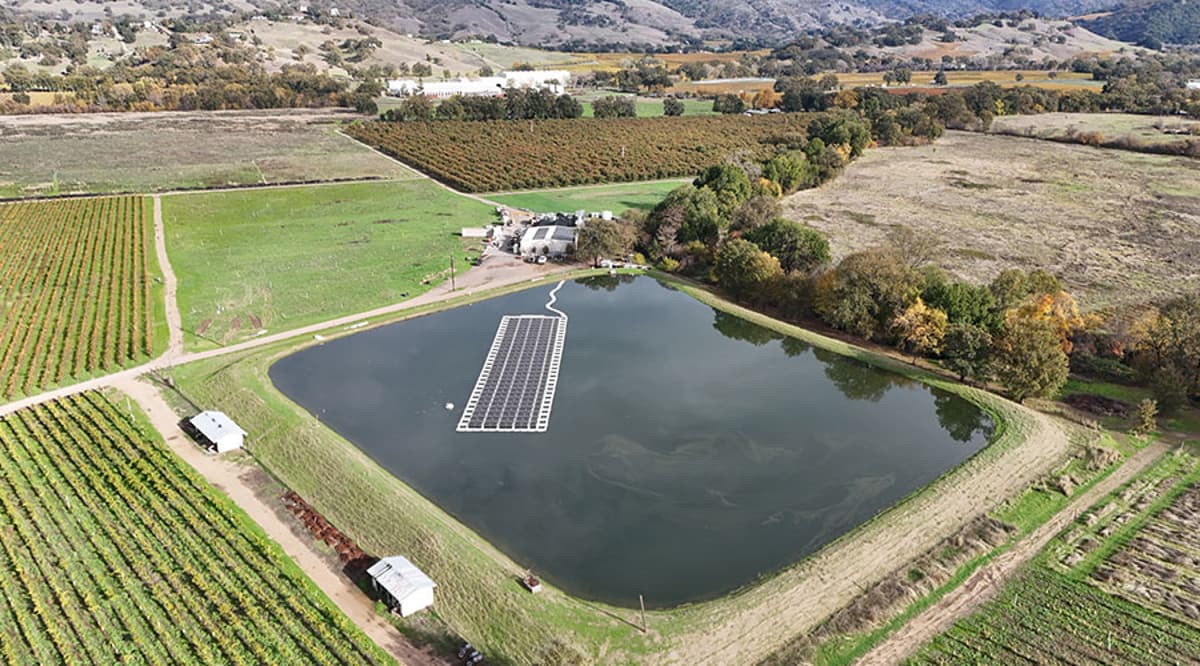
Floating Solar Helps a 74-Year-Old Vineyard Go Fully Renewable
Nelson Family Vineyards in Mendocino County has achieved 100% renewable power by adding a floating photovoltaic (FPV) system to its irrigation pond, complementing an existing rooftop array. The FPV installation is expected to produce roughly 200,000 kWh annually, covering the winery,...

EU Approves €144m French Hydrogen Project for Fertiliser Industry
The European Commission has cleared a €144 million ($155 million) state‑aid package for HyforSeeds to install a 50 MW renewable hydrogen electrolyser at LAT Nitrogen’s fertilizer plant in eastern France. The hydrogen will replace up to 15% of fossil‑based feedstock in ammonia production,...

Ghana Launches Blue Food Innovation Hub, Aiming to Drive Innovation, Spur Private Investment in Aquaculture
Ghana has inaugurated Africa’s first Blue Food Innovation Hub in Accra, partnering with the World Economic Forum and overseen by the Ghanaian Chamber of Aquaculture. The hub will convene researchers, investors, policymakers and startups to share best practices, cut post‑harvest...
Food Companies Backslide on Promises to Reduce Pesticides
The As You Sow “Pesticides in the Pantry” report shows that ten of the seventeen biggest U.S. food companies earned lower scores this year, indicating a retreat from earlier pledges to cut synthetic pesticide use. General Mills, once a leader...

What Happened when Scale Met the Farm Reality
Between 2020 and 2022, over $750 million poured into South Asian agritech startups promising digital scale for millions of smallholder farmers. By 2025, funding dried up as high customer‑acquisition costs, low farmer spending power, and fragmented markets proved unsustainable for direct‑to‑farmer...
Queensland EID Tag and Scanning Equipment Funding Continues
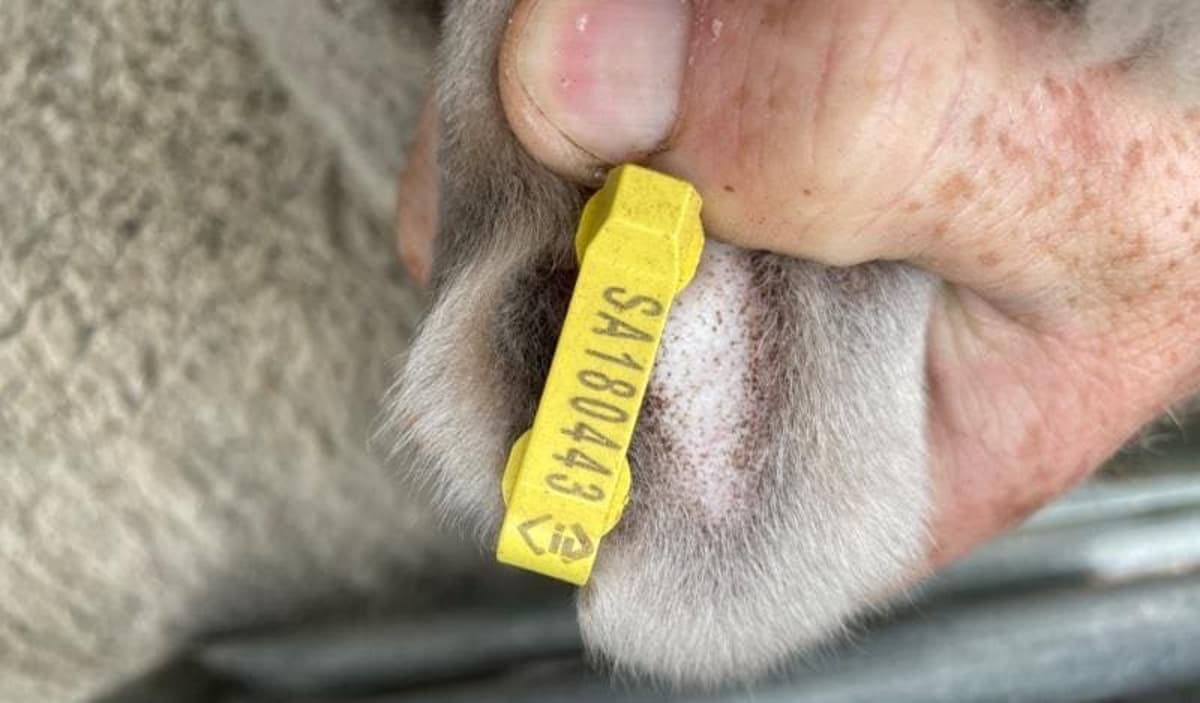
Queensland’s government has launched a second round of its Sheep and Goat electronic identification (EID) assistance package, offering a $0.75 (≈$0.50 USD) discount on approved NLIS ear tags and a 50% rebate up to $1,600 (≈$1,060 USD) per property for...
Canola Poised for Greater Role in Local Biofuel Future: Rabo
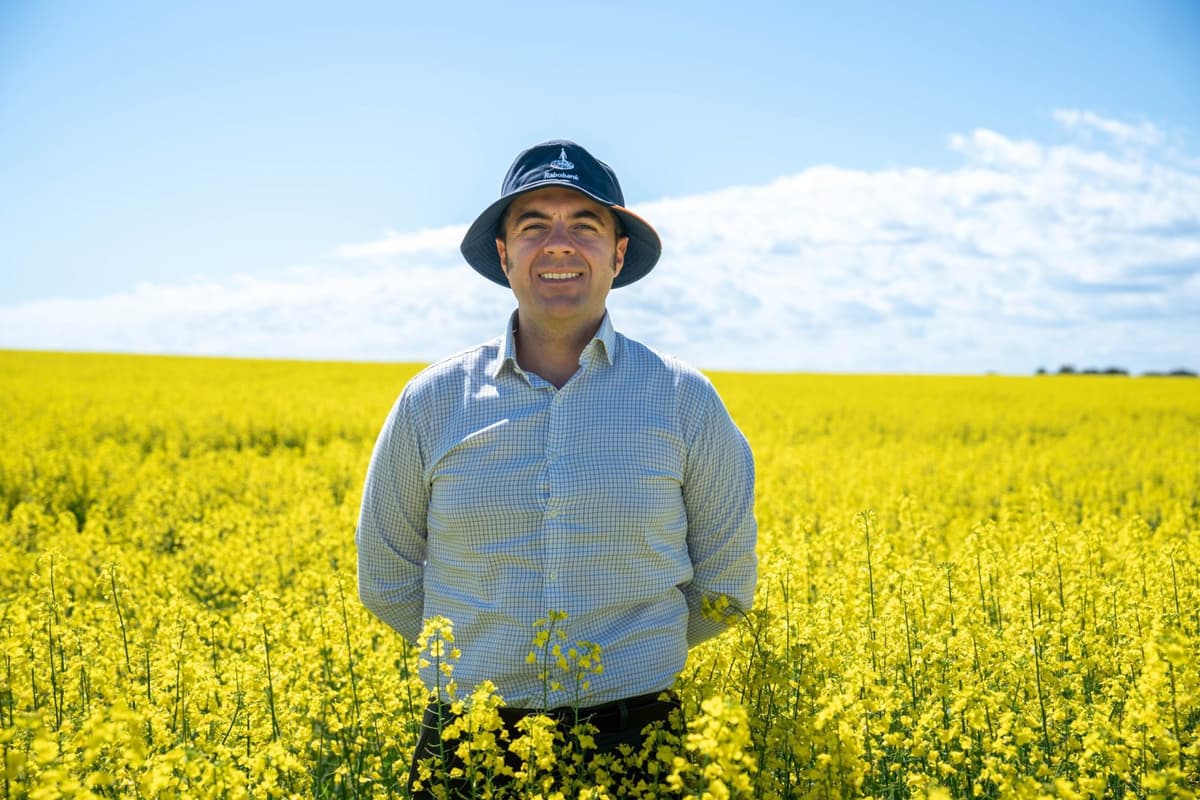
Rabobank’s new report highlights Australian canola as a strategic feedstock for renewable diesel and sustainable aviation fuel as biofuel demand surges across the Asia‑Pacific. Converting the country’s 6 million tonnes of exported canola seed could produce more than two billion litres of...

Guidance, Products Sought as Growers Scope Planting Options
Australian growers are grappling with depleted fertilizer and diesel supplies amid high input prices, even as a two‑week cease‑fire in the Persian Gulf offers modest relief to supply chains. To navigate the volatile environment, many are turning to decision‑support tools...

GOFAR Brings Ag Robots to Spain for Live Field Demos
GOFAR is staging its first Iberian Field Day on April 15 at John Deere’s Parla Innovation Center near Madrid, where more than 15 agricultural robots will operate in real‑field conditions. The showcase, co‑hosted with John Deere and data‑platform provider Datagri, brings together over...

Australia’s Feb Wheat Exports Down 19pc From Jan
Australia shipped 2.11 million tonnes of wheat in February 2026, a 19% drop from January’s 2.60 million tonnes. The decline reflects weaker bulk shipments, while containerised exports remained anchored by Southeast Asian demand. Thailand, Malaysia and Indonesia were the top three container...
Waitrose to Stock Northern Pasta Co's 'Regeneratively Farmed' Pasta in UK Stores
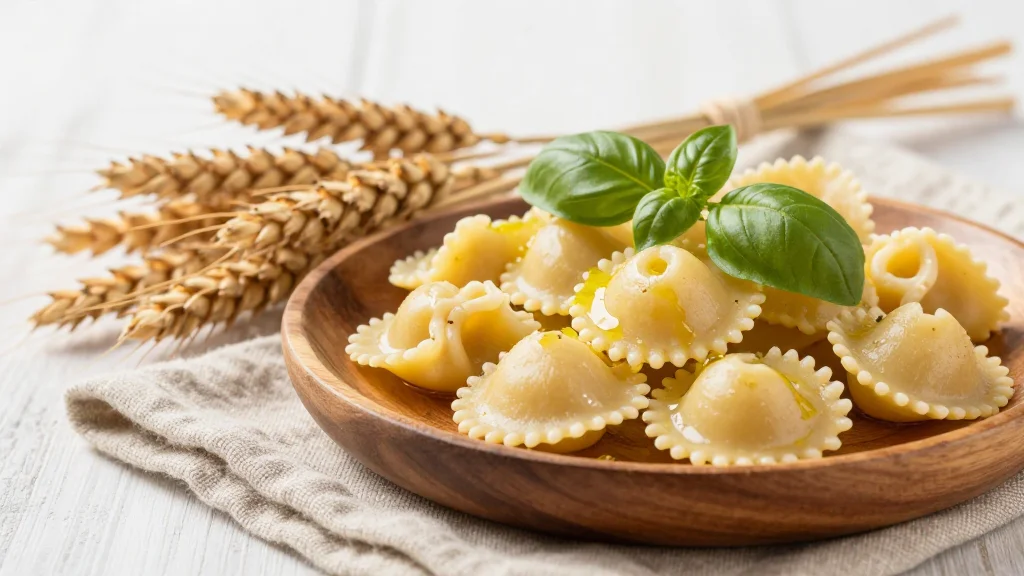
Waitrose has become the first UK supermarket to carry Northern Pasta Co's regeneratively farmed spelt pasta, adding radiatori, fusilli and rigatoni to its shelves nationwide. The partnership marks a milestone for British sustainable food brands, showcasing products grown using regenerative...

Sustainability of Maize-Soybean Farming Systems Compared
A new comparative study evaluates the sustainability of maize‑soybean farming systems across the U.S. Midwest, measuring water use, greenhouse‑gas emissions, soil health and economic returns. The analysis shows that a rotational system of maize and soybean reduces nitrogen fertilizer by...
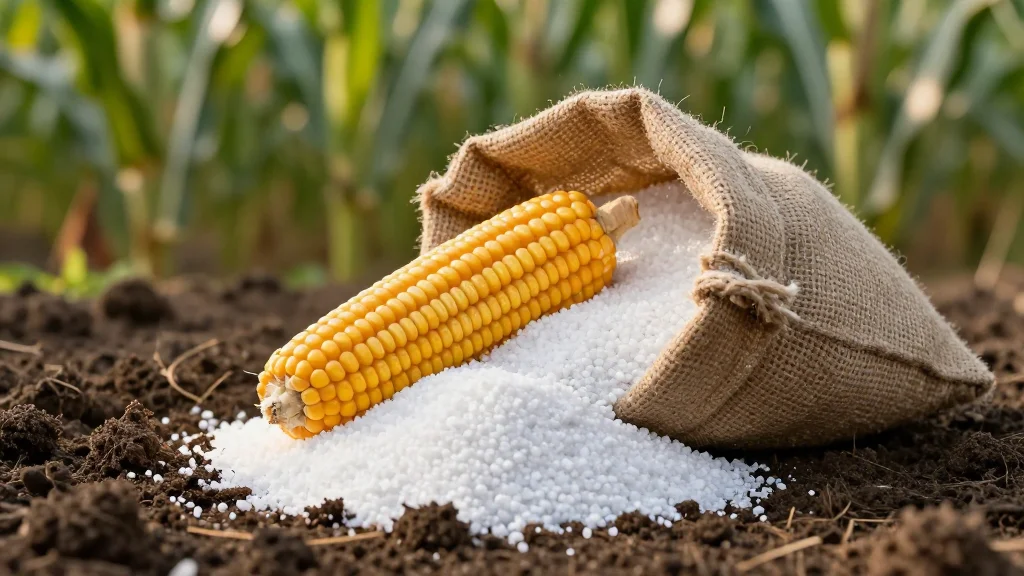
Fertilizer Spike Adds up to $35/Acre for US Corn as Iran Crisis Deepens
Rising fertilizer prices triggered by the effective closure of the Strait of Hormuz have created a sharp supply shock for nitrogen, phosphate and sulfur products. Rabobank estimates the urea price surge adds up to $35 per acre to US corn...
From ‘Sustainable’ to ‘Regenerative’ Agriculture: What’s in a Name?
Regenerative agriculture is emerging as a buzzword that promises to go beyond the maintenance focus of sustainability by embedding an ethical relationship with land, water, and biodiversity. Originating from farmer‑led movements, the concept stresses reciprocity and ecosystem health, but corporate...
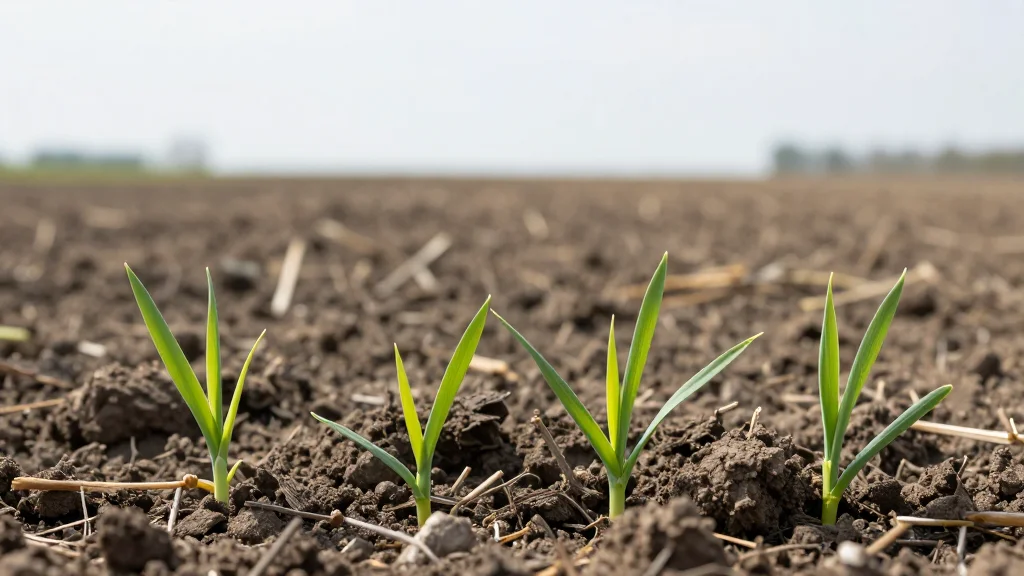
Early Growth Last Fall Paying Off for Cover Crops in Southern Minnesota
South‑central Minnesota farmer Sam Ziegler reports that an unusually warm October allowed his cover crops to germinate early in bean stubble, delivering visible green‑up this spring. He plants covers, primarily oats, after corn harvest, and the early start is now...
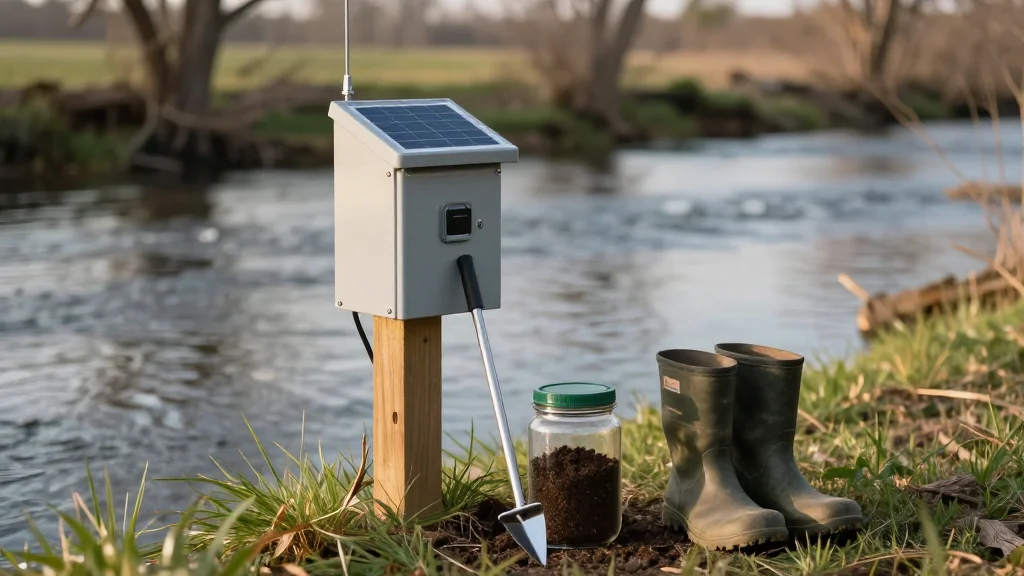
New App in MO to Track Flood and Drought Conditions in Real Time
Missouri’s Department of Natural Resources launched the Missouri Hydrology Information Center (MOHIC) app, delivering real‑time flood and drought monitoring across the state. The platform aggregates data from an extensive network of stream gauges and soil‑moisture sensors, translating raw measurements into...
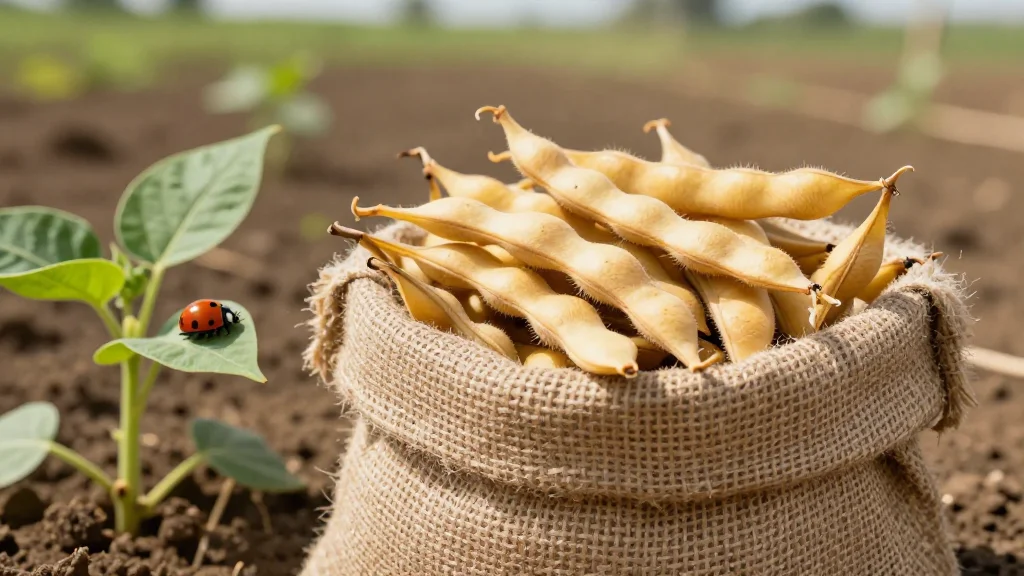
Tracing Impact: A Joint Mission Through Kenya’s BRAINS Project
The Building Equitable Climate‑Resilient African Bean & Insect Sectors (BRAINS) project held a three‑day joint mission across Nakuru, Nairobi and Kiambu, bringing together funders, implementers and Global Affairs Canada to assess progress. Two years into its five‑year timeline, partners reported...

Southeast Nebraska Farmer Sees $50K Spike in Fertilizer Costs
Nebraska farmer Ben Steffen reported a $50,000 jump in fertilizer expenses as the 2026 growing season begins, compounding an already red‑lined operation. He also anticipates an additional $4,000‑$5,000 in diesel costs over the next eight weeks. Similar input‑price pressures are...

Fermtech Raises £2.5m for ‘Pioneering’ Sustainable Cocoa Alternative
Fermtech, a UK‑based food‑tech startup, announced a £2.5 million funding round to accelerate its fermentation‑derived cocoa alternative. The capital, sourced from impact‑focused investors, will fund scale‑up, regulatory approvals, and pilot manufacturing. The company claims its product mimics cocoa’s flavor and texture...
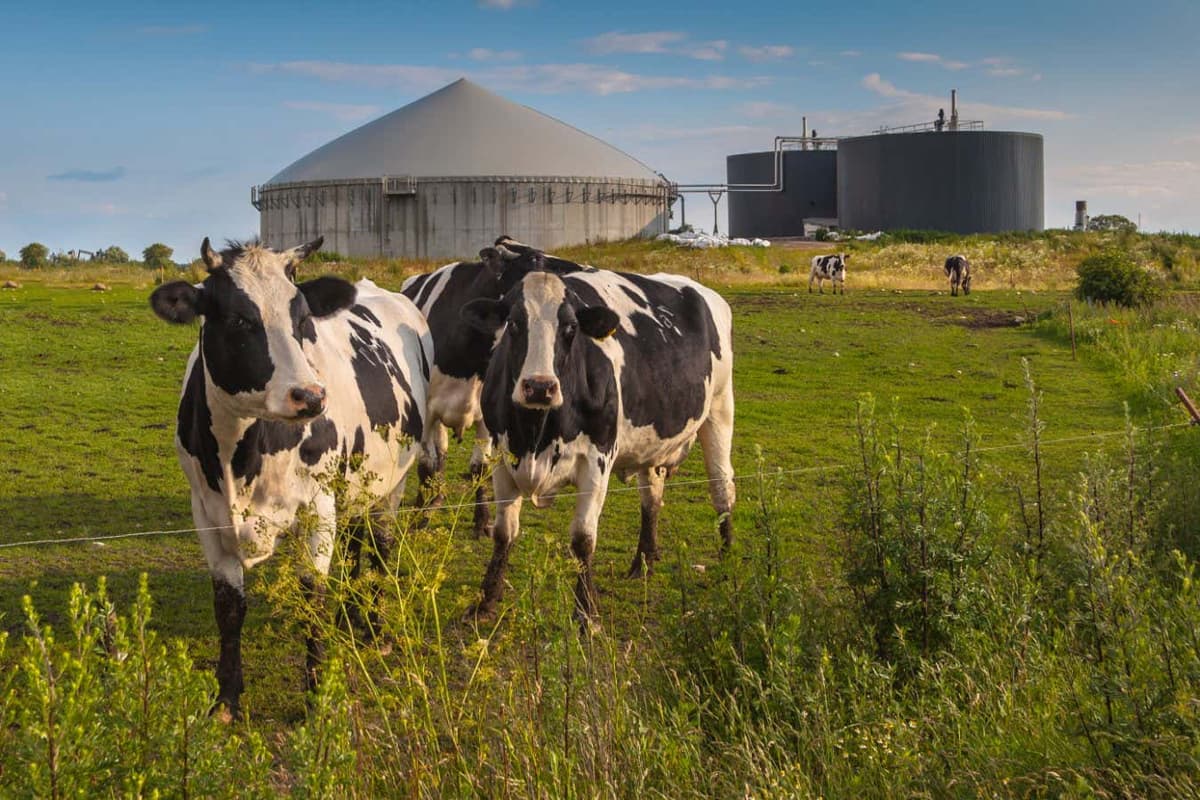
Are Manure Digesters a Real Solution to Dairy Farm Emissions?
Governments are subsidizing anaerobic digesters that turn cow manure into biogas, a technology that can slash methane emissions from dairy operations by up to 70%. Proponents argue the systems are among the most effective livestock‑focused climate tools, while critics warn...
How Thrive Market Is Helping 1,000+ Brands to Decarbonize
Thrive Market has launched a Climate Action Working Group to help more than 1,000 brands on its platform measure and reduce greenhouse‑gas emissions and plastic waste. The initiative offers discounted tools, webinars and case studies through partners such as Planet...