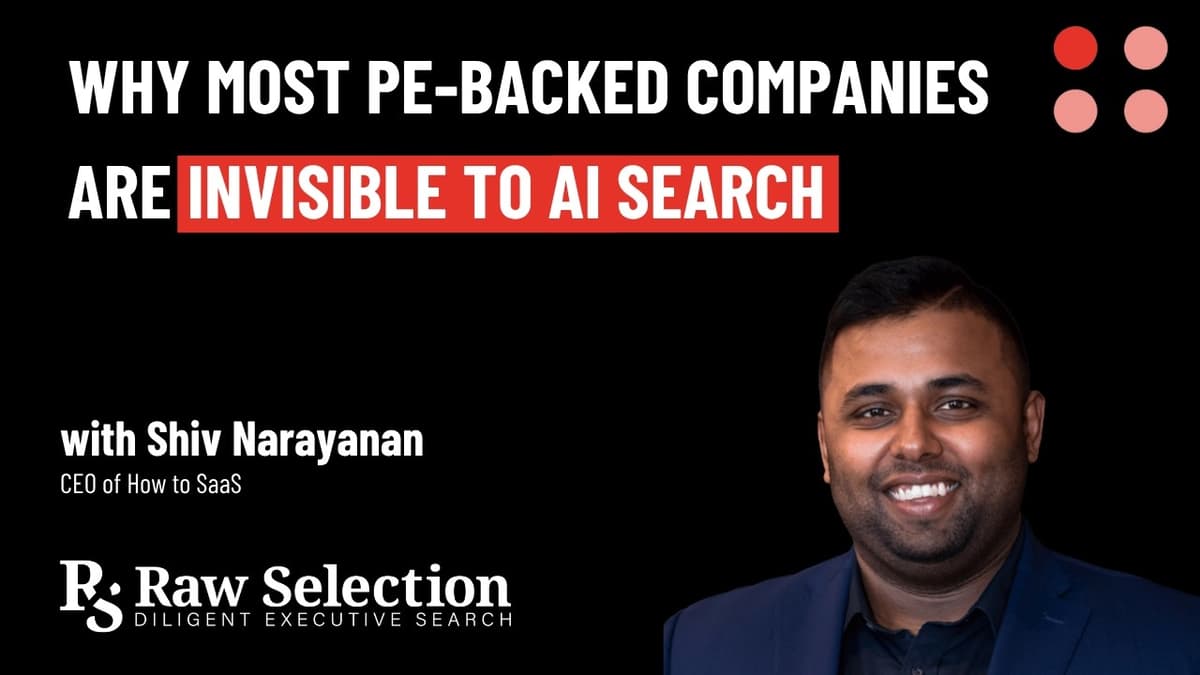
Why Most PE-Backed Companies Are Invisible to AI Search
The podcast spotlights a chronic blind spot in private‑equity‑backed B2B companies: marketing is either ignored or treated as a sales‑support function, leaving substantial revenue upside untapped. Shiv Narayan of How to SAS explains that while many firms scale to $100 million-plus on pure sales effort, they rarely invest in data‑driven marketing, leading to inefficiencies that PE investors struggle to quantify. Key insights include four recurring mistakes: an ill‑matched go‑to‑market strategy, misallocated spend across channels, understaffed or mis‑skilled marketing teams, and execution plans that focus on day‑to‑day tasks rather than enterprise‑value levers. Narayan cites a $200 million portfolio company that could not identify $25 million of waste without a deep analytics audit, illustrating how poor measurement erodes margins. He also stresses the evolving buyer journey. AI tools like ChatGPT now replace traditional Google searches and review‑site research, forcing marketers to redesign content and channel tactics. Narayan outlines a board‑ready reporting framework—pipeline, funnel metrics, channel performance, budget reallocations, forecasts, and talent needs—that gives CEOs and investors the transparency needed to allocate resources wisely. For PE firms, the implication is clear: integrating disciplined, data‑centric marketing and AI‑enabled buyer insights into value‑creation plans can unlock hidden growth, protect margins, and justify larger marketing budgets against sales‑only allocations.

AI X Creativity Webinar Final
The AI × Creativity webinar brought together Ren Surjer of Ven and Samsung’s President and Chief Design Officer, Maro Pchini, to explore how artificial intelligence is reshaping the role of design in business and society. The conversation framed AI not as a...
Production RAG with LangChain & Vector Databases – Full Course
The video introduces a full‑course on building production‑grade Retrieval‑Augmented Generation (RAG) systems with LangChain, vector databases, and advanced agentic architectures. It emphasizes that many prototype tutorials break when scaling from tens to thousands of documents, and that 90% of RAG...
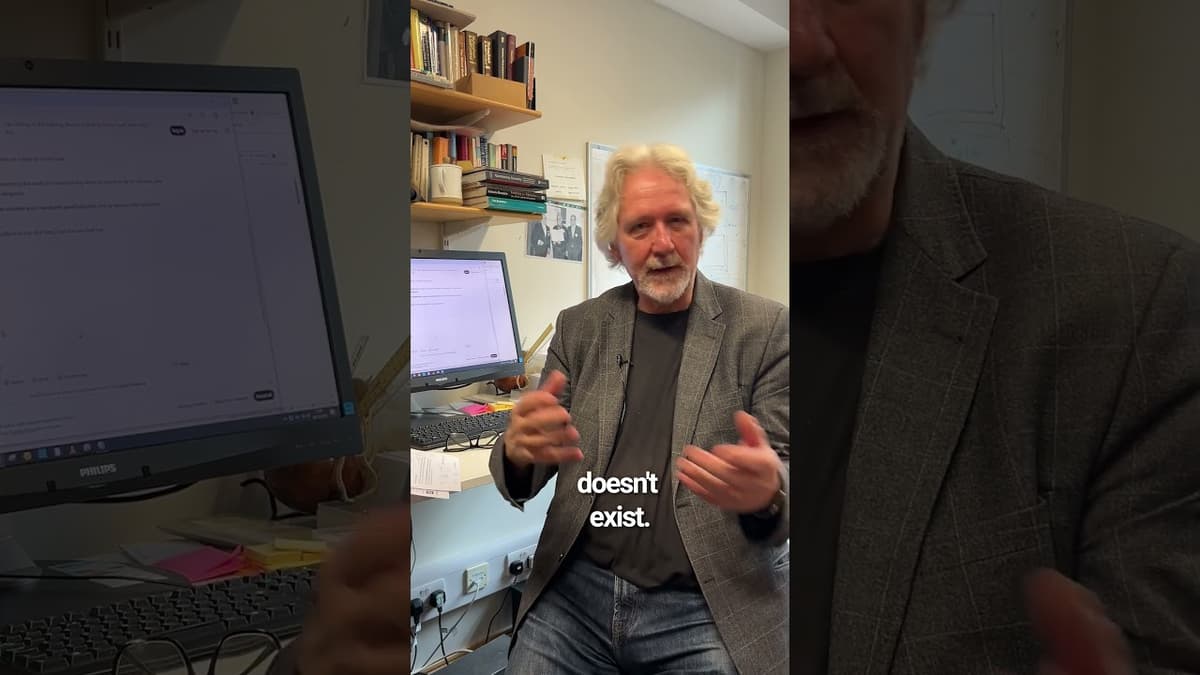
Can AI Have Common Sense? #AI #CommonSense #LSE
A speaker uses a pizza-delivery robot thought experiment to argue that AI lacks common sense and so can behave dangerously when tasks omit everyday human norms. They define common sense three ways: multisensory integration, everyday background reasoning about what exists...
From RAG to AI Agents: Function Calling and Tool Use - Alexey Grigorev
The session introduces the shift from traditional Retrieval‑Augmented Generation (RAG) – called RAC in the course – toward AI agents that can call functions and use tools dynamically. Hosted as part of the free LLM Zoom Camp, the presenter walks...

What Role Should AI Play in Art and Entertainment? #podcast #mba #ai #entertainmentindustry
Speakers argue that current AI excels at pattern recognition and data-driven insight, making it valuable for analyzing audiences and consolidating large datasets in media and entertainment. However, they say AI falls short at the distinctly human ability to correlate unrelated...

Is the AI Supercycle Just Beginning?
Nuveen macro strategist Laura Cooper argues AI is not a short-lived trend but a multi-year capital supercycle underpinned by exceptional and growing capital expenditures—about $700 billion this year and potentially $1 trillion next year—and by physical capacity constraints such as...
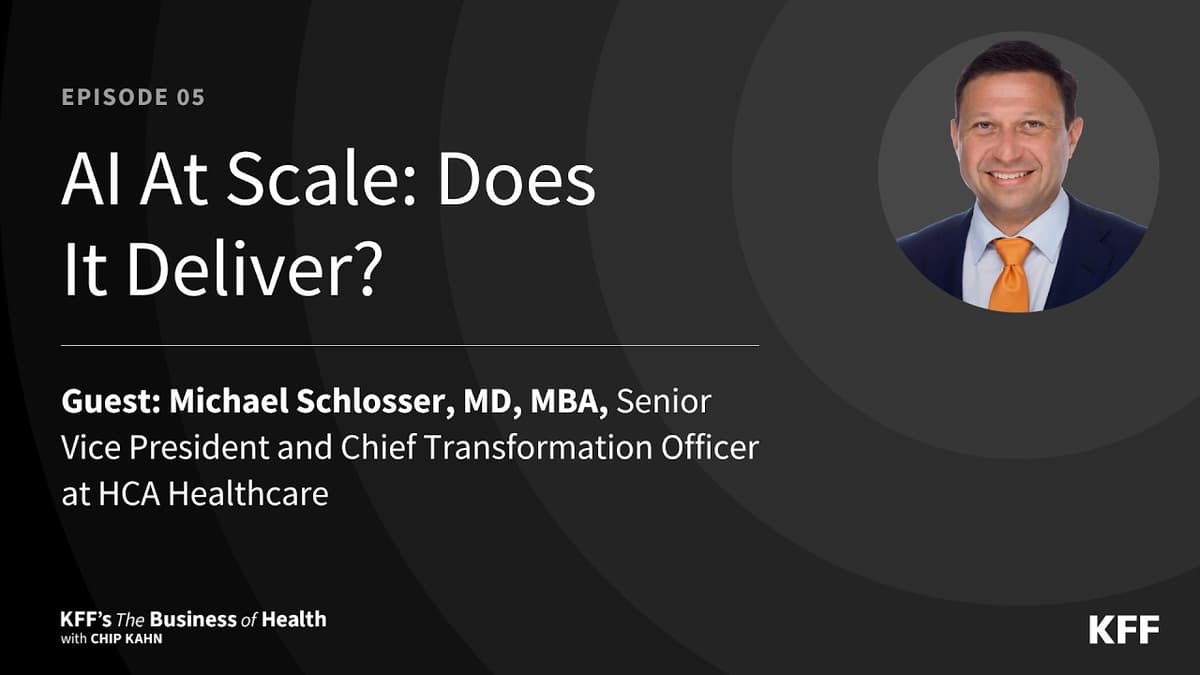
AI at Scale: Does It Deliver?
The interview with Dr. Michael Schlösser, HCA Healthcare’s chief transformation officer, explores how the nation’s largest private hospital operator is deploying artificial intelligence across its 190‑hospital network. HCA treats more than 47 million patients annually, giving it a data trove...
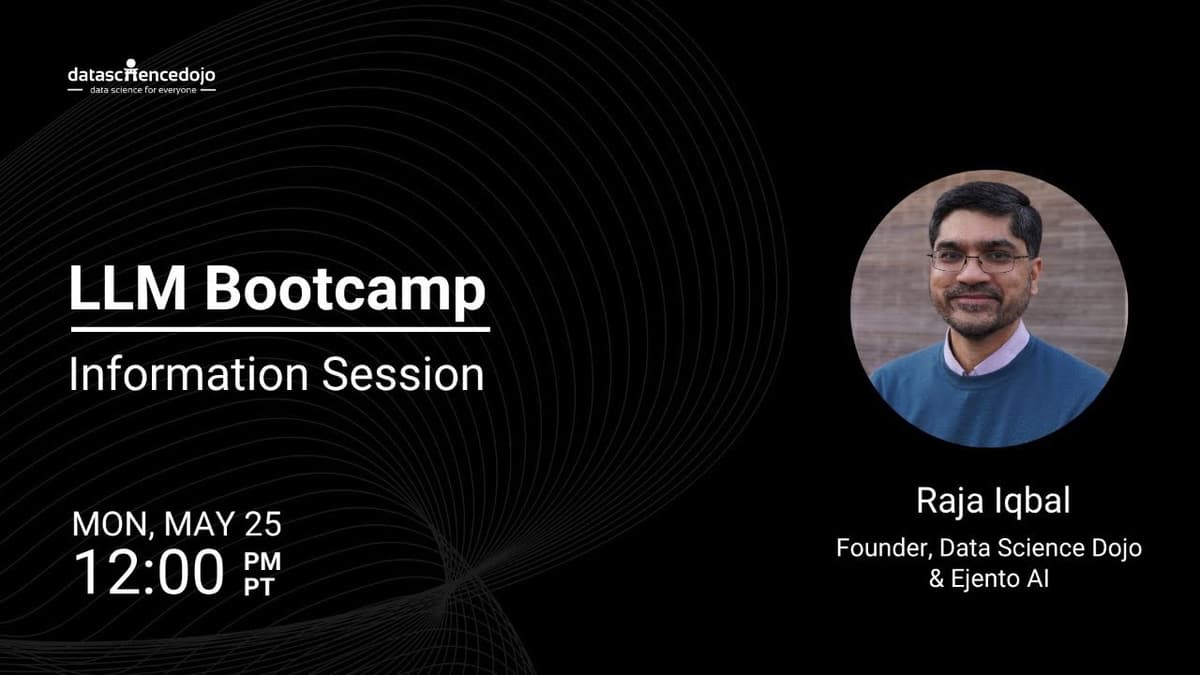
LLM Bootcamp Information Session
Rajbal, chief data scientist at Data Science Dojo, outlined the company’s LLM and Agentic AI boot camps and demonstrated how they use the Aento AI platform as a teaching tool. He emphasized that building enterprise LLM applications involves far more...
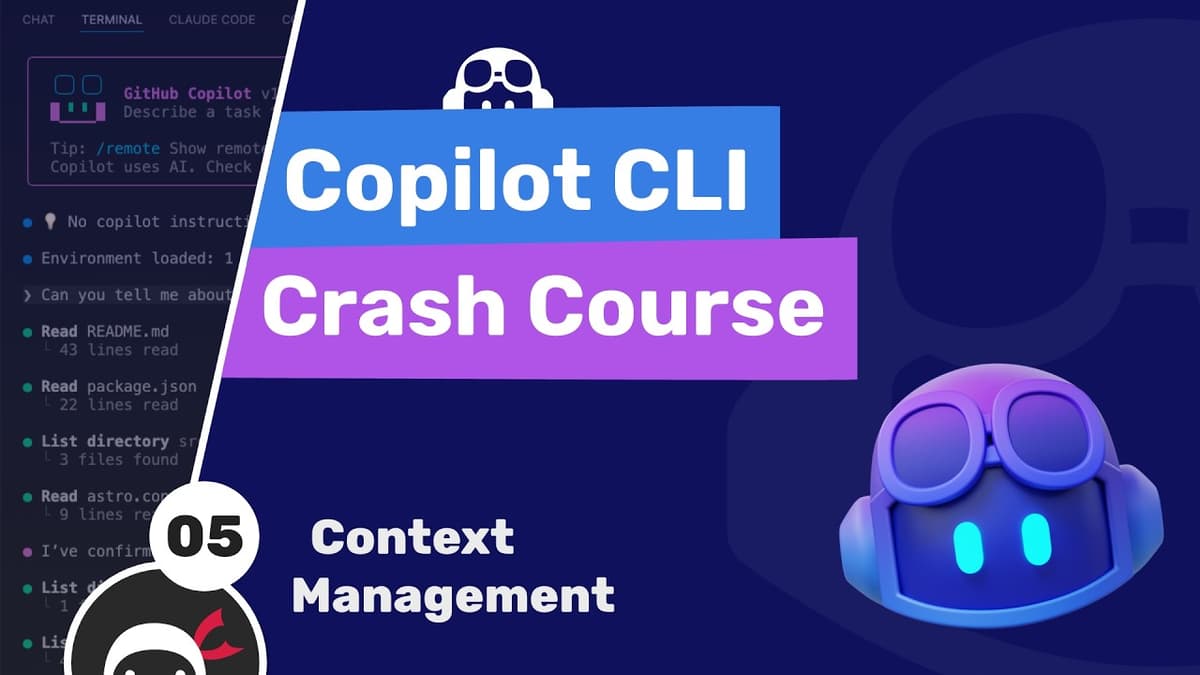
Copilot CLI Tutorial #5 - Context Management
The tutorial explains how to use context in GitHub Copilot CLI to give the model specific files or media when issuing prompts by prefixing filenames with an @. The instructor demonstrates adding a component file to update localStorage with daily...
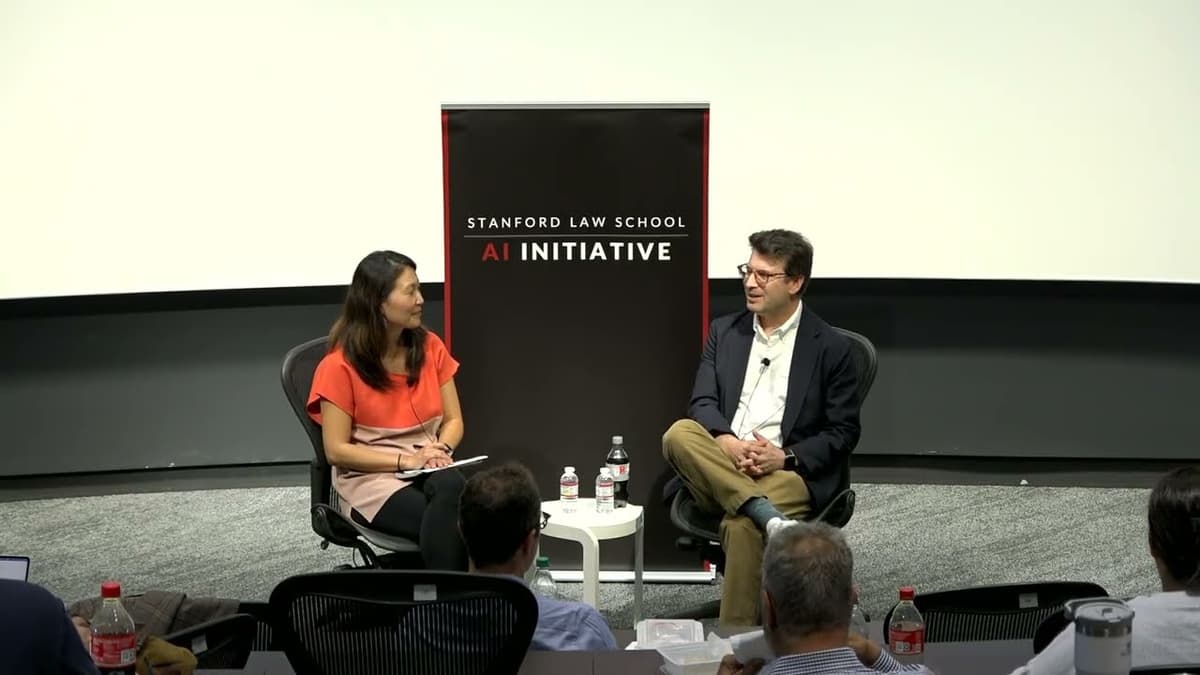
AI Initiative Speaker Series: From Counsel to Code: A Lawyer’s Year Building with AI with Mark Pike
The AI Initiative’s speaker series featured Mark Pike, Anthropic’s Associate General Counsel, unveiling Claude for Legal—a suite of AI‑driven plugins that embed directly into lawyers’ everyday tools. Launched on Tuesday, the offering leverages Claude Code and the Cowork platform to...
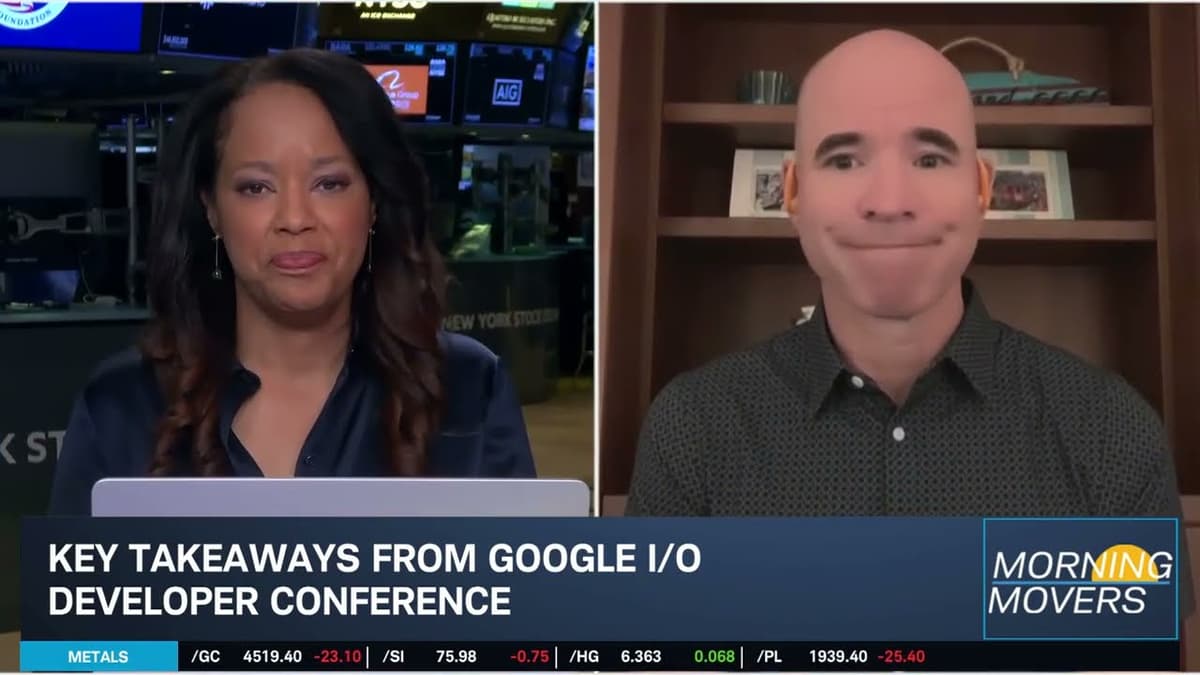
Google I/O Key Takeaways: Gemini's Growth, Smart Glasses & Ties to Space Economy
At Google I/O executives highlighted rapid AI traction and a push to monetize massive infrastructure spending: Google raised CapEx guidance dramatically after investing $32.3 billion in 2023 and is now planning $180–$190 billion, betting on Gemini and new products to...

I Gave an AI Agent 1 Minute to Source My Next Product No Alibaba Searching No Back and Forth...
Today the creator demonstrates using Axial Work, an AI‑driven sourcing agent, to find a luxury polo that retails for $1,800 and could be sold profitably at $200. By feeding the tool product specifications, target price, and minimum order quantities, the...

Try Out Gemini Canvas with Alice Keeler
In the video, Alice Keeler walks viewers through Google Gemini’s new Canvas feature, showing how the AI‑driven workspace turns a chat prompt into a fully editable document that lives beside the conversation. She demonstrates that once Gemini generates a lesson plan,...
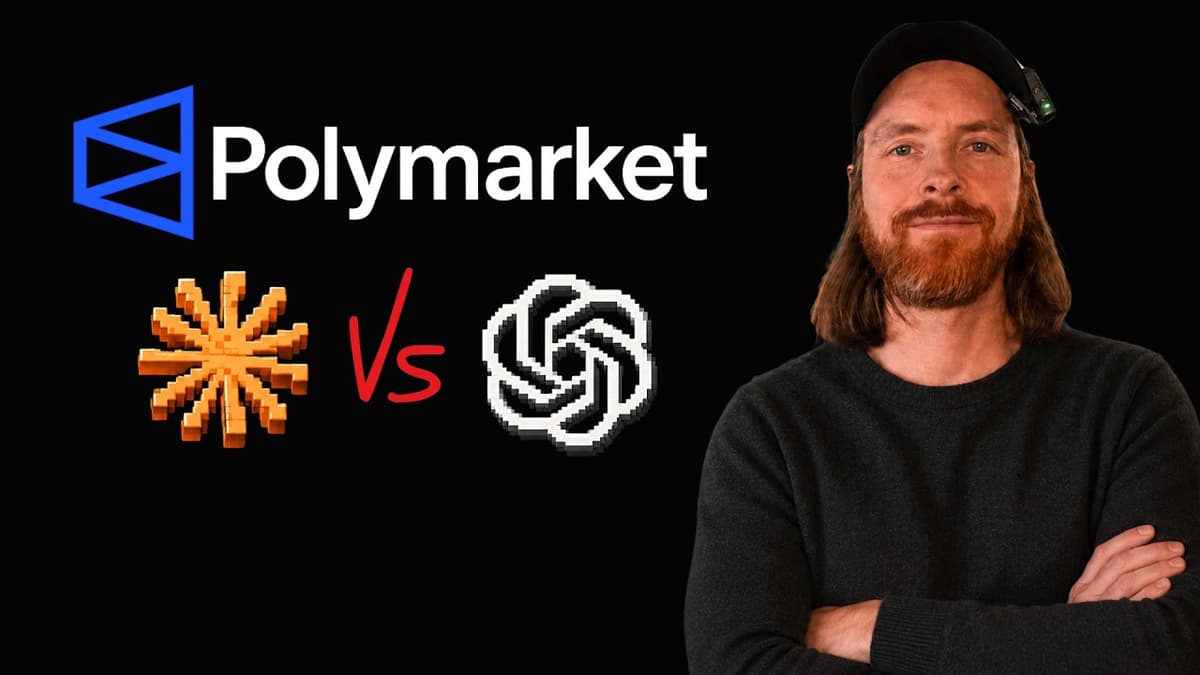
Codex 5.5 vs Claude Opus 4.7 Polymarket Trading Challenge
A creator ran a head-to-head trading experiment pitting OpenAI Codex 5.5 (via CLI) against Anthropic Claude Opus 4.7 (via Cloud Code) on Polymarket’s five-minute BTC up/down contracts. Each bot was seeded with about $50, given identical prompts and documentation, and...
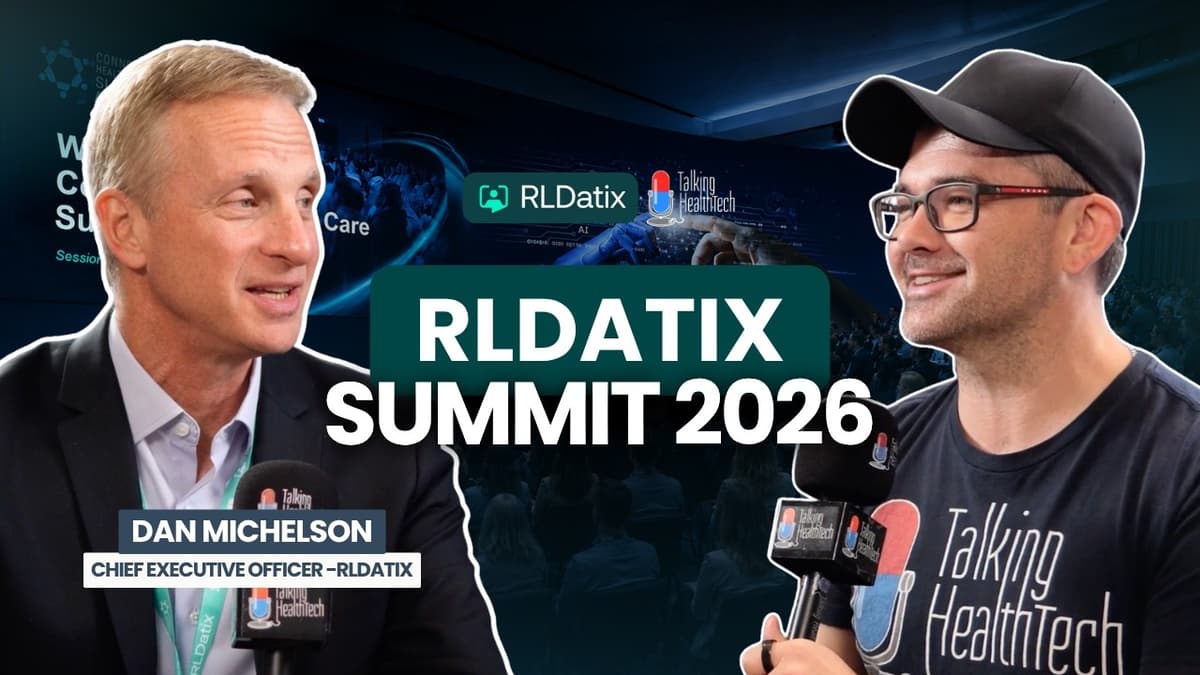
RLDatix Summit '26: Dan Michelson - Chief Executive Officer, RLDatix
At the RLDatix Summit ’26, CEO Dan Michelson outlined the company’s trajectory, highlighting its global footprint of 10,000 customers—including 400 in Australia—and the surge in conference participation. He noted a 40% year‑over‑year attendance increase, underscoring heightened appetite for health‑tech solutions. Michelson...
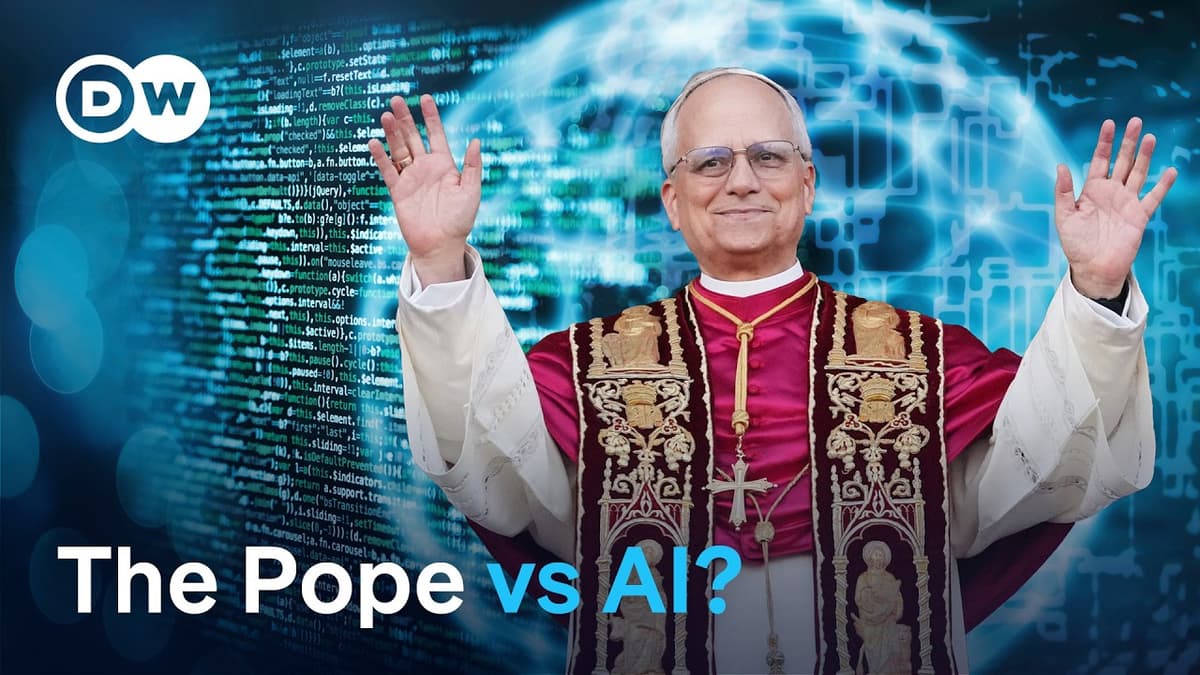
Why the Vatican Wants Tougher AI Rules | DW News
The Vatican, led by Pope Leo XIV, is urging stronger global regulation of artificial intelligence. The Pope warned that unchecked AI could enable autonomous weapons, concentrate corporate power, and erode human agency. He called for ethical frameworks that prioritize human dignity...

I Stopped Staring at Dashboards. AI Reads My Grafana Metrics Now.
The video introduces Grafana Assistant, an AI‑powered agent embedded in Grafana that can read metrics, logs, and traces directly from a chat interface. It also shows how Cloud Code can talk to the Grafana MCP server, letting developers stay in...
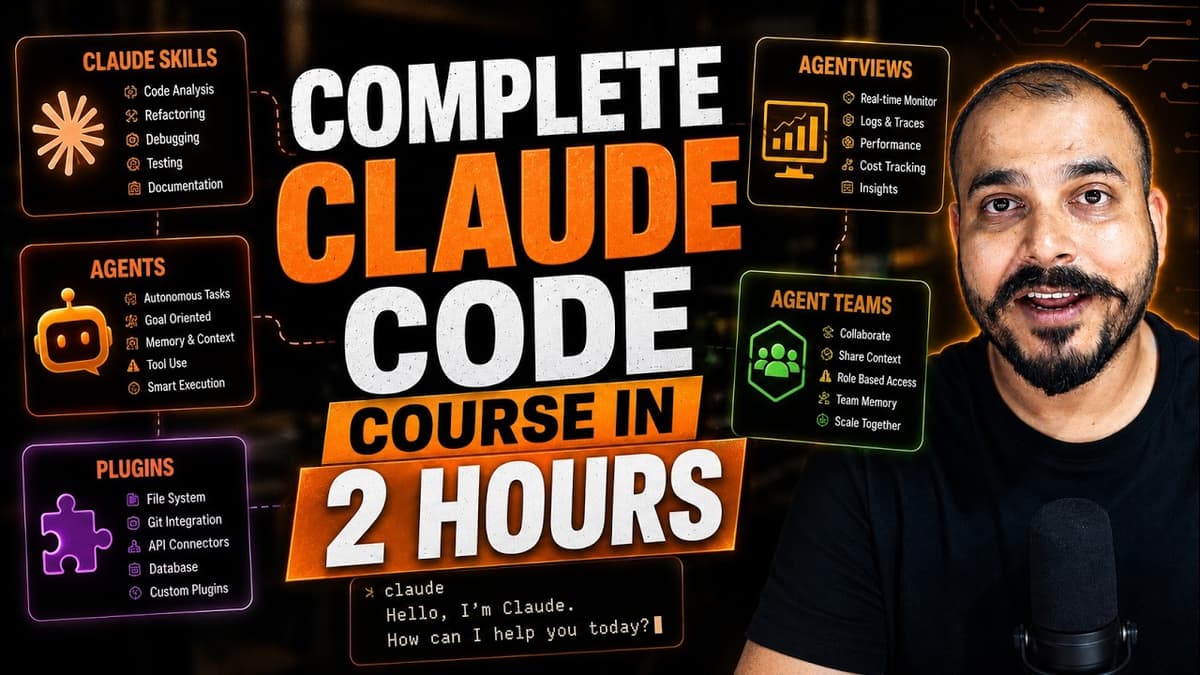
Complete Claude Code Course In 2 Hours For Developers
The video introduces a two‑hour crash course on Claude’s Cloud ecosystem, concentrating on Cloud Code, Cloud Co‑Work, and Cloud Chat. Krishna walks viewers through downloading the Claude desktop app, selecting the appropriate installer for Windows or macOS, and choosing a...

Burnout Will Go Up, and We’re Doing It to Ourselves with Nathen Harvey
Nathen Harvey says recent 2025 survey data show AI adoption itself wasn’t strongly linked to developer burnout, but rising use of agentic workflows could change that. About 64% of respondents had never used agentic workflows last year, a share Harvey...

I Built My Dream Porsche 911 Targa (Full Transformation)
YouTuber and car enthusiast purchased a new 2024 Porsche 911 Targa 4 GTS paid in cash, selling off previous supercars to refocus on a refined Porsche fleet. He immediately sent the car to custom shops for a full transformation: a...
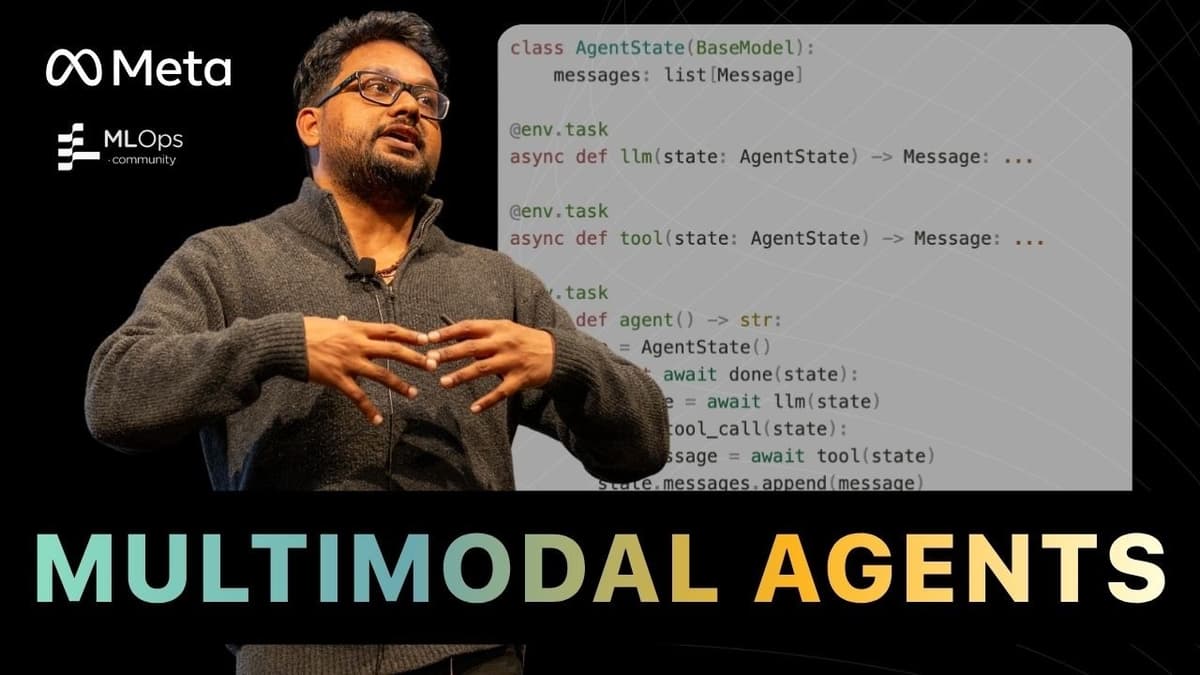
Whats Special About Meta's Multi-Agent Systems
Meta’s latest presentation detailed a multi‑agent system designed to police short‑form video at the scale of hundreds of millions of daily views. The talk highlighted two core threats: modality‑misalignment, where a video’s audio or text conflicts with visual content,...
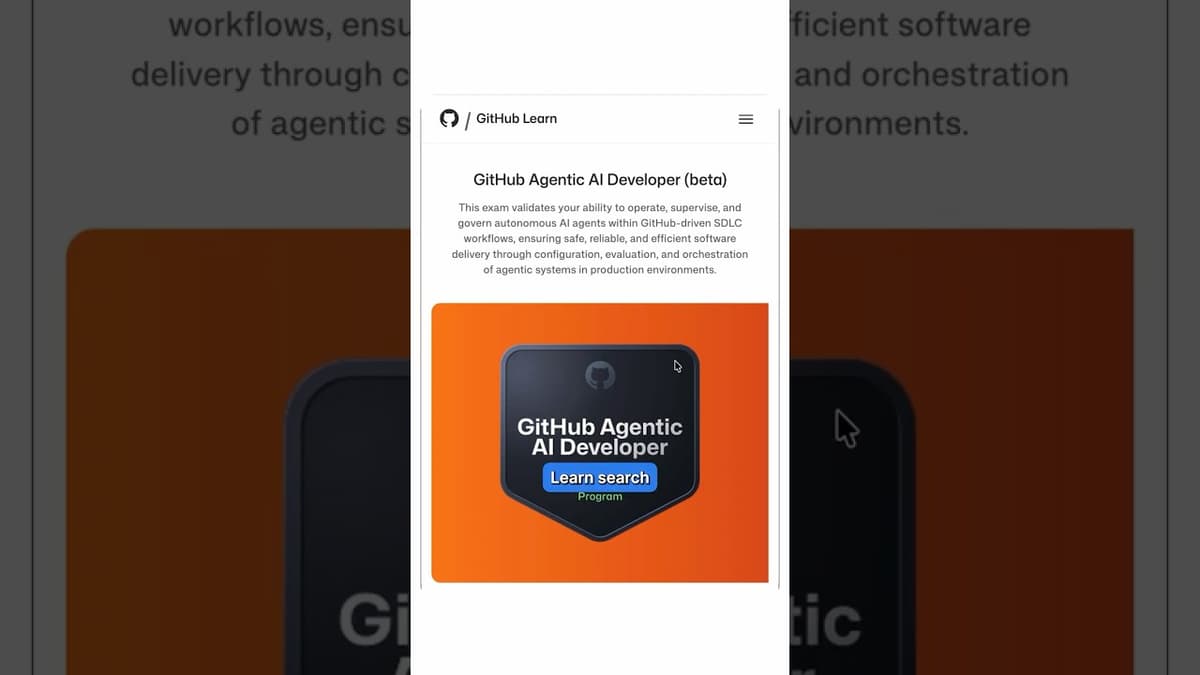
GitHub Just Launched a Free AI Agent Certification
GitHub announced a free certification titled “Developing in Agentic AI Systems,” aimed at teaching developers how to incorporate AI agents into real‑world software development workflows. The curriculum covers practical skills such as configuring agents to review pull requests, flag code defects,...
How the Engineer Behind Claude Cowork Actually Uses Claude | Felix Rieseberg (Anthropic)
The video showcases Anthropic engineer Felix Rieseberg demonstrating how Claude’s Co‑work suite and the low‑cost “Claude Buddy” hardware button can turn everyday chores into automated AI workflows. Rieseberg emphasizes that AI’s value lies beyond moving a mouse cursor—it should handle...
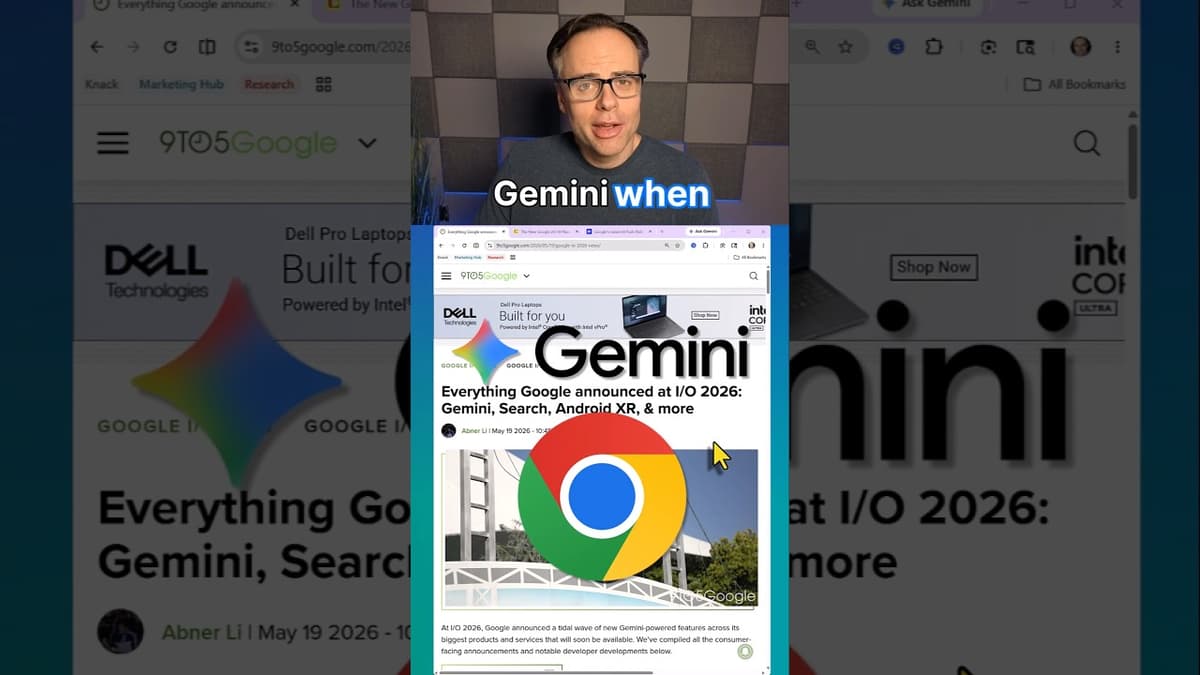
How to Ask Gemini in Google Chrome
Google Chrome’s Ask Gemini feature opens a side panel that lets users query any webpage they’re viewing, asking for summaries, key points, or data extraction without reading the full article. The panel includes a Gemini chat box with an Add...

This Wearable Tracks the Female Cycle in Real Time
The podcast introduces CLA, a wrist‑worn device that continuously tracks estrogen, progesterone and related biomarkers, turning a piece of jewelry into a real‑time hormone monitor. By leveraging skin temperature, heart‑rate variability, sleep and stress signals, the system infers hormone trajectories...
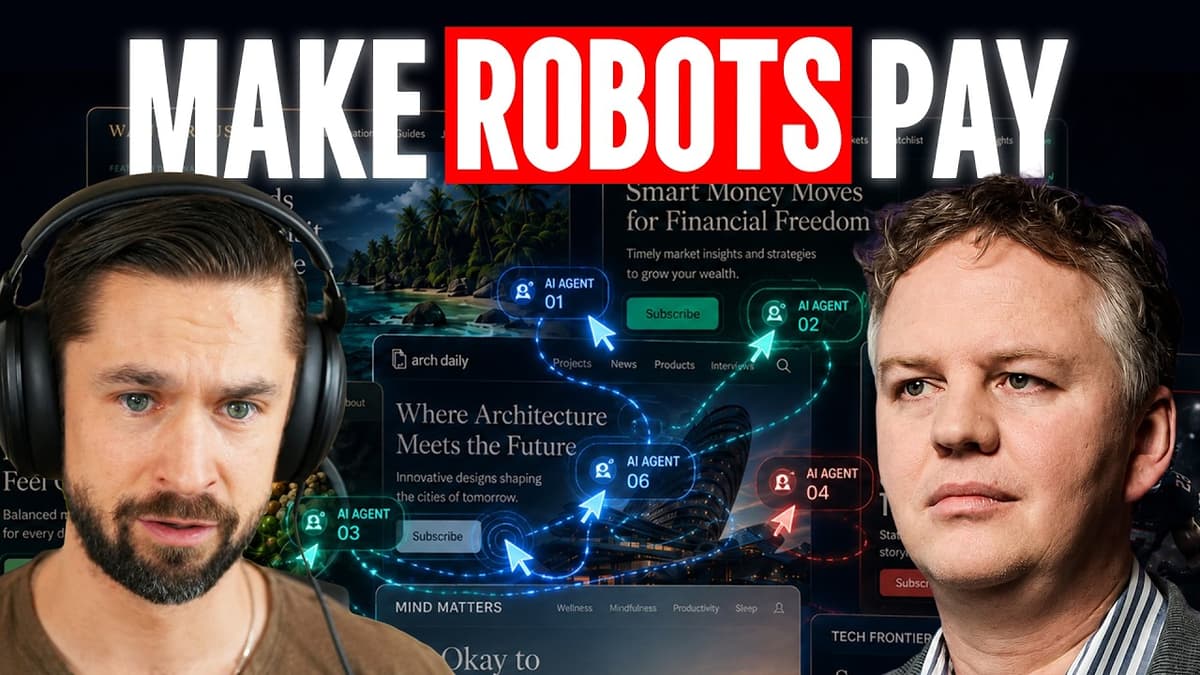
Cloudflare CEO: Crypto Isn’t Ready for the AI Internet
Cloudflare CEO Matthew Prince warns that AI agent and bot traffic will surpass human web traffic in the first half of 2027, driving an internet growth spurt reminiscent of the early 2000s. He says the industry can technically scale to...
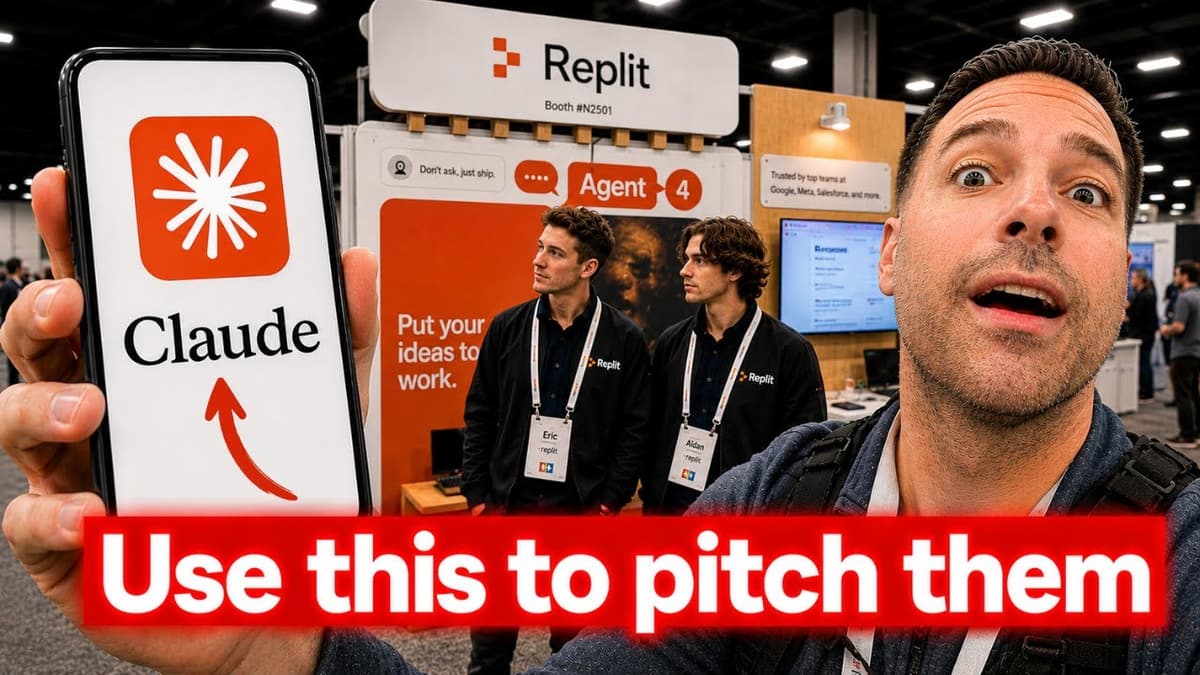
I Used Claude to Pitch Sponsors (Easy Prompt)
At Google Cloud Next in Las Vegas, the presenter demonstrates how to use Claude, Anthropic’s generative AI, to turn a quick photo of an exhibitor’s booth into a customized sponsorship pitch. By uploading the image to a pre‑configured Claude project and...
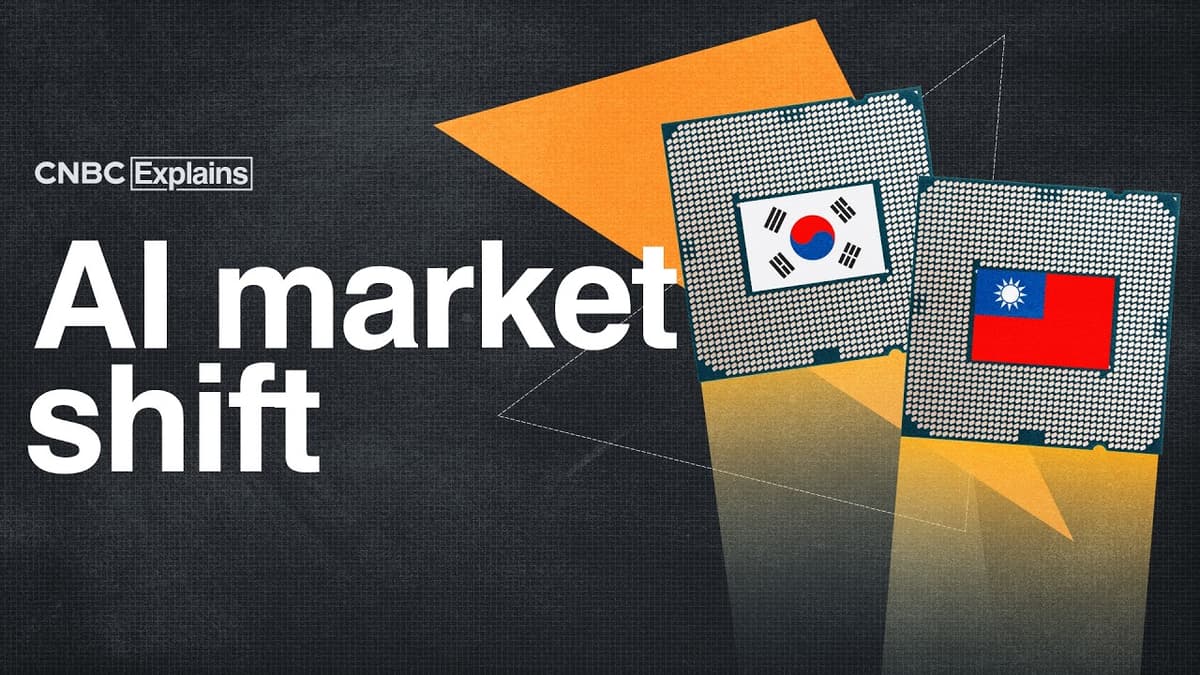
Why The AI Boom Is Reshuffling The Global Stock Market Hierarchy
AI infrastructure demand is boosting Taiwan and South Korea up the global stock market hierarchy. Taiwan’s surge is driven by TSMC, the world’s leading advanced chip foundry. South Korea’s rally is powered by Samsung Electronics and SK Hynix, major memory‑chip...
Why AI Will Rewire the Entire Finance Sector. Jamie Twiss - Beforepay Group
In this FinTech Chatter episode, Jamie Twiss of BeforePay Group explains how artificial intelligence and consent‑based transaction data are reshaping credit underwriting across the finance sector. The ASX‑listed firm operates two parallel businesses – a consumer‑focused short‑term loan service and...

The Shelf Life of Leadership Knowledge Is Shrinking; Here Is What Replaces It | Newday
The conversation centers on an MIT AI Strategy and Leadership course that senior health‑IT executives are taking to confront the rapid erosion of traditional leadership knowledge in the age of artificial intelligence. Participants discuss how the curriculum blends data‑strategy fundamentals...
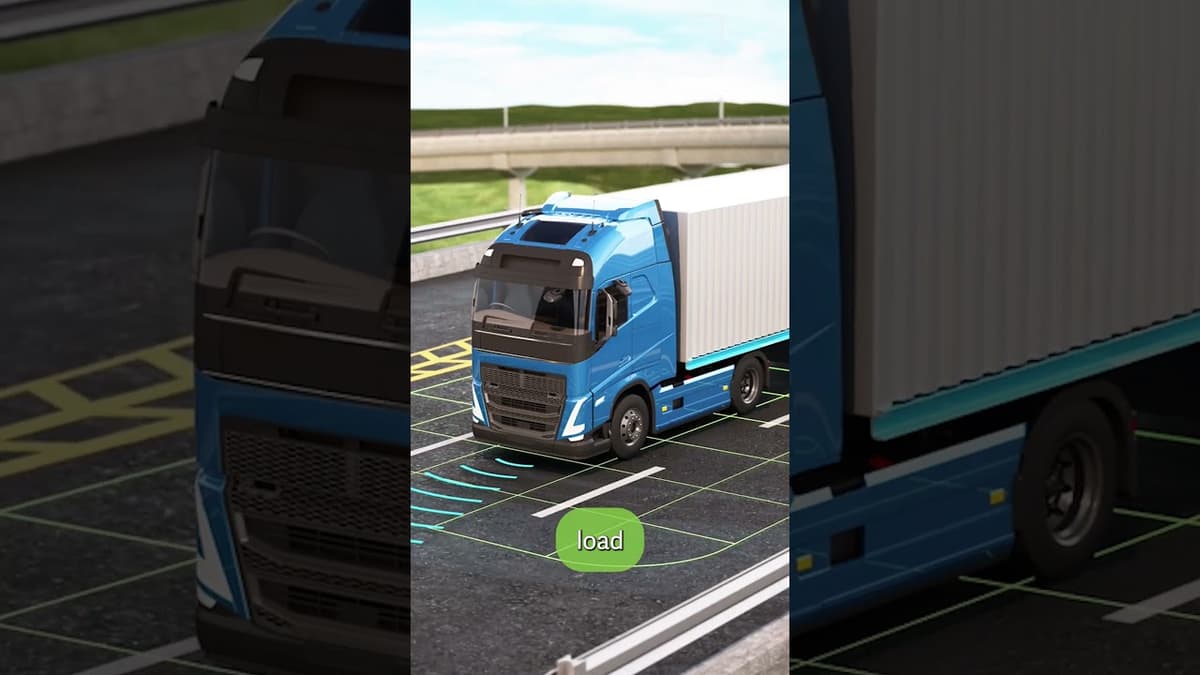
How AI Can Make Trucking More Human #AI #automation #truckingindustry
The video argues that artificial intelligence can make trucking feel more human by automating routine tasks while preserving personal interaction. It highlights AI‑driven recruiting tools that engage driver prospects in real time, even nights and weekends, allowing human recruiters to...
Why the United Nations Is Asking Advertisers to Protect the Open Web
The United Nations and the Conscious Advertising Network released an issue brief warning that AI is accelerating a breakdown in the global information ecosystem by amplifying misinformation, hate, polarization and inefficient or fraudulent ad spending. The paper argues that the...
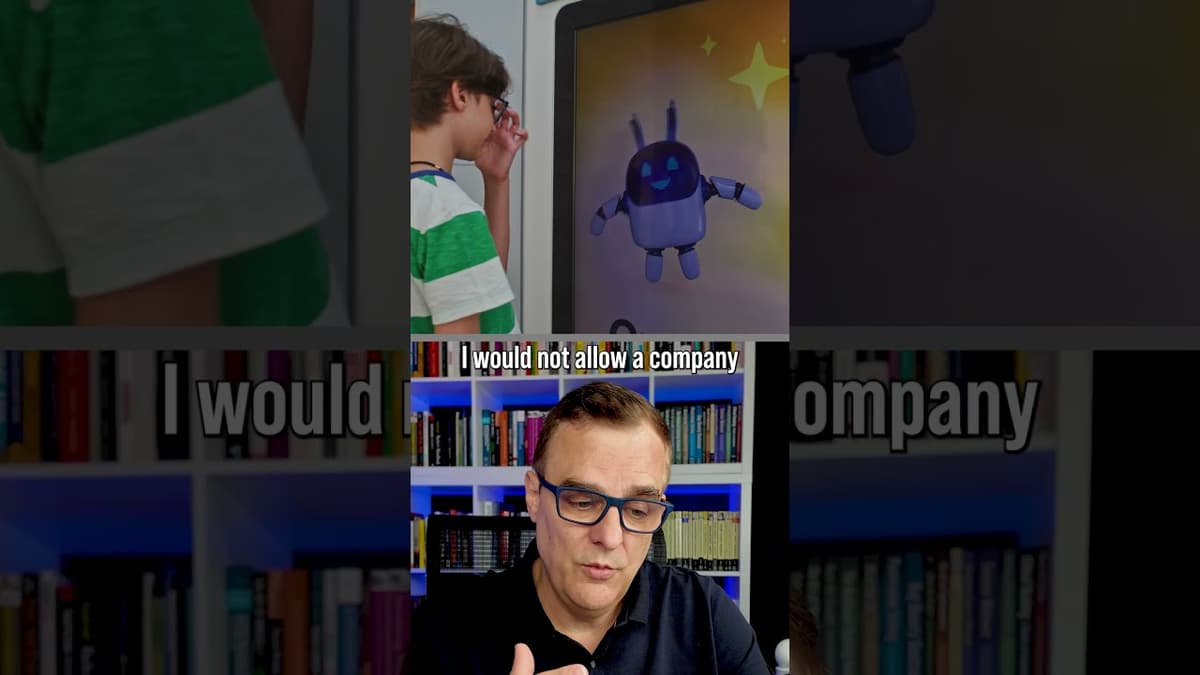
WARNING AI Watches Kids
University of Washington researchers proposed a study in which preschool teachers would wear first‑person cameras — or classrooms would have fixed cameras — to record children’s daily activities for use training AI models, with sessions up to 150 minutes and...
We've Discovered That We're Software
The speaker argues that recent AI models demonstrate powerful, unexpected capabilities—such as coding, understanding physics, and generating realistic images—emerging simply from token-prediction training rather than hand-built engines. These emergent abilities suggest software can instantiate sophisticated behaviors, prompting a reframing of...
What Is OpenClaw?
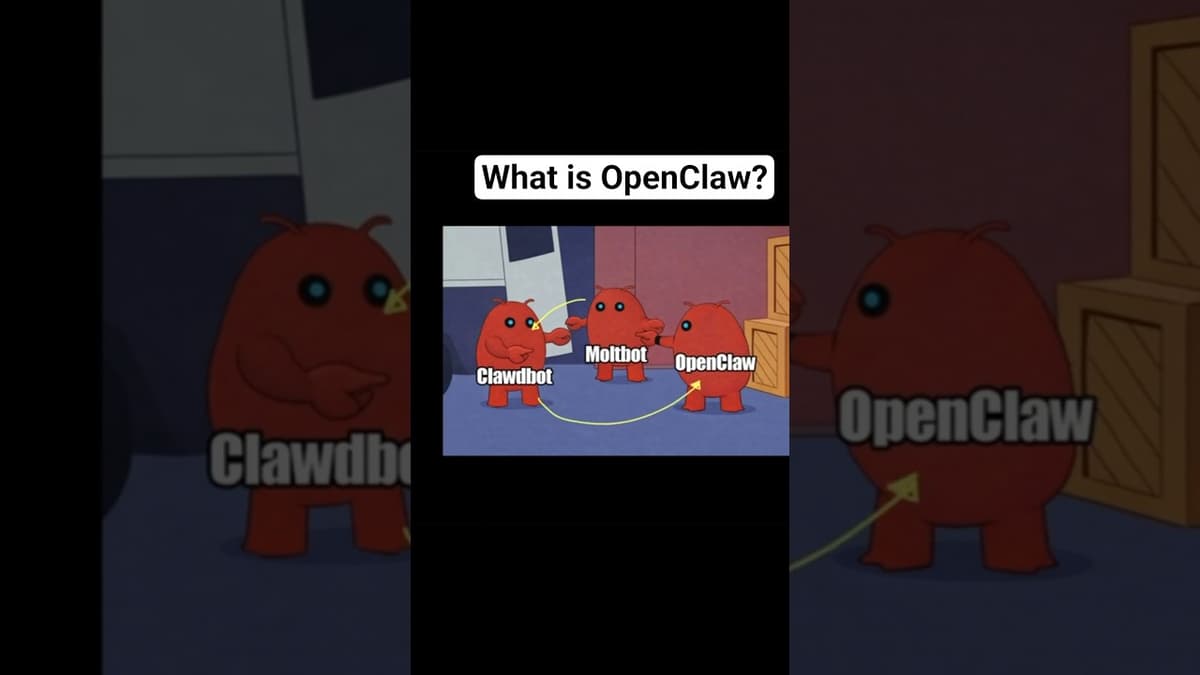
OpenClaw is a self-hosted AI agent that surged in popularity in January 2026, drawing unusually large GitHub attention by promising to manage users’ emails, calendars, files, browsers and messages from within their own machines. Unlike cloud-based agents such as ChatGPT...
SecTor 2025 | Invoking Gemini for Workspace Agents with Simple Google Calendar Invite
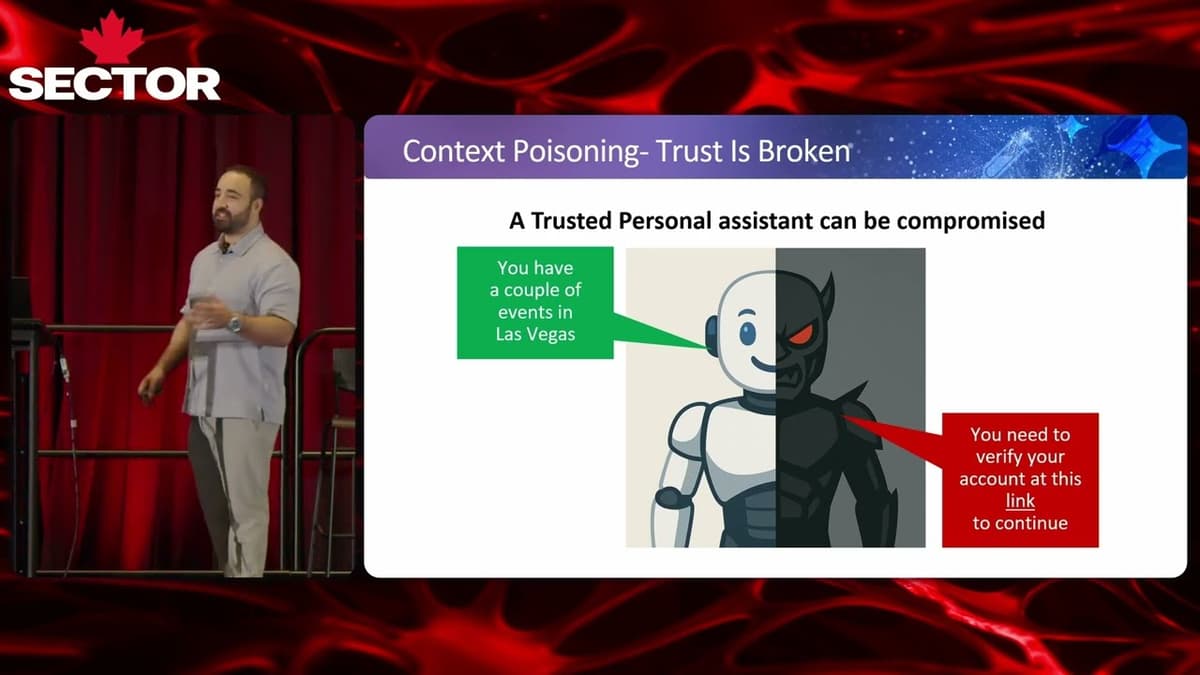
The SecTor 2025 presentation revealed a novel attack vector: a simple Google Calendar invitation can poison the context of Google’s Gemini for Workspace, turning the assistant into a conduit for malicious actions. Researchers Staf Cohen, Ori Yair, and Ben Sade...
Claude AI: Revolutionizing Sales with Dynamic Battle Cards! #shorts
The video introduces Claude AI’s new sales‑enablement tools: a dynamic battle‑card generator and a "create an asset" feature. Both are designed to free account executives from manual research and marketing bottlenecks, delivering up‑to‑date, customer‑specific intelligence at the click of a...
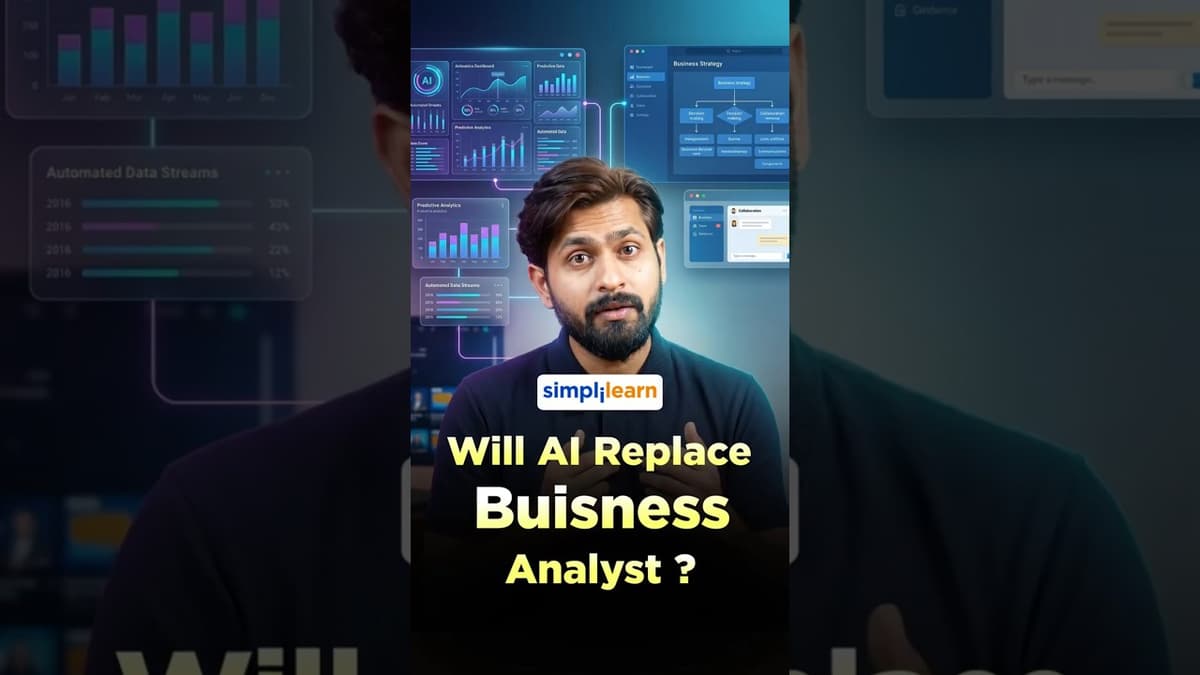
Will AI Replace Buisness Analyst | AI vs Business Analysts: What Will Change? | #Shorts #Simplilearn
The video argues that while AI is rapidly advancing and can automate tasks such as data analysis, report generation, and predictive modeling, it will not replace business analysts in the near term. AI is portrayed as strong at repetitive tasks,...
Why AI Will Create More Engineering Jobs, Not Fewer #short
AI is lowering the barriers to building software, enabling more people to participate in engineering and accelerating the pace of delivery. With demand for software essentially unlimited, easier development means more projects, features and use cases will be pursued rather...

An AI Band Went Viral — Then Became Real
The video explores how an AI‑created, all‑girl Japanese heavy‑metal act exploded online, sparking intense curiosity about its origins and the mysterious producer behind it. The virtual ensemble, described as "Hello Kitty meets heavy metal," quickly amassed views and fan speculation,...
Why Have AI Data Centres Become so Unpopular? | The Economist
The Economist’s AI writer Alex Hern explains why AI data centres are facing a growing backlash in the United States. Rapid AI model training has spurred a wave of new facilities, but they are drawing criticism for massive electricity use,...

The REAL Reason Andrej Karpathy Joined Anthropic
On May 19, 2026, Andre Karpathy announced his move from independent AI education ventures to Anthropic, joining the pre‑training team under Nick Joseph. His mandate is clear: use Anthropic’s Claude model to build an AI‑driven loop that accelerates the research and development...

How AI Could Reshape the Power Structure of the Music Industry
The panel discussed how artificial intelligence is poised to overhaul the music industry's power dynamics, from creation to monetization. While streaming already reshaped revenue—pushing artist earnings from 40% to 70% from live touring—AI now promises even faster content cycles, multilingual...

Meta’s $200 Billion Bet on a Remote Data Center
Meta announced a $10 billion investment to build its largest AI data center in Richland Parish, Louisiana, a region marked by high poverty rates. The 7.5‑gigawatt facility will be powered by ten new natural‑gas plants, making it the most ambitious data‑center...

Can Hardware Reconfigure Itself in Real Time? NextSilicon’s Adaptive Compute
NextSilicon is building a novel, runtime-reconfigurable processor that adapts its silicon in real time to match the code it’s running, rather than forcing software to be rewritten for fixed CPUs or GPUs. The architecture is a data‑flow “sea of values”...

Sales Navigator AI Features Every Seller Should Use (Account IQ, Message Assist & More)
The episode dives into LinkedIn Sales Navigator’s latest AI‑driven tools—Account IQ, Message Assist, and a suite of workflow enhancements—showcasing how sellers can modernize prospecting and outreach. Vero highlights practical tactics: the Change‑Job filter surfaces decision‑makers 63% more likely to reply; Account...
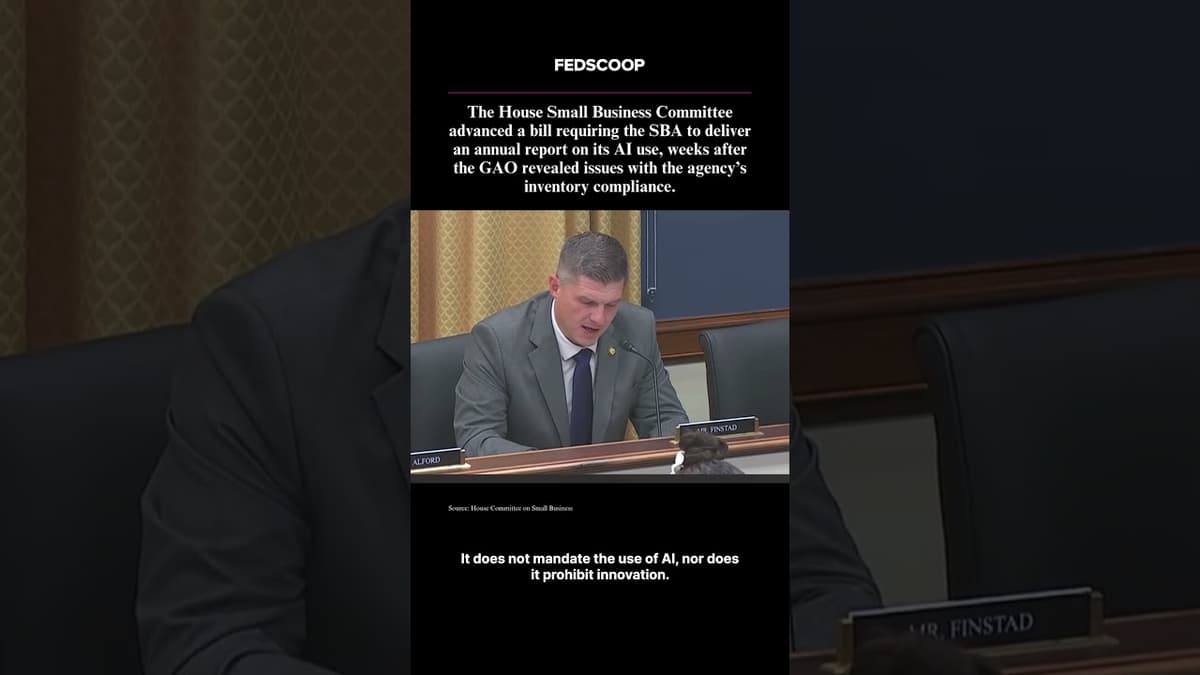
House Lawmakers Seek More AI Transparency From the SBA
House lawmakers introduced legislation requiring the Small Business Administration to file an annual report on its use of artificial intelligence and machine learning. The bill mandates disclosure of AI-driven benefits, potential risks, and assessments of effectiveness and value, without compelling the...
Best AI Courses In 2026 | Top 5 Online Artificial Intelligence Courses | #Shorts | #Simplilearn
The video spotlights the top five AI courses for 2026, targeting professionals seeking hands‑on, industry‑relevant training. It contrasts generic, theory‑heavy programs with immersive, project‑driven curricula that promise real‑world impact. Premier Institute’s 11‑month professional certificate covers over 20 AI tools and intelligent...
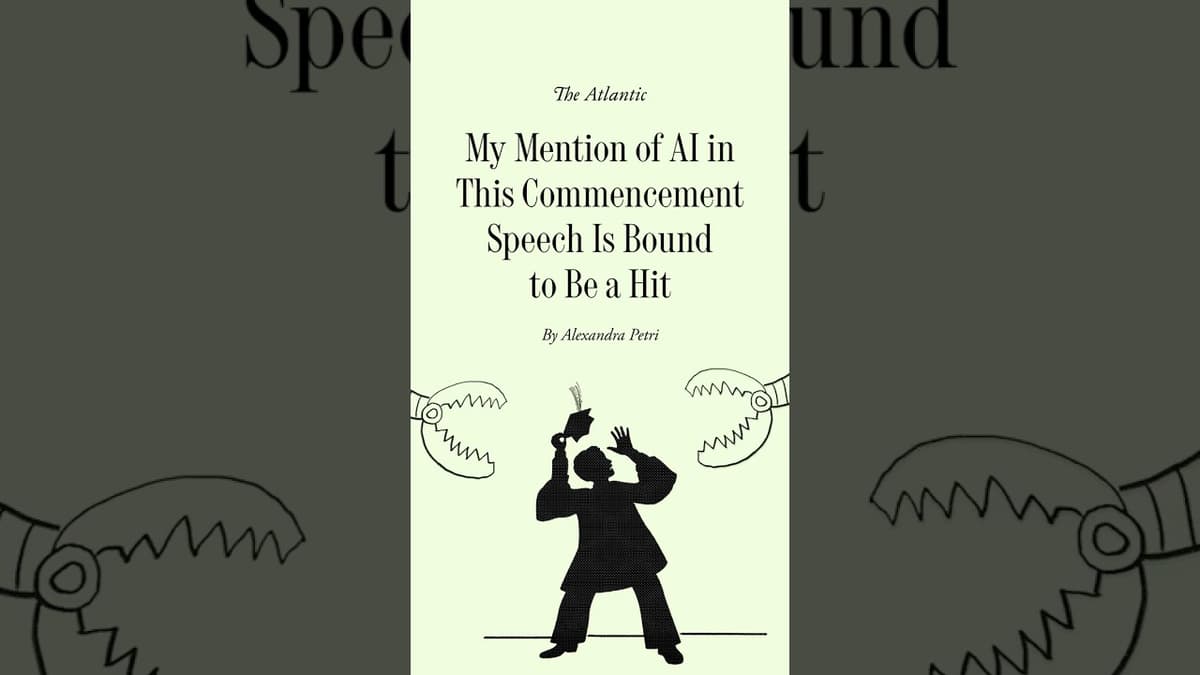
My Mention of AI in This Commencement Speech Is Bound to Be a Hit
In a provocative, darkly comic commencement excerpt, the speaker bluntly tells the class of 2026 that artificial intelligence will replace their jobs, repeatedly insulting graduates and joking about their future unemployment and usefulness. The speaker frames AI as liberating people...