Today's Biohacking Pulse

Gut microbes may dictate cellular aging, new review suggests
A Frontiers in Aging review introduces the microbiome‑gerogene axis, proposing that gut microbes act as upstream regulators of cellular aging networks. Age‑related dysbiosis reduces key metabolites, leading to leaky gut, chronic inflammation and epigenetic drift that accelerate organ decline. The authors highlight precision interventions such as ellagitannin‑derived urolithin A and fermentable fibers to restore microbial balance.

How to Get Perfect Skin: A No-BS Lifter’s Guide
A dermatologist explains that there is no such thing as a healthy tan, emphasizing that any UV exposure triggers skin damage that accumulates from childhood into later years. Daily use of broad‑spectrum SPF 50 sunscreen is sufficient for most office workers, remaining about 84% effective after an eight‑hour day. The expert also critiques the skincare industry, noting opaque ingredient labeling and the limited value of most over‑the‑counter products beyond basic moisturization and targeted acne treatments. Overall, a minimalist routine—sunscreen, moisturize, healthy diet—outperforms costly hype for long‑term skin health.

The Gut-Fatigue Connection: Is Your Digestion Making You Tired?
In this episode the host explores the emerging link between chronic fatigue—including Myalgic Encephalomyelitis/Chronic Fatigue Syndrome (ME/CFS)—and gut health, emphasizing how gut dysbiosis may drive persistent exhaustion. They explain the gut microbiome as a complex ecosystem, using a garden metaphor...
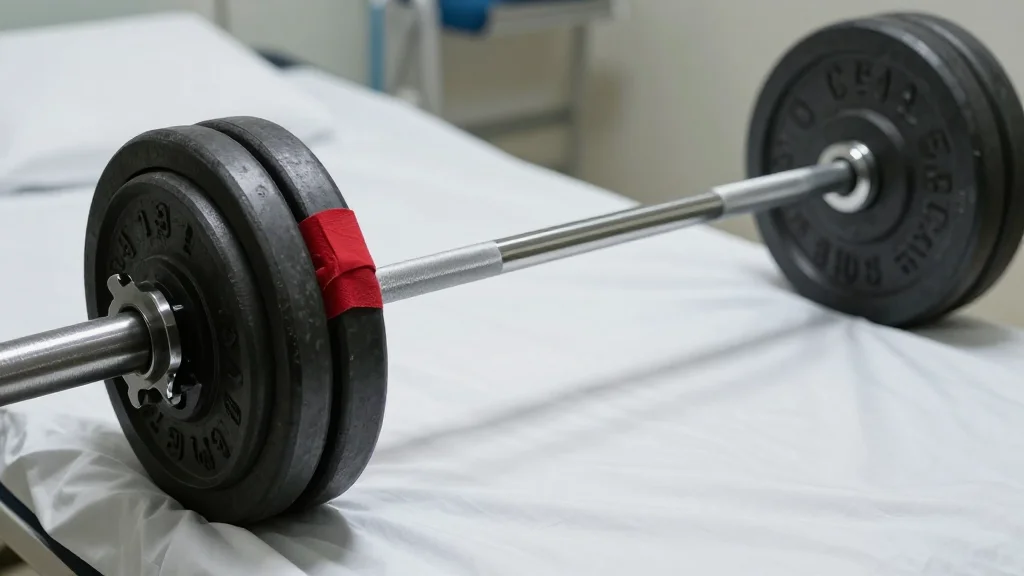
The Iron Mindset: Navigating the Mental Battlefield of Major Injury Recovery
The article explores the psychological battlefield elite lifters face after major injuries, emphasizing that physical healing alone is insufficient without a structured mental strategy. It outlines an identity shift from performance‑based self‑worth to broader personal value and introduces the “Spiral...
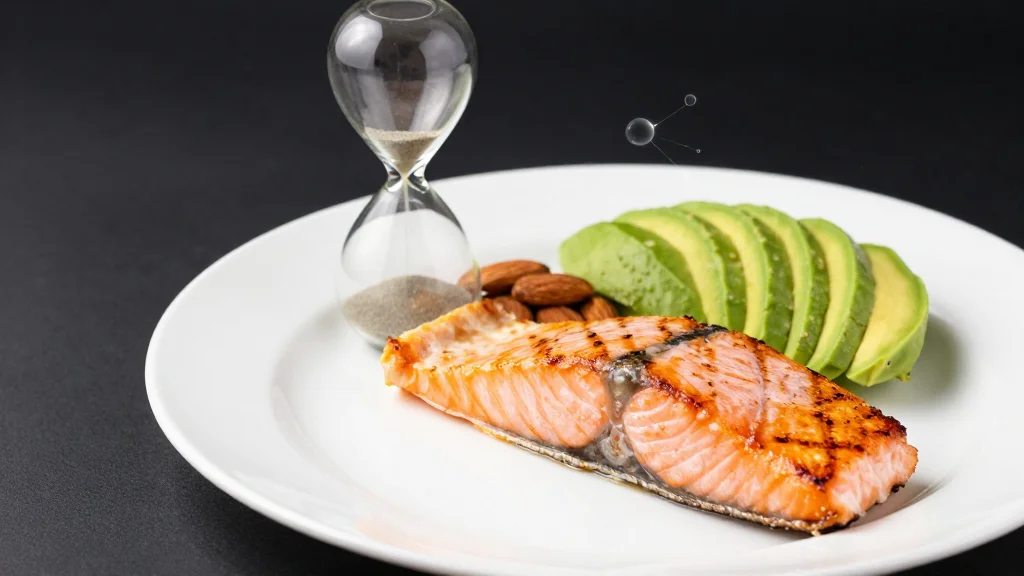
We’re Not Sick. We’re Being Sold | David Etheridge
In this episode, Dr. Robert Lovekin interviews author David Etheridge about his book *We’re Not Sick, We’re Being Sold*, which argues that the food and pharmaceutical industries have distorted nutrition advice, leading to widespread chronic disease. Etheridge shares his personal...

Why Weight Training With Full ROM Is NOT Enough for Mobility
Weight training performed through a full range of motion does not automatically provide comprehensive mobility. While heavy squats and deadlifts can improve certain joint angles, they often fall short on deep hip flexion, ankle dorsiflexion, and thoracic extension. Targeted mobility...

New Research Shares the Simple Lifestyle Tweak to Boost Longevity
A new Lancet study of over 135,000 adults in the US, Sweden, Norway and the UK found that adding just five minutes of moderate‑to‑vigorous activity each day could prevent roughly 10% of premature deaths. The researchers also modeled the impact...
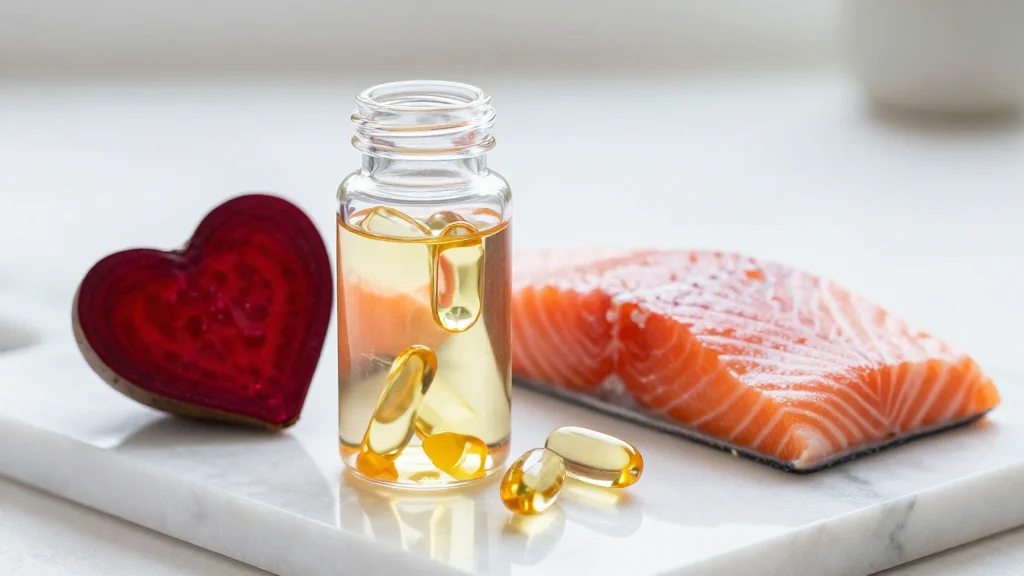
#596: Why Do Omega-3 Trials Show Mixed Results?
Omega‑3 supplementation trials produce mixed results due to differences in dose, population risk, and chosen endpoints. High‑dose EPA/DHA studies in secondary‑prevention cohorts with elevated triglycerides, such as REDUCE‑IT, show significant cardiovascular benefit, whereas lower‑dose primary‑prevention trials like VITAL and ASCEND...

Vagus Nerve, HRV and Gentle Movement: The Biology of Calm You’re Probably Not Activating
The post argues that chronic cortisol elevation, not cortisol itself, drives stress‑related health issues by keeping the HPA axis overactive. It highlights the vagus nerve’s role in shifting the nervous system toward parasympathetic dominance, measurable through heart‑rate variability (HRV). Gentle,...

Washington State Moves to Ban Forced Employee Microchips
Washington state lawmakers introduced HB 2303 to prohibit employers from requiring or coercing employees to receive subdermal microchip implants. The bill cleared the House and a Senate Labor and Commerce Committee with bipartisan backing and now heads toward final enactment....

Computer Run on Human Brain Cells Learned to Play ‘Doom’
Cortical Labs in Australia has upgraded its biocomputer, built from lab‑grown human neurons, to play the first‑person shooter *Doom*. The new CL1 platform translates visual game data into electrical stimulation patterns that the neuronal network can interpret, achieving adaptive, real‑time...

Simulations of Your Gut May Predict Which Probiotics Will Stick
Researchers have built microbial community‑scale metabolic models that simulate how specific probiotic strains behave in an individual’s gut. Using baseline microbiome data, the models predicted engraftment with 75‑80% accuracy and linked bacterial growth to health outcomes such as improved post‑meal...
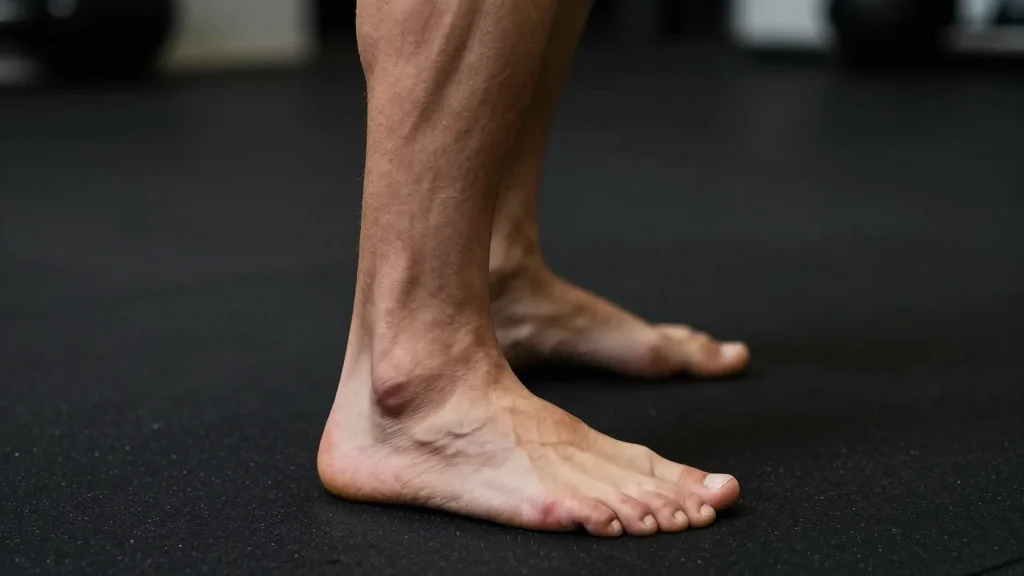
A Beginner's Guide to Building Bulletproof Knees
The article introduces a step‑by‑step system for building "bulletproof" knees by embracing the knees‑over‑toes position rather than avoiding it. It blends Louie Simmons’ concentric sled‑drag techniques with Charles Poliquin’s eccentric reverse step‑up methodology, culminating in chain‑loaded squats that match the athlete’s...
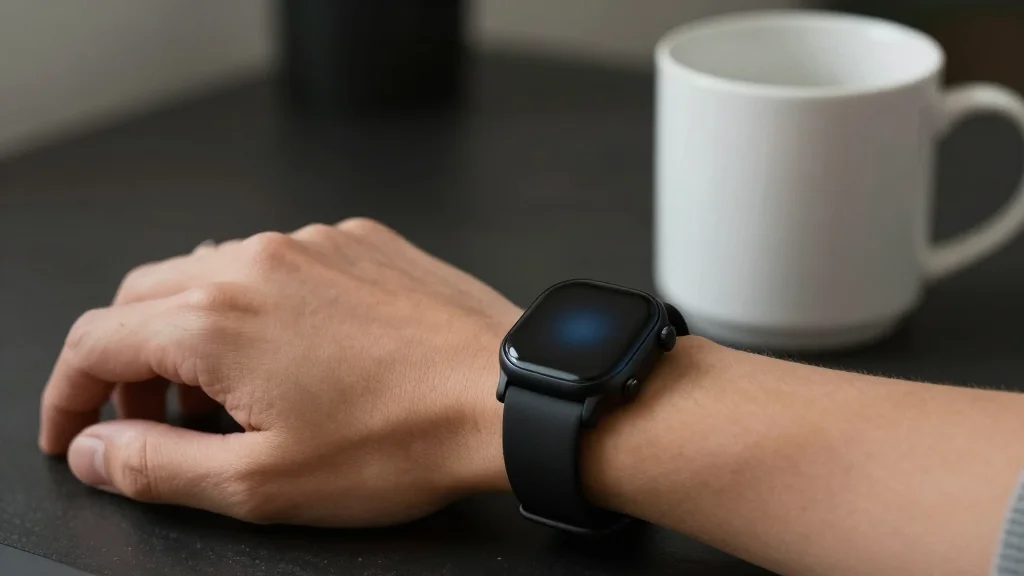
Why Tracking Your Sleep Is Your Ultimate Productivity Hack
The article argues that systematic sleep tracking is a powerful productivity lever, positioning sleep as the energy foundation for high performance. It outlines a low‑tech sleep journal as an entry point, then contrasts it with wearables that capture stages, heart‑rate...

#382 ‒ AMA #80: Longevity Optimization Through Strength Benchmarks, VO₂ Max Targets, Nutrition Principles, Brain Health, Supplements, GLP-1 RAs, Wearables,...
In this AMA episode, host Peter Atiyah answers listener questions on practical longevity strategies, covering strength metrics (relative strength, grip, lower‑body power), starter exercise routines for time‑pressed beginners, and the role of complex movement for brain health. He emphasizes normalized...
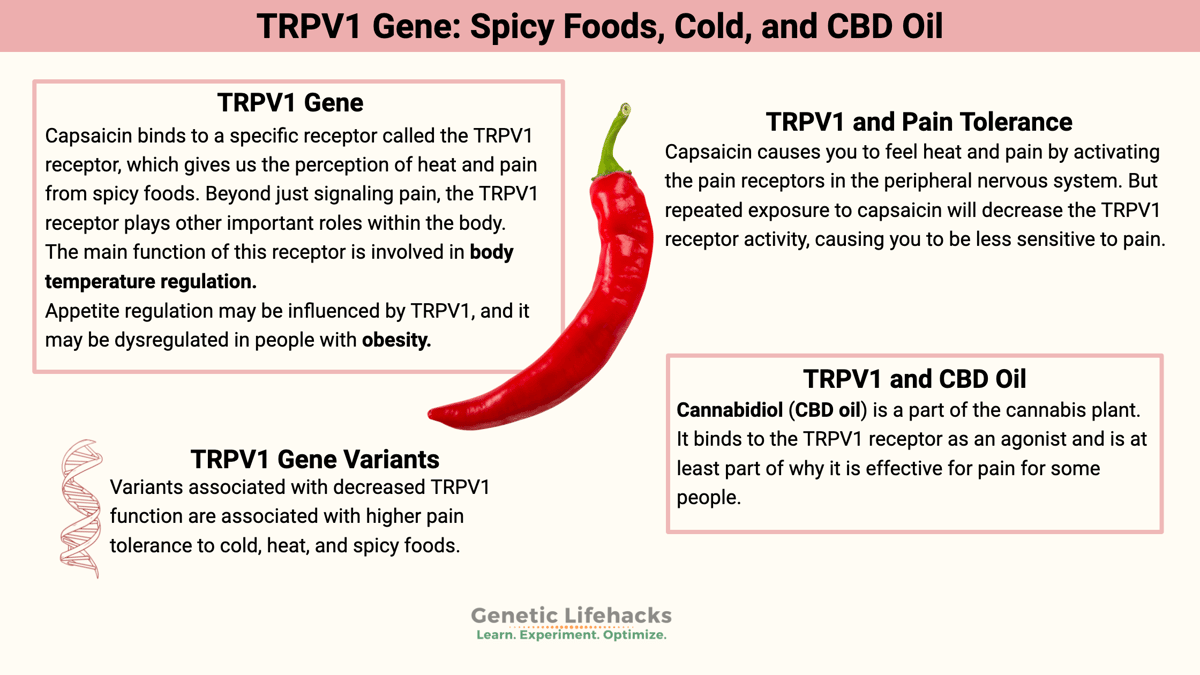
TRPV1 Gene: Receptor for Spicy Foods, Sensing Cold, and CBD Oil
The transient receptor potential vanilloid‑1 (TRPV1) is a heat‑sensing ion channel that also responds to capsaicin, acidic pH and a range of dietary compounds. Genetic variants shift activation thresholds, influencing how intensely people experience spicy foods, pain, and migraines. TRPV1...
Does Lowering Cholesterol Harm the Brain?
The brain houses about 20‑25% of the body’s cholesterol, yet it relies on local synthesis because circulating cholesterol cannot cross the blood‑brain barrier. Although some patients report transient brain fog on statins, large observational studies generally show neutral or even...
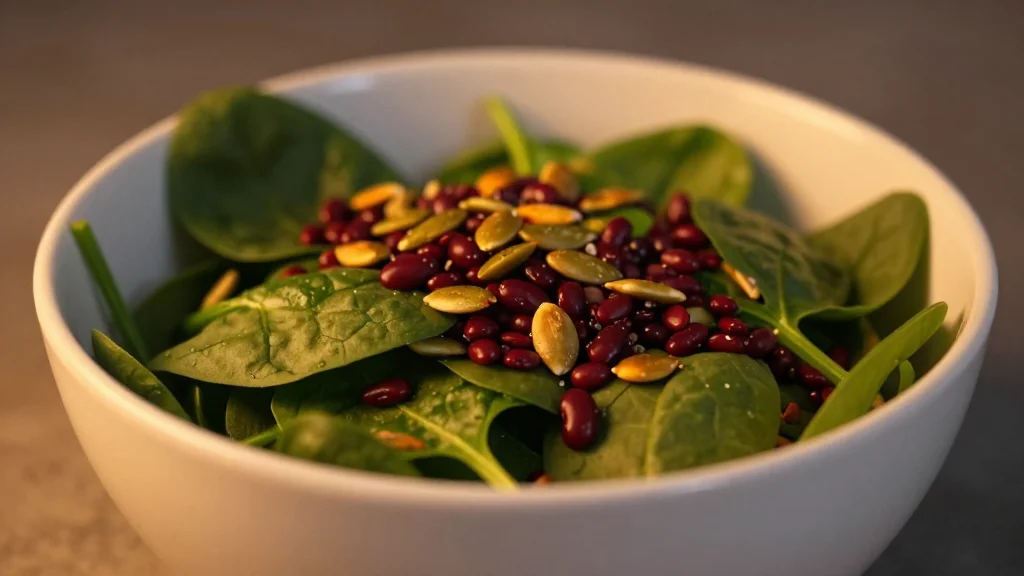
Scientists Discover Diet that Tricks the Body Into Burning Fat without Exercise
Scientists at the University of Southern Denmark discovered that restricting dietary methionine and cysteine triggers thermogenesis comparable to chronic cold exposure, leading to significant weight loss in mice. Over a week, mice on the amino‑acid‑restricted diet burned 20% more calories...

Why 80/20 Training Reduces the Risk of Injuries
The 80/20 training model prescribes 80 % low‑intensity and 20 % moderate‑to‑high intensity work, a formula that not only drives personal bests but also cuts injury risk for endurance athletes. By eliminating the “moderate‑intensity rut” (Zone X), the approach reduces chronic nervous‑system fatigue....

How to Maintain Healthy Stress Levels
University of Tilburg associate professor Mirela Habibovic introduces the “stress spectrum” in a concise video, explaining how stress ranges from low to high levels. She argues that short‑term spikes in stress can sharpen focus, boost motivation, and enhance performance, while...

A 5-Minute Workout for Bone Health and Longevity
A new five‑minute, high‑impact workout targeting bone health uses heel drops, squat jumps, and box‑drop jumps to deliver forces up to four times body weight. A 2024 meta‑analysis of 18 studies found jump training can improve hip bone mineral density...

There's No Such Thing As A Vitamin D Deficiency - Part 4
The 2024 Endocrine Society guidelines discard the notion of a vitamin D deficiency and limit supplementation to four specific groups: pregnant people, adults over 75, children under 18, and individuals with prediabetes. The series argues that robust evidence shows vitamin D pills...

Researchers Aim to Visualize Brain Activity at True Speed
Johns Hopkins researchers, led by Adam Charles, secured a four‑year, $2.7 million NIH grant to build an AI‑enhanced optical imaging system that can record brain activity 20 to 50 times faster than current methods. The platform will translate voltage spikes and...

Candida Biology, Pathogenesis, and Genetic Susceptibility
Candida species normally coexist harmlessly on mucosal surfaces, but immune disruption can trigger a shift to opportunistic infection ranging from mild thrush to invasive candidemia with mortality over 30%. Genetic variants in innate and adaptive pathways—such as CARD9, Dectin‑1, and...
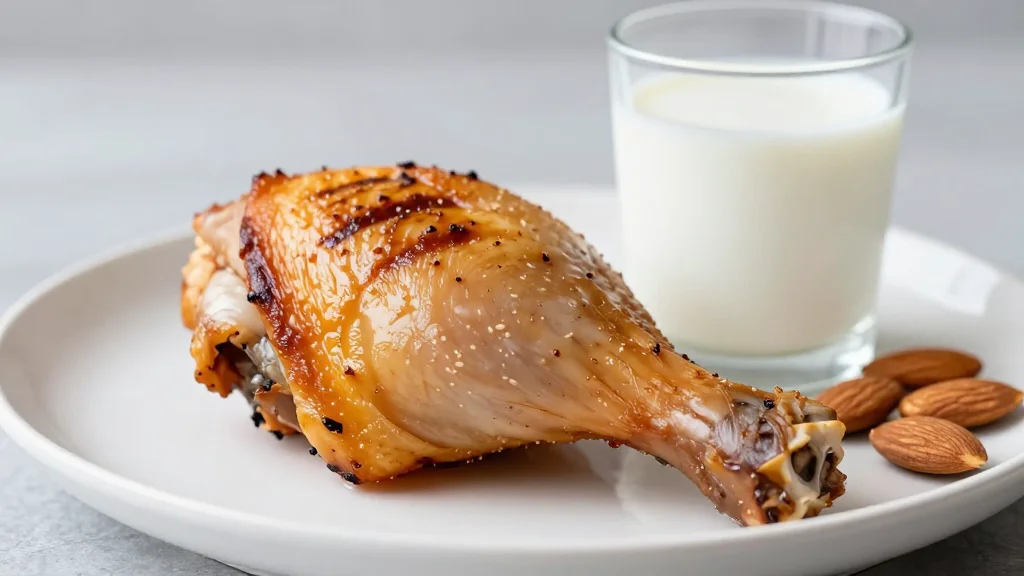
Study Finds Vegetarians over 80 Less Likely to Reach 100
A longitudinal study of more than 5,000 Chinese adults aged 80 and older found that non‑meat eaters were less likely to become centenarians than meat eaters. The disparity was confined to participants who were underweight, while those of normal weight...

NAD+ Supplements: Can They Really Slow Down Aging?
NAD+ supplements contain precursors that the body converts into the essential coenzyme NAD, which supports cellular energy production. The market promotes these products as anti‑aging and energy‑boosting, but the actual molecule cannot be absorbed directly, so formulations rely on nicotinamide...
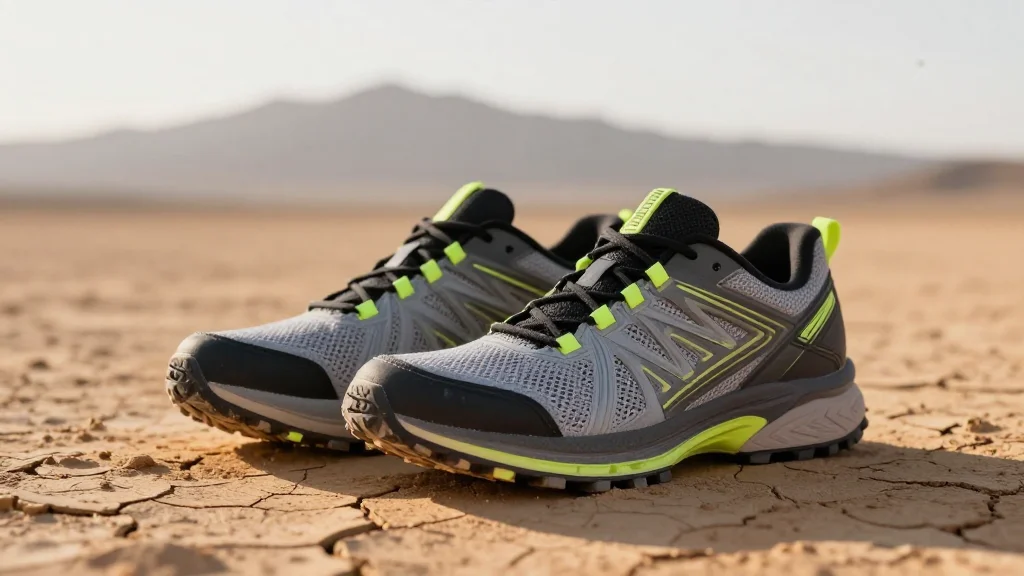
Coaching Molly Seidel: Translating Marathon Fitness to Ultramarathon
CTS coach Cliff Pittman guided Olympic marathoner Molly Seidel through her first 100 km at Black Canyon using a Minimum Effective Change model. Rather than adding mileage, the plan kept total volume steady while increasing run density and emphasizing back‑to‑back long...

Can Baking Soda Fight the Effects of Altitude?
The article discusses a recent study testing Maurten’s hydrogel‑encapsulated sodium bicarbonate (baking soda) on trained cyclists performing a 40‑kilometre time trial at simulated 1,850 m altitude. Results showed an average 1.2 % faster finish (63:29 vs 64:15) with baking soda, and the...
255: Rob Sweetman, Former Navy SEAL, MBA, Sleep Scientist: Sleep Isn’t a Luxury: A Former Navy SEAL on Sleep,...
In this episode, former Navy SEAL and sleep scientist Rob Sweetman discusses how chronic sleep deprivation undermines military readiness, first‑responder health, and overall resilience. He shares his personal journey from a SEAL who was taught to ignore sleep to a...
Scams, Safety, and “Sure-Things” In the Endurance Supplements World
Endurance athletes face a supplement landscape riddled with hype, hidden ingredients, and contamination risks that can jeopardize health and lead to doping violations. The article outlines a practical framework that first reduces risk through third‑party testing and simple product choices,...

Artificial Intelligence (AI) in Sports Nutrition
Artificial intelligence has become embedded in daily sports nutrition workflows, from wearable readiness scores to automated meal‑plan generators. The technology excels when problems are well‑defined, data are accurate, and outcomes are objective—exemplified by AI‑driven endurance nutrition planning and real‑time analysis...

Watts Doc #62: Setting Up Your N=1 Training Experiment
In Watts Doc #62, hosts dive into how cyclists can design and run their own n=1 training experiments, covering the fundamentals of hypothesis formulation, data collection, and analysis. They walk listeners through selecting variables, establishing baselines, and using tools like...

Health Benefits of Bell Peppers
Bell peppers are low‑calorie, nutrient‑dense vegetables that provide high levels of vitamin C, vitamin A, fiber, and antioxidants. Research links compounds such as beta‑cryptoxanthin and anthocyanins to reduced cancer risk, improved brain health, and better digestion. Nutrient content varies by color, with...
Why Am I Always Hungy? | Jason Fung MD
In this episode, Dr. Jason Fung, a nephrologist and author of *The Obesity Code* and the upcoming *The Hunger Code*, explains why the simplistic "calories in vs. calories out" model fails to address weight gain. He introduces the body‑fat thermostat...
RHR: The Gut-Brain Connection: How Your Microbiome Affects Your Mental Health
Emerging research redefines depression as an inflammatory disorder linked to gut health. Cytokine‑driven inflammation often originates from increased intestinal permeability, allowing endotoxins to reach the brain. Short‑chain fatty acid butyrate and specific probiotic strains, notably Bacillus coagulans, have shown promise...

Sulforaphane
Sulforaphane, a sulfur‑rich isothiocyanate found chiefly in broccoli, acts as a potent antioxidant and anti‑inflammatory agent by activating the Nrf2 pathway. Clinical trials have documented up to 34% behavioral improvement in autism spectrum disorder and neuroprotective effects in Alzheimer’s mouse...
GLP-1 Drugs Fail to Slow Cognitive Decline in Alzheimer’s Disease
Recent randomized trials testing GLP‑1 receptor agonists such as semaglutide and liraglutide in Alzheimer’s disease patients found no measurable slowing of cognitive decline. Earlier post‑hoc and observational analyses had suggested roughly a 50 % reduction in dementia incidence, raising hopes of...

Strong for Life Part 1: Understanding Sarcopenia
Sarcopenia is a progressive loss of muscle mass and strength that begins around age 50, declining roughly 1‑2% per year. The condition is often under‑diagnosed despite clear links to falls, fractures, frailty, and higher mortality. Risk factors include sedentary behavior,...

Pison Perform Review After 515 Tests: This Wearable Tracks Brain Health, Reaction Time, & Decision Speed
Pison Perform is a wrist‑worn wearable that uses medical‑grade electroneurography (ENG) to capture brain‑derived signals and deliver daily scores on reaction time, inhibition control, and sustained focus. After six months of testing, the reviewer recorded a 41.5 ms readiness gain and...