
Smartwatch Data Can Be Used to Assess Early Diabetes Risk
Researchers at Google used AI to analyze smartwatch data from 1,165 users, combining heart‑rate, sleep and activity metrics with routine lab results to detect insulin resistance. The model identified the condition with 76% accuracy using only clinical data, rising to roughly 88% when wearable streams were added. Resting heart rate proved the strongest wearable predictor. The study, published in Nature, suggests a scalable, low‑cost pathway for early type 2 diabetes screening using devices millions already own.

Magnesium Vs. Melatonin: Which Is Better for Sleep?
Sleep remains a top performance metric, prompting many to turn to over‑the‑counter aids. Melatonin acts as a circadian‑time‑setter, helping those with jet lag or shift‑work schedules fall asleep a few minutes faster, though dose accuracy varies widely. Magnesium supports relaxation...

Computational Model Predicts Telomere Length From Routine Biopsy Slide Images
Researchers at Sanford Burnham Prebys unveiled TLPath, a machine‑learning model that infers telomere length from routine histopathology slides. The system was trained on 5,263 whole‑slide images covering 18 organs from 919 individuals and can predict telomere shortening in 11 tissue...

STAT+: Structure Therapeutics Reports Significant Weight Loss From Mid-Stage GLP-1 Pill
Structure Therapeutics announced that its daily oral GLP‑1 obesity pill produced an average 16% body‑weight reduction versus placebo after 44 weeks in a Phase 2 trial. The result outperforms Eli Lilly’s orforglipron, which showed about 11% loss over 72 weeks, and rivals...
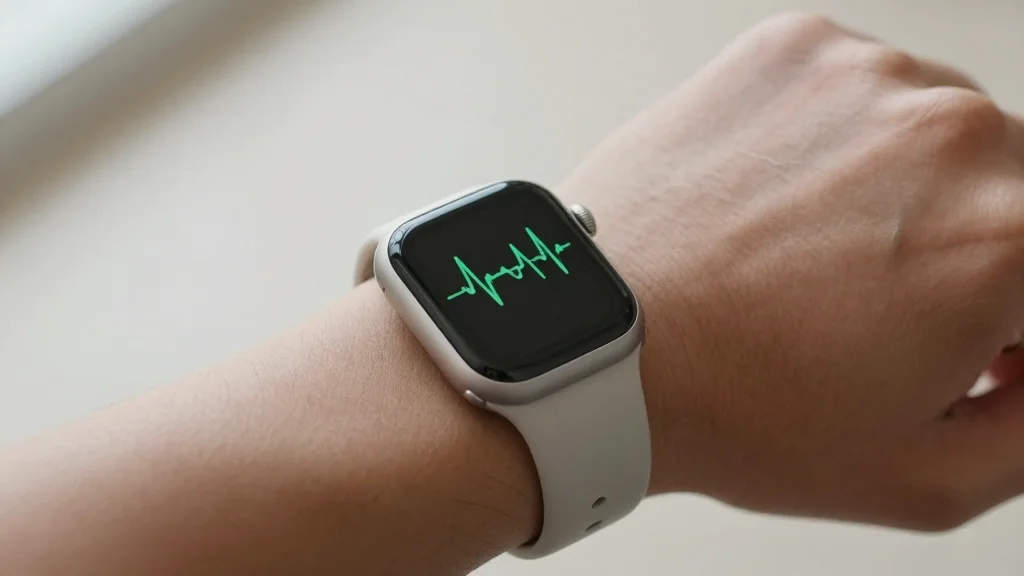
What Does Your HRV Actually Tell You? The 101 On The Popular Health Metric
Heart‑rate variability (HRV) measures the time interval between heartbeats and reflects autonomic nervous system balance. Wearable devices such as Apple Watch and Fitbit now provide daily HRV readings using ECG or photoplethysmography. Low HRV can signal stress, poor sleep, illness,...

Can Hormone Therapy for Menopause Improve Weight Loss, Bone Health?
Recent research indicates hormone replacement therapy (HRT) can enhance weight loss when combined with tirzepatide and lower osteoporosis risk when started early in menopause. A meta‑review of over one million women found no safety signals, prompting the FDA to drop...
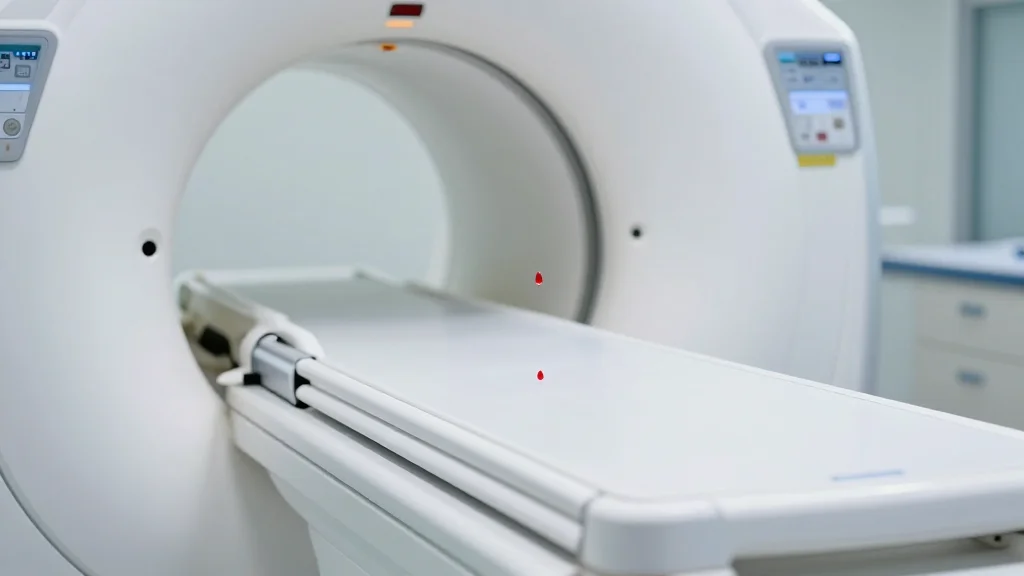
Timely Scan Could Save Lives of Emergency Department Patients with Blood in Urine
The WASHOUT study, presented at the EAU26 congress, found that one in ten emergency‑department patients presenting with visible blood in urine (hematuria) dies within three months. A diagnostic scan—CT or cystoscopy—performed within 48 hours cut mortality risk and accelerated cancer detection,...

What Pet Cats Can Tell Us About Human Cancer
Researchers sequenced DNA from 500 domestic‑cat tumors, covering 13 cancer types, and mapped mutations in 1,000 genes commonly altered in human cancers. The study found that TP53 and PIK3CA are among the most frequently mutated genes in cats, mirroring patterns...

Can Exercise Reduce Period Pain? And What Kind Is Best?
Recent research indicates that regular exercise can meaningfully reduce both the intensity and duration of primary dysmenorrhea. Studies show aerobic activity lowers pain scores by roughly 2.5 points on a 10‑point scale, while strength‑training and relaxation techniques often achieve the...
:max_bytes(150000):strip_icc():format(jpeg)/no-gym-exercise-for-longevity-GettyImages-1319704562-b83e9c4751754e78847a7050c38b5b29.jpg)
6 Simple Exercises That May Boost Longevity (No Gym Needed)
A trio of exercise types—strength, aerobic, and balance—are identified as critical for extending healthy lifespan. The article outlines six equipment‑free movements, from walking to plank holds, that can be performed at home. Each exercise targets muscle mass, cardiovascular function, or...

Why 7 Out of 10 Is the Effort Sweet Spot for Running Workouts
A recent study in Medicine & Science in Sports & Exercise examined how perceived effort influences the physiological benefits of interval running. Seventeen runners completed three 3‑minute interval sessions at effort levels 6, 7, and 8 on a 0‑10 scale,...
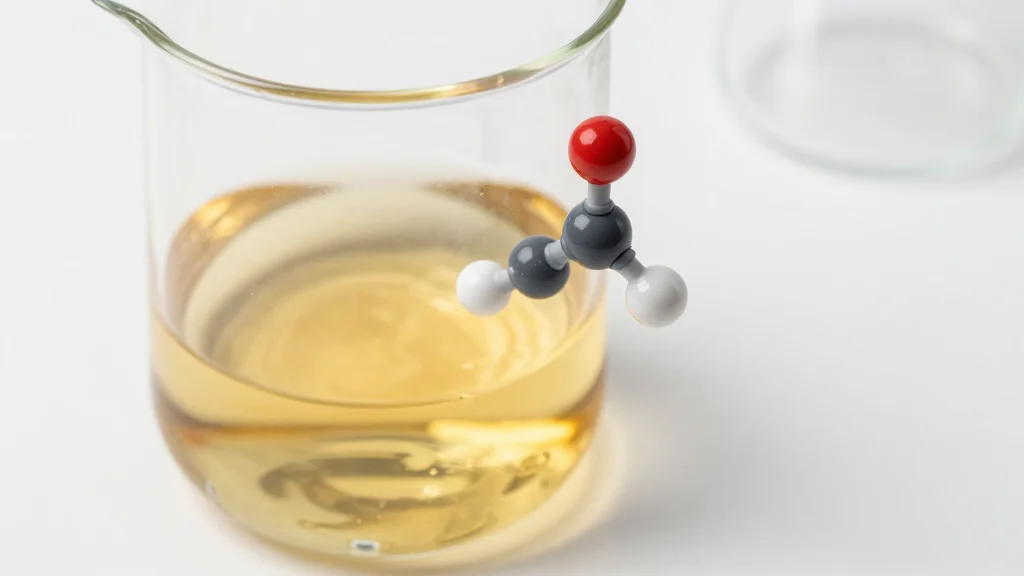
Research Reveals Exactly How Everyday Chemicals Disrupt Your Hormones
A recent study in Basic & Clinical Pharmacology & Toxicology uncovers a PXR‑SHBG‑testosterone pathway that explains how common chemicals alter hormone balance. In a week‑long rifampicin trial, participants’ SHBG levels doubled, raising total testosterone but reducing biologically active testosterone and...

Is An All-Sardine Diet The Key To The Next Superhuman Surfer?
Harvard‑trained metabolic researcher Dr. Nick Norwitz embarked on a 30‑day “sardine fast,” consuming roughly 1,000 sardines and supplementing with oil to boost fat intake. The experiment drove his blood omega‑3 levels to an unprecedented 16%, a concentration comparable to marine...

Japan Becomes First to Approve Stem Cell Therapies for Parkinson’s and Heart Failure
Japan has become the first country to grant conditional approval for two regenerative medicines that use induced pluripotent stem cells—AMCHEPRY for Parkinson’s disease and RiHEART for severe heart failure. The Parkinson’s therapy implants dopamine‑producing neurons into the brain, while the...
Are Effective Reps Legit
The forum thread argues that most lifters benefit more from simple, consistent programming than from complex concepts like effective reps or intricate exercise variations. Contributors cite classic compound movements, reasonable volume, and progressive overload as the core drivers of strength...
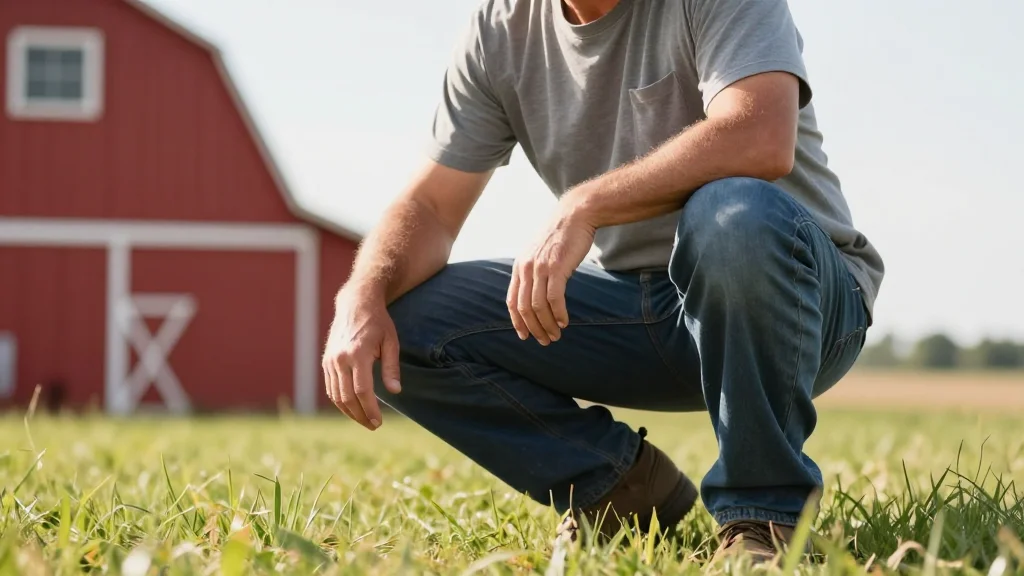
Use It or Lose It: Maintaining Overall Mobility to Support Daily Farm Life
The Fit to Farm column stresses that everyday mobility hinges on the simple principle of “use it or lose it,” with squatting highlighted as a foundational movement for farm workers and anyone aging in place. It explains how squatting underpins...

2 Daily Drinks Linked To 18% Lower Dementia Risk (M)
A new longitudinal study finds that drinking two specific beverages daily—coffee and tea—correlates with an 18% lower risk of developing dementia and a slower rate of cognitive decline. The research tracked over 100,000 adults for a decade, adjusting for lifestyle...
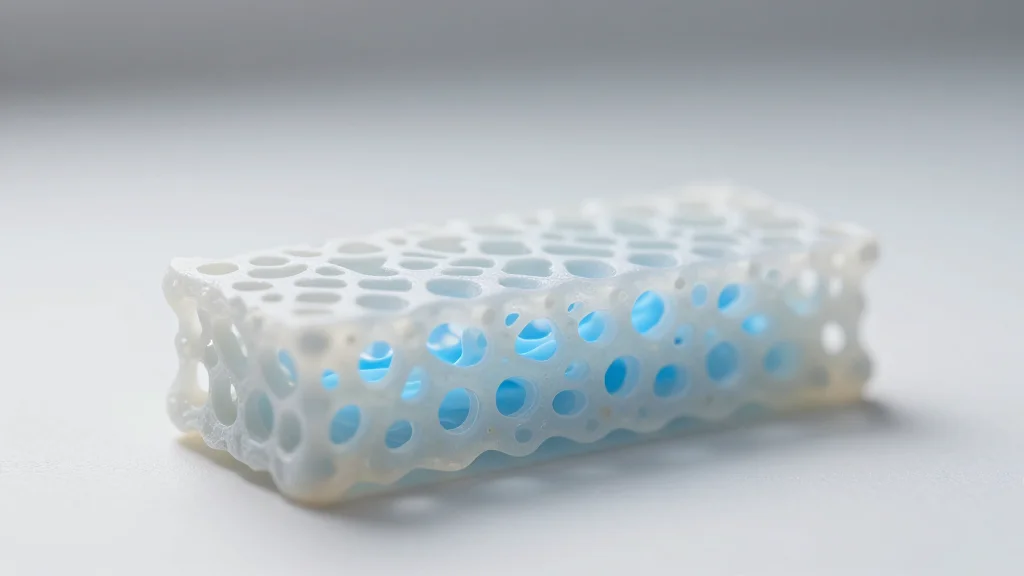
Q&A: Gassing up Bioengineered Materials for Wound Healing
Penn State researchers have engineered a new class of granular aerogel scaffolds (GAS) that allow precise control of pore architecture using protein‑based microparticles. The tunable, oxygen‑rich material demonstrated superior cell infiltration and rapid vascularization in both laboratory assays and mouse...

‘How Low Can You Go?’ The Shifting Guidelines for Blood Pressure Control
The American Heart Association and American College of Cardiology have lowered the systolic blood‑pressure target for older adults, now urging clinicians to aim for readings below 130 mmHg. Emerging data linking hypertension to cognitive decline have accelerated this shift, prompting more...

How Longevity Startup Foxo Wants To Turn Individuals Into “CEOs Of Their Health”
Foxo, a Bengaluru‑based longevity startup, offers a premium, membership‑driven health platform that combines systems biology with AI‑assisted clinical coaching. The company raised $0.5 million in a pre‑seed round led by Blume Ventures and targets high‑income executives willing to invest lakhs annually...

A Smartphone App Can Help Men Last Longer in Bed
A randomized 12‑week trial evaluated Melonga, a smartphone app that teaches pelvic‑floor, mindfulness and cognitive‑behavioural techniques to men with premature ejaculation. Among the 66 participants who completed the study, average intravaginal ejaculation latency rose from 61 seconds to 125 seconds,...

No Metric Predicts Climbing Speed Better Than Watts Per Kilogram. Here's How Yours Stacks Up.
The power‑to‑weight ratio (watts per kilogram) is the premier metric for estimating a cyclist’s climbing speed, translating raw power into how quickly each kilogram of mass can be moved uphill. While absolute watts dominate on flat terrain, weight‑adjusted power shines...

I’m Still Riding Fast in My Sixties. Focusing on These Three Skills Is My Secret to Longevity.
Peter Abraham, a former pro cyclist now 62, attributes his continued speed and endurance to mastering three core skills: comfortable group riding, precise cornering, and a competitive mindset. Over the past 15 years he rebuilt his fitness while coaching Bicycling’s...

Why You Should Train For Any Race By Focusing on Short Distances
Ultra‑runner Pat Heine explains that training for a 200‑mile trail race can rely on short, repeatable segments rather than long mileage. By applying the “chunking” method—breaking a massive goal into manageable pieces—he builds both physical strength and mental resilience on...

Walking Vs Running: Which Activity Is Right For You? Experts Explain The Benefits Of Each
Experts explain that both walking and running satisfy the CDC’s 150‑minute weekly activity recommendation, but each offers distinct advantages. Walking provides a low‑impact, beginner‑friendly option that can be intensified with hills, weighted vests, or intervals, supporting cardiovascular health and chronic...
Should You Take GLP-1 Drugs for Longevity?
GLP‑1 receptor agonists, originally approved for type 2 diabetes and obesity, are now attracting interest as potential longevity agents. Early animal studies suggest these drugs can extend lifespan by improving metabolic health and mimicking caloric restriction. Human evidence remains anecdotal, with...

Bacteria 4D Simulation, Safer Large Gene Insertion, uniQure Roller Coaster
The J. Craig Venter Institute unveiled a 4D, nanoscale simulation that tracks the entire life cycle of a minimal bacterial cell, marking a milestone for synthetic biology. A new gene‑editing platform designs DNA donors that dodge immune detection, enabling safer,...
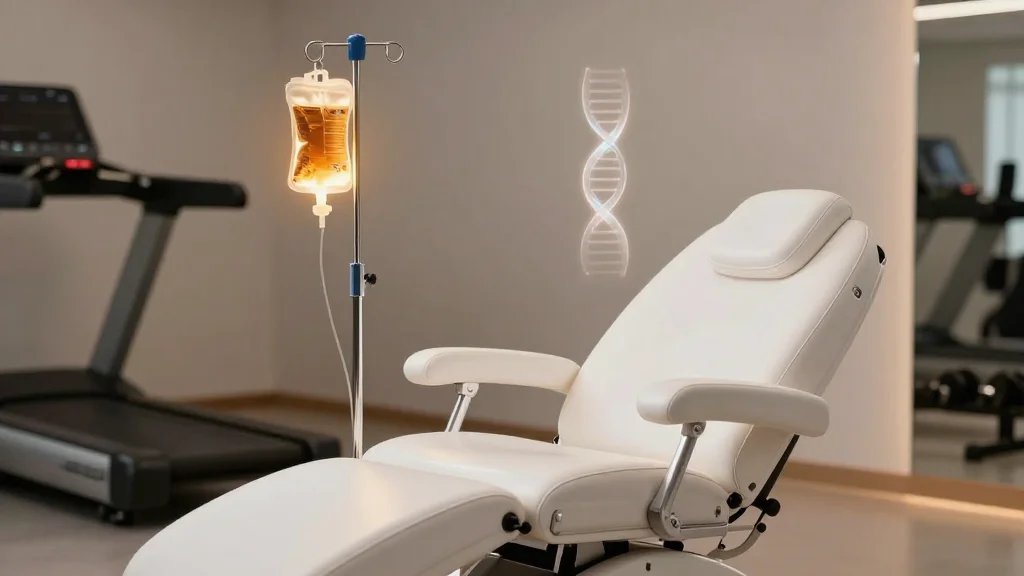
Serotonin Centers Unveils Medical Longevity Model for Fitness Industry
Serotonin Centers announced the Serotonin Partner Program, a medical longevity model for U.S. fitness facilities. The turnkey platform lets gyms add medically supervised services—weight loss, hormone optimization, peptide and NAD+ therapies, IV metabolic support—within dedicated longevity suites. Serotonin funds, staffs,...

High Altitude Survival Gene Mutation Points to Strategy for Repairing Nerve Damage
Researchers identified a high‑altitude Retsat Q247R mutation that enhances myelin formation under hypoxic stress and accelerates remyelination in mouse models. The variant boosts neuronal production of the vitamin‑A‑derived metabolite ATDR, which activates the RXR‑γ pathway in oligodendrocyte progenitors. Administering ATDR...

A Newfound Blood Biomarker May One Day Predict Longevity
Researchers identified six circulating piwi‑interacting RNAs (piRNAs) that forecast two‑year survival in adults over 71 with up to 86% accuracy, surpassing conventional metrics such as age, cholesterol, and activity levels. The study of 1,200 participants linked lower piRNA concentrations to...

Base Training Isn’t Just for Beginners—9 Other Instances Where It’s the Appropriate Plan
Base training, a low‑intensity mileage buildup, is often dismissed as only for beginners, but experts say it’s a cornerstone for runners at any level. The article outlines nine scenarios where returning to a base phase—after a race, burnout, extended time...
This Little-Known Bioactive Helps Protect Against Dementia, Study Shows
A recent Neuroscience Insights review highlights citicoline, a CDP‑choline derivative, as a potent neuroprotective agent. Clinical data show consistent improvements in memory, concentration, and visual‑motor coordination for patients with mild cognitive impairment, especially of vascular origin. The bioactive also benefits...

Research Identifies Simple Way To Preserve Memory As You Age
A recent study in Heliyon found that digital puzzle games significantly improve memory and concentration in adults aged 60 and older, narrowing the gap with 20‑year‑olds who do not play such games. Participants who engaged with puzzle‑type games outperformed peers...

Should You Eat Before or After a Workout?
Sports dietitian Kate Patton explains that both pre‑ and post‑workout nutrition are crucial for optimal performance and recovery. A balanced meal rich in carbohydrates and moderate protein 3‑4 hours before exercise fuels the session, while a quick carb‑protein snack 30‑60...

Psychiatric Self-Admission May Cut Stress and Reduce Emergency Visits, Study Suggests
A Karolinska Institutet study finds that psychiatric self‑admission—where patients can directly request short inpatient stays—reduces stress and anxiety while enabling earlier intervention. Qualitative interviews show patients experience greater autonomy, improved daily functioning, and stronger relationships with relatives. The model also...
Gut Health Supplement Relieves Arthritis Pain, Finds New Study
A new randomized trial (INSPIRE) led by the University of Nottingham found that daily supplementation with the prebiotic fiber inulin significantly reduced knee osteoarthritis pain and improved grip strength. Participants receiving inulin also showed higher levels of butyrate and GLP‑1,...
From Japanese Walking to 75 Hard: What the Science Really Says About Viral Fitness Trends
A recent review dissected four viral fitness trends—Japanese interval walking, the 75 Hard challenge, dead hangs, and Pilates—comparing their popularity on TikTok with peer‑reviewed evidence. Japanese walking showed measurable improvements in strength, aerobic capacity, and blood pressure, though adherence was modest....

VR Could Reduce Anxiety for People Undergoing Medical Procedures
A study presented at the European Association of Urology Congress demonstrated that a virtual‑reality (VR) consent experience significantly improves patient understanding of shockwave lithotripsy and reduces pre‑procedure anxiety. The trial involved 150 adults aged 22 to 80 at University Hospital...

Why You’re Probably Doing Baseline Training Wrong
Orthopedic surgeon and trail runner Howard Luks warns that many runners mistake comfortable‑feeling runs for proper base training. He explains that cardiovascular fitness (oxygen delivery) and aerobic fitness (oxygen utilization) are distinct, and easy‑day heart rates often sit in the...

Pollen-Replacing Feed Strengthens Honey Bee Colonies, Long-Term Study Confirms
A large‑scale field trial led by Washington State University tested APIX Biosciences' nutritionally complete pollen‑replacing feed across five commercial beekeeping operations in California and Idaho. Colonies receiving the feed showed dramatically lower winter mortality—dropping from 28.8% to 15%—and emerged from...

The Most Common Reasons Marathoners Stop in Medical Tents on Race Day Might Surprise You, According to a Sports Medicine...
At the 2023 New York City Marathon, medical staff treated roughly 1,500 runners at the finish‑line tent. Sports‑medicine physician Dr. Jeremy Roberts identified the five most common conditions that send marathoners to medical care: hypoglycemia, hypovolemia, hyponatremia, hypothermia and hyperthermia....

The Grease the Groove Training Method: How Frequent Training Builds Serious Strength
Grease the Groove (GtG) is a neural‑focused strength method that replaces one‑off heavy sessions with frequent, submaximal reps spread throughout the day. Popularized by Pavel Tsatsouline, it leverages the spacing effect to reinforce motor pathways, improving signal efficiency without excessive...

Inside the PGA Tour’s Mobile Fitness and Recovery Centers That Help Power Modern Golf Performance
The PGA Tour has turned its traveling schedule into a high‑tech performance platform by deploying two 1,000‑square‑foot mobile trailers that house a full‑service gym, physical‑therapy suite and a dedicated recovery center. Senior Vice President Andy Levinson oversaw a 2019 redesign...

I Love Riding Streaks—Here’s Why You Shouldn’t Do Them
Cycling enthusiasts often chase daily riding streaks to build habit, boost mileage, and gain social validation. While streaks can reinforce consistency, the article highlights how relentless riding without planned rest leads to burnout, overtraining, and performance plateaus. Expert insights from...

What the 2026 Monacolin Ban Could Mean for Nutraceutical Players
The European Commission is set to prohibit monacolins from red yeast rice in foods and dietary supplements after EFSA declared any dose unsafe, citing risks such as rhabdomyolysis and liver damage. The draft regulation, now in WTO consultation, is expected...

Heat Training Makes You Faster, Even if Your Race Isn’t Hot
Heat training, traditionally used for acclimation, now shows broader performance benefits for triathletes. A five‑week protocol—two weeks for heat acclimation followed by three weeks of continued exposure—boosts plasma volume, stimulates erythropoietin release, and raises VO₂ max, translating to faster bike...

Fortified Salad Packs a Healthy Punch to Meet a Growing Vitamin B12 Need
A research‑industry partnership has used aeroponic indoor farming to fortify pea shoots with vitamin B12, delivering the full recommended daily allowance in a 15‑gram serving. The fortified shoots maintain B12 stability during cold storage and are bioavailable in simulated digestion tests....
This One Type Of Gut Bacteria Is Linked To 29% Greater Muscle Strength
A recent study published in *Gut* links the gut bacterium Roseburia inulinivorans to markedly higher muscle strength, showing a 29% boost in hand‑grip force among older adults and similar gains in younger participants, including improved VO₂ max. Mouse experiments confirmed...
Why Fasting Backfires For Some Women (And How To Do It Right)
Intermittent fasting is popular, but Dr. Jaime Seeman warns it isn’t a universal solution for women. She urges a goal‑driven, flexible approach that prioritizes protein, adequate calories, and nutrient‑dense foods during the eating window. Overly long fasts can leave active...
Optimal Dosage of Exercise Combined with Intermittent Fasting for Body Composition and Cardiometabolic Health in Adults: A Systematic Review and...
A three‑level meta‑analysis of 65 randomized trials (3,293 adults) examined exercise combined with intermittent fasting (EX + IF). Compared with exercise alone, fasting alone, or no intervention, EX + IF produced modest but significant reductions in body mass, BMI, body‑fat percentage, waist circumference and...