
GLP-1 Microdosers Are Chasing Longevity
A recent Evidation survey shows roughly one in seven U.S. adults on GLP‑1 drugs are microdosing, often to curb costs or chase longevity benefits without full‑dose side effects. Clinics like AgelessRx now market low‑dose regimens, while some physicians prescribe them off‑label for perimenopausal patients. Although early studies suggest GLP‑1s may reduce inflammation, cardiovascular risk, and even alcohol cravings, rigorous data on microdosing’s efficacy or safety remain scarce. Experts warn against unregulated sourcing and emphasize proven lifestyle interventions over untested dosing strategies.
![[Correspondence] Safeguarding Against Dengue Fever Risks in a More Connected World](https://hixhlmpcokxhartfkpyi.supabase.co/storage/v1/object/public/images/thumbnails/0d754edb7784af3c8ea0cc186d55d361.webp)
[Correspondence] Safeguarding Against Dengue Fever Risks in a More Connected World
The Lancet correspondence highlights a series of low‑tech, community‑driven interventions that have demonstrably reduced dengue fever incidence in several low‑ and middle‑income countries. Partnering with ministries, transport operators and the GX Foundation, measures such as mosquito lamps, insecticide‑treated bednets and...
![[Comment] Should We Keep Pushing a High Fluid Intake in Kidney Stones?](https://hixhlmpcokxhartfkpyi.supabase.co/storage/v1/object/public/images/thumbnails/71728300caabf9cdd7e72489bb93c7ec.webp)
[Comment] Should We Keep Pushing a High Fluid Intake in Kidney Stones?
High fluid intake remains the cornerstone for preventing kidney stones, yet patient adherence is consistently low. Systematic reviews and a recent 2026 randomized trial confirm that adequate hydration reduces stone recurrence, but practical, behavioral, and environmental barriers limit real‑world effectiveness....

Extra Virgin Olive Oil May Help Better Preserve Cognitive Function than Refined
A two‑year analysis of 656 overweight adults aged 55‑75 in the PREDIMED‑Plus trial found that participants who regularly consumed virgin olive oil exhibited better preservation of cognitive function and greater gut‑microbiome diversity than those who used refined olive oil. The...

Does Lithium Work for Memory Loss? Experts Answer 4 Key Questions
A two‑year pilot trial published in JAMA Neurology found that low‑dose oral lithium (150‑300 mg daily) slowed verbal memory decline in older adults with mild cognitive impairment. The neuroprotective benefit was most pronounced in participants who tested positive for amyloid‑beta, a...
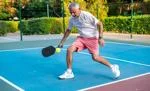
Is Pickleball Good Exercise?
Pickleball, a fast‑growing court sport, blends aerobic, interval and balance training, offering a comprehensive workout in a compact 20‑by‑44‑foot space. Physical therapist Jim Edwards highlights that players spend about 70 % of game time in moderate‑to‑vigorous heart‑rate zones, burning roughly 6‑10...

How To Become a Faster Runner
Sports‑medicine physician Dr. Dominic King outlines a systematic approach to running faster, emphasizing three pillars—form, agility, and power. He recommends mixing interval training, hill sprints, and shuttle runs with dedicated strength, flexibility, and breathing work. A weekly plan of two...
Hormone Linked to Morning Sickness May Help Reduce Alcohol Intake
Researchers from Denmark and collaborators reported that the hormone GDF15, known for causing nausea in early pregnancy, appears to rise in response to chronic alcohol consumption and may act as a feedback signal limiting intake. Small human studies at Oktoberfest...

Modifying T Cell Receptor Improves Targeted Cancer Therapy
Researchers from UCLA, Stanford, Utah, and Columbia have engineered T cell receptors to strengthen catch‑bond interactions with prostate cancer antigens, improving cytotoxic function. By altering just one or two amino acids in the TCR, the modified cells exhibit longer bond...

This Is The Best Diet For Stronger Bones During Weight Loss, Per Research
New research published in JAMA Network Open shows that overweight older women who combine a Mediterranean‑style diet with a 30 % calorie cut and regular resistance‑focused exercise maintain higher bone density than those on diet alone. The year‑long trial of 924...

Could a Gut Microbe Influence Muscle Strength?
A recent investigation identified the gut bacterium Roseburia inulinivorans as being linked to greater muscle strength in humans, with younger participants showing higher levels of the microbe. Parallel mouse experiments demonstrated that introducing the bacterium boosted grip strength, enlarged muscle...

Using mRNA to Fight Tau Aggregation in Alzheimer’s
Researchers have engineered a lipid nanoparticle (PLNP) that mimics acetylcholine to deliver TRIM11 mRNA across the blood‑brain barrier and dismantle tau aggregates. In vitro, PLNP achieved 17‑fold higher mRNA uptake than conventional LNPs, and in transgenic Alzheimer’s mice it eliminated...

Does Cycling Build Muscle? Experts Explain
The article explains that cycling can contribute to muscle growth but is far less efficient than dedicated strength training. It distinguishes between hypertrophy and pure strength work, noting that beginners, older riders, and clinical populations can gain noticeable strength from...
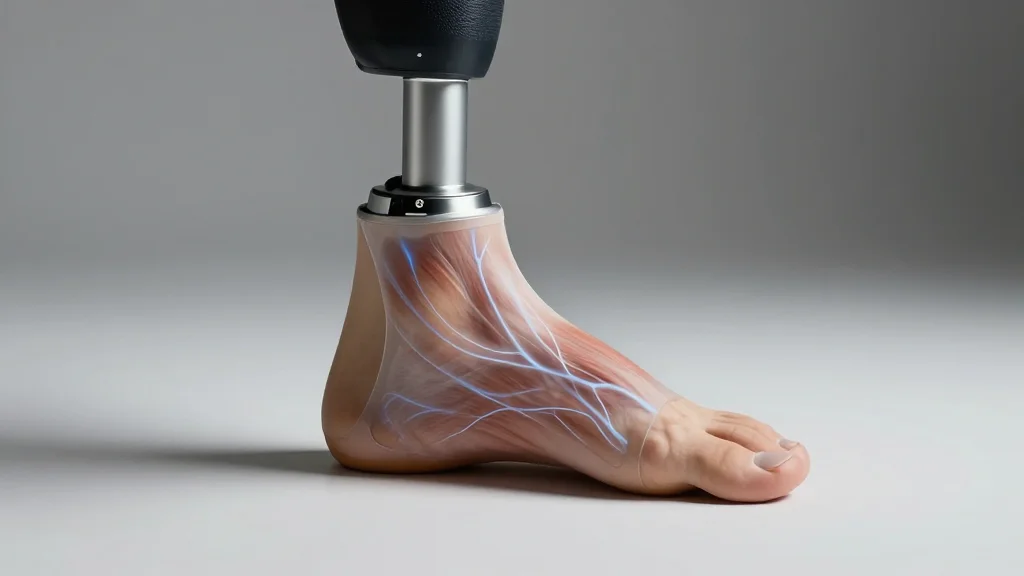
Direct Nervous System Link Promises More Natural Leg Prostheses
Researchers at Chalmers University decoded leg movement intentions directly from peripheral nerves of above‑knee amputees using ultrathin neural implants and a spiking neural network AI. The system accurately identified knee, ankle and toe motions and provided bidirectional sensory feedback through...

Swim, Bike, or Run: Which Sport Determines Who Will Win a Triathlon?
A new data-driven study of over 18,500 Ironman‑distance finishes shows that the run, not the bike, remains the most decisive leg, accounting for 41 % of final‑position variance. However, the bike’s relative importance has risen, matching or surpassing the run in...
Morning Workouts Tied to Lower Cardiometabolic Risk in Fitbit Study of 14,000
Researchers analyzing Fitbit heart‑rate data from 14,489 participants in the All of Us study found that people who regularly exercised between 7 a.m. and 8 a.m. had significantly lower odds of cardiometabolic diseases. Morning exercisers were 31% less likely to have coronary...
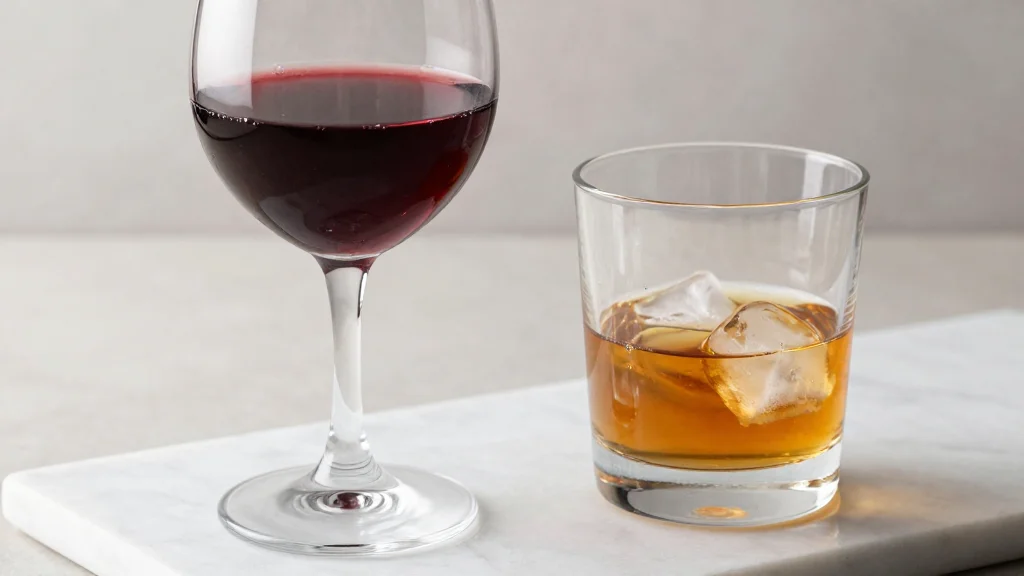
Wine Vs. Beer or Spirits: What a Major Study Suggests About Low Drinking
A UK Biobank analysis of 340,924 adults tracked over 13 years found that high alcohol intake raises all‑cause, cancer, and heart disease mortality. At low to moderate levels, wine consumption was linked to lower cardiovascular death risk, while spirits, beer...

Which Is Better: The Weight Loss Pill or Injection?
Novo Nordisk has launched an oral version of its semaglutide weight‑loss drug Wegovy, expanding GLP‑1 therapy beyond weekly injections. Clinical data show the pill, dosed at 25 mg daily, achieves blood‑level exposure comparable to the 2.4 mg weekly injection, resulting in 13.6 %...

STAT+: Eli Lilly’s ‘Triple-G’ Drug Leads to Significant Blood Sugar, Weight Reductions in Diabetes Trial
Eli Lilly’s investigational injectable retatrutide achieved a 1.9‑point HbA1c reduction versus 0.8 points for placebo after 40 weeks, while participants on the highest dose shed 15.3% of body weight compared with 2.6% on placebo. The weight loss was still progressing at...
A Liquid Biopsy Blood Test May Improve Children's Survival of Cancer in Africa
Researchers from Oxford and Tanzania have validated a liquid‑biopsy blood test that identifies EBV‑positive Burkitt lymphoma with 98% accuracy. The assay cut the diagnostic timeline by an average of 40 days, allowing most patients to start therapy within a week of...
Switching From Milk to Solid Food in Early Life Helps Reprogram the Gut's Immune Defenses, Researchers Find
Researchers at Baylor College of Medicine and Tongji University discovered that early weaning reshapes the gut microbiome, triggering epigenetic changes in intestinal stem cells that enhance immune defenses. The study, published in Nature Microbiology, shows loss of DNA methylation at...

Freaked Out by the News? Tips for Staying Calm From Ex-Refugees, Hostages and 'Uncertainty Experts'
Sam Conniff and neuroscientist Katherine Templar‑Lewis release "The Uncertainty Toolkit," a book that translates a 2022 UCL study on uncertainty tolerance into practical strategies. The work draws on interviews with 40 “uncertainty experts” – former prisoners, addicts, refugees and hostages...
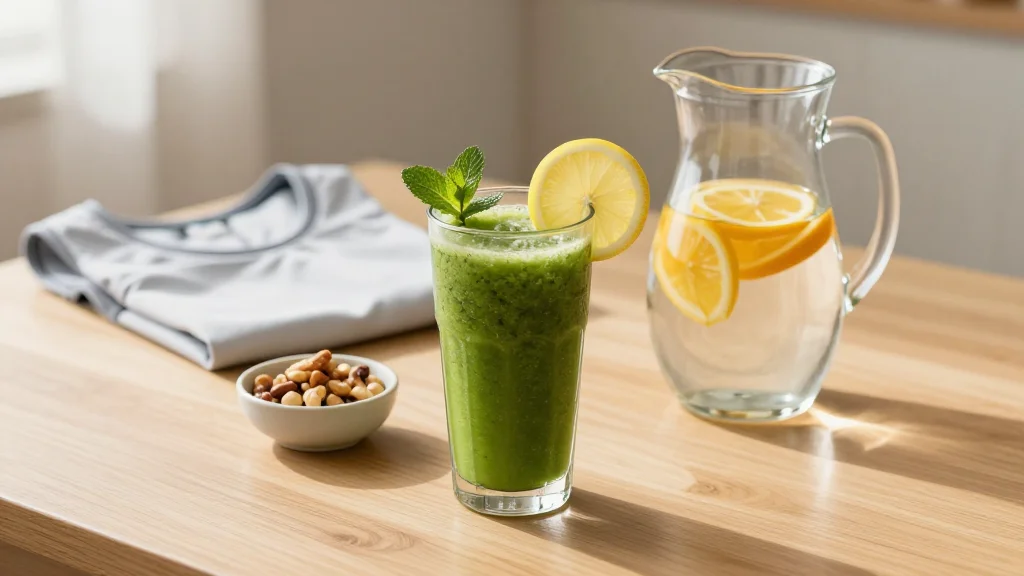
Kick Your Tiredness with These 7 Natural Energy Boosters
Dr. Amy Shah, author of *I’m So Effing Tired*, outlines seven natural strategies to combat chronic fatigue, focusing on gut‑friendly nutrition, circadian alignment, and emotional recharge. She recommends high‑fiber, nutrient‑dense foods, eliminating sugary or caffeinated drinks, and choosing lean, plant‑based...

Here’s Your Checklist for How to Lower Your Resting Heart Rate—And How Long It Will Take
A recent Bicycling article outlines a practical checklist for lowering resting heart rate (RHR), emphasizing at least 150 minutes of moderate‑intensity cardio or 75 minutes of vigorous activity each week. It adds endurance rides, interval training, stress‑reduction practices, a whole‑food...

Boosting the Blood-Brain Barrier Could Avert Brain Damage in Athletes
Repeated head impacts in contact sports have been linked to lasting damage of the blood‑brain barrier (BBB), a finding that may underlie chronic traumatic encephalopathy (CTE). Researchers scanned 47 retired athletes using an MRI contrast agent that only enters brain...

This Overlooked Organ May Be More Vital for Longevity than Scientists Realized
New AI‑driven analyses of thousands of CT scans reveal that thymus health strongly correlates with longevity, cardiovascular disease risk, and lung cancer incidence. The studies show individuals with a robust, non‑involuted thymus live longer and experience fewer major health events....

STAT+: Clearing Tumors in Mice, Azalea Therapeutics Advances Dream of in Vivo CAR-T Therapy
Azalea Therapeutics, a spinout from Jennifer Doudna’s lab, reported in Nature that its in vivo CAR‑T approach can generate functional CAR‑T cells directly within mice and eradicate both solid and hematologic tumors. The technique uses infused gene‑editing particles that precisely...
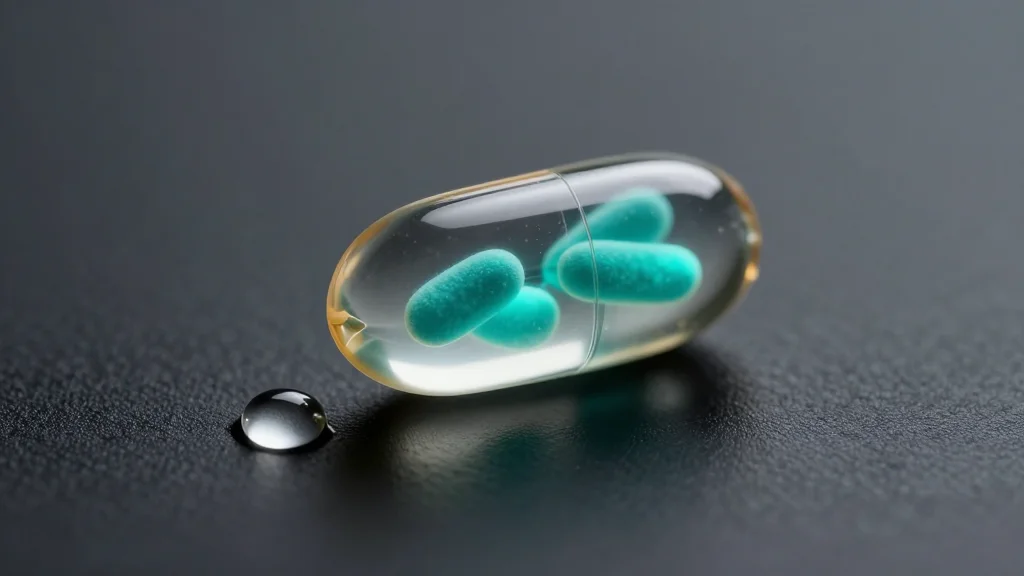
Mitochondria Packaged in Blood Cell Membranes Improve Disease Symptoms in Mice
Researchers have engineered microscopic capsules made from red blood cell membranes that encase single, healthy mitochondria and can be injected into animals. In mouse models of Parkinson‑like disease and Leigh syndrome, the capsules restored neuronal function, improved motor activity, and...
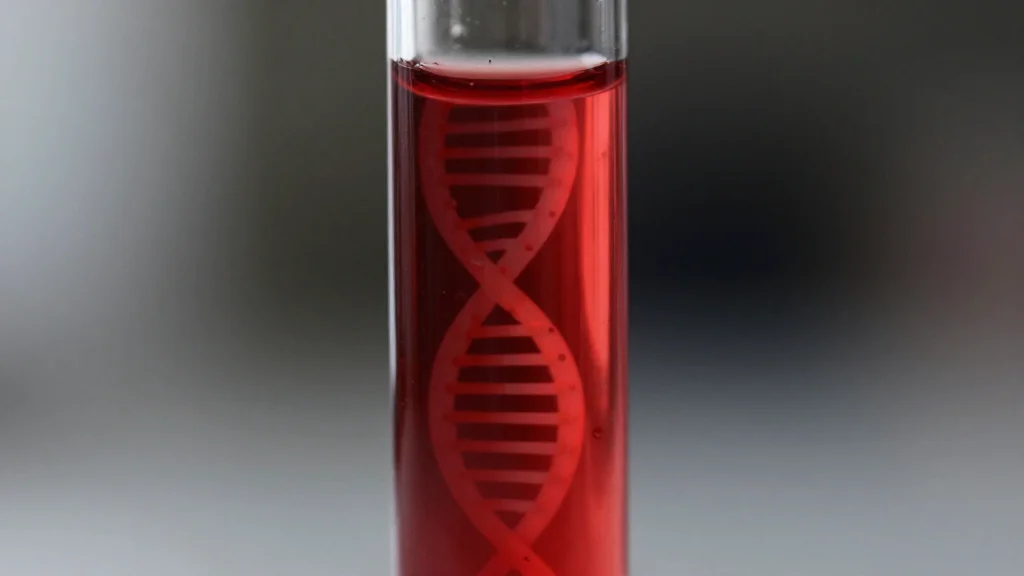
Age Faster or Slower? The Surprising Role of Mental Health and Self-Control
In a recent "Longevity by Design" episode, Dr. Terrie Moffitt of Duke University explains how early‑life mental health and self‑control shape the biological pace of aging, drawing on the 50‑year‑long Dunedin Study. The research shows that mental disorders in youth...
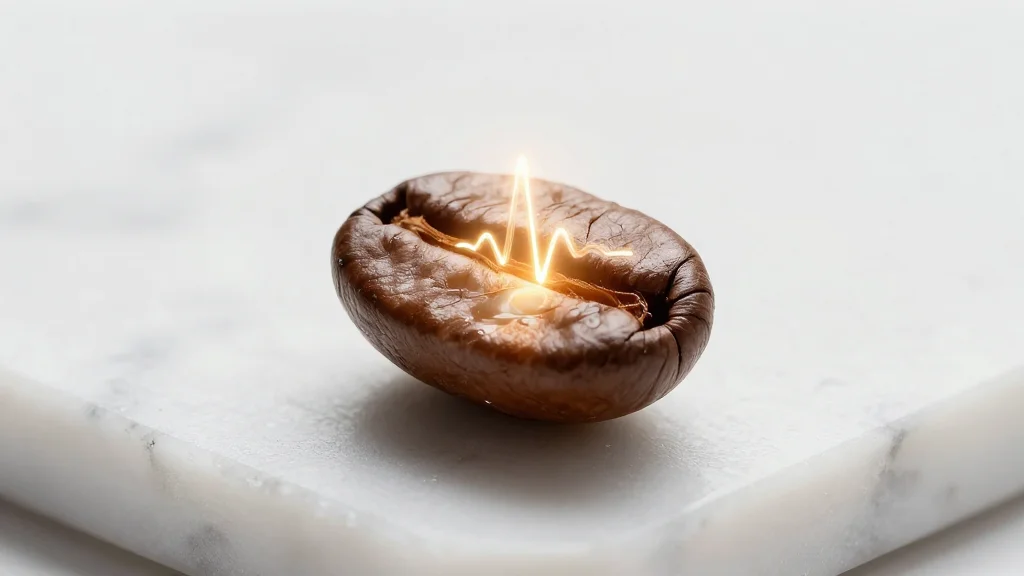
Will Caffeine Enhance Your Workout? Researchers Say Its Genetic
A recent double‑blind trial of 94 resistance‑trained adults found that caffeine’s strength‑boosting effect hinges on the CYP1A2 gene. Fast metabolizers (AA genotype) experienced 4‑12% higher propulsive velocity, while slow metabolizers (CC genotype) saw only marginal gains. The study administered 3 mg...
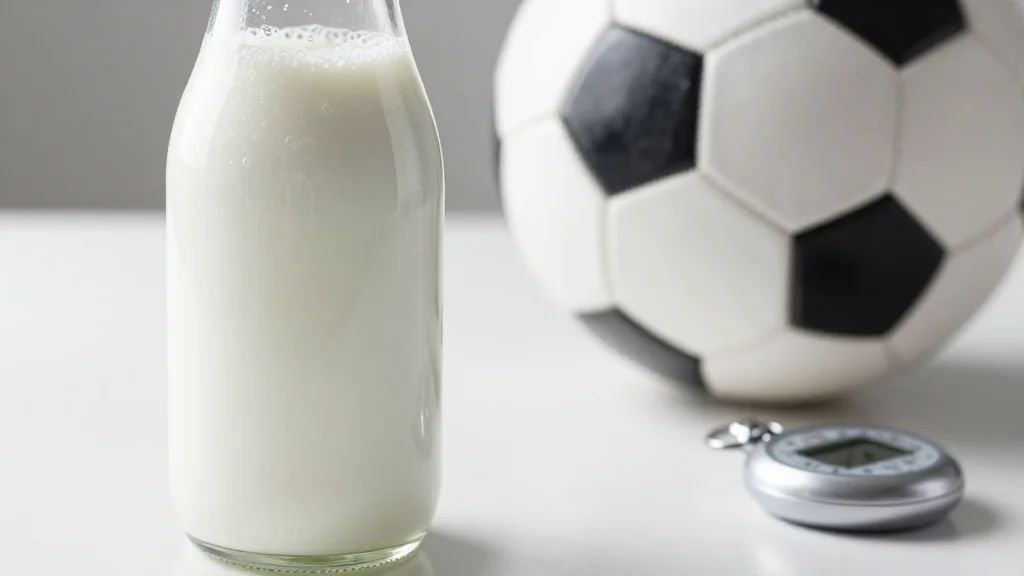
Fermented Milk Protein Consumption Improves Exercise Performance and Total Body Mass in Prepubertal Children: A Randomized Double-Blind, Placebo-Controlled Pilot Trial
A randomized, double‑blind pilot trial examined 8‑week consumption of a fermented milk protein beverage versus an equivalent non‑fermented milk protein drink and a protein‑free placebo in 44 prepubertal boys who play soccer. Both fermented and non‑fermented milk protein groups showed...

Just 20 Minutes of Physical Activity May Benefit Your Memory
Researchers using intracranial EEG recorded a surge in hippocampal ripple activity after participants completed a 20‑minute moderate cycling session. The increase in high‑frequency ripples, which are linked to memory consolidation, was stronger in participants with higher heart rates, indicating intensity‑dependent...

AI Tool Predicts Alzheimer’s Disease with Nearly 93% Accuracy Using Brain Scans
Researchers at Worcester Polytechnic Institute created a machine‑learning model that scans MRI images and achieved 92.87% accuracy in distinguishing Alzheimer’s disease or mild cognitive impairment from healthy brains. The algorithm highlighted volume loss in the hippocampus, amygdala and entorhinal cortex...

Lifestyle Choices, Early Intervention Key to Alzheimer's Prevention, Experts Say
The Spring 2025 Alzheimer’s Association Research Roundtable highlighted a shift toward early detection and prevention of Alzheimer’s disease, emphasizing new biomarkers that can identify pathology years before symptoms appear. The meeting underscored the U.S. POINTER trial’s evidence that multi‑domain lifestyle interventions...
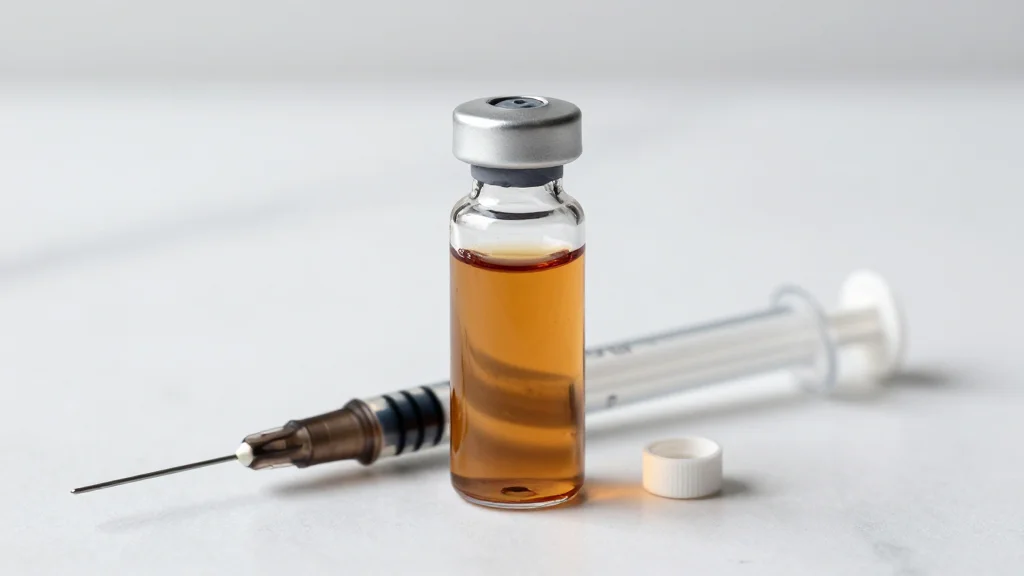
What to Expect on TRT?
An individual with mid‑range testosterone (488 ng/dL) plans a TRT protocol of 160 mg testosterone cypionate split twice weekly and 50 IU hCG weekly. They seek guidance on expected physiological changes, timeline, potential side effects such as hair loss, and whether the hCG...

Clinical Trial Results Support Use of Weekly Extended-Release Buprenorphine for Treatment of Opioid Use Disorder During Pregnancy
A NIH‑backed multicenter trial of 140 pregnant adults found that weekly injectable extended‑release buprenorphine achieved significantly higher rates of illicit opioid abstinence than daily sublingual buprenorphine, while also reducing serious maternal adverse events. The study, published in JAMA Internal Medicine,...

Sitting Can Actually Protect Your Brain — If You Do It Right (M)
Recent research suggests that not all sitting is detrimental; specific sitting postures and practices can actually safeguard cognitive function. Studies indicate that mindful, upright sitting improves cerebral blood flow and reduces stress hormones, both of which are linked to better...

Study Shows 3-Hour Night Fast Improves Heart Health, Blood Pressure, and Blood Sugar
A Northwestern University study involving 39 overweight adults found that abstaining from food for at least three hours before bedtime improves cardiometabolic markers without altering calorie intake. Over a seven‑and‑a‑half‑week trial, participants who kept a 3‑hour night fast showed lower...

Are Pig Organs the Future of Transplantation?
The United States faces a transplant shortage of over 100,000 patients, prompting research into xenotransplantation using genetically engineered pig organs. Recent cases—David Bennett’s pig heart in 2022, Lawrence Faucette’s in 2023, and Tim Andrews’ pig kidney in 2025—demonstrate feasibility, with...
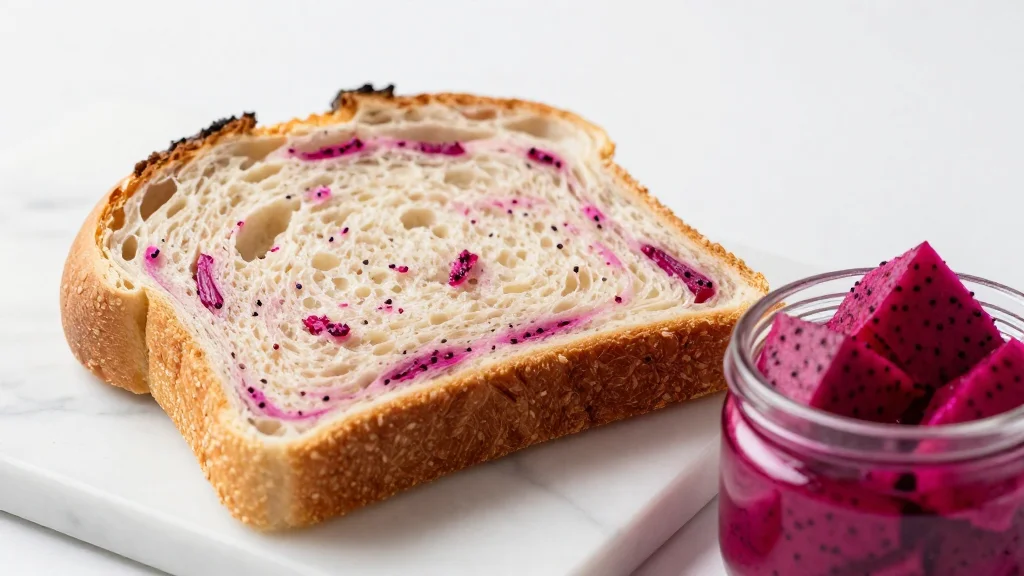
Scientists Show Dragon Fruit Peel Extract Boosts Bread Nutrition and Lowers Glycemic Potential
Researchers at the National University of Singapore have demonstrated that a purified betacyanin‑rich extract from red dragon fruit peel can be incorporated into wheat bread at a 0.75% level, enhancing antioxidant activity and slowing starch digestion. The fortified loaf maintains...

Beetroot Juice May Improve Post-Sprint Agility in Soccer Players
A Japanese crossover study found that a single 70 mL dose of concentrated beetroot juice containing 400 mg of nitrates improved post‑sprint agility in male soccer players. Participants performed three sets of six 20‑meter all‑out sprints and then completed sensor‑based agility tests,...

The Women DIY-Ing Their Weight-Loss Drugs
A growing number of women are sourcing the experimental GLP‑1 drug retatrutide, dubbed “reta,” from Instagram peptide sellers to lose a few pounds without traditional dieting. The drug, still in Phase 3 trials, targets three hormone receptors and is being micro‑dosed...
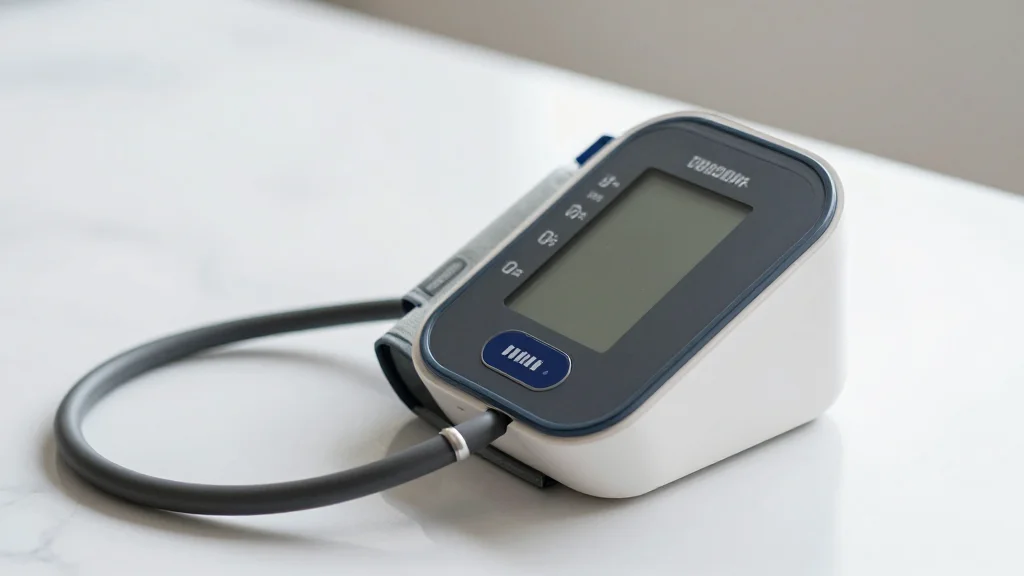
I'm Concerned About My Blood Pressure. Can I Check It at Home?
Hypertension affects about 31 % of adults worldwide, and a single office reading often fails to capture true blood‑pressure trends due to stress and white‑coat effects. The American College of Cardiology now recommends home monitoring to supplement annual screenings, providing multiple...
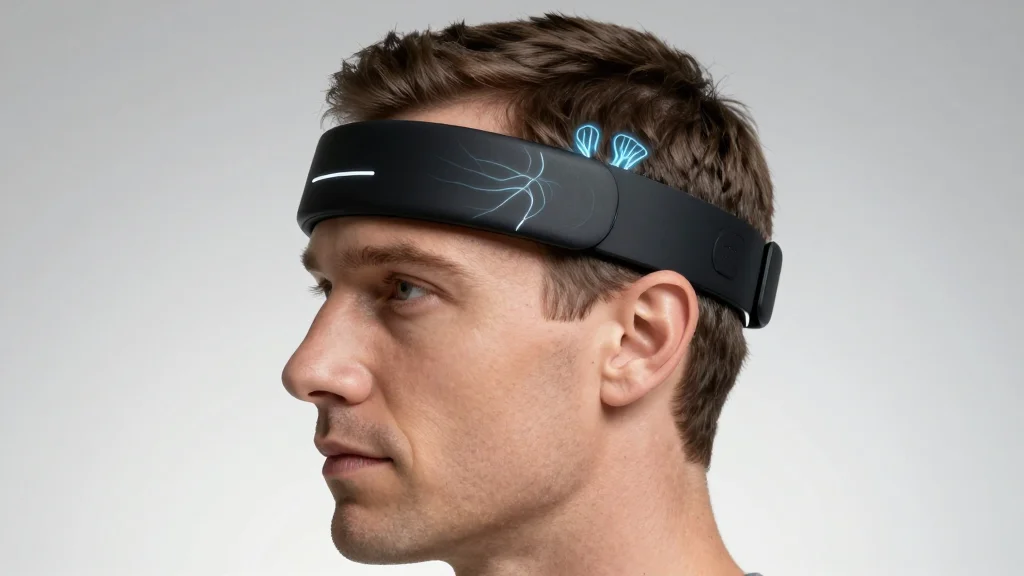
Colliding Currents Can Target the Deep Brain without Surgery
Temporal interference (TI) stimulation uses two high‑frequency electrical currents that intersect to generate a low‑frequency envelope capable of modulating deep‑brain activity without surgery. Early human pilots have reported seizure suppression and better sleep in epilepsy, improved motor learning after stroke,...

What’s Behind the Injectable Peptide Craze? – Podcast
Injectable peptides such as BPC‑157, GHK‑Cu and TB‑500 have surged in popularity among biohackers despite lacking regulatory approval. The Guardian podcast explores why these grey‑market compounds have become mainstream, featuring insights from journalist Adrienne Matei and Imperial College peptide researcher...
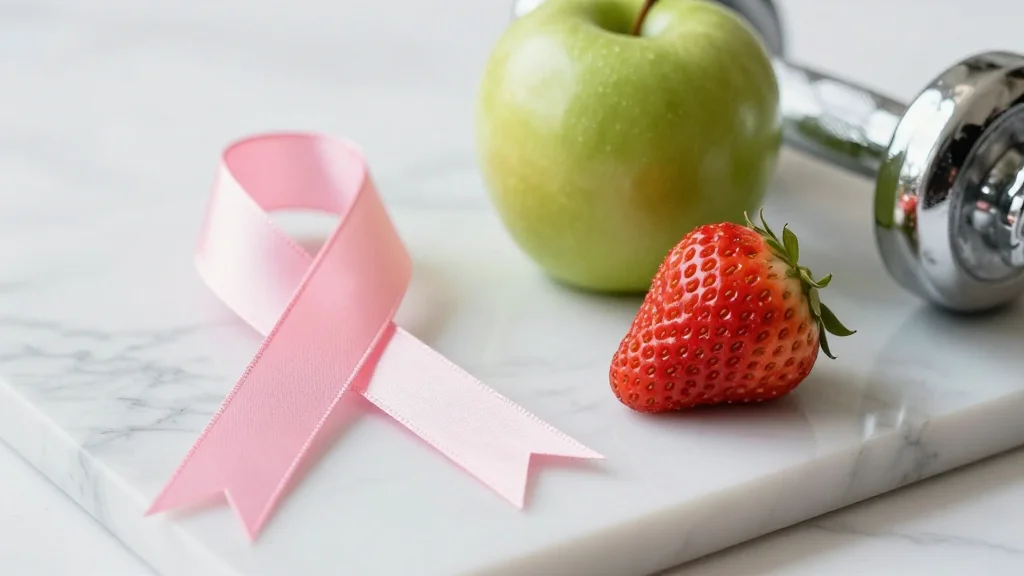
How To Reduce Risk of Breast Cancer
Breast cancer risk can be mitigated through lifestyle choices and proactive screening, according to oncologist Margaret E.G. Thompson. Regular physical activity helps regulate estrogen and insulin, while maintaining a healthy weight reduces hormone-driven tumor growth. Limiting alcohol consumption further lowers...
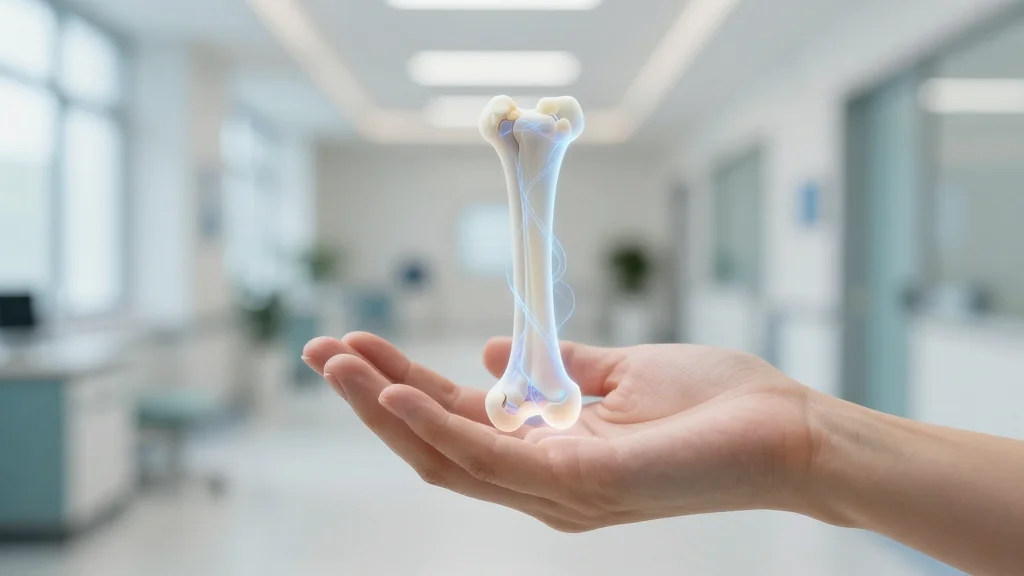
Global Resource Developed for Osteoporosis Self Management
The International Osteoporosis Foundation has launched Build Better Bones, a multilingual, user‑centered website that supports self‑management for people with osteoporosis and their caregivers. Developed through design‑thinking and agile methods, the platform offers evidence‑based guidance on exercise, nutrition, home safety, and...
No Evidence to Suggest Medicinal Cannabis Is Effective for Depression, Anxiety or PTSD, Says Systematic Review
A systematic review published in Lancet Psychiatry, analysing 54 randomized controlled trials from 1980‑2025, found no evidence that medicinal cannabis treats depression, anxiety or PTSD. The paper highlights modest benefits for conditions such as epilepsy, multiple sclerosis spasticity, pain and...

Many Women Over 40 Avoid Jumping Workouts—But This Simple Exercise Is the Key to Stronger Bones
Women over 40 are often warned against jumping exercises, yet new research shows plyometrics dramatically improve bone mineral density and reduce fracture risk. Studies in *Current Osteoporosis Reports* and *BMC Musculoskeletal Disorders* confirm that adding high‑impact drills to strength routines...
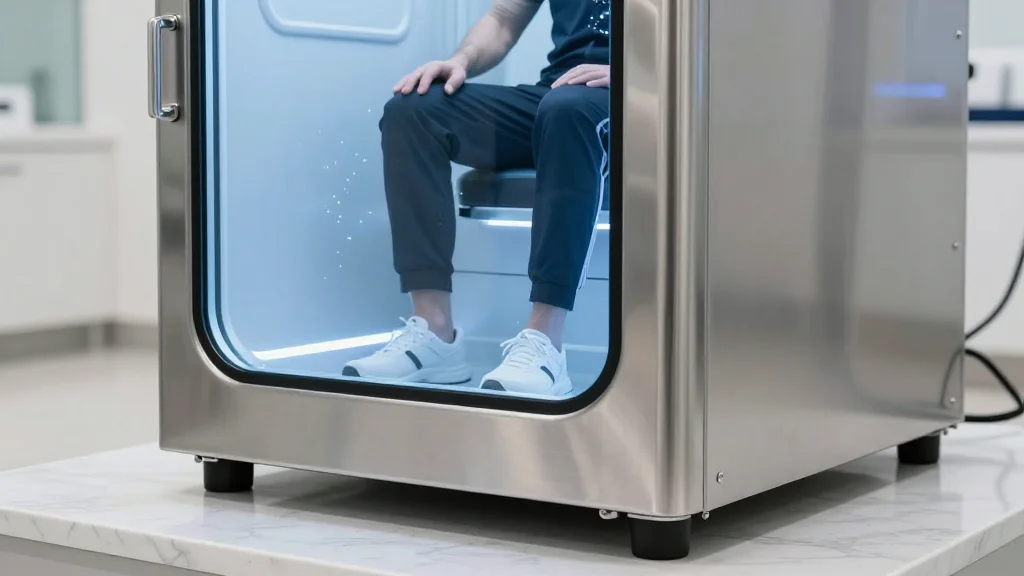
Can Hyperbaric Oxygen Therapy Help You Live Longer?
Hyperbaric oxygen therapy (HBOT), once confined to treating decompression sickness and serious medical conditions, is now being repackaged as a high‑end wellness service. Proponents claim it enhances cognition, slows skin aging, and extends lifespan, yet peer‑reviewed studies do not substantiate...