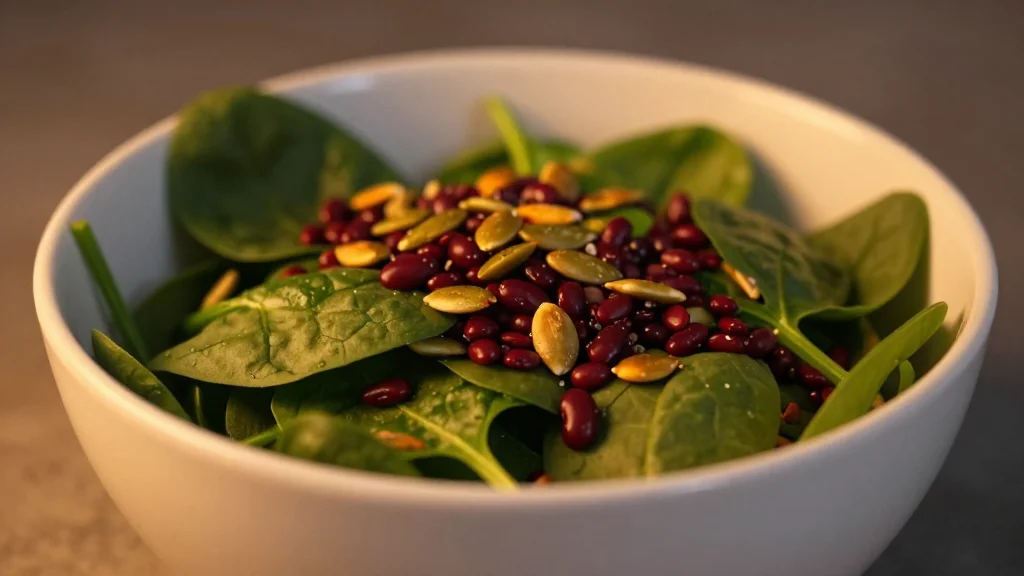
Scientists Discover Diet that Tricks the Body Into Burning Fat without Exercise
Scientists at the University of Southern Denmark discovered that restricting dietary methionine and cysteine triggers thermogenesis comparable to chronic cold exposure, leading to significant weight loss in mice. Over a week, mice on the amino‑acid‑restricted diet burned 20% more calories without eating less or moving more, due to activation of beige fat. The findings suggest plant‑based, low‑methionine/cysteine diets could emulate cold‑induced energy expenditure. Researchers propose exploring functional foods or obesity therapies that harness this mechanism.

How to Maintain Healthy Stress Levels
University of Tilburg associate professor Mirela Habibovic introduces the “stress spectrum” in a concise video, explaining how stress ranges from low to high levels. She argues that short‑term spikes in stress can sharpen focus, boost motivation, and enhance performance, while...

A 5-Minute Workout for Bone Health and Longevity
A new five‑minute, high‑impact workout targeting bone health uses heel drops, squat jumps, and box‑drop jumps to deliver forces up to four times body weight. A 2024 meta‑analysis of 18 studies found jump training can improve hip bone mineral density...

Researchers Aim to Visualize Brain Activity at True Speed
Johns Hopkins researchers, led by Adam Charles, secured a four‑year, $2.7 million NIH grant to build an AI‑enhanced optical imaging system that can record brain activity 20 to 50 times faster than current methods. The platform will translate voltage spikes and...
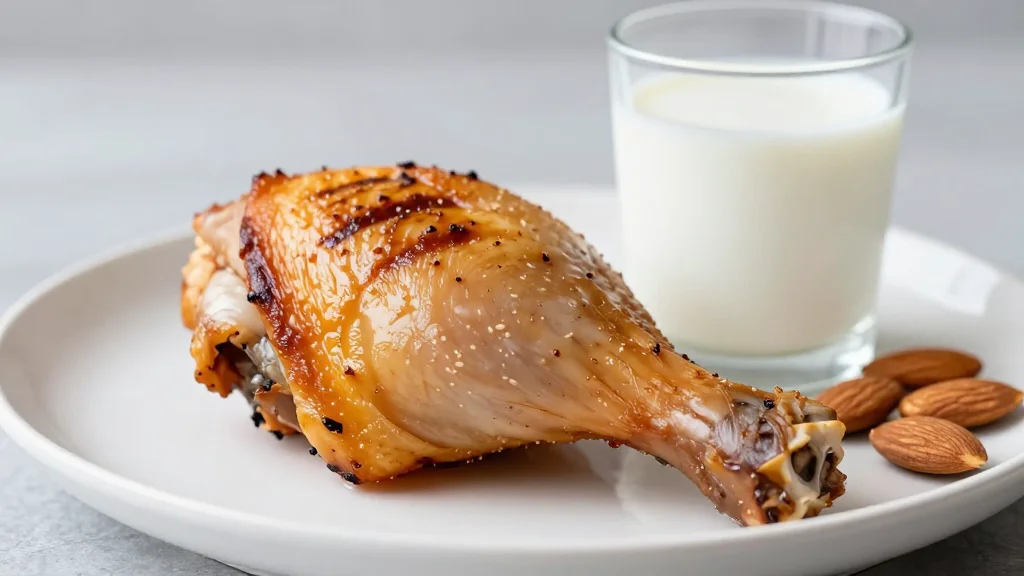
Study Finds Vegetarians over 80 Less Likely to Reach 100
A longitudinal study of more than 5,000 Chinese adults aged 80 and older found that non‑meat eaters were less likely to become centenarians than meat eaters. The disparity was confined to participants who were underweight, while those of normal weight...

NAD+ Supplements: Can They Really Slow Down Aging?
NAD+ supplements contain precursors that the body converts into the essential coenzyme NAD, which supports cellular energy production. The market promotes these products as anti‑aging and energy‑boosting, but the actual molecule cannot be absorbed directly, so formulations rely on nicotinamide...
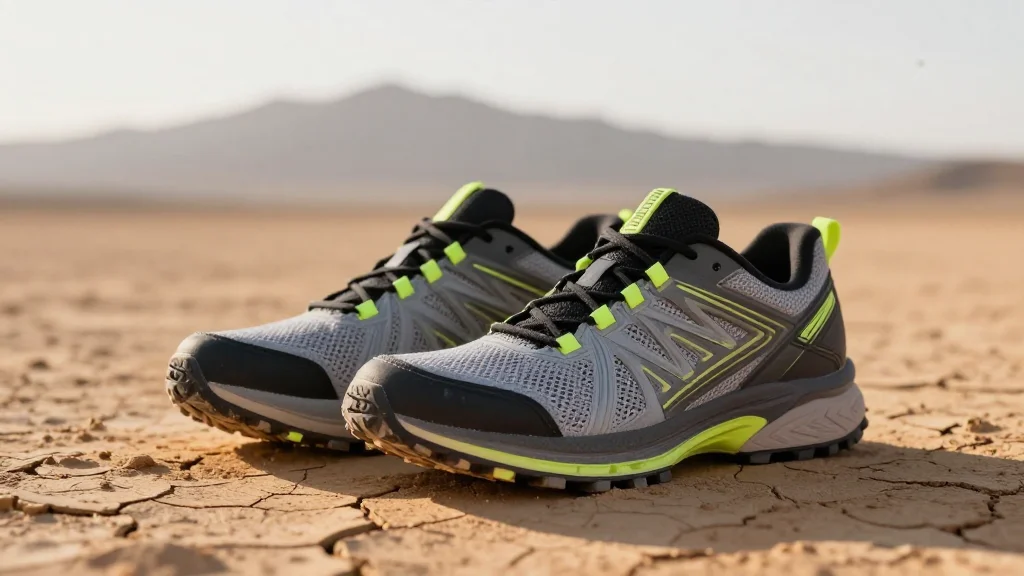
Coaching Molly Seidel: Translating Marathon Fitness to Ultramarathon
CTS coach Cliff Pittman guided Olympic marathoner Molly Seidel through her first 100 km at Black Canyon using a Minimum Effective Change model. Rather than adding mileage, the plan kept total volume steady while increasing run density and emphasizing back‑to‑back long...

Can Baking Soda Fight the Effects of Altitude?
The article discusses a recent study testing Maurten’s hydrogel‑encapsulated sodium bicarbonate (baking soda) on trained cyclists performing a 40‑kilometre time trial at simulated 1,850 m altitude. Results showed an average 1.2 % faster finish (63:29 vs 64:15) with baking soda, and the...

Artificial Intelligence (AI) in Sports Nutrition
Artificial intelligence has become embedded in daily sports nutrition workflows, from wearable readiness scores to automated meal‑plan generators. The technology excels when problems are well‑defined, data are accurate, and outcomes are objective—exemplified by AI‑driven endurance nutrition planning and real‑time analysis...

Health Benefits of Bell Peppers
Bell peppers are low‑calorie, nutrient‑dense vegetables that provide high levels of vitamin C, vitamin A, fiber, and antioxidants. Research links compounds such as beta‑cryptoxanthin and anthocyanins to reduced cancer risk, improved brain health, and better digestion. Nutrient content varies by color, with...

Strong for Life Part 1: Understanding Sarcopenia
Sarcopenia is a progressive loss of muscle mass and strength that begins around age 50, declining roughly 1‑2% per year. The condition is often under‑diagnosed despite clear links to falls, fractures, frailty, and higher mortality. Risk factors include sedentary behavior,...