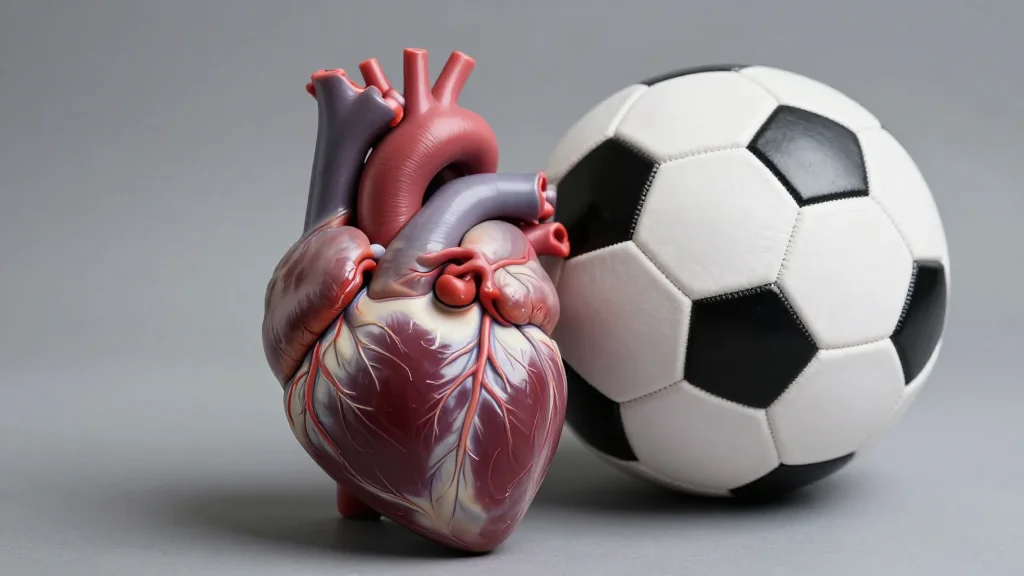
Why Ancestry Matters in the Cardiac Screening of Elite Soccer Players
A new ESC Preventive Cardiology study examined 9,024 elite male soccer players screened between 2017 and 2024, finding that 25% identified as Black and that cardiac abnormalities varied markedly by regional ancestry. West and Central African players displayed the highest rates of ECG repolarisation abnormalities and structural remodeling, while North African athletes resembled non‑Black peers. Clinically significant conditions such as hypertrophic cardiomyopathy were twice as common in Black players (1.0%) versus non‑Black (0.4%), with the greatest burden in those of West African origin. Researchers argue that ancestry‑specific screening could refine risk assessment and reduce sudden cardiac death in elite sport.

Heat Waves and Cold Waves Are Increasing Cardiovascular Events, Analyses Show
A geospatial analysis of over eight million residents in Eastern Poland found that both heat waves and cold waves significantly raise major adverse cardiovascular and cerebrovascular events (MACCE). Heat waves trigger an immediate 7.5% rise in MACCE and a 9.5%...
Rethinking Injury Risk: Why Injury Prevention in Sport Needs a Gender-And Sex-Specific Lens
A recent concept‑mapping study of 66 international experts identified ten gender‑ and sex‑specific factors that shape injury risk for female, woman and girl athletes. The research, commissioned for the IOC FAIR consensus, highlighted that insufficient knowledge among support staff is...

New Research Highlights 10 Peptides You Shouldn’t Be Using
A new review in *Sports Medicine* examined ten peptides that are circulating on social media as performance‑enhancers. The authors found that most of these compounds have only animal or in‑vitro data, with little or no convincing human research. All but...

CRISPR Base Editing Repairs Hard-to-Treat Cystic Fibrosis Mutation in Cell Models
A new study published in Science Translational Medicine demonstrates that an adenine base editor (SpRY‑ABE9) can correct the hard‑to‑treat CFTR 1717‑1G>A splicing mutation in cell models. Researchers delivered optimized mRNA and sgRNA, achieving up to 30% editing in kidney and...

What if Humans Could Regrow Tissue? New Study Moves Science Closer
Researchers at Texas A&M have demonstrated that a sequential application of fibroblast growth factor‑2 (FGF2) followed by bone morphogenetic protein‑2 (BMP2) can regenerate bone, tendon, ligament and joint structures in amputated mouse digits. The two‑step protocol first redirects fibroblasts away...

Pugs and Frenchies Could Find Breathing Relief for Squishy Faces with New Treatment
After 15 years of research, RMIT scientists and biotech firm Snoretox have developed Snoretox-1, an injectable treatment that uses a modified tetanus toxin to improve muscle tone in the geniohyoid muscle of flat‑faced dogs. In a small clinical trial, six...
Regenerative Medicine: Promise, Hype, and What Actually Works
Regenerative medicine spans stem cells, platelet‑rich plasma (PRP) and autologous conditioned serum (ACS), but not all modalities live up to hype. Dr. Thomas Buchheit emphasizes that stem‑cell injections rarely persist in tissue and mainly trigger immune‑mediated repair, while PRP and...

Ultrahuman Will Now Suggest Workout Videos Based on Your Recovery Score and Menstrual Cycle
Ultrahuman has launched a new PowerPlug that tailors Les Mills workout videos to a user’s recovery score and menstrual cycle data captured by its smart ring. The feature delivers two to three daily class suggestions, ranging from high‑intensity BODYPUMP™ to restorative...

Thinking About Anti-Aging Treatments? What Actually Helps (Without Going Overboard)
Non‑surgical anti‑aging options are gaining traction as a middle ground between DIY skincare and invasive surgery. Treatments such as Botox, dermal fillers, laser resurfacing, and advanced facials offer quick, low‑downtime results that subtly refresh appearance. In Dania Beach and similar...

Supplements for Menopause: Here’s What the Evidence Actually Says
Supplements such as magnesium, lion’s mane, creatine and collagen are heavily marketed for menopause relief, but scientific support varies. Clinical trials show magnesium can aid sleep and reduce anxiety, while lion’s mane’s mood benefits are inconclusive and lack menopause‑specific data....

Novo's Pill for Kids; Altimmune’s $225M Offering; Merck Teams with Google Cloud
Novo Nordisk reported that its oral GLP‑1 drug Rybelsus reduced hemoglobin A1C by 0.83% in adolescents aged 10‑17 with type‑2 diabetes after about six months of treatment. The result marks the first pediatric efficacy data for a GLP‑1 pill, expanding...

How Much Time Should Runners Actually Spend Stretching?
The piece outlines how much stretching runners should do based on specific goals, recommending dynamic warm‑ups before runs and static cool‑downs after. For pain relief, it suggests 2–3 daily sessions; for expanding range of motion, 30–60 minutes per week; and...

Nearly 70% Of Americans Are Deficient In This Mineral & Blood Tests Miss It
New analysis of NHANES data shows that 67.8% of U.S. adults may have chronic latent magnesium deficiency, a condition where serum levels appear normal but body stores are depleted. The deficiency is especially prevalent among people with diabetes (78.3%), hypertension...
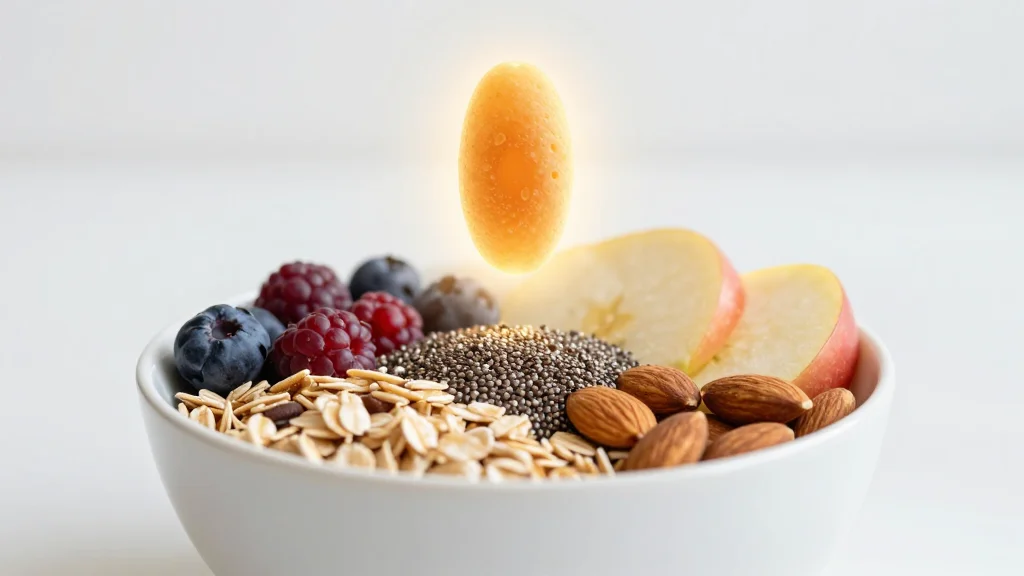
Tired All The Time? This Simple Diet Tweak Could Boost Your Energy
Stanford protein chemist Daria Mochly‑Rosen explains that dietary fiber fuels the gut microbiome, which produces butyrate—a short‑chain fatty acid that directly nourishes intestinal mitochondria. Adequate butyrate improves mitochondrial efficiency, strengthens the gut barrier, and reduces inflammation, translating into higher energy...
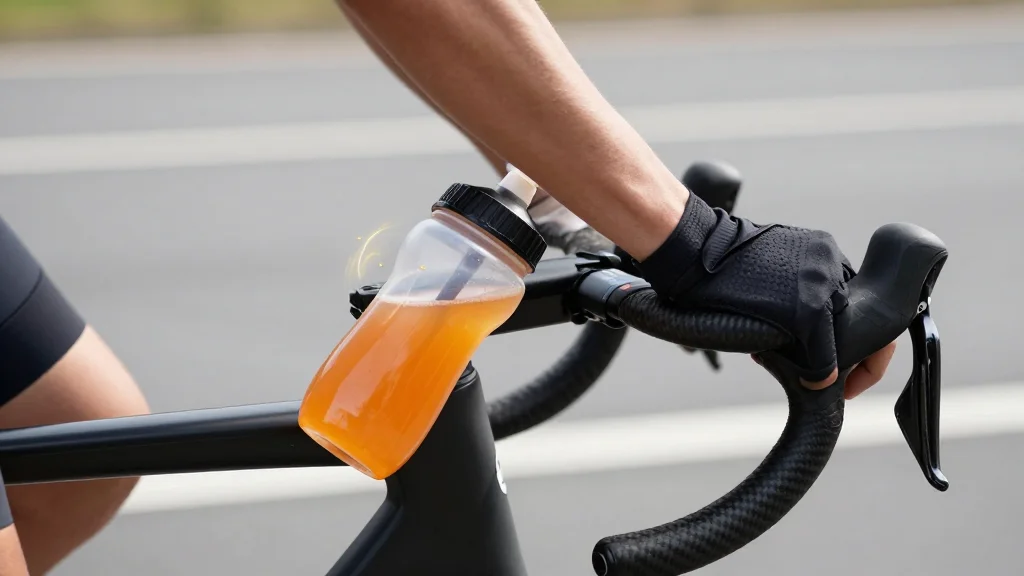
UCI Sports Nutrition Project: Nutrition in Road Cycling
The UCI Sports Nutrition Project paper delivers the most comprehensive review of race nutrition for professional road cycling. It highlights that modern races start at higher intensities, causing earlier glycogen depletion and a greater reliance on exogenous carbohydrates. Energy expenditure...

What Does ‘Sleep Latency’ Mean?
Sleep latency measures the minutes it takes to drift off after getting into bed, with a typical healthy range of 10‑20 minutes. The article, citing sleep specialist Michelle Drerup, explains that longer or shorter latencies aren’t automatically pathological but can...
CoQ10 Boosts Exercise Performance, Recovery: Thailand Crossover Study
Researchers at Mahidol University conducted a crossover trial in Thailand examining post‑workout supplementation with 300 mg CoQ10, a lemon‑flavored Gatorade, or placebo in normal‑weight and overweight men aged 18‑30. The study found that CoQ10 significantly increased resistance‑exercise volume and reduced urinary...

This Routine Heart Scan Sees the Danger Coming Long Before Symptoms Strike
Researchers at Kumamoto University demonstrated that adding a delayed imaging phase to a standard cardiac CT scan enables measurement of Late Iodine Enhancement (LIE) and Extracellular Volume (ECV) fractions. In a cohort of 1,207 patients tracked for an average of...

Can You Slow Ageing with Your Diet? A New Book Gives It a Go
Freelance health journalist David Cox discovered his biological age was older than his chronological age and turned that shock into a mission to reverse it. In his new book, *The Age Code*, he chronicles how specific dietary changes can lower...
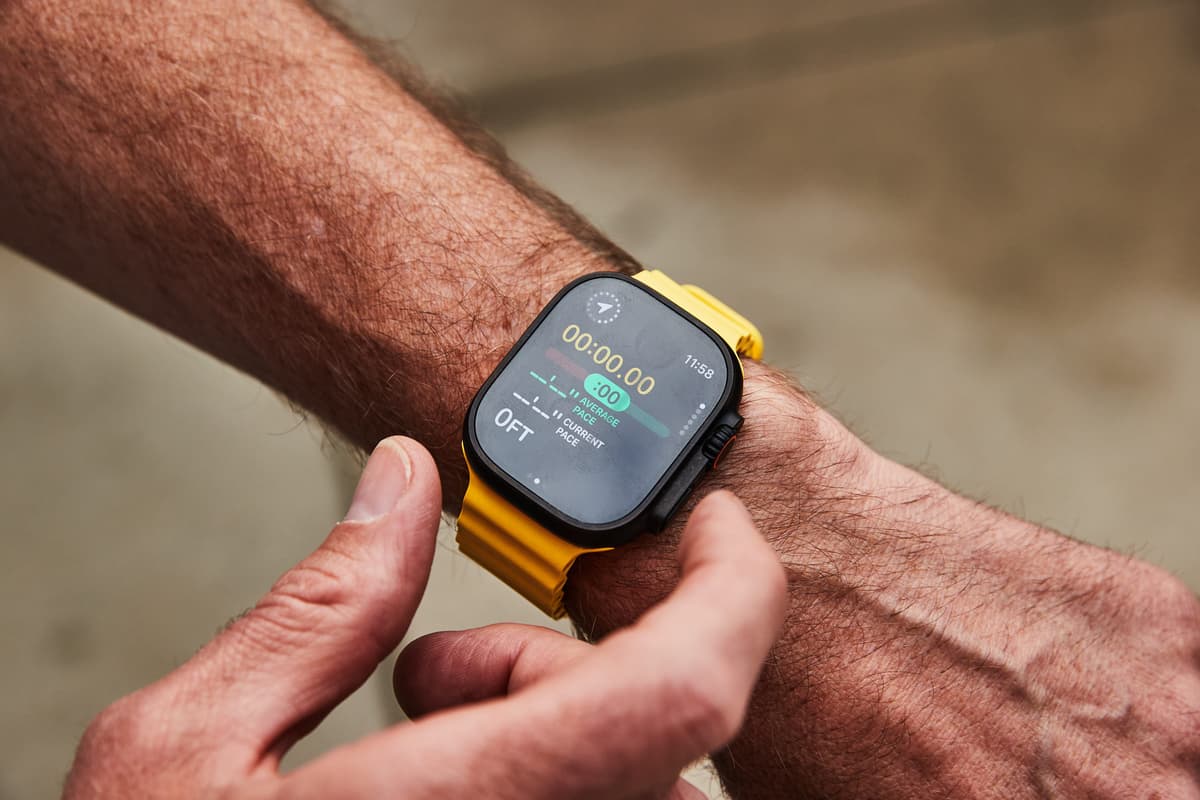
I’ve Been Running With the Apple Watch for 10 Years, but This One Feature Gave Me More Confidence for Race...
Apple’s Watch Pacer feature, introduced in watchOS 9 (2022), provides real‑time visual and audio cues to keep runners on target pace. Runner Jeff Dengate tested it while training for the London Marathon, noting that the green/red bar and Siri alerts helped...

This Is Exactly How Much Creatine You Should Be Taking Every Day
Creatine remains the most researched dietary supplement, prized for boosting short‑burst power, muscle mass, and emerging cognitive benefits. Experts agree a daily dose of 3–5 grams safely saturates muscle stores, while exceeding 10 grams can cause gastrointestinal discomfort and dehydration. The long‑debunked...

VO2 Max, Explained: Why This Test Reveals So Much About Overall Health and Longevity
VO2 max measures the maximum amount of oxygen your body can use during intense exercise, reflecting lung capacity, heart efficiency, and muscle oxygen extraction. Traditionally a benchmark for endurance athletes, it is now championed by longevity experts as a holistic...
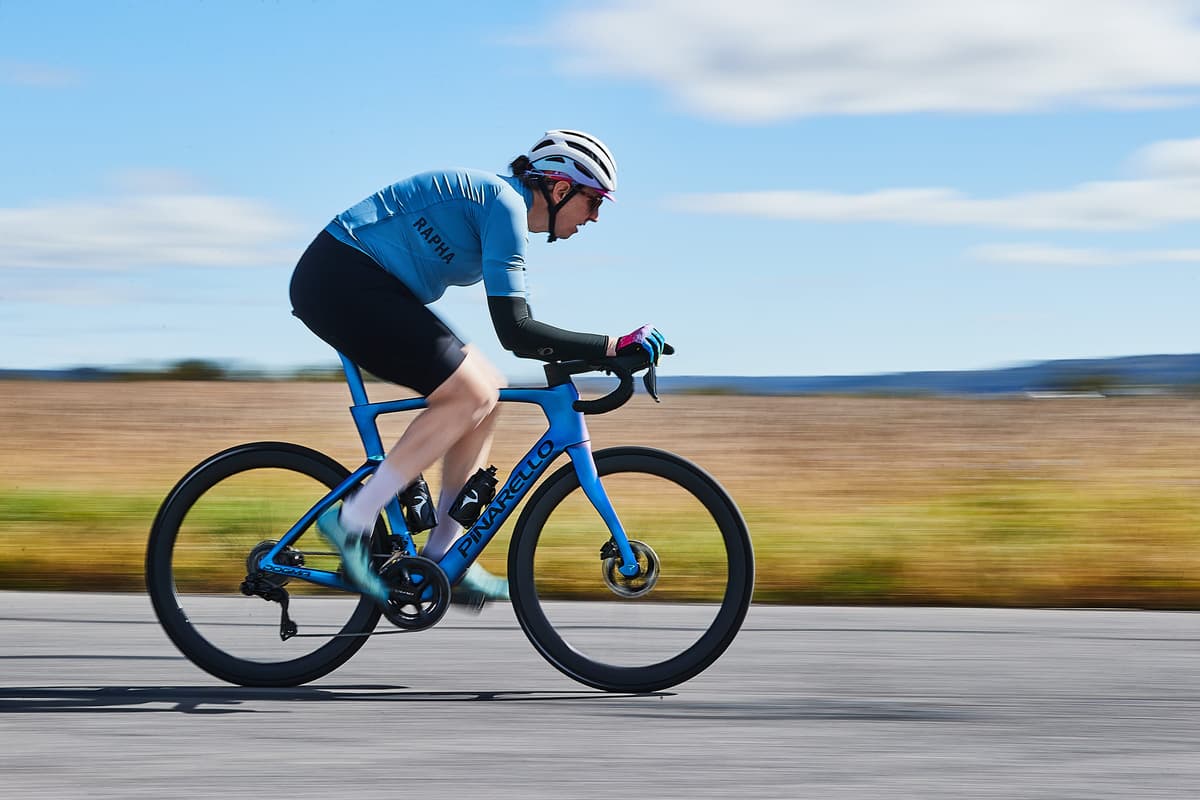
Cycling Metrics Guide: What to Measure for Better Rides
The article outlines ten essential cycling metrics—from speed and distance to power and heart‑rate variability—helping riders quantify performance and guide training. It emphasizes starting with basic data, then layering more sophisticated measures as experience grows. The guide explains how each...
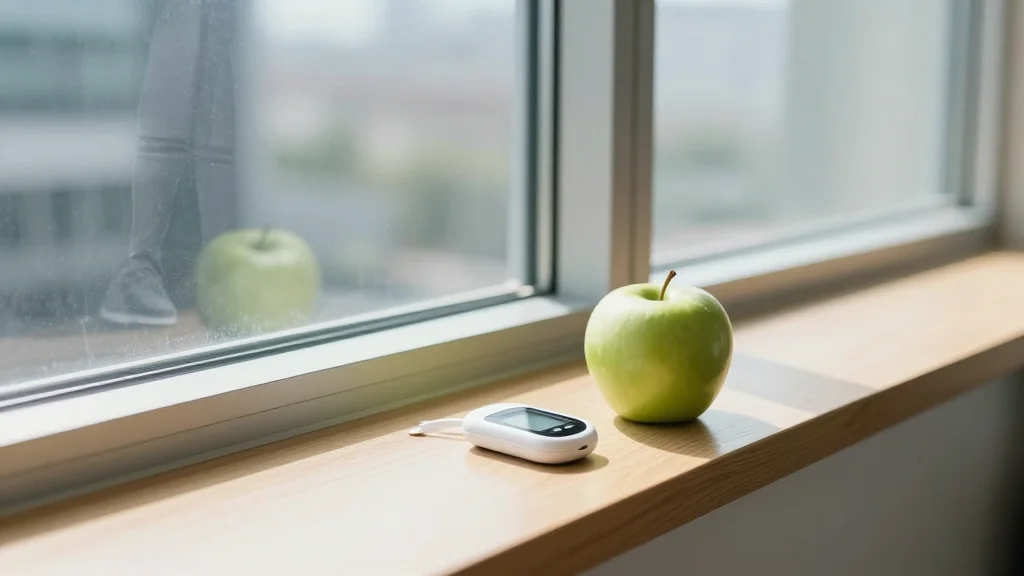
The Easiest Blood Sugar Upgrade You Can Make During The Workday
A new study in Cell Metabolism found that natural daylight exposure at work improves blood‑sugar stability for people with type 2 diabetes. In a crossover trial, participants who sat near windows spent more time within the normal glucose range than when...
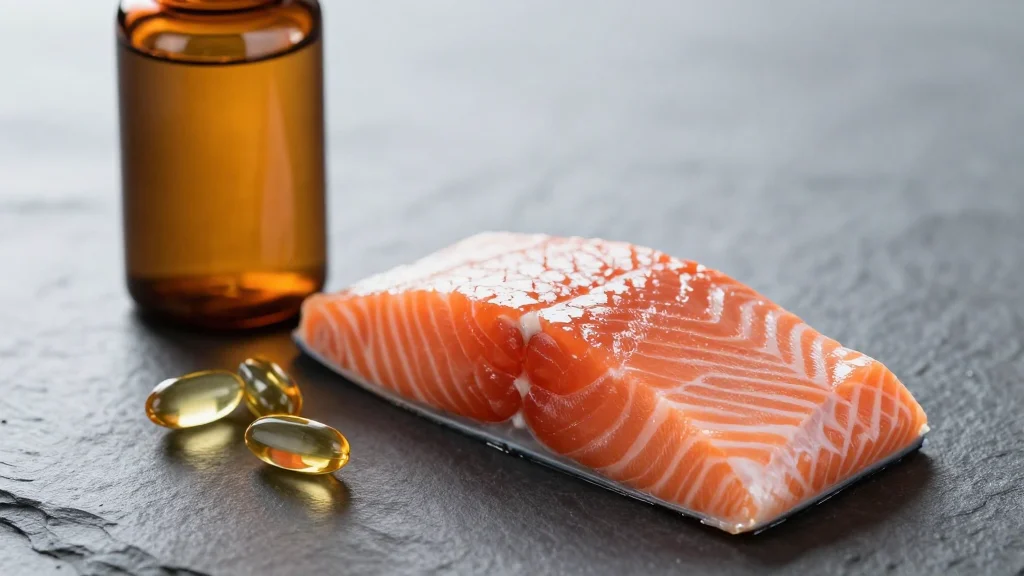
Training Hard? 7 Ways Omega-3s Improve Your Fitness & Overall Health
The International Society of Sports Nutrition (ISSN) released a position paper confirming that omega‑3 fatty acids, especially EPA and DHA, can enhance cardiovascular efficiency, muscle quality, and recovery in athletes. Studies cited show improvements in running economy, heart‑rate recovery, and...

Resistance Training After Menopause May Still Be Just as Effective
A meta‑analysis of 126 studies involving 4,019 women found that resistance training improves muscular strength, increases muscle mass, and reduces fat equally in premenopausal and postmenopausal participants. The optimal protocol was two to four sessions per week over several weeks....

Re: Intermittent Fasting Strategies and Their Effects on Body Weight and Other Cardiometabolic Risk Factors: Systematic Review and Network Meta-Analysis...
A recent systematic review and network meta‑analysis suggested alternate‑day fasting could outperform continuous energy restriction (CER) for weight loss and some cardiometabolic markers. In a rapid response, Dr. Moeez Ahmad cautions that the CER arms in the analysis were highly...
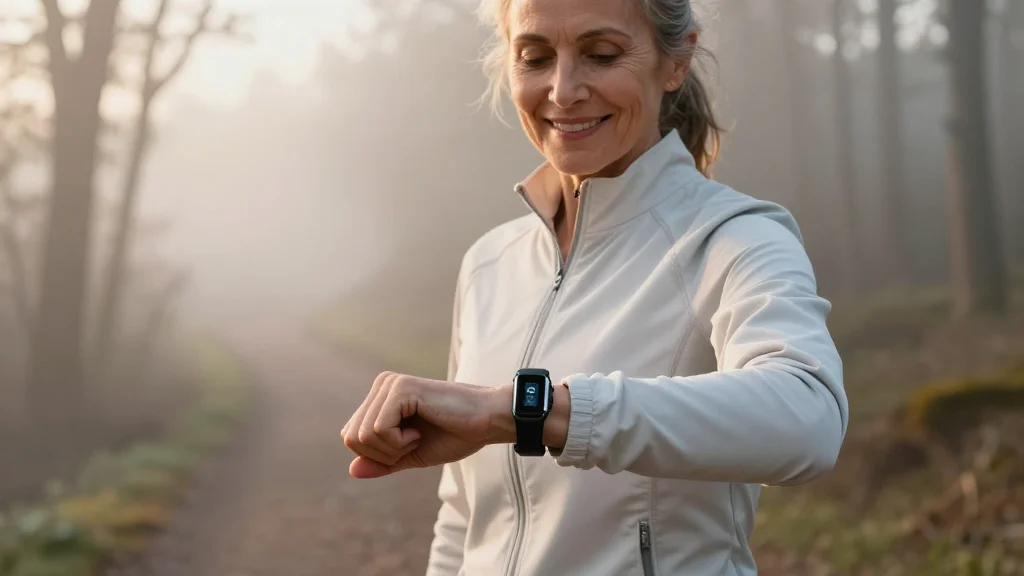
This Fitness Metric Predicts Brain Size a Decade Later — How to Improve It
A nine‑year follow‑up of the Generation 100 trial found that VO₂ max measured in participants’ early 70s predicts larger cortical brain volume and better memory‑related performance almost a decade later. Baseline cardiorespiratory fitness proved a stronger indicator of brain health than the...

Do Blue Light Glasses Work?
Blue light glasses have become a ubiquitous retail trend, marketed as a cure for digital eye strain, retinal damage, and sleep disruption. Ophthalmologists, however, note that the primary source of harmful blue light is sunlight, and current research finds no...
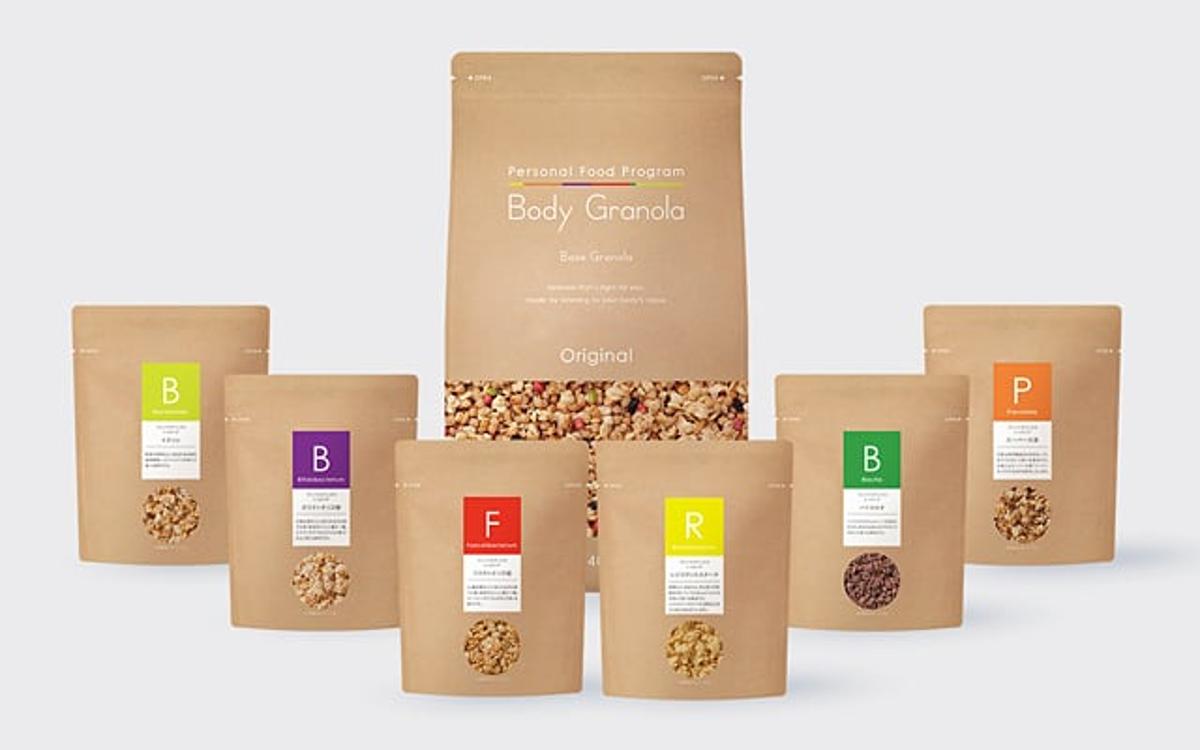
Calbee, AMILI Bring Personalized Nutrition to Singapore
Calbee and Singapore‑based AMILI have introduced Body Granola, a personalized nutrition service that combines a gut microbiome test with a custom granola subscription. The test kit is priced at US$243 and the monthly subscription at US$38.50 for 20 servings. The...
SynbioTech's L. Plantarum FS4722 Emerges as a Potential Preventive Approach for Hyperuricemia
SynbioTech announced that its probiotic Lactiplantibacillus plantarum FS4722 markedly lowers serum uric acid in mouse models, matching the efficacy of conventional uric‑lowering drugs while showing no kidney toxicity. The strain works through a multi‑mechanism gut‑liver‑kidney axis: it reduces intestinal purine...
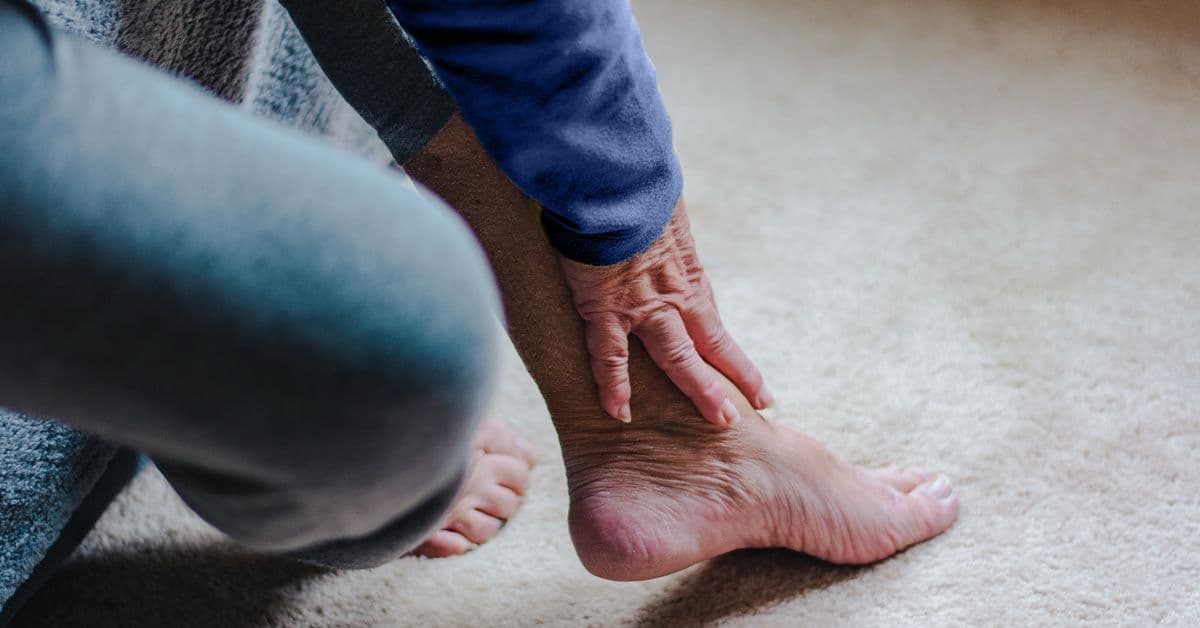
Natural GLP-1 Discovery Hidden in Joints Could Revolutionize Arthritis Treatment
A study published in The Lancet Rheumatology found trace amounts of the body’s natural GLP‑1 hormone in the synovial fluid of patients with rheumatoid arthritis and spondyloarthritis. Researchers compared joint‑fluid and blood samples from the INART biobank and observed a...
The Great Ozempic Experiment
GLP‑1 medications such as Ozempic and Zepbound have moved beyond weight‑loss to treat a spectrum of conditions, from traumatic brain injury to long Covid and addiction. An interactive New York Times report highlights that roughly one in eight Americans have tried these...

A 2:09 Marathoner Trained on a Treadmill for 3 Months. Here Are His 5 Tips for Getting Faster Indoors.
Thomas Nobbs, a 26‑year‑old Canadian runner, spent three winter months logging roughly 130 miles per week on a gym treadmill after outdoor training became impossible. By replicating his outdoor routine—1% grade, effort‑based pacing, and varied interval work—he shaved three minutes...
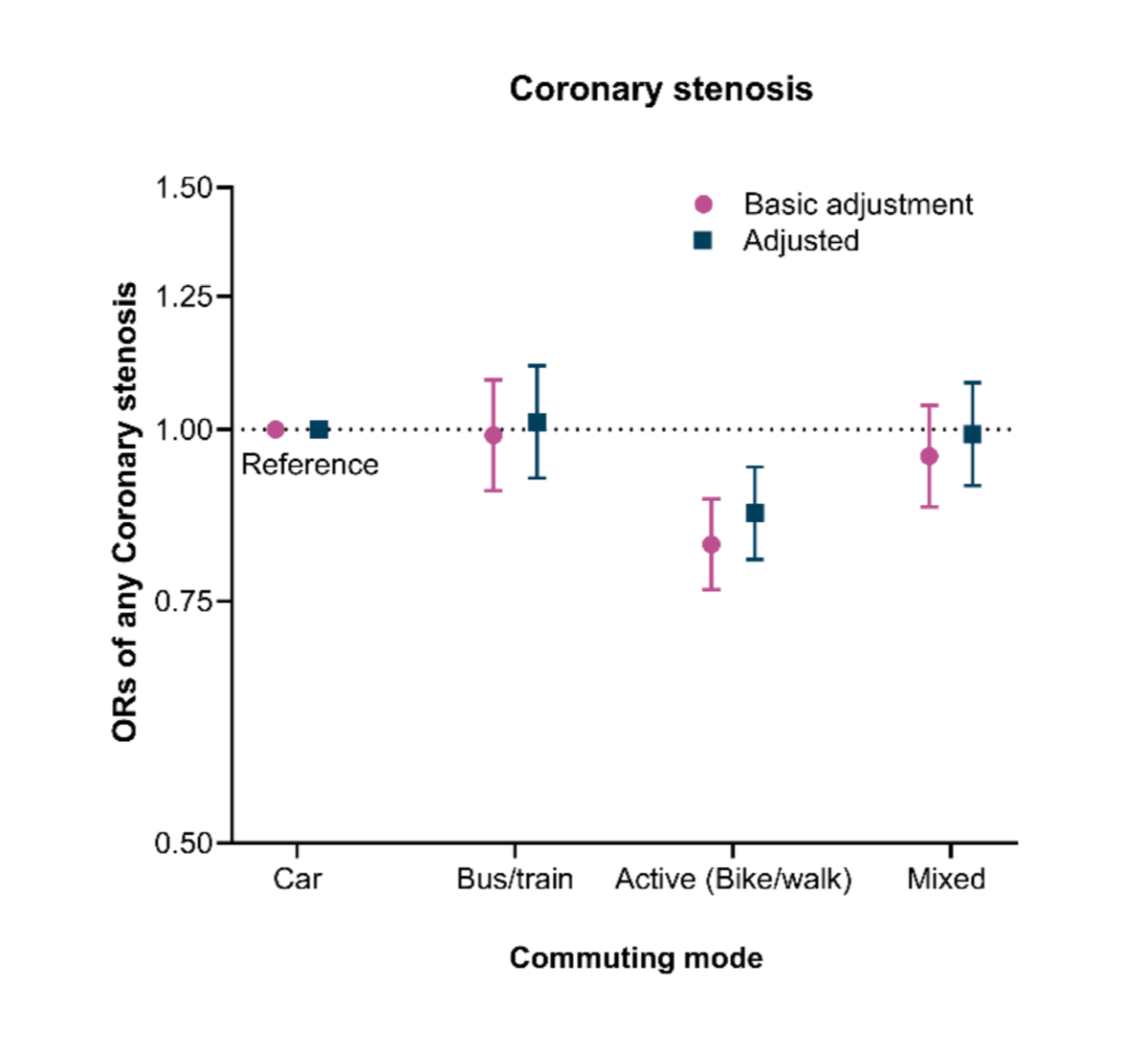
Skip the Car? Active Commuting and Coronary Atherosclerosis
A new analysis of the Swedish CArdioPulmonary bioImage Study (SCAPIS) examined 23,000 adults aged 50‑64 and found that people who walk or cycle to work have less coronary artery stenosis and lower calcium scores than car commuters. The association persisted...
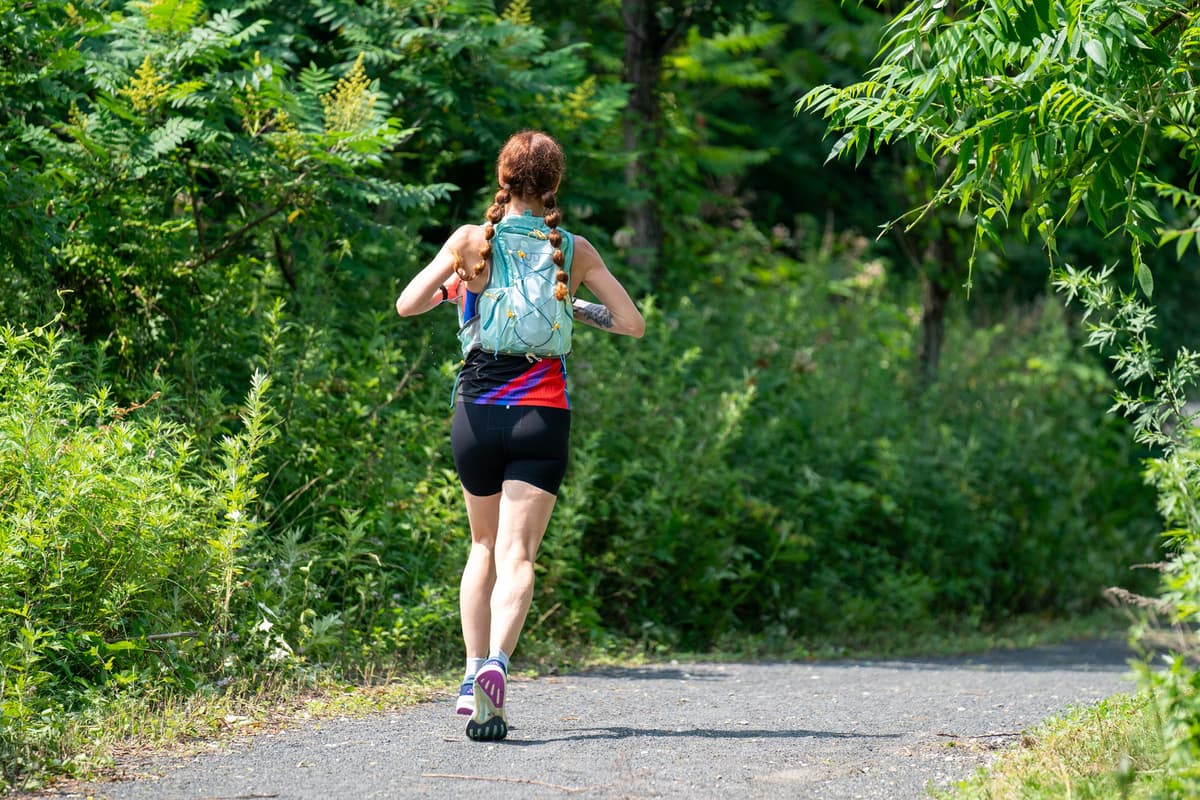
Your Weekly Mileage Is Not the Whole Story. This Long-Run Mistake Could Be Holding You Back.
Runner’s World’s latest episode highlights a new study that challenges the conventional 10‑percent rule, suggesting the incremental increase should target long‑run distance rather than overall weekly mileage. Hosts Jeff Dengate and Aly Ellis explain how over‑loading the longest run can...

Why Lifting Weights Is the Most Powerful Anti-Aging Hack for Men
A large JAMA Network Open study of 115,000 adults over 65 found that strength training at least twice a week reduces all‑cause mortality risk by up to 30%, even after accounting for aerobic activity. Multiple cohort analyses reinforce that grip...

Rapamycin Might Blunt Exercise Response in Humans
A double‑blind, placebo‑controlled trial gave 40 sedentary adults aged 65‑85 a weekly 6 mg dose of rapamycin alongside a 13‑week home‑based exercise program. Participants receiving rapamycin showed smaller gains in chair‑stand performance and trended worse on six‑minute walk and grip strength,...
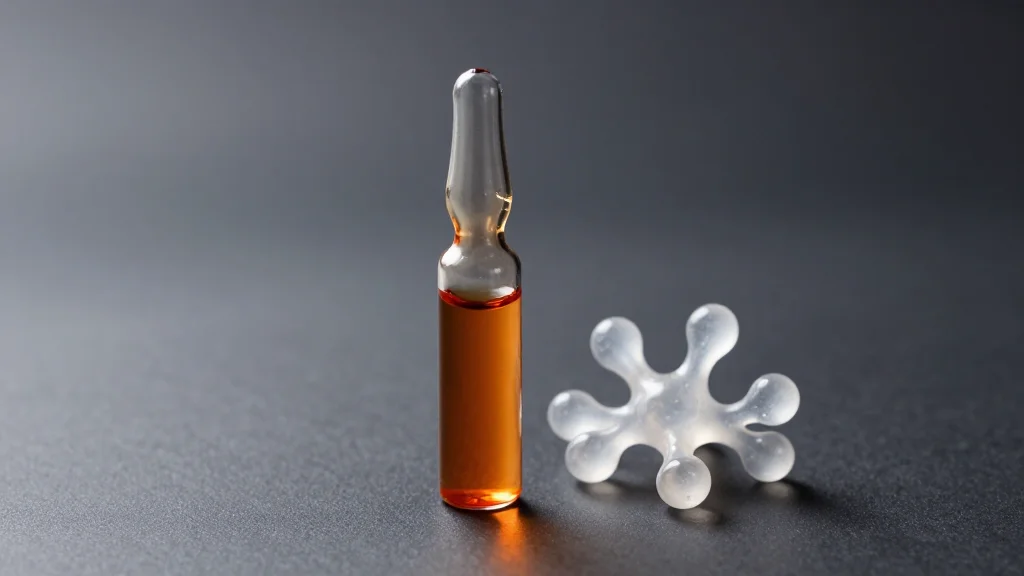
BioAge Says Early Data Suggest ‘Best-in-Class’ Potential for Inflammation Drug
BioAge Labs released Phase 1 data for the 60‑mg dose of its NLRP3 inhibitor BGE‑102, confirming tolerability and inflammation‑lowering activity similar to the earlier 120‑mg readout. The oral pill crosses the blood‑brain barrier, opening possibilities for cardiovascular, obesity, eye and central‑nervous‑system...
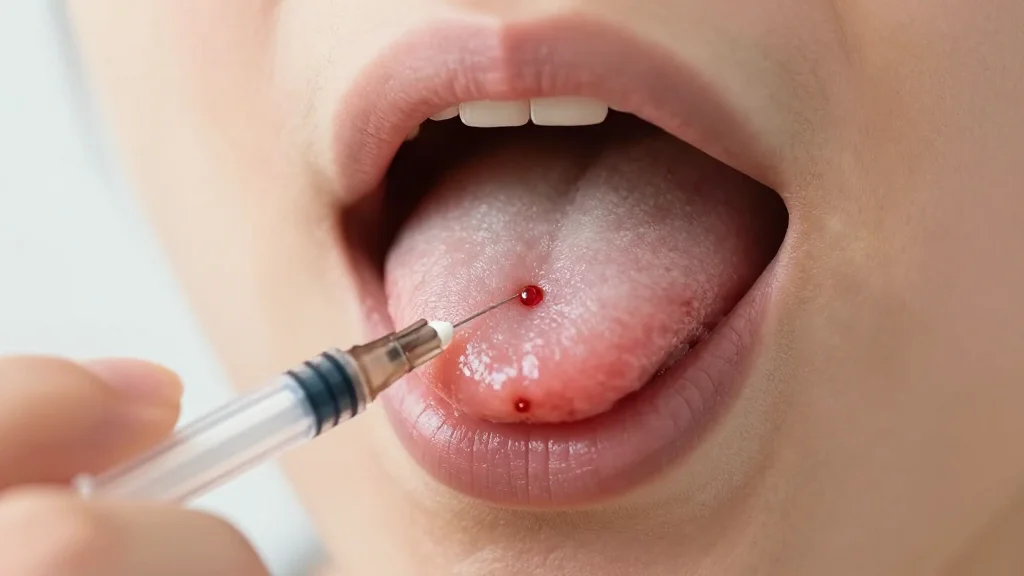
Intralesional Nivolumab May Be Effective Against Precancerous Oral Lesions, Phase I Trial Results Indicate
A Phase I trial presented at AACR 2026 showed that injecting low‑dose nivolumab directly into precancerous oral lesions produced an 85% clinical response rate, with lesions shrinking an average of 60% and 41% achieving histologic downgrading. Patients received 10 mg or 20 mg...
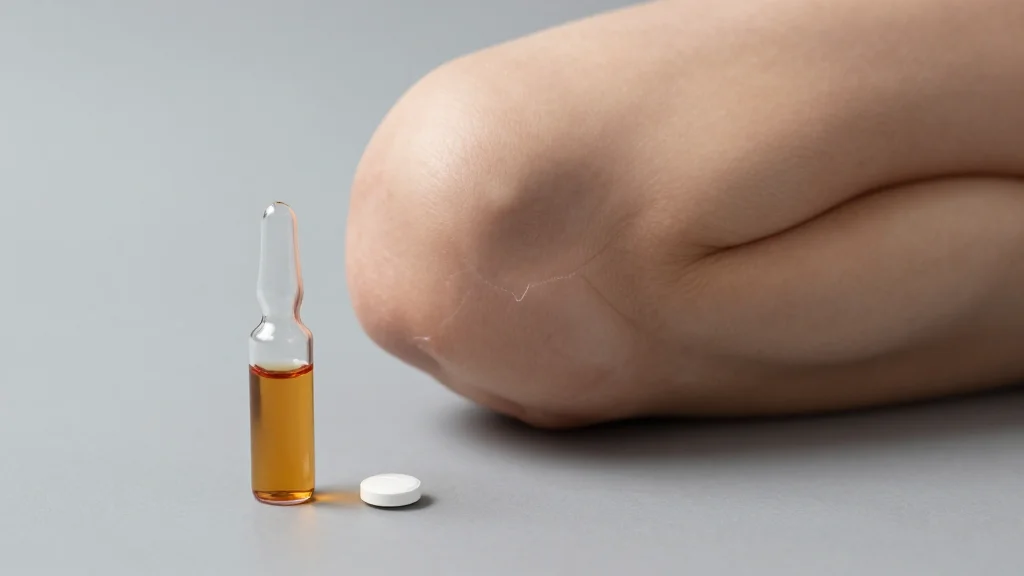
Combining Cannabis with Opioids Offers No Added Pain Relief for Knee Arthritis Patients, Study Concludes
Researchers conducted a double‑blind, placebo‑controlled trial with 21 knee‑osteoarthritis patients to evaluate whether dronabinol, a synthetic THC, enhances the analgesic effect of hydromorphone. The study found that neither drug alone, nor their combination, produced meaningful acute pain relief during laboratory...

Avoid These Sleep Mistakes That Are Sabotaging Your Performance
Entrepreneurs over 40 often treat sleep as a flexible resource, leading to subtle but cumulative performance losses. The article outlines five common sleep mistakes—irregular schedules, late‑night work, caffeine reliance, bedtime mental overload, and fragmented rest—that erode decision‑making, creativity, and emotional...

BioAge Reports Positive Phase 1 Data for BGE-102
BioAge Labs announced Phase 1 results for BGE‑102, an oral, brain‑penetrant NLRP3 inhibitor, showing up to 86% reductions in high‑sensitivity C‑reactive protein (hsCRP) in obese participants. A 60 mg once‑daily regimen over 21 days achieved biomarker improvements comparable to the previously tested...
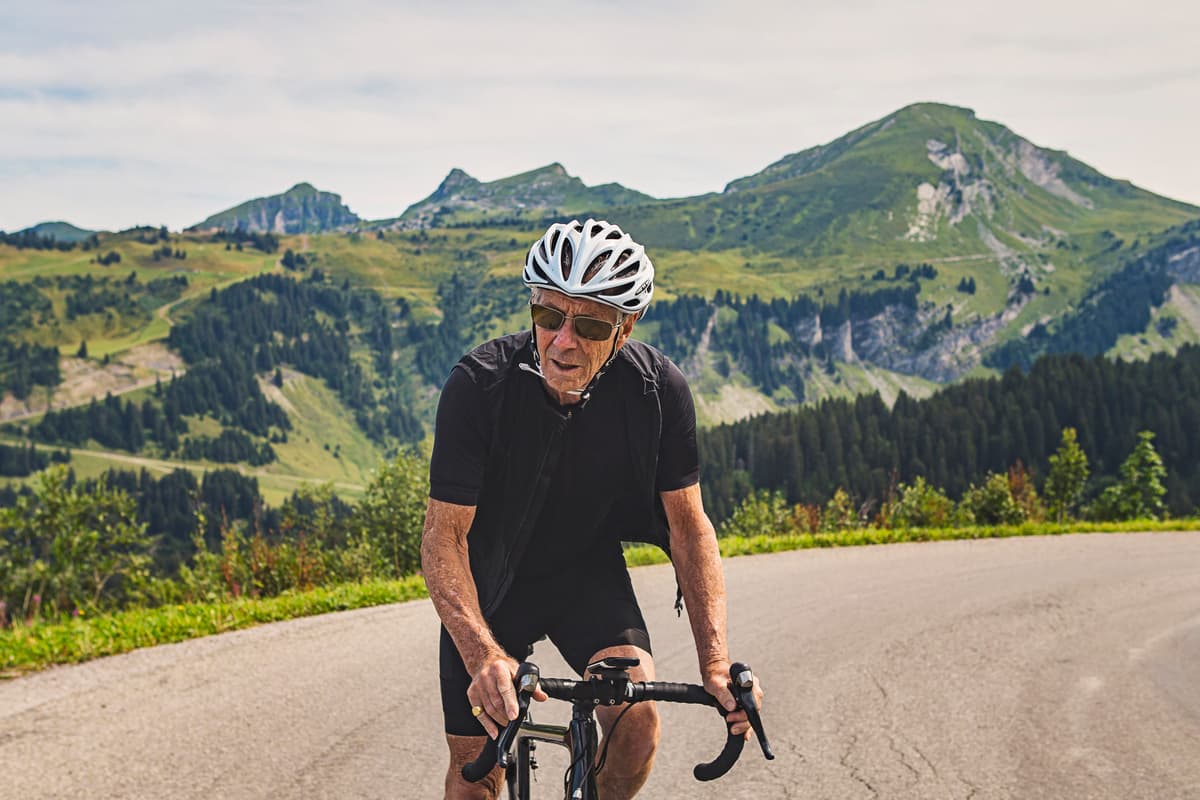
Can Bicycling Help You Become a SuperAger?
A 2024 Journal of Neuroscience study links superior white‑matter microstructure to the remarkable memory of SuperAgers—people 80+ whose cognition rivals that of those in their 50s. Researchers interviewed cyclists aged 80‑90 who exemplify this group, noting their mobility, social connections,...

What New Atopic Dermatitis Treatments Are in the Pipeline in 2026?
The atopic dermatitis pipeline in 2026 is dominated by next‑generation biologics and selective small molecules that aim to improve efficacy while reducing side‑effects. Connect Biopharma’s rademikibart achieved near‑complete skin clearance in a phase 3 trial, and Apogee’s extended‑half‑life zumilokibart showed durable...

Acute Citrulline Malate Shows Promise for Male Sprinters Going for Gold
Researchers gave elite male sprinters an 8 g acute dose of citrulline malate (CM) before a second 100 m sprint and found modest speed improvements, higher lactate rise, and reduced perceived fatigue compared with placebo. The double‑blind crossover study involved 11 collegiate...

Understanding Type I and Type III Collagen: How Different Collagen Types Support Joint and Skin Health
Collagen, the body’s most abundant protein, exists in 28 types, with Types I and III dominating connective tissue. Type I delivers tensile strength to bone, tendon, ligament and cartilage, while Type III provides elasticity for skin, arterial walls, and wound‑healing matrices. Production drops roughly...

Do Vitamin C Supplements Help Reduce Anxiety?
Recent research offers mixed evidence on vitamin C’s role in easing anxiety. A double‑blind trial gave high‑school students 500 mg of vitamin C daily—roughly the amount in five oranges—and observed reduced anxiety and lower heart rate within two weeks. Another study reported an...
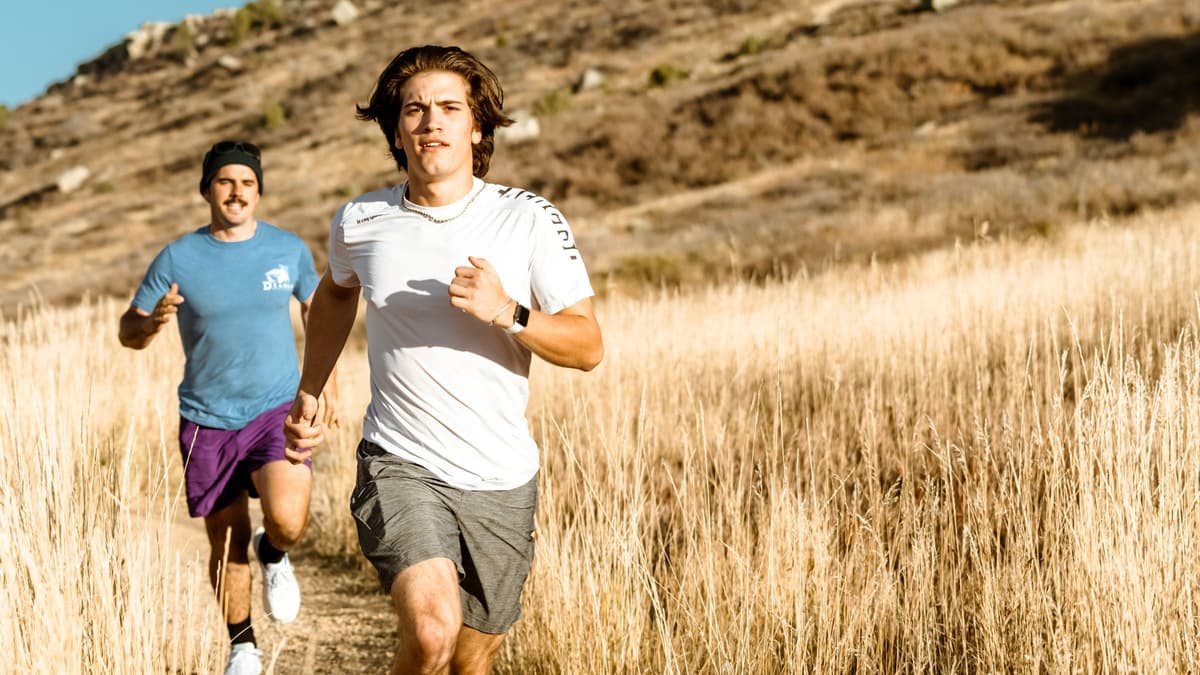
You’re Maxxing Yourself to Death. There’s a Better Way.
The article argues that the current "maxxing" mindset—obsessing over physical optimization—overlooks broader dimensions of health. It introduces the SPECIES‑F framework, outlining eight wellness pillars: spiritual, physical, environmental, career, intellectual, emotional, social, and financial. By citing research from the Global Wellness...