
Natural GLP-1 Discovery Hidden in Joints Could Revolutionize Arthritis Treatment
A study published in The Lancet Rheumatology found trace amounts of the body’s natural GLP‑1 hormone in the synovial fluid of patients with rheumatoid arthritis and spondyloarthritis. Researchers compared joint‑fluid and blood samples from the INART biobank and observed a direct correlation between systemic and joint GLP‑1 levels. The discovery provides a biological rationale for testing whether pharmacological GLP‑1 agonists—currently used for diabetes and obesity—can reach joints at therapeutic concentrations. The authors plan follow‑up work to assess drug penetration and anti‑inflammatory effects in the joint environment.
Urine Biomarker May Predict Bladder Cancer Treatment Response, Study Finds
Stanford researchers have created a urine‑based liquid biopsy that detects tumor DNA to predict which non‑muscle invasive bladder cancer (NMIBC) patients will benefit from BCG immunotherapy. In a Cell‑published study, patients with detectable tumor DNA after BCG had a high...

Noxopharm SOF-SKN Data Shows Prolonged Skin Retention with Minimal Systemic Absorption
Australian biotech Noxopharm announced preclinical pharmacokinetic results for its SOF‑SKN candidate, showing a skin half‑life of roughly 3.5 days with negligible systemic exposure. The active moiety, SOF‑16, demonstrated consistent dermal concentrations across normal and disease‑like skin and remained confined to...

FDA Clears Merck's First Once‑Daily Oral HIV Pill
The U.S. Food and Drug Administration approved Merck's once‑daily oral HIV pill, the first daily regimen from a major pharmaceutical firm in recent years. The decision positions Merck to compete more directly in the HIV market and could reshape treatment...
NIH-Funded AI Model Predicts Cancer Survival From Single-Cell Tumor Data
Researchers at Oregon Health & Science University, funded by the NIH, unveiled scSurvival, an AI model that predicts cancer patient survival from single‑cell tumor data. The tool was evaluated on clinical datasets from more than 150 melanoma and liver cancer...

FDA Issues Draft Guidance to Fast‑Track Ultra‑Rare, Individualized Therapies
The U.S. Food and Drug Administration released a draft guidance on Feb. 23, 2026 outlining a “plausible mechanism framework” for individualized therapies targeting ultra‑rare genetic diseases. The roadmap aims to replace traditional randomized trials with mechanistic data, accelerating approval pathways for treatments...

Biology’s Data Gap: Making Lab Results AI-Ready
Biology generates enormous amounts of data. Almost none of it is ready for AI. #SynBioBeta2026 is May 4-7th in San Jose, California, you can learn more about the conference and get your tickets here: https://t.co/8abYWJ1GbK Most experimental infrastructure was built for individual...

Durvalumab Plus FLOT Improves Resectable Gastric Cancer Outcomes
EFS in MATTERHORN: A Ph3 RCT of durvalumab plus 5-fluorouracil, leucovorin, oxaliplatin & docetaxel chemotherapy (FLOT) in resectable gastric/gastroesophageal junction cancer (GC/GEJC) - @YJanjigianMD et al. #ASCO25 LBA5 https://t.co/lW8KUtXdB3 #NCT04592913 #stcsm #esocsm

IL-15 Receptor Alpha Deficiency Triggers Depressive-Like Behaviors via Enhanced Microglial Synapse Pruning
A recent pre‑clinical study found that mice lacking the interleukin‑15 receptor alpha (IL‑15Rα) exhibit robust depressive‑like behaviors, including anhedonia and increased immobility in forced‑swim tests. The deficiency triggers hyperactive microglial synapse pruning in the prefrontal cortex, leading to reduced excitatory...

CtDNA‑guided Cam
Camizestrant + CDK4/6i for the Tx of emergent ESR1 mutations during 1L endocrine-based therapy & ahead of disease progression in Pts w/ HR+/HER2– advanced breast cancer (ABC): ...ctDNA-guided SERENA-6 trial - Turner et al. #ASCO25 LBA4 https://t.co/9jFfuGd1IS #NCT04964934 #bcsm

Rusfertide Shows Efficacy in Phase 3 PV Trial
Results from VERIFY, a phase 3, double-blind, placebo (PBO)-controlled study of rusfertide for treatment of polycythemia vera (PV) - @KuykendallMd et al. #ASCO25 LBA3 https://t.co/XID3tkj6Sk #NCT05210790 #mpnsm
Divalent siRNA Clinical Trial Is Now Recruiting
A first‑in‑human trial of a divalent PrP‑siRNA (2439‑s4) is now enrolling 15 symptomatic prion disease participants. The FDA‑cleared IND permits a single‑ascending‑dose study, testing 50 mg, 100 mg and 200 mg levels to assess safety and target engagement. The trial includes an optional...

Adjuvant Nivolumab Boosts Outcomes in High‑Risk HNSCC
NIVOPOSTOP (GORTEC 2018-01): Ph3 RCT of adjuvant nivolumab added to radio-chemotherapy in Pts w/ resected head & neck squamous cell carcinoma at high risk of relapse - Bourhis et al. #ASCO25 LBA2 https://t.co/Uxh4JhZyDE #NCT03576417 #hncsm #ImmunoOnc

Atezolizumab Boosts Adjuvant Therapy for dMMR Colon
RCT of standard chemotherapy +/- atezolizumab as adjuvant therapy for Pts w/ stage III deficient DNA mismatch repair (dMMR) colon cancer (@ALLIANCE_org A021502; ATOMIC) - @FASinicropeMD et al. #ASCO25 LBA1 https://t.co/cGalNPlxMe #NCT02912559 #crcsm

#AAN26: Roche’s Multiple Sclerosis Pill Delays Relapse, but Liver Toxicity Could Need Monitoring
Roche’s experimental multiple sclerosis pill fenebrutinib, a Bruton’s tyrosine kinase (BTK) inhibitor, more than doubled the relapse‑free interval compared with Sanofi’s oral therapy Aubagio in a late‑stage trial. The Phase 3 data showed roughly 68% of patients remained relapse‑free at...

WGS Uncovers KMT2A PTD, Surpassing Old AML Tests
Detection of KMT2A partial tandem duplication (PTD) in AML by whole genome sequencing (WGS): Addressing limitations of traditional techniques in the era of revumenib approval - Huether et al. #ASCO25 Abst 6532 https://t.co/EEsXm7JGdv #AMLsm #leusm #PrecisionMedicine @TempusAI
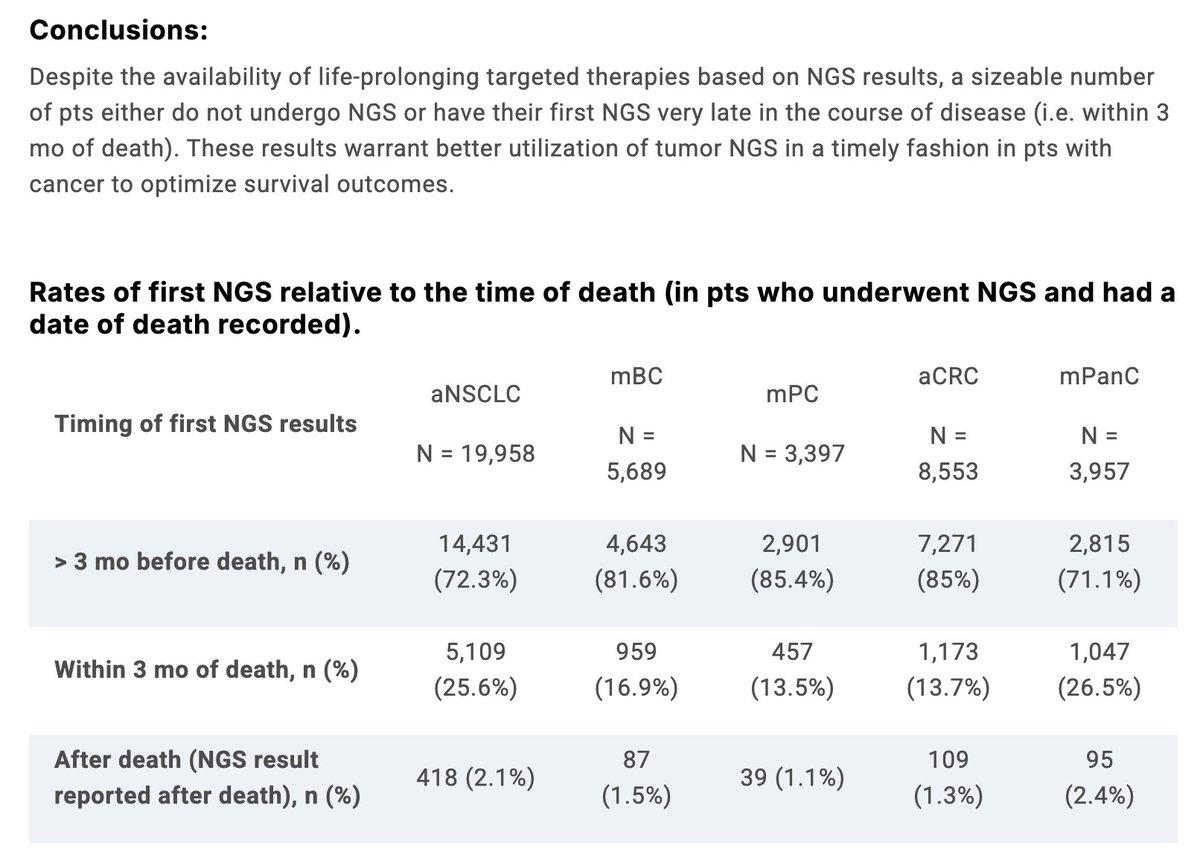
First Tumor NGS Usage Varies Across Top Five Cancers
Utilization and timing of first tumor next-generation sequencing testing (NGS) in Pts w/ 5 most common cancers in the USA - @chadihcmd et al. @huntsmancancer #ASCO25 Abstract 11014 https://t.co/lWefncnTb2 #PrecisionMedicine #hemonc #bcsm #crcsm #lcsm #pancsm #pcsm https://t.co/oIX8QTRD8x
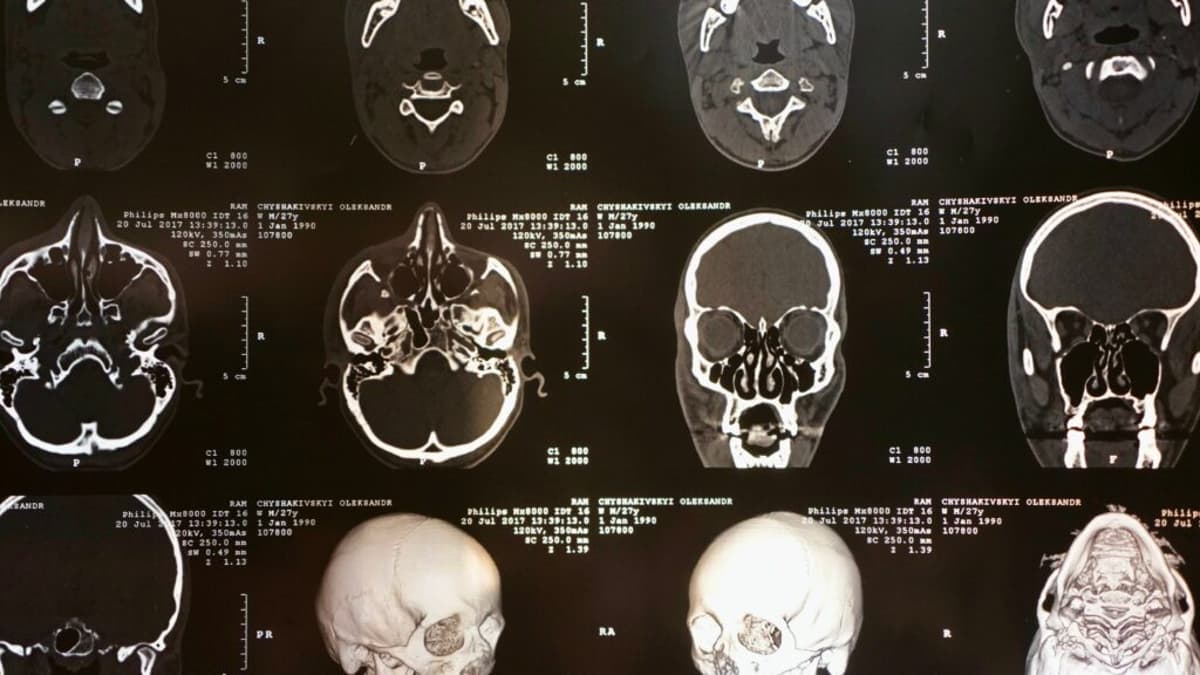
STAT+: With Successful Trials, Roche Takes Its MS Drug to Regulators, but Safety Questions Loom
Roche presented data on its experimental multiple‑sclerosis drug fenebrutinib, which showed efficacy in three late‑stage trials by cutting relapse rates and slowing disability progression. The Swiss firm is now seeking regulatory approval, but analysts highlight liver‑safety signals and two drug‑related...

STAT+: From Revolution Medicines, More Strong Data on KRAS Drug and a Glimpse of a ‘Novel Class’ Beyond It
Revolution Medicines presented new clinical data on its next‑generation KRAS inhibitor daraxonrasib at the AACR meeting, highlighting strong first‑line activity and synergistic effects in combination regimens for advanced pancreatic cancer. The company also unveiled pre‑clinical results for RM‑055, a candidate...

STAT+: Kyverna Therapeutics Plans to Submit Cell Therapy for Stiff Person Syndrome for FDA Approval
Kyverna Therapeutics announced that its personalized CAR‑T cell therapy improved mobility and reduced disability in patients with stiff person syndrome, a rare autoimmune neurological disorder. The company plans to file an FDA submission by mid‑2026, which would make it the...

The Great Ozempic Experiment
GLP‑1 medications such as Ozempic and Zepbound have moved beyond weight‑loss to treat a spectrum of conditions, from traumatic brain injury to long Covid and addiction. An interactive New York Times report highlights that roughly one in eight Americans have tried these...
Zymeworks Presents New Phase 1 Data for ZW191, a Folate Receptor Alpha-Targeting ADC at AACR Annual Meeting 2026
Zymeworks unveiled Phase 1 data for ZW191, a folate‑receptor‑α‑targeting antibody‑drug conjugate, at the AACR 2026 meeting. In platinum‑resistant ovarian cancer the drug showed a confirmed objective response rate of 61% at 6.4‑9.6 mg/kg, with a median progression‑free survival of 7.6 months and responses...

Annexon Biosciences (ANNX) Buy Rating Retained
Annexon Biosciences (NASDAQ:ANNX) retained a Buy rating from Needham analyst Joseph Stringer, who set a new price target of $11. The small‑cap biotech has rallied 289.3% over the past year and is up 39.5% year‑to‑date. CEO Douglas Love highlighted progress...
Annexon Biosciences (ANNX) Buy Rating Retained
Annexon Biosciences (NASDAQ:ANNX) has been highlighted as one of hedge funds’ top ten small‑cap biotech picks, with its stock soaring 289% over the past year and up 39% year‑to‑date. Needham analyst Joseph Stringer reaffirmed a Buy rating and lifted the...

Aging Mechanisms Are Now Engineerable, Says SynBioBeta
Aging isn't just inevitable decline. It's a set of biological systems that are starting to look engineerable. #SynBioBeta2026 is May 4-7th in San Jose, California, you can learn more about the conference and get your tickets here: https://t.co/8abYWJ1GbK DNA damage accumulates. Protein...
A Natural Protein May Protect the GI Tract From Infection
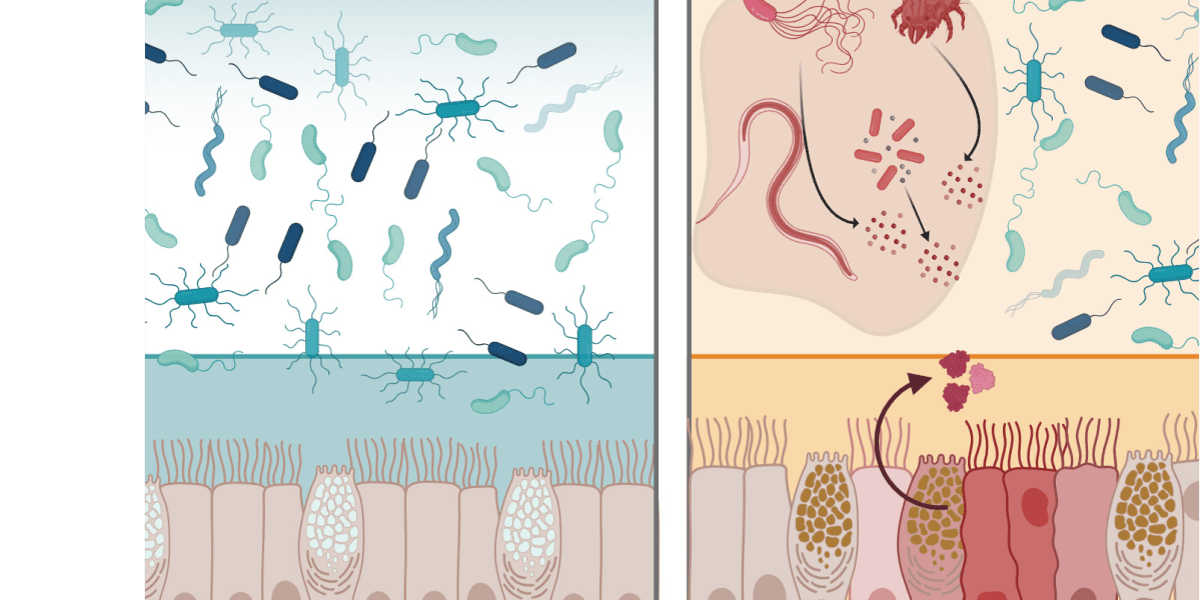
MIT researchers have identified the natural lectin protein intelectin‑2 as a dual‑action defender of the gastrointestinal tract. The protein binds galactose on bacterial membranes, trapping and destabilizing pathogens while also reinforcing the mucus barrier by attaching to mucins. Laboratory tests...
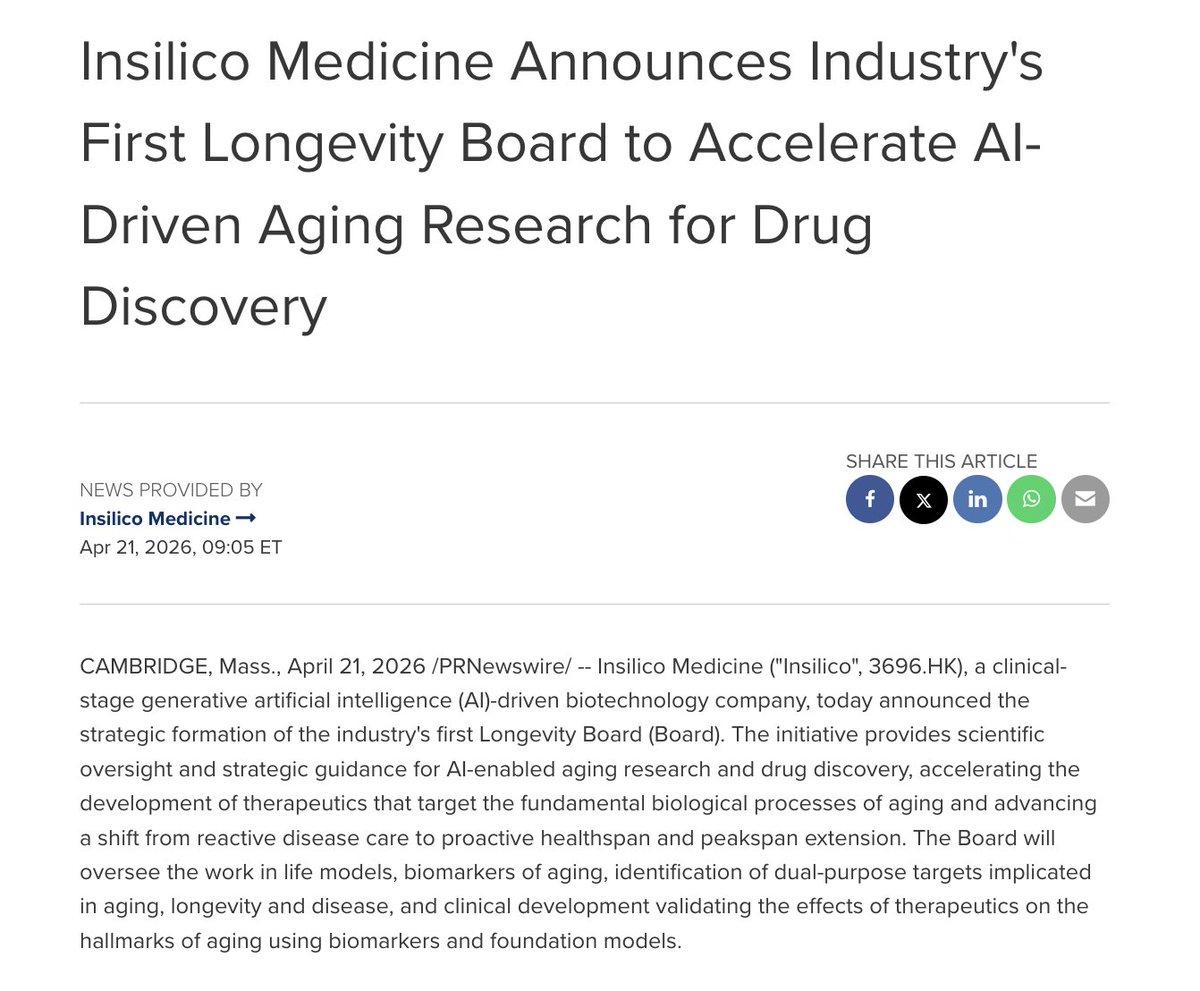
World's First Longevity Board Launched to Accelerate Aging Therapies
I am very happy to report that we formed the world's first Longevity Board at the public biotechnology company. Our objective is to discover and develop longevity therapeutics with pipeline-in-a-product potential. GLP-1 therapeutics paved the way and demonstrated the path...

AI Tool Predicts How New Drug Molecules Move Before Costly Lab Tests
University of Oregon researchers unveiled an AI‑driven simulation tool that predicts how novel drug molecules move and bind inside the body, using only their chemical structure. By integrating physics‑based energy data with machine‑learning sampling, the model delivers coarse‑grained motion pathways...

Trump's Order Is a Milestone for Proponents of Using Psychedelics as Medicine
President Trump signed an executive order that mandates federal agencies to speed up research and regulatory approval of psychedelic compounds for mental‑health treatment. The order calls for the DEA to reassess scheduling of substances such as psilocybin and MDMA and...

Lilly's Retatrutide Achieves 28.7% Weight Loss, Higher Dropouts
Lilly’s triple G agonist boasts 28.7% weight loss in Phase III trial Lilly is investigating retatrutide in seven other Phase III trials, which are due to read out in 2026. 👨🏻⚕️“Discontinuation rates due to adverse events were 12.2% and 18.2% with retatrutide...

Zero Relapses Reported in Pre‑Surgery Immunotherapy Trial for Bowel Cancer
University College London and UCL Hospitals reported that none of the 32 stage II/III bowel‑cancer patients in the NEOPRISM‑CRC trial relapsed after a median 33‑month follow‑up. The pre‑operative pembrolizumab regimen shrank tumours in 59% of participants and could cut the need...
Discovery of a Small Molecule HPK1 Inhibitor for Immuno-Oncology
A biotech firm has disclosed a novel small‑molecule inhibitor of hematopoietic progenitor kinase 1 (HPK1) that demonstrates potent immuno‑oncology activity in preclinical models. The compound achieves sub‑micromolar potency, oral bioavailability, and drives up to 70% tumor regression when combined with...
Debiopharm Secures FDA Fast Track for Lunresertib/Zedoresertib in Platinum‑Resistant Ovarian Cancer
Debiopharm announced that the FDA granted Fast Track designation to its lunresertib‑zedoresertib regimen for adult patients with CCNE1‑amplified or FBXW7/PPP2R1A‑mutated platinum‑resistant ovarian cancer. The move follows Phase I data presented at AACR 2026, positioning the combo as a potential first‑in‑class...

Radiopharmaceutical Manufacturer Secures $30M to Bolster Domestic Isotope Production
Ionetix Corporation, a Michigan‑based cyclotron and radiopharmaceutical firm, announced a $30 million private‑placement raise at $3 per share. The capital will fund expansion of domestic radioisotope production for PET imaging and alpha‑emitter therapies and boost R&D on its superconducting cyclotron platform....

AACR 2026: Lung Cancer Immunotherapy Response Predicted by Pathomics AI Model
Researchers at UT MD Anderson unveiled Path-IO, a deep‑learning pathomics model that predicts outcomes and immunotherapy response in metastatic non‑small cell lung cancer (NSCLC). The AI was trained on 797 patients and externally validated on 280 cases, consistently outperforming the...

Sirolimus- and Paclitaxel-Coated Balloons Deliver Comparable 1-Year PCI Outcomes
A nationwide Swedish registry analysis of more than 8,000 percutaneous coronary intervention (PCI) patients found that sirolimus‑coated balloons (SCBs) and paclitaxel‑coated balloons (PCBs) deliver comparable one‑year clinical outcomes. While PCBs showed a modest advantage in reducing in‑stent restenosis, rates of...

Scaling Bio 008: Serif Biomedicines' Jake Rubens on Turning Modified DNA Into a New Class of Medicine
In this episode, Jake Rubens of Serif Biomedicines explains how the company is turning DNA into a new class of medicines by using chemically modified DNA and a protein co‑factor to overcome DNA’s historic immunogenicity and delivery challenges. He contrasts...
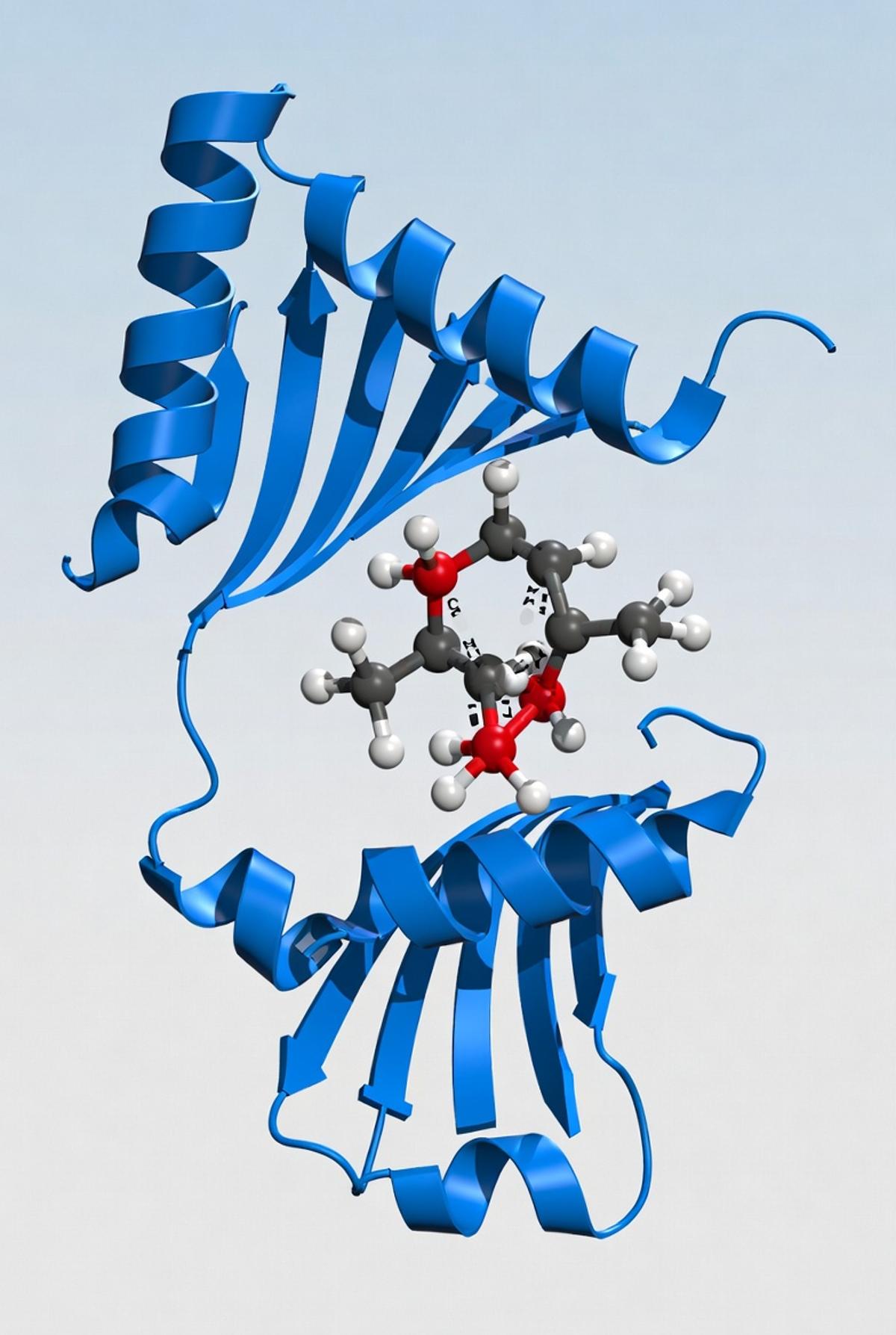
LLMs Beat JEPA World Models on Sparse Biological Data
Sci-JEPA's and Biology: I'm testing & training LeCunn style JEPA's @SciRouterAI vs more classical Dual encoder LLMs (small 35k data sets) for novel molecule targets for disease quick scans. What's interesting is that even though world models have, in theory, powerful...
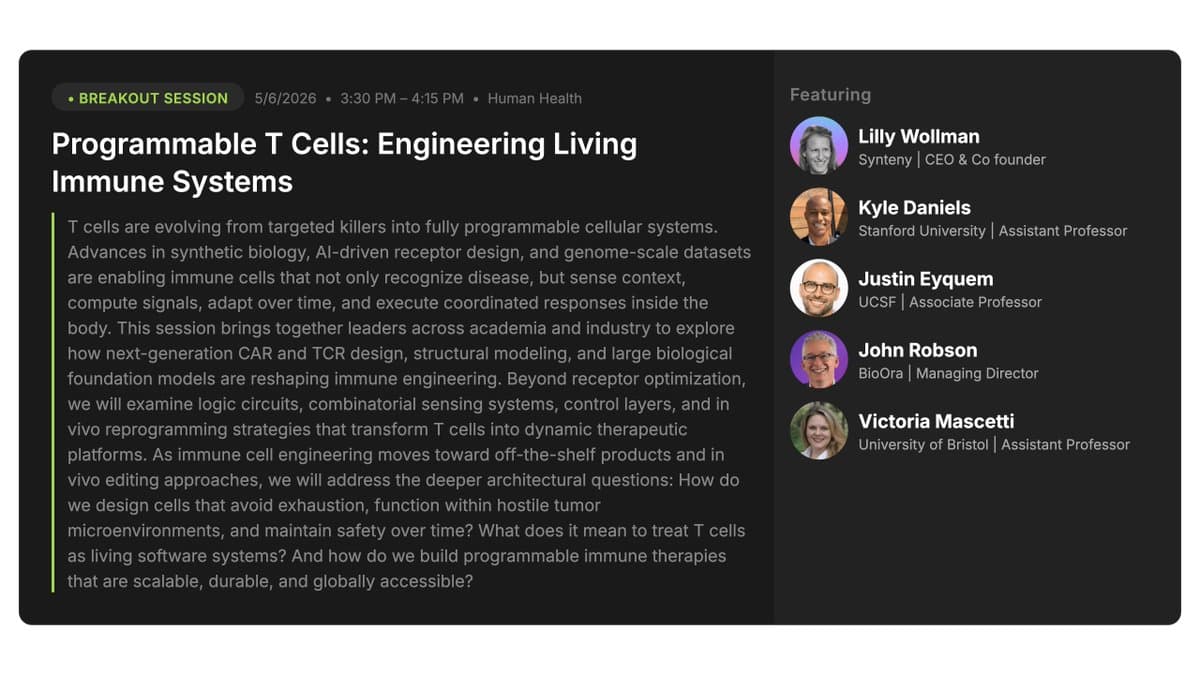
Beyond CAR T: Programmable Immune Cells Shaping Future Therapies
CAR T cells cured patients who had no other options. That was just the opening move. #SynBioBeta2026 is May 4-7th in San Jose, California, you can learn more about the conference and get your tickets here: https://t.co/8abYWJ1GbK The next generation of T...
The BioPharm Brief: AI, Immunology, and Regulatory Momentum
AstraZeneca announced consistent Phase III data showing its IL‑33 biologic cuts COPD exacerbations, reinforcing the cytokine as a therapeutic target. Boehringer Ingelheim disclosed a broadened AI program that will be embedded across early discovery and development stages to speed target identification. The...
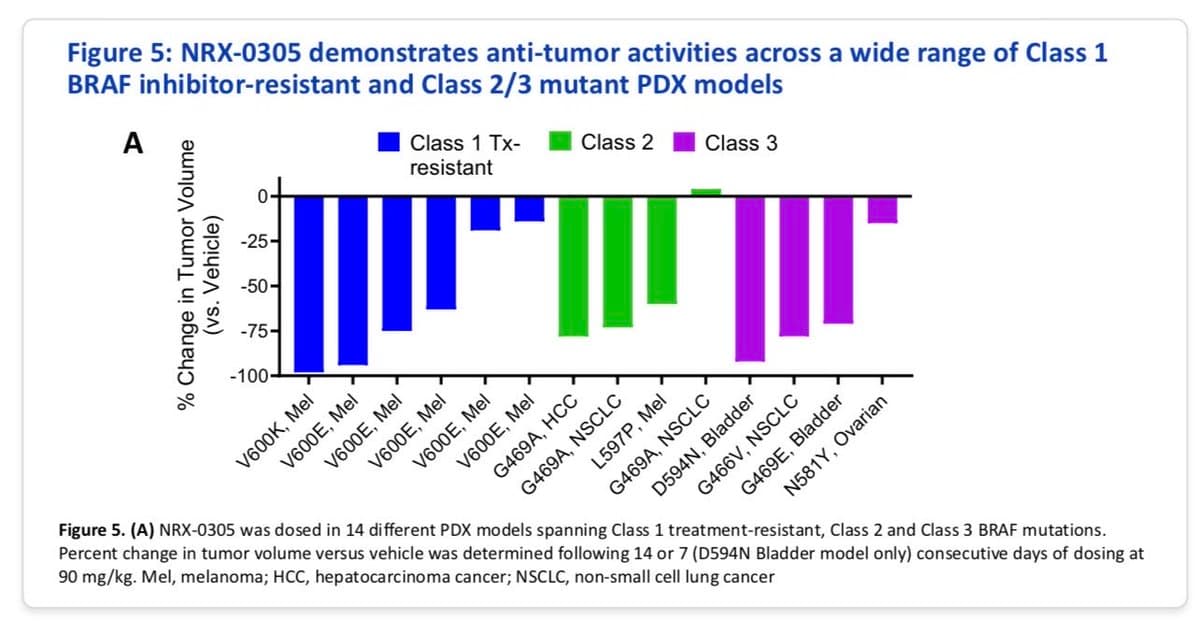
Nurix's NRX-0305 Shows
New degrader from Nurix looks interesting: NRX-0305 demonstrated antitumour activity across a wide range of Class 1 BRAF inhibitor-resistant and Class 2/3 mutant PDX models #aacr26 https://t.co/0UGF5Od2Cp
First Personalized CAR‑T Shows Mobility Gains in Stiff Person Syndrome
$KYTX Kyverna Therapeutics cell therapy improves mobility in patients with stiff person syndrome. If cleared, the medicine would be first personalized CAR-T therapy for an autoimmune disease https://t.co/B28Zp9IA2O

1 Parkinson’s Drug Can Hinder the Gold-Standard Treatment
Researchers at Yale School of Medicine discovered that catechol‑O‑methyltransferase inhibitors (COMT‑Is), commonly added to levodopa therapy for Parkinson's disease, can unintentionally reshape the gut microbiome. The altered microbiome favors growth of Enterococcus faecalis, a bacterium that metabolizes levodopa before it...

Daraxonrasib Monotherapy
Eileen O’Reilly’s daraxonrasib monoTx data in 1L PDAC - poster below to save y’all fighting through rows of people to get a view #aacr26 https://t.co/z4yW2apCBf
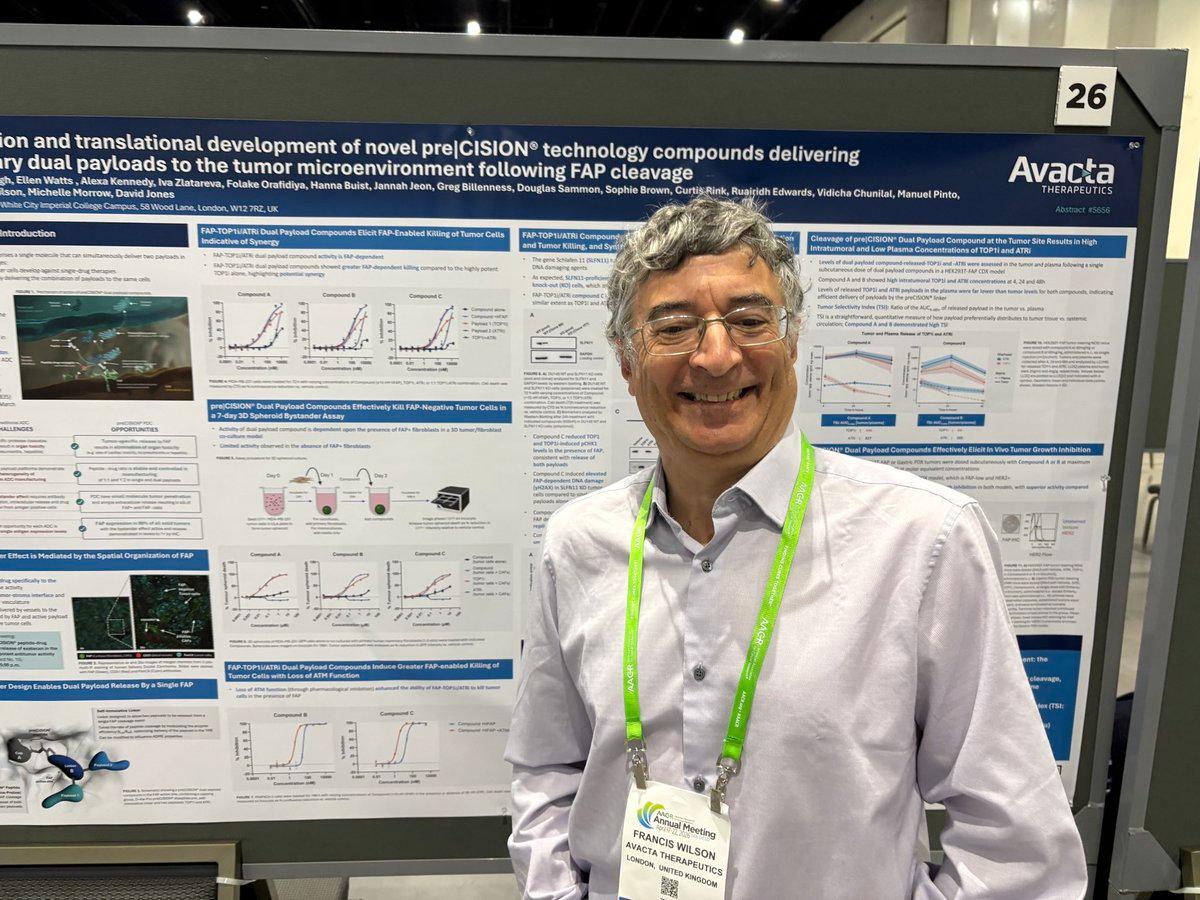
Avacta Unveils FAP‑cleavable Dual TOPO‑Ii/DDR‑i Payload
Intriguing #AACR26 poster from Avacta w/ CSO Francis Wilson presenting on their dual payload tech. The idea is to release TOPO-Ii + DDRi via FAP cleavage https://t.co/UMeB8y8KaC
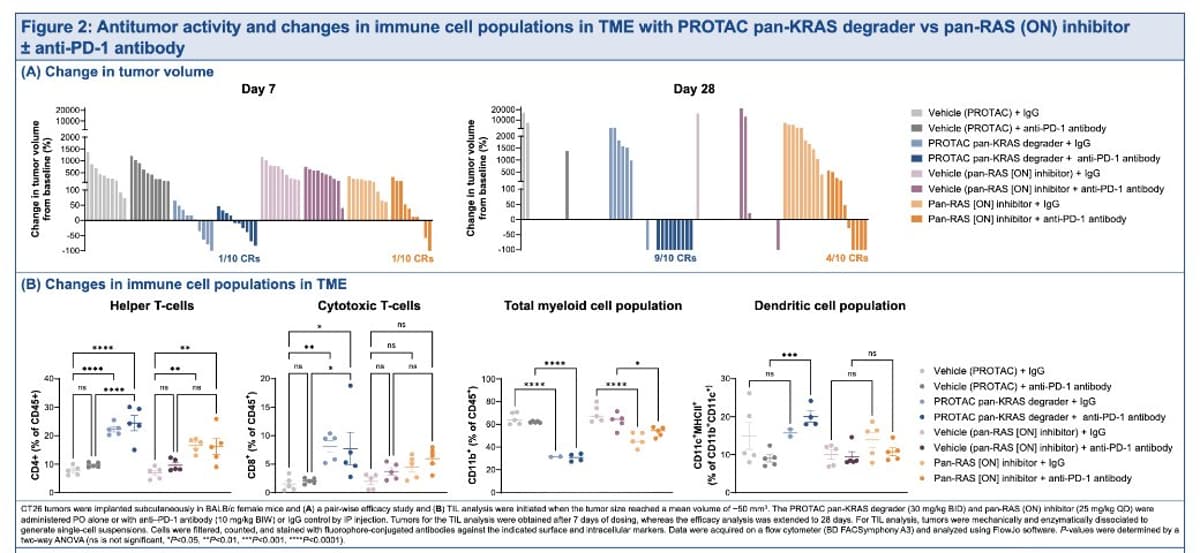
ARVN KRAS G12D Preclinical Shows Weak Tumor Inhibition
In the battle of the inhibitors vs glues vs degraders, this one (KRAS G12D preclinical) from ARVN doesn't look too encouraging with little TGI #aacr26 https://t.co/Ng9UWTQcsv
Monoclonal Antibodies Boost Fight Against Infectious Diseases
This is a great conversation w @Invivyd chairman and @politico today on why monoclonal antibodies will enhance our war against infectious diseases.
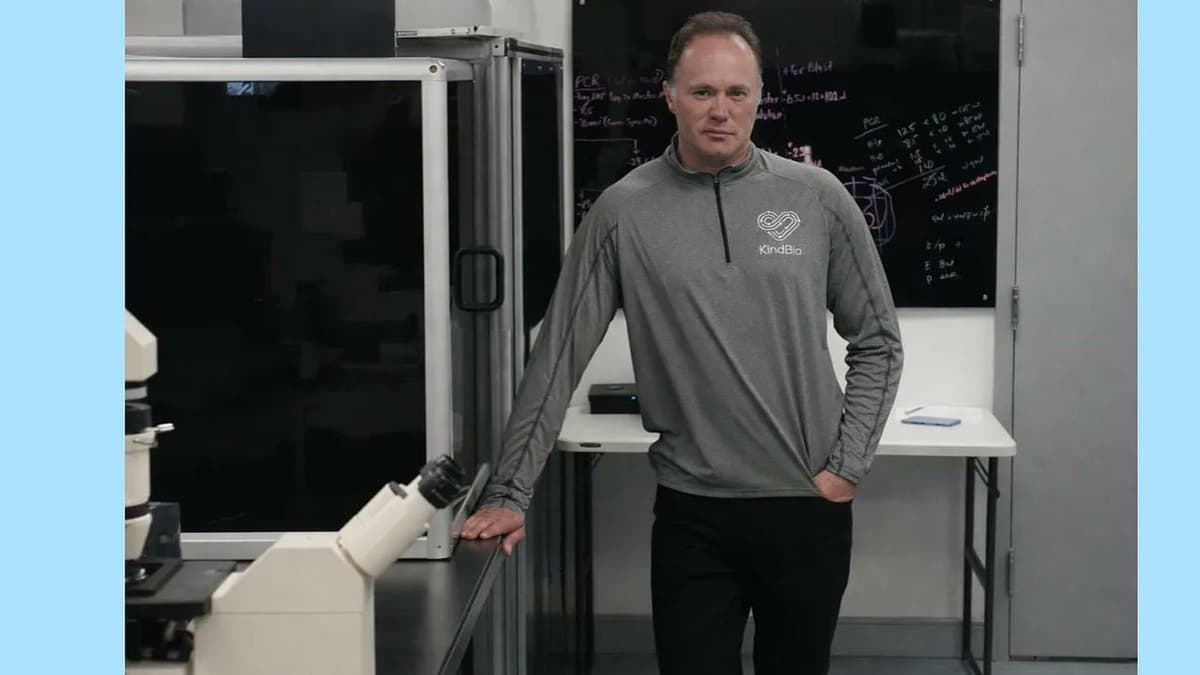
Justin Rebo's KindBio Grows Organs On Demand
The Man Growing Organs On Demand Justin Rebo, KindBio and their fantastic sacks 🔗https://t.co/ed4bZbZV0T @Justin_Rebo https://t.co/nCffjjaqJH
AI Speeds Disease Insight and Treatment Discovery
AI accelerates disease understanding and treatment discovery. https://t.co/pE6ppH5VR8 #sustainability #infrastructure #IoT #AI #5G #cloud #edge #futureofwork @virginia_tech https://t.co/k0Kpc0ATAF
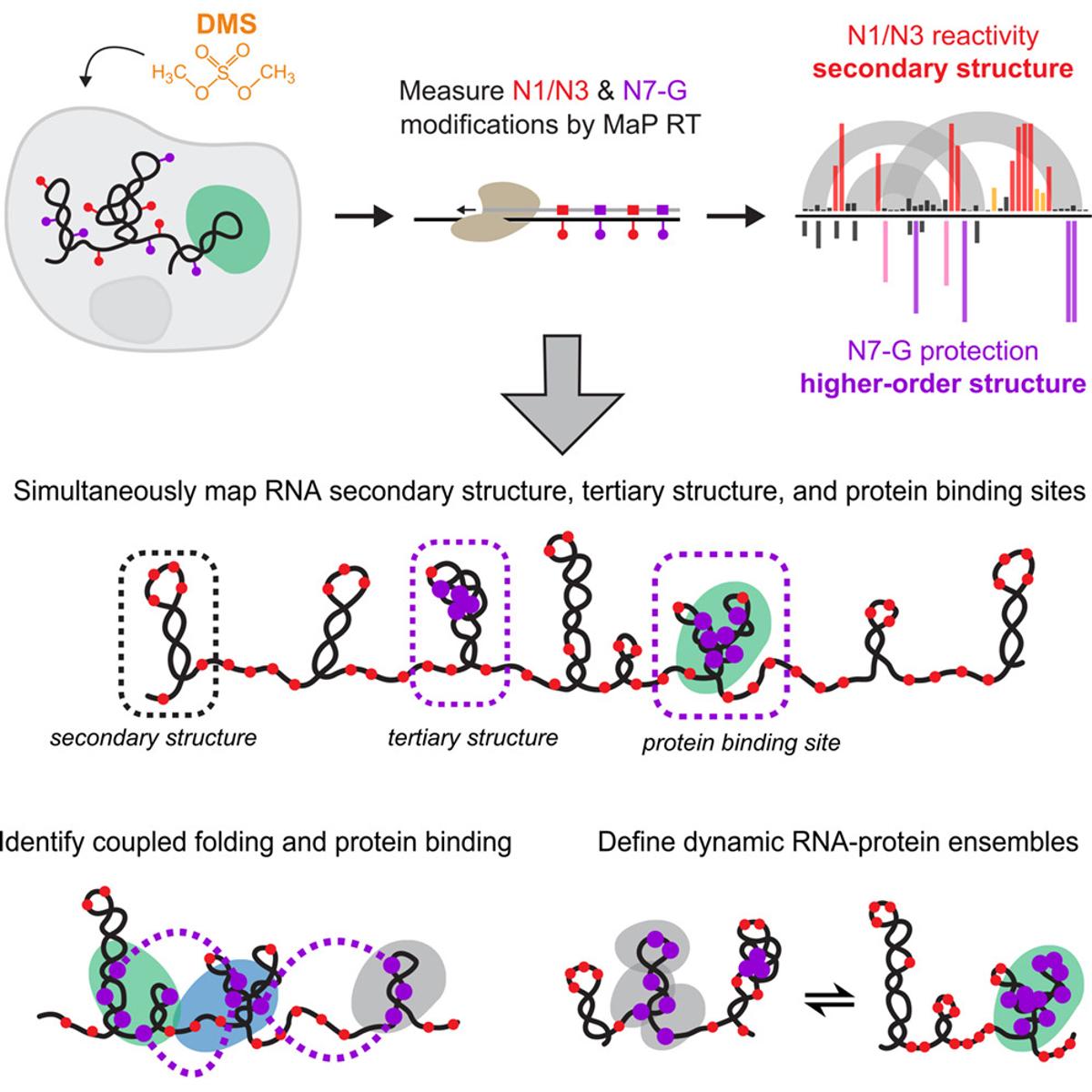
Two New Methods Advance RNA 3D Structure Prediction
Predicting RNA 3D structure is a grand challenge of biology. 2 new approaches published today to get at it https://t.co/KQ2oCGlUrN @MolecularCell https://t.co/ofupia6du2 @NatMachIntell https://t.co/EwL0iymmt2