
From Colossal to Chickens: The Scientists Behind Neion Bio’s Biologics Platform
Neion Bio, founded by Dimi Kellari and Sam Levin, is developing a chicken‑based platform that inserts therapeutic proteins into the ovalbumin gene so that eggs become biologic factories. The company recruited former Colossal Biosciences veterans Sven Bocklandt (CSO) and James Kehler (head of avian sciences) to apply CRISPR‑Cas editing to germ‑line chickens. By leveraging existing vaccine‑grade egg production infrastructure, Neion hopes to cut purification costs compared with traditional CHO cell manufacturing. However, experts warn that scale, batch variability, and regulatory hurdles could limit commercial adoption.
Re: Weight “Regain” In Obesity Shifts Responsibility From Biology to Personal Inadequacy
The author agrees with recent criticism of the term “weight regain,” emphasizing that obesity is a chronic, biologically driven condition. She highlights that GLP‑1 receptor agonists cause loss of both fat and lean tissue, triggering adaptive reductions in energy expenditure...

Age Spots Linked to Epigenetic Drift, Potentially Reversible
Could age spots be due to a suspected cause of aging? New paper says: "Consistent with the Information Theory of Aging, we found a global disruption of tight epigenetic regulation of methylation states." If so, they are reversible. Can't wait to...

Why Synthetic Data Is the Antidote to Clinical Trials
Synthetic data, digital twins, and AI are reshaping medical‑device trials by generating virtual patient cohorts that reduce enrollment needs and cut validation costs. The FDA’s in‑silico guidance and EMA’s acceptance of AI tools are paving regulatory pathways for these simulations....
Lilly Investing Billions to Prepare for Overseas Oral GLP-1 Launches
Eli Lilly announced a $3 billion investment in China and a $125 million spend in Japan to build capacity for its newly approved oral GLP‑1 drug, orforglipron. The moves aim to localize production, shorten lead times and hedge against geopolitical disruptions. Analysts see...

Nanozyme Boosts Stem Cell Mitochondria to Accelerate Bone Regeneration
Researchers have engineered a single‑atom nanozyme that mimics cytochrome c oxidase, restoring mitochondrial energy production in stem cells. The nanozyme, anchored with iron and copper on a mesoporous silica scaffold and coated with triphenylphosphonium, targets mitochondria and shifts cell metabolism toward...

The US FDA New Drug Approvals in March 2026
In March 2026 the U.S. FDA approved five new therapies spanning hepatology, dermatology, rare genetics, oncology, and endocrinology. GSK’s Lynavoy treats cholestatic pruritus in primary biliary cholangitis, while Johnson & Johnson’s Icotyde targets moderate‑to‑severe plaque psoriasis. Denali Therapeutics earned accelerated...

Lilly Wants to Bridge Cancer Care Gap with $300M ADC Biotech Buy
Eli Lilly announced an acquisition of Houston‑based CrossBridge Bio, offering up to $300 million in cash and performance‑based biobucks. The early‑stage biotech is developing a dual‑payload antibody‑drug conjugate, CBB‑120, that targets the TROP2 protein found in many solid tumors. CrossBridge plans to...

Early Stress Linked to Lifelong Digestive Issues via Gut‑Brain Disruption
Scientists report that early‑life psychological stress can permanently alter the gut‑brain connection, leading to chronic digestive disorders such as abdominal pain, constipation and irritable bowel syndrome. The findings, based on mouse models and data from thousands of children, underscore the...

In‑vivo Base Editing Rescues Zellweger Disorder in Mice
Today in @natBME we report an in vivo base editing strategy that corrects a common disease-causing mutation and rescues pathology in a mouse model of Zellweger spectrum disorder (ZSD) and restore peroxisomal function in patient derived cells. This work highlights...

Study Finds Zero‑Calorie Sweeteners Alter Gut Microbiome and Metabolism Across Generations
Researchers published in Frontiers in Nutrition report that common artificial sweeteners sucralose and stevia change gut microbiota and influence metabolism‑related genes in mice, with effects persisting into the next two generations. The findings intensify debate over the safety of zero‑calorie...

A Modular, Synthetic Origin of Replication
Researchers at Rice University have engineered a synthetic origin of replication, SynORI, that replaces the native ColE1 feedback loop with programmable RNA regulators. The modular design yields six orthogonal plasmid compatibility groups that can coexist in E. coli for at least...

Merck Under Fire as $162,000 Keytruda Dose Highlights Pricing Controversy
Merck & Co. is drawing national attention after a California patient received a $162,568 bill for a single 400 mg Keytruda infusion. The drug, which generated $31.7 billion in worldwide sales in 2025, is under investigation for tactics that keep its U.S....
Spyre Therapeutics Jumps 25% on Positive Phase 2 SKYLINE Data
Spyre Therapeutics (SYRE) surged 25.07% to $64.15 after reporting encouraging 12‑week induction data from Part A of its Phase 2 SKYLINE trial for ulcerative colitis. The move lifted the stock from $51.29 the prior close and triggered a surge in trading...

Base Editing Repairs Mutation and Liver Function in Mouse Model of Zellweger Spectrum Disorder
Scientists at the Broad Institute and collaborators used a refined base‑editing system to correct a disease‑causing mutation in the PEX1 gene of mice that model Zellweger spectrum disorder. The edit restored peroxisome function and normalized liver biomarkers, demonstrating functional rescue...

Can Phage Therapy Answer the Booming Antibiotic Resistance Problem?
Antibiotic‑resistant infections cause nearly 5 million deaths annually, prompting renewed interest in bacteriophage therapy. Companies such as Armata Pharmaceuticals, TechnoPhage, and Locus Biosciences have reported positive clinical milestones, including Armata’s QIDP‑designated AP‑SA02 moving toward a phase 3 trial and TechnoPhage’s phase 2b study...

Radical Catheter Technologies Announces FDA Clearance for 6F Neurovascular Catheter
Radical Catheter Technologies announced FDA 510(k) clearance for its 6F neurovascular access catheter, expanding its cleared portfolio to three devices. The 6F catheter’s thin‑wall, ribbon‑based design delivers a larger inner lumen while maintaining flexibility, pushability, and stability for both radial...
DDW Highlights: 14 April 2026
In this episode, Bruno Quinney highlights three major developments: the discovery of a new recessive neurodevelopmental disorder linked to mutations in the non‑coding gene RNU4‑2, a first‑in‑human trial of personalized CAR‑T cell therapies for hard‑to‑treat solid tumors in children, and...
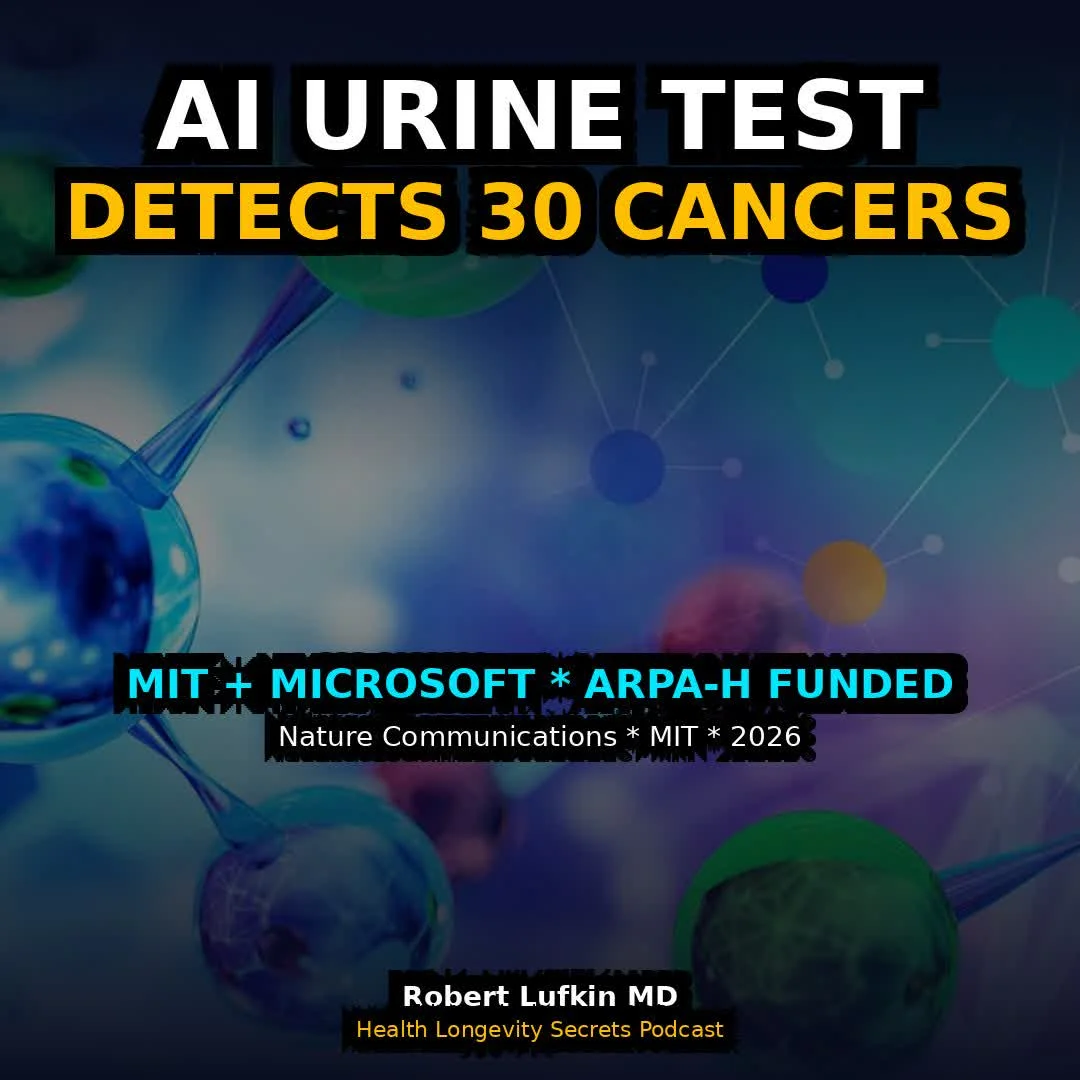
AI‑designed Sensors Promise Earlier Cancer Detection
As a medical school professor, I can tell you: we catch most cancers too late. MIT and Microsoft may have just changed that forever. They built an AI system called CleaveNet that designs molecular sensors detecting cancer enzymes called proteases --...

"Working with Industry Leaders Enables Us to Accelerate the Path From Research to the Field"
Biotalys announced its first research milestone in a partnership with Syngenta to develop a novel bio‑insecticide. Laboratory tests using Biotalys’ Agrobody protein platform delivered promising in‑vitro activity against key insect molecular targets. The collaboration now moves to in‑vivo testing on...

Government Support Can Unlock Life Sciences Job Growth
Having worked in the Science Park sector for 20 years Life Sciences is a sector where some government support will make a massive difference to job and wealth creation

Flags in the Ground: SGO26 and the Danger of Competitive Urgency
The Society of Gynecologic Oncology’s 2024 meeting in San Juan showcased a wave of early‑stage data on ovarian and endometrial cancers. While press releases painted an optimistic picture, a deeper dive reveals modest response rates and limited patient cohorts. The...

Psychedelic Therapy and Traditional Antidepressants Show Similar Results Under Open-Label Conditions
A meta‑analysis of 24 trials found that psychedelic therapy and open‑label antidepressants produce statistically indistinguishable reductions in depressive symptoms. The study compared 8 psychedelic trials (249 patients) with 16 antidepressant trials (7,921 patients) under equal unblinding conditions, revealing only a...

Helical Closes $10M Seed to Turn Bio Foundation Models Into Systems
Helical, a London‑based pharma‑AI startup, closed a $10 million seed round led by redalpine, with AI leaders from Cohere and HuggingFace among angel investors. The funding will expand its dual‑surface platform—Virtual Lab for biologists and Model Factory for data scientists—across more...

Tropic’s Non-Browning Banana Secures New Key Market Approvals
Tropic, a UK‑based ag‑biotech firm, received regulatory clearance for its non‑browning banana in Japan and Brazil, allowing import, sale, and cultivation in the latter. The approvals expand the company’s footprint in two of the world’s most influential fruit markets and...

Helical Secures $10M to Advance Virtual AI Lab for Pharma Research
Helical, a biotech startup founded in early 2024, announced a $10 million seed round led by redalpine with participation from Gradient, BoxGroup, Frst and AI industry angels. The company’s virtual AI lab combines foundation model outputs with biological validation to create...

Anavex Shows Promise, but EMA Hurdles Loom
Macro: autophagy links autism & Alzheimer’s. Key: Anavex blarcamesine restores autophagy; positive Phase IIb/III data. Risk: EMA pushback. Insight: speculative long, tight stop. 🔬 — Viktor Kopylov, PhD, CFA More insights: t.me/si14Kopylov

GLP‑1 Receptors Protect Liver in Mouse MASH Model
Adding to the GLP-1 drug weight-loss independent effect benefit : impact on liver sinusoidal endothelial cell GLP-1 receptors for liver protection in mouse MASH model @Cell_Metabolism @DanielJDrucker @ChusaGzlzRellan https://t.co/0A13QYgm05

The FDA Said NO to a New Vaccine; Then Suddenly Said YES; and the Guy Who Said NO Was Gone.
The FDA initially refused to review an experimental RNA flu vaccine, then abruptly reversed its stance after apparent pressure from the White House. The agency’s vaccine chief left the organization shortly after the policy shift, fueling speculation about internal conflict....

Command-Line Genome Viewers: Terminal Genome Viewer & ASCIIGenome
Terminal Genome Viewer https://t.co/ppe3ckC5kp Another one that is around for a while: ASCIIGenome https://t.co/pnrzu48qZo https://t.co/qRCjn2Rft2

Low P‑tau217 Indicates Minimal Alzheimer’s Risk in Seniors
Another study indicative of predictive power of p-tau217 for Alzheimer's disease in cognitively unimpaired older adults (mean age 71 at baseline) A very low p-tau217 denoted minimal risk https://t.co/6RPJcCloWI https://t.co/XikzsvJjhM

SynOx Therapeutics Reports Topline P-III (TANGENT) Trial Results on Emactuzumab for Tenosynovial Giant Cell Tumor (TGCT)
SynOx Therapeutics announced topline data from its global Phase 3 TANGENT trial, which evaluated emactuzumab (1,000 mg every two weeks for five doses) versus placebo in patients with tenosynovial giant cell tumor (TGCT). The study met both primary efficacy endpoints, showing a...

SGO Numbers: Some Winners, Many Disappointments Await
Lots of gaudy headline numbers coming out of SGO this year; do they stack up under scrutiny? My take – some winners likely and many tears before bedtime for others. Which ones fall in the latter category? ...

TVTX Surges 45% After FDA Approval, Long Calls Lead
$TVTX jumps 45% on FDA approval, always liked this one, continues to work 5K Apr. 32.5 long calls leads the way https://t.co/g7Ga8FIJve

Parker Institute Doubles Down on Cancer Vaccines as Part of Ongoing Reboot
The Parker Institute for Cancer Immunotherapy announced a renewed focus on mRNA‑based cancer vaccines, launching a multi‑year program that will fund clinical trials and partner with biotech firms. The initiative includes a $200 million investment pool aimed at accelerating vaccine design,...
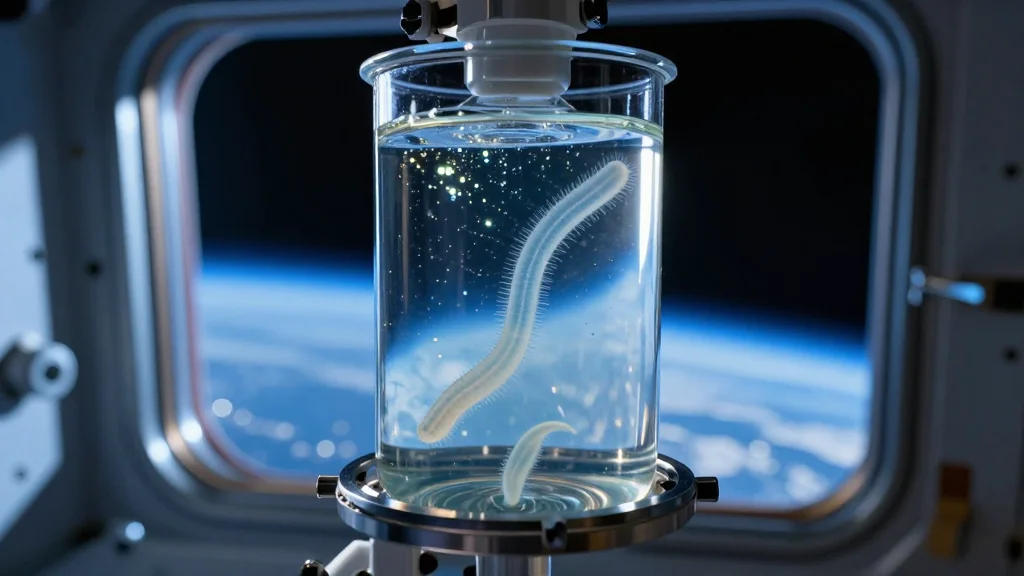
British 'Space Worms' Reach ISS to Test Microbial Support for Moon Missions
British researchers have sent a crew of microscopic worms to the International Space Station to examine how microbes can sustain life during extended lunar missions. The experiment, the first of its kind, will monitor worm growth, reproduction and metabolic activity...

Scientists Urge Continuous Monitoring for Emergent Consciousness in Organoids
"Perhaps most crucially for this field is the concern that emergent properties, such as consciousness, might arise in complex organoids. So far, there has been no evidence that any form of sentience could emerge, but researchers would like this to...

SGLT2 Inhibitors Protect Kidneys, Yet Raise Non‑Renal Risks
Sodium-Glucose Cotransporter-2 Inhibitors and Acute Kidney Injury Risk: A Systematic Review and Meta-Analysis of Randomized Trials "SGLT2is conferred substantial renoprotective benefits but increases the risk of certain nonrenal AEs." https://t.co/n0yhZgcShy
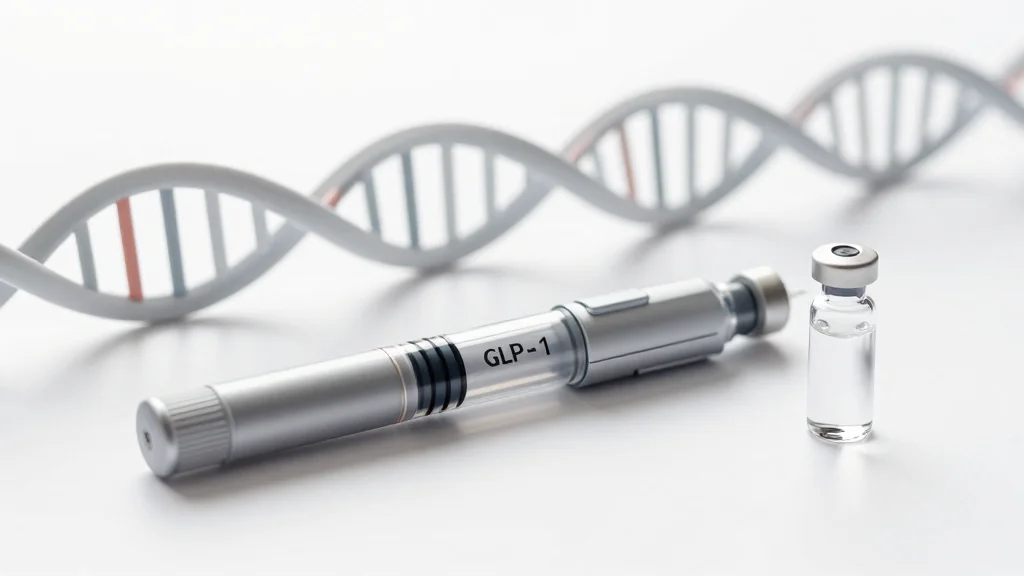
Nature Study Links Genetics to Unpredictable GLP‑1 Weight‑Loss Drug Response
Researchers at 23andMe published a Nature paper showing that genetics, ancestry, age and health status explain only a quarter of the variability in GLP‑1 weight‑loss drug response, leaving three‑quarters of outcomes unexplained. The findings challenge the confidence biohackers place in...

Protaryx Medical Secures FDA Clearance for Its Transseptal Access Device
Protaryx Medical announced that the U.S. Food and Drug Administration granted 510(k) clearance for its Transseptal Puncture Device, a next‑generation system designed for minimally invasive left‑heart access. The device uses radio‑frequency guidewire technology integrated with standard electrosurgical generators and features...

Revolution Medicines' Daraxonrasib Shows Survival Gain, Stock Up 39%
Revolution Medicines announced that its RAS(ON) inhibitor daraxonrasib more than doubled median overall survival in a Phase 3 trial for metastatic pancreatic cancer, achieving a 13.2‑month median versus 6.7 months with chemotherapy. The data sparked a 39% surge in the company’s...

The Biotech Bi-Weekly: Expanding the Reach of T-Cell Engagers in Solid Tumors, a Next-Generation Chemiluminescent Immunoassay Platform and AACR Exhibitor...
The biotech bi‑weekly highlights several product launches and site expansions unveiled at the AACR Annual Meeting. Deck Bio introduced a multi‑target T‑cell engager platform aimed at overcoming heterogeneity in solid‑tumor immunotherapy. Abcam released SimpleStep Ignite™, a chemiluminescent ELISA that delivers...

The Senescence Associated Secretory Phenotype as a Basis for an Aging Clock
Researchers have created a composite Senescence‑Associated Secretory Phenotype (SASP) Score using large‑scale proteomics and a guided autoencoder transformer model. The score, built on curated SASP proteins from the UK Biobank Pharma Proteomics Project, independently predicts mortality and major chronic diseases...

Biohaven Shares Surge 10% as Canaccord Analyst Initiates Coverage with $21 Price Target
Biohaven Pharmaceutical rose more than 10% on Monday after Canaccord Genuity analyst Sumant Kulkami initiated coverage with a bullish buy recommendation and a $21 price target. The analyst highlighted the company’s phase‑3 opakalim trial for focal epilepsy as the catalyst...

Does the History of Insulin Rhyme with GLP-1s?
Liam Shaw’s essay draws a parallel between the debut of insulin and today’s GLP‑1 receptor agonists, arguing that both transformed their respective diseases while spawning new complexities. Insulin’s miracle cure introduced issues of affordability, access, and treatment intensification, a pattern...

How Serious Is the Biosimilar Void?
The FDA released a draft guidance in March 2026 that would drop certain pharmacokinetic (PK) studies, easing biosimilar development and cutting costs. Samsung Bioepis SVP Thomas Newcomer says a biosimilar void still exists in the U.S., especially for mid‑volume and...

Building Operational Visibility in Clinical Trials: Q&A with Deepak Prakash
Identiv VP Deepak Prakash explains how RFID and Bluetooth‑enabled tracking is reshaping clinical trial operations by delivering continuous, real‑time visibility of assets, samples, and shipments. The technology replaces fragmented, manual data entry with automated condition monitoring, cutting reconciliation costs and...

Can a Transplant Cure Aging? | Catherine Baucom MD PhD
In this episode, Dr. Robert Lovekin talks with Dr. Catherine Baucom, chief medical officer of MitoSense, and veteran health expert Van about mitochondrial organelle transplantation—a novel therapy that injects healthy mitochondria from young donors into patients to repair damaged cells....

Implications of Tecvayli Plus Darzalex Faspro Demonstrating 83% Reduction in Disease Progression or Death.
Johnson & Johnson’s Tecvayli (teclistamab) combined with Darzalex Faspro (daratumumab) achieved an 83% reduction in disease progression or death in a Phase III trial for relapsed/refractory multiple myeloma. The study, presented at ASH, reported a hazard ratio of 0.17, higher response rates,...

The Secret History of the FDA
The Brownstone Institute’s latest post argues that the FDA was created as an industry‑controlled agency to rescue failing meat‑packing and biologics sectors, embedding regulatory capture from its inception. It claims this origin explains why reforms face entrenched resistance and why...