
Opinion: My Brother Can’t Access a Just-Approved Breakthrough Drug for His Rare Disease
A newly FDA‑approved breakthrough drug promises to address the neurological degeneration that has long plagued patients with Hunter syndrome, a rare lysosomal disorder. While the approval marks a scientific milestone, patients like the author’s 28‑year‑old twin brother still face barriers to obtaining the therapy. Existing treatments such as idursulfase (Elaprase) cannot cross the blood‑brain barrier, leaving neurodegeneration unchecked. The article highlights the gap between regulatory approval and real‑world access for rare‑disease families.

For Ben Sasse, Revolution Medicines’ Pancreatic Cancer Trial Felt Like His Best, only Option
Former U.S. senator Ben Sasse was diagnosed with metastatic pancreatic cancer in December and promptly enrolled in an early‑phase trial of Revolution Medicines' targeted drug daraxonrasib. The therapy, positioned as a first‑line option, aims to extend both the quantity and...

Travere Therapeutics Reports FDA Full Approval of Filspari for Proteinuria Reduction in FSGS
Travere Therapeutics announced that the U.S. Food and Drug Administration has granted full approval to Filspari (sparsentan) for reducing proteinuria in patients aged eight years and older with focal segmental glomerulosclerosis (FSGS) who do not have nephrotic syndrome. The approval...

Sequence Identities and Functional Definitions - Where Is the Limit? (T 0137/24)
The EPO Board of Appeal in T 0137/24 upheld a cannabis‑producing yeast patent by ruling that selecting a higher amino‑acid sequence identity from a convergent list does not add matter. The board found the claim’s functional definition of enzyme activity sufficient,...

Daiichi Sankyo and Merck Receives FDA’s Priority Review for Ifinatamab Deruxtecan (I-DXd) to Treat ES-SCLC
Daiichi Sankyo and Merck have secured FDA priority review for ifinatamab deruxtecan (I‑DXd) under the Real‑Time Oncology Review and Project Orbis programs. The decision follows a successful Biologics License Application based on the Phase II IDeate‑Lung01 trial, which enrolled 187 extensive‑stage...
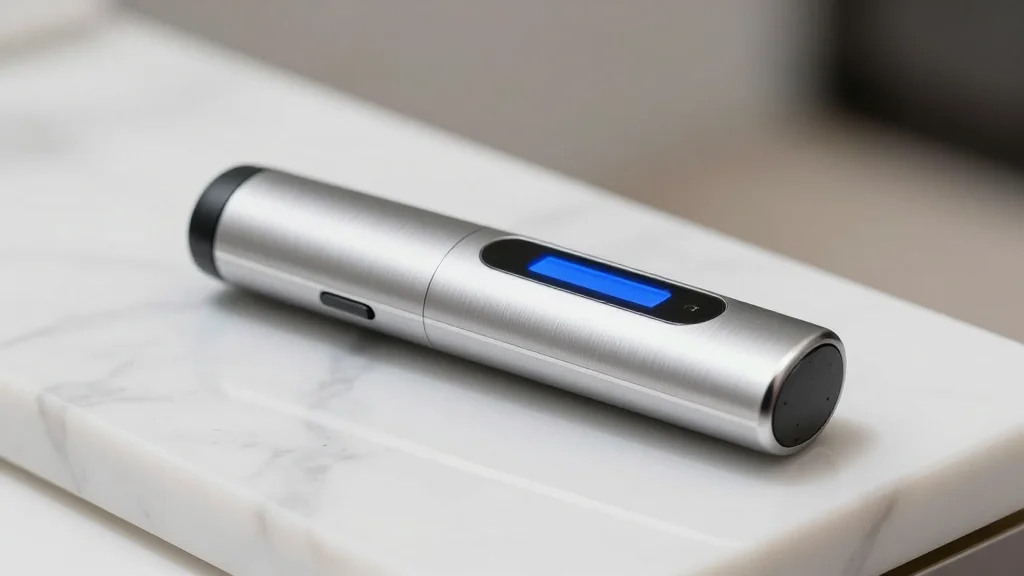
Cody Simmons, DermaSensor
DermaSensor, led by CEO Cody Simmons, has developed a spectroscopy‑based device to detect early skin cancer. Currently only about 8% of individuals with suspicious lesions receive recommended screening, leaving a large gap in early detection. The company is positioning the...

A Plasma-Based DNA Test for Quantification of Disease Burden in Acute Myeloid Leukemia Patients Undergoing Bone Marrow Transplantation
Researchers at Johns Hopkins introduced a plasma‑based DNA assay, v96, that monitors up to 96 AML‑specific mutations in patients undergoing allogeneic bone‑marrow transplantation. In a cohort of 30 AML patients, the test detected molecular evidence of residual leukemia in 100%...

Eli Lilly Reports P-III (BRUIN CLL-322) Trial Data on Jaypirca Combination for CLL/SLL
Eli Lilly announced that its phase‑III BRUIN CLL‑322 trial showed the Jaypirca (pirtobrutinib) + venetoclax + rituximab regimen significantly extended progression‑free survival in relapsed or refractory CLL/SLL compared with venetoclax + rituximab alone. Patients were treated for roughly two years before entering a therapy‑free interval, and the benefit...

Novo Nordisk Partners with OpenAI to AI-Power Drug Development
Novo Nordisk announced a strategic partnership with OpenAI to embed advanced artificial‑intelligence across its drug discovery pipeline. The collaboration will leverage OpenAI’s models to sift through massive datasets, accelerate candidate selection and shorten regulatory submission timelines via the NovoScribe platform....
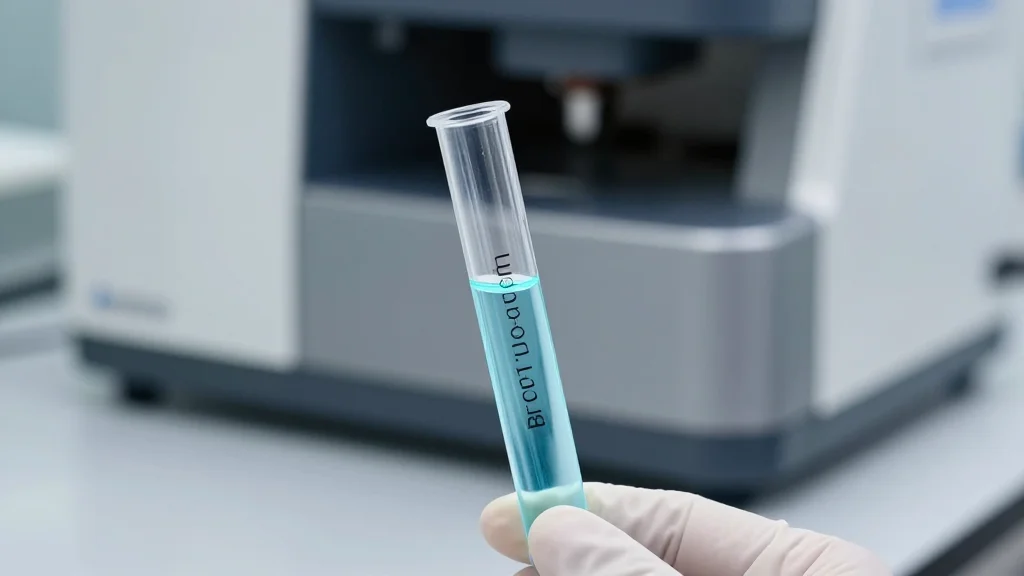
PARTAGE Method Reveals Genome Regulation in Single Approach
Researchers at the University of Minnesota Medical School introduced PARTAGE, a multi‑omics workflow that simultaneously captures DNA replication timing, copy‑number variations, and transcriptome activity from a single DNA sample. The protocol uses BrdU labeling, FACS sorting, and co‑purification of DNA...

Mpox Can Infect and Replicate in the Brain, US Health Researchers Say in Fatal HIV Case
U.S. researchers reported that mpox virus replicated in the brain of a 38‑year‑old man with advanced HIV, marking the first documented neuroinvasion of the pathogen. Autopsy findings revealed drug‑resistant viral strains, including mutations linked to reduced efficacy of tecovirimat. The...

Rollout of Powerful New HIV Prevention Tool in Lower Income Countries Gets a Boost
The U.S. State Department and the Global Fund announced a major scale‑up of Gilead’s long‑acting HIV prevention drug lenacapavir, targeting 3 million people in low‑income countries over the next three years—a 50 % increase from the original 2 million commitment. Lenacapavir, which showed...
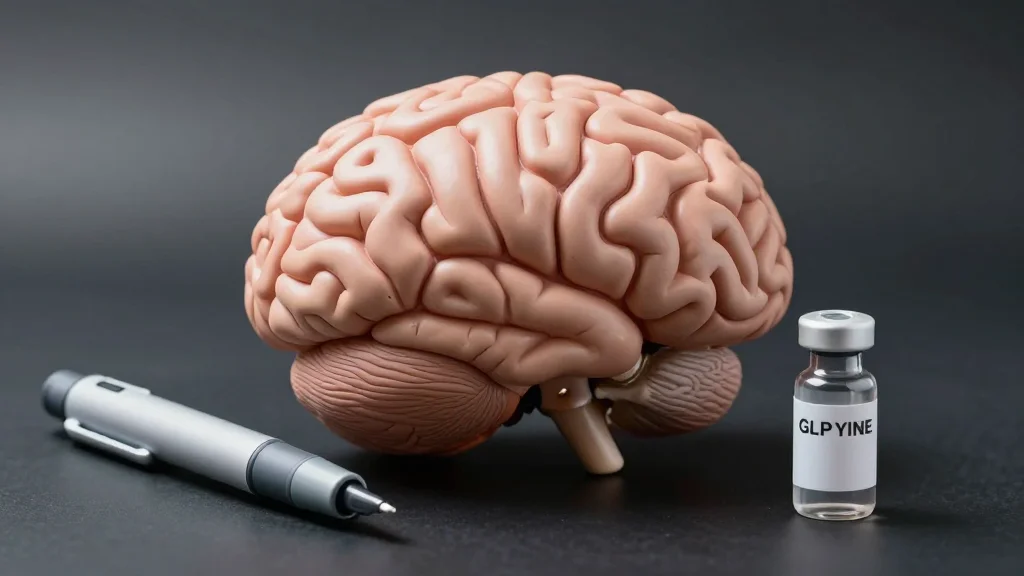
Alzheimer's May Be Multifactorial End‑Stage, Not Single Cause
Absolutely astounding that two of the most interesting candidates for lowering Alzheimer’s risk in the last decade came accidentally: GLP-1 drugs and the shingles vaccine. Really suggests Alzheimer’s has no true “cause”, but is the end stage of a long, complex...

Entropy Neurodynamics' TRP-8803 Trial Shows Repeatable Psychedelic Effects in BED Study
Entropy Neurodynamics (ASX: ENP) reported that the third patient in its TRP‑8803 IV‑infused psilocin trial for binge‑eating disorder completed two doses and exhibited a repeatable psychedelic response. The trial, designed for 12 participants across two cohorts, is nearing the end...

Loss of Smell May Signal Alzheimer’s Years Before Cognitive Decline, Study Finds
Scientists have identified a decline in olfactory ability as a possible early warning sign of Alzheimer’s disease, driven by microglial attacks on smell‑related nerve fibers. The finding could reshape screening strategies and intersect with meditation‑based approaches to brain health.

RevMed’s Pancreatic Cancer Win Strengthens the Case for Targeting RAS(ON)
RevMed reported a positive Phase 2 trial of its RAS(ON) inhibitor in patients with advanced pancreatic ductal adenocarcinoma, showing a 23% objective response rate and a median progression‑free survival of 5.8 months. The study enrolled 45 heavily pre‑treated patients and...

GSK Moves Ovarian Cancer ADC Mo-Rez Into Five Phase 3 Trials
GlaxoSmithKline said its experimental ovarian‑cancer antibody‑drug conjugate, Mo-rez, will be tested in five Phase 3 studies following encouraging early‑stage results. The move expands GSK’s oncology portfolio and signals a renewed focus on high‑unmet‑need cancers.

Crossing the SynBio Valley of Death with Proven Solutions
Most synbio companies die between "works in the lab" and "works at scale." Freedom-to-operate issues, process robustness, CMC readiness. The valley of death is real and it swallows good science. @IngenzaLtd has been helping teams cross it for 20 years. Leonardo Magneschi...
Navy SEAL and Doctor Discuss Stem Cell Breakthroughs
Great podcast with my good friend and Navy Seal William Clark and Dr. Harmon on Stem Cells https://t.co/BDKfPiMHnF
Legato Merger Corp III (LEGT) Q1 2026 Earnings Call Transcript
Legend Biotech reported a 66% year‑over‑year jump in CARVYKTI net trade sales to $555 million, driving total revenue to $306 million and narrowing the operating loss to $20 million. Gross margins held at 61% while manufacturing capacity reached 10,000 doses with a 97%...

Gloo Holdings Inc (GLOO) Q4 2025 Earnings Call Transcript
Glaukos Corp reported a record fourth‑quarter net sales of $143.1 million, a 36% year‑over‑year increase, and full‑year 2025 sales of $507.4 million, surpassing $500 million for the first time. Growth was powered by the iDose TR glaucoma franchise, which generated $45 million in Q4 and...

AI Needs Solid Botanical Data More than Ever
The article warns that artificial‑intelligence breakthroughs in biotech are hampered by a shortage of reliable botanical and fungal taxonomy. Most species, especially fungi, remain undescribed, leaving large language models with incomplete training data. Recent moves by Anthropic ($400 million acquisition of...

Clinical Innovations and Future Directions of Nanoparticles in the Treatment of Psychiatric and Neurological Disorders
Nanoparticles are emerging as a transformative platform for treating psychiatric and neurological disorders such as depression, schizophrenia, Alzheimer’s disease and Parkinson’s disease. Their physicochemical design enables crossing the blood‑brain barrier, targeted drug delivery, and enhanced imaging for early diagnosis. The...

Proline‑mediated Dichloromethyl Tagging Enables Ultra‑pure Drug Synthesis
A new method uses the amino acid proline to precisely attach dichloromethyl groups to complex molecules, enabling ultra-pure drug synthesis with built-in quality control and expanding possibilities for advanced medicine design. drugdiscovery

Compact CRISPR System Unlocks Targeted In-Body Gene Editing, with up to 90% Efficiency
Researchers at UT Austin have engineered a compact CRISPR enzyme, Al3Cas12f RKK, that fits into AAV vectors and achieves up to 90% editing efficiency in human cells. The enzyme’s small size overcomes the delivery bottleneck that limits most CRISPR systems...
![Oral Wegovy Sounds Easy, but the Reality Is More Complicated [PODCAST]](https://hixhlmpcokxhartfkpyi.supabase.co/storage/v1/object/public/images/thumbnails/016265f036964b075db4a0e7e7a191dc.webp)
Oral Wegovy Sounds Easy, but the Reality Is More Complicated [PODCAST]
Oral Wegovy, the first FDA‑approved semaglutide pill, delivers rapid weight loss and metabolic improvements, but patients often experience nausea, constipation, reflux, and variable results after discontinuation. Recent pharmacovigilance data reveal a heightened signal for non‑arteritic anterior ischemic optic neuropathy, especially...

Biotech Executive, Combative Conservative Hemmati May Head CBER
The FDA is nearing a leadership transition at its Center for Biologics Evaluation and Research (CBER) as Vinay Prasad prepares to depart at month‑end. Houman David Hemmati, a biotech executive known for his combative conservative views, tops Commissioner Marty Makary’s shortlist. Several other candidates...

Designing Better Membrane Proteins by Embracing Imperfection
Scientists at the VIB‑VUB Center for Structural Biology discovered that deliberately reducing stability—through “negative design”—can improve the folding of synthetic transmembrane β‑barrel proteins. In cell‑free experiments with lipid vesicles, designs that incorporated subtle destabilizing mutations folded correctly and avoided aggregation,...

IMPORTANT REMINDER: Pfizer Whistleblower Fired Hours After Reporting “Nightmare” COVID Vaccine Trial
Brook Jackson, a senior associate at Ventavia Research Group, disclosed serious protocol breaches in Pfizer’s COVID‑19 vaccine trial, including mislabeled specimens and deliberate unblinding of participants. She reported these violations to the FDA on September 25 and was terminated by Ventavia...
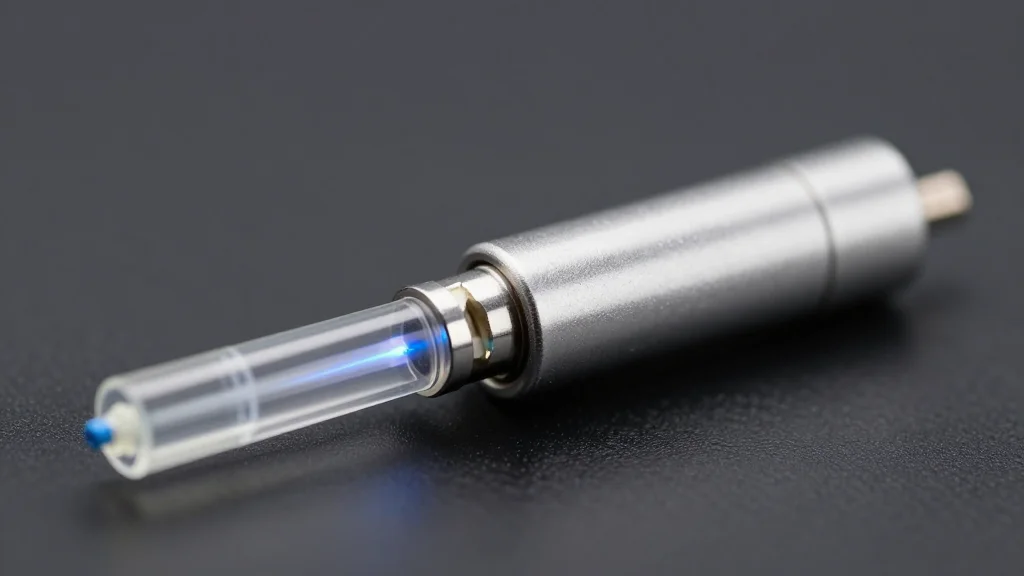
Combining Ion Pumps and Click Chemistry Enables Precise Drug Release in the Body
Researchers at TU Wien have merged electronic ion pumps with click‑to‑release chemistry, creating an "iontronic click‑to‑release" system that delivers tiny trigger molecules instead of the drug itself. The triggers cleave immobilized drug linkers at the implant site, enabling precise, on‑demand...

Click Therapeutics Cuts 27% of Workforce After $50M Raise
Click Therapeutics, a digital therapeutics company, announced a $50 million Series D round led by Boehringer Ingelheim. Within days of the funding, the startup slashed more than a quarter of its workforce, eliminating roughly 27% of employees. The cuts affect both engineering...

Office of Infectious Diseases Research Activities
The FDA’s Office of Infectious Diseases outlines its antimicrobial regulatory science agenda, referencing the 2020‑2025 National Action Plan that steers U.S. efforts against antibiotic‑resistant bacteria and fungi. It announces FY26 funding opportunities through a Broad Agency Announcement, with proposals due...

These Nanotweezers Grab Thousands of Tiny Cell Packets in Seconds and Expose Their Hidden Cargo
Vanderbilt researchers led by Justus Ndukaife have unveiled interferometric electrohydrodynamic tweezers (IET), a platform that can trap and analyze thousands of nanoscale extracellular vesicles (EVs) in seconds. The system combines electrohydrodynamic flow‑based capture with label‑free interferometric imaging and Raman spectroscopy,...
From Our Perspective: The Orange Book at 40: A Valued FDA Resource Continually Enhanced by User Input
The FDA celebrated the Orange Book’s 40th anniversary, highlighting its role as the sole official source for therapeutic equivalence evaluations and reference listed drug data. The database, updated daily for generic approvals and monthly for NDA changes, underpins generic substitution,...

India Pushes Pharma Shift From Generic Volume to Biologics Innovation
Union Minister Anupriya Patel announced a $‑billion‑plus budget and regulatory reforms to steer India's pharmaceutical industry from a volume‑focused generics model toward biologics and biosimilars. The plan adds three new NIPER institutes and modernises the CDSCO, aiming to boost R&D...

Roche Secures CE Mark for Elecsys NfL Blood Test to Track MS Neuroinflammation
Roche announced that its Elecsys Neurofilament Light Chain (NfL) blood test has earned CE mark approval in Europe, enabling clinicians to monitor neuroinflammation in relapsing‑remitting multiple sclerosis with a minimally invasive assay. The move could reduce reliance on MRI and...

EU Approves Dupixent for Children 2‑11 with Chronic Spontaneous Urticaria
Regeneron Pharmaceuticals and Sanofi announced that the European Commission has approved Dupixent for moderate‑to‑severe chronic spontaneous urticaria in children aged 2 to 11. The decision adds a new pediatric indication to the drug, which was already approved for adults and...

FDA Reminds More Than 2,200 Sponsors and Researchers to Disclose Trial Results
The FDA has sent reminders to more than 2,200 medical‑product companies and researchers, covering over 3,000 registered trials, to file required results on ClinicalTrials.gov. An internal analysis shows that 29.6% of studies likely subject to mandatory reporting still have no...

Once More Into the Valley of Death: Navigating SBIR/STTR Funding for Tech Startups After 2025
The Small Business Innovation Research (SBIR) and Small Business Technology Transfer (STTR) programs were reauthorized through September 2031, adding a new Strategic Breakthrough Awards tier of up to $30 million for transformative technologies. Annual federal non‑dilutive capital now exceeds $4 billion, with cumulative...

Sex-Related Differences in Immune System Aging May Impact Disease Susceptibility
Researchers at Barcelona Supercomputing Center used single‑cell RNA sequencing on nearly 1,000 blood samples to map how immune aging differs between men and women. The analysis revealed that women experience a pronounced increase in inflammatory immune cells with age, which...
Quarterly Inactive Ingredient Database (IID) Change Log
The FDA’s Inactive Ingredient Database (IID) is updated each quarter, and the Change Log records all corrected, deleted, and Maximum Daily Exposure (MDE) replacement entries. The log spans 2020‑2026, with file sizes ranging from 21 KB to 357 KB, reflecting the volume...
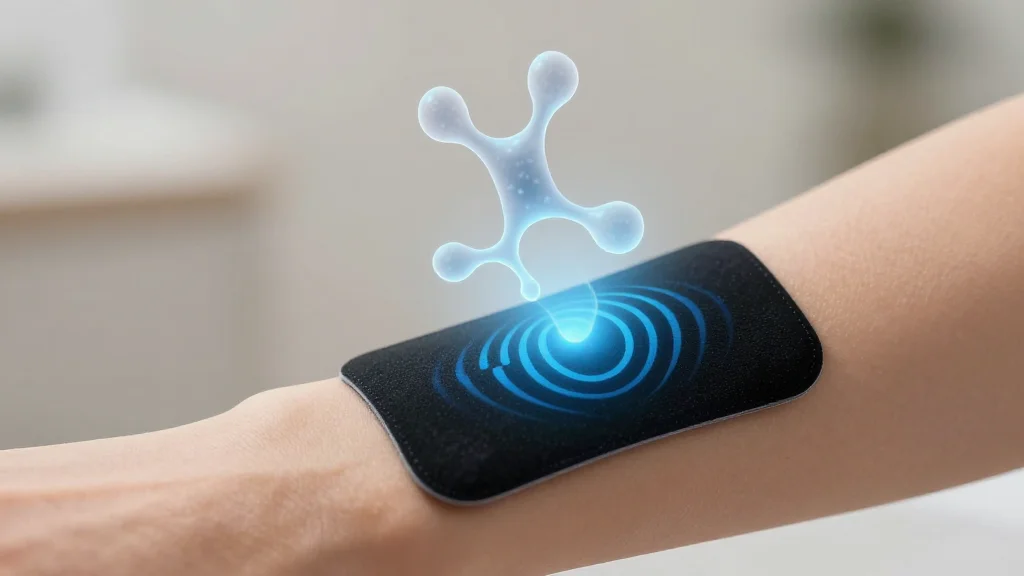
Salk to Lead $41.3M ARPA-H Effort to Advance Sonogenetics Therapies
The Salk Institute secured a $41.3 million ARPA‑H award to advance sonogenetics, a technique that uses low‑intensity ultrasound to control engineered cellular proteins. Over the next five years, Salk’s Dr. Sreekanth Chalasani and a multi‑institutional team will develop ultrasound‑responsive proteins, wearable...

AACR 2026: Professional Awards Acknowledge Community’s Contributions to Cancer Research
The American Association for Cancer Research unveiled its 2026 professional award winners at the San Diego meeting (April 17‑22). Honorees span the spectrum of oncology, from James P. Allison’s seminal CTLA‑4 work to the Broad Institute’s Cancer Dependency Map team that charted...
FDA Regulation and Quality Considerations for Cannabis and Cannabis-Derived Compounds
The FDA issued final guidance titled “Cannabis and Cannabis‑Derived Compounds: Quality Considerations for Clinical Research,” clarifying how sponsors can use both hemp and cannabis with THC levels above 0.3% in human drug trials. The guidance outlines source options—including the NIDA...

When the Data Favor Motion Preservation, How Long Does It Take for Surgeon Culture to Catch Up?
A multicenter FDA IDE trial compared the Total Posterior Spine (TOPS) facet‑replacement system with traditional transforaminal lumbar interbody fusion (TLIF) in 249 patients with grade I spondylolisthesis at L4‑5. TOPS achieved an 85% composite clinical‑success rate versus 64% for TLIF, with...

Review and Approval
The FDA approves biosimilars through an abbreviated pathway that relies on demonstrating high similarity to an existing reference biologic, rather than repeating full safety and efficacy trials. Manufacturers must provide analytical, animal, and clinical data, and the agency can waive...

DeepSeqAI Trains on Function to Future‑proof Biologics
Most AI protein tools are trained on structure. DeepSeqAI trains on function. They're running billions of experimental protein-protein interactions through their platform to map biologics against viruses, immune receptors, and the entire human proteome. The goal: candidates that hold up against...

Serum Proteomics Distinguishes Endurance versus Strength Adaptations
Adaptations to endurance vs strength training in elite athletes revealed by serum proteomics https://t.co/ii3xAiNEcT https://t.co/hBfQ0E0v9W
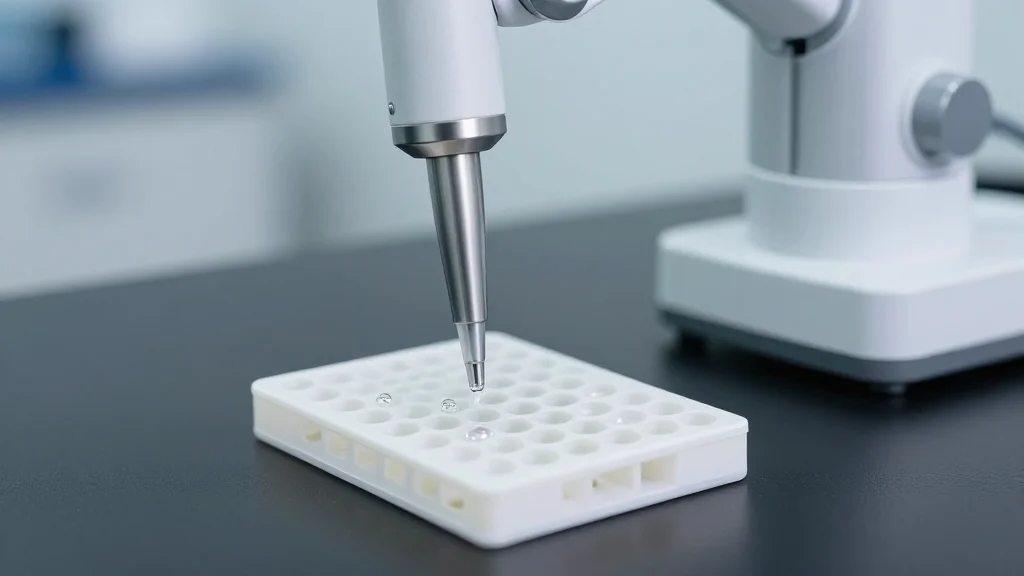
Advancing Fully Walkaway Automation in Genomics Workflows
SPT Labtech and the European Molecular Biology Laboratory’s GeneCore facility in Heidelberg have partnered to install the firefly®+ all‑in‑one liquid‑handling platform, aiming to deliver fully walkaway automated genomics workflows. The system combines pipetting, dispensing, incubation and shaking, and will run...

Why Anthropic Chose Coefficient Bio Over Bigger Rivals?
Reading up on the Coefficient Bio deal. I totally get the industrial logic around why Anthropic should care about drug discovery. But why this particular company? There's lots of more scaled players doing this. Can anyone educate me? https://t.co/akFVmRUaYw