
Deep Dive: Checking in with the FDA
The FDA’s 2025 turmoil included a 3,500‑person workforce cut, multiple leadership turnovers, and a surge in guidance reversals that delayed drug reviews. In 2026, the agency declined to file Moderna’s mRNA‑1010 flu vaccine, contradicting earlier guidance, underscoring regulatory uncertainty. Despite the chaos, the FDA approved 56 novel therapies, a slight dip from 2024, while issuing over 15 new policies aimed at cell‑gene therapies and rare‑disease incentives.

Fear of ‘Vibebioterror’ Overstates Threat, Defends SynBio Education
@strnr do you sincerely think that vibebioterror will be a thing? I honestly think this is fear mongering at its highest caliber. You can go to a community college right now and learn all you need to work with microbes...

Viewpoint: CRISPR and mRNA — Under Attack by Technology Skeptics — Poised to Save Millions of Children with Rare Diseases
Rare genetic diseases affect roughly 25 million Americans and generate about $400 billion in annual medical costs, yet fewer than five percent have FDA‑approved therapies. The scarcity of treatments stems from the economics of drug development for tiny patient pools. Recent breakthroughs...

Major Organoids Companies Plus Latest TechBio News
The latest TechBio briefing spotlights the fastest‑growing private organoid firms, highlighting recent Series A‑C rounds that collectively raised over $500 million. Leaders such as OrganoTech, CellSphere, and BioMimic are scaling production pipelines to meet demand from pharma, diagnostics, and personalized‑medicine partners. The...

Young Microbiota Restores Cognition and Sperm Health via Bifidobacterium
Young Human-Derived Microbiota Ameliorates Cognitive Decline and Reproductive Senescence in Aged Mice This approach "increased intestinal Bifidobacterium levels and effectively restored hippocampal metabolomic profiles and cognitive behavior." Additionally, yFMT-based treatments "mitigated structural damage to the seminiferous tubules [and] improved sperm quality. 👉These findings...

Study Identifies New Genes Linked to Severe Pregnancy Sickness
USC researchers expanded the genetic landscape of hyperemesis gravidarum, identifying nine additional genes alongside the previously known GDF15, GFRAL, IGFBP7, and PGR. The genome‑wide association study analyzed 10,974 HG cases and 461,461 controls across diverse ancestries, the largest cohort to...
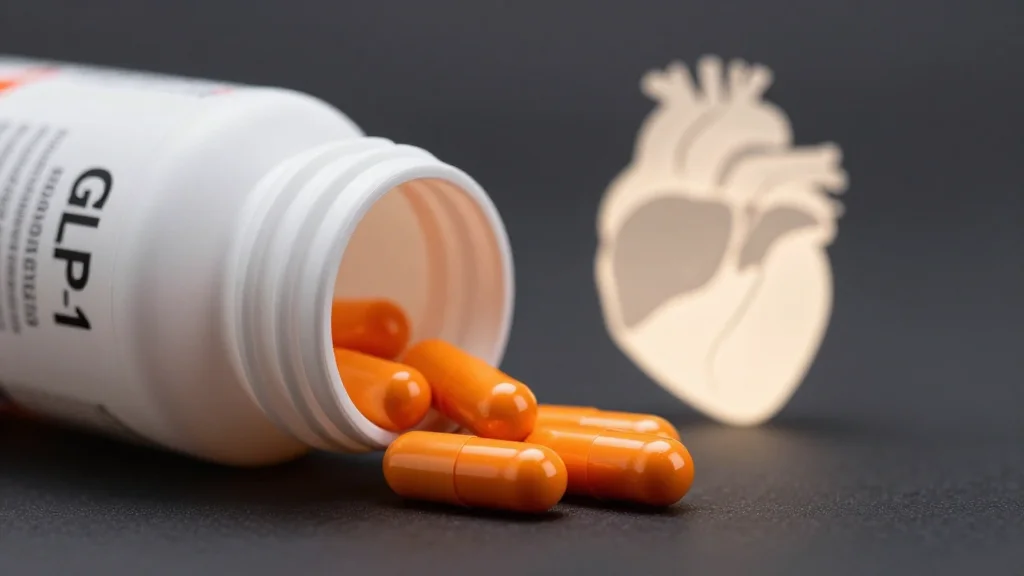
FDA Requests Additional Safety Data on Eli Lilly's Newly Approved Obesity Pill Foundayo
The U.S. Food and Drug Administration has formally asked Eli Lilly to provide further safety information on its recently cleared oral GLP‑1 obesity medication Foundayo. The regulator’s letter, signed on April 1, flags liver‑injury signals and mandates post‑marketing studies on cardiovascular events,...

Eli Lilly’s Jaypirca Secures Fourth Phase III Win in CLL, Paving Way for Label Expansion
Eli Lilly announced that its BTK inhibitor pirtobrutinib (Jaypirca) achieved its fourth Phase III success in chronic lymphocytic leukemia, meeting the primary endpoint of improved progression‑free survival. The result clears a path for a U.S. label expansion and underpins a GlobalData...

Labcorp, AWS and Datavant Launch AI‑Powered Platform to Speed Alzheimer’s Research
Labcorp announced a partnership with Amazon Web Services and Datavant to roll out an AI‑driven real‑world data platform for Alzheimer’s research. The platform promises to compress data‑preparation cycles from months to minutes, leveraging Labcorp’s diagnostic data and privacy‑preserving tokenization. The...

Inflammation & Immune System - A Deep Dive Into Genetic Pathways for Actionable Insights
A detailed genetic analysis of inflammation and immune pathways identified three high‑impact homozygous variants: PTPN22 R620W, CFH Y402H, and NFE2L2 –617. The report translates these findings into concrete clinical actions, including autoimmune and thyroid screening, baseline retinal imaging for age‑related...
Remembering Sofinnova’s Denis Lucquin, Father of French Biotech
Denis Lucquin, a founding partner of Sofinnova Partners and a pivotal architect of France’s biotech sector, died on April 3 at age 69 from pancreatic cancer. Over three decades he invested in 31 European biotech companies, including Ablynx, Nicox and Novexel, and...

GHK-Cu Peptide Rescues Aging Cognition but Splits Molecular Pathways in the Brain
Researchers examined the copper‑binding peptide GHK‑Cu, noting its molecular weight of about 402 g/mol and a 15.8% copper composition. Translating the mouse dose of 15 mg/kg to humans yields an 85 mg daily intake, delivering roughly 13.4 mg elemental copper—well above the 10 mg tolerable...

MicroRNA Signature Predicts Localized Clear Cell RCC
A new commentary in the British Journal of Cancer re‑examines the Bio‑miR study, which proposed a microRNA signature to predict outcomes in localized clear cell renal cell carcinoma (ccRCC). The authors highlight statistical and reproducibility concerns, showing that several miRNA...

Differentiated SH-SY5Y Cells Show Neuronal Traits, Immature Synapses
Researchers published a study showing differentiated SH‑S5Y cells express neuronal markers but fail to develop mature synaptic machinery, limiting their utility for synaptic physiology and drug screening. Using imaging, electrophysiology and transcriptomics they demonstrated absent synaptic currents and down‑regulated synapse...

Turkish PDQoL-7 Validated for Older Adults
Turkish researchers have validated a version of the Parkinson’s Disease Quality of Life‑7 (PDQoL‑7) scale specifically for older adults, publishing the findings in BMC Geriatrics. The validation demonstrated strong reliability, internal consistency, and construct and criterion validity using factor analysis...

FDA Sends Letters to 2,200 Sponsors, Demanding Public Trial Results
The U.S. Food and Drug Administration has formally notified more than 2,200 drug developers that they must post pending clinical trial results on ClinicalTrials.gov, highlighting that nearly 30% of mandated studies remain unpublished. The agency warns of civil penalties and...

AWS Unveils Amazon Bio Discovery, Cutting Drug Design Time From Months to Weeks
Amazon Web Services launched Amazon Bio Discovery, an AI‑driven platform that lets researchers design and evaluate drug molecules without writing code. Early adopters such as Bayer, the Broad Institute and Memorial Sloan Kettering report that the tool can compress months‑long...

GLP-1 Goes For The Middle
Indian pharmaceutical firms are rapidly converting the GLP‑1 hype into scale after Novo Nordisk’s semaglutide patent expired in March. Generics from Sun Pharma, Torrent, Zydus and others have already captured more than 15% of the market, pushing Novo’s share down...

NTU Singapore, SUSTech, and Lipigon Advance Inhaled Nanocarrier Therapy for Severe Lung Infections
Nanyang Technological University in Singapore, Southern University of Science and Technology in China, and Sweden’s Lipigon Pharmaceuticals have pushed their inhaled nanocarrier drug targeting ANGPTL4 into non‑human primate testing. The move clears the path toward an IND filing and could...

Helical Secures $10 Million Seed Round to Launch Virtual AI Lab for Pharma
Helical Ltd., a biotech AI startup, closed a $10 million seed round led by Redalpine Venture Partners, with participation from Gradient, BoxGroup, Frst Capital and several AI CEOs. The funding will accelerate deployment of its virtual AI lab that turns foundation...
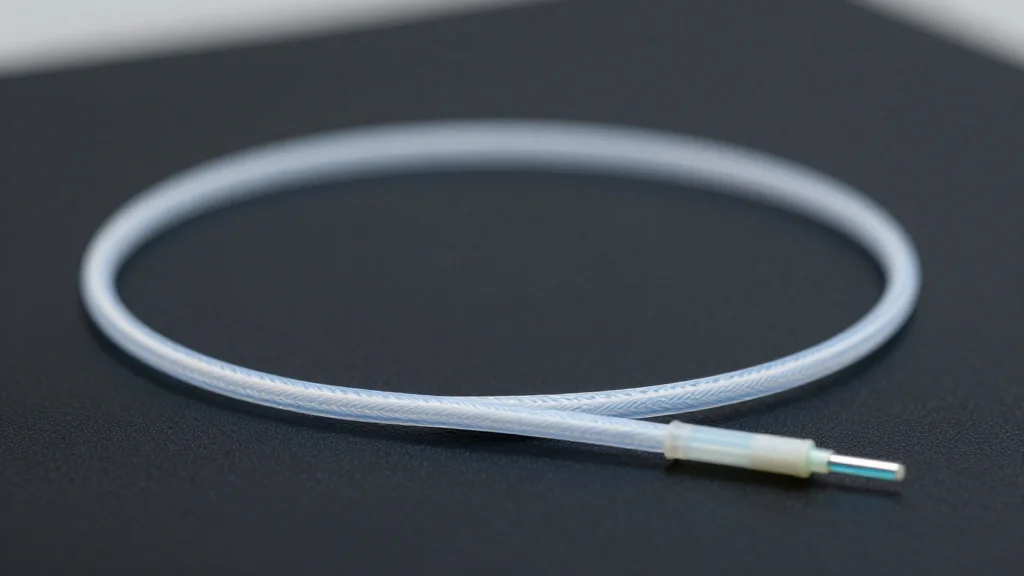
Radical Catheter Technologies Secures FDA 510(k) Clearance for 6F Neurovascular Catheter
Radical™ Catheter Technologies announced that the U.S. Food and Drug Administration granted 510(k) clearance to its 6F neurovascular access catheter. The clearance adds a lower‑profile device to the company's portfolio, widening options for middle‑meningeal artery embolization and radial access procedures....

AI Models Map Worm Brain, Scale to Synthetic Biology
The C. elegans nervous system has exactly 302 neurons and 7,000 synaptic connections. Scientists have had the full wiring diagram since 1986. What they haven't had: a computational model that captures how those neurons actually develop and wire themselves up. Eric Wasiolek...

FDA Introduces Standardized Framework for Gene Therapy Safety
New FDA guidance on evaluating the safety of gene therapies will establish a more predictable development process as these measures are implemented They provide a standardized, layered framework for uncovering off-target effects and other safety issues https://t.co/D7lsBeZybT

Genome-Wide Tandem Repeat Expansions Modify Schizophrenia Risk in the Presence of a 22q11.2 Deletion
Researchers sequenced the genomes of 438 individuals with the 22q11.2 deletion and discovered that rare tandem repeat expansions (TREs) are significantly enriched in those who develop schizophrenia. The burden of genic TREs showed odds ratios of 1.75–2.14, comparable to the...

Natural Compounds Boost Gut Butyrate, Increase Muscle Mass
Computational Screening and Experimental Validation of Natural Compounds that Enhance Butyrate Production in Gut Bacteria and Promote Muscle Cell Mass https://t.co/YgZdtWly4n

Exposing Antivaccine Rhetoric Masquerading as Real Science
1/n Here’s a thread on why this is nonsense. I think it’s important to debunk bc increasingly the antivaccine activists and their rhetoric are trying to sound more like real science even though it’s fake.
Traws Pharma Inc (TRAW) Q4 2025 Earnings Call Transcript
Harrow Health reported Q4 2025 revenue of $89.1 million, a 33% year‑over‑year increase, and full‑year revenue of $272 million, up 36%. Management forecast 2026 revenue between $350 million and $365 million, with adjusted EBITDA of $80‑100 million, driven by sales‑force...
Patent‑Free COVID Vaccine Reaches 100 Million at $2‑3
Except the opposite, I make low cost vaccines that actually bypass big pharma, our patent-free COVID vaccine reached 100 million people at $2-3 per dose. It’s sad to see so many give up their critical thinking skills for conspiracy sites,...
EMF‑Controlled Gene Switch Reverses Aging In Vivo
EMF-inducible gene switch gene switch enables in vivo rejuvenation by reversing aging phenotypes Electromagnetic field-inducible in vivo gene switch for remote spatiotemporal control of gene expression https://t.co/yeIDzXChWV
Editorial Expression of Concern: Creation of Human Tumour Cells with Defined Genetic Elements
Nature issued an editorial expression of concern on April 15, 2026 for the 2022 paper by Hahn et al. that described creating human tumour cells with defined genetic elements. The notice flags a potential duplication of two bands in Figure 1b and acknowledges that...
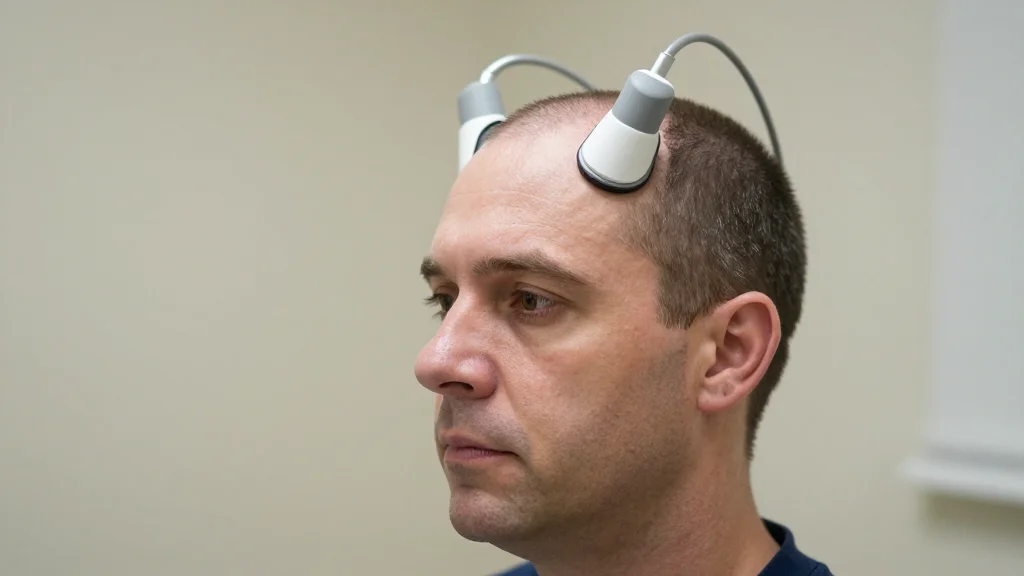
Accelerated Intermittent Theta Burst Stimulation Targeting Personalized Fronto-Parietal Control Network Improves Core Symptoms of Autism Spectrum Disorder: A Double-Blind, Randomized...
A double‑blind, randomized trial evaluated a 12‑week accelerated intermittent theta‑burst stimulation (iTBS) protocol that targeted each participant’s fronto‑parietal control network using individualized functional MRI maps. Among 57 severely affected individuals with autism spectrum disorder, 55% of the active iTBS group...

Plasma P-Tau217 Tracks Alzheimer’s Biomarkers Over Time
A multi‑center longitudinal study shows that plasma p‑tau217 reliably tracks core Alzheimer’s disease biomarkers over time. Researchers measured p‑tau217 in blood samples from 1,200 participants and compared the results with amyloid PET scans and cerebrospinal fluid tau levels across a...

Sonodynamic Therapy with Ferrocene-Modified Frameworks Targets Breast Cancer Metastasis
Researchers at Beijing Institute of Technology have engineered ferrocene‑modified covalent organic frameworks (mCOFs) that act as ultrasound‑activated sonosensitizers. When combined with sonodynamic therapy, the nanoplatform reduces breast cancer cell viability to 24.3% and drives apoptosis above 84%, while simultaneously generating...

Psoriasis Paves the Way for Next-Generation TYK2 Inhibitors in Autoimmunity
Takeda and Alumis reported Phase III data for their next‑generation TYK2 inhibitors, zasocitinib and envudeucitinib, showing more than half of patients achieve PASI 90 in plaque psoriasis. The results close the efficacy gap between oral agents and injectable biologics, surpassing the 28%...

Vivici Sees 30% Boost in Titers, Yield, via Cell Productivity Tech From Enduro Genetics
Vivici, a precision‑fermentation startup producing whey beta‑lactoglobulin, integrated Enduro Genetics' Enduro Sense plug‑in into its production strain. Within five months the technology delivered a 30% lift in both titers and yields while using the same feedstock and bioreactor setup. The...

EU Launches PsyPal Project to Test Psychedelic Therapy for Palliative Care Distress
The European Union has inaugurated the PsyPal project, a research initiative that will evaluate psychedelic therapy for patients experiencing psychological distress in palliative care. The launch event took place on 13 April 2026 at the Directorate‑General for Health and Food Safety, signaling...

Seattle Children’s Hospital Cuts Infant Leukemia Diagnosis to One Day
Seattle Children’s Hospital’s Sarthy Lab has begun delivering infant acute lymphoblastic leukemia diagnostic results in a single day using Benchling’s AI platform. The breakthrough, highlighted by Mallory Carlson’s twins, promises faster treatment decisions and less anxiety for families.
Phospholipid Asymmetry Helps Explain Extracellular Vesicle Surface Charge and Therapeutic Quality
Researchers led by Naohiro Seo and Takanori Ichiki published a review in ACS Nano Medicine that links extracellular vesicle (EV) surface charge to phospholipid asymmetry, especially the distribution of phosphatidylserine (PS). They show exosomes retain PS on the inner leaflet,...
NHS Expands Genetic Testing to Cut Cancer Chemotherapy Risks for Minority Patients
The NHS has launched a nationwide rollout of expanded DPYD genetic testing that adds a fifth variant common in Black and minority ethnic groups. The change has already led clinicians to adjust chemotherapy doses for three patients, targeting a reduction...

RNA‑seq No Longer a Bottleneck: 3‑day Turnaround
What if sequencing wasn’t the bottleneck anymore? #SynBioBeta2026 is May 4-7th in San Jose, California, you can learn more about the conference and get your tickets here: https://t.co/8abYWJ18mc @plasmidsaurus is removing friction from RNA-seq. 3-day turnaround in Europe. No dry ice. This is...
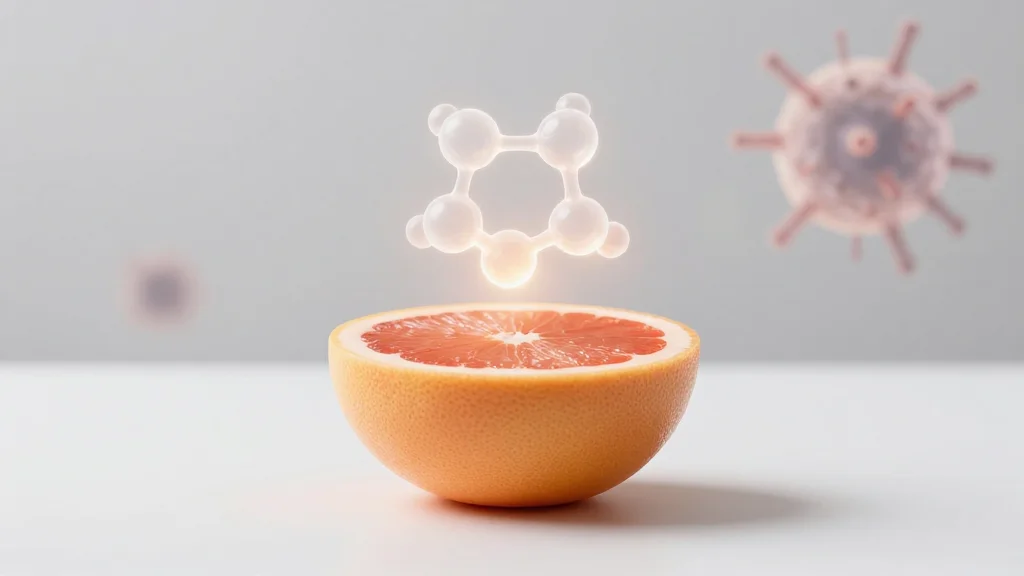
Grapefruit Compound Bergamottin Blocks STAT3, Triggers Tumor Cell Death
Bergamottin, a natural furanocoumarin obtained from grapefruit juice induces chemosensitization and apoptosis through the inhibition of STAT3 signaling pathway in tumor cells https://t.co/cLRxHMFBCJ

CAR T Cell Therapy Biomanufactured by Cellares Infused Into First Two Patients
Cellares has successfully infused the first two patients with rese‑cel, Cabaletta Bio’s investigational autologous CAR‑T therapy, using its automated Cell Shuttle manufacturing platform. The product met all GMP release criteria, demonstrating that a low‑cost, high‑capacity process can produce clinical‑grade cell...
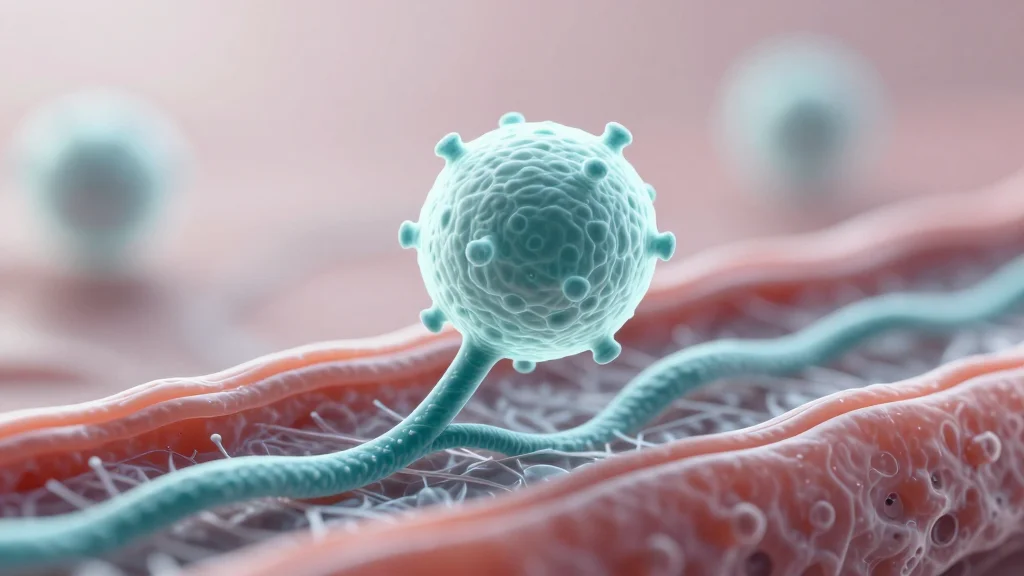
One Injection Restores Hearing via OTOF Gene Therapy
A single injection uses an engineered AAV virus to deliver a healthy OTOF gene into cochlear cells, enabling them to produce otoferlin and restore the ear’s ability to convert sound vibrations into signals the brain can interpret. https://t.co/Lk34jpnRBe

FDA's 27-Year Freeze Stalled Critical Strep A Vaccine
The FDA accidentally froze Strep A vaccine development for 27 years. @AsimovPress explains what happened and where things stand now, ft. @jacobtrefethen and @coeff_giving's research.

C-TRACT: Iliac Vein Stenting Results Look Good in Postthrombotic Syndrome
The C‑TRACT trial showed that adding iliac vein stenting to standard therapy markedly improves symptoms and quality of life for patients with post‑thrombotic syndrome after deep‑vein thrombosis. At six months, stented patients scored two points lower on the Venous Clinical...
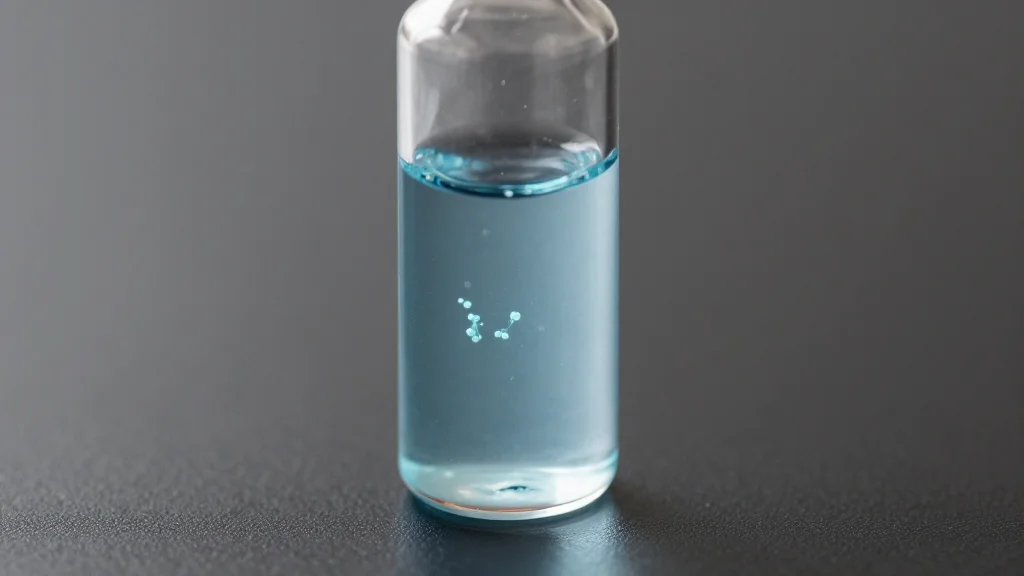
Oslo Patient Likely Cured of HIV After Stem‑Cell Transplant From Genetically Resistant Brother
A 63‑year‑old man known as the Oslo patient is likely cured of HIV after a hematopoietic stem‑cell transplant from his brother, who carries the rare CCR5‑Δ32 mutation. The case, reported in Nature Microbiology, underscores the potential of genetically resistant donors...

Adcendo Raises $75M to Advance Cancer Drug Pipeline
Adcendo, a Copenhagen‑Boston biotech focused on antibody‑drug conjugates (ADCs), announced a $75 million Series C financing led by Jeito Capital. The capital will accelerate Phase 1 trials for three lead ADC candidates targeting tissue factor, uPARAP, and a preclinical asset. The round attracted...
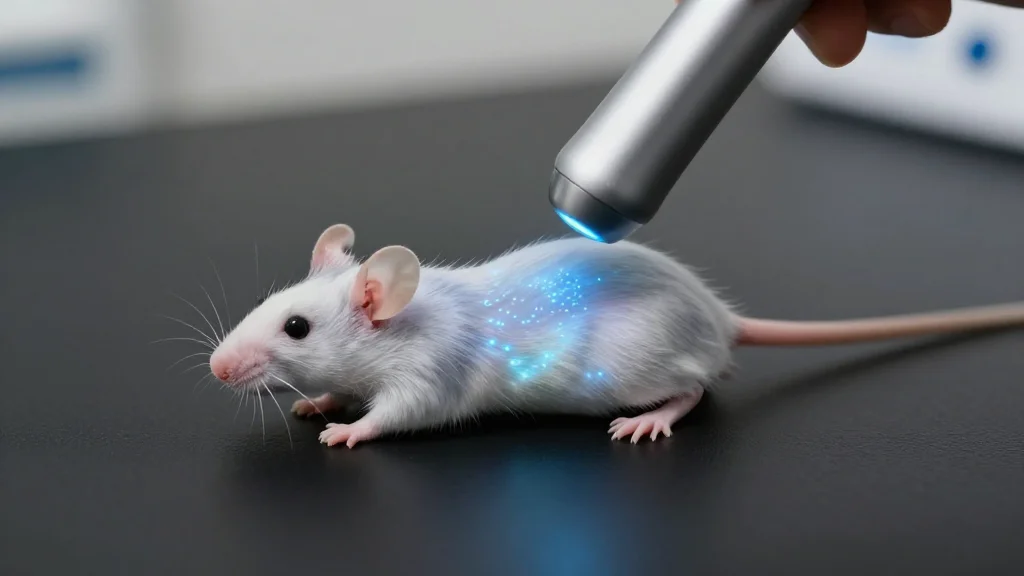
Stanford Team Demonstrates Ultrasound‑Powered Nanophosphor Light Source Inside Living Tissue
Stanford scientists have shown that mechanoluminescent nanophosphors injected into the bloodstream can emit blue light when triggered by external ultrasound, creating a controllable, deep‑tissue light source in live mice. The breakthrough could replace invasive fiber optics for neuromodulation, gene editing...

FDA Grants First Gene‑Therapy Approval for Rare Pediatric Immune Disorder LAD‑I
The U.S. FDA has approved Rocket Pharmaceuticals’ Kresladi (marnetegragene autotemcel) for children with leukocyte adhesion deficiency type I, marking the world’s first gene‑therapy option for the disease. Approval follows a single‑arm trial of nine patients that showed 100% survival and restored...

CDER SBIA Chronicles
The FDA’s CDER Small Business & Industry Assistance (SBIA) Chronicles newsletter delivers regulatory guidance to drug manufacturers through a series of podcasts and a searchable archive. The most recent episodes—released on Dec 13 2024, Nov 14 2024, and May 17 2024—cover centralized statistical monitoring for data...