
Replimune Cries Foul on Regulatory Flexibility. But Many Americans Want a Stricter FDA
The FDA rejected Replimune’s RP1 melanoma combination therapy twice, citing patient‑population heterogeneity that it says undermines efficacy interpretation. The biotech’s CEO decried the agency’s lack of regulatory flexibility, while a Politico poll revealed most Americans prefer a slower, more rigorous drug‑approval process. FDA officials acknowledge flexibility must not compromise rigor, and the agency just released draft guidance to standardize safety assessments for gene‑editing therapies. Industry leaders warn that inconsistent application of flexible trial designs erodes predictability for sponsors.

Revolution Medicines' Daraxonrasib Cuts Pancreatic Cancer Death Risk by 60% – This Week in Biotech #96
Revolution Medicines announced Phase 3 RASolute 302 results for its oral RAS‑ON inhibitor daraxonrasib in second‑line metastatic pancreatic ductal adenocarcinoma. The trial reported a median overall survival of 13.2 months versus 6.7 months with standard chemotherapy, a hazard ratio of 0.40 and a 60%...
Piramal Pharma Solutions Partners with Ajinomoto Bio-Pharma Services to Advance ADC Development and Manufacturing
Piramal Pharma Solutions and Ajinomoto Bio‑Pharma Services have signed a strategic collaboration to accelerate antibody‑drug conjugate (ADC) development and manufacturing. Piramal will refer its customers to Ajinomoto’s AJICAP platform for site‑specific ADC conjugation, while Ajinomoto will direct clients to Piramal...

Kailera Raises $625M IPO in Biotech Record
Kailera Therapeutics completed a $625 million IPO, establishing a new biotech record and eclipsing Moderna’s 2018 $604 million debut. The offering, led by Goldman Sachs, JPMorgan and Morgan Stanley, attracted strong institutional demand and priced above expectations. Proceeds will fund Kailera’s gene‑editing...

Next Stage of Growth with a New CEO
Resyca BV, a Dutch specialist in soft‑mist inhalation drug delivery, has appointed Deborah Jones as its new chief executive. Jones brings over two decades of senior leadership experience, most recently overseeing business strategy for Proveris Scientific across EMEA and India....
Lilly’s Tirzepatide Sheds Lean Muscle Harder than Novo’s Semaglutide, Study Suggests
A new, pending‑peer‑review study compares Eli Lilly’s tirzepatide with Novo Nordisk’s semaglutide, confirming tirzepatide delivers greater overall weight loss but also leads to a larger reduction in lean body mass. Researchers used dual‑energy X‑ray absorptiometry to quantify fat‑free mass loss, finding up...
Helsinki’s Algorithmiq Wins €1.7 Million Prize for Quantum-Enabled Light-Sensitive Cancer Drug Discovery
Algorithmiq, a Helsinki‑based quantum software firm, secured the €1.7 million ($2 million) Wellcome Leap prize for demonstrating a practical quantum advantage in drug discovery. The team built an end‑to‑end quantum‑classical workflow that ran on up to 100 qubits to simulate a photosensitiser...

How Clinical Trials Validate New Peptide Therapies
Clinical trials are essential for turning promising peptide molecules into reliable therapeutics by confirming that their effects are consistent, measurable, and reproducible across diverse populations. The article outlines how preclinical research defines mechanisms and safety, while Phase I focuses on human...

This New Test Could Be a Breakthrough in UTI Treatment
Researchers evaluated an experimental rapid susceptibility test, RMD AST, on 352 urine samples and found it matched standard laboratory cultures 96.95% of the time. The assay delivers results in six hours, a dramatic cut from the typical 48‑72‑hour culture period. Faster,...
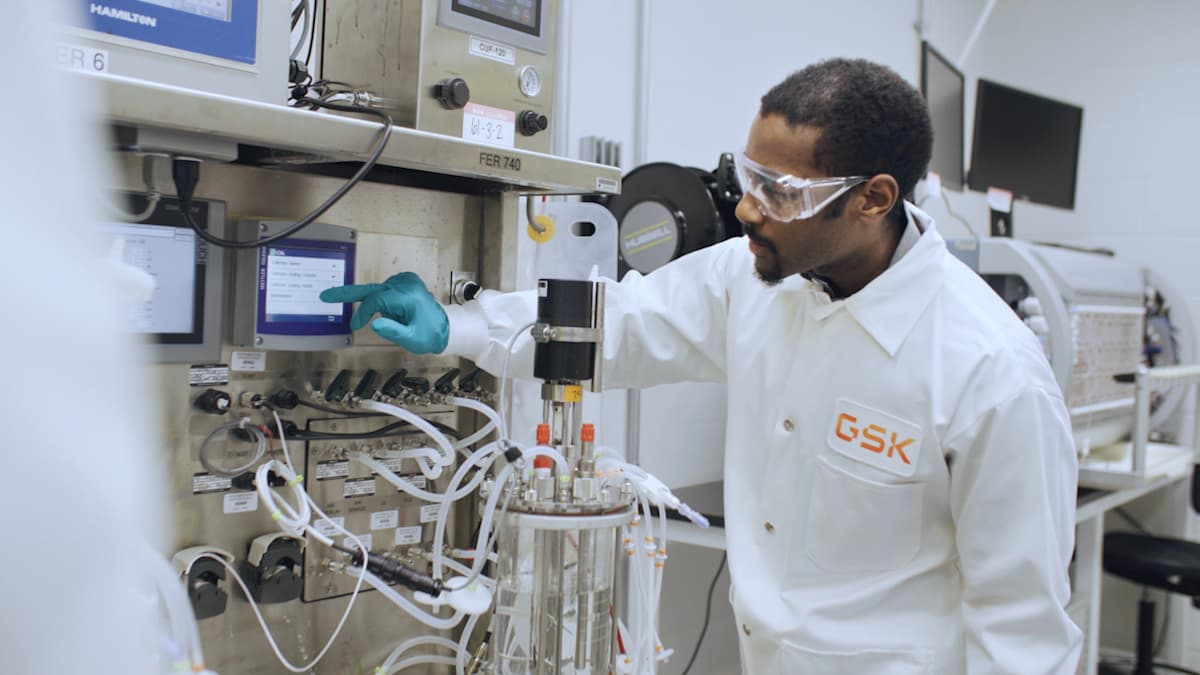
Multiple Myeloma Drug Blenrep Backed for Wider NHS Use
The UK’s health technology regulator NICE has broadened the approved use of GSK’s BCMA‑targeting drug Blenrep, allowing it to be combined with Takeda’s Velcade and dexamethasone for a larger second‑line multiple myeloma population. The new guidance lifts the restriction that...

Lilly’s Obesity Pill Foundayo Gets 1,390 Prescriptions in Debut Week
Eli Lilly's newly launched oral obesity drug Foundayo filled 1,390 prescriptions in the United States during its debut week ending April 10, according to IQVIA data. By comparison, Novo Nordisk's oral Wegovy recorded 3,071 prescriptions in its first four days...
Kailera Therapeutics Prices $625 M IPO at $16 per Share
Kailera Therapeutics announced the pricing of its initial public offering at $16 per share, aiming to raise roughly $625 million. The 39.06 million‑share offering, with a 30‑day over‑allotment option, will debut on the Nasdaq Global Select Market under the ticker KLRA.

This Sam Altman-Backed $1.8 Billion Startup Bets AI Can Get Drugs Through Clinical Trials Faster
Formation Bio, backed by Sam Altman and top VCs, has raised $615 million at a $1.8 billion valuation to use AI for faster, cheaper clinical trials. The New York‑based firm plans to acquire a portfolio of about ten early‑stage drug candidates, many stalled...
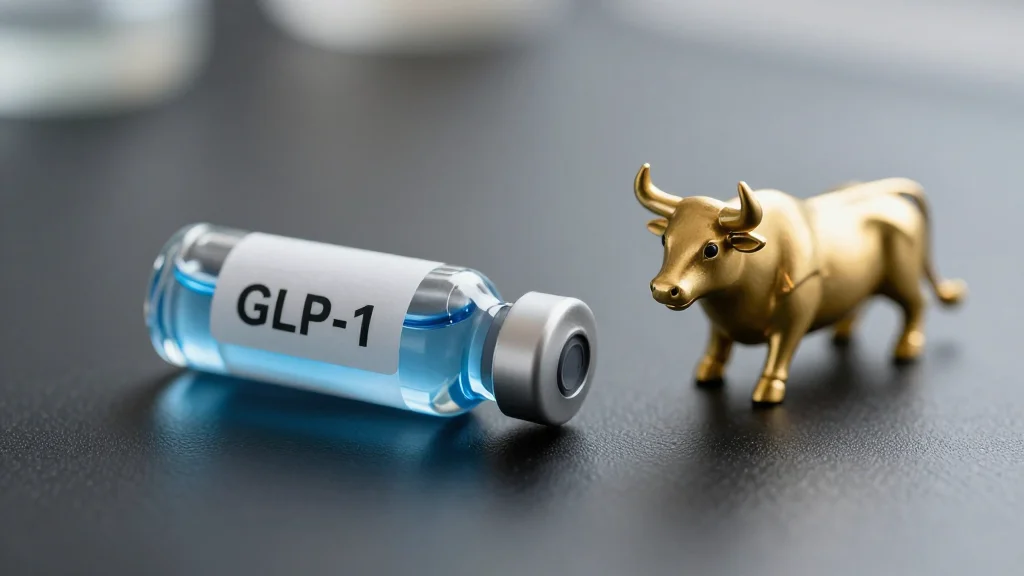
3 Ways to Invest in the Growing GLP-1 Weight Loss Market
The global GLP‑1 receptor agonist market is set to nearly triple, reaching roughly $185 billion by 2033 with a 12.4% compound annual growth rate. Investors can tap the surge through a direct play in Structure Therapeutics, whose aleniglipron candidate posted a...
Pfizer Unveils Nanoparticle Platform to Sharpen Cancer Treatment
Pfizer disclosed a new nanoparticle platform designed to deliver cancer drugs directly to tumors, promising higher precision and fewer side effects. The initiative is led by Puja Sapra, head of the Targeted Therapeutics Unit in Oncology R&D, and is part...
Viking Therapeutics Gains Strong‑Buy Consensus as Obesity Market Eyes $100B by 2030
Wall Street analysts have given Viking Therapeutics (VKTX) an average brokerage recommendation of 1.33, bordering on a strong buy, as its GLP‑1 obesity candidates move through phase‑3 trials. The stock’s 121% one‑day surge in early 2024 and a $100 billion market...

A Treasure Trove of Food for Thought From Julia Belluz
Julia Belluz’s New York Times essay examines GLP‑1 medicines as broad metabolic tools, not merely weight‑loss drugs. She outlines emerging cardiometabolic, brain‑health, and inflammation benefits while stressing that scientific proof lags behind rapid real‑world adoption. The piece gives weight to patient experiences...
Labcorp and CHOP Launch Pediatric Diagnostics Partnership to Expand Advanced Testing and Drive Clinical Lab Growth
Labcorp and the Children’s Hospital of Philadelphia (CHOP) have formed a strategic partnership to accelerate development and commercialization of pediatric‑specific diagnostics. The collaboration will combine CHOP’s research expertise with Labcorp’s nationwide testing network to bring new molecular and genetic assays...
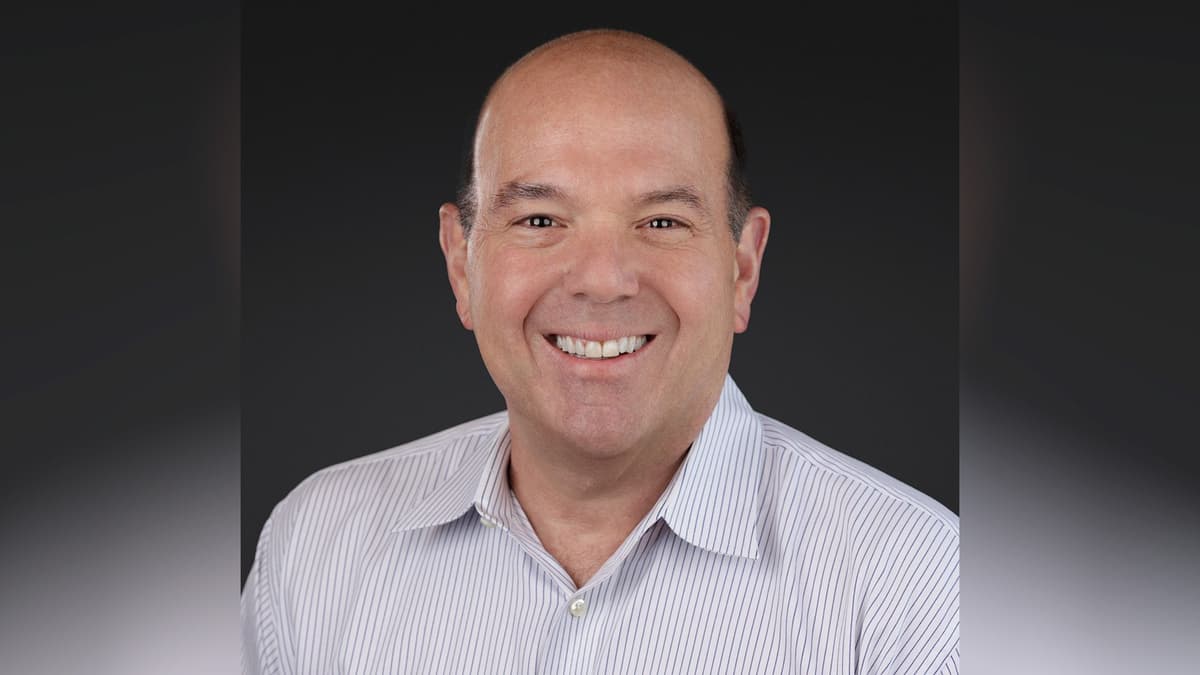
Bringing New Delivery Methods to Treatments: Q&A with Richard Lowenthal
In March 2025 the FDA cleared ARS Pharmaceutical’s neffy, a needle‑free epinephrine nasal spray, marking the first major delivery innovation for the drug in over 35 years. CEO Richard Lowenthal explained that the spray eliminates needle anxiety, simplifies administration, and improves portability,...

The Turning Point for Oral Biologics: Q&A With Morten Graugaard
Orbis Medicines CEO Morten Graugaard says the FDA’s approval of Icotyde validates oral biologics as a viable drug class. He frames the decision as a proof point that macrocycle chemistry can translate biologic efficacy into a pill, but cautions that...

Karnataka Approves AI Centre of Excellence in Bengalurus Electronics City
The Karnataka government approved a four‑year AI‑Biotechnology Centre of Excellence at the Institute of Bioinformatics and Applied Biotechnology in Bengaluru’s Electronics City, allocating roughly $2.4 million. The project partners the institute with the Centre for Cellular and Molecular Platforms (C‑CAMP) and...
The Innovators Working to Make in Vivo Cell Therapy a Reality
First‑in‑human trials of in‑vivo CAR‑T therapies are now underway, delivering therapeutic genes directly inside patients via viral or lipid‑nanoparticle vectors. Big‑pharma interest is evident after AstraZeneca’s $1 bn purchase of EsoBiotec and Eli Lilly’s $2.4 bn acquisition of Orna Therapeutics, despite limited clinical...

Anavex Withdraws EU Application for Alzheimer’s Drug Blarcamesine
Anavex Life Sciences has withdrawn its European marketing authorisation application for blarcamesine, a small‑molecule therapy aimed at early Alzheimer’s disease, after the EMA’s Committee for Medicinal Products for Human Use concluded in December 2025 that the drug’s benefits did not...

Antarka Unveils ANKros-CPD, a DNA Repair Active for Skin Longevity
Antarka introduced ANKros‑CPD, a biotechnology‑derived enzyme that repairs UV‑induced DNA lesions in skin, at in‑cosmetics Global in Paris. The active is a stabilised CPD‑photolyase sourced from Antarctic microorganisms, enabling topical use. By targeting cyclobutane pyrimidine dimers, it addresses DNA damage,...

Weekly Neuroscience Update
Researchers unveiled a fully implantable brain‑computer interface that lets paraplegic patients control a robotic exoskeleton with their thoughts, aiming to restore both walking and its sensation. Parallel advances include an AI pruning framework that mimics infant brain development to slash...

Bavarian Nordic Reports Swissmedic’s Approval of Vimkunya to Prevent Chikungunya
Swissmedic has granted approval to Bavarian Nordic’s Vimkunya, a single‑dose, virus‑like particle vaccine for chikungunya, targeting individuals 12 years and older. The vaccine is designed to elicit protective immunity as early as one week after injection. Bavarian Nordic has also...

South Korea’s Healthcare Boom Creates New Billionaires
South Korea’s healthcare sector is rapidly generating wealth, propelling several pharma executives onto the nation’s richest list. Sam Chun Dang Pharm’s weight‑loss partnership with Japan’s Daiichi Sankyo lifted chairman Yoon Dae‑in to a $5.9 billion net worth, while ABL Bio and Voronoi secured multibillion‑dollar deals that...
Argobio: The Venture Model Building Europe’s Next Biotech Champions
Argobio, led by Thierry Laugel, raised roughly $54.5 million in 2021 to launch a venture‑builder focused on European biotech. The model has already spun out three companies—Enodia, Laigo Bio and Elkedonia—that together secured over $46.9 million in seed funding for platforms in protein degradation...
Radiopharm Completes Final Patient Dosing of RAD 101 for Diagnosis of Brain Metastases in the US
Radiopharm Theranostics announced the final patient dosing in its U.S. Phase IIb trial of the 18F‑RAD101 PET imaging agent for recurrent brain metastases. The study enrolled 30 patients and interim results demonstrated 90% concordance with MRI, meeting the predefined efficacy...
![[Emergency Pod] Peptides - Part 1 with Sunita Mohanty of Ultralight](/cdn-cgi/image/width=1200,quality=75,format=auto,fit=cover/https://megaphone.imgix.net/podcasts/d0db1eda-2c6f-11ef-958d-9fb4aba9c1ce/image/0bfc12f76c8a92fdb53253e1c884033d.jpg?ixlib=rails-4.3.1&max-w=3000&max-h=3000&fit=crop&auto=format,compress)
[Emergency Pod] Peptides - Part 1 with Sunita Mohanty of Ultralight
In this episode of Lifers, host Christina Farr talks with Sunita Mohanty, CEO and co‑founder of Ultralight, about the booming interest in peptide therapies for wellness and longevity. Sunita explains that while peptides are gaining popularity—driven by anecdotal success, recent...

NTU's AI Chip Detects Disease Biomarkers in 20 Minutes and More Briefs
Researchers at Singapore’s NTU unveiled an AI‑enabled nanophotonic chip that detects microRNA disease biomarkers in about 20 minutes, bypassing traditional PCR methods. South Korea’s Neurophet raised $21.6 million to expand its AI brain‑imaging platform for Alzheimer’s and other neuro‑conditions, targeting the...

Leiden University Seeks Postdoc for Next‑gen GPCR Drug Discovery
🚨 Hiring Postdoctoral candidate for next generation GPCR drug discovery Leiden University The Faculty of Science and the Leiden Academic Centre for Drug Research (LACDR) are looking for a:Postdoctoral candidate for next generation GPCR drug discoveryAre you excited about developing cutting-edge drug...

Stockholm’s BioLamina Secures €20 Million EIB Loan to Scale Cell Therapies for Chronic Diseases
Swedish biotech scale‑up BioLamina secured a €20 million (≈$22 million) venture‑debt loan from the European Investment Bank to accelerate its laminin‑based cell‑culture platform. The financing will fund expansion of manufacturing capacity, broaden the product portfolio and reinforce the company’s technology base for...

'Self-Regulating' Wound Patch Developed in South Korea
Researchers at KAIST unveiled a self‑regulating wound‑healing patch that merges a 630‑nm organic LED with a ROS‑triggered drug delivery system. The OLED emits uniform light to stimulate cell regeneration while nanocarriers release Centella asiatica extract in proportion to the generated...

Merck’s PD-1/VEGF Data Star in Stacked Lineup of AACR ‘26 Data Reveals
Merck will unveil early clinical data on MK‑2010, a PD‑1/VEGF bispecific antibody it licensed from LaNova for $588 million, at the AACR 2026 meeting. The readout will test Merck’s ability to compete with ivonescimab and other emerging bispecifics from Pfizer/BioNTech and BMS....

Europe Is on the Cusp of Approving Gene Editing of Crops. Many Other Countries May Follow Soon.
European Parliament is set to vote in spring 2024 on allowing gene‑edited crops in the EU, ending three decades of stringent opposition to crop biotechnology. Industry leaders, such as Cibus CEO Peter Beetham, say regulators now view the technology’s risks...

Cough Drops From Several Brands Being Recalled, FDA Says
On March 20, the FDA initiated a Class II recall of 15 cough‑drop products sold under five private‑label brands after an inspection of the Chinese manufacturer Xiamen Kang Zhongyuan Biotechnology revealed unspecified concerns. The affected items, many bearing lot 20241030 and expiring...

Novo Nordisk Partners with OpenAI to Speed AI-Driven Drug Discovery
Novo Nordisk has struck a partnership with OpenAI to use generative AI for drug discovery, aiming to cut development timelines. The announcement lifted Novo’s stock 2.8% and intensifies its race with Eli Lilly for a share of the $100 bn obesity market.

Mount Sinai Adopts SOPHiA GENETICS AI Platform to Boost Precision Cancer Care
Mount Sinai Health System announced it will adopt SOPHiA GENETICS' AI‑powered DDM platform to enhance genomic testing for blood cancers and solid tumors. The partnership, unveiled at the AACR 2026 meeting, adds the New York health system to a network...
FDA Receives sBLA for Zenocutuzumab Targeting NRG1‑Positive Cholangiocarcinoma
Partner Therapeutics submitted a supplemental Biologics License Application for Zenocutuzumab in advanced NRG1‑fusion cholangiocarcinoma, prompting the FDA to accept the filing and the NCCN to list the drug as a Category 2A/2B option. The move follows a phase 2 trial that showed...

Kailera Raises $625M in Major Biotech IPO
From @gwendolynawu: Kailera nets $625M in one of biotech’s biggest-ever IPOs https://t.co/SJWx2QBmSn $KLRA #biotech $LLY $NVO $GPCR $VKTX #IPO

Stem Cell Editing Programs the Immune System to Make Own Therapeutic Proteins
Researchers at Rockefeller University used CRISPR to edit hematopoietic stem and progenitor cells (HSPCs), programming them to produce therapeutic antibodies or other proteins after vaccination. In mice, as few as 7,000 edited HSPCs generated durable, high‑titer antibody responses that protected...

Biotech Insights - Spring 2026
The FDA’s post‑approval change framework now spotlights GLP‑1 products, exemplified by Wegovy’s tablet approval, and mandates reporting based on the change’s impact—major and moderate changes require supplemental NDAs, while minor changes go in the annual report. In parallel, the Federal...

Review Panel Finds Anti‑amyloid Alzheimer Drugs Offer Little Benefit
Medical Review Group Questions Usefulness of Some Alzheimer’s Drugs Group says anti-amyloid treatments don’t offer noticeable benefits https://t.co/Z9tRQquyZX

Ancient DNA Study of 15,800 Genomes Shows Accelerated Human Evolution in Last 10,000 Years
Researchers led by David Reich and Ali Akbari analyzed DNA from 15,836 ancient individuals across western Eurasia, identifying 479 gene variants that underwent strong directional selection over the past 10,000 years. The findings suggest that human evolution accelerated dramatically after...

Will Retatrutide Help Me Lose Weight or Look ‘Shredded’?
Retatrutide, an experimental triple‑hormone peptide, has shown more than 20% body‑weight loss in a 48‑week clinical trial, outperforming existing GLP‑1 drugs like Ozempic and Wegovy. Researchers say it works by modulating GLP‑1, GIP and glucagon pathways to suppress appetite and...
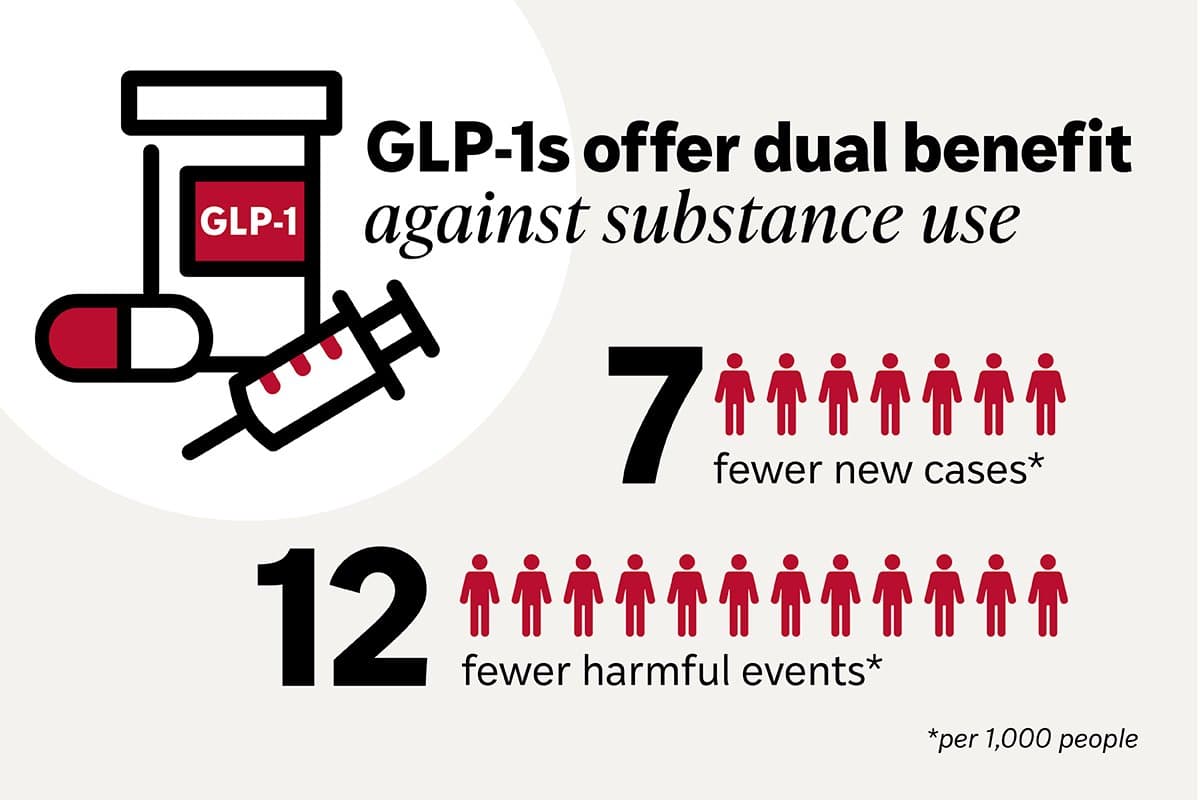
GLP‑1 Drugs Show Promise for Treating All Addictions
GLP-1 medications get at the heart of addiction: study Diabetes and obesity drugs show promise in treating and preventing all substance use disorders https://t.co/buHywnw9Wk https://t.co/0lunbQbjsb

Vivos Therapeutics Posts 16% Revenue Rise but Wider Losses in 2025
Vivos Therapeutics announced full‑year 2025 revenue of $17.44 million, up 16% from the prior year, but its net loss widened to $21.17 million, or $2.07 per share, compared with a $11.14 million loss a year earlier. The mixed results underscore the challenge of...

Northwestern Engineers 3D‑Print Artificial Neurons That Communicate With Living Brain Cells
Northwestern University engineers printed flexible artificial neurons that generate realistic electrical spikes and successfully activated living mouse brain cells. The work, published in Nature Nanotechnology, showcases a new class of printable, low‑cost neural interfaces that could reshape neuroprosthetics and brain‑inspired...
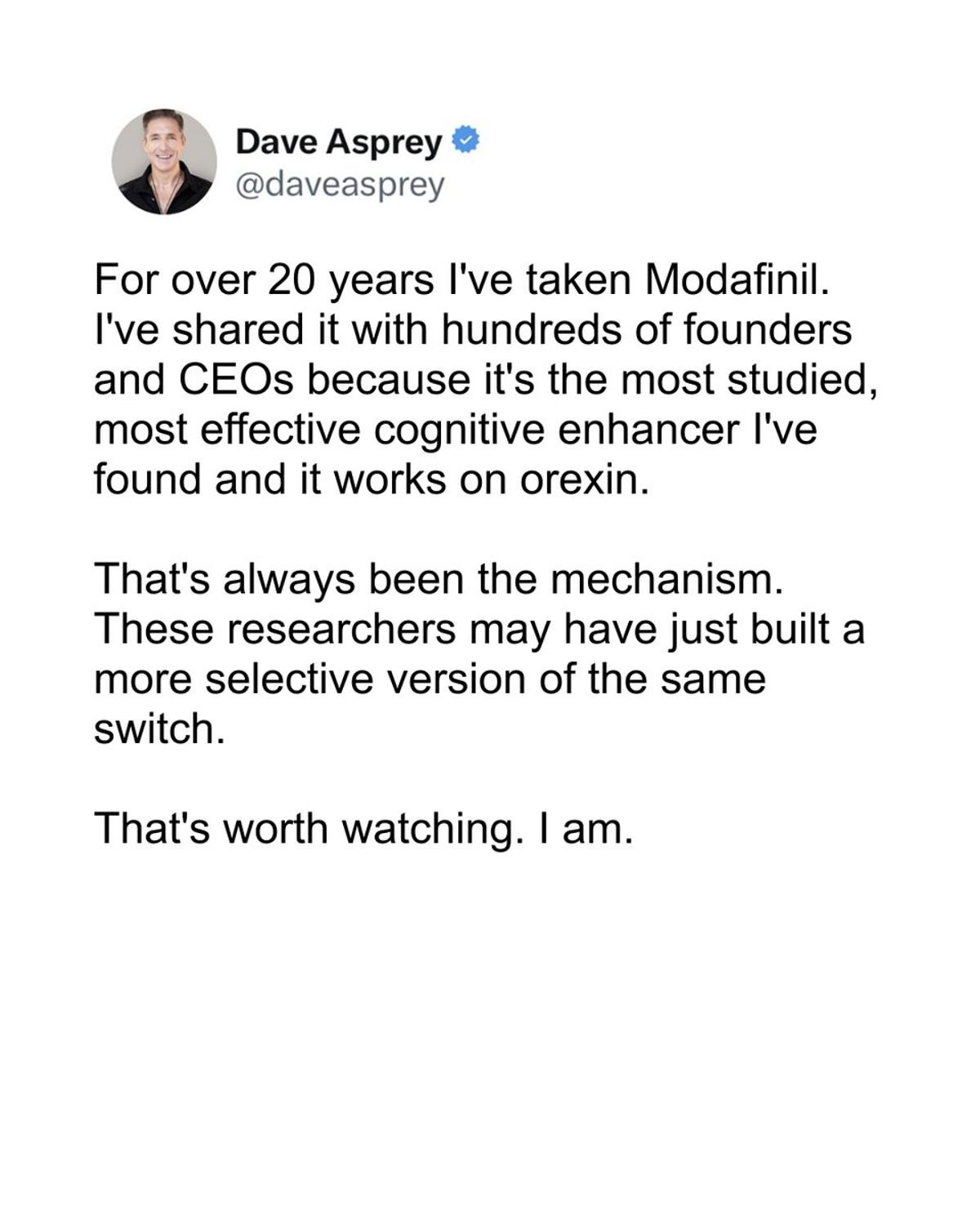
AI Creates Orexin Activator to Boost Focus, Reduce Sleep
Two researchers just used AI to design a selective orexin activator. If you care about focus, steady energy, or needing less sleep, this is worth paying attention to. https://t.co/3qbzB6J7X3