
FDA Webinar on the RCT-DUPLICATE Initiative: Emulating Randomized Clinical Trials with Non-Randomized Real-World Data Studies - 04/29/2026
On April 29, 2026 the FDA hosted a free public webinar to update stakeholders on the RCT‑DUPLICATE demonstration project. The initiative compares non‑randomized real‑world data (RWD) studies with randomized controlled trial (RCT) outcomes to assess causal validity. Findings show strong concordance when database analyses closely emulate trial designs, and the project has even forecasted results for seven ongoing RCTs. RCT‑DUPLICATE is now shaping a structured framework to boost confidence in using real‑world evidence for drug indication expansions.

ATAI Fully Acquires Ibogaine Program, Champions Psychedelic Shift
I am a strong believer in ibogaine, which is one of the reasons why @ataibeckley acquired the residual interest in its ibogaine program in Q4 2023 and now owns it 100%. I’m very encouraged to see the administration taking a positive...
FDA Extends Review of Savara’s Molgramostim BLA for PAP
Savara’s inhaled GM‑CSF therapy, molgramostim, received a three‑month FDA review extension, moving the PDUFA target action date to November 22, 2026. The extension follows the agency’s classification of the company’s recent data submissions as a major amendment, but it did not signal...

Indian Researchers Launch Fluorescent MOF Sensor for Fast Nicotine and Cotinine Detection
Researchers at the Institute of Nano Science and Technology (INST) in Mohali have introduced a fluorescent iron metal‑organic framework nanosphere that lights up in the presence of nicotine or its metabolite cotinine. Published in Nanoscale, the “turn‑on” sensor offers visual,...

FDA Grants RMAT Designation to Grace Science’s GS-100 Gene Therapy for NGLY1 Deficiency
Grace Science, LLC received Regenerative Medicine Advanced Therapy (RMAT) designation from the U.S. FDA for its investigational gene therapy GS-100 targeting NGLY1 deficiency. The designation, based on early Phase 1/2/3 data showing motor and cognitive gains, promises a faster regulatory...

Regulatory Actions for April 16, 2026
BioWorld’s April 16, 2026 regulatory snapshot lists a flurry of biopharma and med‑tech actions, ranging from new drug submissions to market approvals and designations. Companies such as Airs, Aligos, AOP, Arbutus, Cala, Dogwood, Immutep, Leadiant, Northstar, Opna, Reach Surgical, Waters and Xspray...

STAT+: Researchers Behind GLP-1 Obesity Drugs Advance New Approach: Drop GLP-1 as a Target
Researchers who helped create GLP‑1 obesity drugs such as Eli Lilly’s Zepbound are now testing a different strategy. A team led by Richard DiMarchi and Matthias Tschöp engineered a molecule that activates GIP and glucagon receptors, showing weight‑loss results in...

First Large Rapamycin Trial Aims to Boost Human Healthspan
Finally—this is the kind of study the field has been waiting for. A 720-person randomized clinical trial testing low-dose rapamycin in adults 65+ is about to get underway at @UAZPharmacy , with the goal of answering a simple but critical question:...

FDA Approves Fast-Acting Heart Drug for Children
Austrian firm AOP Health received FDA approval for its fast‑acting IV beta‑blocker landiolol, marketed as Rapiblyk, to treat supraventricular tachycardia in pediatric patients. The decision follows the LANDI‑PED study, which enrolled 60 children and demonstrated more than a 20% reduction...

FDA Clears Endomina EZFuse System for GI Suturing
The FDA granted 510(k) clearance to Endo Tools Therapeutics’ Endomina EZFuse system, enabling U.S. commercialization of a next‑generation GI suturing platform. The device uses a single‑movement mechanism that can cut procedure time by up to 50 percent, simplifying internal stitching...
Developers Back Alzheimer’s Drugs Despite Report Suggesting Lack of Efficacy
A new Cochrane review of 17 trials involving 20,342 patients concludes that anti‑amyloid drugs for Alzheimer’s disease deliver only trivial or no clinically meaningful cognitive benefit and may increase the risk of amyloid‑related imaging abnormalities (ARIA). Eli Lilly’s donanemab (Kisunla) and...

STAT+: Cochrane Review Reignites Alzheimer’s Amyloid Wars
The FDA announced it will convene an external advisory panel to revisit rules on compounded peptides, with meetings slated for July and a follow‑up before February 2027. A new Cochrane review has reignited controversy over amyloid‑targeting Alzheimer’s therapies, questioning their...

Trials Bolster LBBAP as an Alternative to Biventricular Pacing in CRT
Recent EHRA 2026 presentations deepened the evidence base for conduction‑system pacing as an alternative to traditional biventricular (BiV) cardiac resynchronization therapy (CRT). The LECART trial showed a composite event rate of 12% with left bundle branch area pacing (LBBAP) versus...

Tumour Cells Use a Genetic Trick to Become Drug-Resistant
Researchers have identified that many tumor cells evade traditional Mendelian inheritance, enabling them to acquire drug‑resistance traits far faster than previously understood. The genetic maneuver involves non‑standard chromosome segregation and gene amplification, which let cancer cells adapt to chemotherapy pressures....

New Data Point to LAAO as a Safe Alternative to Long-Term Drug Therapy
The CHAMPION‑AF trial, presented at ACC.26, randomized roughly 3,000 atrial‑fibrillation patients to either the Watchman FLX left atrial appendage occlusion (LAAO) system or standard non‑vitamin K oral anticoagulants (NOACs). The composite endpoint of stroke, cardiovascular death and systemic embolism met non‑inferiority criteria,...

Human Enhancement Is a Fundamental Right, Not Luxury
The United States Declaration of Independence enshrines the idea that every individual has the fundamental right to pursue a fulfilling and meaningful life. The government’s role is to protect that freedom - not to define happiness itself. I believe that one...
FDA Pushes New
First autism, now low T - FDA continues to do its own literature searches and encourage sponsors to apply for new indications (never saw this in prior admins — with the exception of updating old cancer drug labels to include...

Pendulum Expands Mayo Clinic Collaboration Into Women’s Health and Dermatology
Pendulum Therapeutics is deepening its partnership with Mayo Clinic to launch interventional microbiome trials in women’s health and dermatology. The new studies will examine bone health in breast‑cancer patients, menopause transition, and the gut‑skin axis, moving beyond associative research. Pendulum...
Replimune Downsizes While MeiraGTx Regains Eye Therapy
Replimune cuts staff; MeiraGTx reacquires eye gene therapy https://t.co/LqGPyNzRA3 $REPL $MGTX $JNJ $BIIB $RVMD $APLS

Third‑generation T‑cell Engagers Advance Cancer Immunotherapy
Cancer immunotherapy keeps revving up. Now onto a 3rd generation of T cell engagers https://t.co/h05f8h3i8L https://t.co/PP5XE8WWDr

ICER and Verdant Research Publish White Paper Examining FDA’s Accelerated Approval Pathway
The Institute for Clinical and Economic Review (ICER) and Verdant Research released a white paper urging reforms to the FDA’s accelerated approval pathway. The report highlights persistent issues such as surrogate‑endpoint uncertainty, delayed confirmatory trials, and opaque decision‑making. It proposes...

New Drug Extends Rheumatoid Arthritis Remission Years Post‑Treatment
Breakthrough Drug Delays Rheumatoid Arthritis for Years After Treatment Ends. https://t.co/03MjFzkPTM #research #RheumatoidArthritis #Arthritis #Pharma #healthcare

Acerand Therapeutics Updates the Phase I/II Study of ACE-106 (ACE-86225106), a Highly Selective and Potentially Best-in-Class PARP1 Inhibitor, in Advanced...
Acerand Therapeutics reported updated Phase I/II data for ACE‑106, a highly selective PARP1 inhibitor, in 57 heavily pre‑treated patients with advanced solid tumors. The drug showed no dose‑limiting toxicities and a safety profile that appears better than approved PARP inhibitors....

Delve Detect Enables Neurologists to Treat CNS Infections When Conventional Testing Fails
Delve Bio will showcase new data on its metagenomic sequencing service, Delve Detect, at the American Academy of Neurology 2026 meeting. A head‑to‑head study showed the test matches standard CNS panels while uncovering additional pathogens and co‑infections. Clinical cases highlighted...
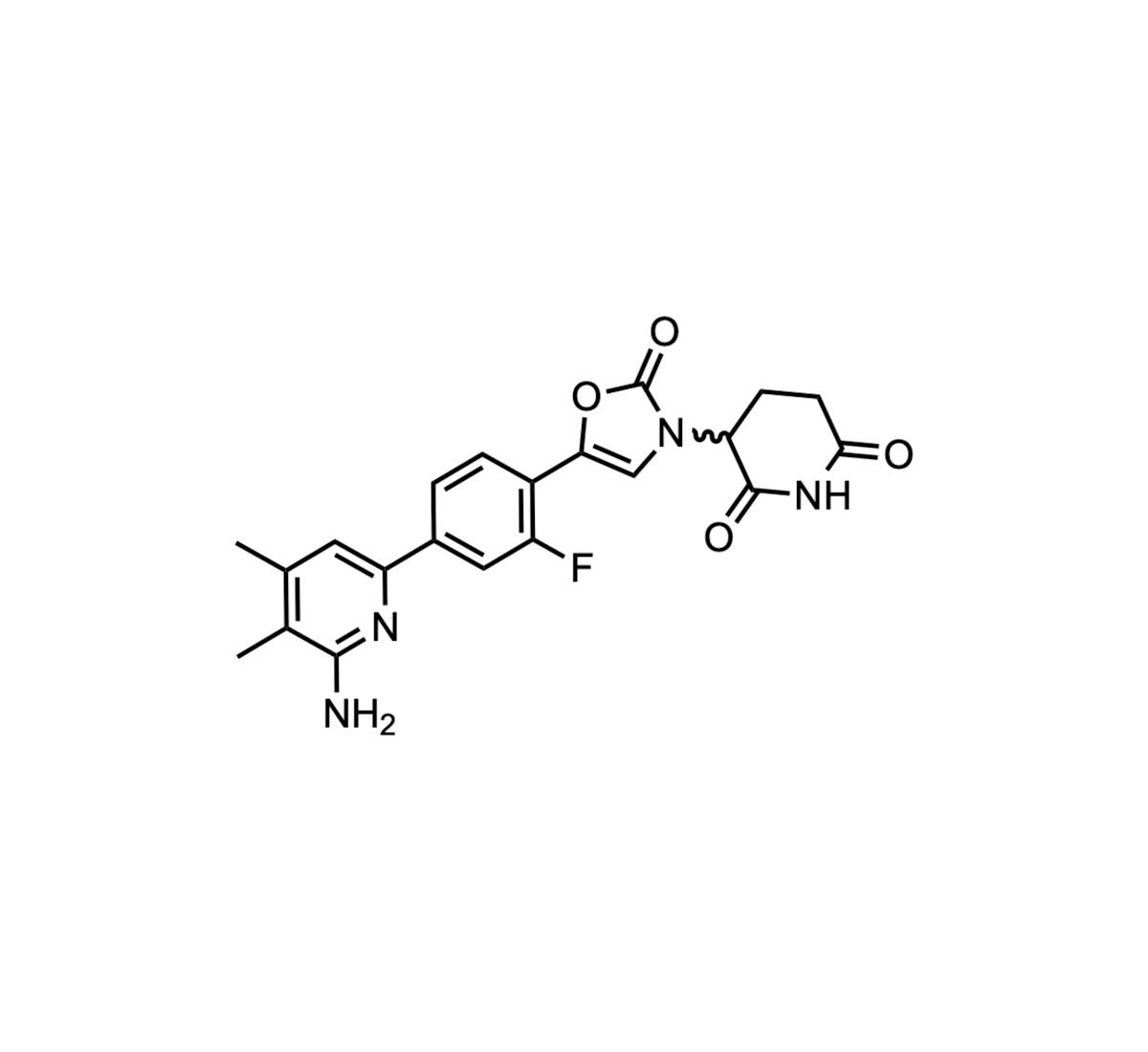
BMS-986482
Bristol Myers Squibb disclosed BMS-986482, a CRBN‑mediated degrader that targets the IKZF1‑4 transcription factors, at the ACS Spring 2026 First‑Time Disclosures session. The molecule entered a combined Phase 1/2 study aimed at patients with advanced solid tumors, marking BMS’s entry into...
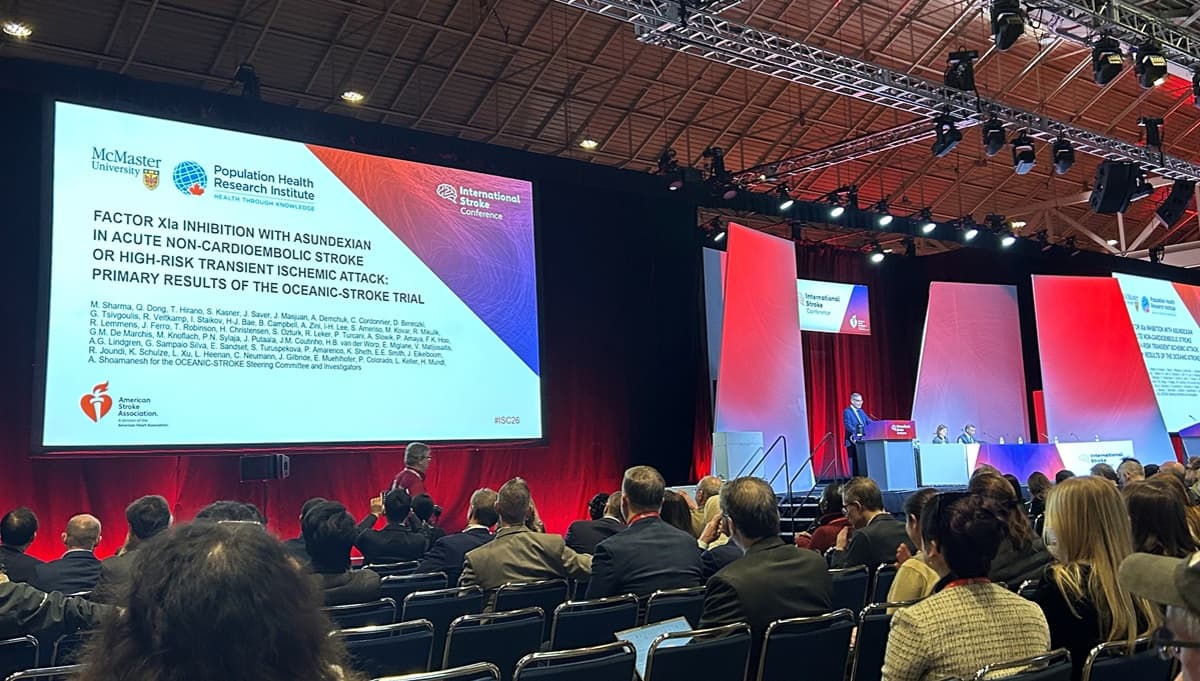
Now Published - OCEANIC-STROKE: Asundexian Prevents Recurrent Strokes, With No Added Bleeding
The phase III OCEANIC‑STROKE trial showed that adding Bayer's factor XIa inhibitor asundexian to standard antiplatelet therapy reduced recurrent ischemic strokes from 8.4% to 6.2% over two years, without raising major bleeding risk. The study enrolled 12,237 patients with recent non‑cardioembolic stroke...
7 Things to Know About the Nonprescription Drug Product with an Additional Condition for Nonprescription Use Final Rule
The FDA’s Center for Drug Evaluation and Research issued a final rule establishing an “Additional Condition for Nonprescription Use” (ACNU) pathway for over‑the‑counter medicines. Under ACNU, a drug can be sold without a prescription but must include an extra consumer‑screening...

Decoding the Blood-Brain Barrier
Johns Hopkins professor Peter Searson’s lab is building stem‑cell‑derived, tissue‑engineered blood‑brain barrier (BBB) models to study how diseases such as Alzheimer’s, multiple sclerosis, obesity and traumatic brain injury compromise the brain’s vascular shield. Funded primarily by the NIH, the effort...
Electronic Submission of Adverse Event Reports to FDA Adverse Event Reporting System (FAERS) Using International Council for Harmonisation (ICH) E2B(R3)...
The U.S. Food and Drug Administration held two public meetings on April 4 and November 7, 2023 to outline upgrades to electronic adverse event reporting using the ICH E2B(R3) standard. The sessions targeted both pre‑market and post‑market safety surveillance programs managed by CDER and...

Medtronic Confirms Paclitaxel Balloon’s Efficacy in Post-Approval Trial
Medtronic reported that its IN.PACT AV paclitaxel‑coated balloon achieved a 70.2% target lesion patency rate at 12 months in a post‑approval study of end‑stage kidney disease patients. This figure mirrors the 65.3% rate observed in the pivotal trial that secured FDA...

Promega to Showcase Oncology Research Tools and Companion Diagnostics at AACR Annual Meeting 2026
Promega will showcase a suite of oncology‑focused tools at the AACR Annual Meeting in San Diego, including its Lumit® hKi‑67 proliferation assay, the TarSeer™ BRETSA™ target‑engagement platform, and FDA‑cleared OncoMate® MSI companion diagnostic. The company also unveiled pre‑configured automated nucleic‑acid...
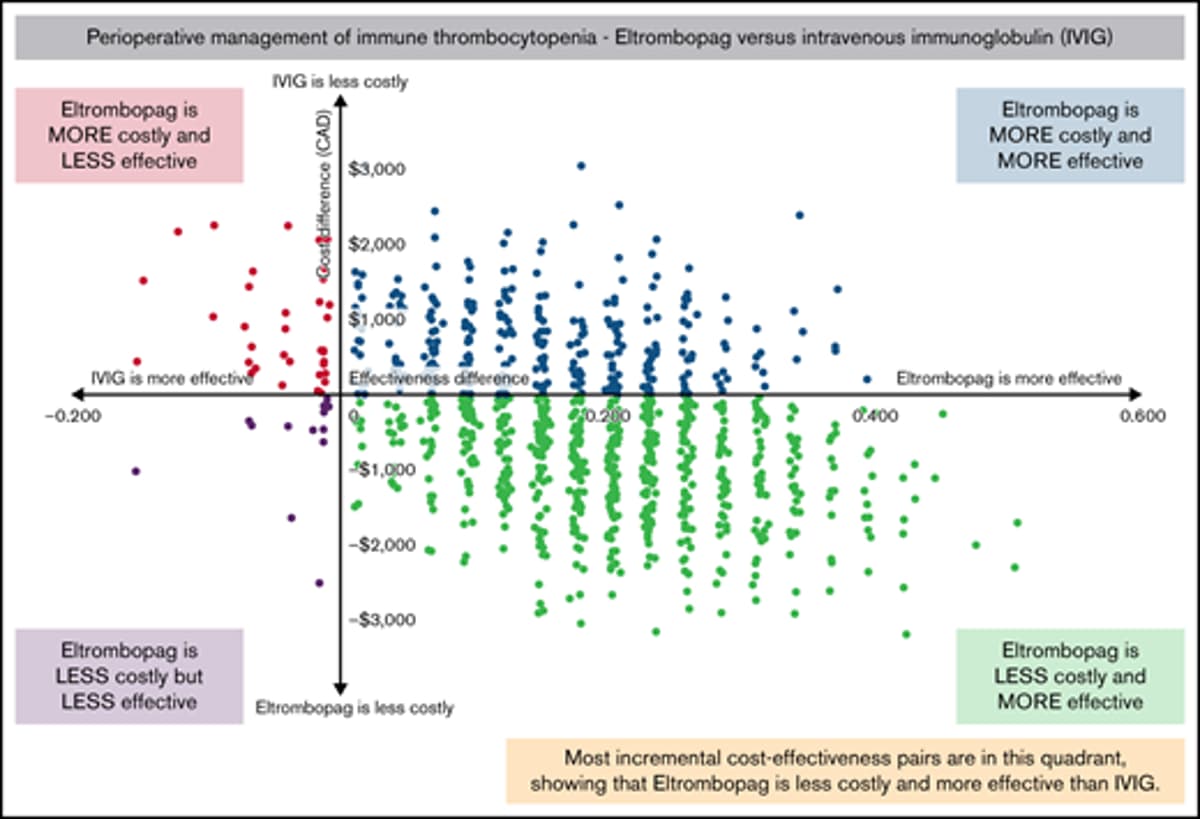
Eltrombopag Proves More Cost-Effective than IVIG Perioperatively
Cost-effectiveness of eltrombopag vs intravenous immunoglobulin for the perioperative management of immune thrombocytopenia [Jan 31, 2022] @ThisIsManraj et al. @BloodJournal https://t.co/2hr1CFmUro #ITP https://t.co/Fz6ZRjJHlk
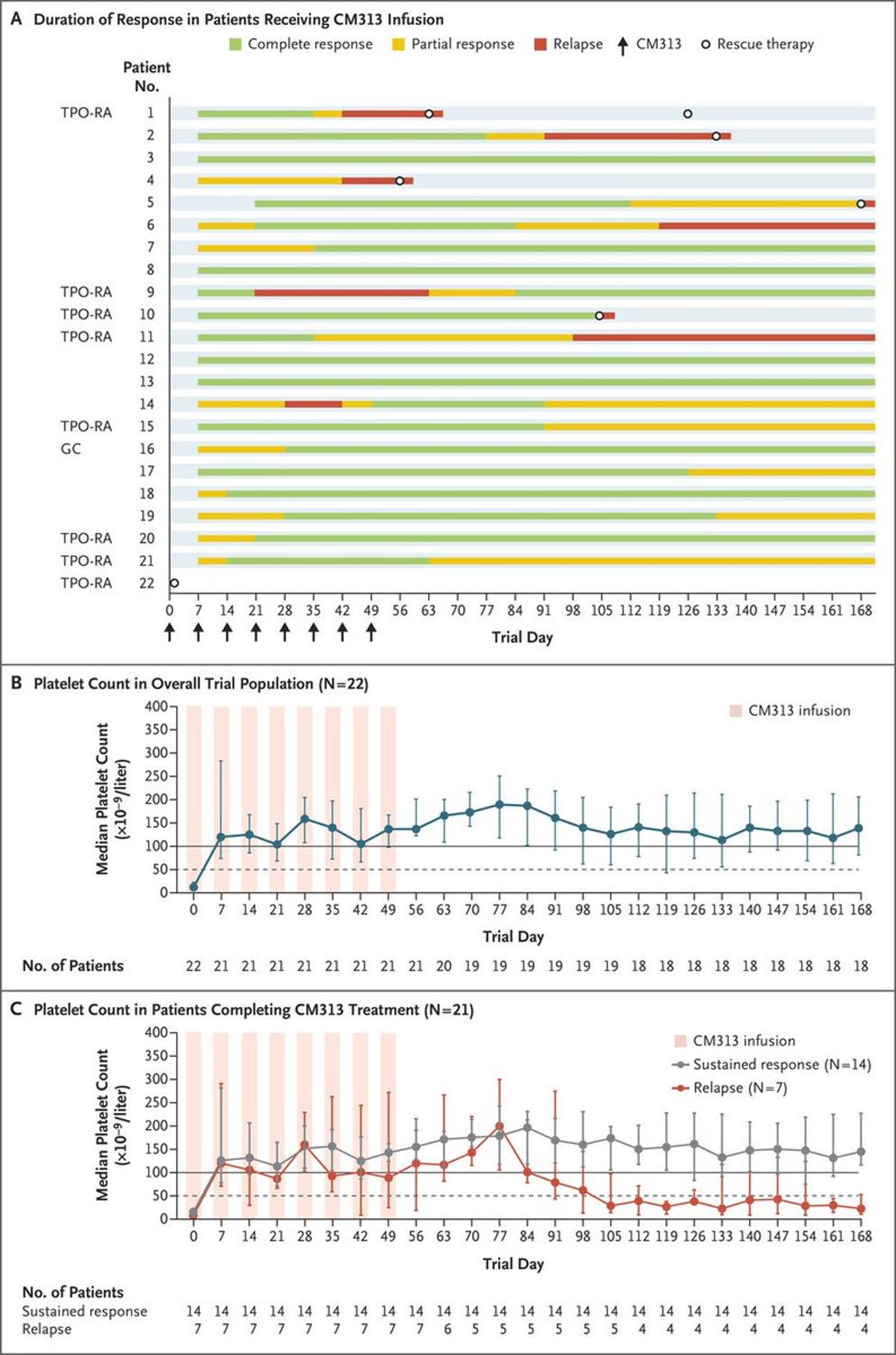
CM313 Shows Promise as New ITP Therapy
A Novel Anti-CD38 Monoclonal Antibody [CM313] for Treating Immune Thrombocytopenia [Jun 19, 2024] Chen et al. @NEJM https://t.co/o9wf1ogUi4 #NCT05694767 #ITP https://t.co/aSXzpOHOtF

Retatrutide Vs. Zepbound: How Does Lilly’s Next-Gen Obesity Drug Compare to Tirzepatide?
Eli Lilly’s investigational triple‑agonist retatrutide is delivering weight‑loss results that eclipse its approved dual‑agonist Zepbound (tirzepatide), with Phase III trials reporting up to 28.7% body‑weight reduction over 68 weeks and HbA1c drops of about 2.0%. Zepbound, already a blockbuster generating roughly...
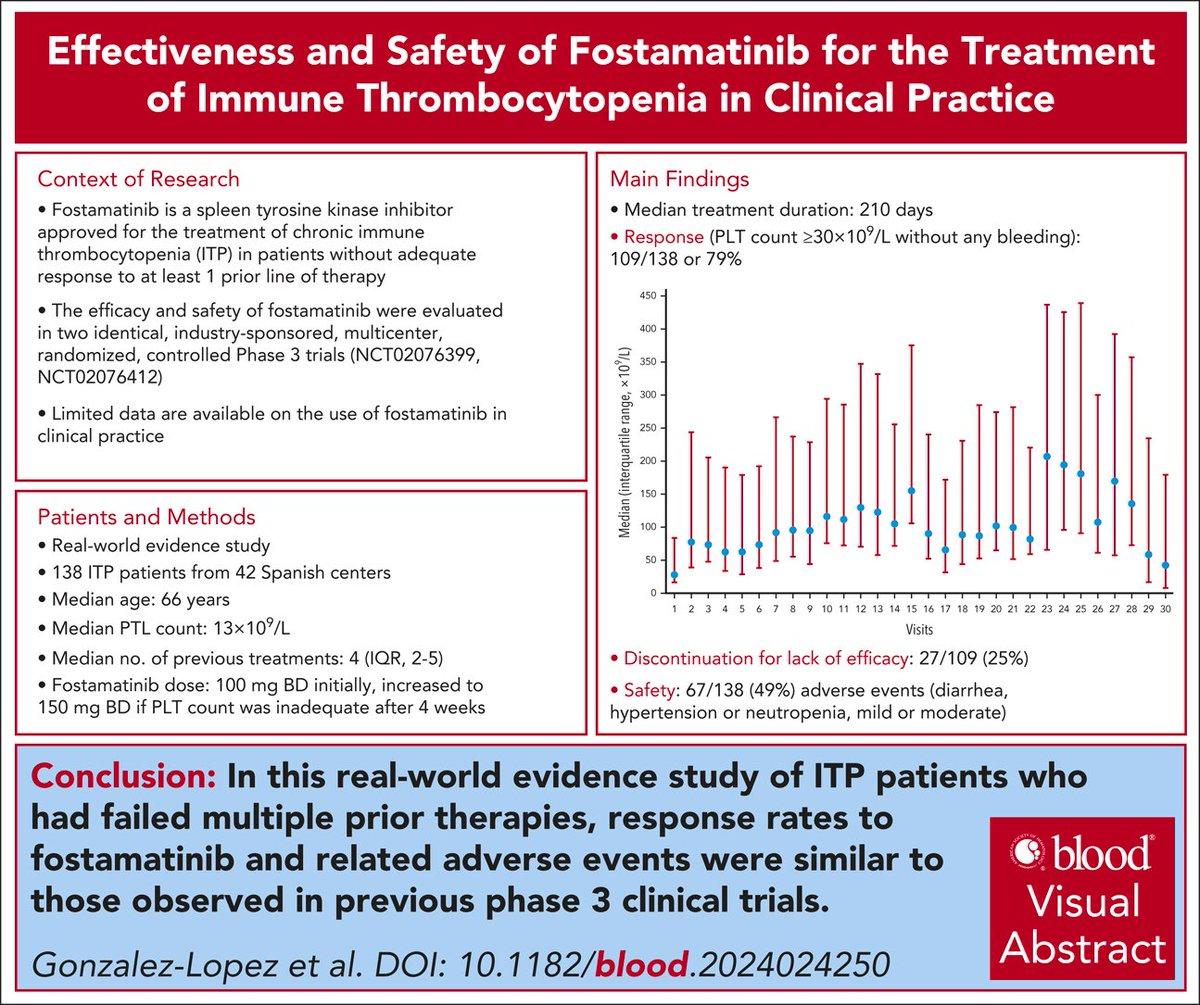
Fostamatinib Shows 79% Response, 54% Complete Remission in ITP
Fostamatinib [Syk inhib] effectiveness and safety for immune thrombocytopenia in clinical practice [August 8, 2024] @tomasjosegonza2 et al. @BloodPortfolio https://t.co/wrctRVBZsJ #ITP 79% RR, 53.6% CR https://t.co/OJfMY0DMah
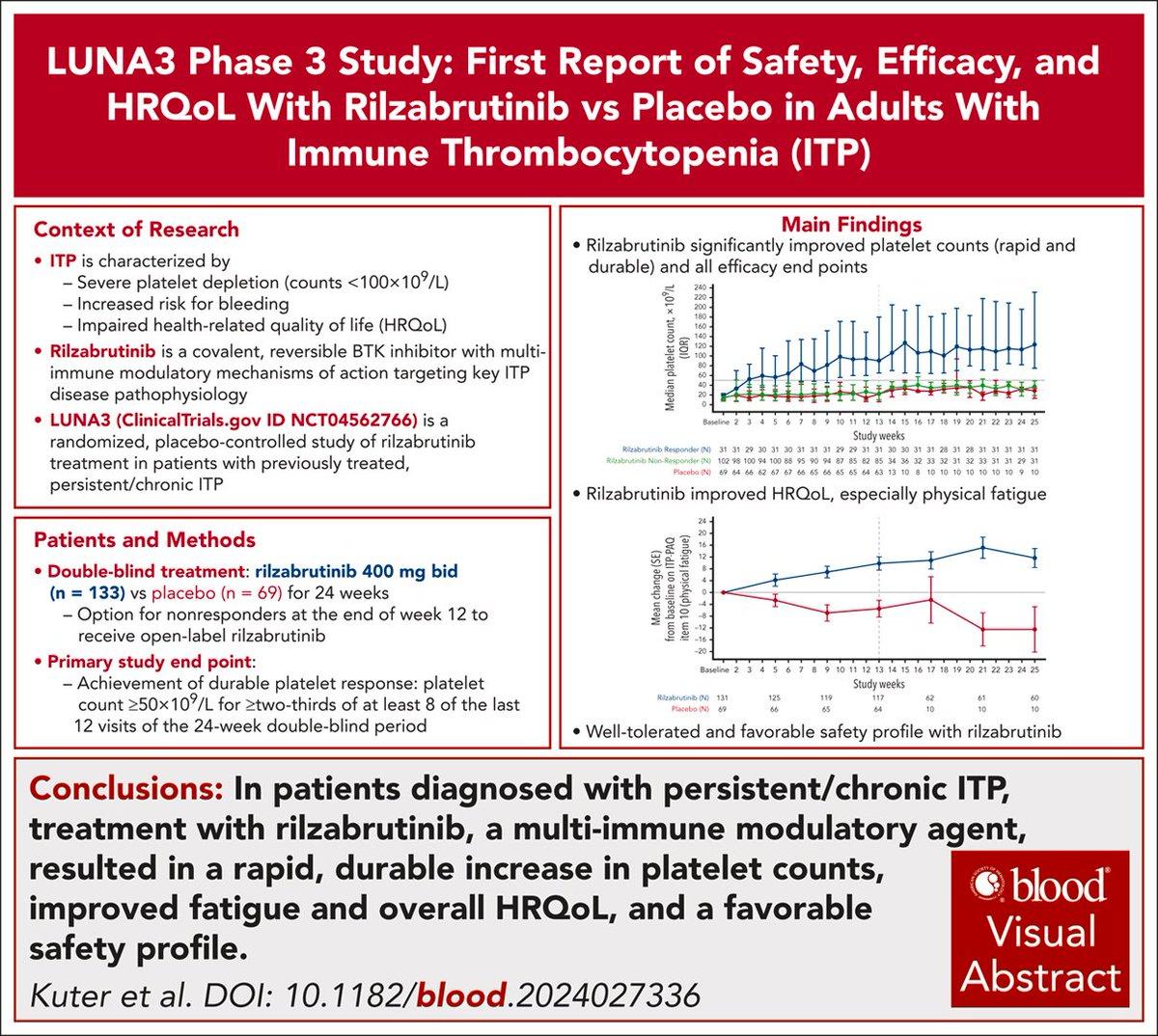
Rilzabrutinib Shows Safety and Efficacy in Chronic ITP
Safety and efficacy of rilzabrutinib vs placebo in adults with [persistent/chronic] immune thrombocytopenia: the phase 3 LUNA3 study [Jun 12, 2025] Kuter et al. @BloodPortfolio https://t.co/hhnzXg3bqu #NCT04562766 #ITP https://t.co/IkjLnu1kTd

Precision Medicine Gaps Persist Amid Evidence and Access Challenges: Daryl Pritchard, PhD
At the AMCP 2026 meeting, senior vice‑president Daryl Pritchard highlighted persistent fragmentation, evidence gaps, and decision‑support shortfalls that curb precision‑medicine adoption. He stressed the need for robust clinical outcomes and cost‑effectiveness data to win payer and provider buy‑in. The panel...

Daratumumab Shows Safety and Efficacy in ITP
Safety and Efficacy of Daratumumab in Immune Thrombocytopenia (#ITP) [Aug 5, 2025] Tsykunova et al. @BloodPortfolio https://t.co/GHyJGG7YSe #NCT04703621 https://t.co/pBgjzTCGQl
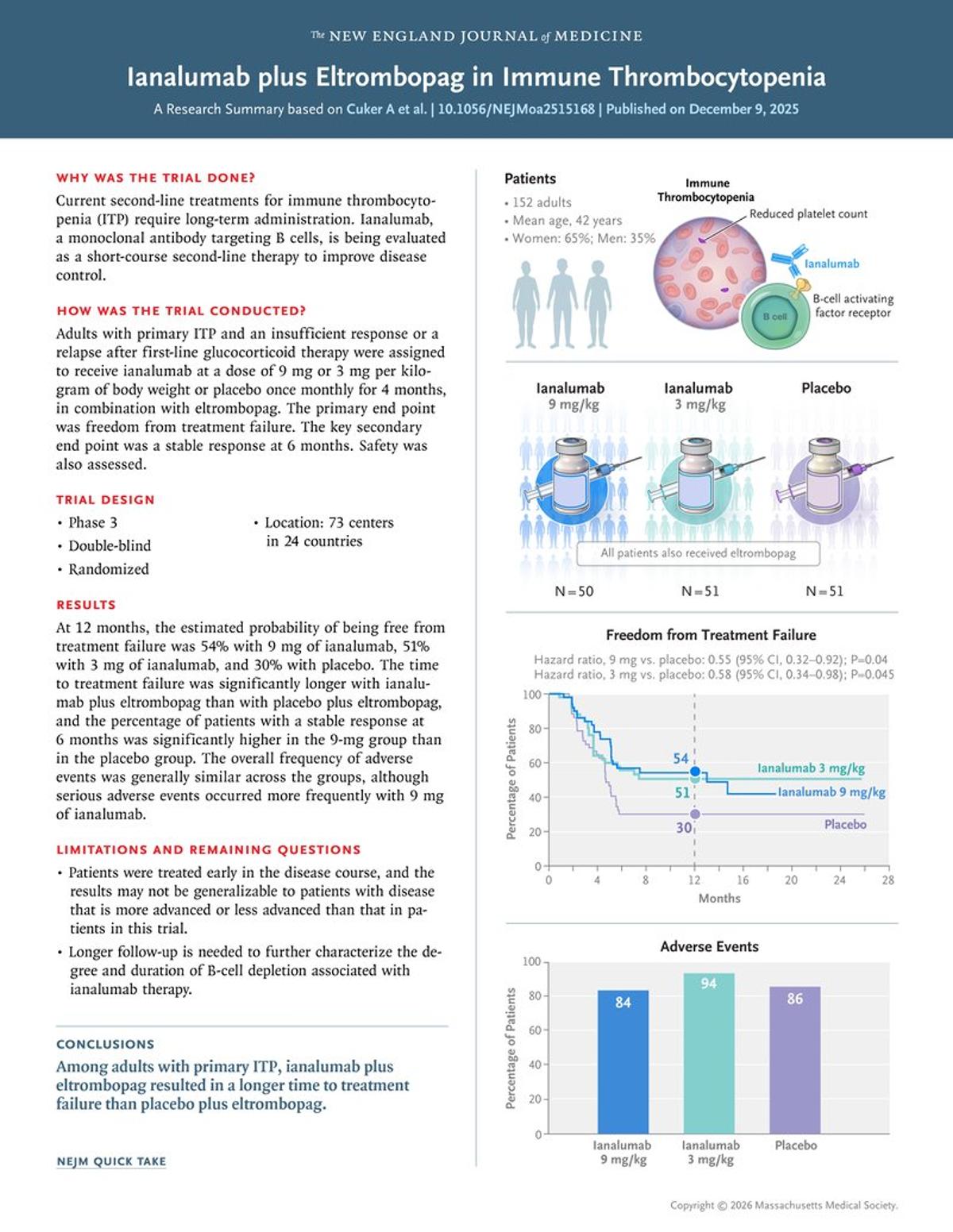
Ianalumab Combined with Eltromb
Ianalumab [VAY736] plus Eltrombopag in Immune Thrombocytopenia [Dec 9, 2025] @CukerMd et al. for the VAYHIT2 Investigators @NEJM https://t.co/99urXh8agT #NCT05653219 #ITP https://t.co/qKKhwv4ofR
Long-Acting HIV Therapies Improve Adherence and Access Options: Kelsea Aragon, PharmD
At the Academy of Managed Care Pharmacy meeting, Dr. Kelsea Aragon highlighted long‑acting HIV injectables as a solution to adherence gaps that plague daily oral regimens. She cited lenacapavir, dosed every six months, and cabotegravir, administered every two months, as...

The Key Biomarkers Changing How and When We Diagnose Alzheimer’s Disease
Alzheimer’s disease will affect nearly 14 million Americans by 2060, with annual care costs projected to exceed $384 billion. The FDA has approved disease‑modifying therapies such as lecanemab and donanemab for patients with mild cognitive impairment, creating a demand for earlier, more...

OmniActive's Capsimax Boosts GLP-1 Activity and Exercise Performance in New Study
OmniActive Health Technologies announced a peer‑reviewed clinical trial showing its Capsimax capsicum extract activates natural GLP‑1 pathways, raises resting energy expenditure and lifts exercise performance. The findings position Capsimax as a science‑backed, low‑dose ingredient for sports‑nutrition and weight‑wellness products.

Proteins.1 Launches with €4.7m to Make Protein Detection as Easy as PCR
Proteins.1, a Finnish spin‑off, announced a €4.7 million (~$5.1 million) pre‑seed round to commercialise a PCR‑style protein amplification platform. The enzyme‑free, solid‑state technology uses magnetic cycling and thin‑film transistors to read a single captured protein repeatedly, delivering up to 1,000× greater sensitivity...

MitoCatch Boosts Mitochondrial Transplants, Offering New Hope for LHON Therapy
Ayupov and colleagues announced MitoCatch, a protein‑binder system that efficiently delivers therapeutic mitochondria to Leber’s hereditary optic neuropathy (LHON) neurons, markedly improving cellular health and survival. The breakthrough could reshape biohacking strategies aimed at cellular rejuvenation.

Duchenne Kids Show Dramatic Improvement After Microdystrophin Treatment
A couple of weeks ago when I visited Solid Bio, they showed me some videos of Duchenne kids pre and post microdystrophin treatment that I was amazed by - but they weren't sharable yet. Bo just presented them at Needham...
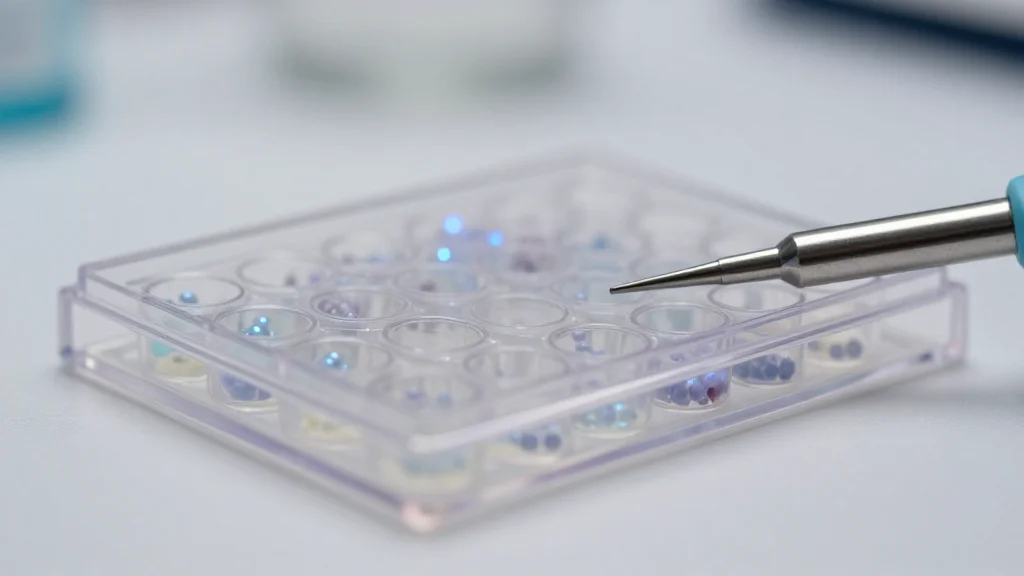
Creative Bioarray Launches PDO-Based Drug‑screening Platform to Speed Oncology Research
Creative Bioarray announced a patient‑derived organoid (PDO) drug‑screening service that spans more than 20 solid‑tumor types and works with 96‑, 384‑ and 1536‑well plates. The platform aims to bridge the gap between 2D cell lines and animal models, giving researchers...

STAT+: Pharmalittle: We’re Reading About a Review of Alzheimer’s Drugs, FDA Interest in Compounded Peptides, and More
A Senate‑Democrats report released ahead of a drug‑pricing hearing shows that companies which signed pricing deals with former President Trump have continued to raise drug prices, with new therapies averaging $353,000 a year and combined profits climbing to $177 billion in...

Multi-Omics Integration: Complex Realities Beyond the Hype
Thread: Multi-omics sounds cool—until you actually try it. Here's are the nuances. 1/ You’ve got RNA-seq. Methylation. Proteomics. Time to “integrate” the data. But how? And why? Let’s break it down. https://t.co/Wxhcp6OJ68

Anti‑amyloid Drugs Show Trivial, Non‑meaningful Cognitive Benefit
The effect of current anti-amyloid drugs vs Alzheimer's disease is "trivial" for cognitive function or dementia severity, not clinically meaningful, from a systematic @cochranecollab review of 17 trials, >20,000 patients https://t.co/9A6PeZOyAt https://t.co/c1PCOYZxws

Aligos Therapeutics Licenses Pevifoscorvir Sodium to Xiamen Amoytop Biotech for Greater China
Aligos Therapeutics signed an exclusive license with Xiamen Amoytop Biotech to develop and commercialize its hepatitis B candidate pevifoscorvir sodium in Greater China. The agreement provides Aligos with a $25 million upfront payment and up to $420 million in milestone fees, plus...