
Aligos Therapeutics Licenses Pevifoscorvir Sodium to Xiamen Amoytop Biotech for Greater China
Aligos Therapeutics signed an exclusive license with Xiamen Amoytop Biotech to develop and commercialize its hepatitis B candidate pevifoscorvir sodium in Greater China. The agreement provides Aligos with a $25 million upfront payment and up to $420 million in milestone fees, plus high single‑digit royalties on sales. Aligos retains rights in the United States, Europe, Japan, South Korea and other markets, as well as the ability to run clinical trials in China. The drug is currently in a Phase IIB SUPREME trial comparing it to tenofovir, with interim data due in late 2026 and topline results expected in 2027.

New Lab-Grown Organoids Accurately Mimic Pediatric Brain Tumor Biology
Scientists at St. Jude Children’s Research Hospital have created patient‑derived tumor organoids and organoid xenografts that faithfully recapitulate the genetic, epigenetic and cellular landscape of pediatric brain tumors. The 3D models, validated with DNA methylation, bulk and single‑cell RNA sequencing, and...
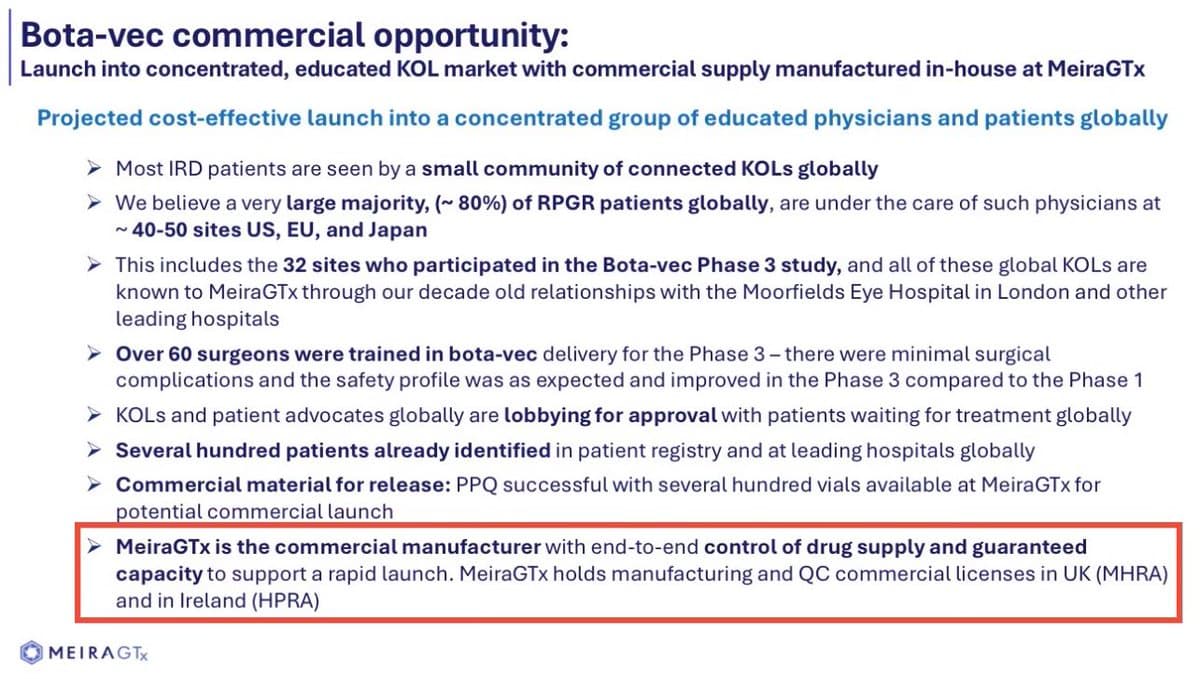
MGTX Buys Back XLRP Gene Therapy for $25 M
$MGTX just announced that it has entered into an asset purchase agreement with $JNJ to acquire back its bota-vec Gene Therapy program for the treatment of X-linked retinitis pigmentosa (XLRP) 🧵👇 for an upfront cash payment of $25M & a...
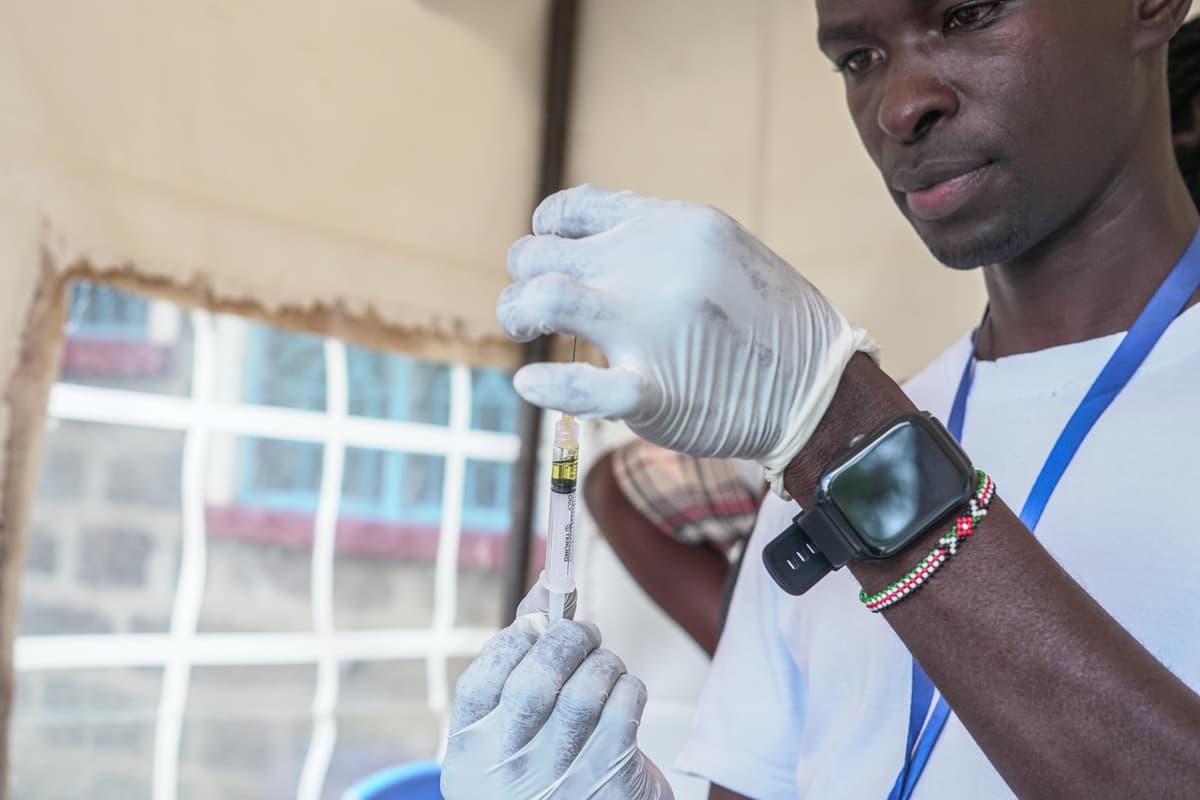
Breakthrough HIV Drug Is Out Of Reach For Many Who Need It Most
Gilead's long‑acting HIV pre‑exposure prophylaxis, lenacapavir, demonstrated almost 100% efficacy in trials and requires only two injections per year. The company can produce up to 10 million doses by 2026 but has pledged just 3 million through the Global Fund and PEPFAR,...
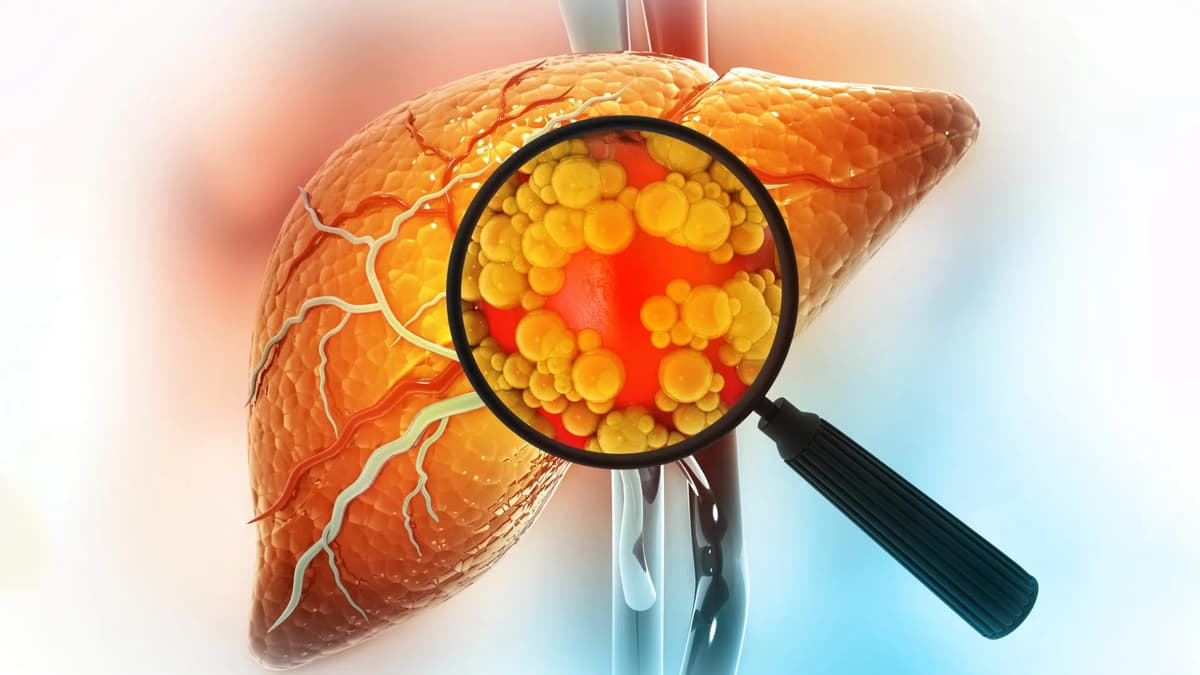
Scientists Remove “Zombie” Cells and Reverse Liver Damage in Mice
UCLA scientists discovered that senescent liver macrophages, marked by the p21‑TREM2 signature, accumulate with age and high cholesterol. In mice, the senolytic drug ABT‑263 selectively removed these cells, dramatically reducing liver size and body weight despite a continued unhealthy diet....
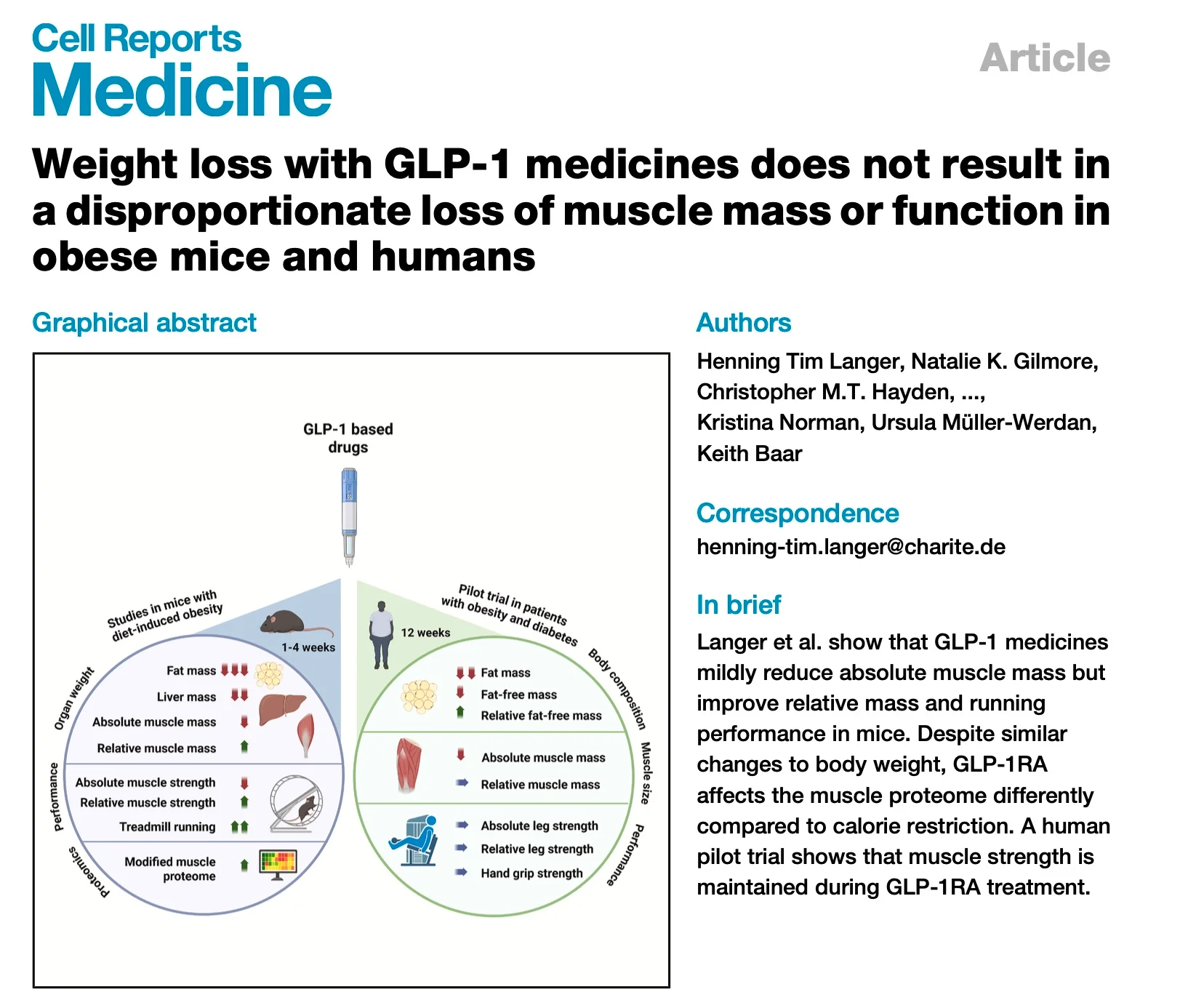
GLP‑1 Drugs Don’t Disproportionately Reduce Functional Muscle, DXA Misleads
1/2) New research suggests GLP-1 weight loss drugs probably do NOT cause disproportionate loss of functional lean muscle. The confusion has arisen from the fact that DXA scans capture and pool a lot of different organs and tissues into the category...

FDA Approves Kidney Drug Despite No Functional Benefit
This week's Biotech Scorecard newsletter: $TVTX Travere Therapeutics' drug for a rare kidney disease doesn’t improve kidney function. The FDA approved it anyway. https://t.co/63hDsPfOcT

Interna Therapeutics Collaborates with Daiichi Sankyo to Develop MNM-Based Targeted Delivery Technologies
Interna Therapeutics announced a research collaboration with Daiichi Sankyo’s Boston Research Institute to evaluate its MNM (Molecular Nanoparticle Matrix) technology as a delivery enhancer for targeted therapeutics. The partnership will integrate MNM molecules with Daiichi Sankyo’s targeting approaches, beginning with...
Join Our Autonomous Labs Q&A Session Today
Excited to share details on our Autonomous Labs and do Q&A today for @SLAS_Org ! Can register at link below 👇

Lilly's Obesity Pill Heads for Diabetes Filing After Heart Risk Trial
Eli Lilly’s newly approved obesity medication, marketed as Foun…, demonstrated a 16% lower incidence of major cardiovascular events compared with a standard insulin regimen in a recent trial. The data, presented by Lilly, suggest the drug not only aids weight loss...

Roche Initiates New Elevidys Trial Targeting EU Approval
Roche to launch another Elevidys trial, with eyes on European approval https://t.co/eAANNiihpt via @DrewQJoseph $SRPT

Phase III Study of Lilly’s Foundayo, Reaffirms Cardiovascular and Overall Safety Profile, Plus Improvements to Cardiometabolic Health
Eli Lilly announced that its oral GLP‑1 drug Foundayo (orforglipron) achieved the primary endpoint in the Phase 3 ACHIEVE‑4 trial, demonstrating non‑inferior major adverse cardiovascular event risk versus insulin glargine. The study, the largest of its kind with over 2,700 participants...
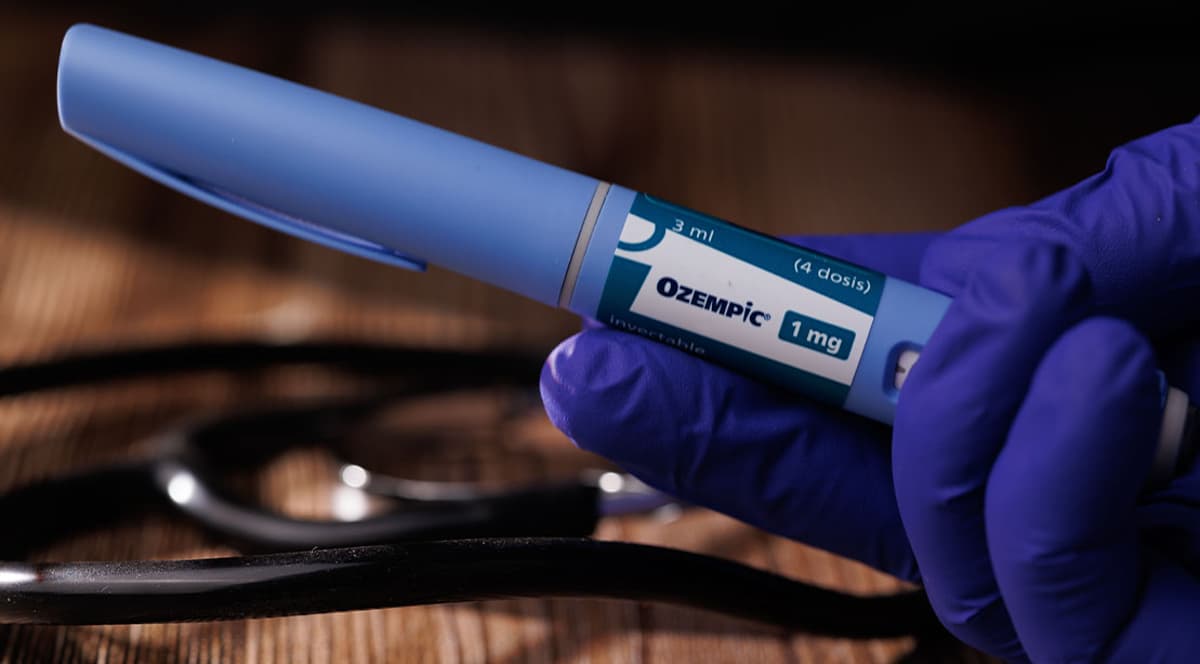
What Happens When You Stop Ozempic or Mounjaro? New Study Reveals Surprising Weight-Loss Results
A Cleveland Clinic analysis of nearly 8,000 Ohio and Florida adults who stopped GLP‑1 injectables—semaglutide (Ozempic/Wegovy) or tirzepatide (Mounjaro/Zepbound)—found minimal weight regain. Patients treated for obesity lost an average of 8.4% of body weight and regained only 0.5% after one...

Capture, Confine, Characterize: High‐Throughput Dielectrophoresis‐Based Single‐Cell Microfluidics Platform to Analyze Mammalian and Yeast Cells Using Raman Spectroscopy
Researchers unveiled the Microfluidic Dielectrophoretic Arresting System (MiDAS), a compact microelectrofluidic platform that uses dielectrophoresis to trap single mammalian cells, yeast, beads, and water‑in‑oil droplets at high throughput. The device features interchangeable trap geometries—20 µm for cells and beads, 40 µm for...

Phytochemical Blend Boosts Recovery Metrics in Small Study, Researchers Report
Researchers from Loughborough University and the University of Nottingham reported that a nine‑day supplement containing calcium fructoborate, turmeric and pomegranate extract improved pressure‑pain threshold by 21% and enhanced sleep quality in recreational athletes. Funded by VDF FutureCeuticals, the double‑blind trial...

How Aging Reshapes the Mammalian Body: Atlas of 7 Million Cells Reveals All
Researchers at The Rockefeller University have created the most comprehensive single‑cell atlas of aging, profiling nearly 7 million cells from 21 mouse organs at 1, 5 and 21 months. The study identified over 1,800 cell subtypes, revealing that about a quarter...

Programmable Targeted Hypermutagenesis via Diversity-Generating Retroelements
Researchers unveiled DGRec, a Diversity‑Generating Retroelements‑recombineering platform that delivers programmable, targeted hypermutagenesis in *E. coli*. The system harnesses DGR reverse transcriptase bias to achieve mutation rates of up to 1.38 × 10⁻² per base, generating up to 24 mutations within 48 hours across...

STAT+: Roche to Launch Another Elevidys Trial, with Eyes on European Approval
Roche announced a new Phase 3 trial of Elevidys, the gene‑therapy for Duchenne muscular dystrophy, targeting European approval after a negative EMA review last year. The study will enroll roughly 100 boys in the early stages of the disease and compare...

FDA to Review Easing Restrictions on Peptide Injections Backed by RFK Jr.
The Food and Drug Administration announced a July meeting to consider easing limits on more than half a dozen peptide injections championed by Health Secretary Robert F. Kennedy Jr. The move pits the secretary’s “Make America Healthy Again” agenda against...

LEO Pharma Reports the US FDA’s sNDA Acceptance of Anzupgo for Use in Children with Chronic Hand Eczema
LEO Pharma announced that the U.S. Food and Drug Administration has accepted a supplemental New Drug Application for Anzupgo (delgocitinib) cream targeting adolescents aged 12 to 17 with moderate‑to‑severe chronic hand eczema. The acceptance follows the Phase III DELTA TEEN trial, which...

Thermoresponsive Complex Coacervates as Advanced Carriers for Cell‐Laden Liquid‐Core Capsules for Biomedical Applications
Researchers have engineered a thermoresponsive complex coacervate that can be injected and solidify at body temperature, serving as a carrier for liquid‑core capsules loaded with human adipose‑derived stem cells. The material shows shear‑thinning flow, a rapid sol‑gel transition at 37 °C,...

AscentX Medical’s Dr. Sandhu on a New Approach to Treating GERD
AscentX Medical is developing G125, a regenerative injectable biomaterial designed to reinforce the lower esophageal sphincter in patients with gastroesophageal reflux disease (GERD). The platform delivers a biocompatible scaffold via a patented needle that integrates with tissue, promoting collagen growth...
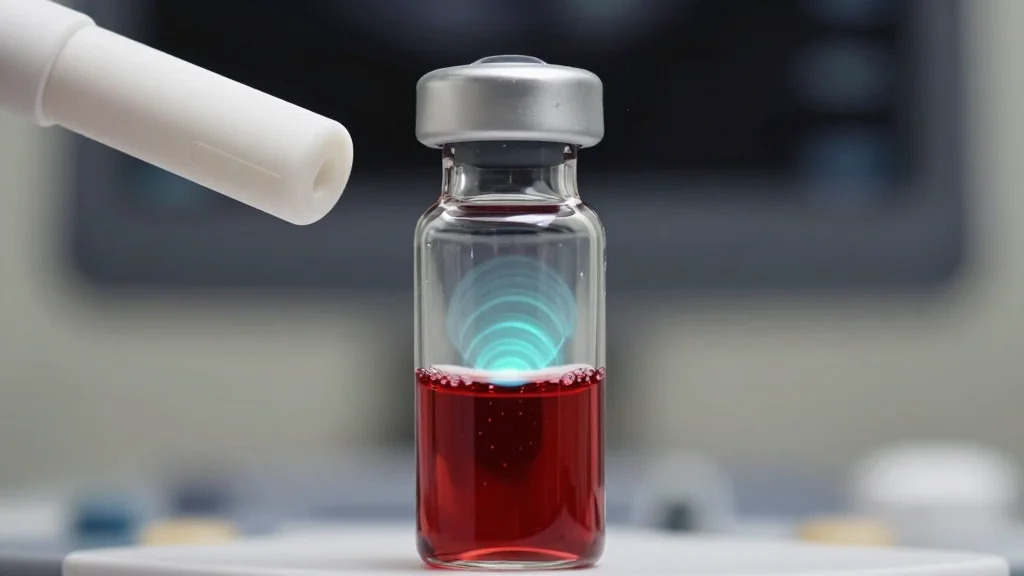
Stanford Team Generates Light Inside Deep Tissue Using Ultrasound‑Activated Nanoparticles
Stanford scientists have shown that ultrasound can activate specially engineered nanophosphors circulating in the bloodstream to emit light deep inside living tissue. The breakthrough, demonstrated in mice, could replace invasive fiber‑optic probes for optogenetics, imaging and cancer treatment.

Johnson & Johnson’s Experience Navigating The Commissioner’s National Priority Voucher Program
Johnson & Johnson’s hematology division secured FDA approval for a new multiple myeloma regimen—Tecvayli plus Darzalex Faspro—through the FDA Commissioner’s National Priority Voucher pilot. The approval came just 55 days after filing, marking the first blood‑cancer therapy to use the voucher...

Breakthrough Science, Unequal Survival
Recent breakthroughs such as routine stem‑cell transplants and CAR‑T therapy have transformed treatment for several blood cancers, delivering long‑term remission for patients once deemed incurable. Yet blood cancer remains the UK’s third‑largest cancer killer, with 310,000 people living with or...
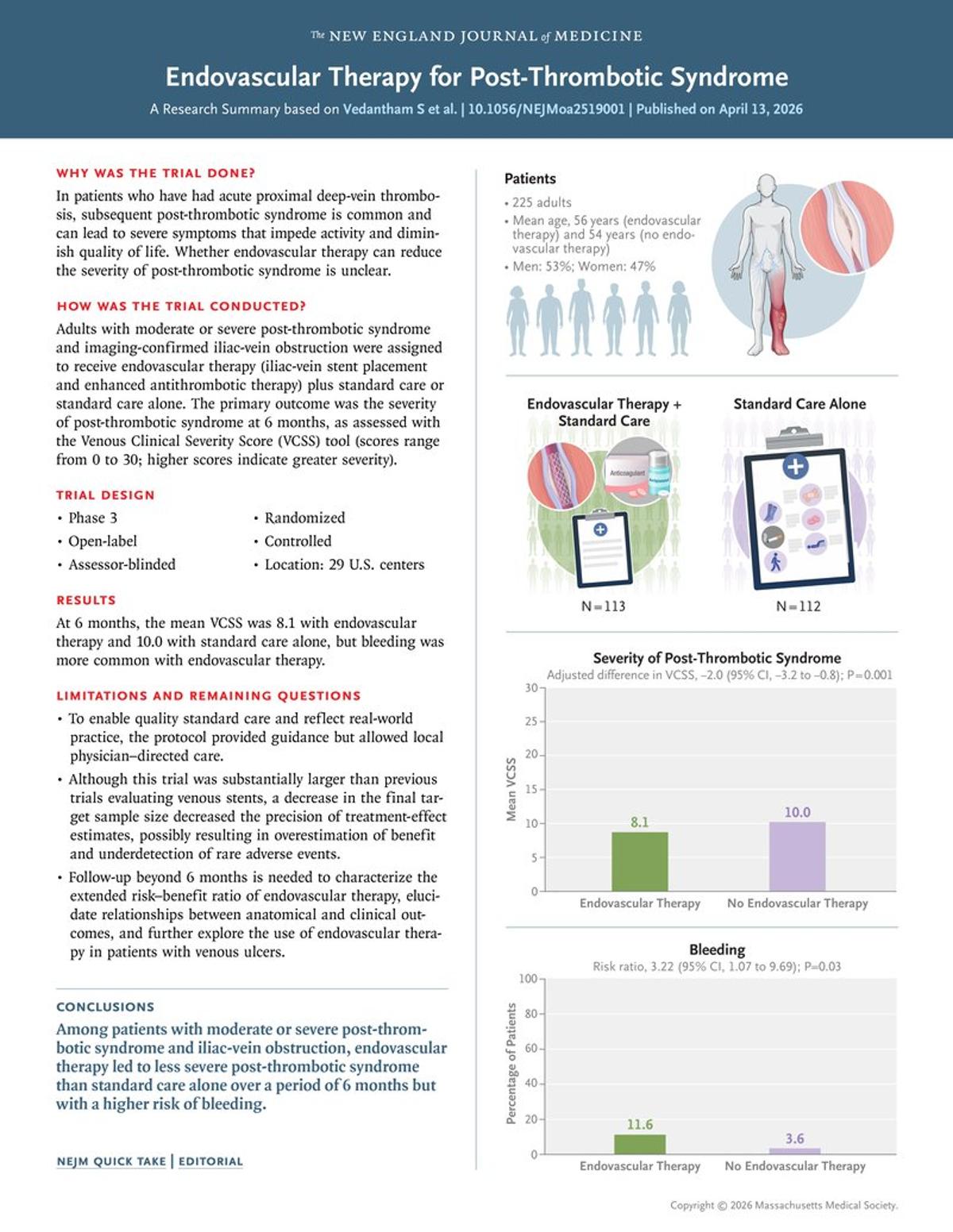
Endovascular Therapy Shows Promise for Post‑Thrombotic Syndrome
Endovascular Therapy for Post-Thrombotic Syndrome — A Randomized Trial [Apr 13, 2026] Vedantham et al. for the C-TRACT [Chronic Venous Thrombosis: Relief with Adjunctive Catheter-Directed Therapy] Trial Investigators @NEJM https://t.co/Ayd4Fa0ARl #NCT03250247 #VTE https://t.co/6iD1NUQdgX

MRNA Vaccines Activate Unconventional CD8+ T Cells
A recent study published in *Nature Immunology* shows that mRNA COVID‑19 vaccines trigger a previously underappreciated subset of CD8+ T cells with innate‑like characteristics. These unconventional cells, resembling mucosal‑associated invariant T (MAIT) and γδ T cells, expand rapidly after the...

Innovation for a New Era of Cancer Care
The UK’s National Cancer Plan, released earlier this year, prioritises expanding genomic testing, liquid biopsies, and a national inherited cancer registry to modernise cancer pathways. Johnson & Johnson argues that linking these precision diagnostics to innovative therapies is essential for...
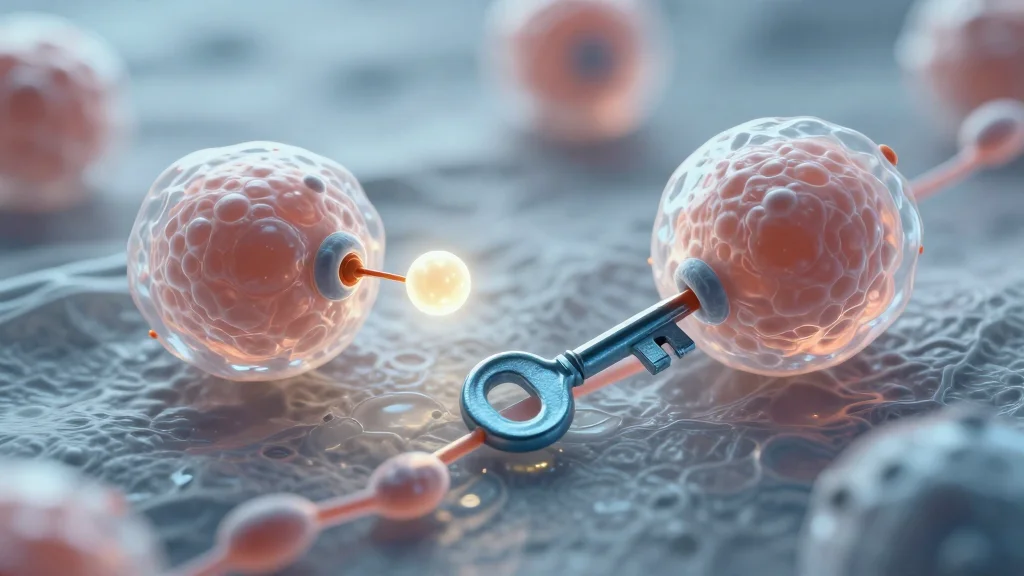
Cells Have a Secret 'Courier System' That Could Open Hard-to-Reach Targets for RNA and Gene Therapies
University College Dublin researchers have identified a previously unknown cellular "courier system" in which nanoparticles acquire a protein‑RNA "condensate corona" that shuttles functional biomolecules between cells. The corona forms a stable droplet that protects its cargo, escapes degradation, and delivers...

Decoding HBx–Smc6 Interaction: Advancing HBV Inhibition
A study in Cell Research reveals how hepatitis B virus protein HBx binds the host Smc6 subunit, triggering ubiquitin‑mediated degradation that lifts restriction on cccDNA and sustains infection. Cryo‑EM resolved the interface at near‑atomic resolution, identifying a pocket on Smc6 and...
Nucleai and Sirona Dx to Provide New Proteomics Solution for Pharma Companies
Nucleai and Sirona Dx have formed a partnership to deliver an end‑to‑end spatial proteomics solution for pharmaceutical and biotech companies. The joint offering unifies assay design, high‑quality imaging, and AI‑driven analytics to turn complex tissue data into actionable biological insights....

Unlocking the Value of Biodiversity in the UK and Ireland
Sequencing the DNA of all complex life in the UK and Ireland, the Darwin Tree of Life (DToL) project plans to generate reference genomes for 30,000 eukaryotic species. A Frontier Economics report estimates the initiative could deliver up to $3.8 bn...

Phantom Neuro Secures Approval for Muscle-Machine Interface Trial
Phantom Neuro has received regulatory clearance to launch its first‑in‑human trial of the Phantom X muscle‑machine interface in Melbourne, Australia. The early feasibility study, called CYBORG, will enroll up to ten unilateral below‑elbow amputees who will receive a single outpatient implant...

Boehringer Ingelheim and Zai Lab Team up for Dual DLL3 Therapy Study
Boehringer Ingelheim and Zai Lab have launched a Phase Ib/II trial that pairs Boehringer’s DLL3‑directed T‑cell engager obrixtamig with Zai Lab’s DLL3‑targeting ADC zoci. The study will evaluate safety, tolerability and early efficacy in patients with extensive‑stage small‑cell lung cancer and other neuroendocrine...

Boehringer Ingelheim and Zai Lab Team up for Dual DLL3 Therapy Study
German pharma giant Boehringer Ingelheim and China‑based Zai Lab announced a clinical collaboration to evaluate a dual DLL3‑targeting regimen in extensive‑stage small‑cell lung cancer and other neuroendocrine tumors. The Phase Ib/II study will combine Boehringer’s bispecific DLL3/CD3 T‑cell engager obrixtamig with...

Accelerated Biological Aging Raises Dementia Risk in Women
Epigenetic Clocks of Biological Aging and Risk of Incident Mild Cognitive Impairment and Dementia: The Women's Health Initiative Memory Study "In this cohort study of older women, accelerated biological aging measured by AgeAccelGrim2 was associated with higher risk of incident MCI/probable...

Freya Biosciences Advances Microbial Treatment for IVF Implantation Failure
Freya Biosciences announced that its microbial immunotherapy designed to address IVF implantation failure has progressed to a Phase 2 mid‑stage trial after demonstrating safety and early efficacy in healthy volunteers. The therapy leverages modulation of the uterine microbiome to improve endometrial...

AOP Health Reports the US FDA Approval Rapiblyk (Landiolol) for Pediatric Patients with Supraventricular Tachycardia
The U.S. Food and Drug Administration has granted approval for Rapiblyk (landiolol) for pediatric patients from birth through 17 years old suffering from supraventricular tachycardia (SVT). The decision follows the LANDI‑PED trial, which enrolled 60 children and demonstrated a greater...

TLR7 Signature Uncovers Two Triple-Negative Breast Cancer Paths
A new multi‑institutional study identified a TLR7‑based gene signature that separates triple‑negative breast cancer (TNBC) into two biologically distinct pathways. Analysis of 312 tumor samples revealed that high TLR7 expression defines an immunogenic subtype with better prognosis, while low TLR7...
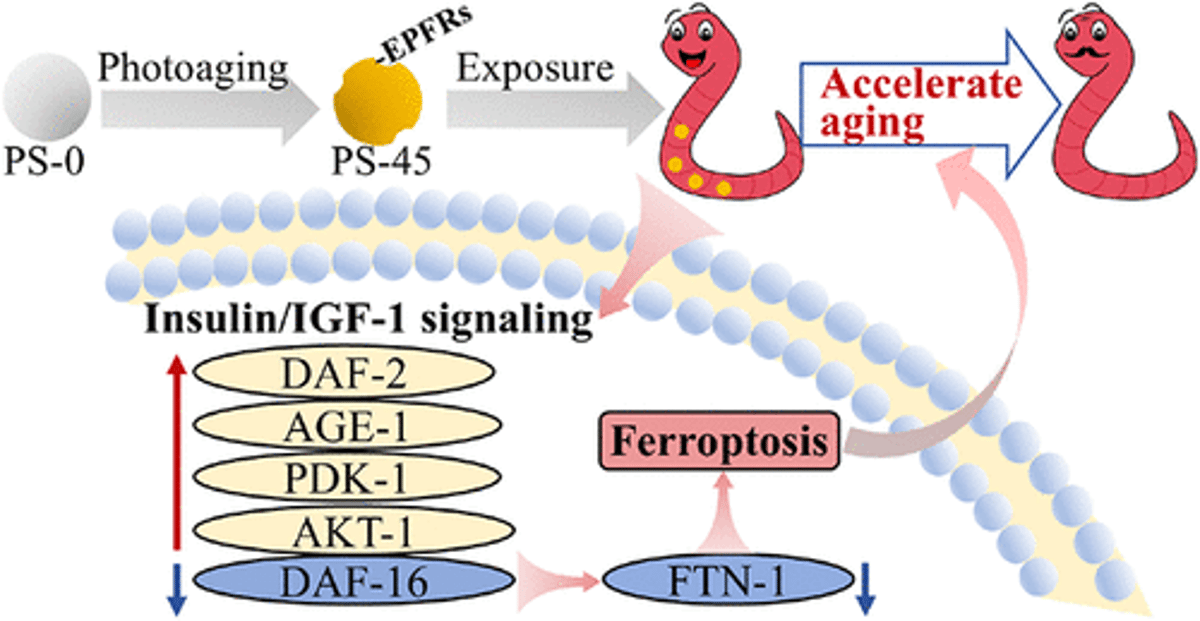
Aged Polystyrene Microplastics Speed Worm Aging via Ferroptosis
Photoaged Polystyrene Microplastics Accelerate Aging in Caenorhabditis elegans via Ferroptosis-Linked Insulin Signaling Pathway https://t.co/gGPlKDdgW1 https://t.co/NZ31ToOTp2

Maneesh Goyal on Unlocking Clinical Data for Global Discovery — Mayo Clinic Platform | VIVE 2026
Mayo Clinic Platform, led by COO Maneesh Goyal, is building a global network that pools de‑identified, longitudinal clinical data to power AI‑driven discovery. The initiative already runs more than 300 predictive algorithms that can flag disease before symptoms emerge, shifting...

Patient‑Driven Platform Accelerates Multiple Myeloma Research
.@HealthtreeMM Hub: A Patient-Derived, Patient-Driven Clinical Cancer Information Platform Used to Overcome Hurdles & Accelerate Research in Multiple Myeloma [3/10/22] @NSweeneyPhd @AhlstromJenny @FaithEDavies1 @mtmdphd @JCOCCI_ASCO https://t.co/WOwLb9Eozv @myelomacrowd #mmsm https://t.co/6HieAzjSES

New Trial Compares Dara‑Bor‑Dex vs Cy‑Bor‑Dex in Myeloma‑Induced Kidney
EAA241 - Ph 2 RCT Dara-Bor-Dex vs Cy-Bor-Dex in the treatment of Newly Diagnosed Multiple Myeloma with Light Chain Cast Nephropathy (LCCN) [Study activated 8/11/25] @keruakous https://t.co/1NgvVZ3fTA #NCT07085728 #mmsm @eaonc https://t.co/KJfqVVcwEr

Daratumumab Boosts Revlimid Efficacy in Smoldering Myeloma
#EAonc EAA173 - Daratumumab to Enhance Therapeutic Effectiveness of Revlimid in Smoldering Myeloma (DETER-SMM) - PI: @nsc_natalie https://t.co/VtBMJUjI5X Activated: Apr 30, 2019 #mmsm @eaonc #NCT03937635 @VincentRK @mweissmdphd https://t.co/SKPUQiSaU4

Phase 3 Trial Tests Daratum
.@SWOG S2213 Ph3 RCT Dara-VC Induction Followed by ASCT or Dara-VCD Consolidation & Daratumumab Maintenance in Pts w/ Newly Diagnosed AL Amyloidosis [Activated: 12/1/23] https://t.co/OizUfJCc2c #mmsm #bmtsm https://t.co/Hq9VlRCTCI

Four Candidates Target Ultra‑Rare Polish PUS3 Syndrome
“We have four drug candidates for patients with an ultra-rare disease with Polish origins, the PUS3 syndrome; one of these candidates will be used in practice,” Lisowski said. https://t.co/GTJbPQSdXQ

When to Stop Myeloma Treatment: MRD Insights
MT @hhashmi87 #IMS25 Great Meet The Expert talk by @bdermanmd on MRD in Myeloma Risk vs benefit Who can stop treatment Active surveillance post discontinuation #mmMRD #mmsm https://t.co/FIDPrE7QRb

MRD‑negative Patients May Stop Myeloma Maintenance Therapy
Discontinuation of maintenance therapy in multiple myeloma guided by multimodal measurable residual disease negativity (MRD2STOP) - @bdermanmd et al. @ajjakubowiak #ASCO24 Abstract 106 https://t.co/FBTY7SnCxK #NCT04108624 #mmsm #mmMRD

ODAC Approves MRD as Early Endpoint for Myeloma Trials
A Historic Turning Point: ODAC Unanimously Votes [4/12/24] in Favor of MRD Testing as an Early Endpoint in Myeloma Clinical Trials to Support Accelerated Approvals of New Treatments [Apr 18, 2024] @IMFmyeloma https://t.co/eDOgIrpVeR #mmMRD #mmsm #ctsm @FDAOncology https://t.co/V4wrNgvTrG

Clonal Haematopoiesis Reveals New Insights Into Aging Biology
Ageing Through the Looking-Glass: The Different Flavours of Clonal Haematopoiesis "...how CH enhances our understanding of the biology of ageing." https://t.co/9MKGZIakFY https://t.co/noyHAviY3E