
SAGA Diagnostics to Present New Pathlight™ MRD Data for Ovarian and Metastatic Breast Cancer at AACR 2026
SAGA Diagnostics will present two abstracts at AACR 2026 showcasing its Pathlight™ structural‑variant‑based circulating tumor DNA (ctDNA) assay. In metastatic breast cancer, the test achieved a 77% detection rate, with ultrasensitive reads predicting therapeutic response and preceding radiologic progression. In high‑grade serous ovarian cancer, baseline detection was 94% and ctDNA clearance after chemotherapy correlated with a 50% reduction in recurrence risk. The data highlight Pathlight’s potential as a real‑time, tumor‑informed MRD biomarker across late‑stage cancers.
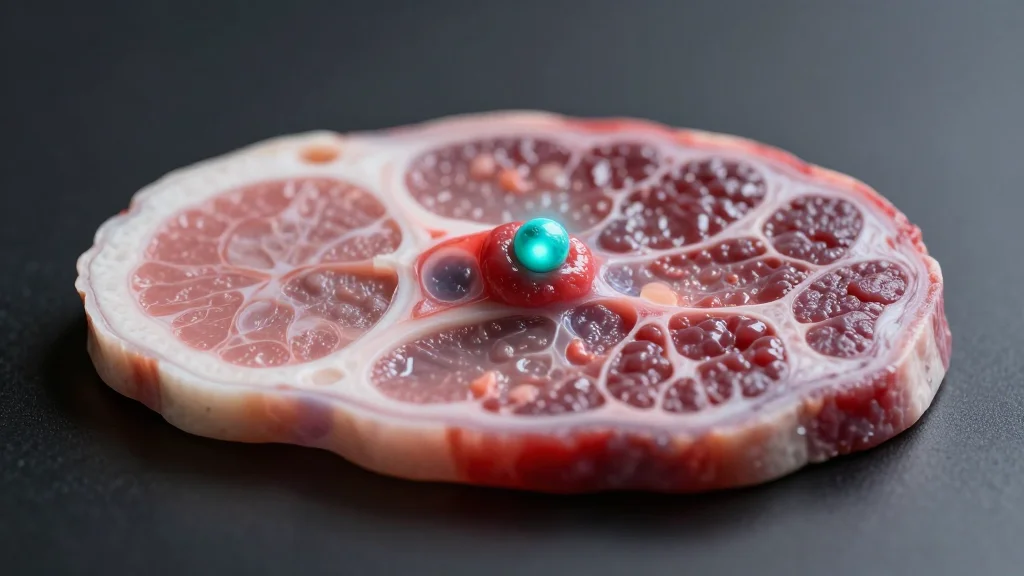
Zai Lab Presents New Data Demonstrating Zocilurtatug Pelitecan (Zoci) Induces Rapid and Robust Intracranial Responses in Small Cell Lung Cancer...
Zai Lab reported that its DLL3‑targeting ADC zocilurtatug pelitecan (Zoci) generated a 53.7% confirmed intracranial objective response rate (iORR) in extensive‑stage small‑cell lung cancer (ES‑SCLC) patients with brain metastases, rising to 62.5% at the 1.6 mg/kg dose. In a separate cohort...

DTE Producer Hoping For FDA Leniency, BLA Approval
The FDA announced it will exercise enforcement discretion for animal‑derived desiccated thyroid extract (DTE), allowing the product to stay on the market even though it is classified as an unapproved biologic. Producers of DTE welcomed the move, noting it preserves...

STAT's Live AACR Coverage: Newsletter, Event, Recap
A heads up: starting Sunday, and through the beginning of next week, STAT is going to be taking the annual meeting of the American Association of Cancer Research by storm. This is one of the best venues for spotting new ideas...

The Real Drivers of GLP-1 Growth
In this episode, Terrence Flynn, Morgan Stanley’s Head of U.S. Pharma and Biotech Research, outlines the next phase of growth for GLP‑1 obesity medicines, estimating the market could peak at about $190 billion globally. He highlights five key drivers: the shift...

Nanobody Fixes CFTR Misfolding, Boosts Cystic Fibrosis Therapy
A cell-penetrating nanobody repairs misfolded CFTR proteins in cystic fibrosis cells, restoring chloride channel function and showing strong synergy with existing therapies, potentially advancing treatment for protein misfolding disorders. biotechnology

Nanobody Repairs Misfolded CFTR Inside Cells, Boosting Function in Cystic Fibrosis
Researchers at Charité‑Berlin and the Leibniz FMP have engineered a cell‑penetrating nanobody that binds the F508del mutant CFTR inside lung cells, restoring proper folding and chloride transport. In vitro, the nanobody remained bound for at least 24 hours and rescued channel...

Spanish Study Finds Daily Intermittent Fasting May Slow Biological Aging
Researchers in Spain have published a clinical trial showing that a daily intermittent‑fasting regimen can modestly slow epigenetic signs of aging in older adults. The findings, appearing in Nature Medicine, add scientific weight to a practice long championed by the...

Personalized Bioelectrodes Improve Brain Signal Monitoring and Compatibility
Penn State researchers have created 3D‑printed hydrogel bioelectrodes that are customized to an individual’s brain geometry using MRI‑derived models. The honeycomb‑inspired, stretchable design conforms to cortical gyri and sulci far better than conventional stiff, one‑size‑fits‑all probes, delivering higher‑quality electrical signals....

Exploring Untapped Natural Chemistry for Future Medicines
Generare, a Paris‑based tech‑bio startup, is tackling AI drug‑discovery limitations by feeding models with diverse, biologically validated natural compounds from microbes. CEO Guillaume Vandenesch argues that current AI systems rely on narrow synthetic datasets, which restrict therapeutic relevance. The company...

Sona Nanotech Adds Two Oncologists to Advisory Board for Hyperthermia Therapy
Sona Nanotech announced that Dr. Michael Smylie and Dr. Jonathan Trites have joined its Scientific Advisory Board, a move intended to speed up clinical trials for its Targeted Hyperthermia photothermal cancer platform. The hires bring deep expertise in melanoma immunotherapy...

FDA Shifts to Single Pivotal Trial as Default Standard for All Drug Approvals
The U.S. Food and Drug Administration announced that a single adequate and well‑controlled trial will become the default evidentiary standard for all new drug approvals, replacing the long‑standing two‑trial requirement. The change, unveiled by Commissioner Martin Makary and CBER director...

Iris Long, Scientific Mentor to AIDS Activists, Dies at 92
Iris Long, a retired organic chemist, died at 92. She became a scientific mentor for ACT UP in 1987, guiding activists through FDA drug‑approval processes and clinical trial design. Her expertise helped accelerate access to experimental AIDS treatments, earning praise from...

Targeted Gene Delivery Calms Lung Inflammation in Respiratory Infection Mouse Models
Scientists at the University of Cambridge have engineered an adeno‑associated virus (AAV6.2‑CC10) to deliver anti‑inflammatory cytokines directly to mouse lung tissue. The platform achieved sustained, localized expression of IL‑1RA and IL‑10, markedly reducing lung damage and weight loss in influenza...

Two Bacteria Join Forces to Turn Chemical Signals Into Electricity, Opening up Low-Cost Sensing Options
Rice University researchers, together with Tufts and Baylor collaborators, unveiled e‑COSENS, a modular bioelectronic sensor that pairs engineered *E. coli* with quinone‑producing bacteria to turn chemical detection into an electrical signal. By using quinone as a programmable trigger, the system can...

Γ-Tocotrienol Inhibits HeLa Cell Proliferation Likely via Modulation of the PI3K/AKT/mTOR Signaling Pathway
Researchers found that γ‑tocotrienol (γ‑T3), a vitamin E isoform, markedly suppresses HeLa cervical‑cancer cell growth by down‑regulating the PI3K/AKT/mTOR signaling cascade. At 45 μmol/L, γ‑T3’s inhibition of pathway phosphorylation matched that of the PI3K inhibitor wortmannin, and combined treatment further reduced cell...

New HPV Test Kit for At-Home Use Secures FDA Clearance
The FDA has cleared Waters Corporation’s Onclarity HPV Self-Collection Kit, allowing individuals to collect a vaginal sample at home and send it to a lab for analysis with the BD Onclarity HPV Assay. The kit detects high‑risk HPV strains and...

Bringing AI-Driven Protein-Design Tools to Biologists Everywhere
OpenProtein.AI has launched a no‑code, web‑based platform that gives biologists instant access to powerful protein‑language models and design tools. The suite includes the PoET transformer and its newer PoET‑2 version, which delivers higher accuracy while using a fraction of the...

AMPLIFY Redefines CLL Care: Adam Kittai, MD
The FDA has cleared acalabrutinib (Calquence) combined with venetoclax (Venclexta) as the first all‑oral, fixed‑duration regimen for chronic lymphocytic leukemia. The approval follows the phase 3 AMPLIFY trial, which demonstrated superior progression‑free and overall survival compared with traditional chemoimmunotherapy. The study...

Anti-Amyloid Alzheimer’s Drugs Show Limited Benefit in Cochrane Review
A Cochrane review of 17 randomized trials involving 20,342 participants found that anti‑amyloid antibodies deliver little to no clinically meaningful improvement in memory, cognition, or dementia severity after roughly 18 months of treatment. The analysis also identified a markedly higher...

Shrink, Remove and Modify: Team Successfully 'Trims' Wheat Chromosomes
Researchers at Germany's Leibniz Institute of Plant Genetics and Crop Plant Research have used CRISPR‑Cas9 to cut satellite DNA, successfully shrinking or completely removing wheat chromosomes. The virus‑based delivery system bypassed traditional transformation, enabling rapid, large‑scale chromosomal edits. In some...

Soley Therapeutics Presents Preclinical Data Demonstrating Selective Anti-Tumor Activity of STX-6398, a First-in-Class CKAP2 Modulator, at AACR 2026
Soley Therapeutics unveiled preclinical data on STX-6398, a first‑in‑class oral small‑molecule that modulates the previously undruggable CKAP2 pathway, at the AAC 2026 meeting. The compound demonstrated selective anti‑tumor activity in a 300‑cell line panel, with efficacy correlating to CKAP2 protein levels...
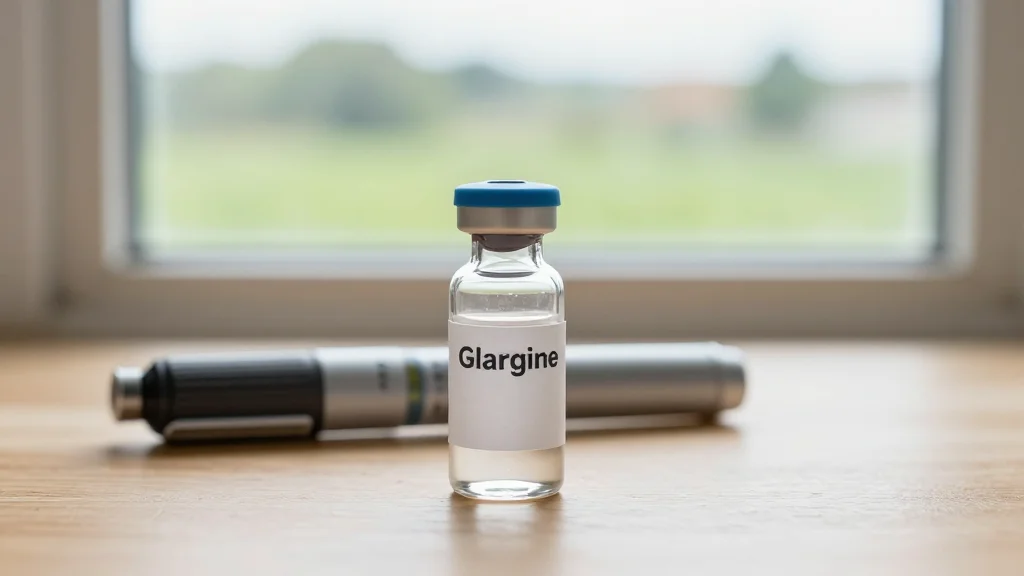
Initiation of the Interchangeable Biosimilar Insulin Glargine-Yfgn Among Older Adults
A Pennsylvania study of adults 65 and older found that only 3.7% initiated the interchangeable biosimilar insulin glargine‑yfgn (Semglee or unbranded version) between 2022 and mid‑2023. Initiators were disproportionately rural residents, long‑term‑care (LTC) patients, and those with three or more...

Merck’s Enflonsia Approved in EU for RSV Prevention in Infants Without Weight-Based Dosing
Merck’s long‑acting monoclonal antibody Enflonsia (clesrovimab) received European Commission approval for preventing respiratory syncytial virus (RSV) lower‑respiratory‑tract disease in neonates and infants during their first RSV season. The product is administered as a single fixed 105 mg intramuscular dose, removing the...

The Interventions Testing Program Shows that Another Eleven Compounds Do Not Slow Aging in Mice
The National Institute on Aging’s Interventions Testing Program evaluated eleven small‑molecule and supplement candidates—including astaxanthin, meclizine, mitoglitazone, pioglitazone, α‑ketoglutarate, mifepristone, methotrexate, and an atorvastatin‑telmisartan combo—in genetically heterogeneous UM‑HET3 mice and found none extended lifespan. Earlier studies that suggested modest benefits...

Industry Report: Advanced Therapy Market May Triple by 2030
Cardinal Health’s 2026 Advanced Therapy Report projects that the U.S. advanced therapy market will nearly triple, rising from 61 approved cell and gene treatments today to around 180 by 2030. The study, based on input from 160 physicians and administrators,...

ARPA‑H’s ‘1 Cure’ Program Bets Smarter Design Can Expand Cancer Care to More People, Faster
ARPA‑H has launched the 1‑Cure program to create a universal radiotherapy platform that, together with smart biomaterials and AI‑driven treatment planning, can treat dozens of cancer types with a single, low‑cost approach. The technology aims to expose tumors to the...

Medicine's Next Leap: Delivering Gene Therapies Exactly Where They're Needed
Researchers at the University of Ottawa have shown that small extracellular vesicles (sEVs) can be selected based on their cell of origin to deliver siRNA therapeutics precisely to kidneys and the brain. In mouse models of chronic kidney disease, sEV‑mediated...

FDA-TRACK: Prescription Drug User Fee Act Review Goals Summary
The FDA’s Prescription Drug User Fee Act entered its seventh iteration, PDUFA VII, authorizing the agency to collect user fees from October 2023 through September 2027. The fees are earmarked to accelerate pre‑market drug application reviews and post‑market safety monitoring for both drugs...

Mal-Predict: Machine Learning-Guided Rapid Virtual Screening of Compounds Against Selected Targets of Plasmodium Falciparum Validated Using Molecular Dynamics Simulation
The researchers launched Mal‑Predict, a machine‑learning workflow that used a Random Forest classifier (AUC 0.912) to screen 1.9 million compounds from DrugBank, natural‑product, and Enamine‑Real databases for activity against Plasmodium falciparum targets. Predicted actives were docked and subjected to molecular dynamics simulations,...

Precision Biologics Highlights New AML Target for CAR-NK Therapies
Precision Biologics announced preclinical identification of truncated Core 1 O‑glycans as a novel antigen for acute myeloid leukemia (AML). The glycan‑based target is recognized by the company’s investigational antibody NEO‑201 and was presented as a poster at the AACR 2026 meeting....

For What’s Next: Preparing Today’s Lab or Tomorrow’s Discoveries
The new GEN eBook outlines how modern biology’s growing complexity is driving labs toward automated, AI‑enabled workflows. It highlights challenges such as manual variability, scaling across sites, and data‑pipeline bottlenecks, and presents solutions ranging from colony‑picking robots to AI‑powered high‑content...
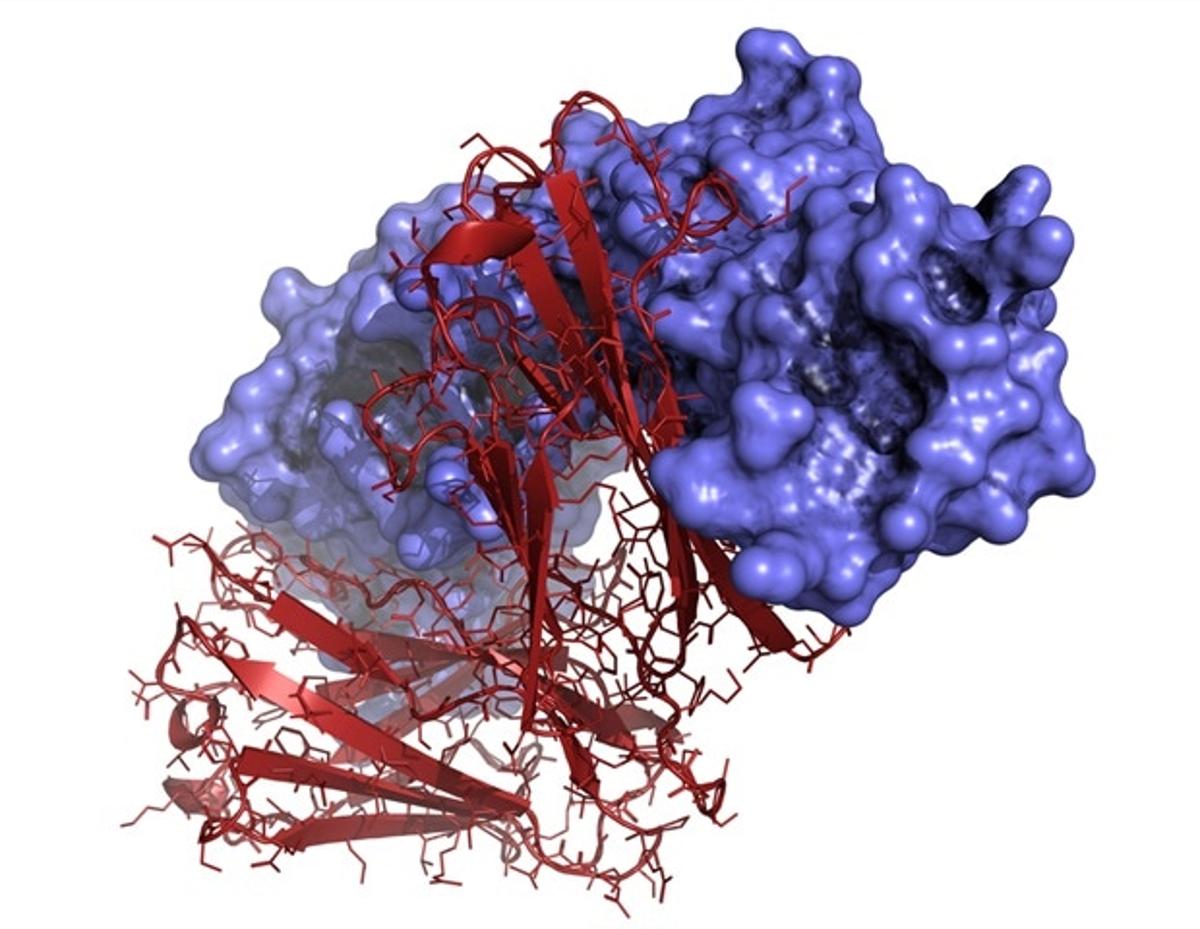
Scientists Find Unexpected Immune Pathways for mRNA Cancer Vaccines
Scientists at Washington University demonstrated that mRNA cancer vaccines can elicit potent anti‑tumor T‑cell responses even when the classic cDC1 dendritic cell subset is absent. Using mouse models lacking cDC1, cDC2, or both, they showed that cDC2 cells also prime...

Scaling Bio‑Products: Funding, Forecasting, and Partnerships
Getting from pilot plant to commercial scale is where most bio-based products die. The science works. The economics don't. Or the capital isn't there. Or the supply chain can't handle the volume. This session at @SynBioBeta 2026 brings together people who've actually...
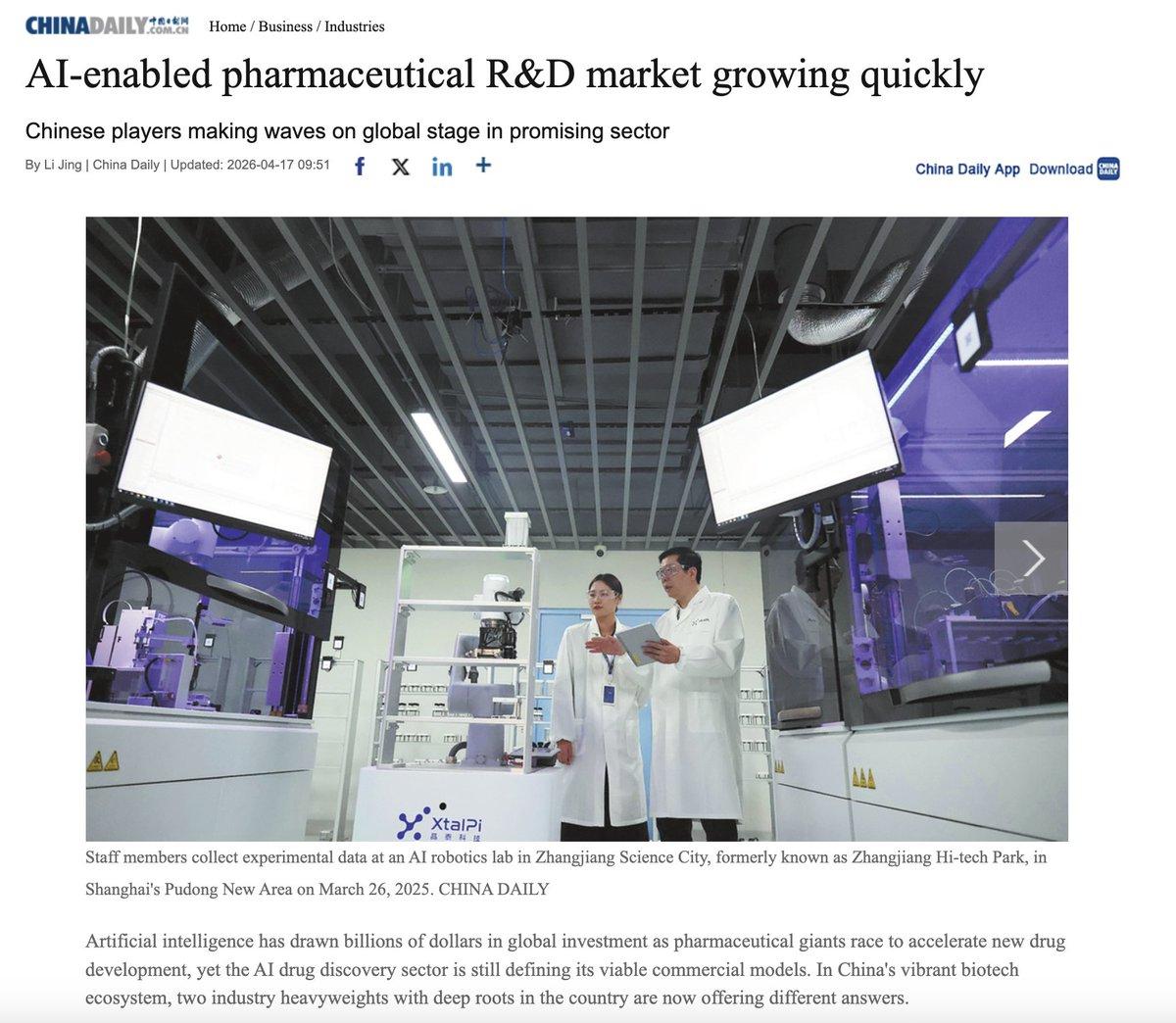
Chinese Pharma Leads Speed, Insilico Wins on Novelty
Very insightful article in China Daily. There is a big delta between the AI CRO model and AI Biotech model. At Insilico, we do not compete with Xtalpi or other local companies. The most hardcore competitors now are the large...

Vertex’s CF Stronghold Tested by Emerging Gene Therapies
Vertex Pharmaceuticals, long the dominant player in cystic fibrosis (CF) treatment, is confronting new competition from gene‑therapy candidates such as Krystal Biotech’s KB407. While Vertex continues to expand its pipeline with mRNA‑based CF drugs and non‑CF indications, analysts warn that...

France Leads Approval of IV Ketamine for Suicidal Crises
Scientists test if ketamine has antidepressant effects under anesthesia; France is the first to approve IV ketamine for severe suicidal crisis https://t.co/s7W7YlAOMr
UCB to Acquire Neurona for $1.2B, Targeting Seizure Cell Therapy
UCB, betting on seizure cell therapy, to buy Neurona for up to $1.2B https://t.co/LxI1Omodan by @realJacobBell $UCB
Marengo Reports Early Phase 2 Activity for Invikafusp Alfa Combination; Advances STAR Program at AACR 2026
Marengo Therapeutics announced early Phase 2 activity for its invikafusp alfa plus sacituzumab govitecan (Trodelvy) combo in metastatic breast cancer, reporting confirmed complete responses in heavily pretreated patients across both triple‑negative and hormone‑receptor‑positive/HER2‑negative cohorts. The interim safety data matched the known profiles...

OpenAI and InSilicoMeds Partnership Promises Significant Growth
A collaboration between @OpenAI and @InSilicoMeds has great upward potential. Would you be open to exploring this @sama ?

AI and Cheap Sequencing Will Unlock Health Risk Genomics
Our use of genomic data is woefully minimal for establishing health risks but the low cost of sequencing along with improved AI analytics can get this moving forward. Nice example here

Kailera IPO Interview: CEO Renaud Talks Biotech Market, China and Obesity Pipeline
Kailera Therapeutics closed a record‑setting $625 million Nasdaq IPO, the largest biotech debut of the year. The company, launched with Bain Capital Life Sciences backing, leverages a portfolio of obesity drug candidates originally sourced from China’s Hengrui Medicine. CEO Renaud highlighted...

Pancreatic Cancer Study May Usher New Treatment Era
A pancreatic cancer expert on why Revolution Medicines’ study could ‘open up a new era’ of treatment https://t.co/npSBO8iR7n via @statnews

JNJ's HLD-0117 Enters Phase 1, Target Unreve
Second $JNJ ex-Halda "riptac", HLD-0117, goes into phase 1. Previously only known as "breast cancer riptac", target still undisclosed https://t.co/aJRe55AgYH

Study Finds HPV Vaccine Cuts Male Cancer Risk by Half
Researchers analyzing data from about 1 million U.S. males found that a single dose of the nine‑valent HPV vaccine slashes the risk of HPV‑related head and neck cancers by roughly 50%. The findings bolster arguments for expanding routine HPV vaccination to...

China’s Drug Innovation Surge Defies Industrial Policy Narrative
China Is Now a Global Drug Innovation Powerhouse. Industrial Policy Had Little to Do with It. .....industrial policies like Made in China 2025 played a negligible role... https://t.co/MKyZ6auvAS

Blood Test Identifies Molecules Predicting Short‑term Survival
New Blood Test Signals Who is Most Likely to Live Longer, Study Finds Research finds tiny molecules in blood strongly predict short‑term survival in older adults https://t.co/8bv3I5CCXE https://t.co/IdZ5eYOmwe

AZD4956
Just disclosed in #AACR26 abstracts: $AZN AZD4956 = DNA pol theta inhibitor. My story from when it entered phase 1/2 Parthenon study +/-saruparib -> https://t.co/bHoOKqd7da

Minibinder Data for $149—Custom Assays Available
Get data on your minibinders for $149! Sequence in -> data out. Let us know other assays or protocols you'd like to see and we're happy to add to Ginkgo Cloud Lab.

Rejecting Life Extension = Costly, Intentional Aging Choice
"If you have access to life extension therapies and decline them, you’re making a deliberate choice to age and die on an old biological timeline." -- the additional medical cost associated with NOT choosing these therapies, may make it an...