
Icotrokinra Delivers Complete Skin Clearance Through Week 52 With Strong Safety Profile: Linda Stein Gold, MD
FDA approval of icotrokinra introduces a new oral therapy for moderate‑to‑severe psoriasis. In the ICONIC‑ADVANCE trials, 100 % of patients achieved complete skin clearance through week 52, outperforming the oral benchmark deucravacitinib. The drug’s safety profile matched placebo, with fewer infections and no routine laboratory monitoring required. These results suggest icotrokinra could shift prescribing toward oral systemic options.
Biogen Announces Second Positive Phase 2 Litifilimab Trial in Cutaneous Lupus Erythematosus at 2026 American Academy of Dermatology Annual Meeting,...
Biogen announced that litifilimab, an anti‑BDCA2 monoclonal antibody, achieved its primary endpoint in the Phase 2 portion of the AMETHYST study for cutaneous lupus erythematosus (CLE). The drug showed an 11.8% greater reduction in disease activity versus placebo, with 14.7% of...

New England Journal of Medicine Publishes Positive Phase 3 VALOR Trial Results of Brepocitinib in Dermatomyositis
Priovant Therapeutics announced that its TYK2/JAK1 inhibitor brepocitinib met the primary endpoint in the Phase 3 VALOR trial for dermatomyositis, showing a 15.3‑point improvement in Total Improvement Score at week 52 versus placebo. The 30 mg dose also delivered significant steroid‑sparing effects, with...

#AAD26: Tanabe’s Phase 3 Win for Drug Targeting Rare Diseases that Cause Pain upon Light Exposure
Tanabe Pharma announced that its oral investigational drug achieved positive results in a pivotal Phase 3 trial for erythropoietic protoporphyria (EPP) and X‑linked protoporphyria (XLP), two ultra‑rare phototoxic disorders. The study met its primary endpoint of reducing light‑induced pain episodes and...

HI-PEITHO: Catheter-Directed Therapy Bests Anticoagulation in Intermediate-Risk PE
The HI‑PEITHO trial showed that ultrasound‑facilitated, catheter‑directed fibrinolysis combined with heparin cuts the 7‑day composite risk of PE‑related death, cardiorespiratory decompensation or collapse by 61% versus anticoagulation alone. In 544 intermediate‑risk pulmonary embolism patients, the number needed to treat was...

Anumana Secures FDA Clearance for First-of-Its-Kind ECG-AI Algorithm for Early Detection of Pulmonary Hypertension
Anumana has secured FDA 510(k) clearance for its AI‑driven pulmonary hypertension (PH) algorithm, the first software‑as‑a‑medical‑device that analyzes standard 12‑lead ECGs to flag early PH signs. The tool, built on more than 250,000 de‑identified ECGs from Mayo Clinic, demonstrated roughly...
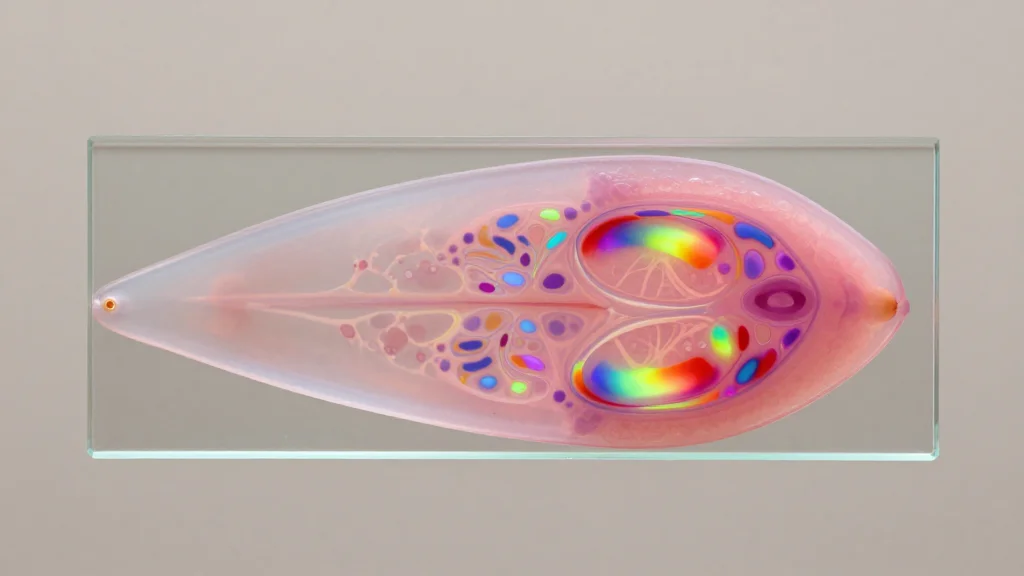
Spatial Mapping Technique Allows Researchers to Understand Tumor Architecture
University of Illinois Urbana‑Champaign researchers unveiled GIS‑ROTA, a Geographic Information System‑augmented spatial transcriptomics framework that visualizes biological pathway activity inside tumors. Applied to estrogen‑receptor‑positive breast cancer, the method exposed distinct spatial patterns differentiating primary from metastatic lesions and highlighted regions...
Adjuvant Pembrolizumab Maintains Benefit-Risk Profile for High-Risk Stage II Melanoma in KEYNOTE-716 Analysis
Adjuvant pembrolizumab (Keytruda) continued to show a strong recurrence‑free survival (RFS) advantage in resected stage IIB/IIC melanoma, with median RFS not reached versus 59.2 months for placebo (hazard ratio 0.65). The 48‑month RFS rates were 68.7% with pembrolizumab compared with...

A Woman’s Uterus Has Been Kept Alive Outside the Body for the First Time
Spanish researchers at the Carlos Simon Foundation have kept a donated human uterus alive outside the body for 24 hours using a normothermic perfusion device called “Mother” (PUPER). The machine circulates oxygenated, nutrient‑rich blood through the organ, mimicking natural circulation. This...

Why Use Living Cells? Researchers Are Making Chemicals with Enzymes Alone
Researchers at the National Laboratory of the Rockies (NLR) are advancing "cell‑free" biomanufacturing, using curated enzyme cocktails instead of living microbes to convert biomass into chemicals. By pairing high‑throughput robotics with machine‑learning analytics, they can evaluate thousands of enzyme variants...

Cell and Gene Therapy Manufacturing Exposes the Cost of Delayed Digital Infrastructure
Cell and gene therapy (CGT) manufacturing is advancing quickly, yet many early‑stage firms postpone building an integrated digital backbone. The resulting manual handoffs create safety, compliance, and scalability risks. SAP’s Cell and Gene Therapy Orchestration platform introduces guided workflows, e‑signatures,...

Ocugen Inc. (OCGN): One of the Popular Penny Stocks on Robinhood
Ocugen announced completion of patient enrollment for its Phase 3 liMeliGhT trial of OCU400, a modifier gene therapy for retinitis pigmentosa. The study enrolled 140 patients in a 2:1 treatment‑to‑control ratio and will assess visual function via the LDNA mobility test....

A Precision Epigenetic Approach to Non-Invasive Lung Cancer Screening Using Gene- Specific cfDNA Methylation
A recent study demonstrates that promoter methylation of four genes—MAX, MTURN, HLA‑B and CAV1—can be detected in plasma circulating cell‑free DNA and used as a non‑invasive biomarker for lung cancer. In tumor tissue, MAX, MTURN and HLA‑B showed hypermethylation rates...

SELLAS Life Sciences (SLS) to Present SLS009 Data at AACR 2026
SELLAS Life Sciences announced it will present preclinical data on its CDK9 inhibitor SLS009 (tambiciclib) at the AACR 2026 meeting in San Diego. The poster highlights the drug’s ability to induce apoptosis and lower MCL‑1 levels in acute myeloid leukemia...

TKI Outcomes in AML Similar Across Racial, Ethnic Groups
New real‑world analysis of 482 acute myeloid leukemia patients shows tyrosine kinase inhibitors produce comparable overall survival and event‑free survival across racial and ethnic groups. The study, using the Flatiron Health Research Database from 2015‑2023, captured patients treated with FLT3,...

Gut-Immune Link Identified in Multiple Sclerosis-Related Neuroinflammation
Researchers at Keio University discovered that intestinal epithelial cells (IECs) expressing MHC class II trigger the expansion of pathogenic Th17 cells that migrate to the spinal cord and drive neuroinflammation in multiple sclerosis (MS) mouse models. Examination of intestinal biopsies from...
![[Comment] New Hope for Neurotrophin Targeting in Osteoarthritis Pain?](https://hixhlmpcokxhartfkpyi.supabase.co/storage/v1/object/public/images/thumbnails/754aaf1faeb0d5f3b76618daddf79401.webp)
[Comment] New Hope for Neurotrophin Targeting in Osteoarthritis Pain?
Osteoarthritis (OA) remains a massive global health challenge with no disease‑modifying drugs and only modestly effective analgesics. The anti‑NGF monoclonal antibody, introduced in 2010, delivered unprecedented pain relief but was halted in 2021 after the FDA and EMA flagged joint...
![[Editorial] Politicisation of the US FDA: Eroding Integrity and Trust](https://hixhlmpcokxhartfkpyi.supabase.co/storage/v1/object/public/images/thumbnails/2cbcac9eecf69b15e3915028747699be.webp)
[Editorial] Politicisation of the US FDA: Eroding Integrity and Trust
The editorial warns that increasing political interference is eroding the US Food and Drug Administration’s integrity and public trust. With a 2026 budget of $6.8 billion, the FDA remains the world’s most influential drug regulator, tasked with safeguarding safety while accelerating...

Going ‘Golden’: K-Biotech May Be Prepping for Its Moment on the Global Stage
Korean biotech is gaining global visibility after the East‑West Biopharma Summit highlighted its first‑in‑class pipelines. The Korean Ministry of Health and Welfare announced that Eli Lilly will invest $500 million over the next five years to collaborate with domestic firms. The deal...

Rubedo Announces Positive Preliminary Results for RLS-1496
Rubedo Life Sciences reported positive preliminary Phase 1 data for RLS‑1496, the first human‑tested GPX4 modulator designed to clear senescent cells. The 4‑week, double‑blind study in the EU showed the drug was well‑tolerated, produced a clear dose‑response, and reduced epidermal thickness...

CHMP Recommends Subcutaneous Form of Sanofi's Sarclisa and Four New Drugs
The European Medicines Agency’s Committee for Medicinal Products for Human Use (CHMP) has issued positive opinions on five products: a subcutaneous formulation of Sanofi’s multiple‑myeloma therapy Sarclisa and four entirely new drugs pending approval. The subcutaneous version aims to simplify...
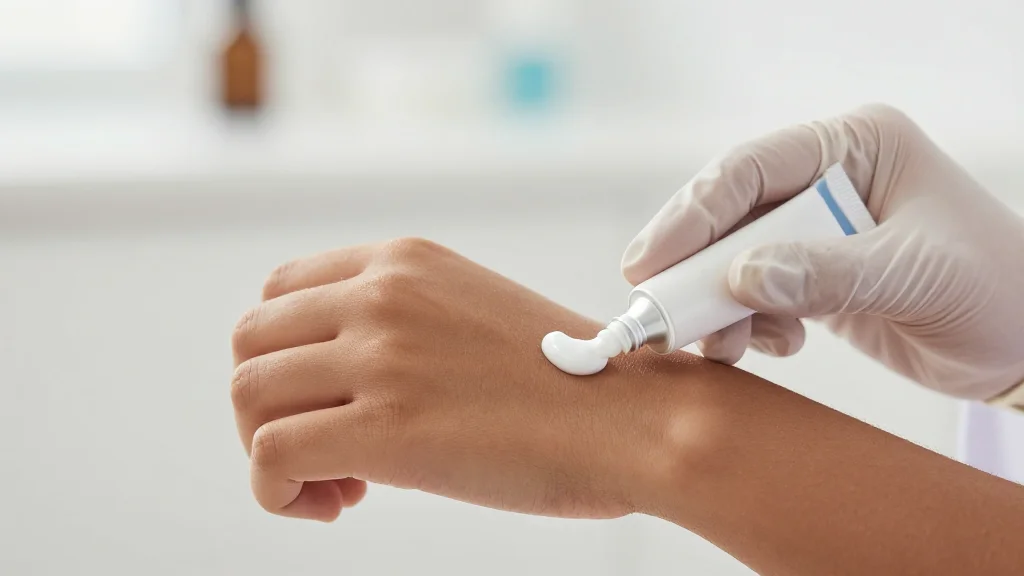
Tapinarof Shows Early, Sustained Gains in Moderate to Severe Atopic Dermatitis: Linda Stein Gold, MD
At the 2026 American Academy of Dermatology meeting, phase 3 ADORING 1 and 2 trials demonstrated that once‑daily tapinarof cream significantly improves rash and itch in moderate to severe atopic dermatitis, with effects evident by week 1 and sustained through eight weeks. The studies...

Ruxolitinib Cream Improves Repigmentation, QOL in Vitiligo, but Better Patient Education, Guidance Are Needed
Ruxolitinib cream (Opzelura) demonstrated significant facial repigmentation and quality‑of‑life gains in vitiligo patients, especially those reaching F‑VASI75/90 thresholds, according to post‑hoc analyses of the TRuE‑V trials presented at the 2026 AAD meeting. Real‑world survey data revealed that just over one‑fifth...

Jesse Roth, Who Advanced the Understanding of Diabetes, Dies at 91
Renowned endocrinologist Dr. Jesse Roth, who proved that diabetes stems from defective insulin receptors, died at 91. Over a 50‑year career he led groundbreaking research at the NIH, Johns Hopkins, and the Feinstein Institutes, reshaping how scientists view hormone signaling....

Switching Between Biosimilars and Their Reference Counterparts with Dr. Sarah Yim
In a recent FDA Q&A, Dr. Sarah Yim explained that the agency has now approved 50 biosimilars covering 15 reference biologics, spanning treatments from oncology to diabetes. She clarified the distinction between biosimilars and interchangeable biosimilars, noting that the latter...
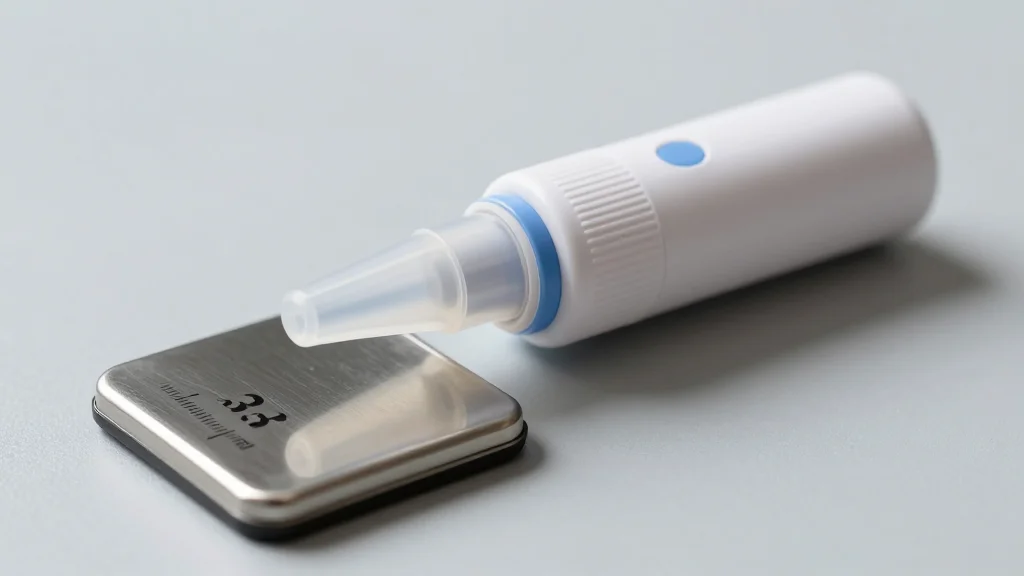
FDA Approves Update to Neffy 1 Mg Label, Removing Age Requirement
The FDA has approved an update to the neffy 1 mg epinephrine nasal spray label, eliminating the previous age minimum of four years. The only remaining eligibility criterion is a patient weight of at least 33 lb, covering children as young as...

How Real-World Data Is Reshaping the NSCLC Patient Journey
Pharma firms are leveraging real‑world data (RWD) to map the patient journey of non‑small cell lung cancer (NSCLC) and uncover social determinants of health that hinder care. The new eBook highlights how gaps in biomarker testing, socioeconomic barriers, and incomplete...

Podcast: European Biotech Rallies Against US and China Powerhouses
The BIO Europe Spring podcast recorded in Lisbon highlighted Europe’s push to reclaim biotech leadership amid dominant US and Chinese pharma giants. Host Robert Barrie distilled insights from investors and executives, emphasizing the continent’s strategic focus on gene‑therapy and mRNA...

Mitochondria Delivery Method Rescues Parkinson’s in Mice
Scientists have engineered red‑blood‑cell membrane capsules to ferry healthy mitochondria into diseased cells, dramatically improving delivery efficiency. In vitro, the capsules restored mitochondrial function in mtDNA‑deficient and mutant fibroblasts, reducing pathogenic DNA fractions and boosting ATP production. In vivo, mice...
Agentic AI, Virtual Cell, LNP Vaccine Boosters, Engineered Organs, and Mergers
Agentic AI is emerging as a pivotal technology in healthcare, building on generative AI momentum. Xaira Therapeutics unveiled the largest virtual cell model to date, enhancing complex biology simulations. Researchers redesigned lipid nanoparticles to avoid the liver and concentrate in...

Lonza Media Development Lab Set Up in Singapore
Lonza has opened a dedicated media development laboratory at its Singapore campus to help bioprocessing customers fine‑tune cell‑culture media and smoothly transition formulations to GMP manufacturing. The facility applies a systematic, early‑stage optimization workflow that evaluates scalability, raw‑material readiness, and...

Regulatory Actions for March 27, 2026
On March 27, 2026 BioWorld reported a flurry of regulatory actions affecting a broad swath of biopharma and med‑tech companies. The snapshot lists approvals, designations and submissions for firms such as 3D Systems, Agilent, Deciphera, Royal Philips and several others....
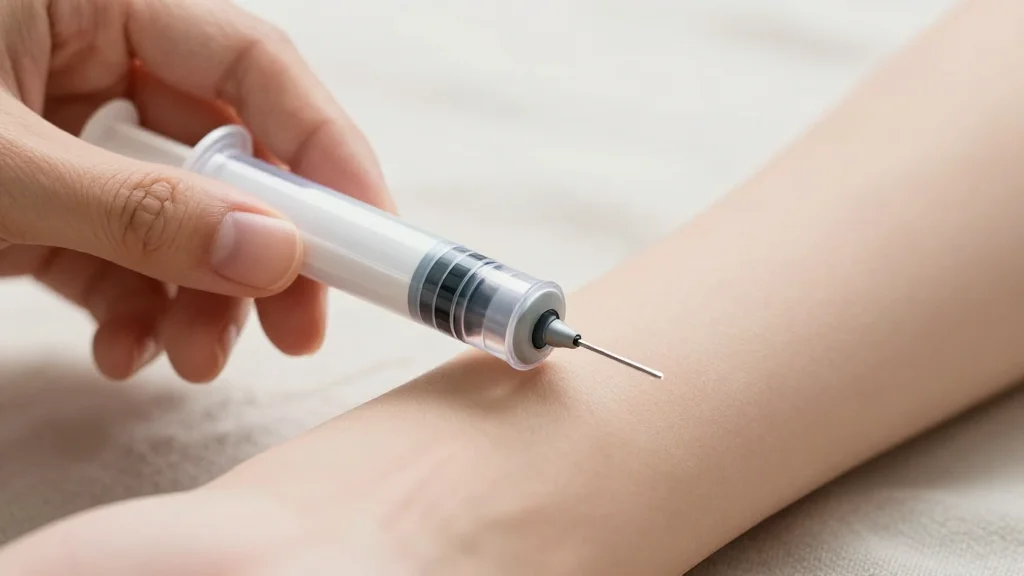
J&J’s Darzalex Nets First Self-Administered Cancer Injectable Approval
Johnson & Johnson’s Darzalex (daratumumab) received European Medicines Agency approval for self‑administration, becoming the first oncology injectable cleared for home use. The Type II label change allows patients or caregivers to give the subcutaneous injection after the fifth dose, covering all...

AnaptysBio Spins Out Biotech Operations; Affibody's Data in Hidradenitis Suppurativa
AnaptysBio announced the spin‑out of its biotech operations into a newly formed independent public company, First Tracks Biotherapeutics. The separation isolates AnaptysBio’s early‑stage pipeline, giving First Tracks a focused platform to advance its candidates. The announcement also highlighted promising data...

Designing Proteins by Their Motion, Not Just Their Shape
MIT researchers unveiled VibeGen, an AI diffusion model that designs proteins by specifying desired motion rather than static structure. The system pairs a designer AI that proposes amino‑acid sequences with a predictor AI that evaluates whether the sequences exhibit the...
Drug Trials Snapshots: CARDAMYST
Milestone Pharmaceuticals received FDA approval on December 12, 2025 for CARDAMYST, a 70 mg nasal spray of etripamil designed to rapidly convert acute paroxysmal supraventricular tachycardia (PSVT) to sinus rhythm. The pivotal RAPID trial enrolled 255 adults across eight countries, showing...

Drug Digest: Examining the Growing Role of Partnerships in Modern Bioprocessing and Biopharma R&D with Bristol Myers Squibb's Dr. Manisha...
In a debut interview for BioPharm Drug Digest, Bristol Myers Squibb’s senior vice‑president of Product Development, Manisha P. Desai, explains how strategic, end‑to‑end partnerships are reshaping bioprocessing and biopharma R&D. She highlights a shift from traditional fee‑for‑service outsourcing to deep collaborations that integrate...

Celldex Reports Quality of Life Gains in Urticaria Trials
Celldex Therapeutics reported Phase 2 data showing its KIT‑targeting antibody barzolvolimab dramatically improves quality‑of‑life scores for chronic spontaneous urticaria (CSU) and chronic inducible urticaria (CIndU). At Week 52, 94 % of CSU patients achieved a Dermatology Life Quality Index (DLQI) of 0‑1, and...

William Blair Reiterates Outperform on ARS Pharma Stock After FDA Label Update
William Blair reaffirmed an Outperform rating on ARS Pharmaceuticals (NASDAQ: SPRY) after the FDA removed an age restriction for neffy patients weighing 33‑66 lb, opening the drug to roughly 25% of current epinephrine prescriptions. The firm highlighted the label change as...

Blocking TIE2 Protein May Prevent Blood Vessel Defects in the Brain
Researchers at the University of Pennsylvania identified the endothelial receptor TIE2 as a pivotal link between the MEKK3‑KLF2/4 and PI3K signaling cascades that drive cerebral cavernous malformations (CCMs). In mouse models, oral inhibition of TIE2 with the tyrosine‑kinase inhibitor rebastinib...

FDA Approves Novo Nordisk's Once-Weekly Insulin
The U.S. Food and Drug Administration has approved Novo Nordisk’s once‑weekly insulin, the first longer‑acting basal therapy for type‑2 diabetes in the United States. The product, insulin icodec, demonstrated non‑inferior HbA1c reduction and comparable safety to daily basal insulins in...

Novella Taps New CEO and Bets on ‘Precision Botanicals’ for Consistent Ingredients
Novova has appointed Antonio Martínez Descalzo as CEO and is betting on its AuraCell precision‑cultivation platform to produce standardized, waste‑free phytonutrients. The technology grows plant cells in closed bioreactors, delivering pure bioactives without soil or climate constraints. Its first product,...

EU Regulator Backs Sanofi’s Injectable Version of Blood Cancer Drug
The European Medicines Agency has issued a positive opinion on Sanofi’s subcutaneous version of Sarclisa, a drug for multiple myeloma, citing late‑stage trials that proved non‑inferior efficacy to the intravenous formulation. If the European Commission follows the EMA’s recommendation, the...

Broker’s Call: Dr Reddy’s Lab (Add)
Dr Reddy’s Lab launched India’s first DCGI‑approved semaglutide, branded Obeda, at a premium price of ₹4,200 per month (≈$51) compared with peer products around ₹1,300 (≈$16). The stock trades at ₹1,281.95 (≈$15.4) against a target of ₹1,315 (≈$15.8). The company leverages advanced...

Webinar: Aligning With the FDA on a Regulatory Pathway To Avoid Decision Day Surprises
A BioSpace webinar highlighted how biotech firms can close the expectation gap with the FDA to avoid last‑minute decision‑day setbacks. Speakers emphasized the FDA’s recent pledge—led by Commissioner Marty Makary and CBER Director Vinay Prasad—to provide regulatory navigation for small companies,...
Resource Capacity Planning and Modernized Time Reporting
Under PDUFA VI, BsUFA II and GDUFA II, the FDA has launched a Resource Capacity Planning (RCP) capability and modernized time‑reporting to better match staffing with the growing volume and complexity of drug and biologic submissions. The RCP system quantifies needed resources, while...

GSK Reports the EMA’s MAA Acceptance of Bepirovirsen to Treat Chronic Hepatitis B
GlaxoSmithKline announced that the European Medicines Agency has accepted the marketing authorization application for bepirovirsen, an antisense oligonucleotide targeting chronic hepatitis B. The acceptance follows positive Phase III data from the B‑Well 1 and B‑Well 2 trials, which enrolled patients...

AstraZeneca’s in Vivo CAR-T Led to Early Responses, but One Death in China Trial
AstraZeneca’s in‑vivo CAR‑T platform, acquired last year, has entered a Phase I/II trial in China for relapsed/refractory multiple myeloma. Early data show a 33% overall response rate with several partial remissions, but the study also reported one death due to severe...
The Expanding Role of Checkpoint Inhibitors in CSCC Management
The NCCN has revised its guidelines to place checkpoint inhibitors at the forefront of cutaneous squamous cell carcinoma (CSCC) treatment, extending their use beyond metastatic disease to neoadjuvant and adjuvant settings. PD‑1/PD‑L1 agents such as cemiplimab, cosibelimab and pembrolizumab are...

Biologics for Asthma Underused in Multinational Survey
A multinational GAAPP survey of 1,401 adults with uncontrolled asthma found that only 11% of patients who meet guideline eligibility are currently using biologic therapies. The most common reason for discontinuation was difficulty fitting injections into daily routines (37%), followed...