Today's Bonds Pulse

Bond Yields Surge to 19-Year High, Sparking Stock Market Concerns
The 30‑year Treasury yield climbed to a 19‑year peak while the 10‑year rose from 4.03% to 4.69% before easing to about 4.5%. Goldman Sachs research notes that half‑percentage‑point spikes in yields typically turn short‑term S&P 500 returns negative, heightening correction risk. Inflation is running at 3.8% year‑over‑year, fueling the sell‑off.

KBRA Assigns Preliminary Ratings to Harvest Funding PLC
Kroll Bond Rating Agency UK (KBRA) has issued preliminary ratings for seven classes of notes issued by Harvest Funding PLC. The notes are backed by a static residential mortgage‑backed securitisation (RMBS) containing roughly £2 bn (about $2.5 bn) of first‑lien UK mortgages, 85.8% owner‑occupied and 14.1% buy‑to‑let, with an average seasoning of 18.5 years. The underlying loans were originated by Birmingham Midshires and the Bank of Scotland, now serviced by the latter under Lloyds Banking Group. The securities feature strict sequential payment priority and are supported by a fully funded liquidity reserve fund.

Agree Realty Boosts Q2 Investment to $725M, Raises Full-Year Guidance to $1.6B
Agree Realty (ADC) announced a $725 million investment across three external growth platforms in Q2 2025 and lifted its full‑year investment guidance to $1.4‑$1.6 billion. The REIT also reported $2.3 billion in liquidity, a 1.3% rise in core FFO per share, and a 15%...

I Bond Rates Jump to 4.26% as Inflation Spikes, Sparking New Wave of Investor Demand
The Treasury’s latest inflation data pushed the variable component of Series I savings bonds to an estimated 4.26% annualized, reviving investor interest that had waned after 2022’s rate peak. Savers are turning to the inflation‑indexed bonds as stock markets wobble...

Is NS&I’s New Green Savings Bond Worth It?
National Savings & Investments (NS&I) has relaunched its Green Savings Bond, offering a three‑year fixed rate of 3.82% to savers aged 16 or over with a minimum deposit of £100 (≈ $127) and a maximum holding of £100,000 (≈ $127,000). The bond...

SNS Financial Boosts Invesco BulletShares 2028 Bond ETF Holding by $9.7 Million
SNS Financial Group, LLC bought an additional 470,696 shares of Invesco's BulletShares 2028 Corporate Bond ETF for roughly $9.7 million, lifting its total position to 1.7 million shares worth $34.8 million. The move raises the ETF to about 3% of the firm’s reportable...

Moody’s Seeks Feedback on Pooled Structures of Insurance-Linked Securities (ILS)
Moody’s Ratings has released a discussion paper seeking market feedback on pooled structures of insurance‑linked securities (ILS). The agency wants input on investor appetite, risk‑assessment data needs, modeling approaches, and legal considerations for ILS‑backed securities that bundle multiple cat bonds...

Can Credit Growth and The Yield Curve Predict Financial Crises?
A new ECB working paper demonstrates that machine‑learning models, especially tree‑based ensembles, beat logistic regression in forecasting financial crises across 17 countries from 1870 to 2016. The study identifies prolonged domestic credit growth and a flat or inverted yield curve...

Rand Merchant Bank Launches $135 M Nature‑linked Water Bond, Tying Returns to Ecological Outcomes
Rand Merchant Bank (RMB) has issued a R2.5 billion ($135 million) nature‑linked bond that links investor returns to verified water‑restoration outcomes in South Africa’s Western Cape. The instrument, the first of its kind globally, channels capital into invasive‑species removal to boost dam...

Blue Owl’s 11% Private‑Credit Yield Tested by Redemptions and Moody’s Outlook
Blue Owl Capital’s stock has slumped 66% while its dividend yield rose above 11%, prompting investors to question the sustainability of its payout. Redemptions of roughly $5.4 billion and a Moody’s downgrade of its $36 billion Credit Income Corp fund have intensified...
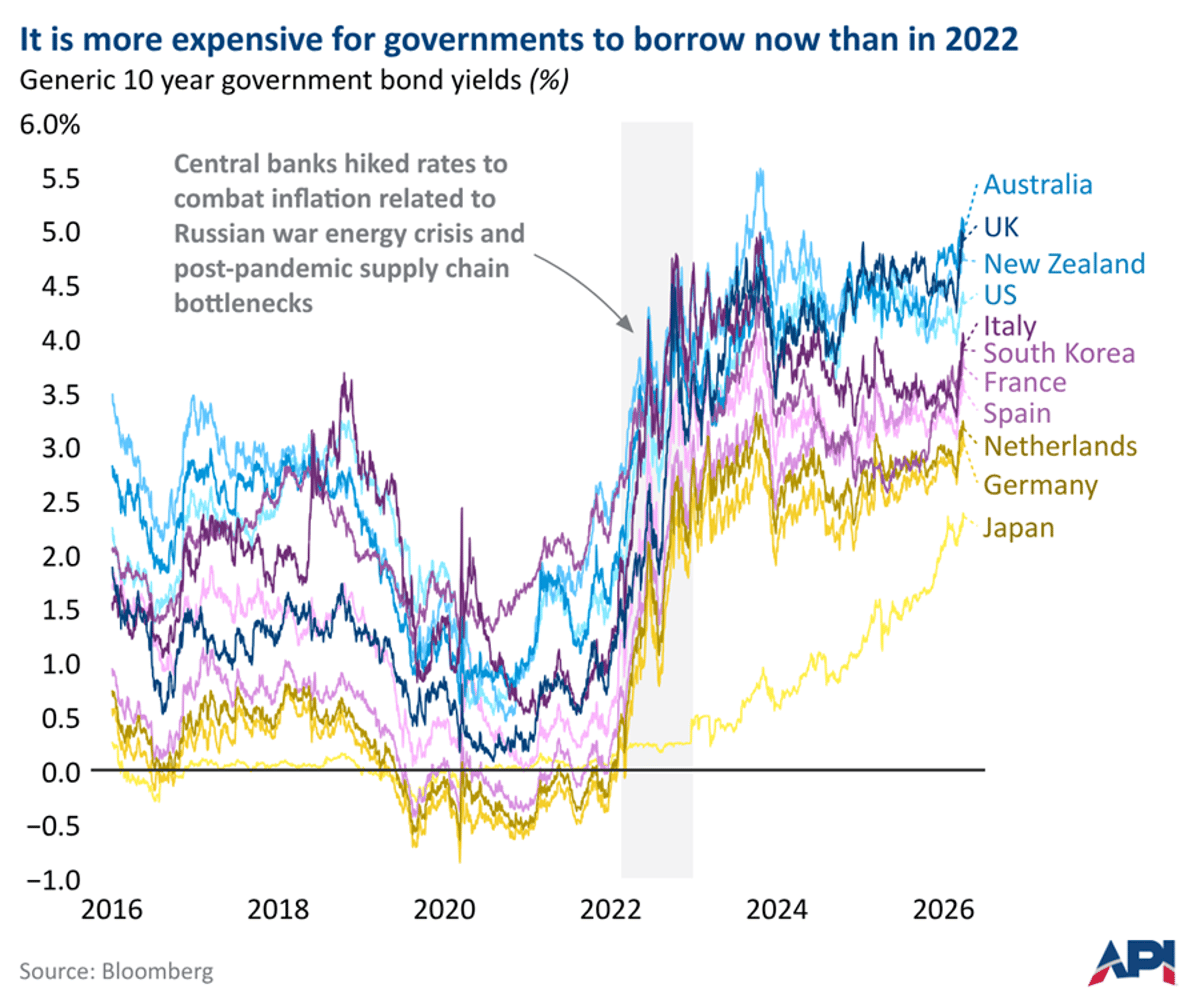
Governments Can't Borrow Their Way Out of Energy Crisis
One big and underappreciated difference between today's energy shock and the events of 2021-22 = Governments will not be able to borrow their way out of this one. Many governments borrowed heavily to fund subsidies, bailouts, and other measures to shield...

Meta-Backed CoreWeave Debt Cut Risk, Sparked Market Surge
CoreWeave's debt deal (backed by Meta's AI compute commitment) closed March 30 (SPX bottom). imho the flurry of subsequent announcements were probably linked to this. Amazing things happen when counterparty risk goes down...

The Decline of Mexico’s Central Bank, Explained
Mexico’s central bank, Banxico, has been trimming its benchmark rate from a peak of 11.5% toward a long‑term target near 3% to stimulate borrowing. In July 2024 it lowered the policy rate modestly from 7.00% to 6.75% amid an oil‑price...

Superior, Wisconsin, Weighs Bond-Financed Bid for Water Utility
Superior, Wisconsin is weighing a bond‑financed purchase of its privately owned water system, the state’s last investor‑owned water utility. An appraisal puts the water assets at $58 million, while a broader acquisition that includes electric and gas could cost $274‑$306 million by...

Tech's Share in Credit Indices Surges to 10%
AI Is Reshaping Credit Market Composition Tech’s share of the investment-grade index has risen from 1.9% in 2006 to 10.7% today, with similar gains in high-yield and leveraged loans. Torsten at Apollo $LQD $HYG https://t.co/U1i37ent6D

Only Two or Three Rate Cuts Remain After War
After the war is over, they will push for lower rates, but realistically, we only have two or maybe three cuts left to reach a neutral policy.

Africa’s Refinancing Stress Returns as Global Liquidity Tightens Again
The United Nations is urging African nations to fast‑track the African Financing Stability Mechanism (AFSM) as global liquidity tightens amid higher interest rates and the Middle‑East conflict. African countries such as Egypt, Tunisia and South Africa face hard‑currency bond maturities...

Britain, Italy, France Become Europe's New Bond Market Scapegoats
Great, the new Piigs are Britain, Italy and France... ‘Bifs’ replace ‘Piigs’ as Europe’s bond market whipping boys https://t.co/v9jWXMg6nF via @ft

Sustainable Debt EMEA Returns to London Next Week
Environmental Finance will host its 14th annual Sustainable Debt EMEA conference in London on 23 April, drawing more than 600 delegates. The three‑track agenda will explore trends in green, social and sustainability‑linked bonds, sovereign finance, and labeling standards. High‑profile speakers from...

BlackRock CIO Rick Rieder Reveals Early Bond Trade that Nearly Derailed His Career
Rick Rieder, BlackRock's chief investment officer for fixed income, told Morgan Stanley's "Hard Lessons" series that a bond trade early in his career nearly erased his portfolio. Overseeing $2.7 trillion of assets, Rieder used the episode to stress position sizing and...

Putting Africa’s Savings to Work
African pension funds and other long‑term investors hold roughly $200‑$300 billion, yet more than 80% of that capital is parked in sovereign bonds due to a shortage of scalable alternatives. Policymakers and market architects are now racing to build domestic investment...

Event Voice: Why Dispersion and Volatility Are Reshaping Credit Opportunities for Investors in 2026
At the start of 2026 L&G positioned its Global Special Situations Fund defensively, keeping roughly 30% of assets in cash as credit valuations tightened and macro fragility rose. Recent geopolitical tension in the Middle East, surging commodity prices and AI‑driven...
Why Is the Fed Holding Firm? The New Strategic Reality for Treasurers
The Federal Reserve has kept the federal funds rate steady at 3.50%‑3.75% for a second pause in 2026, moving from aggressive easing to cautious observation amid geopolitical energy shocks and a looming leadership transition. Simultaneously, the Fed is purchasing up...

Segro European Logistics Partnership Prices €500m Senior Unsecured Bond
Segro and its PSP Investments joint venture has priced a €500 million senior unsecured bond. The bond, equivalent to roughly $545 million, is aimed at financing the partnership’s European logistics portfolio. The JV’s assets now total €6.8 billion (about $7.4 billion), spanning key markets...

Yellen Likens Trump’s Rate‑cut Push to Banana Republic
Trump’s push to cut US rates akin to ‘banana republic’, says Yellen - https://t.co/RpxzxJc6i3 via @FT

Japan: Lower Hedging Costs to Stimulate Foreign Bond Investment Once Middle East Conflict Stabilizes
Japanese investors are reversing their post‑2022 retreat from foreign bonds, adding roughly $2 bn to European sovereigns and $7 bn to U.S. Treasuries in 2025. The rebound is anchored in falling hedging costs as the Bank of Japan raises rates while the...

How to Finance Large Government Investments
Germany is earmarking roughly $545 billion each for defence and infrastructure over the next ten years, amounting to about $1.09 trillion – roughly 25% of its GDP. The bulk of this spending will be financed through new debt. Economic models, aligned with...

China to Issue RMB 15.5bn Treasury Bonds in Hong Kong
Xinhua: "China's Ministry of Finance on Wednesday said that it will issue this year's second batch of RMB 15.5 billion in renminbi-denominated treasury bonds in Hong Kong on April 22." https://t.co/OFSlsUluRF

Asian Bond Markets Rally on Record Japan and Hong Kong Demand
On April 14, 2026, Asian bond markets surged as Japan’s 20‑year government bond auction attracted its strongest demand since 2019 and the World Bank priced a record HK$8 billion (about $1 billion) five‑year benchmark bond in Hong Kong. The twin spikes in...

Senior Loan ETF Gains Over 2% as Treasuries Slip 3.8% Amid Iran War
Since the Iran war started on Feb. 28, the Invesco Senior Loan ETF (BKLN) has climbed more than 2%, outpacing all other fixed‑income segments. By contrast, the iShares 20‑Year Treasury Bond ETF (TLT) has dropped 3.8%, highlighting a shift toward high‑yield,...

Treasury Secretary Bessent Says Core Inflation Falling, Calls for Fed Rate Cuts
U.S. Treasury Secretary Scott Bessent told lawmakers that core inflation is continuing to decline and reiterated his call for the Federal Reserve to lower interest rates. He emphasized that the administration wants Kevin Warsh installed as Fed chair as soon...

Ruffer Investment Company Reports Sharp Volatility After US‑Israeli Attack on Iran
Ruffer Investment Company said its March 2026 performance was dominated by the US‑Israeli strike on Iran, which sent crude oil up more than 60% in the month and 94% for the quarter while equities, bonds and even gold fell sharply....

Treasury Secretary Bessent Urges Fed to Pause Rate Cuts, Boosting Bond Outlook
U.S. Treasury Secretary Scott Bessent told Semafor the Federal Reserve should wait before cutting interest rates. His comment, made amid strong early‑year economic data, is expected to temper expectations of imminent rate reductions and influence Treasury and corporate bond pricing.

BUCK Offers A 7.55% Yield, But Don't Ignore The Competition
Simplify Treasury Option Income ETF (BUCK) delivers a 7.55% trailing yield by combining short‑term Treasuries with option spreads. Since its launch in October 2022, BUCK has outperformed the Treasury bill benchmark by 60 basis points on an annualized basis, though it...

African Mining Attracts $250 Billion ESG‑Linked Investment Wave
Africa’s mining industry is drawing an estimated $250 billion of ESG‑linked financing as demand for copper, cobalt, lithium and rare earths is set to quadruple by 2035. Structured instruments such as sustainability‑linked bonds and ESG‑linked loans are unlocking capital for projects...

European ETFs Pull in €10.5 Bn ($11.5 Bn) in March, LSEG Data Shows
London Stock Exchange Group’s March review shows European exchange‑traded funds attracted €10.5 bn in net new money, roughly $11.5 bn. The surge coincides with record Q1 inflows reported by iShares and a shift toward broad equity and short‑duration bond exposure amid geopolitical...

Munis Stay Quiet as Equities and Treasuries See Gains
Municipal bond prices were largely unchanged on Tuesday while U.S. Treasuries firmed and equity markets closed higher. The muted muni activity reflects lingering geopolitical uncertainty and elevated oil prices that keep inflation expectations alive. Meanwhile, the new‑issue calendar surged, with...

Investors Snap Up Investment‑Grade Bonds as Sovereign‑Corporate Yield Gap Widens
Aberdeen Global's head of fixed income, Jonathan Mondillo, said investors are buying the dip in bonds as demand for investment‑grade issues continues to outstrip supply. 2025 set a record for corporate bond issuance and 2026 is on track to sustain...

China's Q1 2026 Social Financing Hits $2.1 T, Bonds Surge as Bank Loans Slip
China's People’s Bank released Q1 2026 data showing social financing grew 14.83 trillion yuan ($2.1 trillion), while the share of bank loans fell to 60% of total growth. Corporate bond financing rose to 1.05 trillion yuan ($147 billion) and yields on AAA‑rated five‑year bonds...

Hyundai Returns to Raise $1.2 Billion From Prime Auto Leases
Hyundai Capital America is launching the Hyundai Auto Lease Securitization Trust 2026‑B, a $1.2 billion transaction backed by 45,321 prime auto leases. The deal issues five tranches of A‑ and B‑class notes, with AAA‑rated A2 and A3 tranches holding a base...

VRDN Unsold Inventory Reaches High for Year-to-Date
The short‑term municipal market is feeling pressure as unsold variable‑rate demand note (VRDN) inventory climbed to a year‑to‑date high of $8.8 billion, with $1.63 billion repriced on Tuesday. Dealers are stretched, especially on $7.1 billion of weekly‑reset notes, and no new buyers have...

Rainbow Hospital Partnership: Credit Rating Report
DBRS Limited confirmed on March 5, 2026 that the Rainbow Hospital Partnership and its ProjectCo Series 2 senior bonds have been assigned a BBB (high) credit rating, with both trends marked as Stable. The rating places the partnership at the upper end of...

Bridging Global Markets: Unlocking Opportunities in Korea’s Evolving Treasury Landscape
South Korea is shedding its historic "Korea discount" by overhauling the Treasury Bond market and aligning capital‑market standards with global indices. Deputy Prime Minister Koo Yun Cheol announced reforms such as 24‑hour FX trading, omnibus account integration, and extended settlement hours,...

How to Build a Portfolio when Bonds Fail to Buffer Stocks
The long‑standing hedge of bonds against equities is losing its effectiveness as rising interest rates and flattening yield curves push bond returns lower and push equity‑bond correlation to historic highs. Investors are seeing bonds provide little downside protection for stock...

New I-Bonds Rate Projection: 4.26% APY (Variable 3.36% + Fixed .9%)
The Treasury projects a 4.26% APY for I Bonds issued May – October 2026, made up of a 3.36% variable rate and a 0.90% fixed rate. Existing bonds will earn only the variable portion, while new purchases lock in the full 4.26% for the...

Switch Secures $768 Million in ABS Funding
Switch Inc. closed a $768 million asset‑backed securities (ABS) offering, Series 2026‑1, backed by its 1.4 million‑square‑foot, 52 MW data center in Reno, Nevada. The proceeds will be used to repay existing debt and fund general corporate purposes. This transaction marks Switch’s fifth ABS...
:max_bytes(150000):strip_icc():format(jpeg)/Quantitative-tightening-6361478_final-a184a253c81d408cb2d495236098555f.png)
Understanding Quantitative Tightening: How the Fed Reduces Market Liquidity
The Federal Reserve launched quantitative tightening (QT) in 2022, letting roughly $1 trillion of Treasury and mortgage‑backed securities mature without reinvestment to shrink its $9 trillion balance sheet. By reducing liquidity, QT pushes bond yields higher, raises borrowing costs and aims to...
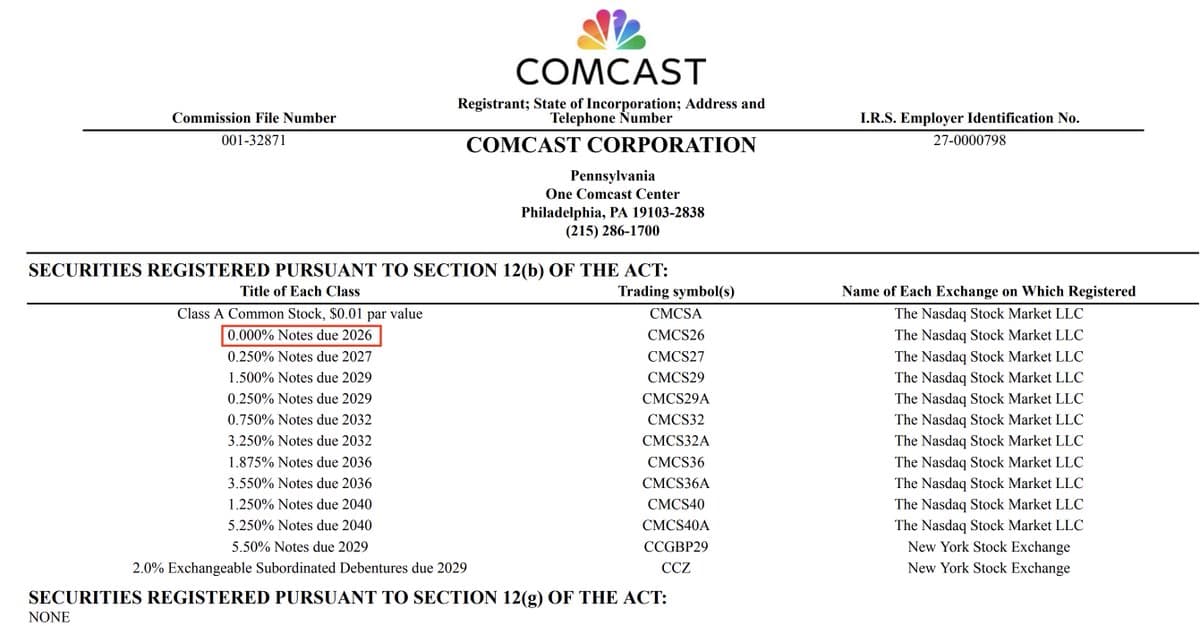
Zero‑percent Euro/Yen Bonds Made 2021 Borrowing Bliss
Few things sweeter in corporate finance than borrowing at 0.000% by issuing fixed-rate notes in Euros/Yen during 2021 https://t.co/Wv6Z1zNz1S

Metrobank Raises P35 Billion via Asean Bonds
Metrobank listed P35 billion (about $625 million) of ASEAN Sustainability Bonds, its largest peso‑denominated issuance. The 1.5‑year Series F bonds carry a 5.4727% fixed coupon and attracted orders roughly seven times the P5 billion base amount, prompting an early close of the offer. Proceeds...

5‑Year Yields Rich Amid Front‑End
After a spirited front-end rally, 5s looking rich on the curve as intermediate-term slowdown bets dominate. Unfortunately, other tenors have their own issues. Fiscal concerns make the long end unattractive before May refunding and 2s have a here...
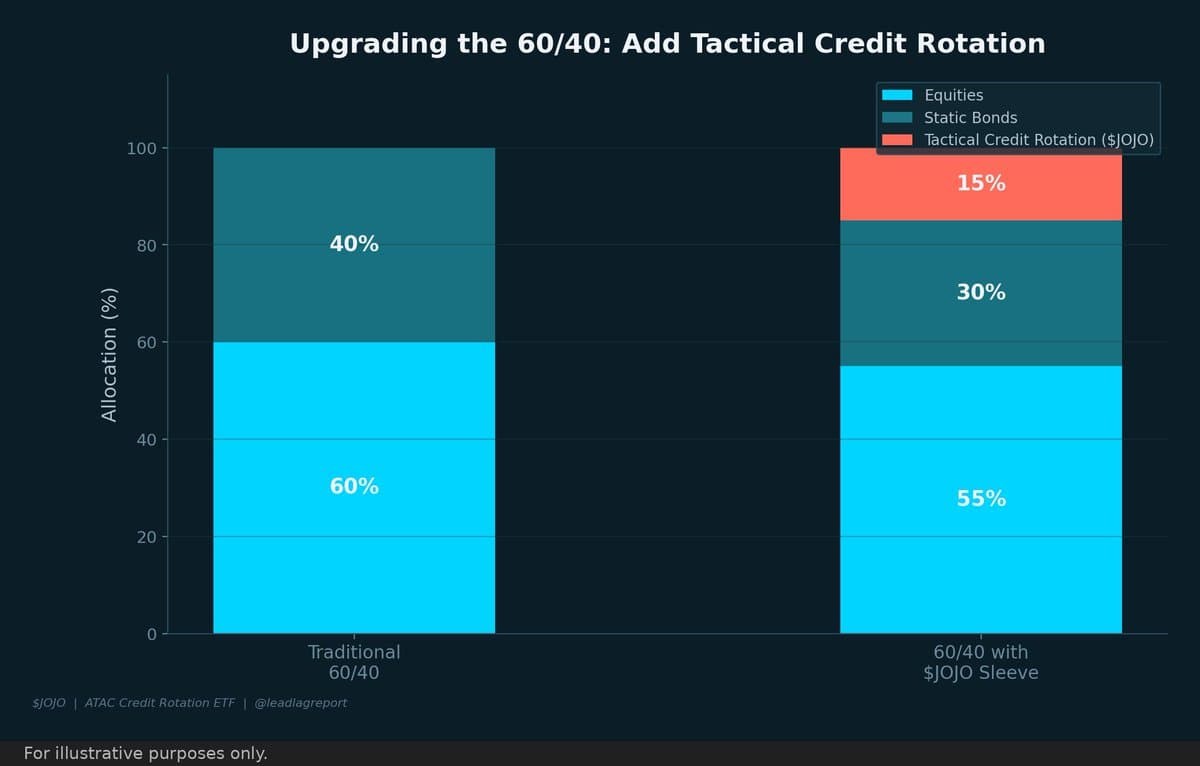
Use $JOJO to Complement Bonds During Spread Expansions
$JOJO is a complement, not a replacement. Add it alongside your core bond allocation for tactical credit rotation. When spreads blow out, you'll want this in the portfolio. https://t.co/xlY97itNk2