
The Silent Failure Between Approval and Delivery
The article argues that securing executive approval is often mistaken for securing execution momentum. After the green light, many initiatives languish in a limbo where ownership is unclear and daily work does not change, leading to silent, untracked failure. The author highlights that the first thirty days post‑approval are critical for establishing real accountability and operational traction. By asking who loses measurable value if the project stalls, leaders can surface hidden gaps before the initiative drifts off the roadmap.
Are SBOMs Failing? Supply Chain Attacks Rise as Security Teams Struggle With SBOM Data
Software Bills of Materials (SBOMs) and Vulnerability Exploitability eXchange (VEX) statements were mandated in 2021 to give organizations visibility into component inventories and exploitability. Five years later, supply‑chain attacks such as the March 2026 Trivy and Axios incidents have intensified,...
The Changing Face of IT: From Operator to Orchestrator
The article argues that the CIO’s role has shifted from maintaining stable IT systems to orchestrating business value across the enterprise. Modern IT must balance running reliable operations with driving digital transformation, linking every investment to measurable outcomes such as...
Ways CIOs Can Prove to Boards that AI Projects Will Deliver
CIOs are under mounting pressure from boards to prove AI projects generate measurable value, as surveys reveal most initiatives have yet to boost revenue or cut costs. Failure rates for AI efforts remain high—up to 95%—prompting a shift from speculative...

A&K Travel Journeys with Colt for Global Quantum-Safe Network
Travel operator A&K Travel Group has partnered with Colt Technology Services to build a global, quantum‑safe network for its portfolio of luxury travel brands. The solution incorporates Arqit’s quantum‑resistant encryption, enabling secure, low‑latency connectivity across more than 100 countries, including...
Default BitLocker Configuration Isn’t Enough: Defending Endpoints Against Physical Attacks
Physical‑access attacks on laptops are becoming commonplace as employees work from cafés, airports and hotels. While many enterprises rely on BitLocker’s default TPM‑only configuration to encrypt drives, researchers have shown that TPM‑bus snooping can capture the decryption key in under...

Silverfort and SentinelOne Partner to Tackle AI-Era Identity Security
Silverfort and SentinelOne announced a partnership that merges Silverfort’s identity discovery and runtime enforcement with SentinelOne’s AI‑powered Singularity Platform. The joint solution extends real‑time protection to human users, machine identities and autonomous AI agents, enabling automatic detection, blocking and isolation...

Enterprise IT Infrastructure Must Enable AI Upskilling, Says Workday UK&I Country Manager
Workday’s UK&I country manager warns that enterprise IT must evolve to support AI‑driven upskilling, as 85% of organisations aim to develop internal talent. Legacy, role‑based HR systems are seen as inadequate by more than half of HR leaders, prompting a...

BlackBox Hosting Bets on Everpure and Points to Growing UK Sovereign Cloud Demand
BlackBox Hosting, a UK‑based managed private‑cloud provider, is betting on Everpure’s all‑flash storage to deliver a truly sovereign cloud as demand for UK‑hosted data climbs. The firm swapped two HP 3PAR racks for two Everpure X50/C50 units, slashing storage footprint...

The Security Metric That’s Failing You
Security teams have let patch‑rate metrics become the de‑facto strategy, but clean patch reports hide far greater risks such as misconfigurations, stale permissions, and legacy network segments. The window for exploiting a disclosed vulnerability has collapsed from weeks to roughly...
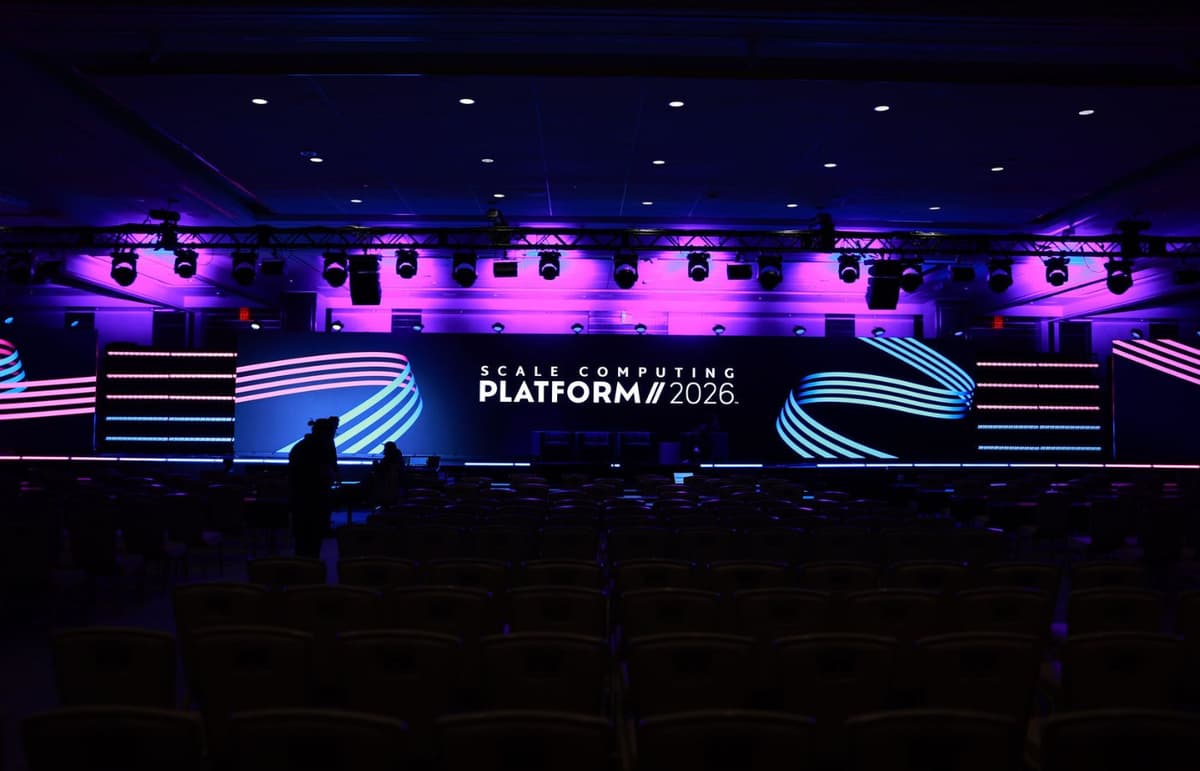
Scale Computing Spotlights Edge Wins in Retail, K-12
Scale Computing used its Platform//2026 conference to showcase how its edge‑computing platform simplifies operations for wildly different customers. Taco Bell leverages the solution to standardize omnichannel ordering across dozens of international markets, freeing its internal teams for innovation. In northern...

Syntax Equips Fenix Gold Mine with ‘Future-Ready Digital Core’
Syntax, a global technology solutions provider, completed a six‑month SAP Cloud ERP transformation for Rio2 Limited’s 100%-owned Fenix gold mine in Chile. The new digital core unified finance, procurement and project accounting across Canada, Chile and Peru, delivering real‑time visibility,...

AirTrunk’s Lumina Deal Raises Stakes For APAC Cloud ERP
AirTrunk has acquired Lumina CloudInfra, securing a 600 MW pipeline valued at up to $5 billion and instantly gaining footholds in Mumbai, Chennai and Hyderabad. The deal lifts AirTrunk’s total capacity to more than 3 GW across roughly 20‑23 campuses in six APAC...

From Governance to Enablement: How Healthcare CIOs Can Stop Killing AI Innovation
Healthcare CIOs risk stifling AI projects by treating governance as a barrier. Tony Pastorino argues that rebranding oversight as data enablement and forming cross‑functional teams can unlock responsible innovation. He advises separating idea generation from compliance checks and focusing on...

Blackbox Replaces Two Racks of HPE Storage with 8U of Everpure
Blackbox Hosting has replaced its two full racks of HPE 3PAR arrays with eight rack units of Everpure FlashArray hardware, consolidating 998 TB of provisioned storage into two 4U boxes. The new Pure Storage solution delivers a 10:1 data‑reduction ratio and...
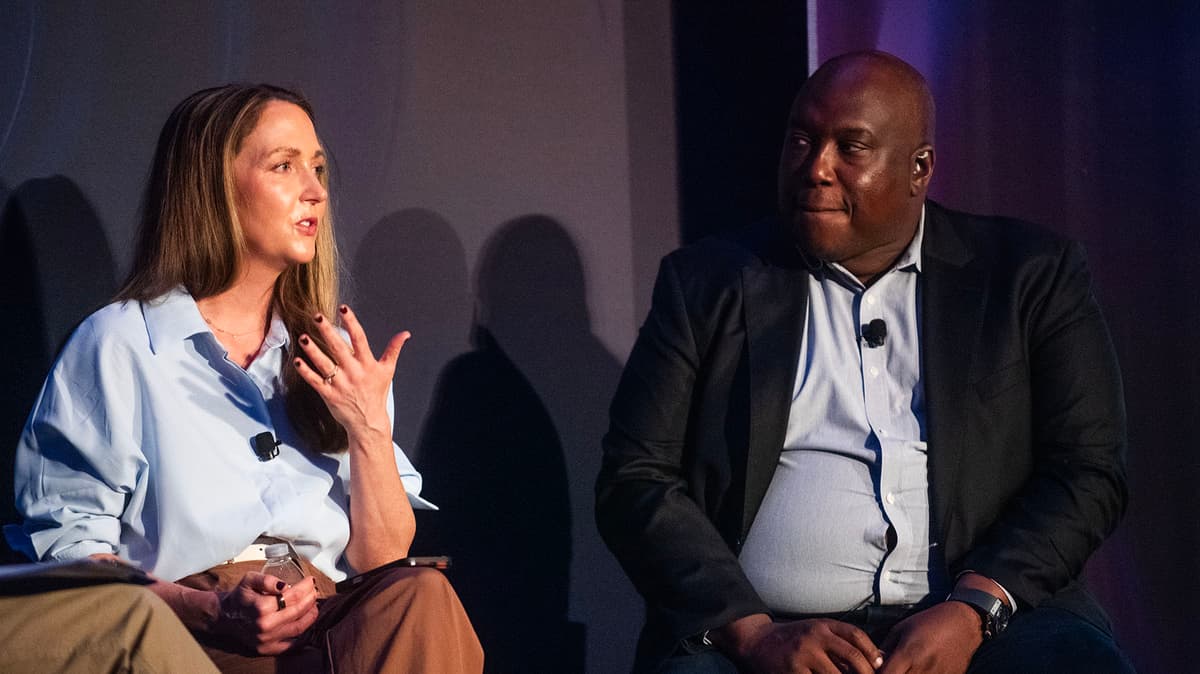
How Microsoft and Google Plan and Place AI Workloads
Microsoft and Google are abandoning point‑forecast roadmaps in favor of range‑based planning that updates weekly, allowing them to absorb rapid AI‑driven demand spikes. Both hyperscalers are pushing binding decisions as late as possible, designing modular, fungible data‑center architectures that can...

HPE Shakes up Local Compute and Data Solutions Leadership
Hewlett Packard Enterprise announced that Anthony Sanelli will serve as interim South Pacific sales director and general manager for compute, high‑performance computing and data solutions, stepping in for Patrick Matthews who will leave on 22 May after nearly 15 years. Matthews...

Why Migrating Your ERP Could Be a Risky Move in Government IT
Government agencies are under pressure to modernize legacy ERP systems, but large‑scale migrations often run over budget and schedule, draining scarce resources. Most public‑sector ERPs—typically SAP or Oracle—have proven reliable for a decade or more. Experts argue that extending the...

Thousands of Apache ActiveMQ Instances Still Unpatched, Weeks After an Actively Exploited Hole Discovered
Researchers at Horizon3.ai used Anthropic's Claude AI to uncover a remote code execution flaw (CVE‑2026‑34197) in Apache ActiveMQ within ten minutes. The vulnerability affects versions before 5.19.4 and 6.0‑6.2.2, exposing nearly 6,500 internet‑facing instances two weeks after disclosure. CISA has...
The AI Governance Mirage: Why 72% of Enterprises Don’t Have the Control and Security They Think They Do
A VentureBeat survey finds 72% of enterprises claim two or more AI platforms as their primary layer, exposing a governance mirage where perceived control masks real security gaps. The sprawl, illustrated by Mass General Brigham’s custom Copilot skin to protect...

HHS Watchdog Advises CIOs to Secure Data Before AI Implementation
The HHS Office of the Inspector General warned federal CIOs that AI projects must be preceded by robust data‑security controls. Agencies are urged to adopt operational AI governance, drawing on NIST guidance, and to shift from static policies to real‑time...

AI Is Not a System. It’s a Stakeholder. And Your ERP Transformation Depends on Treating It That Way.
Enterprise resource planning (ERP) projects now routinely promise AI‑driven speed, automation and continuous optimization, often backed by multi‑hundred‑million‑dollar budgets. The article warns that most firms treat AI as a bolt‑on feature rather than a core stakeholder, leading to missed value...

5 Pieces of Advice for the Leader Inheriting the Mess
An incoming leader inherits a multi‑year program that has repeatedly failed to reach production because of systemic misalignment. The root causes were unmapped regulatory requirements, fragmented delivery across siloed teams, and evolving scope without clear ownership. By auditing integrations, redefining...

From 80 Days to 5: How Banco Bradesco Accelerated Digital Product Delivery with HCP Terraform
Banco Bradesco slashed its infrastructure provisioning cycle from 80 days to just five by making Terraform the central control plane of its platform‑engineering strategy. The bank integrated Terraform with Sentinel policies, ServiceNow change management, and automated CMDB registration, turning fragmented...
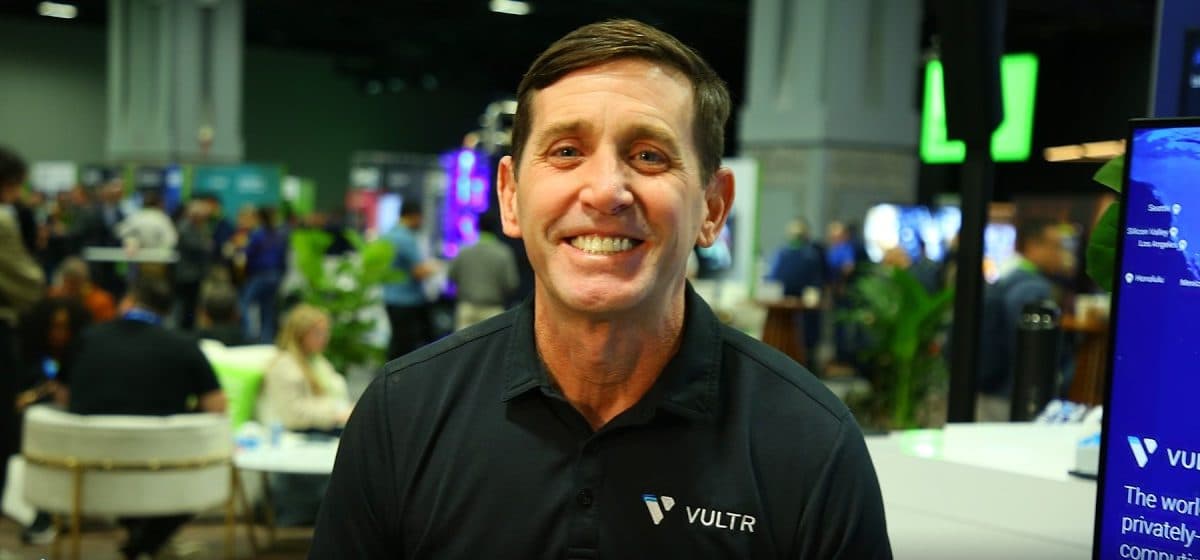
SUSE and Vultr’s Open Cloud Infrastructure Push Goes Global
SUSE and Vultr announced a global partnership to deliver an open‑cloud infrastructure tailored for AI and agentic applications. The joint solution combines SUSE’s Kubernetes and AI‑ops platform with Vultr’s compute, GPU, and bare‑metal services across 32 regions, promising 50‑90% lower...
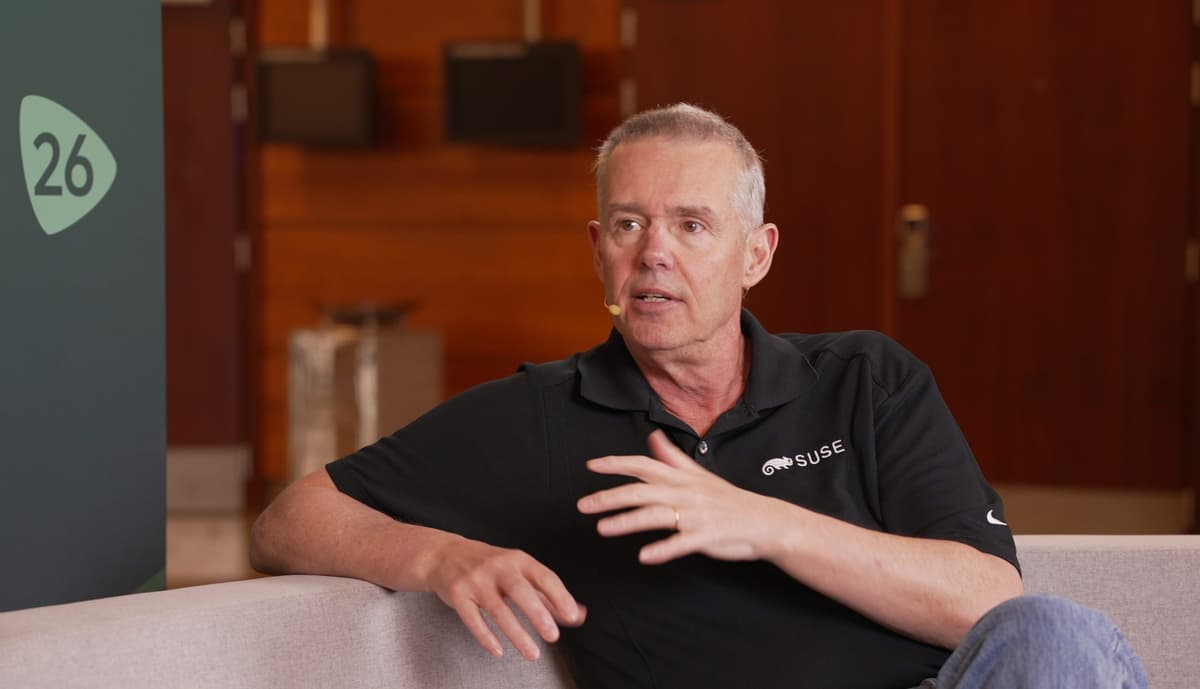
Proprietary Stacks Are Failing Enterprises when They Need Flexibility the Most
Enterprises adopting hybrid and multicloud strategies are hitting a wall as many vendors push proprietary technology stacks, limiting the flexibility needed for resilient operations. SUSE positions itself as a counterpoint, championing open‑source architectures that promise interoperability and a unified control...

Federal Courts Use GIS to Improve Security, Visitor Experience
The Administrative Office of the Courts is deploying geographic information system (GIS) technology to replace fragmented security applications with a unified platform. The new system integrates incident management, public safety, and physical security functions, allowing real‑time data sharing across federal...

Why Enterprise AI Fails Without Data Independence: The Hidden Bottleneck in Every ERP Transformation
Enterprise AI projects are stalling because critical data is trapped in aging ERP systems slated for retirement. Legacy platforms like SAP ECC, Oracle EBS, and mainframes keep business history locked, forcing companies to either maintain costly legacy environments or lose...

Why Uncertainty Changes How IT Must Reason
Murray Cantor argues that uncertainty is the defining feature of IT investment and that Bayesian reasoning provides the logical framework to manage it. He shows how modern tools make Bayesian analysis feasible on ordinary hardware, turning sparse data into actionable...

Report: Utilization of Kubernetes Infrastructure Remains Abysmal
CAST AI’s 2026 State of Kubernetes Optimization Report reveals that average CPU utilization across tens of thousands of cloud‑based Kubernetes clusters dropped to 8% in 2025, with memory at 20% and GPUs languishing at 5%. Over‑provisioning has worsened, with CPU...

Microsoft Builds for Two Worlds: Sovereign Cloud and AI Factories
Microsoft is pursuing a dual‑track infrastructure strategy in 2026, expanding sovereign‑cloud regions while simultaneously building purpose‑built AI factory campuses. Record quarterly capital spending of $37.5 billion—up 66% year‑over‑year—funds dense GPU clusters, liquid cooling and private fiber across sites in Texas, Norway,...

From the Engine Room to the Bridge: What the Modern Leadership Shift Means for Architects Like Me
The article argues that CIOs are evolving from cost‑center managers to strategic leaders who demand competitive differentiation, cultural change, and workforce transformation. This shift forces solutions architects to move beyond pure technical design and address governance, decision integrity, and organizational...

ServiceNow Completes $7.75bn Armis Deal to Boost Cyber Visibility
ServiceNow completed a $7.75 bn cash acquisition of cyber‑exposure manager Armis, extending its platform with real‑time, agent‑less visibility of both digital and physical assets. The deal follows ServiceNow’s March 2026 purchase of Veza, adding AI‑native identity intelligence to its security suite....

The Cookbook for Safe, Powerful Agents
Enterprises are moving AI agents from proof‑of‑concepts to production, exposing a critical gap between capability and control. Runloop CEO Jonathan Wall emphasizes that agents must start with minimal privileges and gain access only through layered safeguards. The article outlines a...

Enterprises Are Rethinking Kubernetes
Enterprises are reassessing Kubernetes as the default platform for modern applications. While Kubernetes delivers powerful orchestration, its operational complexity, skill demands, and limited portability have become cost burdens for many organizations. Companies are shifting toward managed container services, serverless offerings,...

Fujitsu GLOVIA One Targets AI Era of Japanese ERP
Fujitsu has relaunched its GLOVIA ERP line as GLOVIA One, a cloud‑based suite tailored for mid‑size Japanese firms. The platform embeds AI agents that provide decision‑support insights while staying aligned with Japan’s complex legal and tax environment. Built on the...
Digital Transformation Governance Framework Example: How to Structure and Prioritize Decisions
Digital transformation initiatives often falter because decision‑making lacks discipline, leading to fragmented projects and misallocated spend. The article presents a governance framework that unites strategy definition, evidence‑based validation, and criteria‑driven prioritization into a single decision system. By applying transparent scoring...

Open Source Transparency Defines the Future of Sovereign AI in Europe
European enterprises are moving AI from experimental projects to core operations, prompting a demand for greater control, transparency, and resilience. Red Hat’s survey of 500 IT leaders across five EU countries shows 63% have exit strategies for AI providers, yet 40%...

Hybrid Multi-Cloud Is Becoming the Default Architecture for AI and HPC
Hybrid multi‑cloud is emerging as the default architecture for AI and high‑performance computing as workloads outgrow the capabilities of any single environment. Training, inference, and simulation each have distinct cost, performance, and data‑locality requirements, making pure cloud or on‑prem solutions...
Keeper Security Adds Enterprise-Grade Approval Governance and Real-Time Visibility to Endpoint Privilege Management
Keeper Security has upgraded its Endpoint Privilege Manager with enterprise‑grade governance tools. The update adds a centralized, role‑based approval framework, configurable approval windows, and real‑time visibility with expanded audit logging. Automated monitoring now enforces policies across Windows, macOS and Linux...
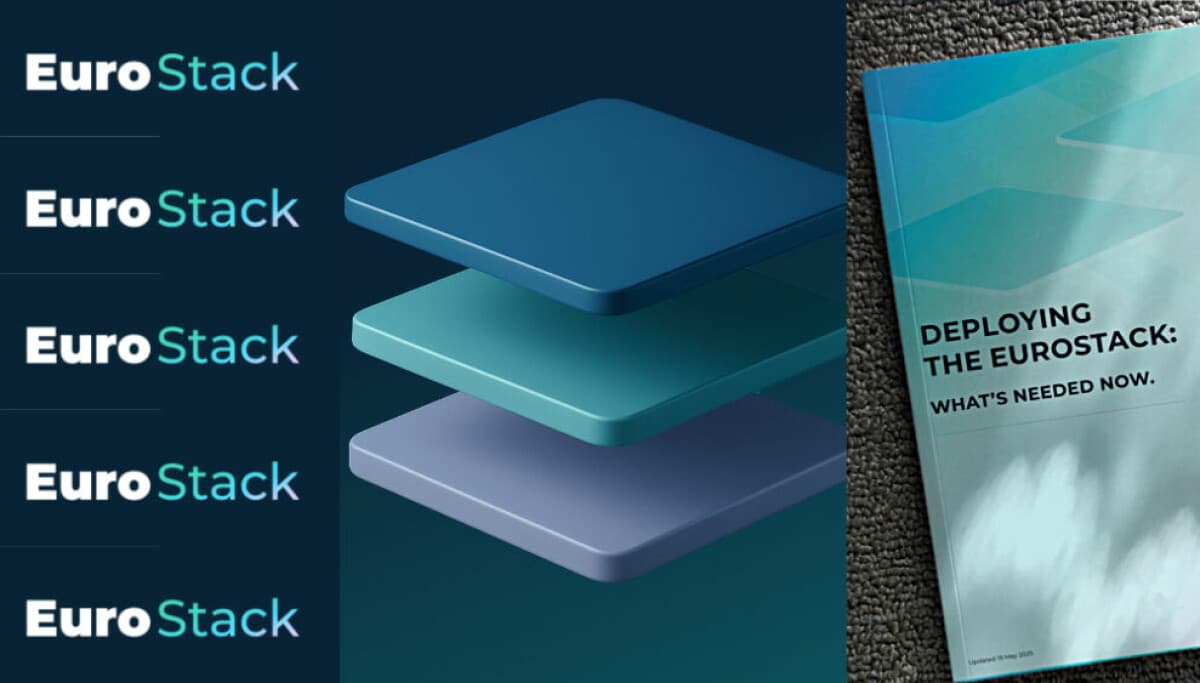
EuroStack and the Kill Switch
Four European vendors—Cubbit, SUSE, Elemento Cloud and StorPool—have announced the EU’s first EuroStack‑style sovereign disaster‑recovery pack, aiming to protect businesses from a potential U.S. kill‑switch that could block access to critical digital services. The initiative is part of a broader...

Court Ruling in Amazon-Perplexity Case Raises New Questions for Agentic AI in Enterprise Systems
A U.S. federal court in Northern California issued a preliminary injunction in Amazon.com Services LLC v. Perplexity AI, holding that AI agents accessing password‑protected platforms without explicit platform permission may violate the Computer Fraud and Abuse Act and California’s data‑access...

The Backup Myth that Is Putting Businesses at Risk
Businesses often equate backup with protection, but backup only restores data after an outage, leaving operations stalled. Research shows downtime costs average $9,000 per minute, or $540,000 per hour, making rapid recovery essential. While 60% of firms believe they can...
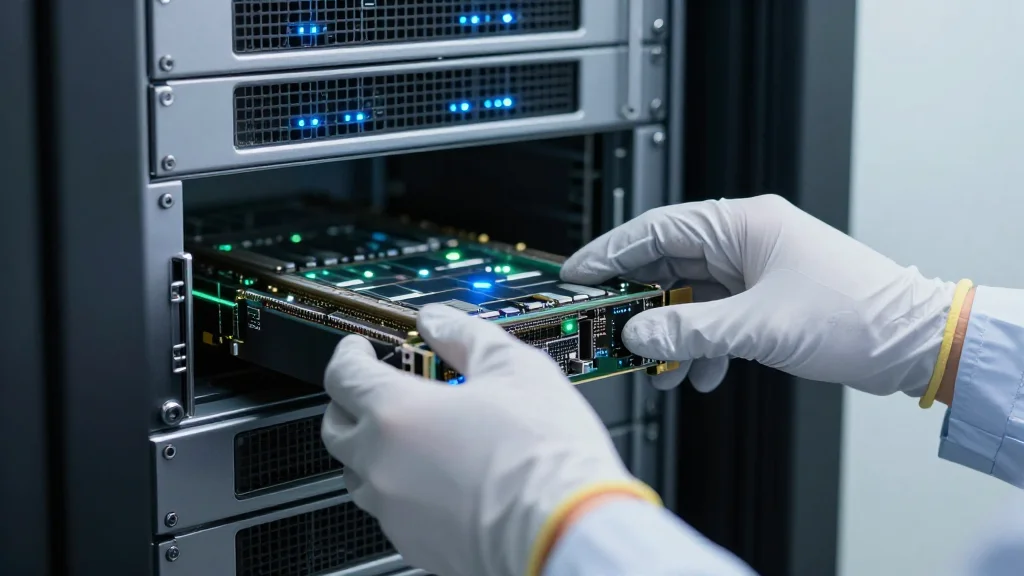
The VMware Deadline that Could Reshape Your IT Strategy
Broadcom’s acquisition of VMware culminates in a mandatory upgrade: all VMware customers must transition to VMware Cloud Foundation (VCF) 9 by October 2027. The compressed timeline forces organizations to evaluate hardware, licensing and operational changes while juggling hybrid‑cloud, container and...

South Africa ‘Isn’t Ready’ for AI-Accelerated Cyberattacks
Anthropic unveiled Claude Mythos Preview, an AI model that can pinpoint software vulnerabilities within minutes, raising unprecedented cybersecurity concerns. A mis‑configuration leak revealed the model’s existence, underscoring the speed gap: 77% of organizations globally need over a week to patch,...

7 Reasons You Keep Getting Passed over for CIO
The article identifies seven recurring gaps that keep IT leaders from landing CIO roles, from remaining order‑takers to lacking storytelling skills. It highlights the shift in the CIO’s mandate: 65% now report directly to the CEO, up from 41% a...

How Proactive DEX Strengthens IT Compliance in Financial Services
Financial services firms are grappling with tighter regulations and increasingly complex, distributed IT environments, making traditional reactive compliance models inadequate. Proactive Digital Experience (DEX) management, exemplified by TeamViewer DEX, continuously monitors device health, performance, and user‑experience signals to anticipate issues...
Making AI Actually Work in the Enterprise and More RSAC Conference 2026 Interviews - Aamir Lakhani, Camellia Chan, Ely Abramovitch,...
The episode explores why many enterprise AI initiatives stumble, emphasizing the need for security‑by‑design and clear governance. Fortinet’s 2026 Global Threat Landscape Report highlights a sharp rise in AI‑enabled cybercrime, prompting vendors like X‑PHY to deliver hardware‑enforced safeguards for AI...
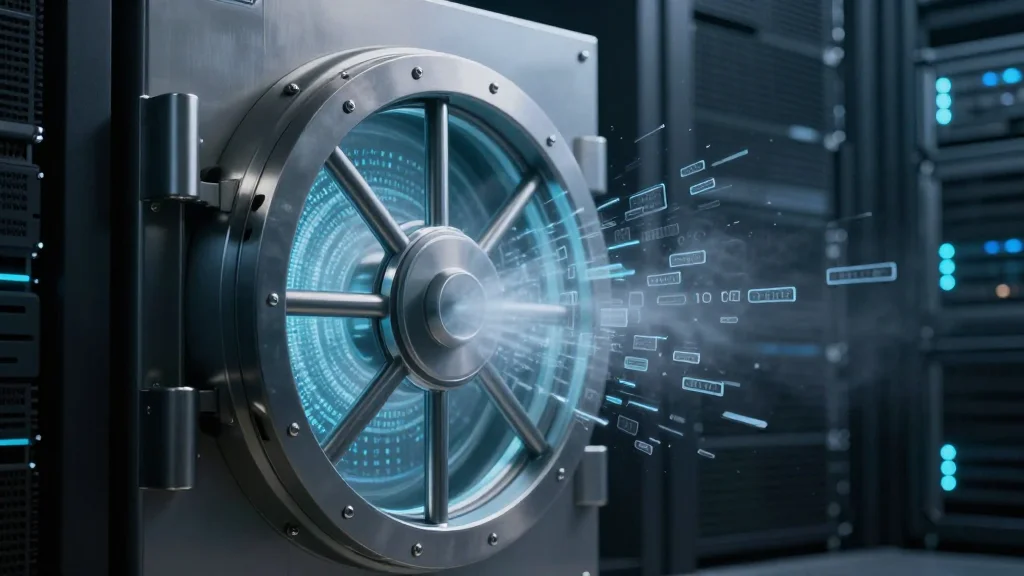
Shadow Data Is a Hidden Risk that AI Can Reveal
Shadow data—forgotten copies of sensitive information scattered across endpoints, cloud storage, SaaS tools and generative‑AI prompts—remains invisible to most security teams. Research from Palo Alto Networks shows over 80% of sensitive data lives outside traditional controls, a problem amplified by...
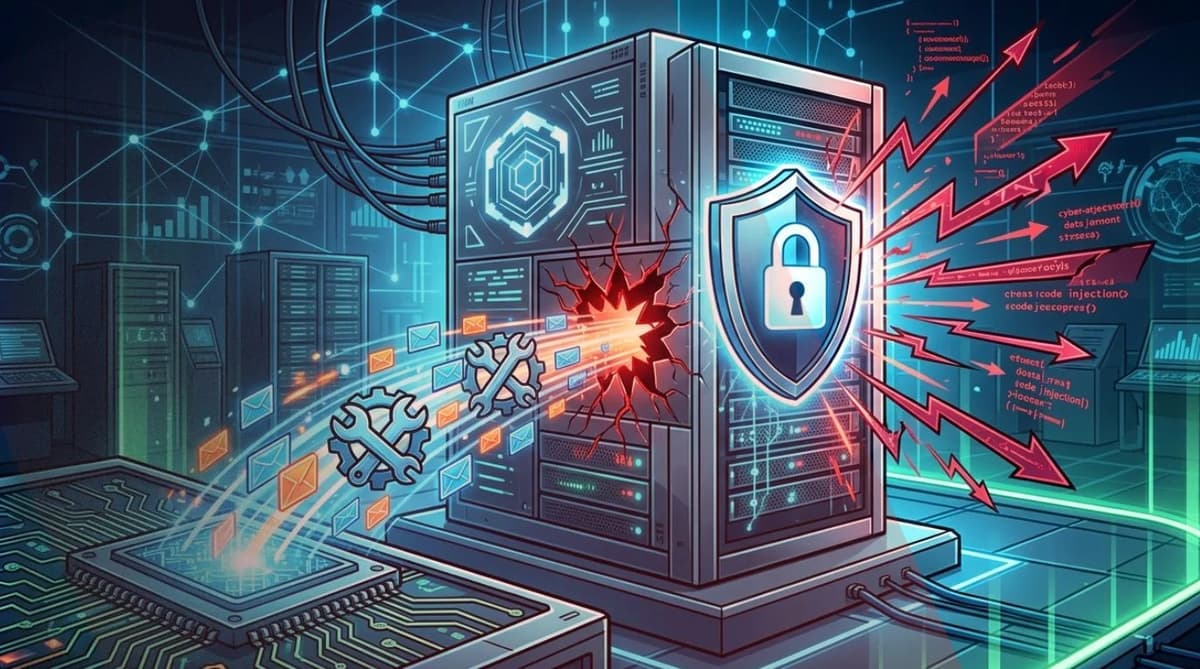
Cisco Patches Critical ISE Vulnerabilities Allowing Remote Code Execution Attacks
Cisco released emergency patches for its Identity Services Engine (ISE) and Webex Services after uncovering multiple critical vulnerabilities. Three ISE flaws (CVE‑2026‑20147, CVE‑2026‑20180, CVE‑2026‑20186) score 9.9 CVSS and enable remote code execution, privilege escalation, and potential denial‑of‑service. A separate Webex...