
Daily Energy Report
U.S. crude output rebounded in February, climbing 389,000 barrels per day to an average of 13.626 million bpd, according to the EIA. Gains were driven by Texas (+246,000 bpd) and New Mexico (+190,000 bpd), while the Gulf of Mexico and North Dakota saw modest declines. Year‑over‑year production rose 386,000 bpd, with most of the increase coming from the Permian Basin and Gulf of Mexico. The data suggest the freeze‑related shut‑ins were temporary and shale output is regaining momentum.

The Perth Critical Minerals Report (04.30.2026): Dysprosium’s Price Drop Is a Mirage — Control of Supply Is Tightening
The Perth Critical Minerals Report shows dysprosium oxide has slipped 28.6% over the past year to $172 /kg, yet a 2.7% weekly rise to $179 /kg indicates the drop is more a correction than a collapse. China still dominates 85‑90% of global...

Energy Impacts Podcast: Dan Doyle Talks About His Book, and His Journey in the U.S. Oil Industry
The Energy Impacts Podcast hosted by David Blackmon features Dan Doyle, President of Reliance Well Services and author of "Of Roughnecks and Riches," who recounts his decades‑long journey from a family drilling venture to founding a fracking company. The conversation...

Mid-Week Signals Check: Gold Backs Off the Risk-Off Flip
Gold prices retreated on Tuesday, pulling back from Monday's risk‑off rally and slipping below the $2,100 per ounce mark. The lumber market mirrored the move, with prices dropping about 3% as housing‑related demand softened. Meanwhile, U.S. Treasury yields rose modestly,...

China’s Rare Earth Squeeze: Trump Wins, EU Loses
Chinese rare‑earth exports plunged nearly half in Q1, dropping to 8,643 tonnes—the lowest level since mid‑2025. The United States saw its imports jump 81% to 2,767 tonnes, a gain attributed to the Trump‑Xi agreement, while the European Union’s imports held...

Iran War Impacts Boost US Agribusiness 2026 Outlooks
The Iran war has driven crude oil prices to multi‑year highs, lifting soybean oil to its strongest level in over three years and boosting biofuel demand. Bunge Global raised its 2026 adjusted EPS outlook to $9.00‑$9.50, citing record oilseed crush...

Air France-KLM Braces for $9.3B Fuel Surge
Air France‑KLM forecasts a $9.3 billion fuel bill for 2026, $2.4 billion higher than a year ago and above the $2.0 billion ceiling set by CEO Ben Smith after the Middle‑East conflict. To offset the surge, the group will modestly trim long‑haul capacity...

Consus Ag Consulting AM Market Brief
Futures traded mixed overnight as month‑end and first notice day pressures shaped market direction. Consolidation followed recent moves, while weather concerns began to dominate conversation. Drought in Brazil’s safrinha corn region and drying trends in Argentina are drawing attention, whereas...

Gold Daily Call for April 30th, 2026
Gold slipped toward $4,510 on Tuesday ahead of the Federal Open Market Committee meeting but quickly found footing at the $4,550 support zone and surged back above $4,600. The metal remains trapped in a downtrend channel, and analysts say a...
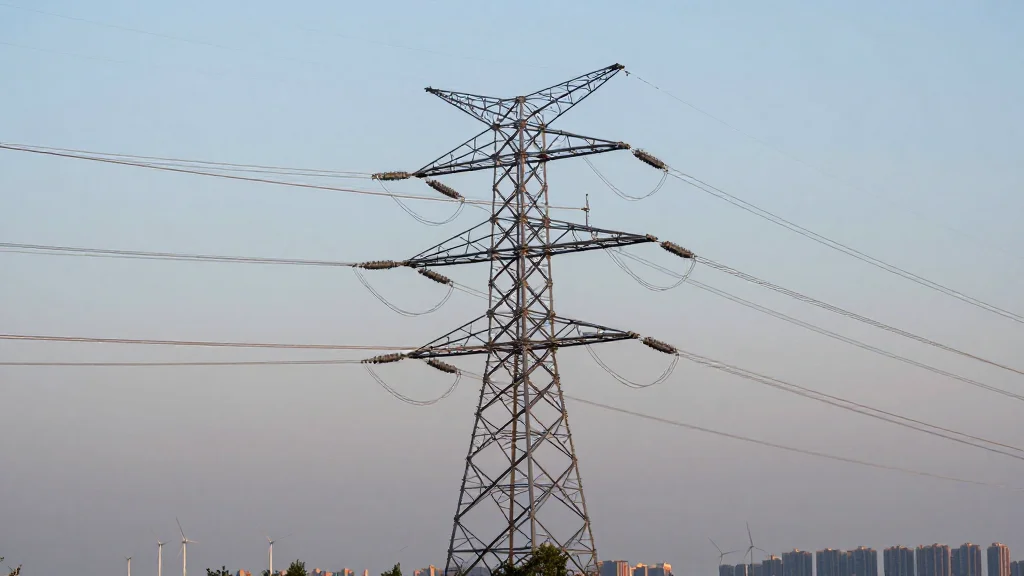
Renewable Transmission Costs to Drive up Power Bills
Australian electricity users saw a temporary reprieve when the Default Market Offer (DMO) fell 1%‑10% on 1 July, driven by lower wholesale generation costs during a mild summer. However, the Australian Energy Regulator (AER) has approved a 10% hike in network...

Distillate Inventories to Plunge to Historic Lows and Diesel Prices Head for Records
U.S. distillate inventories are projected to fall to historic lows by the end of May, driven by robust demand for diesel in freight and construction sectors and constrained refinery output. The sharp drawdown is pushing diesel futures toward record‑high levels,...

Gold, Silver & the Fed
Gold and silver are approaching key resistance levels of $4,430 for gold and $69.70 for silver, according to analyst Ashraf Laidi. The rise in G7 sovereign‑bond yields is pulling the metals lower while bolstering the U.S. dollar. Laidi expects equities...

Oil to $108, Yields Higher, Stocks Slightly Lower After Hours on Mag7 Earnings
Oil prices rose toward $108 a barrel as geopolitical tensions in the Strait of Hormuz and broader Iran‑related risks lingered, pushing the commodity near the upper end of its conflict‑driven range. The spike lifted the benchmark 10‑year Treasury yield to...
Daily Energy Report
OPEC released its 61st Annual Statistical Bulletin, detailing 2025 oil market fundamentals. Global oil demand rose to 105.15 million barrels per day, a 1.30 mb/d increase, while crude production climbed to 74.85 mb/d, up 2.24 mb/d. Refining capacity inched higher to 103.66 mb/d and exports...

The Last Month’s June Brent and Kalshi Hormuz Re-Opening Odds
Brent crude rose to $118.48 per barrel on April 29, 2026, up from roughly $111 in early April. Kalshi’s prediction market shows the probability that traffic through the Strait of Hormuz will normalize at 46% for July 1, the lowest level since early...
Consus Ag Consulting Afternoon Wrap Up
Futures markets opened higher on Wednesday as traders priced in a fresh risk premium driven by worsening weather patterns and lingering geopolitical tensions. Iran’s latest offer to reopen the Straits of Hormuz was met with skepticism, as Washington insists on...

Gold & Silver Selloff Continues, With No End To War In Sight...
Gold and silver prices fell further on Wednesday as the unresolved closure of the Strait of Hormuz kept oil markets tense. The decline pushed gold below $2,000 per ounce and silver under $25, reflecting a risk‑off shift among investors. Geopolitical...

Global Oil Data Deck (April 2026)
The April 2026 Global Oil Data Deck shows the liquids market tightening to its least oversupplied level since June 2025. Ongoing hostilities in the Iran War have eliminated roughly 1 billion barrels of expected Middle Eastern production, while global oil inventories sit near...

HCC Q1 2026 Earnings Preview
Warrior Met Coal (HCC) will release its Q1 2026 earnings on Thursday, a report analysts view as a bellwether for the metallurgical coal sector. The company recorded a spot price for metallurgical coal (PLV) of $234.59 per ton, a 27% sequential...
WEEKLY WEBCAST: The Oil Shock & Inflation
The webcast examines why Brent crude hasn’t surged despite the Strait of Hormuz closure, noting limited response from U.S. producers. It links the energy supply crunch to broader inflation, especially through fertilizer shortages that could lift food prices. Analysts argue...

Crop Price Index Hits Highest Since November 2023
The Bloomberg Agriculture Spot Index climbed for a third consecutive month, reaching its highest level since November 2023 as the Iran‑related war in the Strait of Hormuz and severe weather disruptions tighten global crop markets. Wheat futures on the Chicago Board...
Consus Ag Consulting AM Market Brief
Corn, soybeans and wheat prices rose overnight as managed‑money buying accelerated, driven by a combined weather and war premium. Drought concerns in Brazil’s safrinha soybean crop and broader El Niño forecasts are adding stress to global supply expectations. Meanwhile, reduced Persian...
Natural Gas Prices Weekly Update – JKM, TTF and Henry Hub (27 April 2026)
Last week natural gas prices diverged across regions: Asian spot LNG (JKM) climbed to the low‑$17 per MMBtu range, while European TTF rose to $15.4 per MMBtu, and U.S. Henry Hub slipped to $2.6 per MMBtu. The JKM rally was...
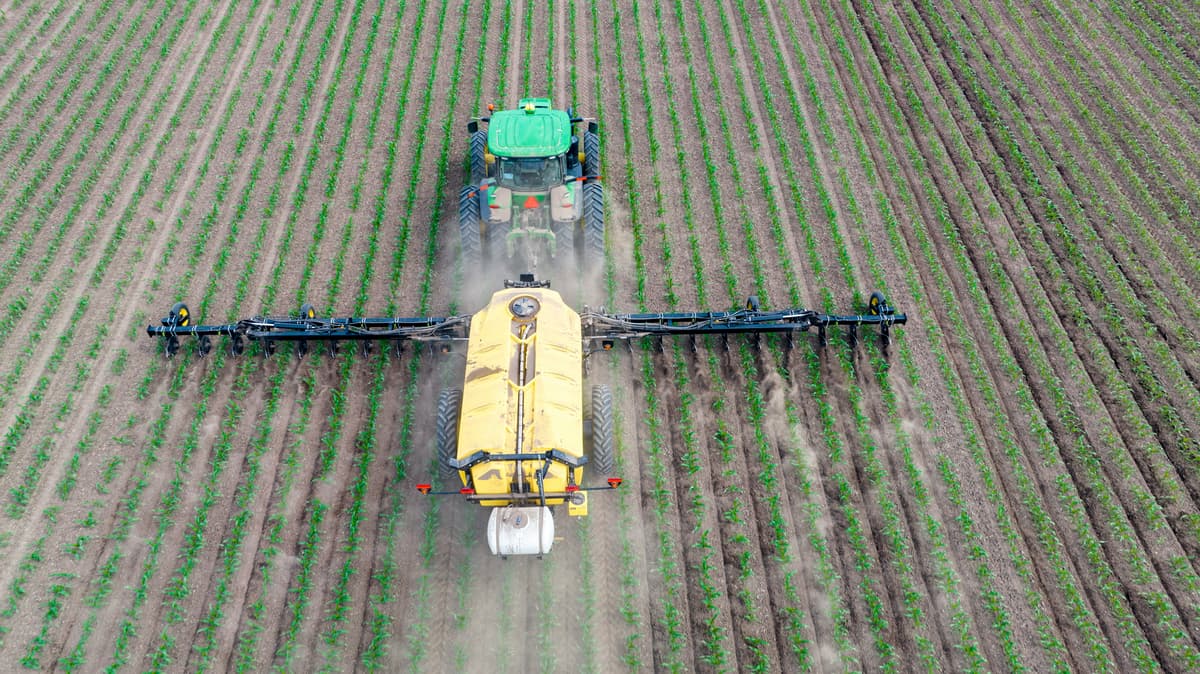
Trader PhD Survey Highlights Fertilizer Price Impact on 2026 Crop Year
A Trader PhD survey of more than 800 U.S. producers shows 76.5% have pre‑booked fertilizer for the 2026 growing season, with the Midwest leading at 83% and the South lagging at 68%. Despite higher input costs driven by the Middle‑East conflict,...

Interview with AGAGA
Alasdair Macleod argues that China’s massive household savings—estimated at $30 trillion—combined with new gold‑accumulation accounts could enable the country to purchase the world’s entire annual gold output. He contrasts the All‑In Sustaining Cost of top gold miners, which yields roughly $54,000...

Oil Market Update: Oil Prices Holding Near Recent Highs
Crude oil is hovering above $110 as the Strait of Hormuz remains a bottleneck, shifting market focus from headline risk to physical flow constraints. Washington has signaled a willingness to extend a blockade, while Tehran prioritises reopening the strait, leaving...

Gulf Sealed Tight
The United Arab Emirates announced its exit from OPEC, citing the need to boost output to fund post‑crisis reconstruction. With the UAE’s departure, Saudi Arabia becomes the sole OPEC member prepared to implement substantial production cuts under normal market conditions....

Private Survey Inventory Shows a Huge Headline Crude Oil Draw Vs. Build Expected
A privately‑conducted API survey indicated a modest 0.3 million‑barrel increase in headline crude inventories, while expectations were for a sizable draw. The upcoming official EIA report, due Wednesday, is anticipated to show a large crude decline, creating a stark contrast between...
Daily Energy Report
The United Arab Emirates announced it will leave OPEC effective May 1, cutting the cartel’s membership to 12. The move is linked to the ongoing Iran‑Israel conflict, which is reshaping regional oil dynamics. UAE crude output, which rose in 2025, has...
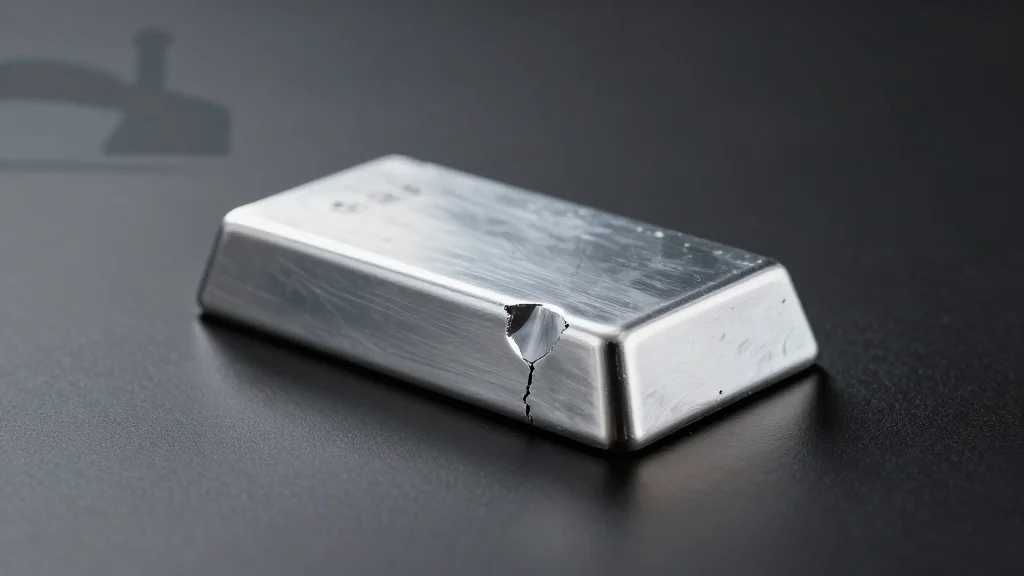
Aluminum in Crisis: War, Tariffs and a Market Running on Empty
The ongoing Iran‑UAE conflict has sparked a severe aluminum shortage after a missile hit Emirates Global Aluminium’s Al Taweelah smelter, halting production. Recovery is projected to take up to twelve months even if hostilities cease tomorrow. Simultaneously, heightened U.S. tariffs on...
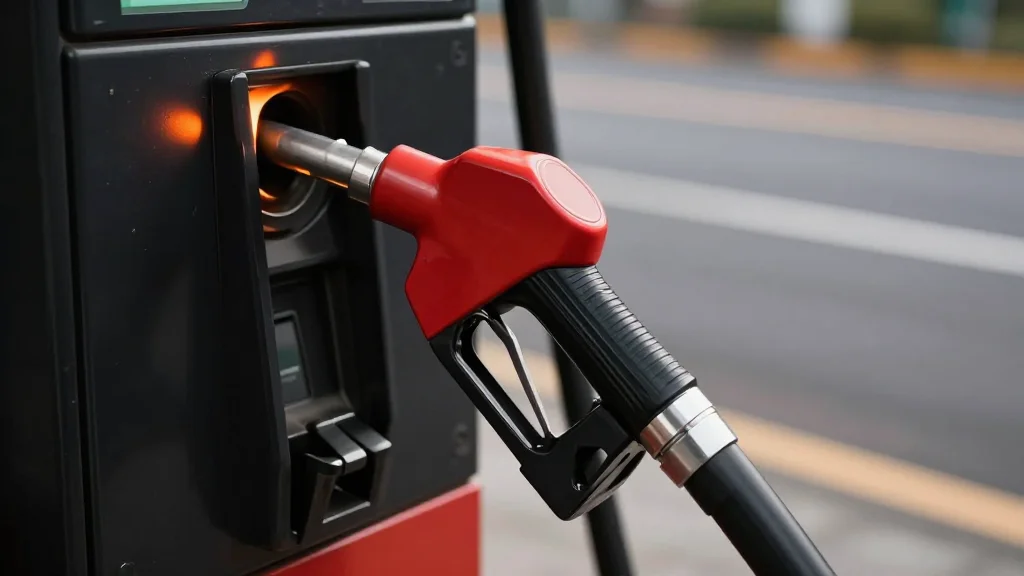
Brent Front Month Above $111
Brent crude’s front‑month contract on the NYMEX rose above $111 per barrel on April 28, 2026, marking a new near‑term price peak. Simultaneously, GasBuddy reported that U.S. average gasoline prices have hit an all‑time high, after a steep climb since...

Supply Rebound Pushes Prices Down as Uncertainty Clouds Outlook
European olive oil production rebounded sharply in 2024/25, rising 37% to about 2.1 million tonnes, driven primarily by a 66% surge in Spain and strong gains in Greece. The surge pushed extra‑virgin prices down from a peak of €8.3 ($9.1) per...

MB521: Gold Hit Record Highs… Then Dropped: What’s Driving Prices in 2026 (And What to Do Next) – With Dana...
Gold surged to all‑time highs in early 2026 before retreating sharply, leaving investors questioning the underlying forces. Central banks increased purchases as a hedge against currency risk, while geopolitical tensions and inflation fears amplified demand. The rapid rally prompted profit‑taking...

GOLD VS. THE DEBT MOUNTAIN: The Historic Low Ratio, the Coming Treasury Tsunami & Why Even a 1% Rotation Into...
The ratio of U.S. gold reserves to total public debt has fallen to a multi‑generational low, even as gold trades near $4,700 an ounce. The Treasury faces a $9 trillion maturing‑debt wall and must issue trillions of new bonds through 2026...
Consus Ag Consulting AM Market Brief
Grains posted gains overnight, led by wheat, as deteriorating US crop conditions and global weather stress bolstered prices. Drought in the southern United States also began to lift corn. The soy complex was mixed, with nearby contracts selling while deferred...

Petroleum Products vs Crude Price Spreads Highlight Crude Oil Futures Pricing Disconnect
The 3‑2‑1 crack spread—a proxy for refinery margins—has surged to roughly $57 per barrel, up from an average of $25 before the February 28 2026 Iranian attack. The jump reflects a widening gap between CME COMEX crude oil futures and petroleum product...
Gold and Silver Fall on Monday, As Market Starts Reading Through Bait & Switch War Headlines
Gold and silver prices slipped on Monday as traders digested the likelihood that the Strait of Hormuz will remain closed, a development that has been pushing oil higher and precious metals lower for two months. The decline follows reports that...

What Will Surging Copper Demand Mean for UK Construction?
Copper demand is set to surge as the global energy transition fuels growth in data centres, electric vehicles and renewable power, pushing demand up 81% between 2025 and 2040. Construction will remain a major consumer, accounting for roughly 23% of...

The Renewable Shield: Energy Lessons From the Iran War
A Reuters analysis shows that European nations with robust renewable and nuclear portfolios insulated themselves from the sharp rise in wholesale electricity prices triggered by the Iran war’s disruption of natural‑gas markets, while gas‑reliant economies such as Germany and Italy...
Consus Ag Consulting Afternoon Wrap Up
Corn, soybeans and wheat futures posted moderate gains on Monday, driven by elevated managed‑money buying and a backdrop of weather‑related risk premiums. A strengthening El Nino pattern is disrupting production in Australia and Asia, while Brazil’s second‑crop (safrinha) shows signs of...
Daily Energy Report
U.S. diesel exports surged to a record high in April 2026, driven by a global shortage sparked by the Hormuz crisis. Monthly export volumes have risen sharply since 2017, with a 35% year‑over‑year increase since the crisis began. The spike...

Why This Gas Crisis Isn’t Hitting Like 1979
U.S. gasoline consumption has remained steady despite a 11 million‑barrel‑per‑day supply shortfall caused by geopolitical tensions. Prices sit around $4.11 per gallon, yet the impact on households is muted because fuel‑efficiency gains and inflation have reduced gasoline’s share of spending. Decades...

Why Energy Independence Means Higher Gas Prices
The United States now outsources more crude than any other nation, yet drivers still face high pump prices. The disconnect stems from the fact that most U.S. production is light, sweet crude, while the Gulf Coast’s legacy refineries were engineered...

How the 160–220% Anode Tariff Died in 8 Months
In February 2026 the U.S. Department of Commerce recommended antidumping and countervailing duties that would have pushed effective tariffs on Chinese active anode material to 160‑220%, but the U.S. International Trade Commission voted 2‑1 on March 12 to reject those...

Oil Rises Amid Fears of a Prolonged Stalemate in Strait of Hormuz
Oil prices climbed on Monday as U.S.-Iran negotiations stalled, with Brent crude trading above $107 a barrel and WTI at $95.76. Iran’s foreign minister offered to reopen the Strait of Hormuz in exchange for the U.S. lifting its naval blockade...

Hormuz Re-Opening Odds and Brent June Futures
The Kalshi prediction market indicates a roughly 45% probability that the Strait of Hormuz will be reopened by July 1, while Brent June futures have risen about 2% as the perceived supply risk diminishes. The chart, dated April 27, shows the probability...
5 Big Energy Stories - 4.27.2026: Nowhere to Go But Up
Brent crude climbed to $107.89 per barrel, up 2.4%, after a second round of U.S.-Iran peace talks collapsed. The Iranian Revolutionary Guard seized two cargo vessels near the Strait of Hormuz, keeping the strategic chokepoint volatile. West Texas Intermediate rose...

Trump's War in Iran Drives Connecticut Gas Prices Up 39% With No Relief in Sight
Trump's military action against Iran has pushed national gasoline prices above $4 per gallon, adding roughly $456 annually to the average driver’s expenses. In Connecticut, pump prices jumped from $2.91 to $4.05, a 38.9% increase, prompting ferry operators to impose...

Oil Prices Continue to Rise Amid the US-Iran Stalemate; Iran Awaits US Blockade Removal
Oil prices kept climbing as the US‑Iran deadlock deepened, with crude trading above the $93 per barrel resistance. Iran signaled it would reopen the Strait of Hormuz once the US lifts its maritime blockade, while President Trump insists on a...

Gold Continues to Consolidate Amid the US-Iran Stalemate and the More Hawkish Fed
Gold has been stuck in a month‑long consolidation despite lower real yields, looser financial conditions and a weaker dollar, as the Federal Reserve’s hawkish stance caps bullish momentum. Even a resolution to the U.S.–Iran conflict and the reopening of the...