
How Critical Are Critical Minerals in the Brazil-US Economic Relationship?
Policymakers and experts convened to examine how critical minerals shape the Brazil‑US economic partnership. Brazil’s abundant rare‑earth and battery‑grade mineral reserves are increasingly vital to the United States’ energy‑transition agenda. The discussion highlighted supply‑chain vulnerabilities, especially reliance on China, and explored policy levers to deepen commercial cooperation while upholding environmental and social standards. Speakers emphasized that coordinated action could secure resilient access to essential minerals for advanced manufacturing and clean‑energy technologies.
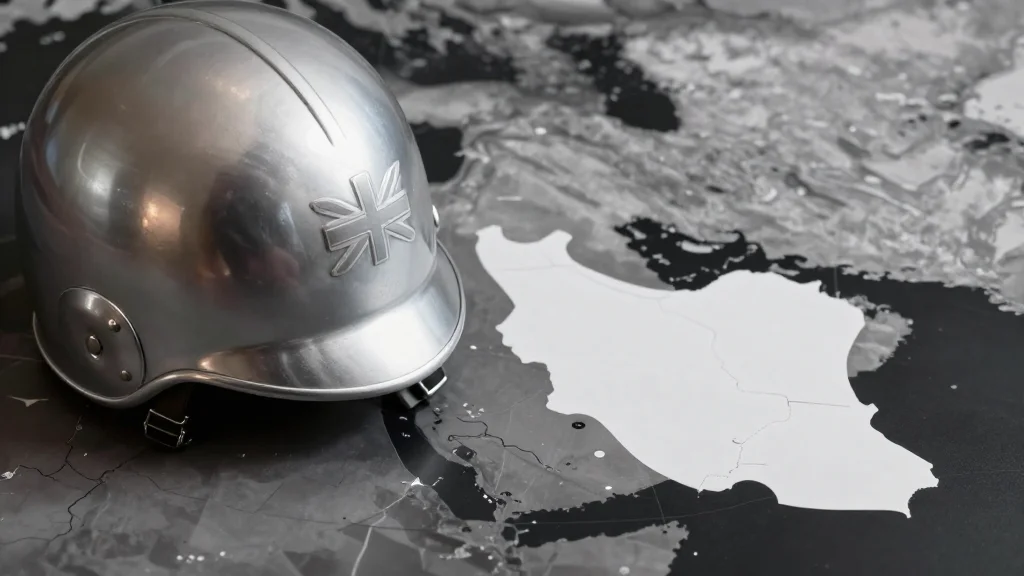
Nigel Farage U-Turns on His Iran War Position
Nigel Farage, the former UKIP leader and Brexit Party founder, has reversed his earlier stance opposing a military strike on Iran, now indicating he would back a UK‑led intervention. The shift follows heightened tensions after Iran’s recent missile tests and...
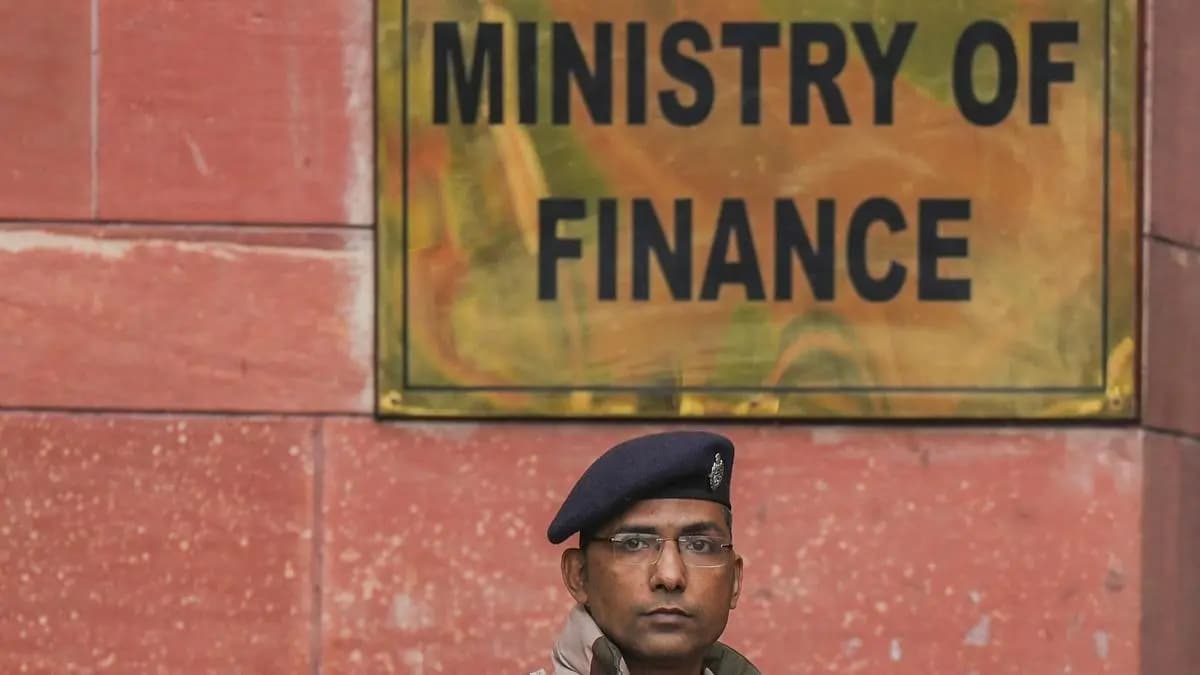
Finmin Seeks Parliamentary Approval for ₹1 Lakh Cr ‘Economic Stabilisation Fund’ to Face War-Induced Volatility
India’s Finance Ministry has asked Parliament to approve a ₹1 lakh crore Economic Stabilisation Fund aimed at cushioning the economy from market turbulence caused by the war in West Asia. The fund is part of the second batch of Supplementary Demands for...

Market Flash – January 2026
Global equity markets began 2026 on a firm footing despite heightened geopolitical tension, with emerging‑market equities delivering an 8.85% return in U.S. dollar terms. In contrast, U.S. growth stocks slipped 1.51% while small‑cap and value segments posted solid gains. Bond...
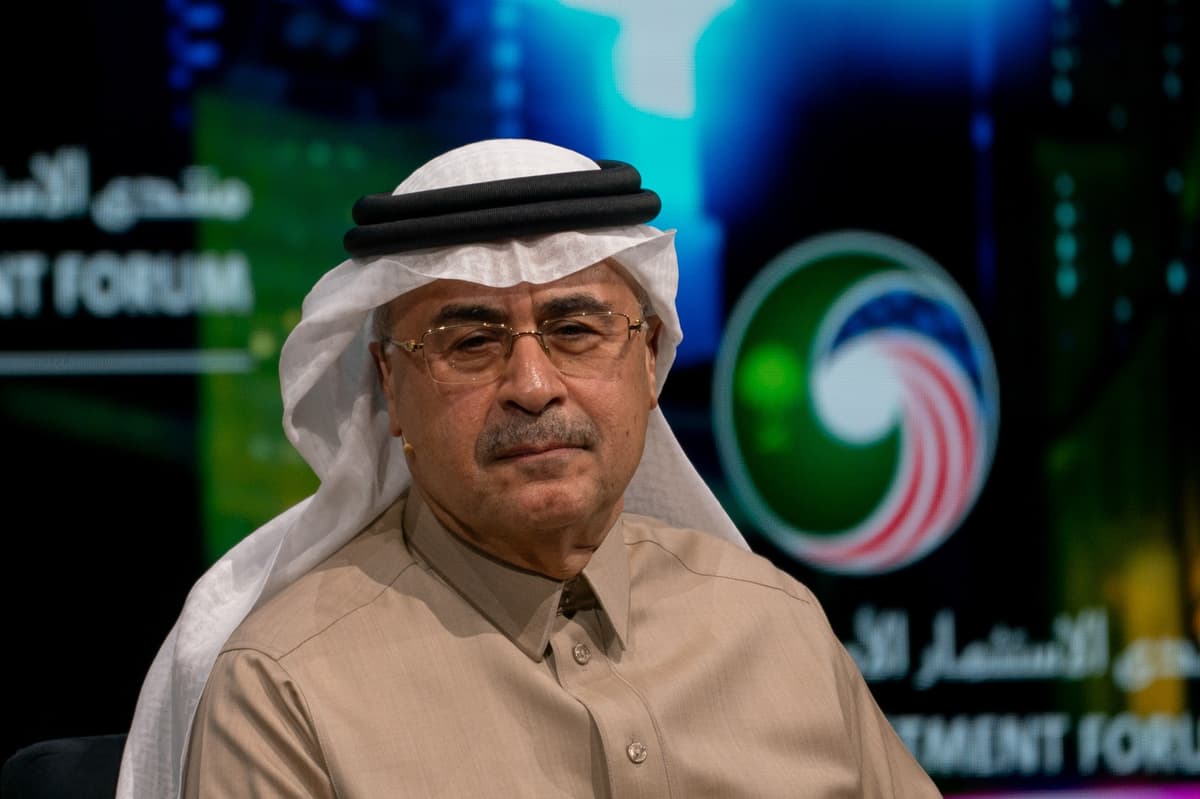
Saudi Aramco CEO Issues Stark Warning: Iran War Could Bring ‘Catastrophic’ Shock to Global Oil
Saudi Aramco CEO Amin Nasser warned that the Iran‑Israel‑U.S. war could trigger a catastrophic shock to global oil markets if the Strait of Hormuz remains closed. The conflict has already halted up to 20% of world petroleum trade, pushed Brent...

South-South Trade with China Is the Future of Global Trade
China is rapidly expanding its south‑south trade, with the Belt and Road Initiative now responsible for roughly 52% of its foreign trade. Between 2007 and 2023, south‑south commerce grew from $2.3 trillion to $5.6 trillion, accounting for over a third of global...

Hormuz Closure Would Cost Gulf States Average 3.8% of GDP, Marex Warns as Bahrain Most Exposed
Marex warns that a three‑month shutdown of the Strait of Hormuz would erode the average current‑account balance of Gulf states by 3.8% of GDP. Bahrain, lacking alternative export routes, would see its surplus flip to a 3.2% deficit, while Saudi...
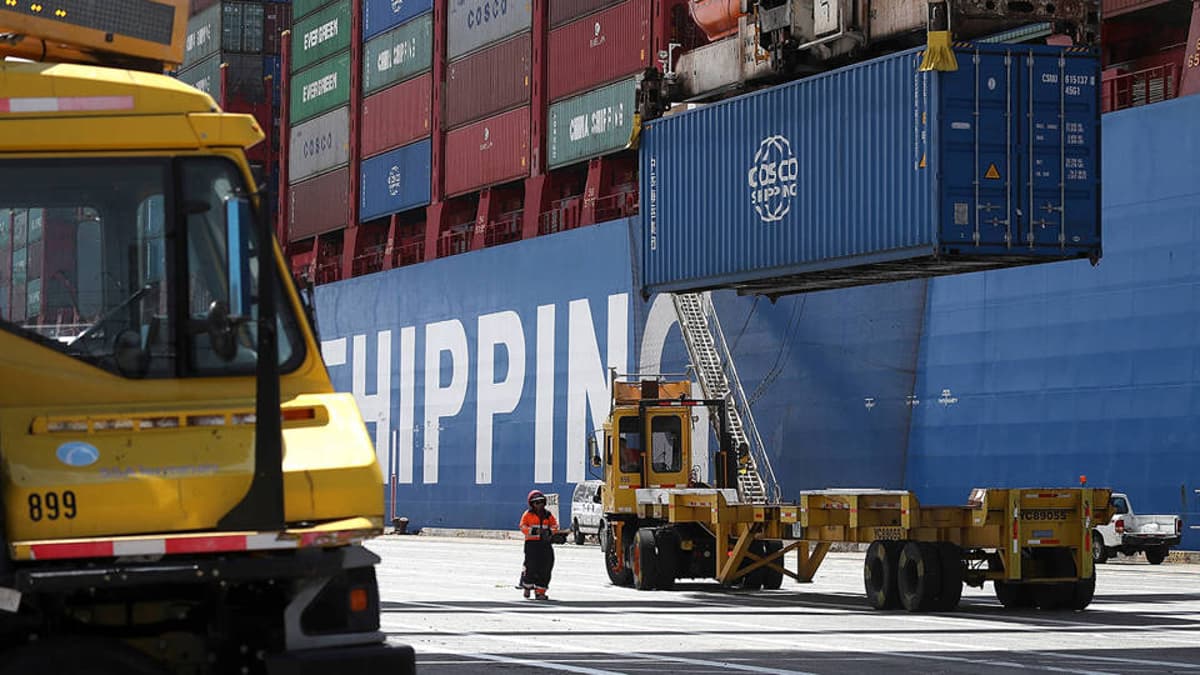
Albert Hirschman Strikes Back
Albert O. Hirschman's 1945 work *National Power and the Structure of Foreign Trade* was largely ignored when published, but its analysis of how states engineer trade for strategic advantage is resurfacing amid today’s intensifying geoeconomic conflict. The book argued that...

Fiscal Deficit as Percentage of GDP Revised Upwards for FY'23 to FY'25 After GDP Base Revision
India’s fiscal‑deficit ratios have been revised upward for FY 2022‑23 to FY 2024‑25 after the government adopted a 2022‑23 GDP base year. The new series shows deficits of 6.7 % in 2022‑23, 5.7 % in 2023‑24 and 4.9 % in 2024‑25, compared with earlier estimates...

Saudi Arabia Turns to Fahad Al-Saif As Vision 2030 Faces Reality Check
Saudi Arabia has replaced veteran investment minister Khalid Al‑Falih with former HSBC banker Fahad Al‑Saif amid mounting pressure to boost foreign capital. Foreign direct investment last year accounted for just 2.1% of GDP, far short of Vision 2030 targets, while government...
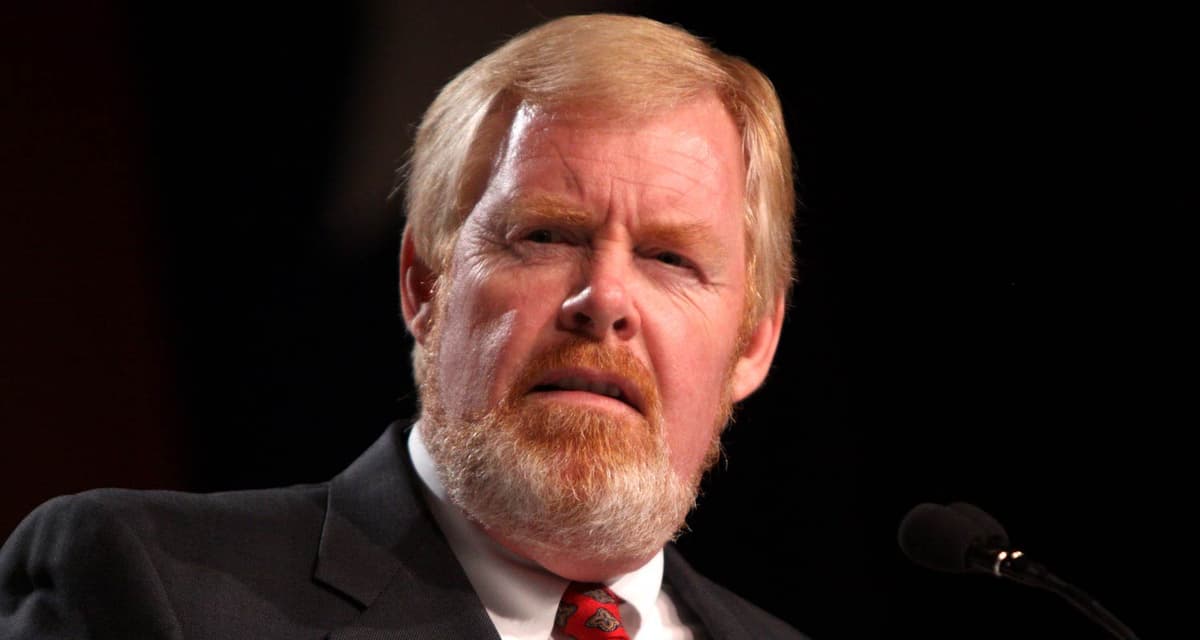
Ambassador Bozell Flags Scale of US Tech Investment in South Africa
U.S. Ambassador Leo Brent Bozell III highlighted that more than 500 American companies operate in South Africa, collectively employing around 250,000 people. He emphasized the strong presence of tech giants such as Microsoft, Amazon Web Services, Google and Visa, which...

India's 20 Years of GDP Misestimation: New Evidence
A new working paper reveals that India’s GDP figures have been systematically misestimated over the past two decades. Growth from 2005 to 2011 was likely understated by roughly 1–1.5 percentage points, while the 2012‑2023 period appears overstated by about 1.5‑2...

AI, India, and the Future of Service-Led Growth
Raghuram Rajan argues that India’s service‑led growth model—built on software, consulting and urban services—remains resilient despite AI’s rise. He explains how services have become embedded in tradable goods, turning back‑office functions into Global Capability Centres that command a strong cost...
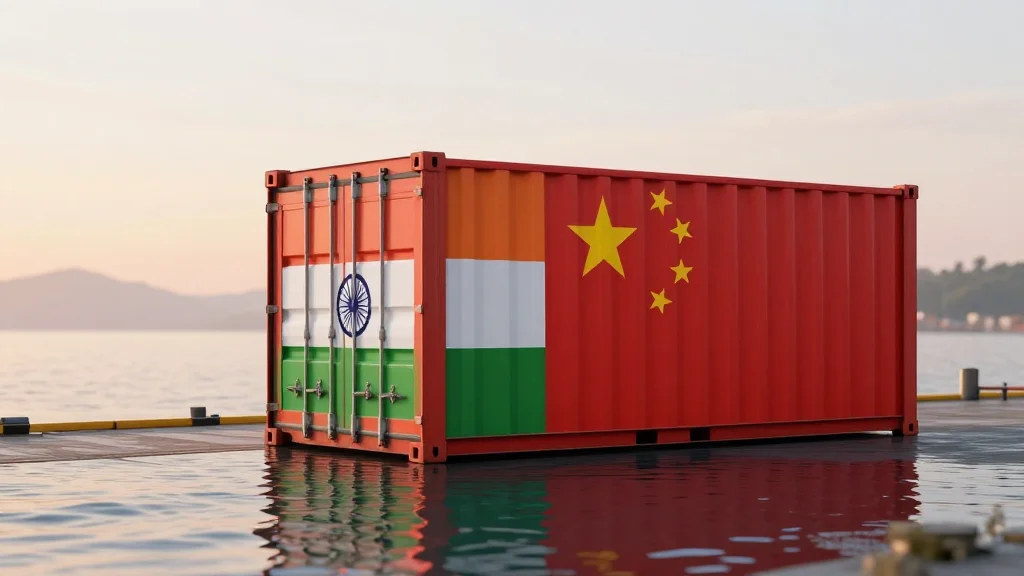
Govt Eases FDI Norms for China, Other Countries Sharing Land Border with India: Sources
India has amended Press Note 3, easing foreign‑investment rules for all nations sharing a land border, including China. The change removes the mandatory pre‑approval requirement for investments from companies with shareholders in these countries, though approval remains required for any sector....
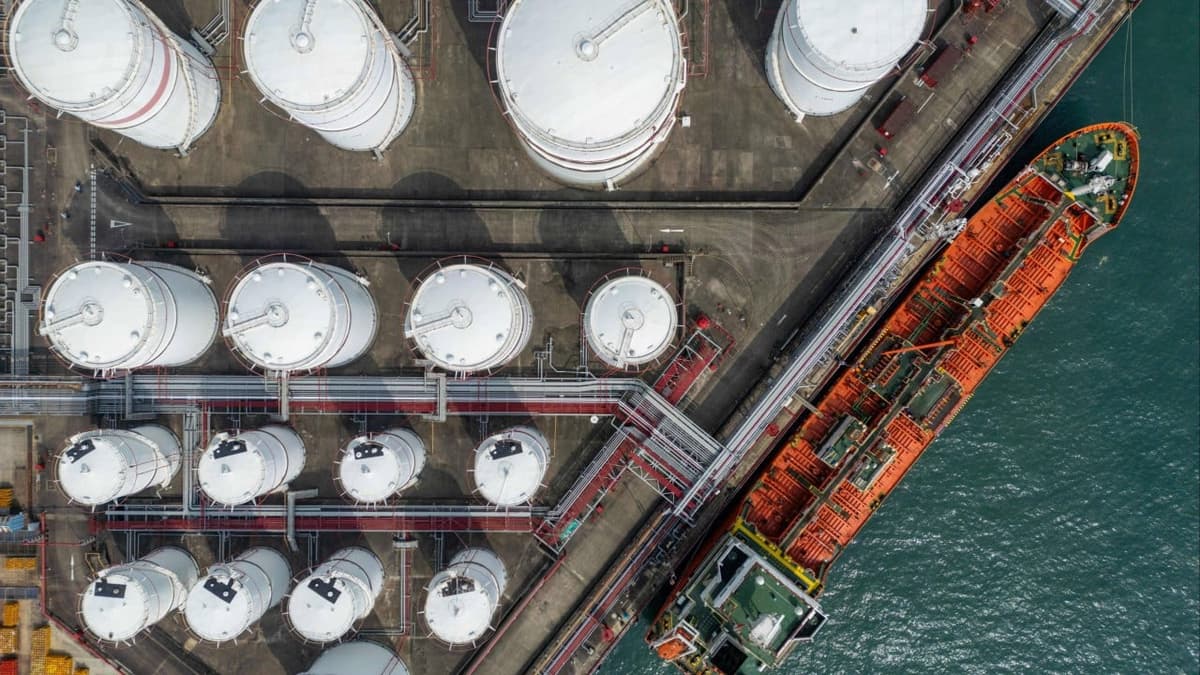
China’s Energy Defences Ease Sting of Iran War Instability
China is strengthening its energy security framework to offset volatility caused by the Iran‑related conflict. The government has expanded strategic petroleum reserves, accelerated domestic renewable projects, and secured new long‑term contracts with alternative suppliers. These moves aim to insulate the...

Public and Private Sector Key to Digital Realty in West Africa
Digital Realty inaugurated its first West African datacentre, ACR2, near Accra in November 2025, a 1.7 MW, 1,100 m² facility that builds on its earlier cable landing station ACR1. The launch follows the landing of Meta’s 2Africa subsea cable and reflects a broader...
.jpg&h=630&w=1200&q=100&v=4908ac7b80&c=1)
Opinion: Asia’s Growing Influence in Healthcare Private Equity
Raj Shah, head of healthcare at Nordic Capital, argues that Asia is becoming a pivotal arena for healthcare private equity. Demographic pressures, especially aging populations and rising middle‑class incomes, are creating a surge in demand for medical services. Investors, both...

Thai Bourse Buoyant on Return of Foreign Investors
The Stock Exchange of Thailand (SET) says foreign investors will likely return once geopolitical tensions ease, positioning Thailand as a regional safe‑haven. Since the Middle East conflict, the SET index fell about 10.5% but remains 8.5% higher year‑to‑date, keeping Thailand...

IDB Invest Finances Rincon Mining to Expand Lithium Production in Argentina
IDB Invest has joined a multi‑lender financing package worth up to $1.175 billion to expand Rio Tinto’s Rincón Mining lithium project in Salta, Argentina. The bank will provide a $100 million loan and technical assistance, while the International Finance Corporation, Export Finance...

EU Enlargement: What's in It for European Businesses?
EU enlargement commissioner Marta Kos urged European firms to invest in candidate countries, citing past enlargement’s boost to exports, supply chains and GDP. She emphasized reforms—independent courts, anti‑corruption, free media—as prerequisites for safe investment. New research from the Confederation of...

The Iran Crisis and the BRICS Dilemma
The Iran‑U.S. conflict is spilling into the Gulf, forcing BRICS to confront its first major geopolitical test since the 2024 expansion. While Russia and China back Tehran’s strategic autonomy, India adopts a cautious stance to protect its Chabahar‑linked trade interests....

China’s Big Bet on Central Asia Is Paying Off
China’s investment strategy in Central Asia is moving beyond the debt‑trap stereotype, emphasizing joint ventures and infrastructure that fuel industrial growth. In 2025, Chinese foreign direct investment rose roughly 15% year‑on‑year, with Kazakhstan alone attracting about $12 billion in energy projects....

Iran War Pushes Rupiah Close to Historic Low
The United States‑Israeli war on Iran has driven the Indonesian rupiah to Rp 17,009 per dollar, flirting with its 1997‑1998 crisis low. Bloomberg data show the currency briefly breaching the Rp 17,000 psychological barrier before settling near Rp 16,950. The conflict has also...

Africa Gets Duty-Free Access to China – But Chinese Companies Win on Both Sides
Starting May 1, China will waive import duties on virtually all goods from every African nation except Eswatini, expanding a previous exemption for 33 least‑developed countries. The move, announced by President Xi at the African Union summit, is framed as...
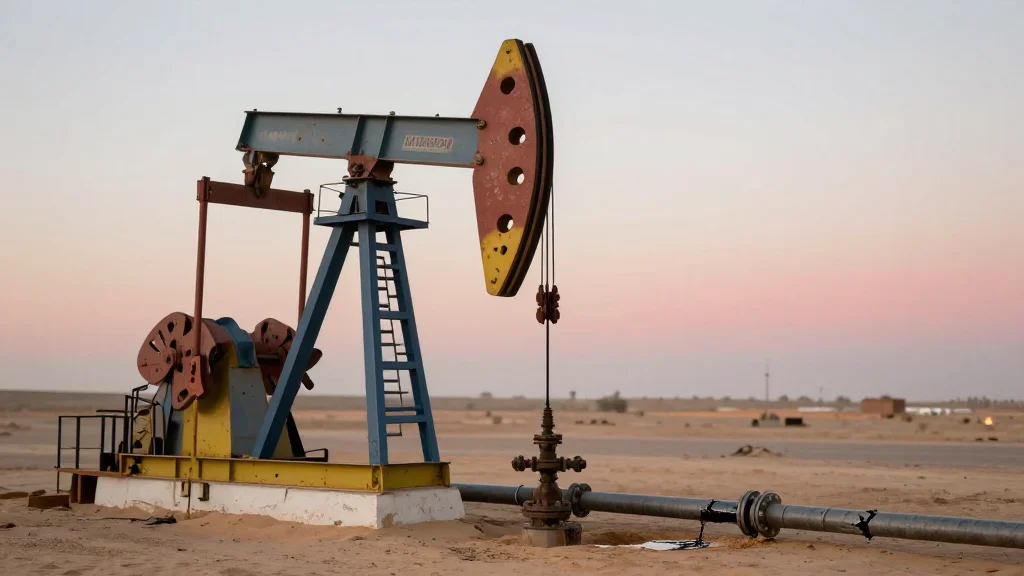
Oil Companies Evacuate Staff From Iraq
International oil service firms Halliburton, KBR and SLB have evacuated foreign staff from southern Iraq as security deteriorates amid the US‑Israel‑Iran conflict. Iraqi crude output has slumped roughly 60%, falling to about 1.3 million barrels per day after key export routes...

Islamic Development Bank to Fund Uganda’s Standard Gauge Railway
The Islamic Development Bank (IsDB) is set to provide a €405 million concessional loan and co‑financing for Uganda’s first Standard Gauge Railway (SGR) phase, a 272 km electrified line linking Kampala to the Kenya border at Malaba. The €2.7 billion project, with a...
Ruto: Funds From Kenya Pipeline IPO Will Be Used to Expand JKIA
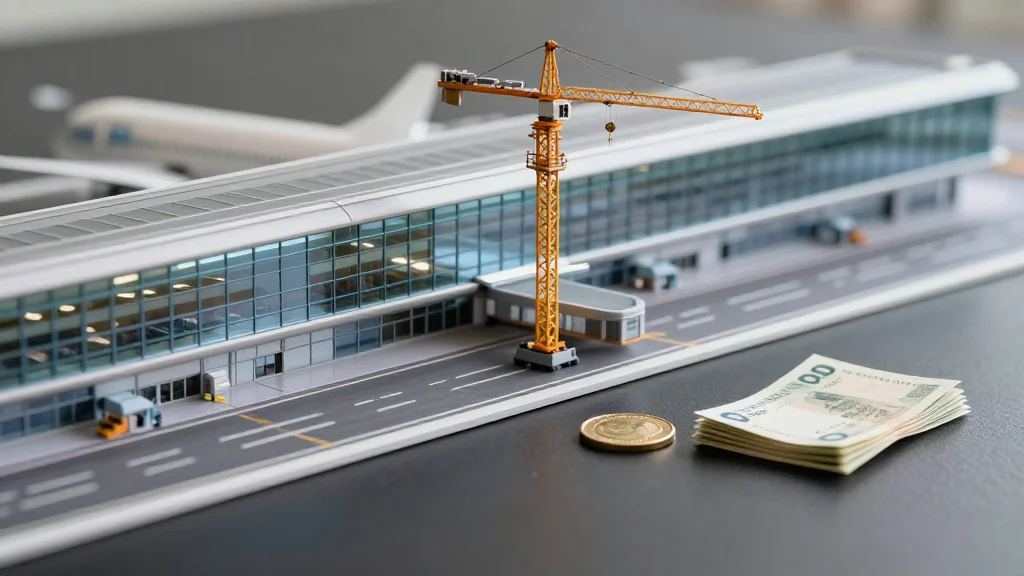
Kenya raised Sh106.3 billion by selling a 65 percent stake in Kenya Pipeline Company, creating a sizable pool of capital for infrastructure. President William Ruto announced that between Sh15 billion and Sh20 billion from the proceeds will seed the expansion of Jomo Kenyatta International...
Can the US Afford Trump’s Iran War?
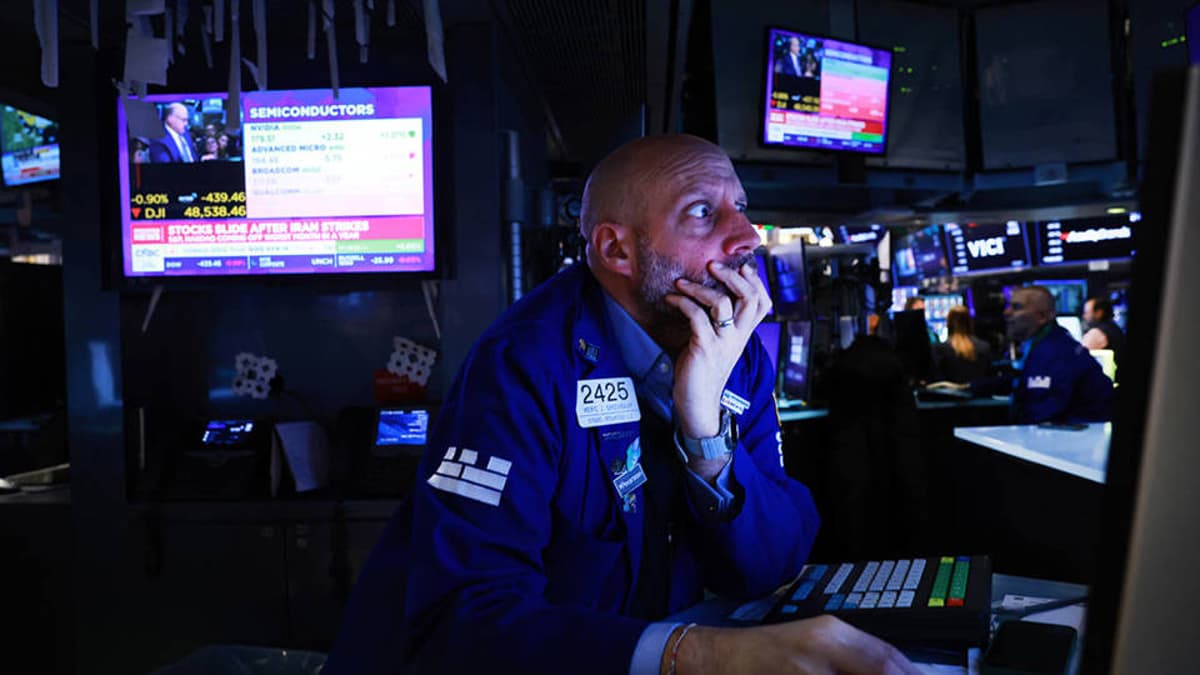
President Donald Trump has launched a direct military campaign against Iran despite a domestic economy plagued by rising unemployment and stubborn inflation. The article argues that the conflict will further erode public finances, adding new pressure on the federal budget....
For a Country that Owns Ethiopia Airlines, EAC Is but a Sick Joke
The opinion piece argues that Ethiopia should be wary of joining the East African Community (EAC), citing systemic failures among current members. It highlights that several states have missed subscription payments, lack airspace integration, and prioritize arms spending over regional...

Rand Under Severe Pressure
The South African rand weakened to below R16.90 per US dollar, its lowest level since mid‑December, as oil prices surged more than 25% amid the expanding US‑Israeli conflict with Iran. Higher crude costs and heightened global risk aversion pressured the...

Oil Spikes: How High Is the Price of War?
Oil prices have surged sharply as the Middle East conflict intensifies, highlighted by Iran’s appointment of a new supreme leader. The spike has prompted an emergency G7 finance ministers meeting to discuss coordinated responses. In the UK, Prime Minister Sir...

Iran Conflict Could Increase Challenges for Emerging Market Sovereigns: Fitch
Fitch Ratings warns that the ongoing Iran‑Israel conflict could create new credit risks for emerging‑market sovereigns. Disruptions to Gulf oil supplies may push energy import costs higher, strengthening the US dollar and tightening debt markets, especially for speculative‑grade issuers. Countries...

Vietnamese NA Helps Build Institutional Foundations for Long Term Development Canadian Researcher
Vietnam’s National Assembly is central to institutionalising development policies and strengthening the legal framework for long‑term growth, says York University researcher Joe Pateman. He highlights how recent legislation on economic management, investment and public administration has created a more stable...

The Macro-Antifragility Framework: Navigating Southeast Asia’s Risk Landscape in 2026
In 2026 Southeast Asian founders confront a macro‑antifragility dilemma, balancing rapid scaling, unit‑economic profitability, and supply‑chain stability amid rising techno‑nationalism. High‑interest‑rate environments in the West have tightened investor expectations, while ASEAN’s robust GDP growth is tempered by sovereign AI regulations...
Emerging-Market Stocks Eye Correction, Currencies Erase YTD Gain
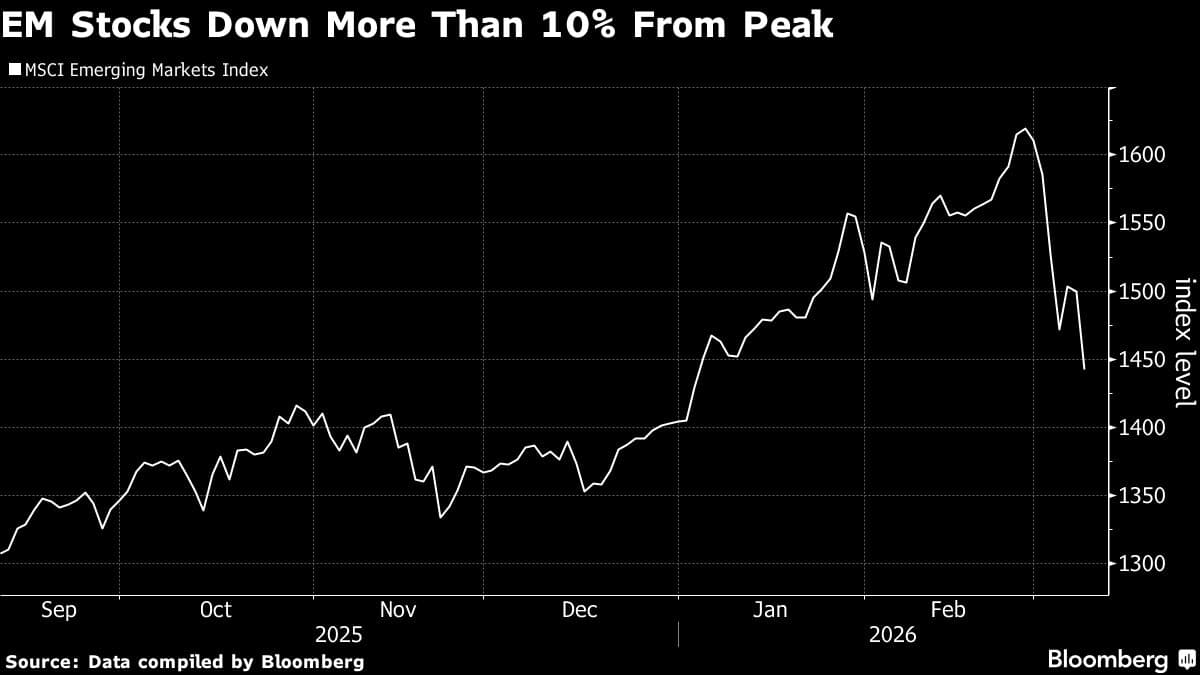
Emerging‑market equities suffered a sharp sell‑off on March 9, with the MSCI Emerging Markets Index sliding 3.4% and edging toward a technical correction defined by a 10% pullback from recent highs. Two‑thirds of the index’s constituents posted losses, pushing the benchmark...
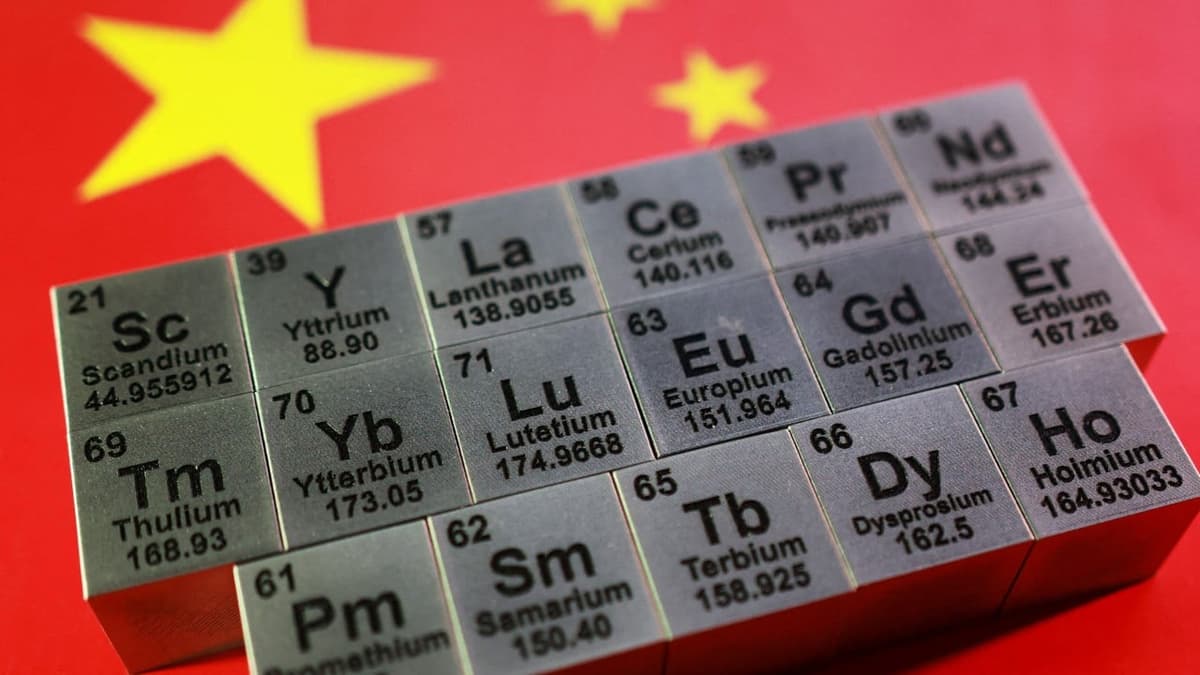
Why China’s Critical Mineral Dominance Is Still Disrupting US Supply Chains
American companies continue to wrestle with critical mineral shortages even after China temporarily lifted its export ban on gallium, germanium and antimony. China still controls the bulk of heavy rare earths and other essential raw materials, creating bottlenecks for U.S....

Oil Surges Past $100 as West Asia War Escalates, Raising Supply Fears
Global crude prices jumped ~20% on Monday, breaching $100 per barrel as the West Asia war escalated. Brent hit $111 and WTI $114, driven by the near‑closure of the Strait of Hormuz and production cuts in Kuwait, UAE and Iraq....

War Jitters Drain Liquidity From Iran’s Markets as Rial Pricing Fractures
Iran’s financial markets entered a pronounced lull after US and Israeli strikes heightened geopolitical risk, leaving many trading venues partially shut and liquidity thin. Online dollar pricing via USDT surged to IRR 1,550,000 per dollar, yet physical dollar dealers accept roughly...
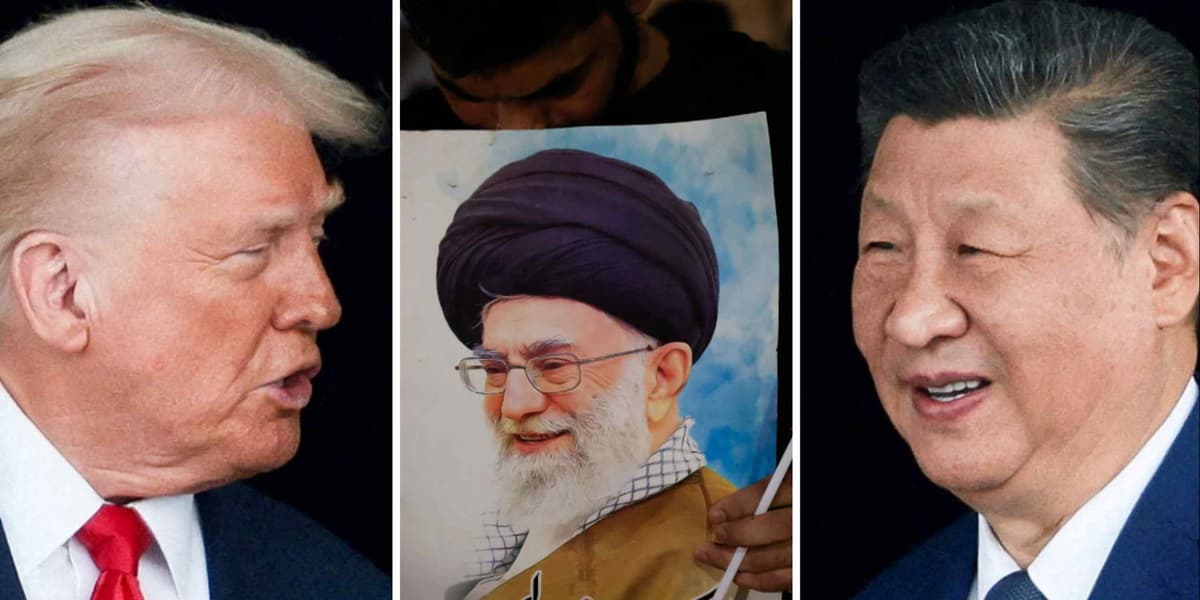
US Must Not Let Iran Distract It From China
The United States and Israel are escalating a military campaign against Iran, raising concerns that the conflict could divert American attention and resources. Analysts warn that this distraction may allow China to deepen its strategic foothold in the Indo‑Pacific. The...
East African Citizens Brace for Hard Times as Gulf War Escalates
East African economies are bracing for fallout from the escalating Gulf conflict after US and Israel attacks on Iran. Brent crude surged past $84 a barrel, pushing fuel costs and inflation higher across the region. Economists warn that higher import...
How Iran-Israel War Reshapes Sudan’s Fragile Frontlines
The Iran‑Israel conflict has forced Saudi Arabia, the UAE and Qatar to divert attention and resources after Iranian missile reprisals, weakening their mediation role in Sudan’s three‑year war. Analysts argue this shift could either spark renewed diplomatic pressure to end...

Top Market Expert Predicts FIIs Unlikely to Return Anytime Soon After Nearly $2 Billion Selling in March
Foreign institutional investors dumped nearly $2 billion from Indian equities in March, driven by heightened Middle‑East tensions and Brent crude trading above $90 a barrel. The outflows, amounting to roughly Rs 21,829 crore, pushed the Nifty 50 down about 6% year‑to‑date and erased Rs 19 lakh crore...

Marcos Departs for US Visit on Sunday
President Ferdinand Marcos Jr. departs for a working visit to New York on March 8, where he will address the United Nations General Assembly and the Commission on the Status of Women. He will call for peace in the Middle East,...
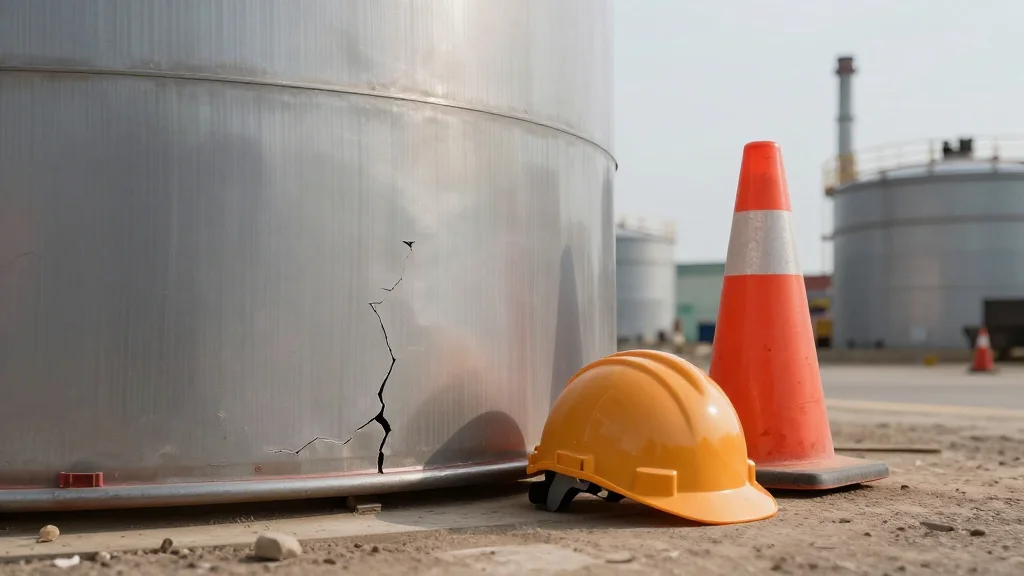
Bahrain Says Refinery Fire From Iran Strike Has Been Contained
A fire erupted at Bahrain's Sitra refinery after an Iranian missile strike, but the blaze was fully contained with no reported injuries and the plant remains operational. The incident comes as the refinery, part of a $7 bn Bapco Modernisation Programme,...
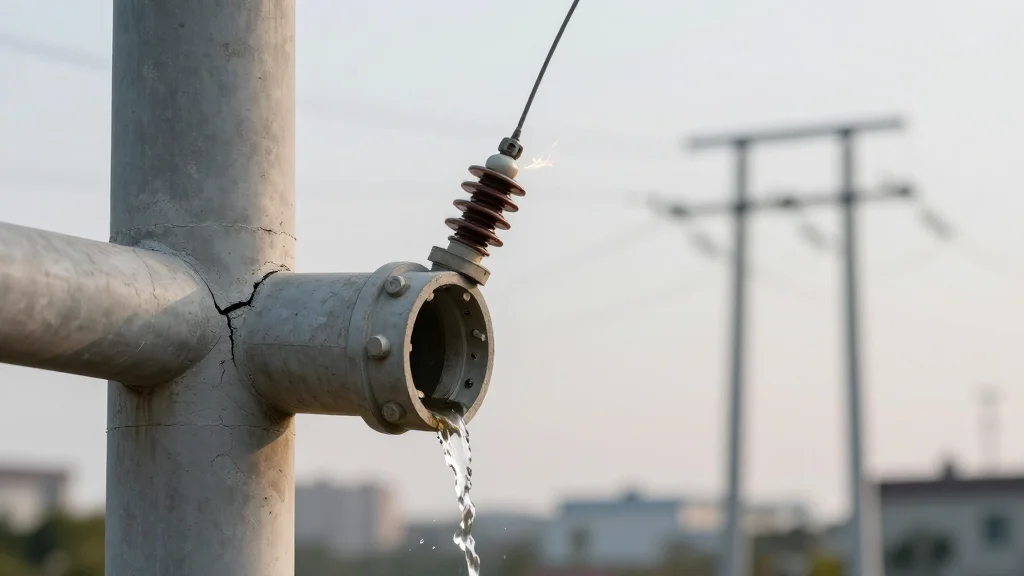
UAE Utilities Say Services Stable Amid Tensions
UAE utility giants Abu Dhabi National Energy Company (Taqa) and Etihad Water & Electricity confirmed that water and electricity services remain fully operational despite recent missile attacks in the region. Both firms activated risk‑management frameworks and precautionary procedures to safeguard...

Are EM Bonds the Most Obvious Trade in the World?
Emerging‑market (EM) bonds are delivering roughly double the yield of developed‑market debt while their volatility has fallen below that of traditional safe‑haven assets. The structural advantage stems from EM governments carrying about half the debt‑to‑GDP ratios of their developed counterparts,...
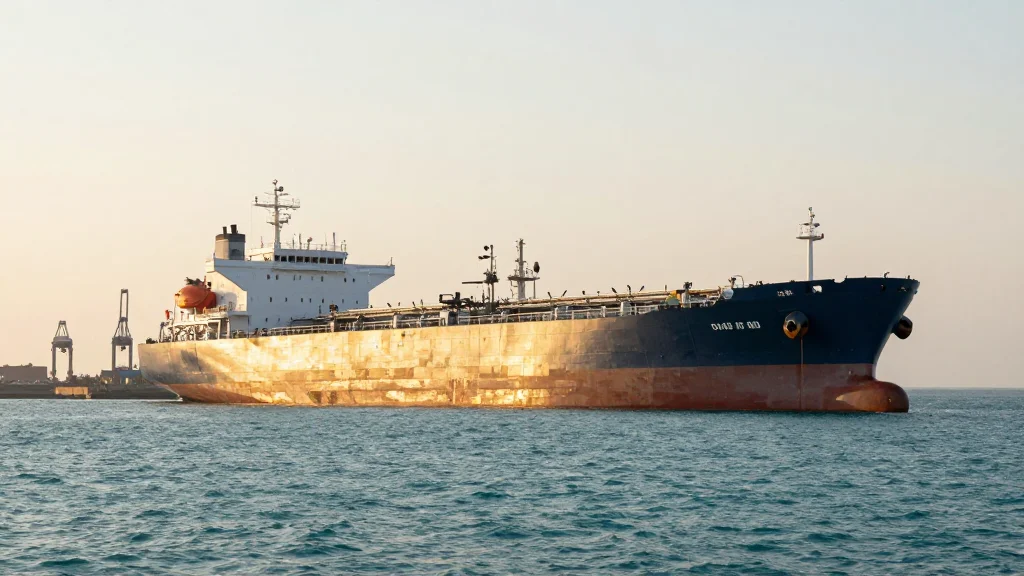
Pakistan Seeks Saudi Red Sea Route for Oil After Iran Closes Hormuz
Pakistan is turning to Saudi Arabia’s Red Sea corridor to import crude after Iran’s closure of the Strait of Hormuz following recent U.S.–Israeli strikes. The disruption threatens Pakistan’s already tight fuel supply, prompting the government to adopt aggressive conservation policies,...
India Grants Subsidy to $360m Chip Assembly Project
India announced a subsidy for a $360 million back‑end semiconductor assembly plant being built by Kaynes in partnership with Japan’s Mitsui & Co. and Aoi Electronics. The government support aims to lower capital costs and accelerate the plant’s commissioning, targeted for later this...
Indo-US Trade Talks Reset; Deal Now Expected in 3-4 Months
Indo‑US trade talks have been reset after the U.S. Supreme Court struck down tariffs imposed under the International Emergency Economic Powers Act, activating the joint statement’s review clause. Both governments now have a three‑to‑four‑month window to reassess the proposed preferential...

West Asia Crisis: Ministry Asks Ports to Consider Waiving Charges, Issues SoP
India’s Union Shipping, Ports and Waterways Ministry issued a standard operating procedure to mitigate disruptions from the West Asia crisis. The SOP authorises ports to consider waiving or reducing charges such as vessel fees and storage rent on a case‑by‑case...