
Should You Exercise Harder or Longer? What New Data Suggests
Two recent UK Biobank analyses of 100,000 participants reveal that exercise intensity matters as much as total activity volume. Wei et al. found that, for equal weekly movement, higher‑intensity bouts are linked to a lower incidence of eight major chronic diseases, while Cai et al. showed that accumulating roughly 150 minutes of moderate‑to‑vigorous activity per week reduces all‑cause mortality even in short, sporadic sessions. Both studies used objective wearable data, strengthening the observed correlations. The findings suggest a flexible “dose‑response” model where intensity can amplify health benefits without requiring longer workouts.

‘Functional Fitness’ Is Trending. Here’s How—And Why—You Should Start
Functional fitness, the ability to perform daily activities efficiently, is gaining mainstream traction. The rise of hybrid events like Hyrox and popular workouts such as rucking have propelled the trend beyond niche gyms. Experts argue that traditional strength routines often...

Train in Hawaii With Olympic Coach Mark Schubert: Exclusive Summer Swim Camp
The Mark Schubert Hawaii Swim Camp offers competitive swimmers a two‑week intensive training experience on Oahu in July 2026. Coached by Olympic veteran Mark Schubert, the program emphasizes technique, video analysis, race strategy, speed work, and mental preparation. Participants can...

These 6 Popular Workout Supplements Can Also Support Your Heart Health
A recent review of 33 studies examined six popular workout supplements—creatine, beta‑alanine, caffeine, synephrine, nitric‑oxide boosters, and taurine—highlighting both performance gains and cardiovascular effects. Creatine and taurine emerged as the most robust options, offering strength, endurance, and measurable heart‑protective benefits....
Home Shed Gym 5/3/1 - Focusing on the Iron
A fitness enthusiast posted a detailed home‑gym log featuring the 5/3/1 strength program and supplemental conditioning. The workout included barbell deadlifts, squats, bench presses, kettlebell clean‑and‑presses, and a mix of cardio on a bike and outdoor walks. Personal notes mention...
Dadfit | 531 and Other Stuff
The author logged a high‑volume kettlebell session, completing 500 swings with a 24 kg bell, followed by a 4× 4:1 walk‑run interval. After an unscripted long‑weekend break, the routine will resume on Tuesday, integrating the 5/3/1 strength framework. The post thanks...

The 7 Best Resistance Bands For a Killer Workout Anywhere
The article reviews seven top resistance‑band kits, highlighting the Total Fitness Package’s comprehensive accessories, Bodylastics’ safety‑cord design, and niche options like hypoallergenic Vulcan bands. Each set is evaluated on durability, resistance range, and added features such as digital workout apps...

How to Train for Surfing: 12 Essential Land Exercises That Actually Work
The article presents a curated list of 12 land‑based exercises designed to boost surfing performance. It groups movements into four pillars—paddling power (vertical pulls, standing pulldowns, barbell rows), balance (shrimp squats, single‑leg deadlift, Romanian deadlift), power (push‑ups, jump squats, one‑arm...

Is Cardio Fitness or Muscular Strength More Important for Longevity?
The long‑standing debate over cardio versus strength training for longevity has gained new scientific footing. A massive cohort study of 416,240 American adults showed that even modest moderate‑to‑vigorous activity—about an hour per week—significantly lowers mortality risk. While both aerobic exercise...

Walking vs Running: Which Is Better for You?
Recent research shows walking as few as 7,000 steps a day can slash all‑cause mortality risk by up to 70%, while just five to ten minutes of running at six mph also lowers cardiovascular death risk. Running burns roughly double the...

Yes, Creatine Benefits Include Reversing the Effects of Sleep Deprivation and Stress
Creatine monohydrate, long‑established for muscle growth, is gaining scientific backing as a brain‑fueling supplement. Recent studies show that higher daily doses—10 to 25 grams—can raise brain creatine levels and mitigate cognitive deficits caused by sleep loss and stress. Trials published...

The New Performance Metric that May Replace W/Kg
The cycling world is questioning the long‑standing watts‑per‑kilogram (W/kg) metric after research showed it poorly predicts race outcomes. A new "compound score"—which blends absolute power output with relative power—has emerged from studies led by Peter Leo and John Wakefield. Early...
A Metabolism Researcher Shared 2 Simple Things He Does to Reduce His Cancer Risk
Dr. Charles Brenner, a metabolism researcher at City of Hope, says two simple habits—varying physical activity and eating a plant‑focused Mediterranean diet—help reduce cancer risk. He stresses moving frequently, from gym classes to dog‑walking and playing with his kids, to...

I Did 50 Squat Jumps Every Morning for a Week and My Energy, Strength and Mood All Improved
A personal experiment of doing 50 squat jumps each morning for a week showed noticeable gains in energy, strength, and mood. The routine spikes heart rate, improves circulation and lymphatic flow, and primes the nervous system for the day. By...

9 Simple Home Fitness Tests Every Woman over 50 Should Pass – and the Tiny Tweaks that Transform Your Results
Women over 50 can gauge functional fitness with nine simple home tests that assess balance, strength, mobility and walking speed. The tests—single‑leg stand, 30‑second chair‑stand, push‑ups, farmer’s carry, wall sit, chest press, core reps, back‑scratch, and gait speed—provide concrete benchmarks...
Sarcopenia Cure 2026
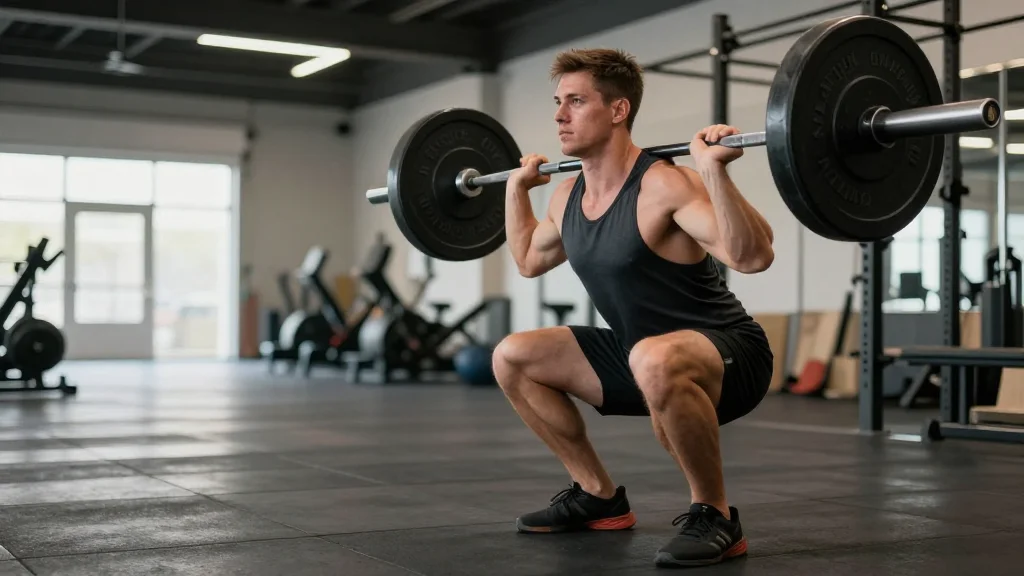
The athlete recorded a high‑intensity lower‑body session on April 1, 2026, hitting a 7‑rep personal record (PR) at 285 lb on the low‑bar squat despite a lingering hip issue. Good mornings replaced Romanian deadlifts to protect the adductor, while a 205 lb seated...

Jay Cutler’s Best Back Exercise for Mass: Master the Meadows Row for Thicker Lats
Bodybuilding icon Jay Cutler highlighted the Meadows Row as his go‑to exercise for building massive lats, sharing the move on Instagram with nearly six million followers. Developed by late trainer John Meadows, the unilateral T‑bar row stretches the upper lats...
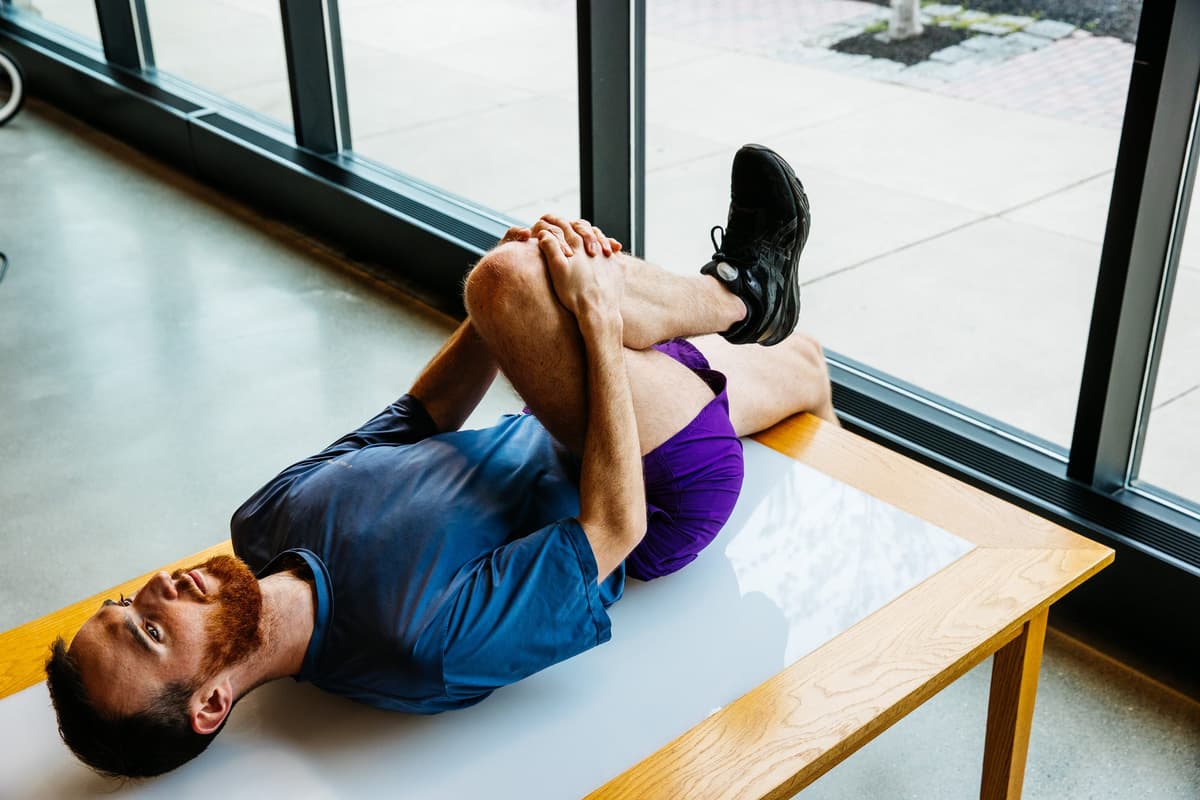
What’s the Minimum Amount of Mobility Runners Can Get Away With?
Runner‑focused physical therapists Kate Bochnewetch and Cynthia Sampson outline the minimum mobility work needed to support efficient running. They argue that regular strength training—30 minutes twice a week—covers much of the baseline mobility demand, but targeted mobility drills should still...

'At 54, I’m Building More Muscle Than Ever Before. Here's How.'
At 54, Kelly Gahr transformed her health using the Wonder Women Official virtual program, which blends macro‑based nutrition, mindset coaching, and resistance training. After a sedentary pandemic period, she committed to daily cardio and five‑day‑a‑week strength sessions, gaining visible muscle...

6 Lactate Threshold Workouts to Build Speed Endurance and Race-Day Confidence
Runner’s World consulted three USATF‑certified coaches to outline six lactate threshold workouts designed to improve speed endurance and race‑day confidence. The workouts—ranging from 5‑minute intervals to hill repeats—target a 20‑30 minute effort at a comfortably hard pace (RPE 7‑8), which...

How (and Why) to Do Copenhagen Planks
The Copenhagen plank is a side‑plank variation that places the top leg on a bench, forcing the hip adductors to work intensely. Originating from Danish research, the exercise has been shown to boost adductor strength and lower groin‑pull incidence in...

New Garmin Training Features (2026): Nutrition Tracking, Lifestyle Logging, and More
Garmin rolled out a major software refresh across its premium Venu X1, Fenix 8 Pro, and Forerunner 970 watches, adding nutrition tracking, an expanded Fitness Coach, gear lifespan monitoring, lifestyle logging, Sleep Alignment, a WhatsApp watch app, and Sports Scores Glance. Nutrition logging is...

Don’t Stress over HRV: Here’s How to Look at the Data
Heart rate variability (HRV) is a resting metric that reflects autonomic nervous system balance and is increasingly tracked by wearables such as Apple Watch, Garmin and Whoop. Experts explain that a higher HRV signals readiness for intense training, while a...

New Study Suggests Building Muscle Might Help with Depression—Especially in Women
A Mendelian‑randomization study of 341,000 UK Biobank participants found that genetic predisposition to greater muscle strength, measured by grip strength, is associated with a 14% lower risk of depression. The protective effect is markedly stronger in women, with up to...

These 3 Workouts Take Walking to the Next Level
Walking remains a low‑impact cardio staple, and spring’s pleasant weather makes it especially appealing. Recent research links nature walks to better mental health, lower risk of type 2 diabetes, heart disease, and dementia, and increased longevity. Certified trainer Jenny McCoy outlines three...
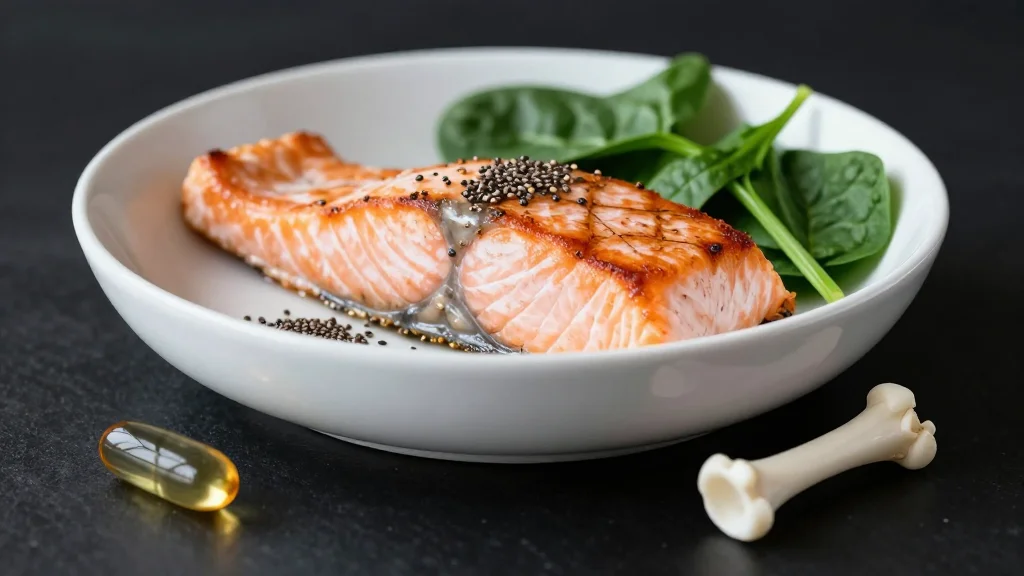
Omega-3 PUFAs in Musculoskeletal Health and Sports Medicine: From Molecular Pathways to Precision Nutrition Strategies
A new narrative review links omega‑3 polyunsaturated fatty acids (PUFAs) to musculoskeletal health by tracing their anti‑inflammatory and tissue‑repair pathways from the cellular level to clinical outcomes. The authors detail how omega‑3s remodel cell membranes, shift lipid mediator profiles, and...

Targeting Muscle–Vasculature Crosstalk in Aging Through the Integrative Roles of L-Citrulline, Leucine, and Exercise: Focus on Muscle Metabolism, Vascular Function,...
Aging simultaneously erodes skeletal muscle mass and vascular function, creating a feedback loop that accelerates sarcopenia. L‑citrulline boosts nitric‑oxide production, enhancing endothelial health, while leucine stimulates the mTOR pathway to increase muscle protein synthesis. Recent studies show that combining these...

Can You Train for a Marathon in a Month?
Traditional marathon training spans about 16 weeks, progressing through base, build, peak, and taper phases to develop endurance safely. A four‑week crash plan pushes weekly mileage from 50 km to a 30‑km long run, far exceeding the recommended 10 % increase and...
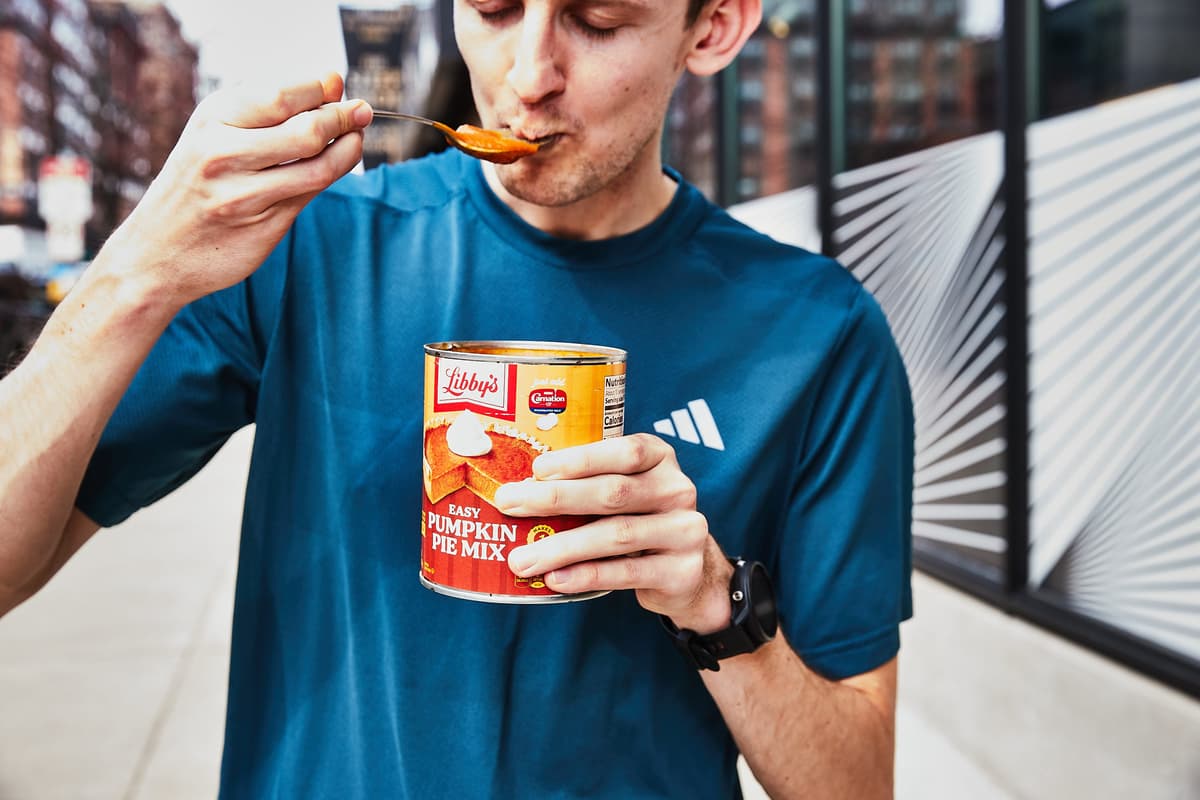
I Found the Most Underrated Running Snack: Pumpkin Pie Filling (Hear Me Out!)
Runner John LePino swears by a midnight snack of canned pumpkin pie filling, consuming an entire 30‑ounce can that delivers roughly 200 grams of carbohydrates and 800 calories for about $4. The high‑carb, calorie‑dense mix appeals to ultra‑high‑mileage athletes who need rapid...

How Power Cleans Lead to Better Run Performance
Power cleans, an Olympic‑style explosive lift, are gaining traction among distance runners seeking to enhance stride efficiency and injury resilience. Experts advise mastering foundational lifts before attempting the clean, emphasizing mobility drills such as the world’s greatest stretch and shoulder...
Doogie Slow and Steady
A brief exchange on the T‑Nation forum reveals a growing preference for ultra‑efficient gym sessions. Doogie reports completing workouts in under 30 minutes without timing rest intervals, relying on pre‑stretching to streamline the routine. The dialogue highlights a minimalist approach...

Garmin-Style Running Metric Lands on Amazfit's Affordable Running Watches in Latest Update
Amazfit has rolled out software version 3.7.0.1 for its Active Max, adding lactate‑threshold tracking—a metric traditionally found on high‑end Garmin watches. The update also refines sleep‑stage tracking, enhancing both performance and recovery data. Priced at about $170, the Active Max...

The Biggest Triathlon Pacing Mistakes (And How to Avoid Them)
The article outlines common triathlon pacing errors—from swimming too fast to neglecting nutrition—and offers concrete strategies to avoid them. Coaches recommend treating the swim as a warm‑up, riding the bike at 70‑75% of FTP, and adjusting power targets when temperatures...

What Are Stabilizer Muscles (and Do You Really Need to Train Them)?
Stabilizer muscles aren’t a separate set of fibers but a functional role muscles assume during movement, activating early to stiffen joints. Research shows that both free‑weight and machine exercises can recruit these muscles, provided the program includes varied motions such...

5 Shoulder Mobility Exercises to Improve Back Squat Form, Grip & Strength
The article outlines five targeted shoulder‑mobility drills designed to sharpen barbell back‑squat setup, grip comfort, and overall strength. It explains how external rotation, thoracic extension, lat and pec length, and scapular control create a stable “shelf” for the bar. A...

12 O’Clock Pushup Challenge: The Viral Bodyweight Workout for Chest, Core, and Full-Body Strength
Fitness influencer Senada Greca, who commands 6.6 million Instagram followers, popularized the 12 O’Clock Pushup Challenge—a bodyweight routine that arranges twelve weight plates in a clock‑face layout and requires a pushup on each. By using plates of varying depth, the exercise...
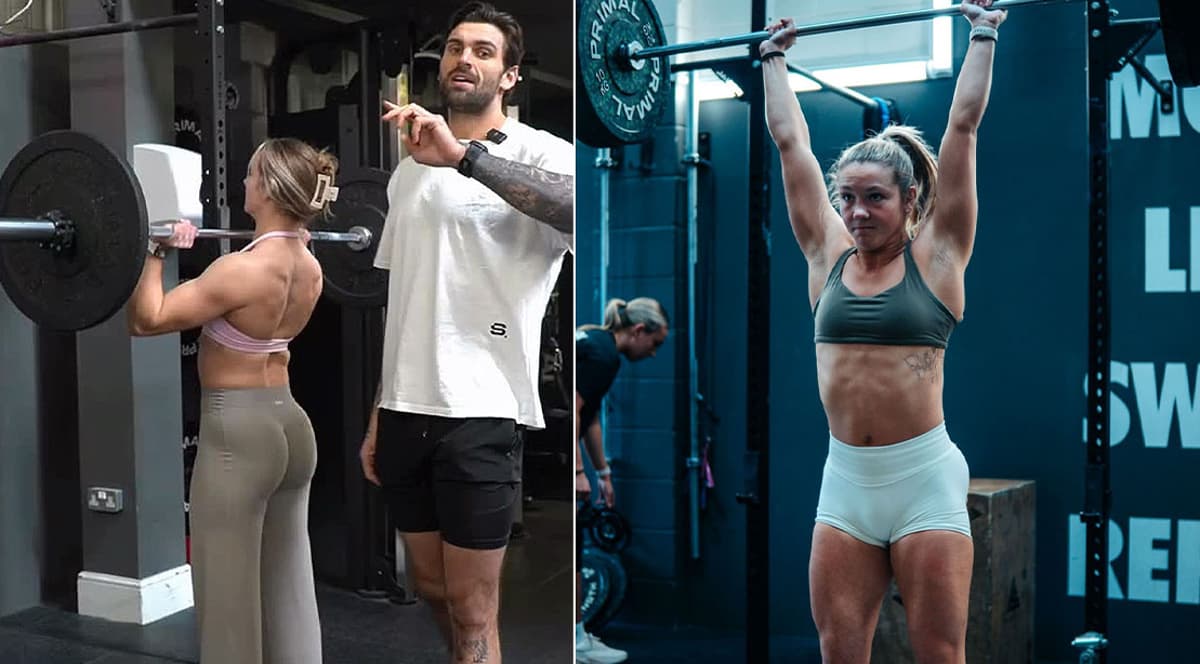
How to Master the Barbell Strict Press: Adam Collard’s 3 Step Fix
Fitness influencer Adam Collard shared a three‑step fix for the barbell strict press on Instagram, targeting common form errors. He advises keeping a neutral spine by bracing glutes, aligning the head under the bar to avoid a forward drift, and...

Alex Hutchinson Digs Into Running’s High-Carb Craze
Recent research is prompting a dramatic increase in recommended carbohydrate intake for distance runners, with some studies suggesting athletes consume up to five times more carbs than traditional guidelines. This “carbolution” has turned carb loading from an elite‑only ritual into...

3 Foundational Ways To Recover Faster From Exercise, According To Experts
Experts emphasize that recovery, not just training, drives fitness gains. Exercise scientist Rachelle Reed outlines a simple equation—training stress plus recovery equals adaptation—and highlights three foundational pillars: sufficient sleep, targeted post‑workout nutrition, and heat therapy. Adequate 7‑9 hours of deep...

New Research Suggests There’s a Better Way to Track Strength Training Than the One-Rep Max
A new commentary in the International Journal of Sports Physiology and Performance, led by Brazilian researcher Irineu Loturco, challenges the traditional one‑rep max (1RM) as the primary metric for strength training. The authors argue that 1RM testing is inaccurate, time‑consuming,...
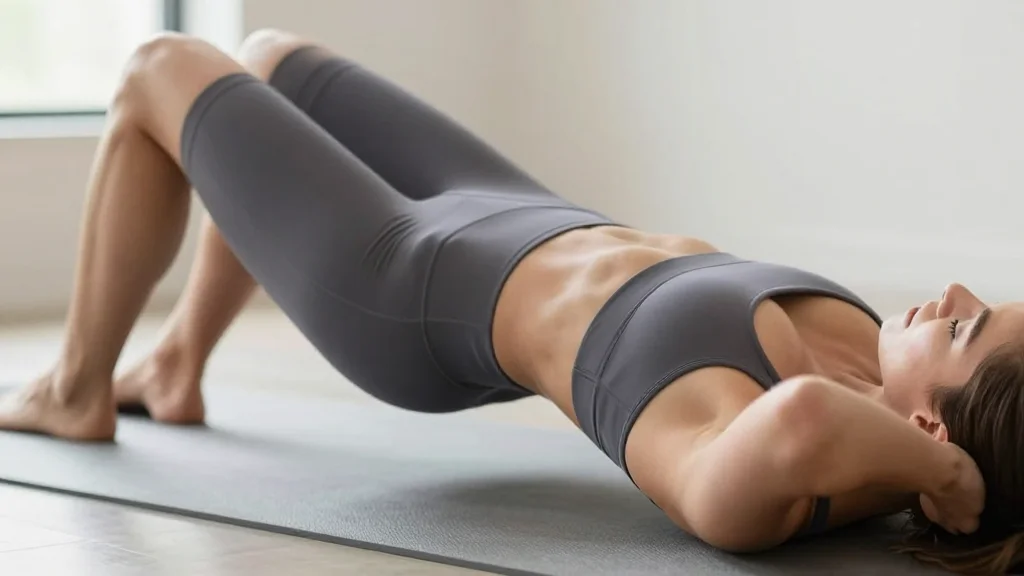
Sick Of Crunches? This Simple Variation Will Fire Up Your Deep Core Muscles
Tabletop crunches are a bodyweight variation that intensifies lower‑abdominal activation compared with traditional crunches. The exercise positions the legs in a 90‑degree tabletop, requiring the core to stabilize the hips while the shoulders lift. The move is equipment‑free, with simple...
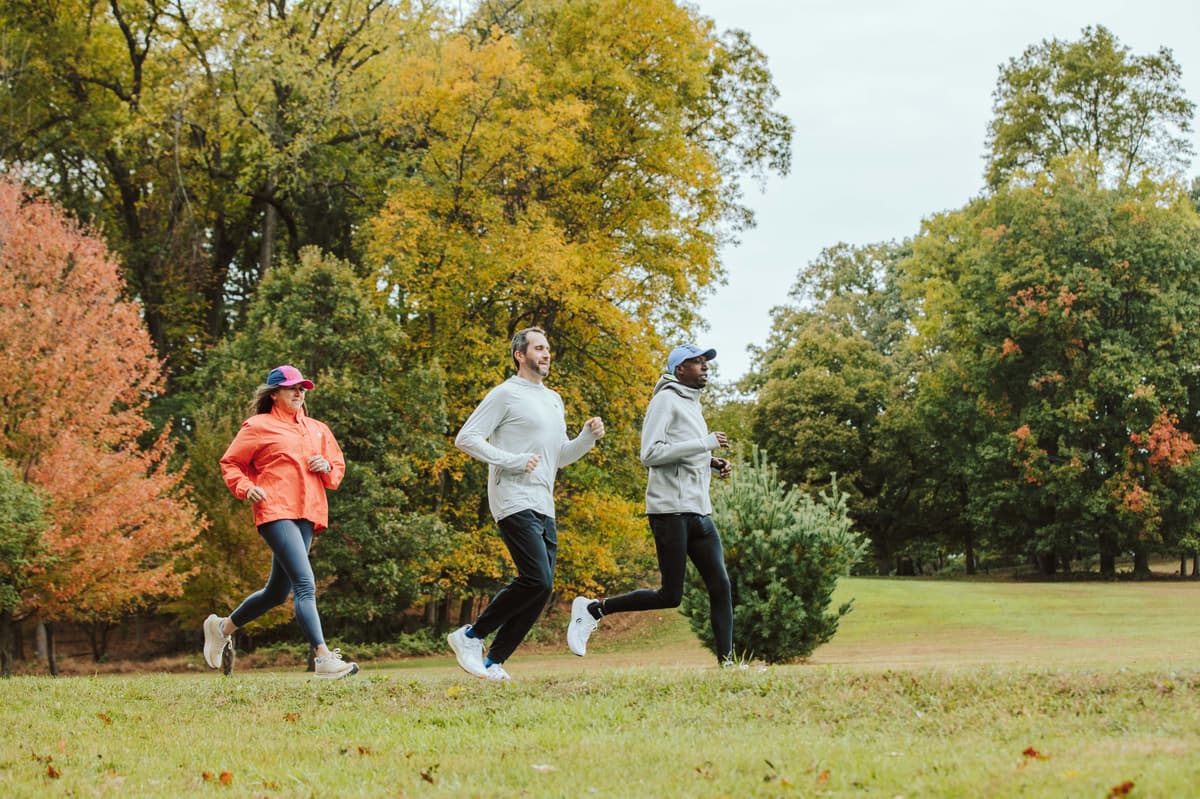
An Exercise Physiologist Explains the Flawed Relationship Between VO2 Max and Bodyweight
VO2 max remains the benchmark for aerobic fitness, but the common relative calculation—dividing absolute oxygen uptake by total bodyweight—fails to account for body composition. Research from 2015 and a 2021 review shows VO2 max aligns more closely with lean muscle mass than...

Power Meter “Accuracy” Claims Are Misleading. Here’s What They Really Mean.
Power‑meter manufacturers tout ±1 % to ±2 % accuracy, but the figure reflects how closely a device repeats its own readings in a lab, not how near it is to true power. In real‑world riding, variables and drivetrain losses mean meters can...
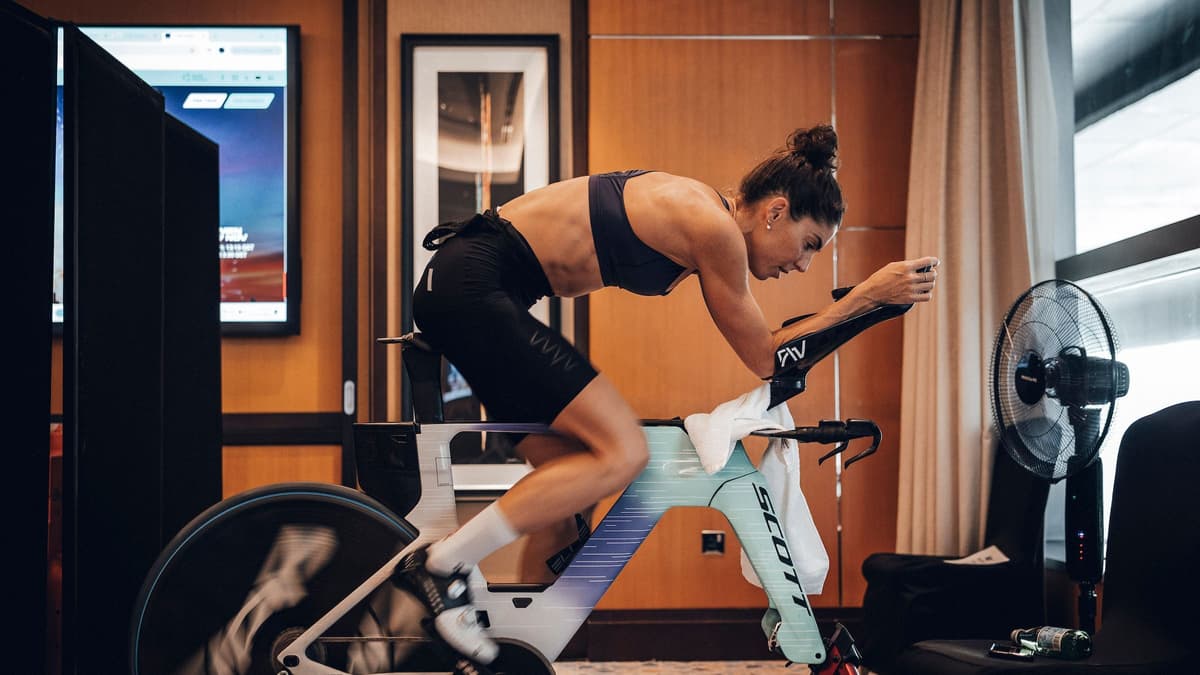
Why 20 Minutes of Focused Intervals Beats a 2-Hour Junk Ride Every Time
Focused interval training can replace long, low‑quality bike sessions for triathletes, delivering equal or greater fitness gains in a fraction of the time. Studies show that 20‑minute high‑intensity blocks improve VO₂ max and aerobic capacity more effectively than two‑hour endurance rides....
The Smarter Way To Structure Your Workout, According To Trainers
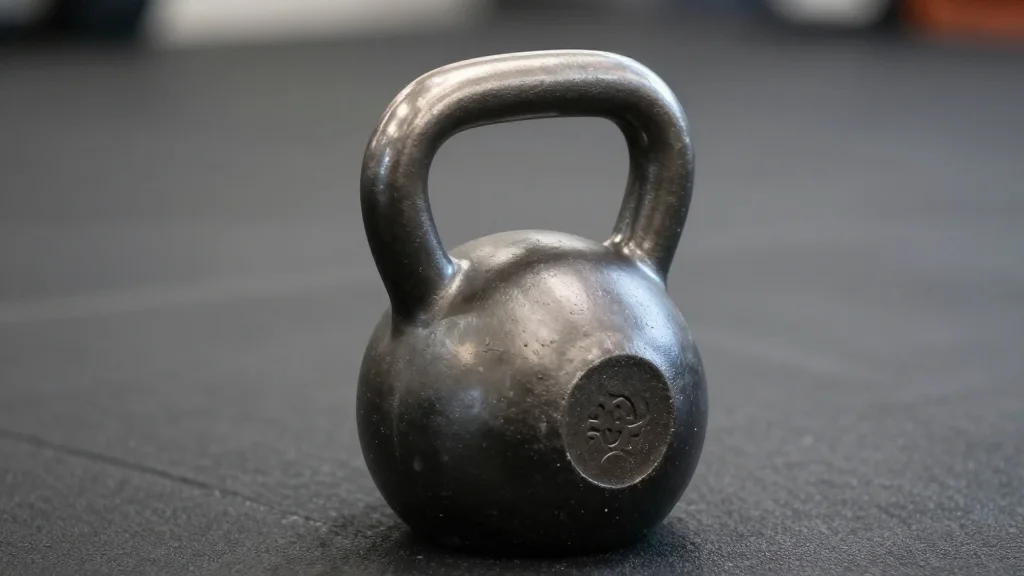
Top personal trainers are championing compound exercises as the cornerstone of efficient, full‑body workouts. These multi‑joint movements—like squats, deadlifts, and kettlebell swings—activate several muscle groups at once, delivering strength, coordination, and cardio benefits in a single set. A recent Frontiers...
Queen Cobra's Training Log
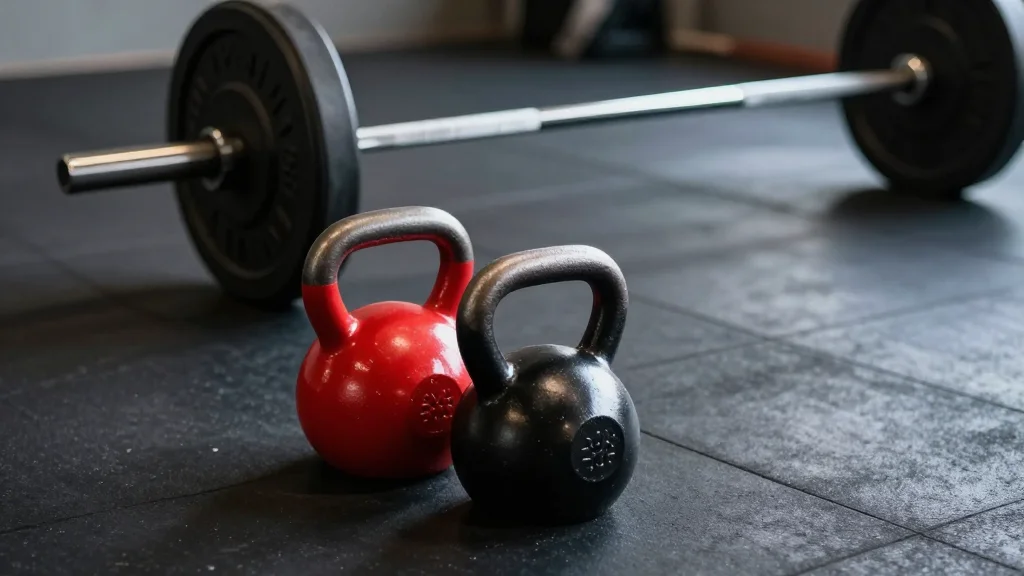
From March 27‑31, 2026, Queen Cobra recorded detailed daily metrics on sleep, nutrition and workouts. Calorie intake fluctuated between roughly 1,800 kcal and 2,400 kcal, with protein consistently above 120 g and balanced carbs and fats. The week featured alternating rest days and high‑volume supersets...
Yet Another Training Log
Over four consecutive days, the athlete logged detailed strength sessions while battling a lingering cold. The program combined fasted training, creatine and L‑taurine supplementation, and featured progressive overload on bench press, squat variations, and a deadlift deload week. Each workout...

How Cynthia Erivo, 39, Is Secretly Training for a 3:15 London Marathon – the Weekly Routine Fans Never See
Actress Cynthia Erivo, 39, is aiming to cut her London Marathon time to 3:15 on April 26, a 20‑minute improvement over her 2022 finish. She is training while headlining a solo production of “Dracula,” following a rigorous weekly schedule that...

The Ultimate Walk-On: Mike Herman
Mike Herman, a former Navy SEAL, discovered rowing on a ship’s erg in 2021 and progressed from novice to Olympic-caliber athlete within four years. He helped the U.S. men’s eight capture bronze at the 2025 World Rowing Championships in Shanghai,...

What Really Caused the Kilter-Pocalypse?
Kilter Board’s original app was abruptly taken down on March 26, wiping twelve years of climbers’ logged ascents and training data. The shutdown followed a cease‑and‑desist letter from Kilter to Aurora’s developer, Peter Michaux, amid a long‑running dispute over ownership...