
US Stocks Today: US Stocks End Higher as Middle East Peace Talks Lift Sentiment
U.S. equities closed higher on Thursday as emerging peace talks in the Middle East eased concerns over the fragile U.S.–Iran truce. The S&P 500, Nasdaq and Dow all posted gains, with the S&P 500 reclaiming its 100‑day and 200‑day moving averages. Constellation Brands (+8.17%) and Amazon (+5.36%) led the rally, while crude oil rose modestly and the VIX fell to its lowest level since the conflict began. Federal Reserve minutes hinted at possible rate hikes if the war drags on, adding a policy backdrop to the market bounce.
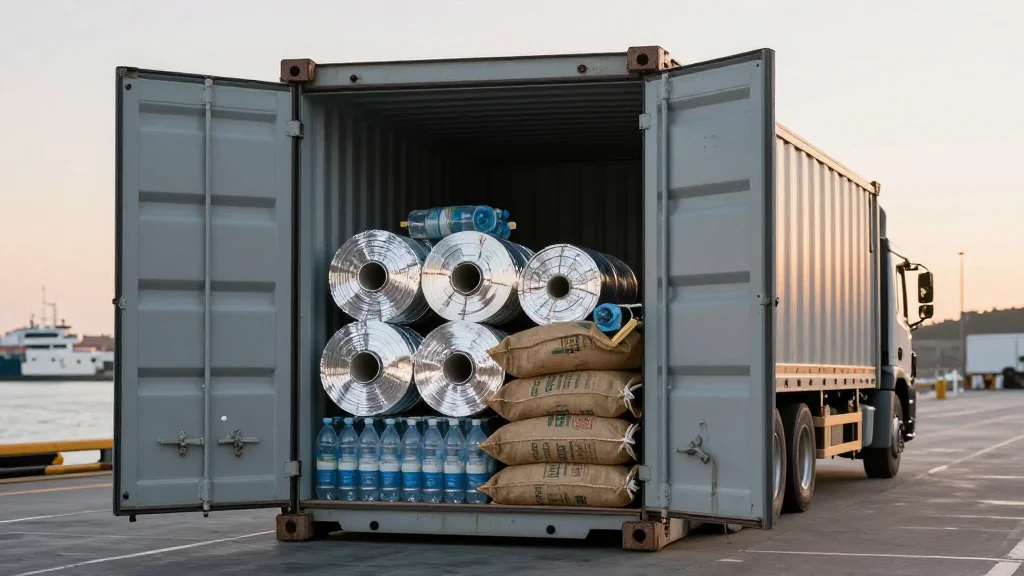
Strait of Hormuz: How Food and Beverage Companies Can Navigate the Latest Developments
The closure of the Strait of Hormuz has disrupted key inputs for food and beverage manufacturers, notably polyethylene and aluminum used in packaging, global fertilizer supplies, and freight costs driven by soaring oil prices. These shocks create three primary challenges:...

Ag Economist Warns Middle East Conflict Has Economy Teetering
Dr. David Kohl, a Virginia Tech agricultural economist, warns that the ongoing Middle East conflict—fueling gasoline at $4, diesel at $5, and oil at $100 a barrel—could trigger a global recession if it endures for 15 weeks. He notes that...

The Struggle to Diversify Rare Earth Supply Chains
Demand for rare earth magnets has doubled since 2015, and the International Energy Agency projects a 30% increase by 2030. China now controls roughly 60% of mined production, over 90% of refining, and 95% of permanent‑magnet output, creating a single‑source...

Brazil on Track to Fill China Beef Export Quota by May as Prices Hit All-Time High
Brazil is on track to exhaust its 1.106 million‑tonne beef export quota to China by early May as cattle prices hit a record R$365 (≈US$71.6) per arroba. March saw a historic 233,950 tonnes of fresh beef shipped, generating roughly R$7 billion (≈US$1.37 billion) in...

Recognizing the Role of Propaganda in Russia’s Infrastructure of Aggression
A Kyiv‑based study of over 1,000 Russian prisoners of war found that soldiers who embraced Kremlin propaganda were up to six times more likely to view the invasion as legitimate and nearly twice as likely to want to return to...

Macro Buffers to Help India Tide over Gulf Crisis: World Bank
The World Bank projects India’s GDP growth at 6.6% for FY27, noting that the ongoing Gulf conflict could shave a few tenths off the outlook. It assumes oil prices of $90‑100 a barrel and expects growth to rebound to about...

Only Five Ships Crossed the Strait of Hormuz Thursday, Far Below Iran’s Pledge as Negotiations Begin
Only five vessels crossed the Strait of Hormuz on April 9, far below Iran's pledge of at least fifteen ships during the two‑week ceasefire. The traffic level is a stark contrast to the pre‑war average of 130‑160 daily transits, highlighting...

RBI's Move to Scrap Investment Buffer Could Lift Banks' Capital
The Reserve Bank of India has proposed eliminating the Investment Fluctuation Reserve (IFR), a 2% buffer that banks keep to absorb mark‑to‑market losses on bond holdings. By allowing the IFR balance to be re‑classified as Tier I capital, banks could transfer...
The Stock-Market Correction Isn’t over Yet. Here’s Why the Iran Cease-Fire Is Actually a Bad Omen.
The U.S. equity market entered correction territory in March, with the Nasdaq Composite shedding more than 10 % from its February peak. Despite that decline, short‑term market timers stayed bullish, even after the Iran cease‑fire was announced. The expected “wall of...

US Imports of Consumer Electronics Face Threats to Growth Plans
U.S. consumer‑electronics imports are under pressure as 2025 saw a 2.2% drop in containerized shipments. Vietnam’s share of those imports climbed to 18.1% while China’s fell to 40.7%, reflecting a broader supply‑chain shift. At the same time, rising fuel prices...

Wall Street Rallies as Ongoing Middle East Peace Negotiations Boost Sentiment
U.S. equities rallied on Thursday as fresh Middle East peace talks eased geopolitical tension, lifting the Dow 0.65%, the S&P 500 0.50% and the Nasdaq 0.57%. The S&P 500 reclaimed both its 100‑day and 200‑day moving averages, a key technical...

Your Grocery Bill Will Be the Next Casualty of the Iran War. Make These Investment Moves Now to Counter Food...
The escalating conflict in Iran is pushing global oil prices higher, which in turn is inflating food costs worldwide. Simultaneously, a fertilizer shortage and mounting tariffs are tightening supply chains, threatening grocery bills for consumers. The article advises investors to...

Travelers See Fewer Flights and Higher Airfares as Jet Fuel Prices Swing
Jet fuel prices have surged to about $209 per barrel, roughly double the level at the start of the war in the Middle East, prompting airlines to raise fares and ancillary fees. U.S. carriers such as Delta and United report...

Trump’s Tariff Threat on European Cars Escalates Global Trade Tensions
U.S. President Donald Trump announced a plan to levy a 20% tariff on all automobiles imported from the European Union unless the bloc removes its own import duties and trade barriers on U.S. goods. The move follows heightened tensions with...

China-US Trade Relations: Between Engagement and Decoupling
A new national web survey of 810 Americans reveals a nuanced view of U.S.-China trade. While a majority consider the relationship important (7.27/10), 59% label China’s trade practices unfair and 34% deem current trade inequitable. Partisan gaps are stark: Republicans...
:max_bytes(150000):strip_icc():format(jpeg)/Open-Market-Operations-OMO-Final-ec375b8eb4d44b4d80b7bb24c6f1c9f2.jpg)
Understanding Open Market Operations: The Fed's Tool for Monetary Policy
Open market operations (OMOs) are the Federal Reserve’s primary tool for adjusting the money supply by buying or selling Treasury securities. Permanent OMOs involve outright purchases or sales to shape long‑term rates, while temporary OMOs use repos and reverse repos...

Can FPIs Return to Dalal Street Soon? Nithin Kamath Outlines the Roadblocks
Foreign portfolio investors have withdrawn ₹1.77 lakh crore in FY26, surpassing 2025 outflows. Zerodha co‑founder Nithin Kamath cited geopolitical tensions, rich valuations, limited AI opportunities, and tax changes as key deterrents. He warned that investor sentiment toward India has “pretty much died out,”...

Oil Prices Edge Higher as Confidence in Cease-Fire Wavers
Oil prices nudged higher on Thursday after a brief dip following a tentative cease‑fire between Iran and the United States. Brent crude settled around $96 a barrel, up roughly 30% since the conflict began, while U.S. WTI hovered near $98,...

Ceasefire: Oil Prices Sink, Stocks Rise
Maria Aspan, NPR
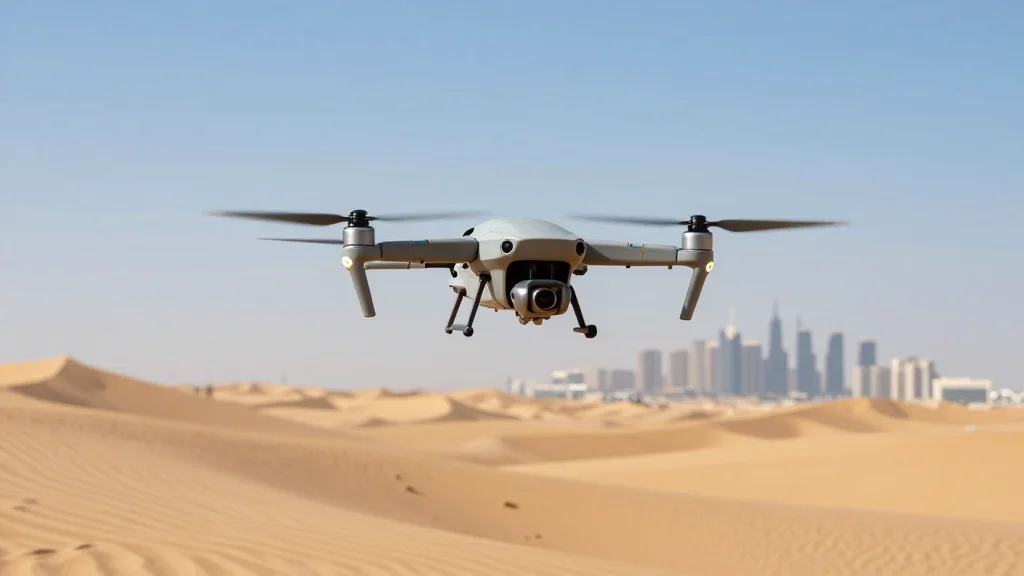
Ukraine Continues Remarkable Rise From Aid Recipient to Security Provider
Ukraine has moved from a war‑torn aid recipient to a sought‑after security provider, deploying drone specialists to five Middle Eastern countries and signing long‑term security pacts with Saudi Arabia, Qatar and the United Arab Emirates. The Gulf states are turning...

The Strait of Hormuz Is Not Open as Iran Controls Access After Ceasefire, UAE Oil CEO Says
Following a U.S.-Iran cease‑fire, Iran has begun requiring ships to obtain its permission before transiting the Strait of Hormuz, effectively keeping the waterway closed to free navigation, according to ADNOC CEO Sultan Ahmed Al Jaber. The restriction affects roughly 20 % of...

MacroVoices #527 Adam Rozencwajg: What Comes Next After The Iran Crisis
Adam Rozencwajg appears on MacroVoices to dissect the fallout from the Iran crisis. He highlights a sharp physical dislocation in the oil market, pushing prices higher and tightening supply. The conversation also covers rising food prices, inflation pressures, a potential...

A Global Food Emergency: Why the Closed Strait of Hormuz Puts Half the World’s Calories at Risk
The closure of the Strait of Hormuz has disrupted the flow of roughly a third of the world’s fertilizer shipments, driving U.S. fertilizer prices up more than 40% in a single month. Higher fertilizer costs force farmers to cut applications,...

Jet Fuel Supply Disruptions Are Comparable to 9/11 and Could Take Months to Replenish Even if Hormuz Strait Is Reopening,...
IATA chief Willie Walsh warned that jet‑fuel shortages caused by the Iran‑related war will linger for months even if the Strait of Hormuz reopens. Refining capacity in the Middle East has fallen 10‑12%, removing over 2 million barrels per day from...
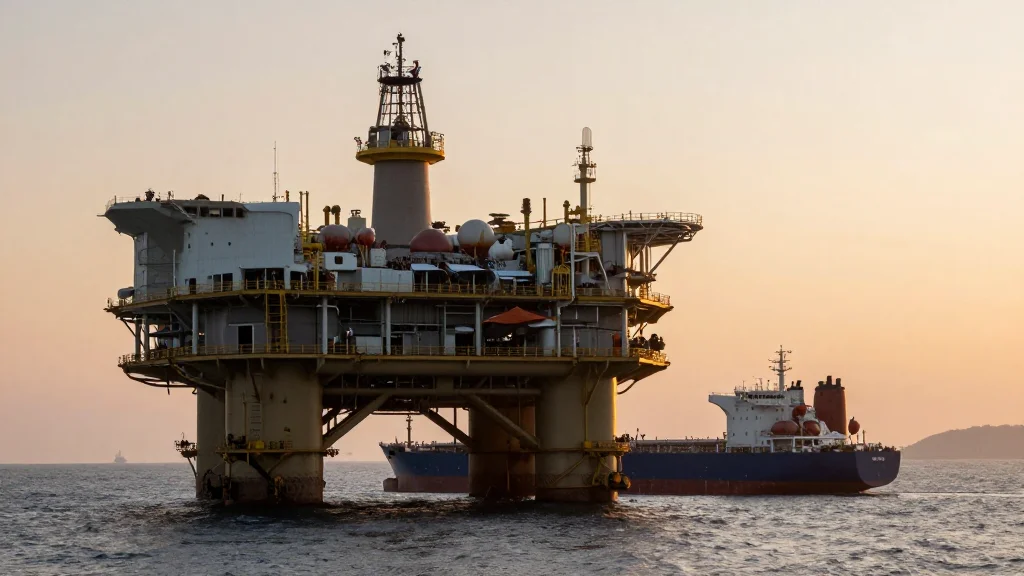
Iran Energy Shock Tests Limits of Trump’s Vision of US Energy Dominance
President Trump claims U.S. energy dominance despite Iran’s Strait of Hormuz blockade, yet gasoline prices surged to over $4 per gallon, costing households $8.4 billion in a month. The United States, while a net exporter, still imports roughly 6 million barrels of...

America’s War Is Adding to Africa’s Debt Burden
The US‑Israeli war in Iran has pushed U.S. Treasury yields higher, adding roughly $4.4 billion to Africa’s annual debt burden. With $149 billion of Eurobonds outstanding, the continent now faces $900 million to $1.2 billion of extra fiscal pressure each year. The increase stems...

Kalshi Says Its Edge Comes From Retail Traders but the Picture Is More Complex
Kalshi’s founders argue that its predictive edge stems from a broad base of retail traders rather than Wall Street professionals. An internal review of the platform’s top 1,000 users shows few with elite academic credentials or prior market experience, while...

India Navigating Global Uncertainties Like a ‘Chakravyuh’: Shaktikanta Das
India’s economy grew 7.6% in FY 2025‑26, showing resilience amid heightened global volatility. Principal Secretary Shaktikanta Das likened navigating the crisis to a “Chakravyuh,” stressing that a calibrated exit is essential to avoid new imbalances. He pointed to macro‑stability, rapid digitalisation,...

Letters to the Editor Dated April 09 2026
The Hindu BusinessLine’s April 9 letters highlight a newly announced cease‑fire in the Middle‑East conflict, which sparked a modest rally in Brent crude and equity markets. However, Iran’s $2 million per‑ship toll for safe passage through the Hormuz Strait threatens to undermine...

Middle East Crisis Live: Netanyahu Ready ’to Begin Direct Negotiations’ with Lebanon After Ordering People to Flee
Israeli Prime Minister Benjamin Netanyahu announced that he has instructed his cabinet to open direct negotiations with Lebanon, focusing on disarming Hezbollah and establishing formal peace relations. The move follows repeated Lebanese requests and comes amid heightened regional tension after...

Lasting Economic Costs of War
The International Monetary Fund warned that wars inflict deep, lasting economic damage, with output in conflict zones falling about 3% at the start and accumulating roughly 7% losses over five years—exceeding the impact of financial crises or natural disasters. Rising...

How Global Conflicts Are Threatening India’s Maritime Trade and Energy Security | Energonomics Podcast | EP 15
The Energonomics podcast examines how escalating geopolitical tensions are jeopardizing India’s maritime trade and energy security. It highlights the vulnerability of critical chokepoints such as the Strait of Hormuz and the Red Sea, where conflict could disrupt oil and cargo...

Deutsche Bank Says China Is Energy ‘Winner’ in Age of War
Deutsche Bank’s emerging‑markets CIO Jacky Tang argues that the Middle‑East war makes China the clear energy winner. While Iran‑linked oil imports pose a test, China’s rapid clean‑tech expansion and near‑40% renewable electricity mix cushion it from oil price shocks. Tang...

The More Important Inflation Rate
The Iran‑Houthi conflict and shipping disruptions through the Strait of Hormuz have driven a sharp jump in the one‑year inflation swap, which rose 62 basis points since Feb. 27, while the 12‑to‑24‑month forward rate (1y1y) has increased only 18 basis points....

Corridor Of Power: China’s Inland Hub Connects to ASEAN
China’s New International Land‑Sea Trade Corridor (New ILSTC) moved 1.425 million TEUs in 2025, a 47.6% year‑on‑year rise, and generated $196 billion in trade value, up 17.9%. ASEAN’s share of Chinese exports climbed to 17.6% in 2025, while shipments to Southeast Asia jumped...

CBAM: EU Carbon Border Levy Certificate Price Confirmed for First Quarter of 2026
The European Commission has announced the Carbon Border Adjustment Mechanism (CBAM) certificate price for the first quarter of 2026 at €75.36 per tonne of CO₂. Importers of carbon‑intensive products into the EU will be required to purchase these certificates starting...

Banks Close Out Bulk of Their Long Dollar Positions Ahead of RBI’s April 10 Deadline
The Reserve Bank of India issued a prudential circular on March 27 requiring banks to cap their net open position in INR at $100 million, with compliance due by April 10. In response, banks have unwound roughly 90 percent of the estimated $18‑30 billion...

BSP: Policy Vigilance to Continue After S&P Tempers Philippine Outlook
The Bangko Sentral ng Pilipinas said it will keep monitoring the impact of the Middle East war after S&P Global Ratings downgraded the Philippines' sovereign outlook from positive to stable while keeping the BBB+ rating. S&P cited the country's strong...
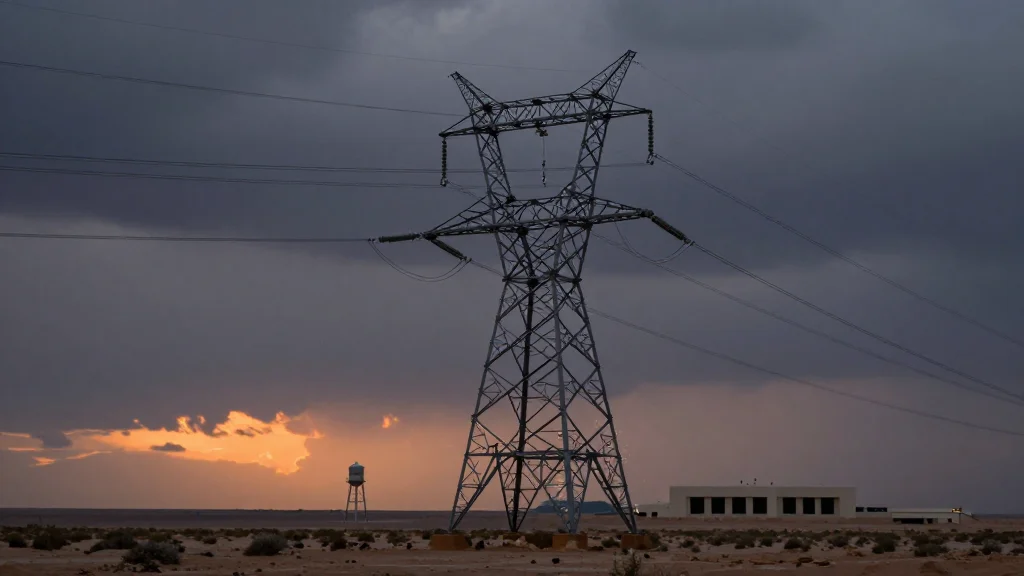
Matchett in The Economic Times, Hindustan Times, Nepal News, The Express Tribune, on Warning Against US Striking Iranian Critical Infrastructure
Atlantic Council analyst Ginger Matchett warned that a U.S. strike on Iran’s power grid would trigger a humanitarian disaster, disrupting water, health care and food supplies. She and colleague Joseph Webster argued that such an attack would likely provoke Iranian...
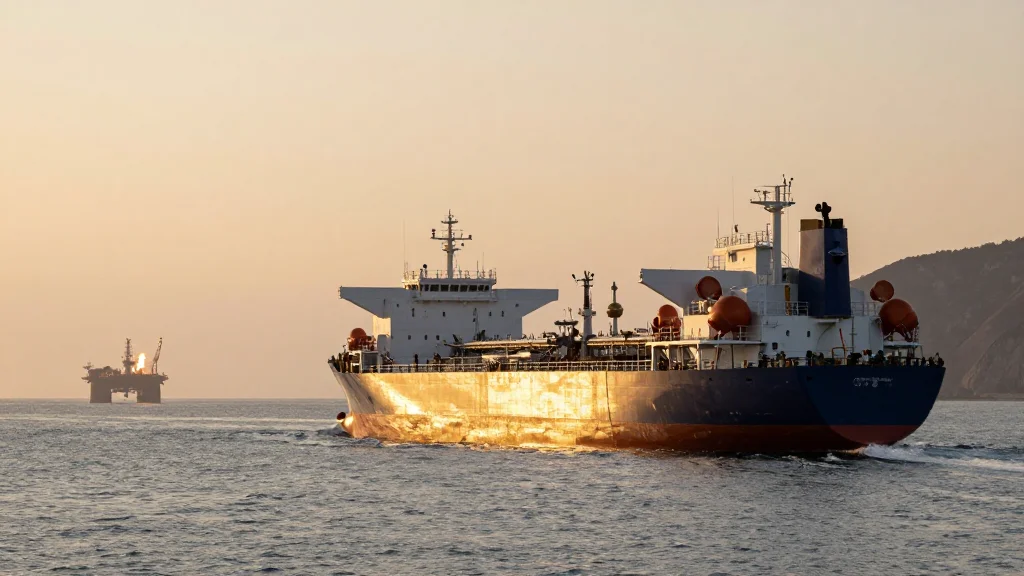
Iran War to Cut Global Growth: IMF
The International Monetary Fund said it will trim its global growth outlook in the upcoming World Economic Outlook because the war in Iran has created a severe energy supply shock. The conflict has damaged key Gulf infrastructure, including Qatar’s Ras Laffan...

Gas Turbine Supply Crunch Set to Raise Prices 195% by 2027: WoodMac
Wood Mackenzie forecasts gas turbine prices to soar to $600 per kilowatt by the end of 2027, a 195% jump from 2019 levels. The surge is driven by specialized labor shortages, hot‑section component bottlenecks, and trade‑related cost pressures, compounded by...

Iron Ore Slips on Signs of BHP-China Thaw
Iron ore prices fell to a one‑month low after Bloomberg reported that BHP’s incoming CEO, Brandon Craig, visited Beijing. The visit sparked speculation that the long‑running pricing dispute between BHP and China Mineral Resources Group (CMRG) may be easing. Futures...

Why Is Anthony Albanese Visiting Singapore Amid Australia’s Fuel Crisis – and What Could Come From It?
Australian Prime Minister Anthony Albanese arrived in Singapore ahead of schedule to discuss fuel security with Singaporean Prime Minister Lawrence Wong. The leaders will focus on ensuring uninterrupted supplies of petrol, diesel and LNG amid a regional fuel crunch sparked...

Hormuz Toll Debate: China Experts Propose ‘Innovative’ Solutions as Impasse Persists
The long‑standing dispute over toll collection in the Strait of Hormuz remains unresolved, with shipping firms and governments still lacking a unified fee framework. Chinese analysts have floated two novel ideas: tying toll rates directly to global oil prices and...

From Tariffs to Iran War, Geopolitics Are Upending Packaging Supply Chains
A year after the “Liberation Day” tariffs imposed a 10% duty on most imports, packaging costs have surged, with some items jumping from $0.80 to $3 each. The Trump administration’s partial rollback on steel, aluminum and copper has left high...

The Middle Corridor in an Era of Supply Chain Disruption
On Feb 28, simultaneous shutdowns of the Strait of Hormuz and the Red Sea cut oil transit by 86% and halted major carrier services, exposing the fragility of a maritime‑centric trade system. The disruption accelerated growth of the Middle Corridor –...

Inflation Held Sticky at 3% as U.S. Headed Into War with Iran, Key Fed Gauge Shows
The core personal consumption expenditures (PCE) price index held at a 3% annual rate in February, while headline inflation ticked up to 2.8%, both in line with expectations. Consumer spending rose 0.5% month‑over‑month, but personal income slipped 0.1%, underscoring mixed...

Global Airlines Cancel Flights Amid Middle East Conflict
British Airways will permanently drop Jeddah and trim its Middle East schedule, limiting Dubai, Doha and Tel Aviv to one daily flight from July 1 and cutting Riyadh to one flight from mid‑May. The airline will redeploy aircraft to add daily services...

March VLCC Outlook – Historic Shockwaves Through the Market
The escalation of the Middle East conflict effectively closed the Strait of Hormuz, sending the TD3C benchmark to historic highs and briefly pushing Worldscale rates above 600, equivalent to over $600,000 per day. While much of the surge reflected risk...